What Are The Key Trends In Video Management Systems?
2 Mar 2022


- Digital video systems use software across cloud, servers, appliances, and edge cameras.
- Video management software evolves to address changing market challenges and security needs.
- Key trends in VMS include cloud integration, scalability, and enhanced security features.
Editor Introduction
Digital video systems are driven by software, whether it’s in the cloud, installed on an off-the-shelf server, contained inside a dedicated appliance, or even inside the camera at the edge. Like many elements used for physical security, video management software (VMS) is changing with the times and to meet new challenges in the market. We asked this week’s Expert Panel Roundtable: What are the key trends in video management systems (VMSs)?


As the VMS market continues to mature, end-users are looking for more proactive information from these systems. The photo of the person who stole your car last night or the gang that broke into your business isn’t tremendously valuable in today’s law enforcement world, so we must produce more proactive, real-time information about the status of the estate. Analytics are advancing with the improvements in the processing power of edge devices and are now key to learning and understanding how humans interact with our buildings and environments. This knowledge allows us to build ‘smarter’ facilities that better serve the needs of the users. End-users want to be able to access the full range of VMS features via mobile devices and to interact with VMS systems as if they were sitting at their desk. Since COVID-19, people want not only to operate but also to manage systems and resources remotely.

The use of cloud storage and Video as a Service (VaaS) are two key trends that continue to shape the way VMS technology is developing. Linked to this are video analytics and biometrics, which continue to be key drivers. Another area that is always of interest is facial recognition, something that is very popular for personal mobile devices, but which is more divisive in public security. We have seen a big push-back on its use in the U.S., for example, and many governments are less keen to use it, but we may well see the greater eagerness in private sector adoption. We are likely to see an ever-increasing use of video analytics on the edge for greater flexibility, and we are seeing a demand for integrated applications, which enable security operators to control all their security systems from one portal (whether they favor their access control or surveillance portal, etc).

2022 is looking to be a promising year for automation and intelligence. Now that video analytics and other video automation capabilities are becoming more and more commonplace, we see it as a big area of innovation for VMS. As they can ingest more data both in terms of variety and quantity, analytics are able to filter out that data to provide qualified information. The next step is to make that information more relevant or easily digestible, and to trigger actions in the system. Rules-based correlation engines, workflows, and other processes in the back end that help trigger alarms or present just the right amount of information at the right time will be key to that transformation to smarter video management systems. We expect the visualization layer to also get more intuitive and adaptable as we see operations evolve and new personas using the systems.

An important trend in VMS evolution is the move towards cloud or cloud-hybrid infrastructures that enable efficient new workflows and storage options. The reduction in upfront hardware costs and maintenance are particularly appealing for some customers. Many organizations prefer a hybrid environment with a balanced mix of on-premises hardware and storage components and a bridge to the cloud for longer-term retention and efficient sharing of important video clips. Because AI-based camera analytics are also trending, compatible VMSs that can provide enhanced operations and business intelligence based on this enhanced metadata are becoming vital to organizations. As the pandemic continues to challenge businesses, much of the crucial flexibility required by operations and security is enabled by edge-based cameras and VMSs that support secure remote access. The added agility of having access to the VMS via smartphones, tablets and browsers remains crucial to keeping properties and assets secure.

Video management systems are necessary for mission-critical organizations because they are the foundational application that security systems are built upon. Therefore, VMS architecture should promote interoperability, scalability, and reliability. But the VMS systems of yesterday are not ideally suited to meet the evolving risks that modern companies face. In addition to emerging security issues, cybersecurity is also critical to consider. That is why video management must evolve. As more organizations adopt an IT-centric security infrastructure, IT leaders are becoming more involved in selecting and deploying these once traditional physical security solutions and looking for systems that support modern IT-based strategies. For example, containerized VMS can create a scalable, simple-to-use, and robust solution designed to fit the organization’s specific needs — built on the IT infrastructure companies rely on each day.

The purchase, deployment, and maintenance of VMSs have been a traditional process in the past. After selecting the video system that works for an organization, a systems integrator partner installs it and maintains it for a fee. But times have changed. With the demand for cloud services and an increased desire by end-users to make security an operational rather than a capital expense, this model is evolving. Subscriptions-based and as-a-service VMS models are a valuable option for enhancing technology acquisition selection and management. Subscriptions scale better, enhance the customer experience, and hold the promise of recurring and more predictable costs. The VMS subscription model complements a flexible and scalable solution and helps to improve the customer experience and lengthens the ongoing service delivered by product providers. And it makes it easier and simple to afford and access because upfront infrastructure costs are eliminated or reduced.

The key trend in the video space is the move to the Cloud. Instead of deploying and maintaining complex servers and storage systems, customers simply add their onsite video into Cloud-based software offered as a service. Besides the obvious infrastructure benefits and cost savings, moving to the cloud allows customers the flexibility to integrate easily with other systems. Utilizing a next-gen PSIM (physical security information management) platform, also delivered in the cloud, customers can easily leverage a wide variety of the latest artificial intelligence, mobile, mapping, access control, IoT, as well as a vast ecosystem of business systems – bringing this all into a single security operation interface. Video provides much situational awareness when combined with other alerts and systems, providing security operations teams the real-time information they need to coordinate effective responses to events.
Editor Summary
Historically, the role of video surveillance has been forensic; that is, it was used to solve a crime or observe a situation after the fact. However, with newer technologies transforming the physical security market, the role of video management is also evolving from a forensic tool into a new role providing real-time situational awareness. Furthermore, video management systems are changing how they are delivered and deployed, including a shift from on-premise delivery to cloud-based systems that are provided as a subscription service.
Hanwha Vision America products



Hanwha Vision America news
At ISC East 2025, Hanwha Vision is showcasing a range of high-performance surveillance solutions designed to elevate the security experience and transform an organization’s total operations. Attendees can see the future of security technology at Booth 507, ranging from AI cameras equipped with the Wisenet 9 System on Chip (SoC); to the new OnCAFE access control platform; to DesignPro, an intuitive project design and management resource. Hanwha Vision’s exhibit at ISC East demonstra...
Hanwha Vision is showcasing the future of security technology at GSX 2025 (Booth 2326), featuring its new Wisenet 9 System on Chip (SoC) and a growing suite of cloud-based solutions, including the new OnCAFE access control platform. Hanwha Vision will demonstrate how its latest technology simplifies security management, while providing powerful, intelligent, and scalable protection for any organization. Attendees will experience a full line of AI-powered cameras and devices supported by an...
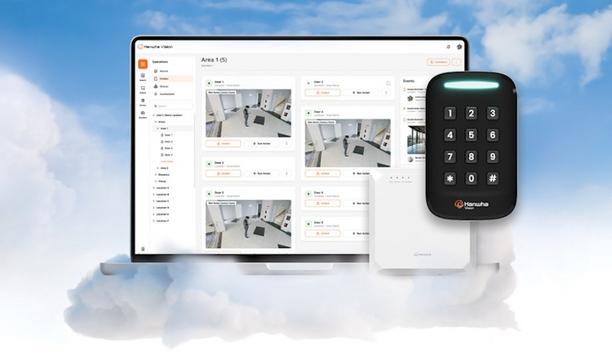
Hanwha Vision is opening new doors for security applications with the launch of OnCAFE (Cloud Access For Everyone), a cloud-hosted Access Control as a Service platform and the latest tool in the company’s expanding line of cloud-based solutions. Delivering a user-friendly, scalable, and cost-effective option for access control needs, OnCAFE reduces the deployment challenges traditionally associated with system initialization, device, user, and software management. Han...
Hanwha Vision America case studies

Wilson Bank & Trust, member FDIC, is an independent, community-based bank that began operating in Tennessee, USA in 1987. They have mortgage offices, operations centers, ATMs and branches located in and around Middle Tennessee that serve the city and surrounding rural areas. In total, they have operations and security at approximately 40 locations. One of the keys to their on-going success is their continuous search to improve their offerings. This drive extends to their physical security a...
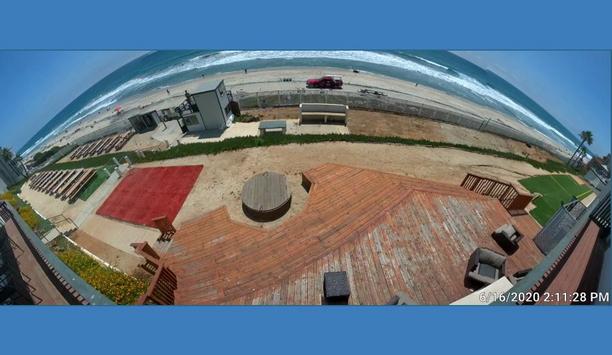
Hanwha Techwin America, a global supplier of IP and analog video surveillance solutions, has announced that Army and Navy Academy, a college preparatory military boarding school in California, has upgraded its security infrastructure with Hanwha security cameras. Located on a 23-acre beach-front property, the Army and Navy Academy is home to more than 300 students and employs more than 140 faculty and staff members. Two-fold surveillance upgrade According to Jeffrey Gibson, a system with anal...
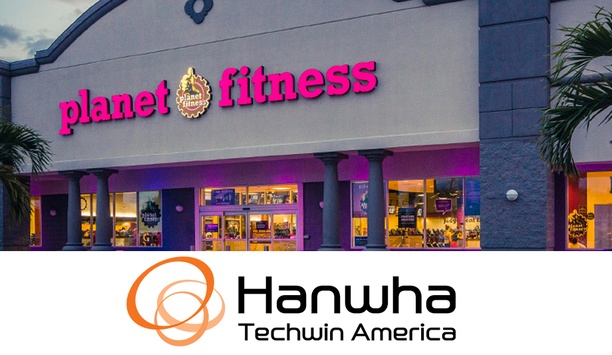
Recently, Planet Fitness, with the help of their preferred system integrator Adirondack Direct, incorporated a video surveillance solution from Hanwha Techwin and Genetec that not only enhances security, but also improves operations. When leadership evaluated security at their 70-plus corporate run locations a few years ago, they chose to incorporate a video surveillance solution that would address security needs and would be advanced enough to help with management and operations. Each of...
Hanwha Vision America white papers







Hanwha Vision America virtual events


Hanwha Vision America videos


Hanwha Customer Stories: Buffalo And Erie County Naval And Military Park

COVID-19 Solutions: '5 Minutes With' Video Interview with Thomas Cook from Hanwha Techwin America
Hanwha Techwin’s Wisenet X series Plus

Introducing Hanwha Wisenet X Series Exclusive Wisenet 5 SoC Chipset
Expert commentary

Security beat