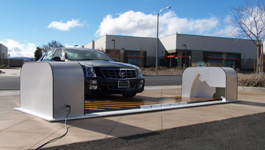
A wedge barrier system effectively prevents unauthorized vehicle access in high-threat environments, thereby safeguarding people, property, and critical infrastructure.
These systems are particularly beneficial for organizations formulating a comprehensive security plan.
Functionality of Wedge Barrier Systems
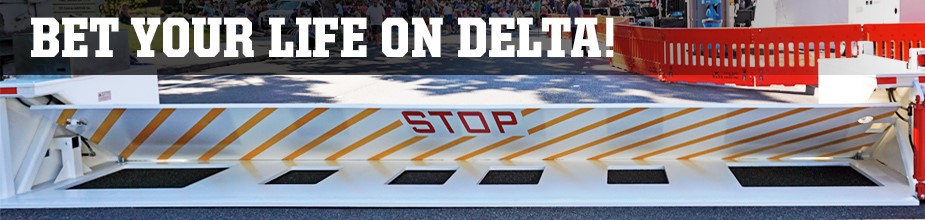
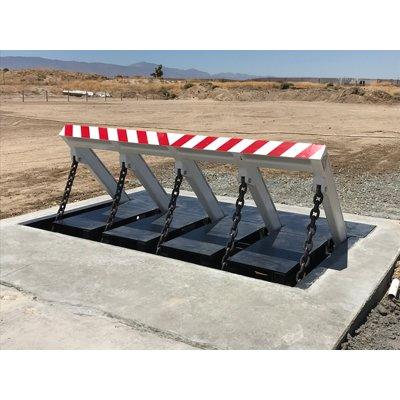
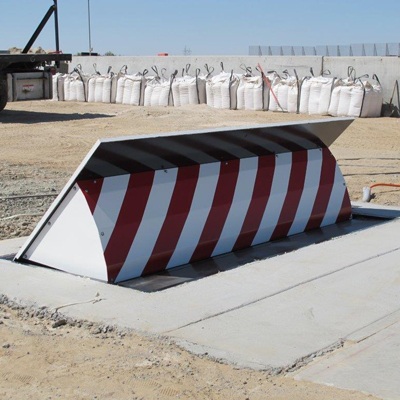
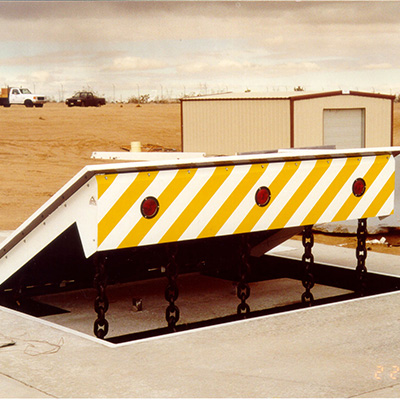
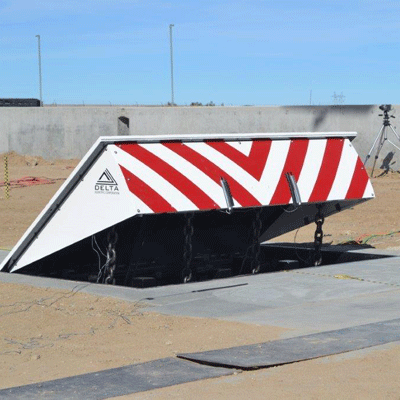
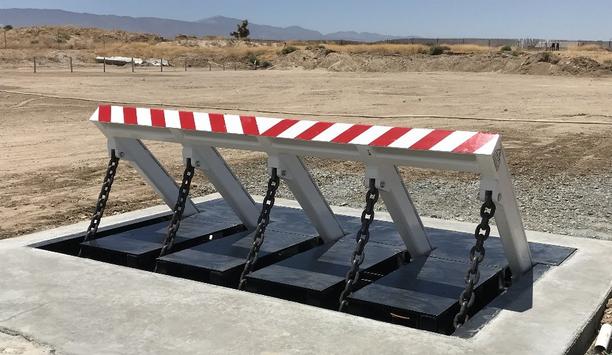
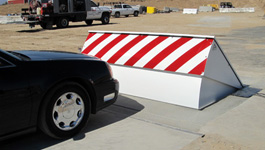
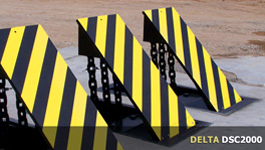
A wedge barrier is a robust, ground-mounted barrier that emerges as a durable, sloped plate capable of halting moving vehicles. When activated, this barrier creates an almost impenetrable barricade that stops even large and fast-moving vehicles over a minimal distance.
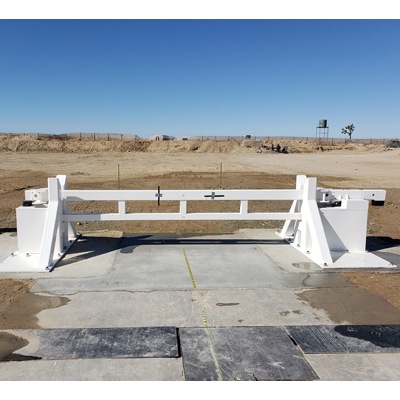
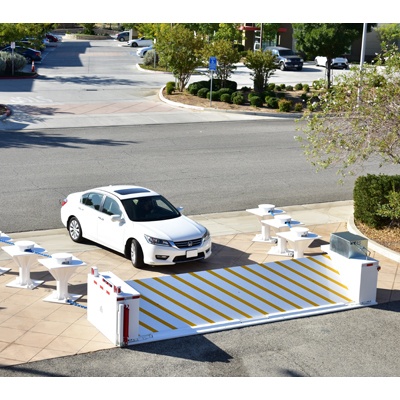
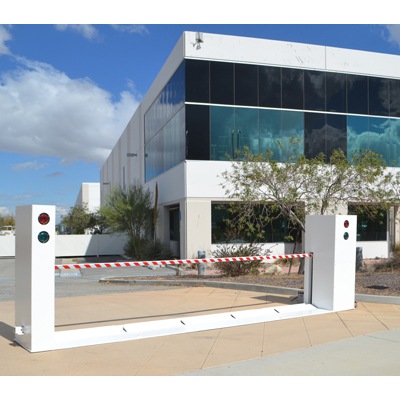
The key advantage of wedge barriers, compared to other traffic barriers like bollards and tire shredders, is their low visibility when not engaged, while providing high stopping power when activated. Remaining below ground level when dormant, these barriers allow normal traffic flow without obstruction.
Operational Mechanism of Wedge Barriers
Sophisticated design makes wedge barriers more effective than lighter barricades or passive deterrents
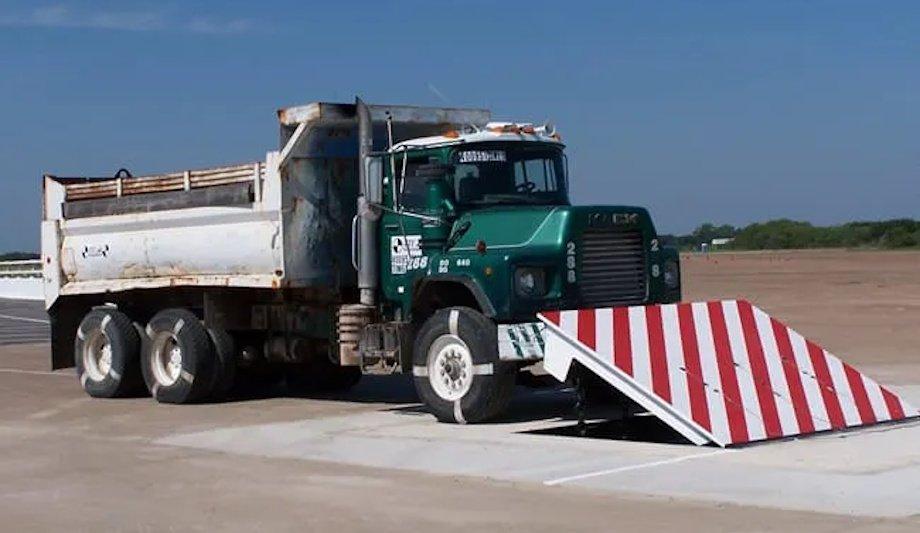
Upon activation by a security operator or automated system, hydraulic or electromechanical drives elevate the steel plate to a defensive position. This angled plate acts as a solid barricade against incoming vehicles, lifting the vehicle’s front end while dispersing the impact energy, ensuring immobilization. This sophisticated design makes wedge barriers more effective than lighter barricades or passive deterrents.
Wedge barriers often integrate with advanced control systems, facilitating automation in response to security alerts or pre-set protocols. The rapid deployment, often mere seconds, allows for swift response in environments needing both convenience and immediate threat mitigation.
Ideal Installation Sites for Wedge Barriers
These barriers are commonly installed at vehicular access points where stringent security and managed entry are crucial. Typical installations include:
- Government and Military Facilities: Employed at multi-layered entry points to counter vehicle-borne threats.
- Corporate Headquarters and Data Centers: Guard against targeted attacks and unauthorized intrusions.
- Airports and Transportation Hubs: Secure restricted areas without impeding traffic during allowed access periods.
- Stadiums, Arenas, and Event Venues: Enhance crowd safety and prevent vehicular assaults during large events.
- Critical Infrastructure Sites: Protect power plants, refineries, or water treatment facilities from potential disruptions.
To maximize effectiveness, wedge barriers should be part of an integrated security system that includes reinforced fencing, surveillance, and robust access controls, preventing permeability through lesser defenses like basic chain link fences.
Applications of Wedge Barriers in Security
Wedge barriers offer flexibility for various security scenarios, including:
- During heightened security alerts
- In response to suspicious vehicle behavior
- To obstruct vehicle access outside authorized hours
- Ensuring controlled access amid crowd safety concerns
- Reacting to emergencies like nearby attacks or breaches
The capacity for rapid activation ensures these barriers handle both predicted and unforeseen threats without impacting routine traffic flow.
Delta Scientific specializes in high-impact protection systems, known for their reliability, durability, and stopping power. These systems are trusted by US government agencies and critical facilities worldwide. Whether safeguarding sensitive federal sites or busy public venues, wedge barriers remain essential to any comprehensive security strategy.
A wedge barrier system is one of the most effective physical security measures for stopping unauthorized vehicles from accessing a restricted area.
Designed for high-threat environments, these barriers prevent breaches that could cause significant harm to people, property, or critical infrastructure. Understanding what a wedge barrier is will help they determine if it’s the right solution for the security plan.
What does a wedge barrier system do?
A wedge barrier is a heavy-duty, ground-mounted barricade that rises from the ground into a high-strength, angled plate capable of stopping a moving vehicle. When deployed, the wedge shape creates a nearly impenetrable obstacle, able to bring even large, fast-moving vehicles to a stop within a short distance.
What makes wedge barriers stand out from other types of traffic barriers, like bollards, tire shredders, or swing gates, is their combination of low visibility when not in use and high stopping power when deployed. Unlike fixed obstacles, wedge barriers can remain completely hidden below ground level until activated, allowing for unobstructed traffic flow during normal operations.
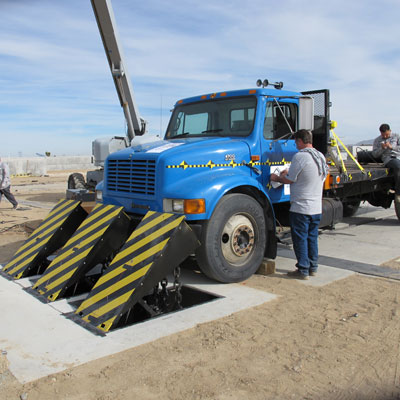
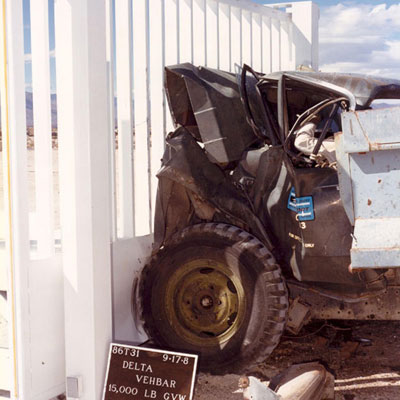
Unlike visual deterrents, wedge barriers are crash-rated to meet rigorous standards, such as ASTM or Department of State (DOS) certifications. This means they’ve been tested to withstand direct impact from vehicles of various sizes and speeds without failing.
How does a wedge barricade system work?
When a security operator or automated system activates the barrier, hydraulic or electromechanical drives raise the steel plate to its protective position. Once fully deployed, the angled plate acts as a solid wall against an oncoming vehicle.
In a breach attempt, the wedge barrier’s structural design forces the vehicle’s front end upward while absorbing and redistributing the energy of the impact. This combination of vehicle immobilization and energy dissipation makes them far more effective than lighter barricades or purely passive deterrents.
Additionally, many models are engineered to integrate with advanced access control systems, enabling automated operation based on security alerts or preset protocols. Their rapid deployment speed, typically just a few seconds, makes them ideal for environments where both convenience and immediate threat response are critical.
Where should wedge barricades be installed?
Wedge barriers are most often used at vehicle access points where security and controlled entry are paramount. Common installations include:
- Government and Military Facilities: Where vehicle-borne threats are a concern, wedge barriers form part of multi-layered entry control points.
- Corporate Headquarters and Data Centers: To protect against both targeted attacks and unauthorized intrusion attempts.
- Airports and Transportation Hubs: To secure restricted zones while maintaining smooth traffic during permitted access times.
- Stadiums, Arenas, and Event Venues: For crowd safety and prevention of vehicular attacks during large gatherings.
- Critical Infrastructure Sites: Power plants, refineries, or water treatment facilities, where disruptions could have wide-reaching consequences.
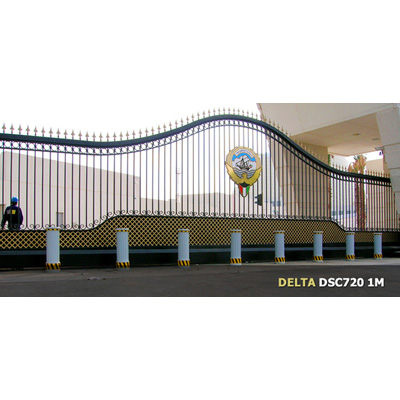
It’s important to note that wedge barriers work best as part of an integrated security system. A robust entrance barrier loses effectiveness if the surrounding perimeter is weak, such as a basic chain link fence that can be cut or driven through.
Combining a wedge barrier with reinforced fencing, surveillance, and access control systems ensures complete protection rather than a single point of defense.
Where are wedge barriers most effective?
Wedge barriers are versatile in deployment and can be raised in numerous security scenarios, including:
- During high-alert security conditions
- In response to suspicious vehicle activity, such as a vehicle approaching at high speed or refusing to stop at checkpoints
- To block vehicle entry outside of authorized hours
- When crowd safety and controlled access are paramount
- In response to emergency incidents like nearby attacks, riots, or security breaches.
By combining operational readiness with rapid activation, wedge barriers ensure that they can respond to both expected and unexpected security threats without compromising day-to-day traffic flow.
Choose high-security wedge barriers that they can trust
At Delta Scientific, they design and manufacture high-impact protection systems that meet and exceed stringent performance standards. The counter-terrorism barricades are trusted by U.S. government agencies, military installations, and critical facilities worldwide for their reliability, durability, and proven stopping power.
Whether they’re securing a sensitive federal site or safeguarding a high-traffic public venue, a wedge barrier can be an essential component of the security strategy. Explore the range of high-security wedge barricades and find the model that best suits their security needs.