Articles by Larry Anderson

The security marketplace has its share of buzzwords, which are words or phrases that become popular and widely used in a specific industry. Buzzwords can be useful for conveying complex ideas quickly, but they can also be misused or misunderstood. Within a specific industry, such as security, buzzwords can create a sense of shared understanding and belonging. We asked this week’s Expert Panel Roundtable: What new buzzword have you heard, and what does it mean for the security industry?

By all accounts, technology development is moving at a rapid pace in today's markets, including the physical security industry. However, market uptake of the newest technologies may lag, whether because of a lack of clear communication or not enough education of potential customers. We asked this week's Expert Panel Roundtable: How can the industry do a better job of promoting emerging technologies in physical security environments?
Technology automates tasks, streamlines processes, and improves efficiency in various fields, including physical security. But the success of today’s latest technologies depends on our ability to use them responsibly and efficiently. Optimising our industry’s use of technology requires that the industry’s workforce have the needed skills to operate the latest equipment. We asked this week’s Expert Panel Roundtable: How does technology innovation in security systems impact...
Port forwarding is a networking technique that allows incoming traffic on a specific port number to be redirected to a particular device or application on a local network. Open ports on the network expose an IP video system to the internet. This makes it a potential target for malicious cyberattacks. In the physical security industry, the elimination of port forwarding is seen as a basic and manageable precaution to shore up cybersecurity. We asked this week's Expert Panel Roundtable: What are t...

The hospitality industry drives economic growth and development by creating jobs, generating revenue, and initiating a ripple effect to improve profitability throughout the supply chain. The hospitality industry includes a vast number of small businesses, including hotels and restaurants. But what are the security challenges of these businesses, and how is the security marketplace serving those needs? We asked this week's Expert Panel Roundtable: How can technology address the security challenge...
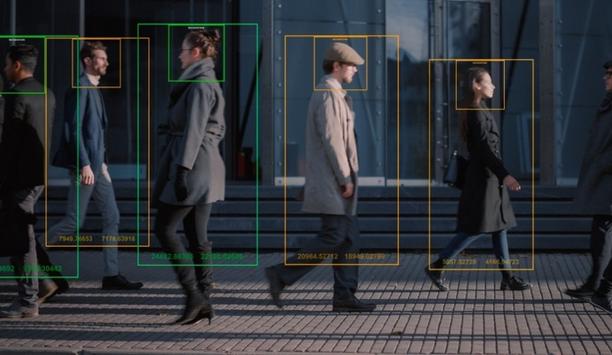
The information age is changing. Today, we are at the center of addressing one of the most critical issues in the digital age: the misinformation age. While most awareness of this problem has emerged in the consumer and political worlds, the issue cannot be ignored when it comes to the authenticity and protection of video and security data. Video surveillance data SWEAR is a company with the mission to ensure the integrity of video surveillance data by mapping video data and writing it into...

Retaining top talent is a route to bring innovative ideas and creative solutions to a company. Talent drives product development, improves processes, and helps businesses stay ahead of the competition. In essence, retaining top talent is essential for businesses to remain competitive, innovative, and successful. Unfortunately, staffing shortages are a reality for many corporate players in the security industry, as well as throughout the business community. We asked this week's Expert Panelists:...
Casinos face multiple security issues caused by potential bad actors, everything from cheating to vandalism, from theft to vagrancy. A new intelligent technology can monitor for specific keywords and behaviors. The technology scans the entire casino premises constantly for potential threats and notifies key personnel when they happen. Casinos are among the environments deploying the OpticSense system by Huvr Inc., which uses special fiber optic technology called an interferometer to secure larg...
The Internet of Things (IoT) has revolutionized many industries, including physical security. By connecting physical devices to the internet, IoT technology offers significant enhancements to security systems. Benefits include real-time monitoring, remote access, and the utility of new devices such as temperature and humidity sensors. At the same time, IoT devices come with challenges, including greater cybersecurity vulnerability. We asked this week's Expert Panel Roundtable: How is the Interne...
A software platform designed to centralize and manage various physical security systems within an organization used to be called a PSIM (physical security information management) system. Generally speaking, however, the PSIM term has fallen out of favor because the systems were seen as expensive and difficult to manage. The phrase has been replaced by command-and-control, referring to software that combines access control, video surveillance, intrusion detection, and other systems into a unified...
An attention-grabbing exhibit at GSX 2024 in Orlando involved a robot dog that could open a door. Boston Dynamics robot dog ASSA ABLOY impressed attendees with the robotics demonstration, featuring the Boston Dynamics robot dog that could open a door using either an HID credential or a mechanical grip. This innovation represents a shift toward more autonomous security solutions and is suitable for environments where human access may be limited. ASSA ABLOY impressed attendee...

Direct costs such as purchase price and maintenance are important elements in the total cost of ownership (TCO). However, there are others. Elements such as opportunity costs of lost revenue or hidden costs of energy consumption and environmental consequences can also impact the measure of TCO. Costs of training, integration, support, and scalability can also be examined. Considering the security industry impact of TCO, we asked this week's Expert Panel Roundtable: How does/should total cos...

By linking human resource (HR) systems to physical security, access control systems can automatically update permissions based on employee changes, such as promotions, terminations, or department transfers. In fact, connecting HR and information technology (IT) systems to physical security can provide many significant benefits in terms of access control, incident response, compliance, cost savings, and employee experience. We asked this week’s Expert Panel Roundtable: How can organizations...

The most common wearable device deployed by security professionals is the body-worn camera. Traditionally used by law enforcement professionals, these devices are finding more and more uses in the corporate security world, and even impacting issues such as customer service. However, the term “wearables” also encompasses a range of other devices, including many worn by consumers. We asked this week’s Expert Panel Roundtable: How are wearable technologies impacting the security m...
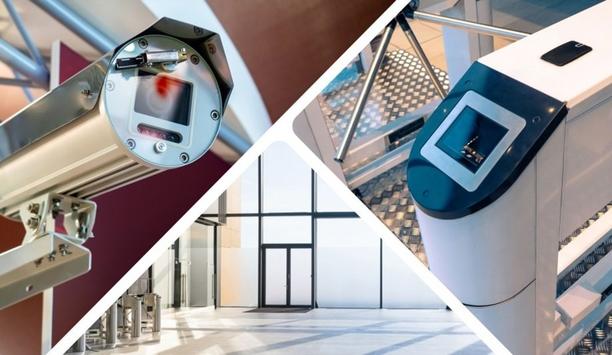
In today's complex security landscape, ensuring the safety of building occupants and assets requires more than just cutting-edge technology. Holistic approach The SHIELD certification, introduced by the Secure Buildings Council, is designed to help building owners, tenants, and security professionals navigate this challenge effectively. SHIELD offers a holistic approach to physical security that emphasizes not just the systems in place, but the collaboration among all stakeholders. With prac...

While technology like cameras, alarms, and access control systems are crucial components, they are only as effective as the people who use and manage them and the systems that deploy them. When installing physical security systems, the focus should be on the holistic operation of the system rather than the functioning of individual components. However, in the end, overlooking critical factors can undermine the totality of system performance. We asked this week's Expert Panel Roundtable: Wha...

There is no shortage of threats facing security professionals, including some that are new and emerging. Understanding various new threats allows individuals and organizations to take proactive steps to protect themselves, but the first step is to identify what those threats are. Early detection of threats can minimize the impact of a successful attack, whatever the vulnerability at issue. We asked this week’s Expert Panel Roundtable: What new and emerging threats will physical securi...
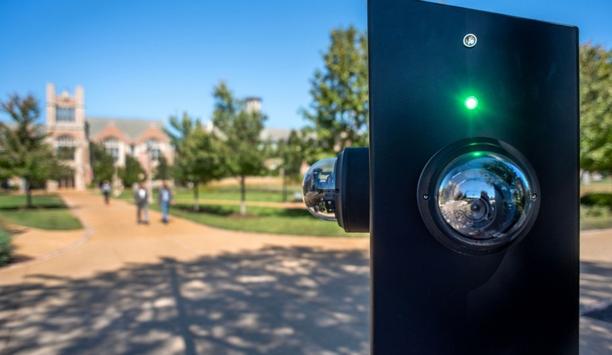
College campuses are meant to be places of learning, growth, and community. Fostering such an environment requires the deployment of policies and technologies that ensure safety and security. Considering the growing role of security technology in the higher education market, we asked this week’s Expert Panel Roundtable: What are the new applications for security technology in the college and university markets?
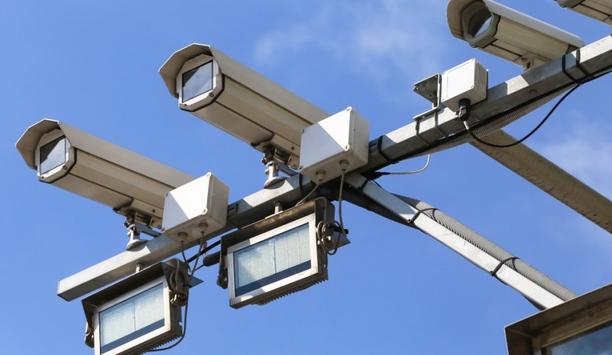
Transportation enables the movement of goods and people, facilitates trade and commerce, and is crucial for businesses to operate and expand. Security technology plays a major role both in protecting today's various transportation systems and increasingly to make them more efficient. We asked this week's Expert Panel Roundtable: What’s new in technology serving the transportation market?
Security applications for drones have evolved to provide benefits such as bird's-eye views of large areas, easy access to remote locations, and rapid deployment. However, to date, most drone applications have been outdoors. Not for long. Today, indoor drones are also finding unique opportunities for enhanced surveillance, security, and operational efficiency in indoor environments such as offices, warehouses, self-storage facilities, and malls. Indoor drones can navigate complex indoor spaces,...

Audio might detect sounds like breaking glass or footsteps before a person even enters the field-of-view of a video camera. Audio also helps to provide context: Someone running in a video image might be suspicious, but the situation is different if they are yelling for help. Furthermore, audio enables operators to talk remotely to people on site, which can deter crime, de-escalate situations, or gather information. And yet, optimizing audio is often an overlooked aspect of physical security syst...
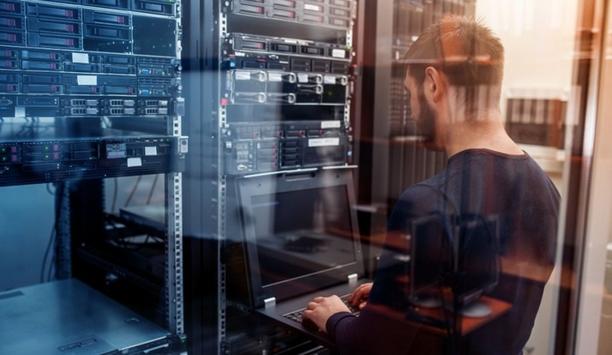
The shift from standalone systems to fully integrated solutions is one of the biggest shifts the security industry has experienced in recent years. There is a higher demand for integrated solutions that go beyond just security at the device and software level, and manufacturers have been continuously developing improved application programming interfaces (APIs), and hybrid and cloud-connected solutions. Artificial intelligence (AI) Also, artificial intelligence (AI) plays an important...
Inflation, the rise in prices of goods and services over time, can result from a multitude of factors. It happens when there is more money chasing a limited supply of goods. It happens when the cost of producing and transporting goods increases. It can even happen because expectations of future inflation heighten current demand to avoid higher prices. During and after the COVID pandemic, supply chain disruptions, shifting consumer demand, and government stimulus all contributed to higher inflati...
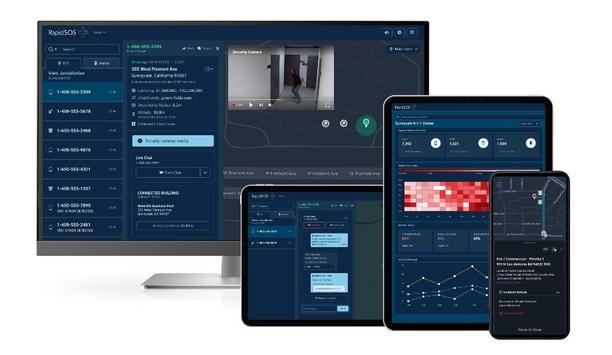
In an emergency, information is pivotal. More information provides better understanding of an emergency and empowers potentially life-saving decision-making. Emergency response teams depend on information to guide their efforts and to deliver targeted assistance. On the front lines of emergency response are 911 and field responder agencies, which must direct reaction to life-or-death situations rapidly and efficiently. Historically, 911 operators had to respond based on very little information,...

Suddenly, artificial intelligence (AI) is everywhere. The smart technology brings a range of benefits to our lives, from streamlining everyday tasks to making scientific breakthroughs. The advantages of AI and machine learning (ML) also include automating repetitive tasks, analyzing vast amounts of data, and minimizing human error. But how do these benefits apply to the physical security industry, and is there a downside? We asked this week’s Expert Panel Roundtable: What are the benefits,...

The design of buildings encompasses many elements, from the practical to the aesthetic. Well-designed buildings should be functional, and they can also be beautiful and inspiring. But can security systems and building design coexist and complement each other? We asked this week’s Expert Panel Roundtable: How does building design impact physical security systems -- and vice versa?

Manufacturers make things. That hasn’t changed. Manufacturers today still produce finished goods from raw materials using various tools, equipment, and processes. What is evolving is a greater emphasis among manufacturers on understanding and meeting customer needs. In the security industry and elsewhere, the role of a manufacturer is expanding from a purely production-focused function to one that embraces technology, prioritizes adaptability, expands service offerings, and caters to a mor...
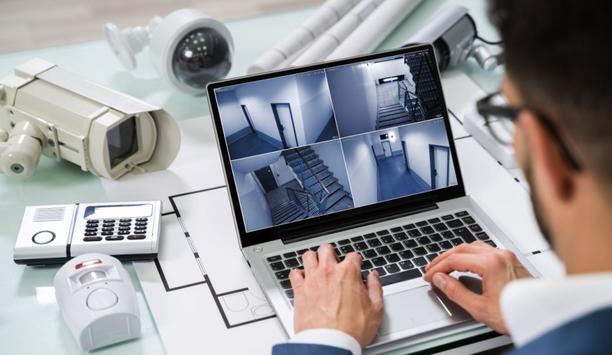
Migrating to the Cloud can be a cultural shift for some organizations, especially when it comes to physical security systems. Challenges such as concerns about data security and compliance, cost management, and a skills gap can make adopting the Cloud seem onerous. But the benefits are there, aren't they? We asked this week's Expert Panel Roundtable: Will the impact of the Cloud on physical security integrators be net-positive or net-negative?

When it comes to protecting the environment, the security industry has historically been perched on the sidelines. For instance, the amount of electricity that physical security systems use is minimal when compared to the total energy usage in a typical building. However, as awareness of environmental issues has surged, and as some of the "low-hanging fruit" has been harvested, attention has come back to opportunities for additional, if small, savings. The lifecycles of security products are als...

The economic fallout of the COVID-19 epidemic was felt in supply chain disruptions, higher prices, and shortages of certain goods. The physical security industry was not spared, although the epidemic also presented opportunities for security companies. Changing access control trends triggered by the pandemic are still reverberating throughout the industry, for example. Four years later, the impact of the pandemic is still being felt in the security market, lingering like the symptoms of "long CO...
You may also be interested in