Articles by Larry Anderson
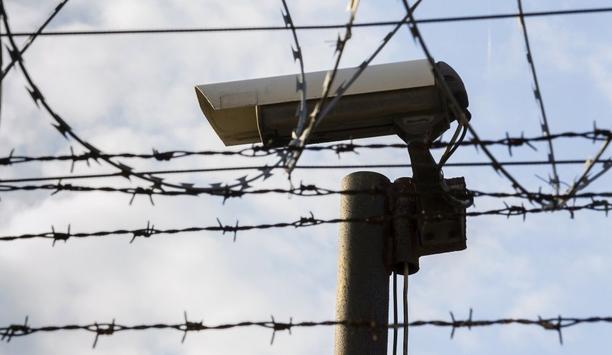
Keeping prisoners safely housed is among the biggest challenges the security industry faces. Correctional applications of security technology are often more extreme and require a specialized mix of technologies. We asked our Expert Panel Roundtable: What are the video security and surveillance needs in prisons, and how well do technologies meet those needs? Are there any ethical qualms about selling to prisons?
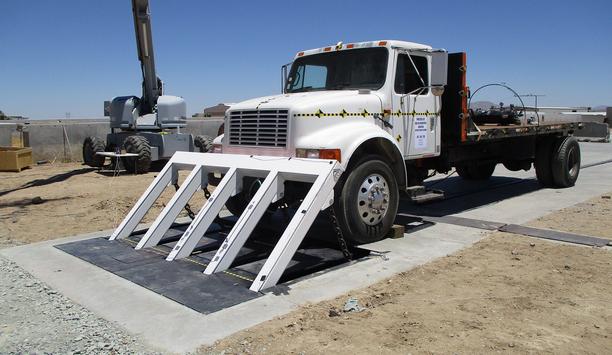
Vehicle barriers first rose to the forefront of public attention after 9/11. The focus from 2001 to 2010 was on anti-terrorism, and vehicle barriers appeared at military and government facilities around the world. The U.S. Capitol breach on Jan. 6, 2021, brought heightened attention to the risks in a society that is increasingly fractured and volatile. Various protest events in recent months have made customers more aware of possible threats and prompted many to proactively install vehicle barr...
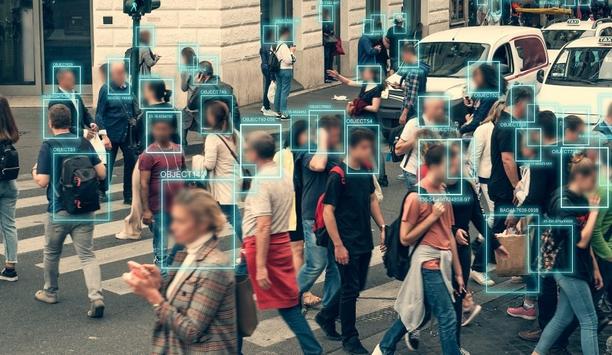
The trend of video customers moving to the cloud has reached a tipping point. At the same time, artificial intelligence (AI) is being adopted on a massive scale. Combining the two trends adds a higher level of value than either component individually. Merging the power of AI and the cloud is a driving force behind cloud surveillance company Eagle Eye Networks’ acquisition of Uncanny Vision, an AI and video analytics company headquartered in Bangalore, India. Expensive AI resources Clou...

A new generation of security professional is waiting in the wings. They will be faced with unprecedented challenges, as they seek to transform the security marketplace to the ‘next level’. Technology changes ensure the market will be very different 10 years from now and the fresh labor pool will need to be able to meet the host of new challenges. We asked our Expert Panel Roundtable: What exciting career opportunities in the security industry await the next generation?

Assembling security solutions has long been considered the role of the integrator, whose role is to pick and choose the best technology tools and then to assemble the complete system. However, more manufacturers are offering pre-integrated end-to-end solutions that include multiple elements from the same manufacturer, designed to work seamlessly together. At the end of the day, end users want to know: Whose role is it to provide security ‘solutions’ – the manufacturer or the in...

Facial recognition is a mature technology that continues to change and evolve. New innovations such as artificial intelligence (AI) are expanding facial recognition capabilities, even as privacy concerns, though often misguided, undermine wider acceptance in the market. We asked this week’s Expert Panel Roundtable: What are the new developments in facial recognition?
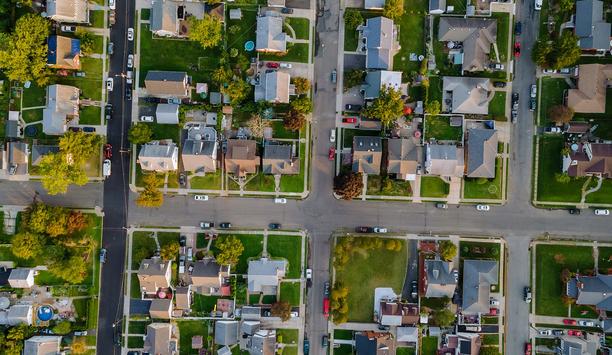
Residential security and smart homes are rapidly changing facets of the larger physical security marketplace, driven by advances in consumer technology and concerns about rising crime rates. During the COVID-19 pandemic, many people spent more time at home and became more aware of the need for greater security. As workplaces opened back up, returning workers turned to technology to help them keep watch over their homes from afar. We asked this week’s Expert Panel Roundtable: What are the...
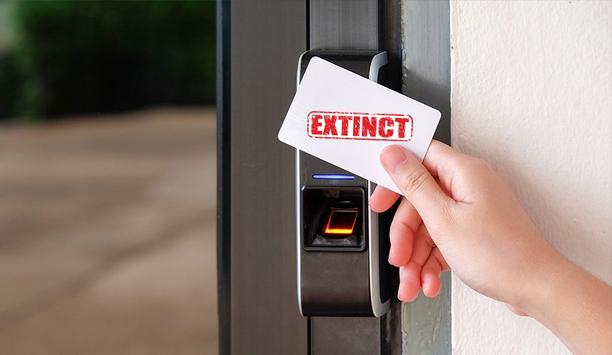
Since the advent of the physical security industry, access control has been synonymous with physical cards, whether 125 kHz ‘prox’ cards or the newer smart card alternatives. However, other credentials have also come on the scene, including biometrics and even smart phones. Some of these choices have distinct cost and security advantages over physical cards. We asked this week’s Expert Panel Roundtable: How soon will the access control card become extinct and why?

Video is an enormous wellspring of unstructured data in the enterprise environment. Finding new ways to use video data requires easy access for analysis. Gone are the days when video was recorded just to be played back later. New computer capabilities can analyze video to provide business intelligence and trends, all of which requires that a lot of unstructured data be captured, stored and kept immediately accessible. It's a driving force for companies specializing in video storage such as Quan...
“Deep learning” is recently among the more prevalent jargon in the physical security industry, and for good reason. The potential benefits of this subset of artificial intelligence (AI) are vast, and those benefits are only now beginning to be understood and realised. But how can we separate the marketing hype from reality? How can we differentiate between future potential and the current state of the art? To clarify the latest on this new technology, we asked this week’s Exper...

Crime prevention is a basic goal of security, even if a security system merely convinces a criminal to seek out a different target. However, many of today’s security technologies are most useful after the fact, to provide forensic information about a crime that has already taken place. Solving a crime presents a whole new level of challenge. Surely, prevention is the best approach. We asked this week’s Expert Panel Roundtable: How successful is the security industry in crime preventi...
Artificial intelligence (AI) is simultaneously an emerging technology, a common term in popular culture, and a buzzword in the security industry. But these aspects of the term can lead to misunderstanding in the marketplace. AI technology is continuing to emerge, but what is the reality today? How do depictions of AI in popular culture impact how it is understood in the real world of security? As a buzzword, at what point does marketing hype garble our understanding of reality? We asked this wee...
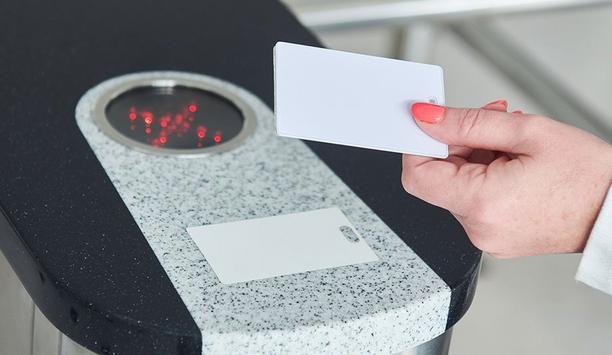
The idea of touchless systems has gained new levels of prominence during the last year, driven by the global COVID-19 pandemic. Contactless systems have been part of the industry’s toolbox for decades, while technologies like facial and iris recognition are finding new uses every day. We asked this week’s Expert Panel Roundtable: Which security markets are embracing touchless, contactless systems and why?

Adoption of General Data Protection Regulation (GDPR) by the European Union in 2016 set a new standard for data privacy. But adherence to GDPR is only one element, among many privacy concerns sweeping the global security community and leaving almost no product category untouched, from access control to video to biometrics. Because privacy concerns are more prevalent than ever, we asked this week’s Expert Panel Roundtable: What is the impact on the physical security market?

A new generation of video cameras is poised to boost capabilities dramatically at the edge of the IP network, including more powerful artificial intelligence (AI) and higher resolutions, and paving the way for new applications that would have previously been too expensive or complex. Technologies at the heart of the coming new generation of video cameras are Ambarella’s newest systems on chips (SoCs). Ambarella’s CV5S and CV52S product families are bringing a new level of on-camera...
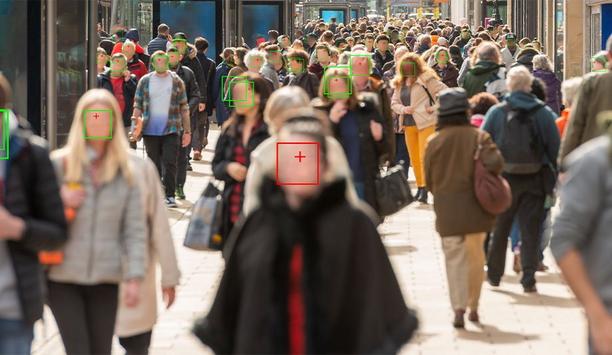
The city of Baltimore has banned the use of facial recognition systems by residents, businesses and the city government (except for police). The criminalization in a major U.S. city of an important emerging technology in the physical security industry is an extreme example of the continuing backlash against facial recognition throughout the United States. Facial recognition technology ban Several localities – from Portland, Oregon, to San Francisco, from Oakland, California, to Boston &n...
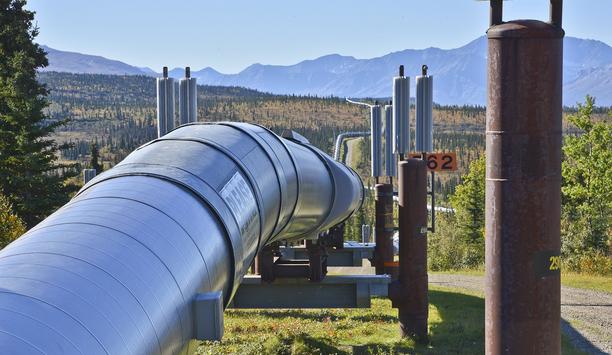
Many of us take critical infrastructure for granted in our everyday lives. We turn on a tap, flip a switch, push a button, and water, light, and heat are all readily available. But it is important to remember that computerized systems manage critical infrastructure facilities, making them vulnerable to cyber-attacks. The recent ransomware attack on the Colonial Pipeline is an example of the new types of threats. In addition, any number of physical attacks is also possibilities. We asked this we...
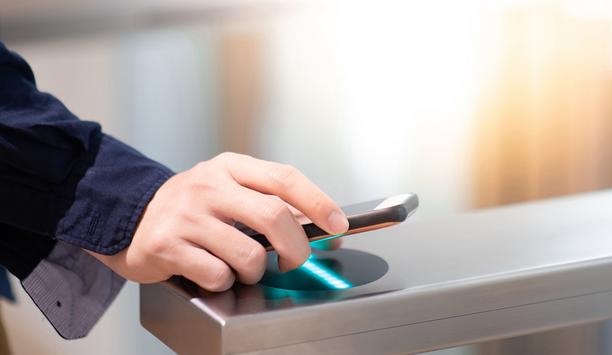
There is a broad appeal to the idea of using a smartphone or wearable device as a credential for physical access control systems. Smartphones already perform a range of tasks that extend beyond making a phone call. Shouldn’t opening the door at a workplace be among them? It’s a simple idea, but there are obstacles for the industry to get there from here. We asked this week’s Expert Panel Roundtable: What are the challenges and benefits of mobile access control solutions?

BIM (building information modeling) provides a process for creating and managing information during the building lifecycle and beyond. BIM is often equated with 3D modeling of construction projects, but the visual component is just part of the value of BIM. Additional data, such as specifications and other documentation, is also part of the process, underlying the visual aspects, helping to drive decision making and providing immediate access to detailed information about all facets of the buil...

In-person training sessions were mostly canceled during the worst of the COVID-19 pandemic. However, the need for training continued, and in some cases increased, as the security industry sought to adapt to the changing business climate of a global emergency. So how well did we as an industry adjust? We asked this week’s Expert Panel Roundtable: How has security industry training changed in the last year?

For more than 22 years, Open Options, Addison, Texas, has developed access control solutions that connect to leading security technologies to deliver a full-scale solution based on each customer’s unique needs. In 2018, Open Options was acquired by ACRE, which already owned the Vanderbilt and ComNet brands. To find out the latest, we interviewed Chuck O’Leary, President of Open Options. Q: It has been two and a half years since Open Options was acquired by ACRE. Briefly describe tha...
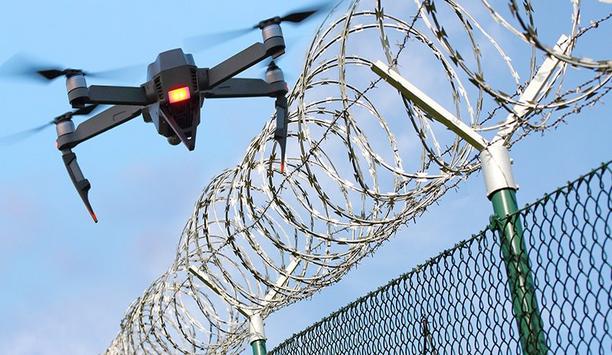
Perimeter security is the first line of defense against intruders entering a business or premises. Traditionally associated with low-tech options such as fencing, the field of perimeter security has expanded in recent years and now encompasses a range of high-tech options. We asked this week’s Expert Panel Roundtable: What are the latest trends in perimeter security technology?

Large public events were out of the question during the depths of the pandemic. However, public events are likely to experience a resurgence along with a more optimistic outlook in the coming months. In addition, there will likely be pent-up enthusiasm for these events among individuals weary from months of isolation. We asked this week’s Expert Panel Roundtable: What are the security challenges of public events planners in 2021?
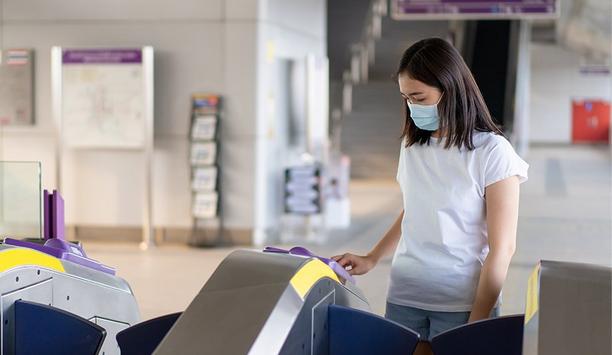
In the past few weeks, the light at the end of the COVID-19 tunnel has brightened, providing new levels of hope that the worst of the pandemic is behind us. Dare we now consider what life will be like after the pandemic is over? Considering the possible impact on our industry, we asked this week’s Expert Panel Roundtable: Which security technologies will be most useful in a post-pandemic world?

Security systems are vital to any company. Nowadays, however, they can also provide additional benefits to any enterprise beyond protecting people, assets and facilities. Specifically, systems that were previously focused on security can now be leveraged in new ways to benefit the broader enterprise. When this happens, the security department transitions from a ‘cost center’ to a repository of data that can benefit the whole company, and even contribute to the bottom line. We asked t...
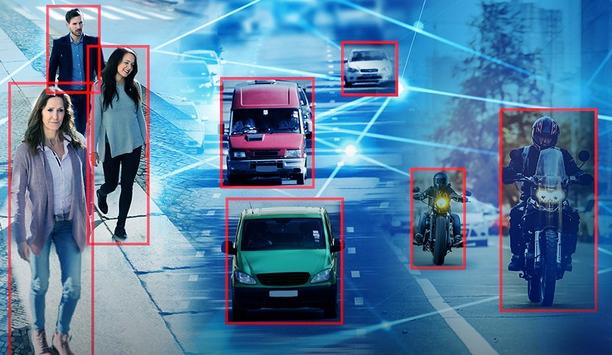
Imagine a world where video cameras are not just watching and reporting for security, but have an even wider positive impact on our lives. Imagine that cameras control street and building lights, as people come and go, that traffic jams are predicted and vehicles are automatically rerouted, and more tills are opened, just before a queue starts to form. Cameras with AI capabilities Cameras in stores can show us how we might look in the latest outfit as we browse. That’s the vision fr...
The topic of video analytics has been talked and written about for decades, and yet is still one of the cutting-edge themes in the physical security industry. Some say yesterday’s analytics systems tended to overpromise and underdeliver, and there are still some skeptics. However, newer technologies such as artificial intelligence (AI) are reinvigorating the sector and enabling it to finally live up to its promise. We asked this week’s Expert Panel Roundtable: What new technologies a...

During the coronavirus lockdown, employees worked from home in record numbers. But the growing trend came with a new set of security challenges. We asked this week’s Expert Panel Roundtable: What is the impact of the transition to remote working/home offices on the security market?
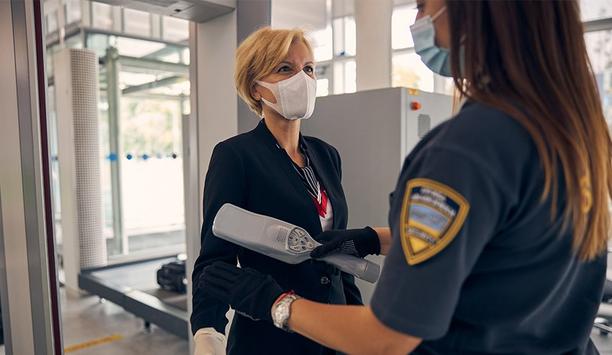
Travel volumes at airports have been increasing of late, although still below the 2.5 million or so passengers the Transportation Security Administration (TSA) screened every day, on average, before the pandemic. As passengers return, they will notice the airport security experience has changed during the pandemic – and many of the changes are likely to continue even longer. Need for touchless technology The lowest U.S. air travel volume in history was recorded last April, with approxim...

Contact tracing has been more than a buzzword during the coronavirus pandemic. In some cases, it has been an issue of life and death. Tracking who an infected person has been in contact with is an important tool to minimize disease spread, and technology from the physical security industry claimed a role in contact tracing early on – and continues to provide benefits as companies seek to reopen. We asked this week’s Expert Panel Roundtable: How can the security industry enhance conta...
You may also be interested in