
 |
| The system makes it easier for staff to prevent unauthorized access to electrical substations |
HID Global, trusted leader in solutions for the delivery of secure identity, announced that Beijing Metro has deployed an access control system consisting of the company's network access controllers and contactless readers to help ensure the safety of its passengers and staff. The centralized, web-based system delivers real-time monitoring with multi-layered access control security, flexible remote-management capabilities and robust failure detection and backup support.
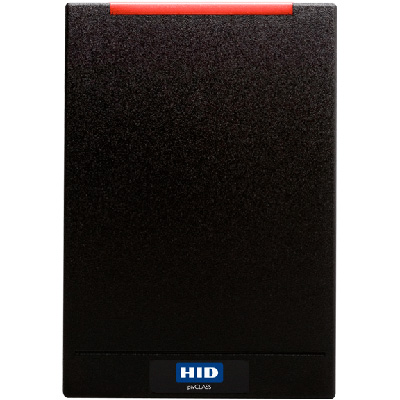
Beijing Metro is using HID Global's VertX® V1000 network access controller and iCLASS® R10 readers to monitor and control access to, a variety of facilities along its nearly 25-kilometre-long, 11-station Fangshan line. The system makes it easier for staff to prevent unauthorized access to electrical substations, parking lots and other key metro facilities, offices and equipment areas at its stations, most of which are remotely managed.
HID Global's solution enables control center staff to perform centrally-managed station monitoring and access control operations spanning a complex range of entry points, access rules and cardholder information. At the same time, each metro station office can also perform its own station-level management, reporting and data tracking. Control center staff and station-level managers also have real-time access to system status, entry records and card information and are each connected to the central server via TCP/IP for data transmission so they can respond quickly to network failures. The new system also provides multi-layered security and fail-over support using remotely deployed computers at high security level zones and backup communications systems.
"There has been substantial investment in metro system development across China, which drives the need for advanced, web-based access control solutions," said Eric Chiu, director of sales, Identity & Access Management, China with HID Global. "We are proud of our showcase installation for Beijing Metro, which demonstrates our continuing commitment to providing first-class access control solutions that are helping to fuel the growth of critical transportation infrastructure throughout China."