Has Price Erosion Ended (Or Slowed Down) In Security?
29 Jul 2019


- Chinese firms cause 'race to the bottom' in security pricing erosion.
- Cybersecurity concerns increase costs, creating challenges for Chinese security companies.
- Additional edge device functionality impacts the pricing in the security market.
Editor Introduction
One impact of Chinese companies entering the physical security market has been an erosion in product pricing, creating what has been called the "race to the bottom." However, political forces and cybersecurity concerns have presented new challenges for Chinese companies. Adding cybersecurity increases costs, and the addition of more functionality to edge devices is another trend that has impacted product pricing. We asked this week's Expert Panel Roundtable: Has price erosion ended (or slowed down) in the security market?


Price erosion or commoditization in the security market has shifted to other aspects of the business instead of slowing down. Price wars were fought at the low end of the market where manufacturers typically cut corners (lower specs and limited cybersecurity measures). However, $50 per camera on a high-volume sale makes it hard to further reduce costs. Now low-end, price-driven video manufacturers introduce 4K resolution cameras at extremely low prices. Recently we have also witnessed a lowering of the cost of VMS software licenses with some manufacturers who sell both cameras and software, giving away free VMS licenses with the cameras in an effort to lock the customer into their brand of camera. In my mind, the industry should educate the customer of the true value of the features and benefits of the products being developed.

In Europe, we began to see the “race to the bottom” come to an end last year. The main driving force was concerns over surveillance cybersecurity, meaning manufacturers competing less often on price. We’ve seen many low-cost players retreat to re-engineer and eliminate vulnerabilities and “back doors.” That cost is reflected in pricing, plus cyber and quality concerns make it easier to sell against lower-priced, inferior products. The U.S. ban and widespread criticism of Chinese tech continue to have a significant impact with vendors eliminated from projects simply due to country of origin. These same companies are investing heavily in lobbyists and marketing to fight back, while simultaneously incurring the costs of overseas expansion. This has led to fewer price cuts in Europe where Chinese players are keen to offset poor U.S. sales. Users are now more likely to consider lifecycle costs, and which means looking beyond initial price points.

Certainly, the price of access control readers and credentials have seen an apparent price erosion over the last couple of decades. It’s inevitable that as volumes of products go up, the costs go down – that’s simple economics. When you consider the huge scale of production in China and other parts of Southeast Asia, it’s not hard to see why. These high-volume producers have lowered their cost base to account for the reductions in selling price. This approach has always been common; there are always producers that will choose to join a market and disrupt it! The change now, though, is that many security providers are choosing to sell services and support to accompany products, and this is where the profits are to be found. The way end users spend on their security is changing, and this has helped to mitigate many of the potential issues from price erosion.

Price erosion in the security market, in general, appears to be slowing down. The political pressure on Chinese products has tamped down demand for these products in favor of other manufacturers. However, uncertainty breeds opportunity, so it would not be surprising to see another low price/low margin manufacturer appear to fill any Chinese void. An existing manufacturer could also step up, looking for a “land grab” opportunity before the Chinese situation settles out. In any case, I would expect to see prices begin to creep up over the next 9 to 12 months, particularly on commoditized products. One school of thought also says that we have reached the bottom everyone has been racing towards, and prices just cannot go any lower without a quantum leap advancement in technology. Moore’s Law is alive and well and chip technology continues to advance, so that quantum leap could be closer than we think.
Editor Summary
Lower-priced security products can be tempting. However, a need for better quality and more functionality, not to mention a greater emphasis on the total cost of ownership, can offset the temptation to buy based solely on price in many applications. Manufacturers are continuing to seek new ways to add value to their products, and to justify a decent pricing level that will ensure they continue to thrive financially. Value trumps cost, and adding value is the best antidote to price erosion.
Hanwha Vision America products


Hanwha Vision America news
At ISC East 2025, Hanwha Vision is showcasing a range of high-performance surveillance solutions designed to elevate the security experience and transform an organization’s total operations. Attendees can see the future of security technology at Booth 507, ranging from AI cameras equipped with the Wisenet 9 System on Chip (SoC); to the new OnCAFE access control platform; to DesignPro, an intuitive project design and management resource. Hanwha Vision’s exhibit at ISC East demonstra...
Hanwha Vision is showcasing the future of security technology at GSX 2025 (Booth 2326), featuring its new Wisenet 9 System on Chip (SoC) and a growing suite of cloud-based solutions, including the new OnCAFE access control platform. Hanwha Vision will demonstrate how its latest technology simplifies security management, while providing powerful, intelligent, and scalable protection for any organization. Attendees will experience a full line of AI-powered cameras and devices supported by an...
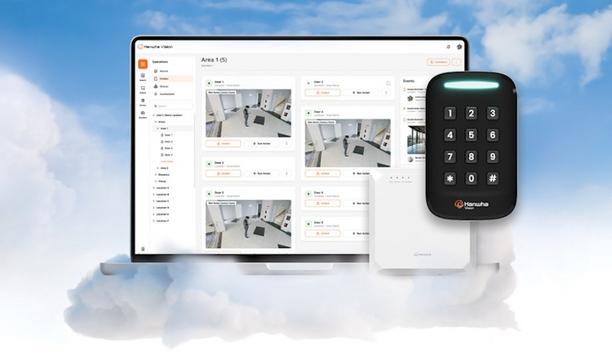
Hanwha Vision is opening new doors for security applications with the launch of OnCAFE (Cloud Access For Everyone), a cloud-hosted Access Control as a Service platform and the latest tool in the company’s expanding line of cloud-based solutions. Delivering a user-friendly, scalable, and cost-effective option for access control needs, OnCAFE reduces the deployment challenges traditionally associated with system initialization, device, user, and software management. Han...
Hanwha Vision America case studies
Wilson Bank & Trust, member FDIC, is an independent, community-based bank that began operating in Tennessee, USA in 1987. They have mortgage offices, operations centers, ATMs and branches located in and around Middle Tennessee that serve the city and surrounding rural areas. In total, they have operations and security at approximately 40 locations. One of the keys to their on-going success is their continuous search to improve their offerings. This drive extends to their physical security a...
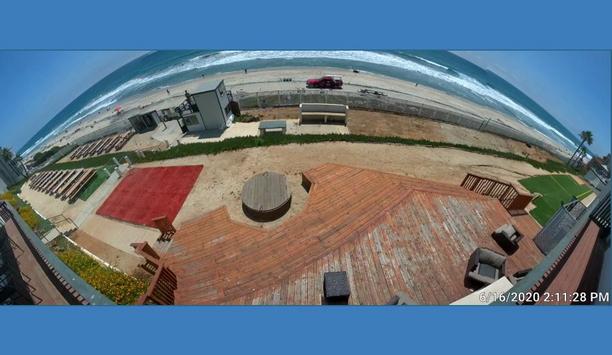
Hanwha Techwin America, a global supplier of IP and analog video surveillance solutions, has announced that Army and Navy Academy, a college preparatory military boarding school in California, has upgraded its security infrastructure with Hanwha security cameras. Located on a 23-acre beach-front property, the Army and Navy Academy is home to more than 300 students and employs more than 140 faculty and staff members. Two-fold surveillance upgrade According to Jeffrey Gibson, a system with anal...
Recently, Planet Fitness, with the help of their preferred system integrator Adirondack Direct, incorporated a video surveillance solution from Hanwha Techwin and Genetec that not only enhances security, but also improves operations. When leadership evaluated security at their 70-plus corporate run locations a few years ago, they chose to incorporate a video surveillance solution that would address security needs and would be advanced enough to help with management and operations. Each of...
Hanwha Vision America white papers







Hanwha Vision America virtual events

Hanwha Vision America videos

Hanwha Customer Stories: Buffalo And Erie County Naval And Military Park
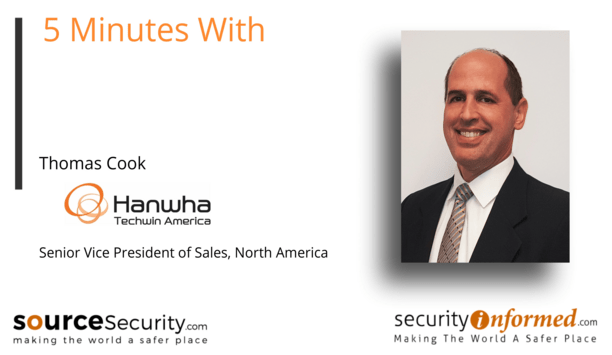
COVID-19 Solutions: '5 Minutes With' Video Interview with Thomas Cook from Hanwha Techwin America
Hanwha Techwin’s Wisenet X series Plus
Introducing Hanwha Wisenet X Series Exclusive Wisenet 5 SoC Chipset
Expert commentary

Security beat