Stadiums are not just centers of entertainment but also significant revenue sources, routinely drawing large crowds that pose unique safety and security challenges.
Events range from Taylor Swift concerts with attendance figures of 50,000 to 70,000 people per night to the Indianapolis 500, which can host over 300,000 attendees. Effective crowd control in stadiums is essential for safeguarding spectators, complying with federal and local regulations, ensuring the safety of personnel, and preventing damage to facilities.
Objectives of Stadium Crowd Control
Successful stadium crowd management involves more than ensuring the comfort of attendees. It demands proactive measures to counter various safety and security threats. Key considerations include preventing vehicle break-ins, theft, crowd surges, terrorist threats, and managing traffic control, evacuations, medical emergencies, and demonstrations.
Safety for fans is paramount both inside and outside the venue, extending to parking lots and garages
Safety for fans is paramount both inside and outside the venue, extending to parking lots and garages. It is crucial to protect VIPs, secure staff areas, and maintain smooth traffic motion among seating zones, vendors, and exit points. The National Fire Protection Association mandates that the main stadium entrances should handle at least half of the facility’s total access capability. Efficient traffic flow management towards exits and parking areas, avoiding bottlenecks, is a fundamental aspect of crowd control.
Modern Techniques and Tools for Crowd Management
Data-driven architectural design is integral to effective crowd management. Permanent security installations help regulate vehicle and pedestrian flow. However, the evolving nature of security threats means that flexibility through current policies, technologies, and equipment is critical.
Stadium vendors, security staff, and other personnel require secure areas, such as permanent rooms, private walkways, and designated public zones. Private corridors enable quick movement of security teams, protection of VIPs, or rapid deployment of temporary equipment to mitigate crowd surges.
Pre-Event Planning
The NFPA mandates that any event exceeding 6,000 attendees must undergo a Life Safety Evaluation
The NFPA mandates that any event exceeding 6,000 attendees must undergo a Life Safety Evaluation, which includes analysis of predicted crowd density, risk of civil disturbances, entry and exit capacity, temporary crowd control structures, and potential emergencies like severe weather events and fire hazards.
With events varying widely, crowd control measures must be tailored, taking into account factors like attendee demographics, event type, and performer notoriety. Events featuring controversial speakers may attract large demonstrations, necessitating additional security personnel, reinforced access points, or heavy-duty barriers for crowd management.
Strategic Security Deployment
Despite advancements in surveillance technology, human security personnel remain vital in enforcing safety regulations and preventing crime. For optimal effectiveness, security hubs should be strategically placed, including areas with VIP access, points of entry/exit with either permanent or semi-permanent controls, dispersed guard booths, and structured patrol routes in parking areas.
Permanent security infrastructure provides strength and endurance, essential for maintaining checkpoints, while semi-permanent setups offer the flexibility needed to handle diverse events securely.
High-Security Measures
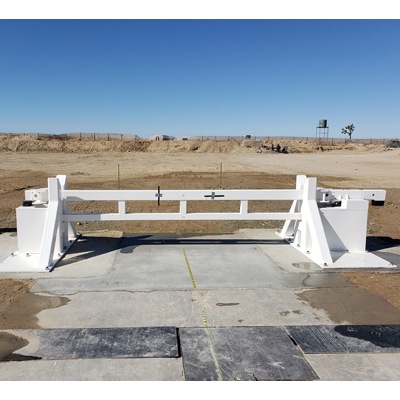
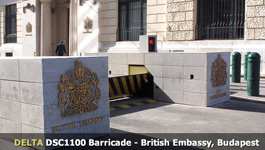
Over the past 50 years, there have been nearly 75 terrorist attacks targeting stadiums and sports arenas. Vehicle assault threats against demonstrators further highlight the need for robust barriers such as bollards, barricades, and vehicle control devices in crowd protection strategies.
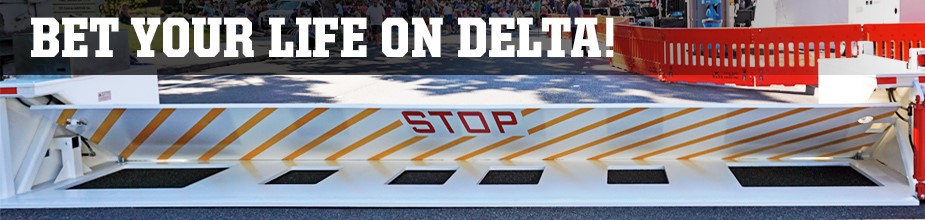
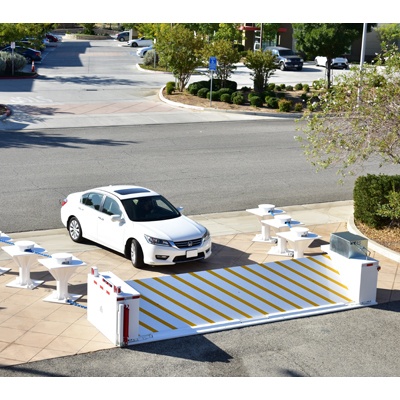
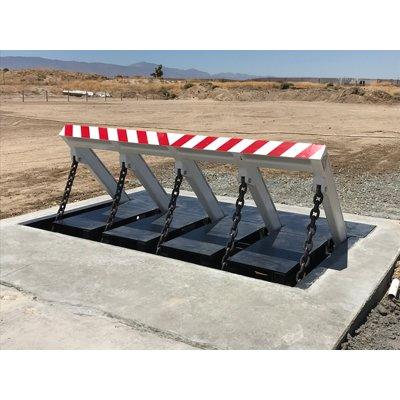
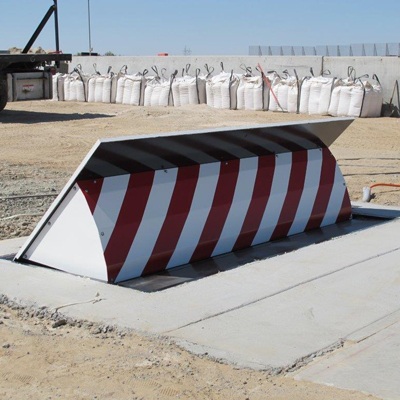
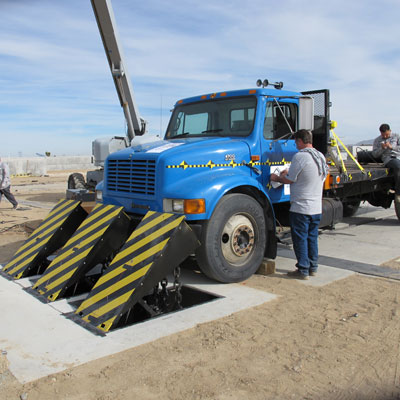
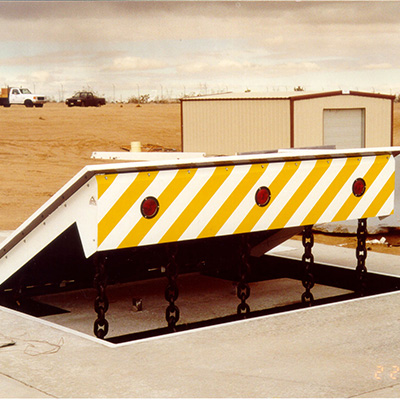
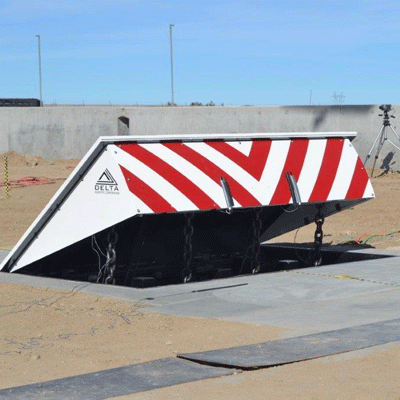
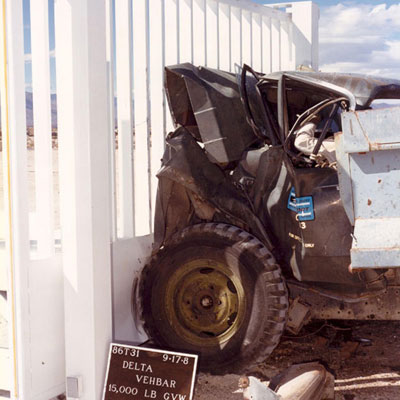
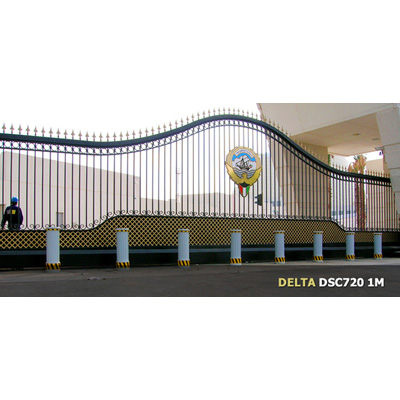
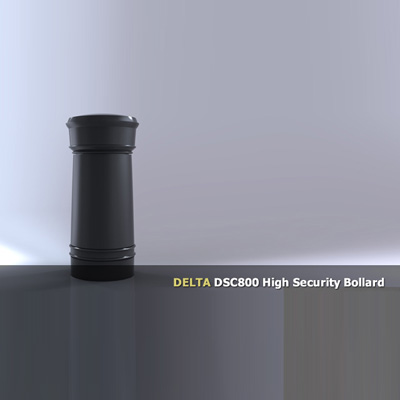
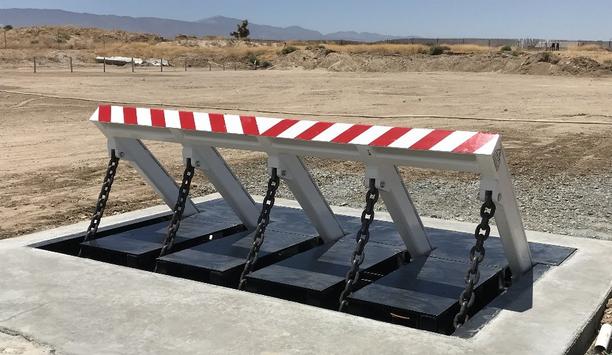
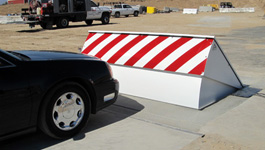
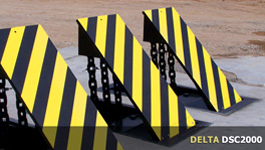
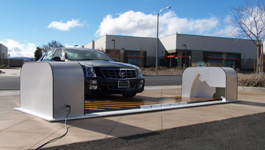
Aesthetic bollards can direct traffic effectively, while M30-rated high-security barriers are capable of stopping a 15,000-pound truck traveling at 30 mph. Hydraulic and Emergency Fast Operation wedge barriers prevent unauthorized area access and enhance VIP security.
Vehicle Security and Monitoring
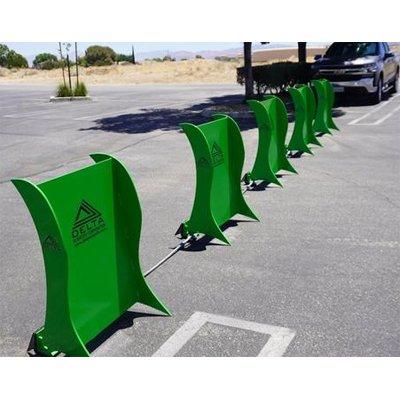
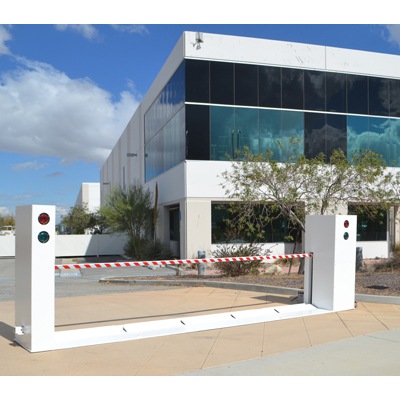
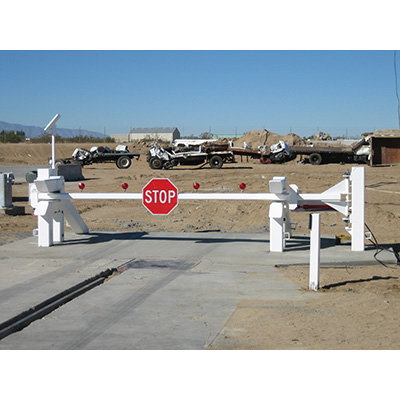
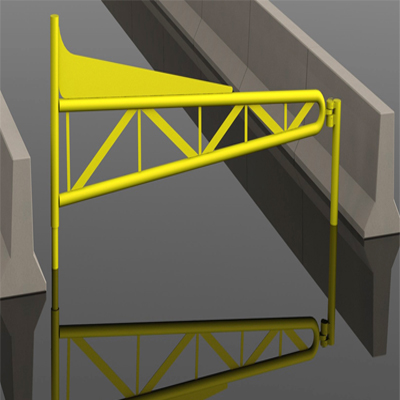
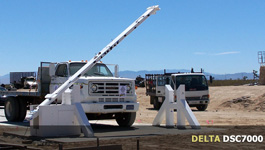
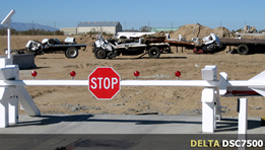
Barricades, both manual and automatic, improve parking lot safety and security. For instance, utilizing panel barricades to guide vehicles to available parking spaces minimizes pedestrian injuries. Beam barricades enhance vehicle security oversight and mitigate theft risks.
Line Control Solutions
Stanchions, fitted with retractable belts or metal railings, are universal tools in stadium crowd control
Stanchions, fitted with retractable belts or metal railings, are universal tools in stadium crowd control. They maintain buffer zones around distributing points, manage lines efficiently, and adapt effortlessly to the venue’s needs.
Advanced Crowd Analytics
Large venues increasingly adopt artificial intelligence software for modern crowd management. Predictive algorithms and real-time analytics can assess crowd behavior, identify suspicious activities, detect potential congestion points, and determine strategic barrier placements.
An ideal crowd management system considers numerous factors such as venue size, architectural layout, crowd characteristics, security budget, and event requirements. Tailored solutions, including high-security bollards, guard posts, automated systems, vehicle barricades, and pedestrian barriers, offer comprehensive safety for stadium events.
Stadiums host massive crowds, driving significant revenue but also presenting unique safety and security challenges.
Taylor Swift concerts draw crowds of 50,000 to 70,000 people per night, and events like the Indianapolis 500 can see attendance swell to 300,000 or more. Effective stadium crowd control is essential to keep spectators safe, comply with federal and municipal regulations, protect personnel, and prevent damage to installations.
Stadium crowd control objectives
What are the elements of stadium crowd control?
Modern crowd management goes beyond making stadium-goers comfortable. Stadium owners must anticipate and mitigate real threats to safety and security. This requires implementing solutions for:
- Vehicle break-ins, theft, and other crimes
- Crowd surges
- Terrorist attacks and bomb threats
- Traffic control
- Evacuations and medical emergencies
- Demonstrations
Fan safety must be a priority inside and outside the venue, including parking lots and parking garages. It’s also necessary to safeguard VIPs, provide safe areas for staff, and ensure smooth traffic flow between seating areas, vendors, and egress points.
The National Fire Protection Association requires primary stadium entrances to support at least 50% of the facility’s total access capacity. Maintaining an orderly flow of traffic to exits and parking lots — and avoiding bottlenecks — is one of the most important aspects of stadium crowd control.
Modern stadium crowd control techniques and tools
Part of successful crowd management depends on data-driven building design. Permanent security structures are important for controlling the flow of vehicles and pedestrian traffic. That said, modern challenges require significant flexibility, making up-to-date policies, technology, and equipment vital.
Vendors, security personnel, and other stadium workers need secure safe zones, including permanent rooms, private walkways, and marked public zones. Private hallways let security personnel move quickly through the facility, protect VIPs, or transport temporary equipment quickly to prevent crowd surges.
Pre-Event Planning
The NFPA requires organizers to conduct a Life Safety Evaluation for any event with more than 6,000 attendees. An LSE should analyze:
- Predicted crowd density
- The potential for civil disturbances
- Entry and exit capacity
- Temporary structures necessary for crowd control
- Severe weather and other emergencies
- Fire hazards
Considering how variable events can be, stadium crowd control solutions should be customized. Factors such as customer demographics, event type, and performer reputation all play a role in crowd management. Controversial speakers can draw large groups of demonstrators, potentially requiring additional security personnel, anti-climb doors, or heavy-duty barricades.
Strategic security team placement
Despite the benefits of modern surveillance technology, security personnel still play a huge role in stadium enforcement, crime prevention, and safety. To minimize response times and maximize effectiveness, place security hubs carefully and strategically:
- VIP access areas
- Permanent or semi-permanent controls at entry/exit points
- Distributed guard booths
- Parking lot and garage patrol routes
- Central security room
- Stadium-wide security personnel
Permanent structures provide superior strength and durability, which is key for security checkpoints. Semi-permanent equipment has the advantage in flexibility, making it easier for stadiums to accommodate a wide variety of events securely.
High-security bollards and barriers for threat mitigation
In the past 50 years, there have been nearly 75 terror attacks involving stadiums and sports arenas. Violence against demonstrators can also take the form of vehicle attacks. Bollards, barricades, and vehicle control barriers are a critical line of defense in crowd safety.
Some bollards provide aesthetic flair and help direct traffic, such as making sure vehicles travel the correct way in parking garages. High-security bollards are designed to stop threatening vehicles in their tracks, with M30-rated barriers halting a 15,000-pound truck going 30 mph. Hydraulic and Emergency Fast Operation wedge barricades prevent unauthorized access to sensitive areas and provide added VIP security.
Vehicle security monitoring
Manual and automatic barricades streamline safety and security for parking lots. For example, panel barricades can divert vehicles to open lots once the current section is nearly full, reducing the risk of pedestrian injuries. Beam barricades simplify vehicle security monitoring and reduce theft.
How does line control work for stadium crowd control?
Few stadium crowd control tools are as universal as stanchions. These semi-permanent fixtures often feature retractable belts or metal railings. Stanchions are versatile, maintaining buffer zones in front of distribution points, controlling queues, and adapting to venue needs seamlessly.
Advanced crowd analytics software
Large venues are increasingly turning to AI software for modern stadium crowd control solutions. Predictive algorithms and real-time analytics can model crowd behavior, flag suspicious activities and individuals, highlight potential choke points, and pinpoint where barriers are needed.
The ideal system for stadium crowd control depends on venue size, building layout, crowd dynamics, security budget, and event needs. There’s no one-size-fits-all answer for every facility. At Delta Scientific, we help organizations develop customized stadium security solutions, including high-security bollards, guard posts, automated control systems, vehicle barricades, and pedestrian barriers.