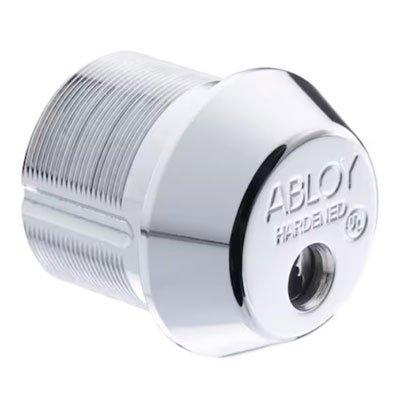
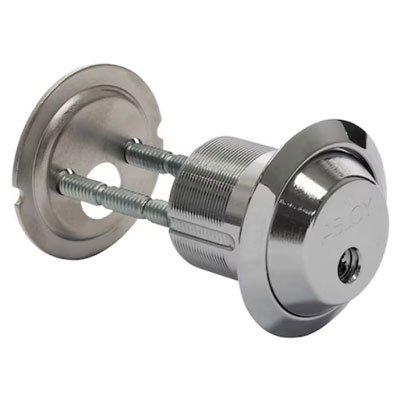
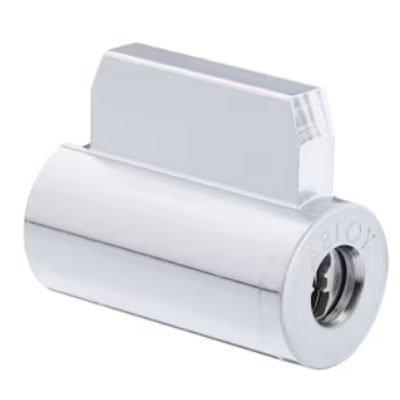
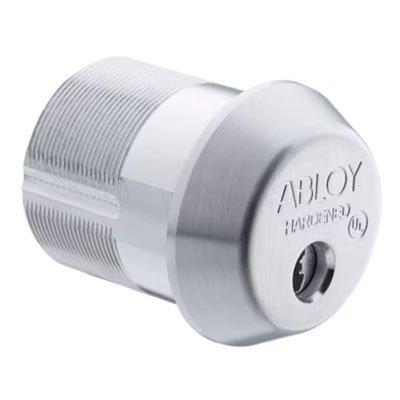
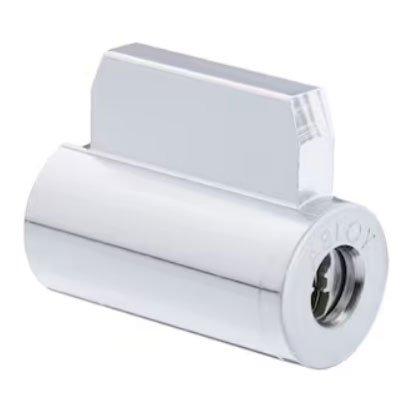
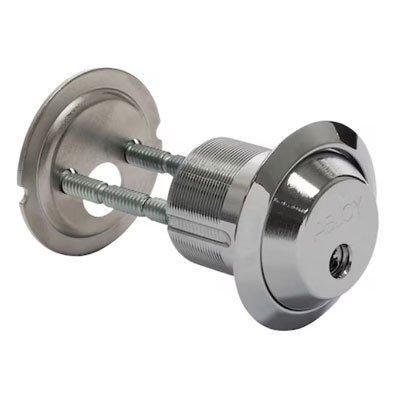
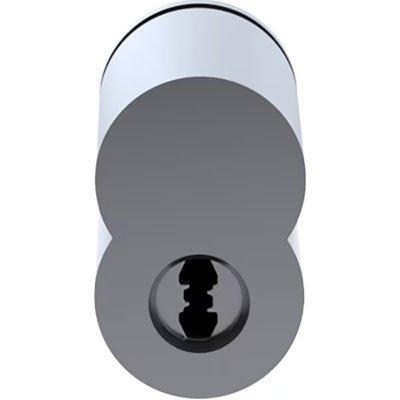
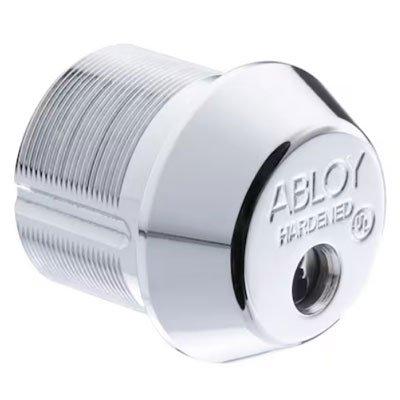
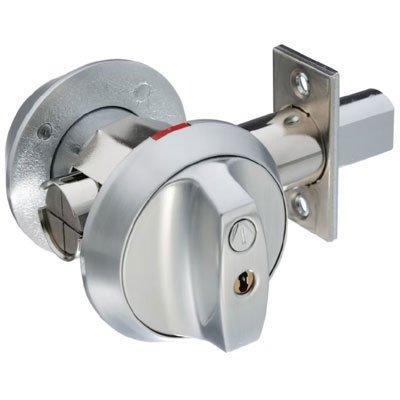
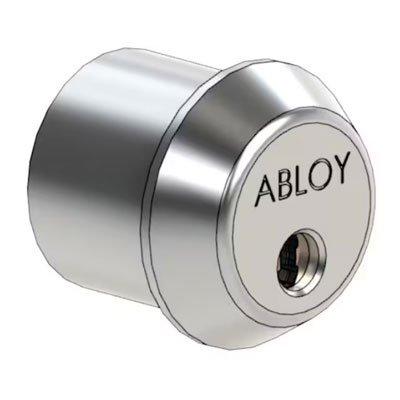
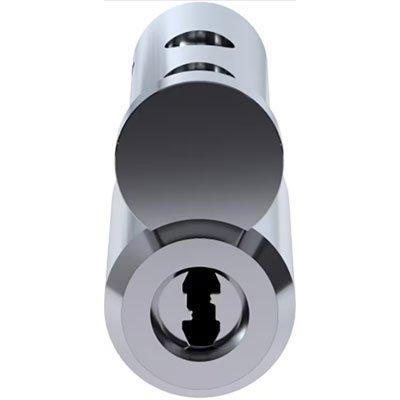
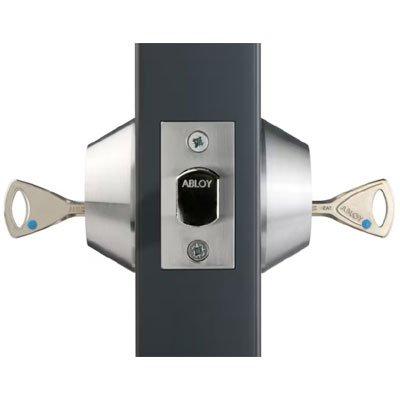
ABLOY CY412U Cylinder With Thumbturn
Technical Specification


- Make: ABLOY
- Model code: CY412U
- Door Type: Both
- Weight g: 940
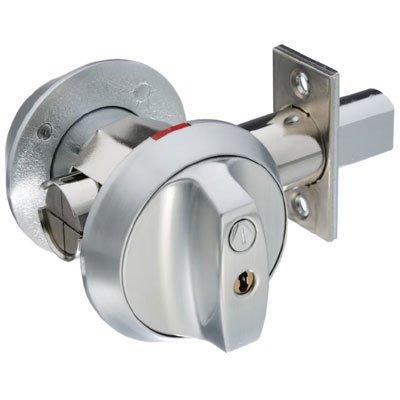
Lock is operated by key from outside and by thumbturn inside the door Can be use with ANSI range applications Suitable for both outer and inner door use
Read more| Make | ABLOY |
|---|---|
| Manufacturer | ASSA ABLOY |
| Category | Access Control>Mechanical digital locks |
| Model code | CY412U |
| Door Type | Both |
| Physical Specifications | Weight g: 940 |
Product description
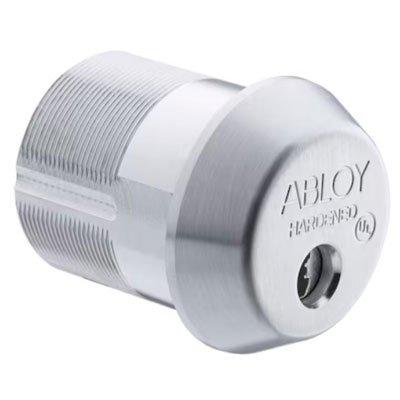
ABLOY CY412U Cylinder with Thumbturn
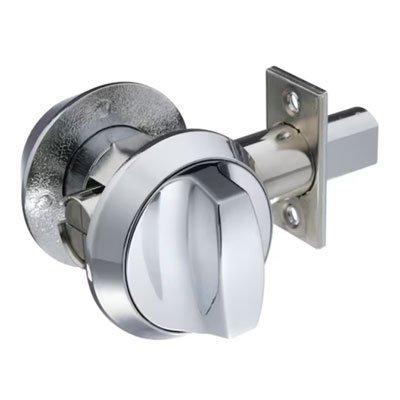
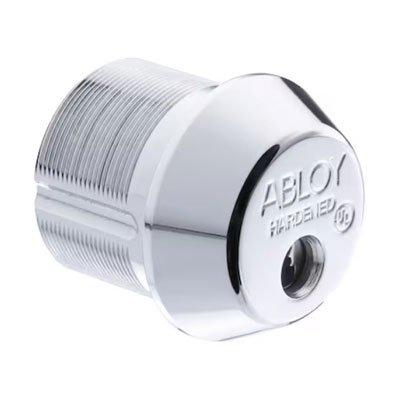
The ABLOY® CY412U is a versatile cylinder with thumbturn designed for enhancing security in tubular deadbolt systems. Engineered for both exterior and interior door applications, this product offers reliability and convenience by allowing operation with a key from the outside and a thumbturn from the inside.
Distinctive Features
- Compatible with ANSI range applications, ensuring broad usability across various settings.
- Available in multiple plating options: Bright chrome (Cr), Brushed chrome (CrHa), Bright brass (MSKiLa), and Satin brass (MSHaLa) for aesthetic flexibility.
- Adjustable length of 60mm or 70mm to fit diverse installation needs.
- UL listed, affirming compliance with safety and quality standards.
- Suitable for use on fire doors, enhancing safety in critical environments.
Technical Specifications
- Weight: 0.94 kg
- Cylinder length: 24.5 mm
Available Key Systems
This cylinder is compatible with ABLOY PROTEC, ABLOY PROTEC2, and ABLOY NOVEL key systems, offering advanced security options.
Ideal Use Cases
The ABLOY CY412U is an ideal choice for professional settings where security and versatility are paramount. Its adaptability to ANSI standards and suitability for fire doors make it perfect for commercial buildings, offices, and high-security areas requiring dependable access control solutions.
More ABLOY Mechanical digital locks

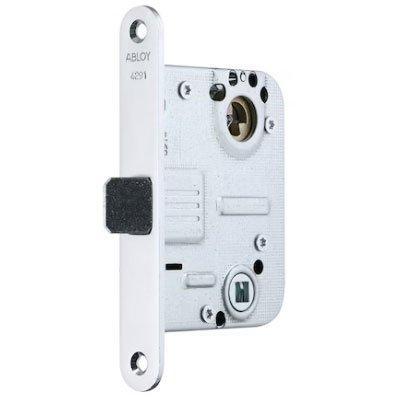
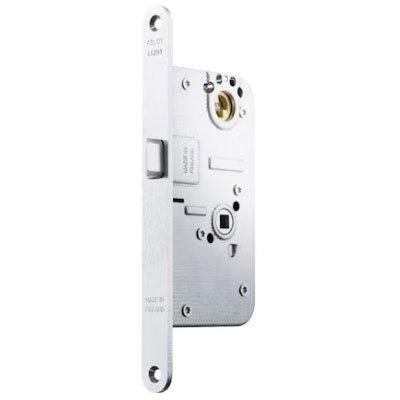



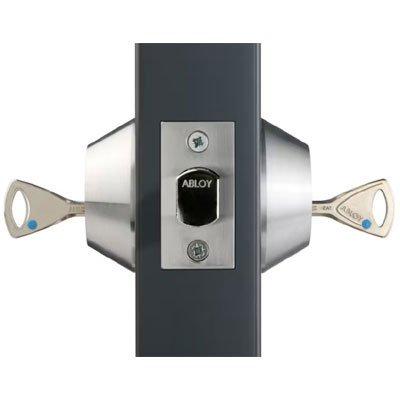
See comparison of ABLOY CY412U with similar ABLOY Mechanical digital locks










Compare ABLOY CY412U with Mechanical digital locks from other manufacturers




Related Whitepapers

Moving to Mobile: A Guide for Businesses Switching to Mobile Access Control

Protecting Your Data Against Physical Threats

Solve Access Control Challenges in the Healthcare Sector