The landscape of cybersecurity is undergoing significant shifts. Traditionally, Security Operations Centers (SOC) have relied on experienced analysts, rule-based systems, and automation to fend off cyber threats. However, a new era is emerging with the advent of the Autonomous SOC, marking an evolution in security operations. This concept raises important questions about its differences from conventional and AI-assisted SOC models, the reasons driving organizations towards AI-enhanced security solutions, and what to consider when selecting partners for implementing autonomous capabilities.
Organizations today are grappling with an overwhelming array of cyber threats. Cyber attackers are increasingly utilizing artificial intelligence to automate attacks, create phishing campaigns, and evade detection, making security team's jobs tougher. SOCs face challenges such as alert fatigue, skill shortages, and complex IT frameworks. A day in the life of a SOC involves thousands of alerts, many of which are false positives, necessitating manual follow-up. As cyberattack volumes grow, simply increasing the number of analysts is not a sustainable option. The demand for scalable, rapid-response security measures has propelled the rise of AI-driven SOCs and the emerging development of Autonomous SOCs.
AI-Driven Security Enhancements
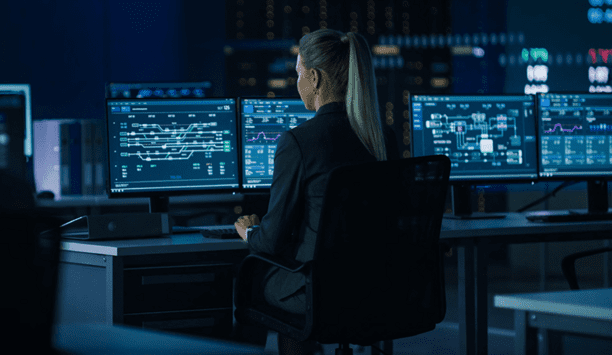
Conventional SOCs are heavily reliant on human analysts to process alerts and execute responses. This model, although effective, has its limitations in keeping up with evolving cyber threats. The introduction of AI-assisted SOCs marked a step forward by leveraging artificial intelligence to prioritize alerts, correlate events, and provide response suggestions. Despite these improvements, human intervention remains pivotal in decision-making processes.
Conventional SOCs are heavily reliant on human analysts to process alerts and execute responses
Autonomous SOCs take the reliance on AI a step further by integrating advanced machine learning, threat intelligence, and automation to perform many security operations tasks independently. These platforms can investigate alerts, validate threats, take predefined responses, and continually learn, minimizing the need for human intervention. Analogous to the shift from driver-assist vehicles to fully autonomous cars, Autonomous SOCs handle most security processes independently, albeit with human oversight in critical scenarios.
Streamlining Security Responses
A defining feature of Autonomous SOCs is their proactive response capability. When anomalies are detected, these systems automatically gather data, correlate information, and initiate containment actions. For example, if suspicious account activity is identified, the SOC can isolate systems, disable compromised credentials, and inform stakeholders rapidly. This autonomy significantly optimizes Mean Time to Detect (MTTD) and Mean Time to Respond (MTTR), crucial metrics for minimizing cyber incident impacts.
While autonomy in SOCs is enhancing operational efficiency, it doesn’t replace human expertise entirely. Security professionals are essential for governance, oversight, and validating substantial decisions. The aim is to augment human efforts, not replace them. Imagine a ransomware attack commencing on a holiday. Would there be greater confidence if an intelligent platform addressed the threat promptly or if it awaited human intervention?
Rising Demand for Autonomous Solutions
The efficiency of autonomous tools is closely linked to the security knowledge they are built upon
Many organizations are leaning towards autonomous solutions due to their significant advantages over traditional methods. They enable faster responses with automated actions within seconds, alleviate analyst burnout by reducing repetitive tasks, and improve consistency in executing approved workflows. Additionally, these platforms enhance scalability, allowing enterprises to manage increased security events without escalating staffing expenses, and provide comprehensive visibility across diverse environments, including cloud and on-premises systems.
Implementing Autonomous SOCs extends beyond acquiring technology; it demands collaboration with partners having expertise in managed detection and response, threat intelligence, and security operations. The efficiency of autonomous tools is closely linked to the security knowledge they are built upon. Evaluating providers in terms of transparency, compliance support, and integration capabilities is crucial. Autonomous systems should integrate seamlessly with existing security frameworks and provide high-quality threat intelligence to effectively adapt to evolving threats.
Rewterz's Innovative Cyber Defense
As the cybersecurity landscape evolves, Rewterz is aiding organizations in transitioning from traditional and AI-assisted to fully autonomous security operations.
By leveraging cutting-edge AI technologies, threat intelligence, and automation, Rewterz delivers enhanced security measures that boost efficiency while alleviating operational burdens. The company emphasizes the synergy between autonomy and governance, ensuring regulatory compliance and operational accountability alongside next-generation security automation.
Cybersecurity operations are undergoing a remarkable transformation. For years, Security Operations Centres (SOC) have relied on skilled analysts, rule-based detection systems, and increasingly sophisticated automation to protect organizations from cyber threats. Today, the next evolution is already taking shape: the Autonomous SOC.
In this article, users will learn what an Autonomous SOC is, how it differs from traditional and AI-assisted SOC models, why organizations are increasingly turning to AI-powered security operations, and what to look for when selecting a partner to help implement autonomous security capabilities. We will also explore how the best security partners help organizations move beyond conventional security operations towards a future of self-driving cyber defense.
Increasingly complex IT environments
Modern organizations face an unprecedented volume of cyber threats. Attackers are leveraging artificial intelligence to automate reconnaissance, create convincing phishing campaigns, evade detection, and accelerate attacks. At the same time, security teams are struggling with alert fatigue, skills shortages, and increasingly complex IT environments.
A typical SOC may process thousands of alerts every day. Many of these alerts are false positives, while others require manual investigation and triage. Security analysts often spend significant time on repetitive tasks instead of focusing on strategic threat hunting and incident response. The challenge is clear. As attack volumes continue to rise, organizations cannot simply hire more analysts to keep pace. They need security operations that can scale intelligently, respond rapidly, and continuously adapt to evolving threats. This need has fueled the rise of AI SOC and is now driving the emergence of Autonomous SOC.
Identifying suspicious behaviours
Traditional SOC rely heavily on human analysts. Security tools generate alerts, analysts investigate them, and response actions are manually executed. While effective in many scenarios, this model can struggle to keep up with today's threat landscape.
The next step in the evolution was the AI-assisted SOC. In these environments, artificial intelligence helps analysts by prioritising alerts, correlating events, identifying suspicious behaviours, and providing recommendations for response actions. AI improves efficiency, but humans remain responsible for most decision-making and execution.
Security operations tasks
Autonomous SOC take this concept significantly further. An Autonomous SOC combines advanced artificial intelligence, machine learning, security orchestration, threat intelligence, and automated response capabilities to independently perform many security operations tasks with minimal human intervention. Rather than simply recommending actions, the system can investigate alerts, validate threats, execute predefined response measures, and continuously learn from outcomes.
Think of it as the difference between a vehicle equipped with driver assistance features and a self-driving car. One helps the driver make better decisions. The other can navigate much of the journey independently while maintaining human oversight where needed.
Appropriate containment measures
The defining characteristic of an Autonomous SOC is its ability to act, not simply analyze. When suspicious activity is detected, an autonomous platform can automatically gather evidence from multiple systems, correlate data across the environment, determine the likelihood of a genuine threat, and initiate appropriate containment measures.
For example, if a compromised user account begins exhibiting unusual behavior, the Autonomous SOC may automatically isolate affected systems, disable credentials, collect forensic evidence, and notify stakeholders before significant damage occurs. This level of automation dramatically reduces Mean Time to Detect (MTTD) and Mean Time to Respond (MTTR), two critical metrics that directly influence the impact of cyber incidents.
High-impact actions
Yet autonomy does not eliminate the need for human expertise. Security professionals continue to provide governance, oversight, strategic decision-making, and validation of high-impact actions. The goal is augmentation at scale rather than complete replacement.
Imagine a ransomware attack begins at 2:00 a.m. on a holiday weekend. Would you rather wait for an analyst to notice the alert, investigate the activity, and initiate a response, or have an intelligent security platform identify the threat, contain affected systems, preserve evidence, and notify stakeholders within minutes?
Autonomous security operations
For many organizations, the answer highlights why autonomous security operations are becoming increasingly attractive. Autonomous SOC provide several advantages over traditional security models. First, they dramatically improve response speed. Automated investigations and response actions can occur within seconds rather than hours.
Second, they help reduce analyst burnout. By automating repetitive tasks, security teams can focus on higher-value activities such as threat hunting, strategic planning, and security improvement initiatives. Third, they enhance consistency. Human analysts may vary in experience and decision-making, while autonomous systems execute approved workflows consistently and reliably.
Complex hybrid environments
Fourth, they improve scalability. Organizations can handle growing volumes of security events without proportionally increasing staffing costs. Finally, autonomous security operations provide stronger visibility across complex hybrid environments, including cloud platforms, on-premises infrastructure, endpoints, applications, and third-party systems.
Implementing an Autonomous SOC requires more than purchasing advanced technology. Success depends on choosing a partner with the right combination of expertise, processes, and operational maturity. Organizations should begin by evaluating a provider's experience in managed detection and response, threat intelligence, incident response, and security operations. Autonomous capabilities are only as effective as the security knowledge embedded within them.
Another major consideration
It is also important to assess the provider's approach to transparency and governance. Autonomous systems must support auditability, regulatory compliance, and human oversight. Organizations need confidence that automated decisions can be understood, reviewed, and validated.
Integration capabilities should be another major consideration. The best Autonomous SOC platforms seamlessly integrate with existing security tools, cloud environments, identity systems, and business applications. Threat intelligence is equally critical. Effective autonomous operations rely on high-quality intelligence to identify emerging threats and adapt to evolving attacker techniques.
Finally, organizations should evaluate the provider's commitment to continuous improvement. Autonomous security is not a one-time deployment. It requires ongoing tuning, model refinement, workflow optimization, and adaptation to changing risks.
Next-generation security automation
As cyber threats continue to evolve, Rewterz is helping organizations move beyond traditional and AI-assisted security operations towards fully autonomous cyber defense. By combining advanced AI technologies, threat intelligence, security orchestration, automation, and expert human oversight, Rewterz delivers security operations that are faster, smarter, and more resilient. The organization's approach enables businesses to reduce operational burdens while strengthening their ability to detect, investigate, and respond to sophisticated threats.
Rewterz recognises that autonomy and governance must work together. Its solutions are designed to support regulatory requirements, operational transparency, and human accountability while enabling organizations to take advantage of next-generation security automation.