Safetrust announces a virtual briefing introducing Aliro, an open industry standard designed to revolutionize physical access credentials.
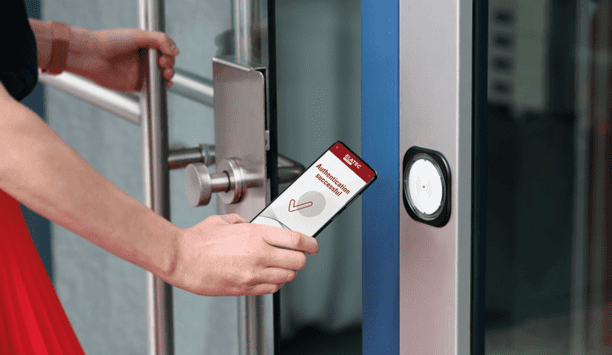
This session, aimed at security professionals, purchasing decision-makers, and industry influencers, will elucidate how Aliro’s protocol enhances interoperability through a certificate-based system that integrates both mobile and physical identities.
Key Features of Aliro's Protocol
Attendees will gain insights into Aliro's capability to facilitate multi-vendor interoperability, employing strategies that seamlessly integrate into existing infrastructures without disruptions.
The system empowers organizations to foster cross-organizational identity federation without the need to share sensitive information. With a focus on aligning with enterprise Public Key Infrastructure (PKI), Zero Trust principles, and preparing for post-quantum security challenges, Safetrust positions Aliro as a pivotal tool in the upcoming two years.
Overcoming Proprietary System Limitations
Traditional Proprietary Access Control Systems (PACS) often bind users to specific vendors
Traditional Proprietary Access Control Systems (PACS) often bind users to specific vendors, limiting their scalability. Aliro challenges this norm by providing a customer-controlled identity orchestration model, which enhances scalability and control across varied environments, unifying identity across systems.
The upcoming session titled "Aliro Decoded: What Enterprise Security and Identity Leaders Need to Know Before 2027" is scheduled for Wednesday, June 10, 2026, at 11:00 AM PT (2:00 PM ET). It will be a 45-minute virtual briefing, followed by a Q&A session, conducted by CTO Jason Hart and VP of Advanced Systems, Will Holderness.
Catherine Carducci, Product Manager at Aliro, Safetrust, emphasized, “What makes Aliro different isn’t just interoperability. It’s that organizations can now extend trusted identity across facilities, vendors, and use cases without ever sharing a secret. One credential implementation covers mobile and physical access, works across mixed hardware environments, and authenticates in milliseconds. That’s not an upgrade to the old model. That’s a different security model.”