|
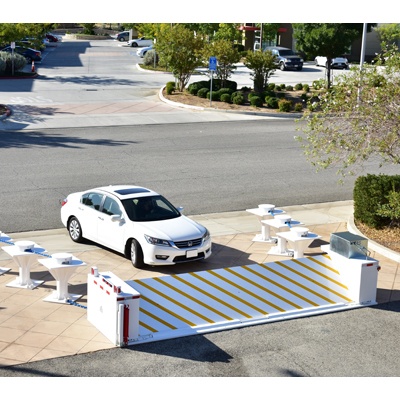
| ALPR systems work by using cameras with optical recognition capabilities to identify vehicles and grant access |
The growing adoption of automatic license plate recognition (ALPR) technology is having an adverse impact on the vehicle entrance control industry, specifically the vehicle barrier and off-street parking systems markets.
According to IHS, the presence of ALPR technology is increasing the most for toll ways and off-street parking garages, which is negatively impacting the growth of vehicle barriers. In ALPR mature markets such as the Americas where the adoption of the technology is prevalent, highway/toll barrier revenues are projected to decline by 16.1% from 2013 to 2017.
ALPR systems work by using cameras with optical recognition capabilities to identify vehicles and grant access while minimizing congestion. Less congestion allows systems to operate at a higher profitability thus increasing the system’s ROI in comparison to traditional barrier solutions.
The most popular use of ALPR systems is in tolling which allows cars to pass freely while penalising unpermitted vehicles through their license plate registration. IHS estimated the global tolling industry to be worth $3 billion in 2013 and projects tolling to be the fastest growing ALPR application in the world. The growing trend of privatisation within the tolling sector, along with the lack of government highway financing in mature markets such as Western Europe and the United States, has increased the popularity of ALPR technology in order to optimize profitability.
According to IHS, the |
The main barrier for the ALPR technology is the price. The image quality of ALPR cameras is crucial for vehicle entrance control revenue systems because any motion blur could result in revenue loss. This requires investment in both ALPR hardware and software which can be costly. IHS predicts the highway/toll barrier market to be the most significantly impacted by the increasing adoption of ALPR technology in the vehicle entrance control market. The impact on the off-street parking sector is currently minimal; however as more parking garages look to adopt ALPR this will ultimately result in less requirements for traditional parking hardware. This could be problematic for suppliers that do not invest in ALPR technology.