Network Video Recorders (NVRs) News
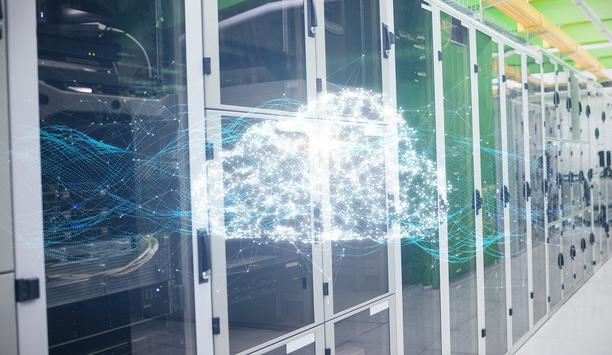
Technology based on the cloud has become a popular trend. Most IT systems now operate within the cloud or offer cloud capabilities, and video surveillance is no exception: virtually every major hardware and software vendor offers cloud-based services. Users benefit from the cloud due to its numerous advantages, such as ease of implementation, scalability, low maintenance costs, etc. Video surveillance as a service (VSaaS) offers many choices, so there is an optimal solution for each user. Howev...

Video surveillance systems are producing more unstructured data than ever before. A dramatic decrease in camera costs in recent years has led many businesses to invest in comprehensive surveillance coverage, with more cameras generating more data. Plus, advances in technology mean that the newest (8K) cameras are generating approximately 800% more data than their predecessors (standard definition). Traditional entry-level solutions like network video recorders (NVRs) simply aren’t built...

Cloud-based technology can reduce IT costs, streamline application management and make infrastructure more flexible and scalable. So, it’s no surprise that cloud video surveillance solutions (also known as video surveillance as a service or VSaaS) are gaining momentum in a big way. In fact, according to recent reports, the VSaaS market is forecasted to increase at a compound annual growth rate of 10.4% by 2025. But some company owners may wonder – what services does a cloud model de...

“Deep learning” is recently among the more prevalent jargon in the physical security industry, and for good reason. The potential benefits of this subset of artificial intelligence (AI) are vast, and those benefits are only now beginning to be understood and realised. But how can we separate the marketing hype from reality? How can we differentiate between future potential and the current state of the art? To clarify the latest on this new technology, we asked this week’s Exper...
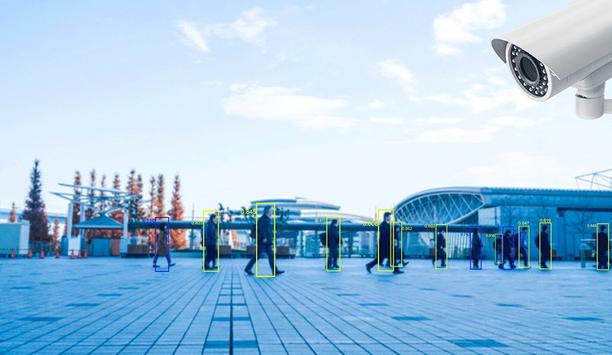
The evolution of smart video technology continues at pace. As in many other industries, the onset of the COVID-19 pandemic expedited timelines and the artificial intelligence (AI) video world is continuing its rapid evolution in 2021. As video demand and the use of AI to make sense of the visual data increase, the number of cameras and subsequent data produced are growing rapidly, and these are forcing the creation of new edge architectures. Cameras and AI in traffic management ‘Smart f...

Since the early 1920s, when the transition to fast food consumption began with the grand opening of White Castle in Wichita, Kansas, fast-casual dining has appealed to a fast-paced way of life – offering convenience and affordability. Today, fast-casual restaurants are as popular as ever, continuing to challenge restaurants to offer a consistent brand experience. This requires security and safety operations to be conducted at a volume and pace too rapid for humans to consistently monitor a...

Many of us take critical infrastructure for granted in our everyday lives. We turn on a tap, flip a switch, push a button, and water, light, and heat are all readily available. But it is important to remember that computerized systems manage critical infrastructure facilities, making them vulnerable to cyber-attacks. The recent ransomware attack on the Colonial Pipeline is an example of the new types of threats. In addition, any number of physical attacks is also possibilities. We asked this we...
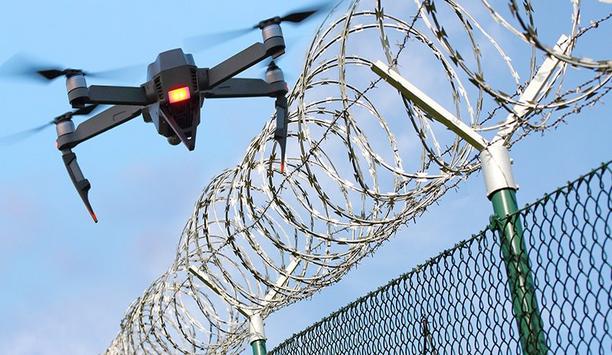
Perimeter security is the first line of defense against intruders entering a business or premises. Traditionally associated with low-tech options such as fencing, the field of perimeter security has expanded in recent years and now encompasses a range of high-tech options. We asked this week’s Expert Panel Roundtable: What are the latest trends in perimeter security technology?

Security systems are vital to any company. Nowadays, however, they can also provide additional benefits to any enterprise beyond protecting people, assets and facilities. Specifically, systems that were previously focused on security can now be leveraged in new ways to benefit the broader enterprise. When this happens, the security department transitions from a ‘cost center’ to a repository of data that can benefit the whole company, and even contribute to the bottom line. We asked t...

Contact tracing has been more than a buzzword during the coronavirus pandemic. In some cases, it has been an issue of life and death. Tracking who an infected person has been in contact with is an important tool to minimize disease spread, and technology from the physical security industry claimed a role in contact tracing early on – and continues to provide benefits as companies seek to reopen. We asked this week’s Expert Panel Roundtable: How can the security industry enhance conta...

We are several weeks into 2021, and it is already shaping up to be an eventful year. The happenings and trends from 2020 will likely carry over into the new year, but in a fast-moving industry such as ours, there will also be additional trends to watch. Looking toward the year ahead, we asked this week’s Expert Panel Roundtable: What will be the biggest security trends in 2021?

As a subset of the larger economy, the security industry is bound to feel the effects of an economic downturn. Such was the case in 2020 when the COVID-19 pandemic undermined economic growth and presented a brand new set of challenges to business. The security industry has been able to pivot toward emerging opportunities, but that success has been offset by broader economic challenges. We asked this week’s Expert Panel Roundtable: What impact, positive or negative, has the larger economy h...

Securing Intelligent Transportation Systems (ITS) in the transportation industry is multi-faceted for a multitude of reasons. Pressures build for transit industry players to modernise their security systems, while also mitigating the vulnerabilities, risks, and growth-restrictions associated with proprietary as well as integrated solutions. There are the usual physical security obstacles when it comes to increasingly integrated solutions and retrofitting updated technologies into legacy systems....

The cloud is here to stay. Its resilience and ability to connect the world during the COVID-19 pandemic has proved its worth, even to the uninitiated who have now witnessed first-hand the value of connected systems. Video and access control as a service provides a flexible and fluid security and business solution to meet the demands of a rapidly evolving industry, where the changing threat landscape means investing in the cloud is an investment towards success. This article will look back at o...
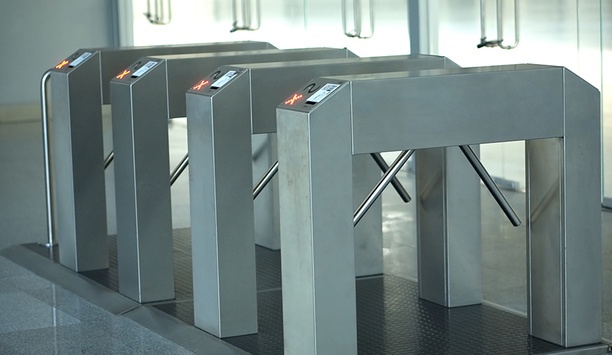
The safeguarding of premises through the monitoring of entrance and exit points has traditionally been a very manual aspect of security. Human operators have been relied on to make decisions about who to admit and deny based on levels of authorization and the appropriate credentials. The access control business, like many industries before it, is undergoing its own digital transformation But the access control business, like many industries before it, is undergoing its own digital transformati...
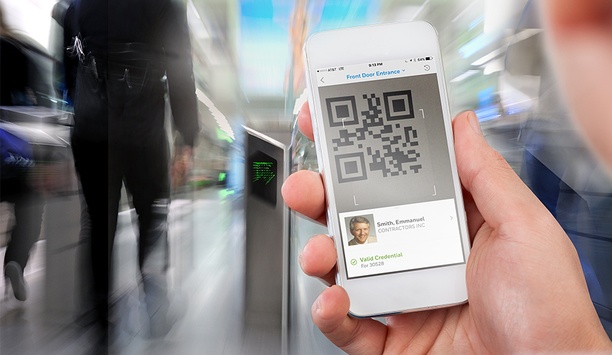
Honeywell Commercial Security is among the companies working to develop security systems that are more proactive than reactive. “Our biggest opportunity moving forward is the ability to have security solutions that do a better job of detecting and predicting threats,” says Tim Baker, Global Marketing Director, Honeywell Commercial Security. Greater use of analytics and intelligence can reduce human error and simplify processes by providing a more unified view for greater situational...
The boundaries between the smart home market and security market at large are narrowing. Amidst a wave of expansion, suddenly everything is becoming digital. Home automation has been around for close to 30 years but hasn’t really hit it big because integration hasn’t been that simple. Now that the Internet of Things has stepped into the market, home automation is really taking off. As technology in the smart home market advances, the gap between the residential and professional secur...

In 2017, IoT-based cyberattacks increased by 600%. As the industry moves towards the mass adoption of interconnected physical security devices, end users have found a plethora of advantages, broadening the scope of traditional video surveillance solutions beyond simple safety measures. Thanks in part to these recent advancements, our physical solutions are at a higher risk than ever before. With today’s ever evolving digital landscape and the increasing complexity of physical and cyber-a...
Despite any negativity you may hear, Hikvision is optimistic about their role in the U.S. market. “We demonstrate that we can be trusted, and that we should be trusted,” says Jeffrey He, Vice President, Hikvision, and President, Hikvision USA and Hikvision Canada. “We have sound products and technology. Our mission in the security industry is to protect, not to harm. Otherwise why would we be in this industry?” Hikvision is committed to investing in the North American m...

Ethical hackers are familiar to the world of cybersecurity. As cybersecurity awareness increases in physical security, they are also playing a larger role to ensure the safety of networked and information technologies used in our market. We asked this week’s Expert Panel Roundtable: What is the role of ‘ethical hackers’ to ensure cybersecurity of networked products in the physical security market?

Application of artificial intelligence (AI) and deep learning in the physical security market runs a gamut from cloud computing to edge computing. A variety of hardware solutions enable AI to be deployed at any level of a system from the cloud to edge devices such as security cameras. Smarter AI-Powered Applications A distributed structure can incorporate cloud computing and edge computing. It extends the Artificial Intelligence (AI) algorithm from the cloud, to an edge network of on-premises...

AI Is currently a buzzword in the physical security industry, and it is also a force that has the potential to transform the industry. Following are the basics of AI (and the related term “deep learning") in part one of our AI series. Artificial intelligence (AI) is the broad computing category referring to intelligence that is displayed by a machine, as opposed to a living creature. Informally, AI refers to machines that mimic the cognitive functions we associate with living creatures, s...
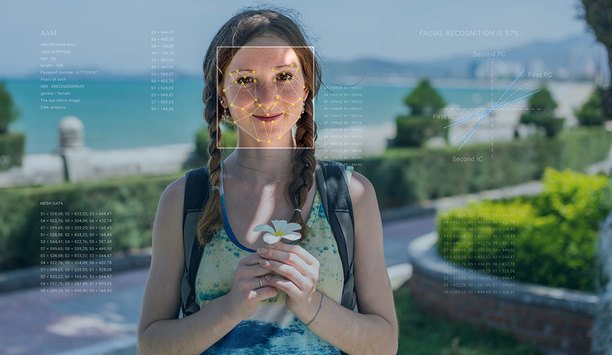
When a child goes missing in a large, crowded mall, we have a panicking mom asking for help from the staff, at least a dozen cameras in the area, and assuming the child has gone missing for only 15 minutes, about 3 hours’ worth of video to look through to find the child. Typical security staff response would be to monitor the video wall while reviewing the footage and making a verbal announcement throughout the mall so the staff can keep an eye out for her. There is no telling how long it...
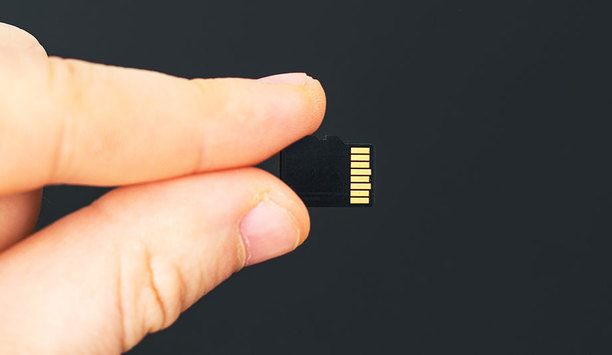
With increased demands being placed on safety and security globally, and supported by advancements in IP cameras and 360-degree camera technology, the video surveillance industry is growing steadily. Market research indicates that this worldwide industry is expected to reach an estimated $39.3 billion in revenue by 2023, driven by a CAGR of 9.3 percent from 2018 to 2023. Video surveillance is not just about capturing footage (to review an event or incident when it occurs), but also about data...
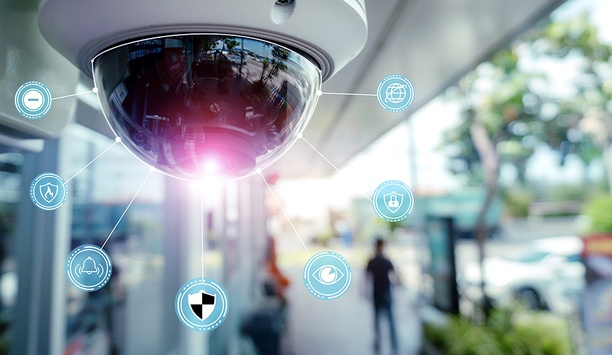
By definition, an edge device is an entry point to a network. In the physical security industry, edge devices are the cameras, sensors, access controllers, readers and other equipment that provide information to the IP networks that drive today’s systems. In the Internet of Things (IoT), edge computing refers to an increasing role of edge devices to process data where it is created instead of sending it across a network to a data center or the cloud. In our market, edge computing takes the...
By 2020, video surveillance using fixed, body and mobile cameras is expected to capture an astounding 859 PB of video daily. Increasing retention regulations and higher resolution cameras, are forcing the video surveillance industry to reassess its approach to data storage. Large capacity primary storage tends to be expensive to procure and costly to implement – especially without a sound architecture that can balance storage performance levels with the speed of access needed to recall vid...

Data was always bound to be a hot topic at this year's IFSEC International event. Artificial Intelligence (AI) has been a buzzword since last year's show. This year, manufacturers are ready to demonstrate solutions capable of processing and analyzing large volumes of information to bolster security and provide business intelligence. Organisers deliberately positioned IFSEC as a converged security event, highlighting the inherent link between the security of physical assets and the security of d...

In the analog era, videotape was the storage media of choice for CCTV systems. Since the advent of digital video, and of IP-based systems, a variety of other storage formats have come to the fore, including hard drives, flash drives, SD cards and others. Now we are in the age of the cloud, which offers new opportunities to store vast amounts of video and presents challenges such as bandwidth and cybersecurity. For a current perspective on storage, we asked this week's Expert Panel Roundtable: Ho...

Ambarella is a big player in the video surveillance market, but not a familiar name to many buyers of security cameras. They don’t make cameras, but they make the computer chips inside. Founded in 2004, Ambarella began in the broadcast infrastructure encoders market and entered the market for professional security cameras in 2008. More recently, the company has also entered the market for automotive OEM solutions. Between 2005 and 2015, the company has produced a progression of advanced c...
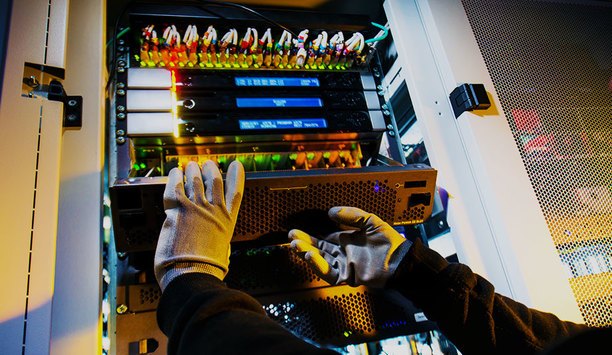
Dollars spent by video surveillance customers must go towards ensuring high-availability capture, storage and on-demand access to live and archived video. Reaching this goal mandates high-availability of independent components – camera, network, storage (edge, external), internet connectivity, display, all Video Management Software (VMS) components and an architecture that can take advantage of this. In this note, we focus on seeing our way through to a video surveillance architecture, tha...
Related videos


Find Lost Wallet with Dahua WizSeek

Dahua Traffic Signal Controller Highlight

CLIQ Connect
- View more IP cameras
- IP cameras
- IP Dome cameras
- Intercom Systems
- Network Video Recorders (NVRs)
- Surveillance cameras
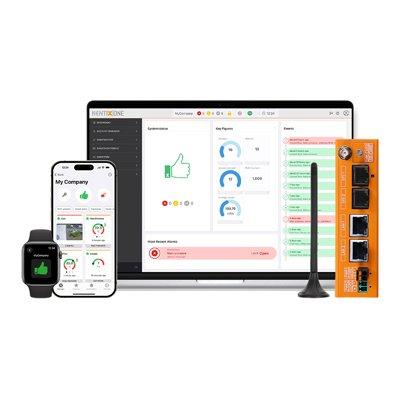
KentixONE – IoT Access And Monitoring For Data Centers
Climax Technology HSGW-Gen3 Modular Smart Security Gateway

Delta Scientific DSC50 ‘S’ Barrier: Portable, Crash-Rated Vehicle Mitigation Solution

The Key To Unlocking K12 School Safety Grants
Download
Honeywell GARD USB Threat Report 2024
Download
Physical Access Control
Download
The 2024 State Of Physical Access Trend Report
Download
The Security Challenges Of Data Centers
Download