How Well Do Systems Meet Video Surveillance Needs In Prisons?
26 Oct 2021

- Prison security demands specialized, extreme video surveillance technologies for effective monitoring.
- Experts discuss ethical concerns of selling video surveillance systems to correctional facilities.
- Video security in prisons faces unique challenges and ethical considerations for technology providers.
Editor Introduction
Keeping prisoners safely housed is among the biggest challenges the security industry faces. Correctional applications of security technology are often more extreme and require a specialized mix of technologies. We asked our Expert Panel Roundtable: What are the video security and surveillance needs in prisons, and how well do technologies meet those needs? Are there any ethical qualms about selling to prisons?


The challenges of securing a prison are unique. While traditional security methods like visitor management and perimeter surveillance still apply, you must also consider the complex challenges of prisoner safety and regulatory requirements. Modern security technology is up to the challenge. Physical access control and identity management systems are mission-critical and must be designed to be flexible, reliable, connected, and secure at all times. There is technology today that can do all of that, as well as offer secure visitor controls, access to cyber resources, asset tracking, and attack prevention. Ethically, prisons have an obligation to provide an equal or possibly increased emphasis on security than other organizations. Prisons are designed to be among the world’s most secure facilities and therefore require government-grade physical access solutions.

Prisons have diverse needs as they balance the security requirements of protecting employees, visitors, and residents. Physical security systems are essential in providing effective security and preventing incidents of violence, drug use, and improper conduct. However, many correctional facilities still rely on outdated analog systems. Thankfully, the latest advancements in video surveillance technology enable facilities to upgrade their systems to provide comprehensive monitoring of residents when transported to and from a facility, using on-board video solutions. With a unified security system that includes video monitoring, intercom, incident management, digital evidence management – as well as third party systems like building management and fire alarm systems – prisons can also ensure a heightened level of safety for everyone within the building, and allow officers to be more efficient. Correctional facilities now also have access to privacy protection software that automatically blurs and masks sensitive video and anonymizes people to protect privacy.

Surveillance is needed in prisons to protect employees and those incarcerated. Death while in custody often results in the authorities being accused of abuse, neglect, racism and cover-ups. The challenge with video surveillance stems back to privacy; there are some places video is not acceptable. Therefore, areas where there is no visibility require physical inspections to ensure safety. The issue is, there is no way to verify if the inspection was completed, did they go into the back corner and physically check on the inmate or did they merely glance in and walk by? With the latest advancements in technology, we can ensure that even the smallest of areas are physically inspected without the need for video. We can confirm who inspected what and when, adherence to guidelines, and provide the data to prove it, thus making dispute resolution simpler while improving safety without compromising privacy.

Video surveillance in a prison is there for the safety and security of both the inmates and the staff. It also helps facilities comply with federal mandates that specify, for example, that cross-gender viewing is prohibited and that staffing plans documented to adequately protect inmates. Cameras must have privacy masking technology, and a VMS must support user-based rights and permissions. Cameras must be able to withstand shock and abuse while anti-ligature corner mount cameras are typically deployed in areas where inmates might try and harm themselves. AI-based cameras can detect people and clothing color, alerting staff when an inmate is in a restricted area. Video can also minimize contraband indoors and out. Properly deployed and managed, video surveillance can help reduce the amount of staffing required within a facility. Because video surveillance is there to protect both inmates and corrections officers, I see no ethical qualms about selling into prisons.
Editor Summary
Ensuring privacy in prisons may require masking certain areas in a captured video view. Possible vandalism requires that equipment be installed to withstand shock and abuse. Technology can also be used to ensure compliance by prison personnel. These are just a few of the uses of security technology to meet the needs of jails and prisons.
Hanwha Vision America products



Hanwha Vision America news

At ISC East 2025, Hanwha Vision is showcasing a range of high-performance surveillance solutions designed to elevate the security experience and transform an organization’s total operations. Attendees can see the future of security technology at Booth 507, ranging from AI cameras equipped with the Wisenet 9 System on Chip (SoC); to the new OnCAFE access control platform; to DesignPro, an intuitive project design and management resource. Hanwha Vision’s exhibit at ISC East demonstra...
Hanwha Vision is showcasing the future of security technology at GSX 2025 (Booth 2326), featuring its new Wisenet 9 System on Chip (SoC) and a growing suite of cloud-based solutions, including the new OnCAFE access control platform. Hanwha Vision will demonstrate how its latest technology simplifies security management, while providing powerful, intelligent, and scalable protection for any organization. Attendees will experience a full line of AI-powered cameras and devices supported by an...
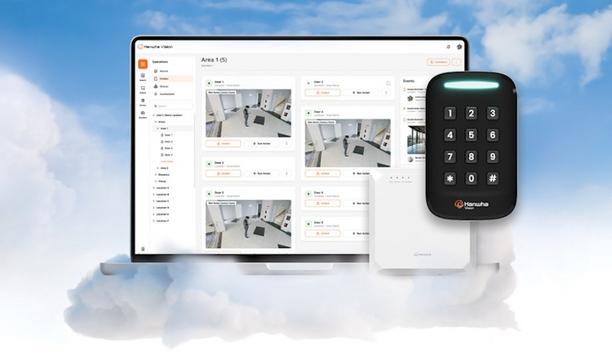
Hanwha Vision is opening new doors for security applications with the launch of OnCAFE (Cloud Access For Everyone), a cloud-hosted Access Control as a Service platform and the latest tool in the company’s expanding line of cloud-based solutions. Delivering a user-friendly, scalable, and cost-effective option for access control needs, OnCAFE reduces the deployment challenges traditionally associated with system initialization, device, user, and software management. Han...
Hanwha Vision America case studies

Wilson Bank & Trust, member FDIC, is an independent, community-based bank that began operating in Tennessee, USA in 1987. They have mortgage offices, operations centers, ATMs and branches located in and around Middle Tennessee that serve the city and surrounding rural areas. In total, they have operations and security at approximately 40 locations. One of the keys to their on-going success is their continuous search to improve their offerings. This drive extends to their physical security a...

Hanwha Techwin America, a global supplier of IP and analog video surveillance solutions, has announced that Army and Navy Academy, a college preparatory military boarding school in California, has upgraded its security infrastructure with Hanwha security cameras. Located on a 23-acre beach-front property, the Army and Navy Academy is home to more than 300 students and employs more than 140 faculty and staff members. Two-fold surveillance upgrade According to Jeffrey Gibson, a system with anal...

Recently, Planet Fitness, with the help of their preferred system integrator Adirondack Direct, incorporated a video surveillance solution from Hanwha Techwin and Genetec that not only enhances security, but also improves operations. When leadership evaluated security at their 70-plus corporate run locations a few years ago, they chose to incorporate a video surveillance solution that would address security needs and would be advanced enough to help with management and operations. Each of...
Hanwha Vision America white papers







Hanwha Vision America virtual events


Hanwha Vision America videos


Hanwha Customer Stories: Buffalo And Erie County Naval And Military Park

COVID-19 Solutions: '5 Minutes With' Video Interview with Thomas Cook from Hanwha Techwin America
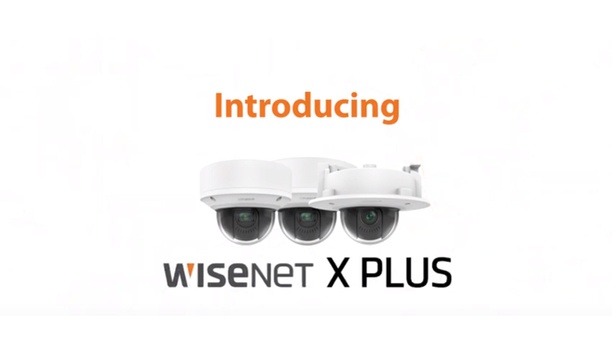
Hanwha Techwin’s Wisenet X series Plus

Introducing Hanwha Wisenet X Series Exclusive Wisenet 5 SoC Chipset
Expert commentary

Security beat