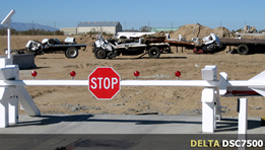
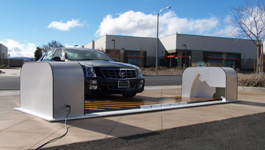
Ram raids have emerged as a persistent threat to businesses, particularly those with storefronts directly facing public streets. These incidents, which involve a vehicle being used to forcibly gain access to a building, can result in significant property damage and operational disruption.
For both small and large businesses, the financial fallout, along with potential damage to reputation, can be substantial. To counter this growing threat, the implementation of ram raid bollards offers an effective solution.
Understanding Ram Raids
In a typical ram raid, perpetrators use a vehicle to crash into commercial properties, aiming to access goods such as electronics or jewelry.
While retail outlets are frequent targets, warehouses, government facilities, and even military supply depots are not immune. Vehicles traveling at high speeds can breach standard structural defenses, making it crucial to have adequate perimeter protection.
The Role of Bollards in Preventing Ram Raids
Bollards play a vital role in deterring ram raids through their function as robust physical barriers
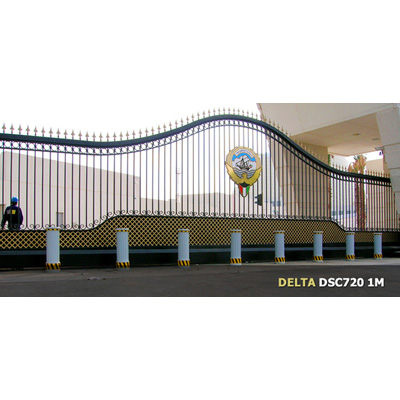
Bollards play a vital role in deterring ram raids through their function as robust physical barriers. Strategic placement of these bollards is crucial; they need to obstruct direct vehicle paths to vulnerable building access points. For instance, placing crash-rated bollards along the curb can effectively prevent vehicles from reaching entry doors.
In areas of heightened risk, a staggered arrangement of bollards can force vehicles to slow down, while still permitting pedestrian movement. Integrating bollards into a Crime Prevention Through Environmental Design (CPTED) strategy, alongside other environmental deterrents, enhances their effectiveness.
Types of Bollards for Security
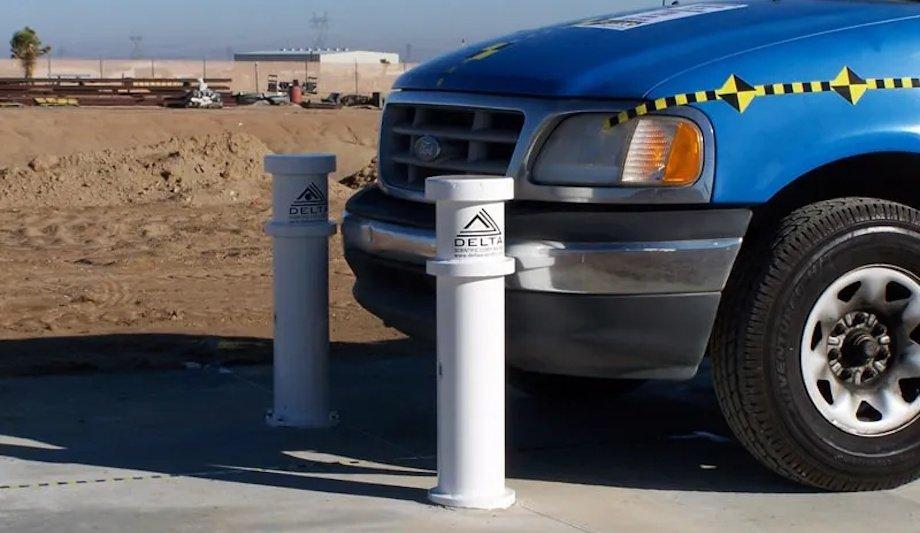
Not all bollards are suitable for preventing vehicle incursions. For effective ram raid protection, it is essential to choose impact-rated bollards, specifically engineered to withstand high-speed collisions.
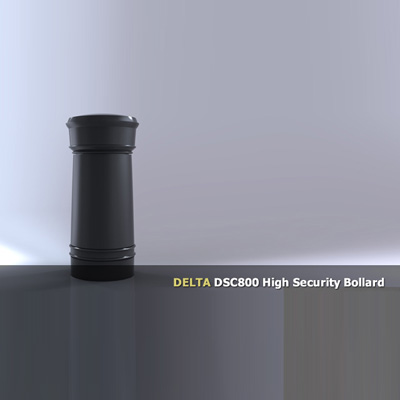
These high-impact bollards are distinguished by reinforced steel cores and deep foundations, effectively dissipating collision forces. While traffic control bollards, often made from lighter materials like plastic, offer guidance and pedestrian protection, they do not suffice as crash-rated security measures.
Material Choices: Steel, Concrete, and Retractable
Concrete bollards, like those outside certain retail stores, provide static and visible vehicle deterrents
The material of the bollards affects both their functionality and visual impact. Steel bollards are prevalently used in anti-ram applications due to their strength and the option to fill them with concrete for added weight. Concrete bollards, like those outside certain retail stores, provide static and visible vehicle deterrents.
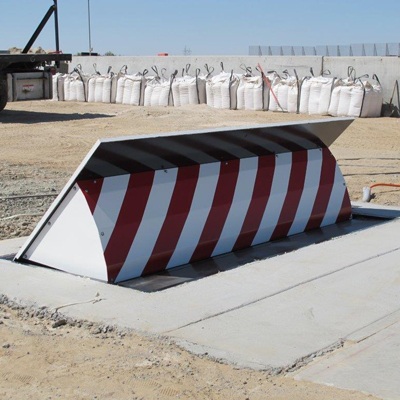
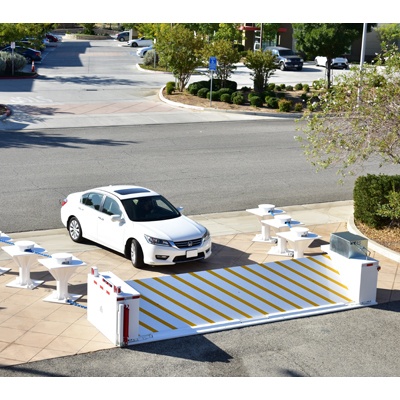
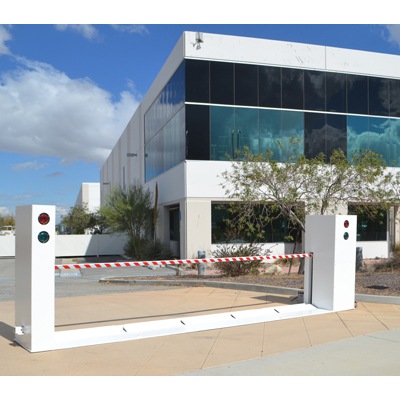
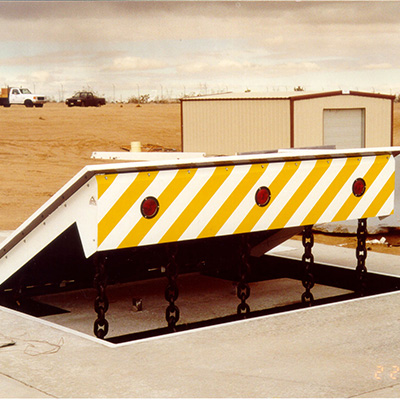
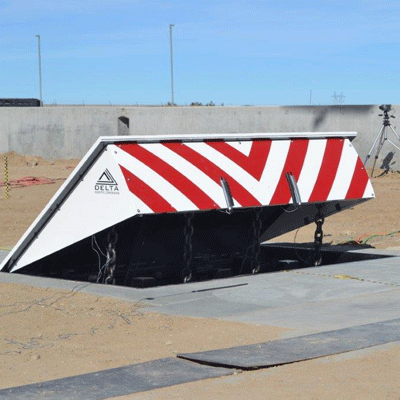
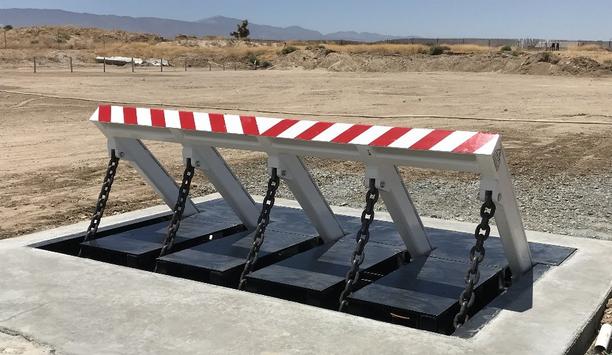
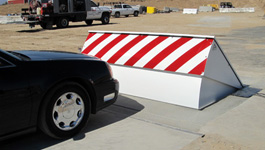
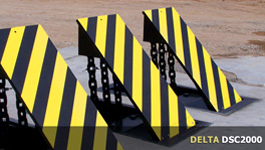
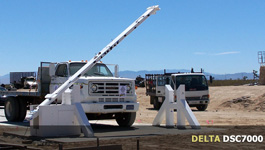
For settings requiring adaptable access control, retractable bollards offer a compromise, providing robust protection when needed while being removable or lowered for authorized access.
Assessing Risk and Selecting Suitable Bollards
Determining the appropriate anti-ram solution involves assessing the specific risks associated with a location. Factors such as the type of establishment, its proximity to public roads, and local crime trends inform the level of security needed. Consulting with security experts or engineers familiar with anti-ram technology can help tailor a bollard system effectively to meet site-specific security needs.
Choosing high-quality ram raid bollards is imperative for safeguarding infrastructure. Whether the target is a small café or a large governmental facility, the right bollard strategy is crucial in preventing breaches. Delta Scientific offers a variety of anti-ram bollards, assisting clients in selecting the appropriate design and material to suit their security requirements.
In recent years, ram raids have become an increasingly common criminal tactic, particularly against businesses with storefronts facing public streets. The impact not only causes property damage but can also shut down operations for days or weeks.
For both small retailers and large enterprises, the financial and reputational costs can be devastating. Ram raid bollards are a simple and effective way to prevent would-be raiders.
What is a ram raid?
A ram raid is when a perpetrator deliberately drives a vehicle into a building, typically a commercial property, to gain unauthorized access. Street-facing retail stores are prime targets, especially those selling electronics, jewelry, or high-demand consumer goods. But ram raids can also threaten warehouses, government facilities, event venues, and even military supply depots.
Vehicles traveling at high speed can deliver enough force to breach most standard building facades. This means even properties with heavy doors or window bars can be vulnerable if their perimeter isn’t adequately protected.
How can bollards help prevent ram raids?
Bollards play a critical role in an integrated ram raid prevention strategy. By serving as physical barriers, they stop vehicles before they reach a building’s vulnerable points. However, the effectiveness of bollards depends heavily on strategic placement.
Security planners position bollards to block the most direct vehicle approach paths. For example, installing crash-rated bollards along the curb in front of a storefront creates a barrier that prevents a car or truck from aligning with entry doors. In some high-risk areas, bollards are arranged in staggered formations, forcing vehicles to slow or stop while still allowing pedestrian access.
As part of a Crime Prevention Through Environmental Design (CPTED) approach, bollards can be integrated with landscaping, lighting, and other environmental features to naturally deter criminal behavior.
What are the best types of bollards for security against ram raids?
Not every type of bollard on the market is designed to stop a vehicle. Some are purely aesthetic or intended only for pedestrian or traffic control.
For true ram raid prevention, businesses and agencies must select impact-rated bollards engineered to withstand deliberate, high-speed collisions.
High-impact bollards vs. traffic control bollards
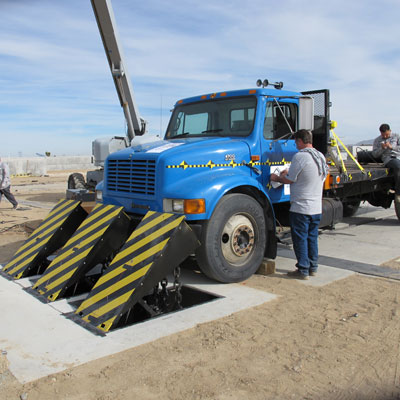
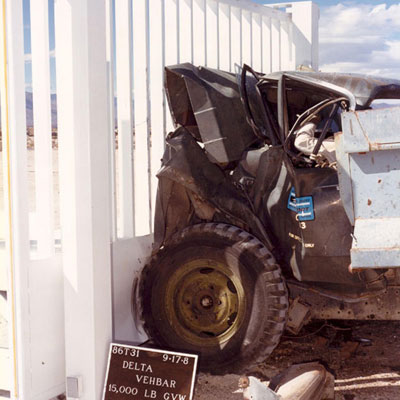
High-impact or anti-ram bollards are built with reinforced steel cores, deep foundations, and engineered designs to dissipate collision forces. These are the bollards that can stop a moving truck in its tracks.
In contrast, traffic control or decorative bollards are often made from lighter materials like plastic or thin-gauge steel. Their primary function is to guide vehicles, block parking in restricted areas, or protect pedestrians, not to withstand a full-speed impact. While they can play a role in safety and traffic management, they are not a substitute for crash-rated security bollards.
Steel, concrete, or retractable
Material choice impacts both performance and appearance. Steel bollards are common for anti-ram applications because of their strength and ability to be filled with concrete for added mass. Concrete bollards, like the iconic red spheres outside many Target stores, are a more straightforward solution for specific sites. They are purely static barriers, highly visible, and effective against vehicle intrusion.
Retractable bollards offer flexibility. They provide the same vehicle-stopping power when deployed, but can be lowered or removed to allow approved vehicle access. This makes them ideal for military bases, government facilities, or event spaces where controlled access is essential without compromising security during high-risk periods.
Assessing the risk before choosing bollards
Before investing in anti-ram solutions, it’s important to understand your specific level of risk. A busy city storefront, a government facility near a public roadway, and a private distribution center all face different threat profiles. Reviewing crime statistics in the area, evaluating site access points, and noting any previous incidents can help determine the level of protection they need.
Partnering with a security consultant or engineer experienced in anti-ram applications ensures that the bollard system is tailored to their building security needs.
Choose high-quality ram raid bollards to protect the infrastructure
Whether the priority is protecting a sidewalk café, securing a public facility, or fortifying a sensitive military installation, the right bollard solution can mean the difference between a near miss and a catastrophic breach.
At Delta Scientific, they manufacture anti-ram bollards in multiple designs, materials, and impact ratings to match diverse operational environments. The engineering team can help they determine the correct placement, material, and rating to meet their security objectives. Browse the range of high-security bollards to see which options align with their threat profile and site requirements. The right choice of bollard for ram raid protection can protect their assets, safeguard their people, and deter criminal activity before it begins.