|
| Airbus Defence & Space in Ulm - a center for international radar technology |
Radar - Indispensable For Safety Of Civil Aircraft
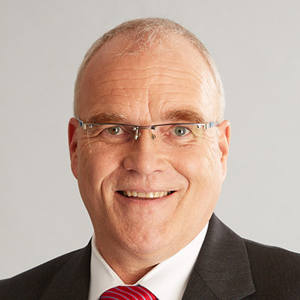
“Radar is more than ever indispensable for the safety of civil aircraft as well as for all-weather military operations,” said Thomas Müller, Head of the Electronics Business Line at Airbus Defense and Space. “We are systematically forging ahead with the development of radar technology on the basis of our many years of experience and can therefore ensure that Germany has an important core technology.”
Today’s development activities include structure integrated antennas which can be built into the outer skin of aircraft or drones, thus enabling all-round vision. Other aspects of radar development which will revolutionize the potential of reconnaissance and intelligence include multi-sensor data fusion and passive radar, which uses any emissions there may be for detection without betraying its position through its own emissions.
TRS-4D Naval Radar System
Innovation topics which Airbus Defense and Space has actually turned into current, market-ready products include multifunctional software-defined radar systems based on AESA technology. In this market segment, the company offers the TRS-4D naval radar system, which the F125 frigates of the German Navy and the Littoral Combat Ship of the US Navy will be equipped with. The so-called “Microwave Factory” at the Ulm location houses Europe’s largest automated production line for radio-frequency modules, thus providing the latest radar technology in the area of electronic beam control.
In the 1970s, the radar experts in Ulm had played a decisive part in furthering a major technological advancement, the transition from analog to digital radar technology and the progression from tube transmitters to semiconductor transmitters.
At Airbus Defense and Space’s radar center in Ulm, about 2,500 employees are working on the development and production of complex security electronics, in particular radars, electronic protection systems and digital radio systems. A large number of the employees are engineers, above all in the areas of communications engineering and electrical engineering.