

A pessimist might see the coming “Internet of Things” as the “Internet of Things that Could Go Wrong.”
Clearly the networking of more machines in the home, including video and security systems, suggests that somebody (or something) needs to be available to make sure that the resulting home automation system is working as intended. If you need technical support for home automation, who do you call?
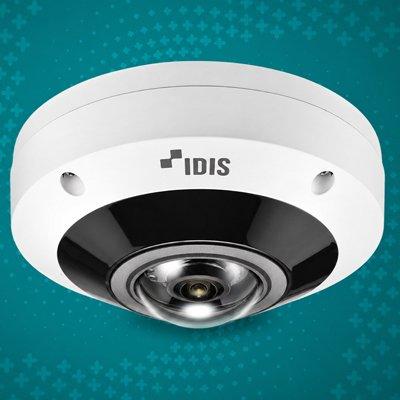
It’s not just a theoretical question, given the accelerating trend toward networked home automation systems that connect everything from lighting controls and big-screen TVs to climate control to (coming soon) refrigerators and even clothing. According to Parks Associates, broadband households in the United States currently own an average of seven connected devices, including video game consoles, smart TVs, tablet devices, etc. Parks Associates’ research suggests that around 12 percent of broadband households currently “intend to purchase” a security camera to tie into the network. A security camera is one of the more popular devices on a list that also includes things like lighting controls, door locks, and smoke detectors.
Contributing to growth in the Internet of Things is greater broadband penetration, which is currently almost at saturation, as well as the lower costs of devices, manufacturers’ emphasis on mobile control capabilities, and greater consumer familiarity driven by huge marketing campaigns. Movement to the cloud is changing how hardware and software interact, with devices “reaching out” over the Internet to talk to each other |
As the list of networked devices expands, the need for technical support gets more urgent. Obviously, solving glitches and problems quickly ensures greater customer satisfaction. Suppliers in the broadband market are developing new support processes to diagnose and resolve customer problems. Some customers need help just “on-boarding” new devices onto the home network.
Movement to the cloud is changing how hardware and software interact, with devices “reaching out” over the Internet to talk to each other. It’s getting harder to tell what device might be at fault in a technical support situation. Devices are getting more complex, too, with 65 percent of products supported by live agents rated as “highly complex,” up from 42 percent in 2003, according to Support.com, a provider of cloud-based technology support software and services.
Companies like Support.com are expanding the range of tools they use to support consumer networks, including systems that effectively guide workflow to live operators and that provide better real-time and historic visibility into how systems are operating. Development of more “self-healing” and auto-configuration systems will also be part of the solution.
Questions of technical support need to be top-of-mind for security monitoring companies as the market changes and grows. “Security monitoring companies will emerge among the top players in the market,” says Patrice Samuels, research analyst, Parks Associates. “Some of the security monitoring companies are currently leaders in home monitoring and home control. Do they have the expertise to handle [service calls] or is it something they should outsource to third-party support? It really depends on the individual company.”