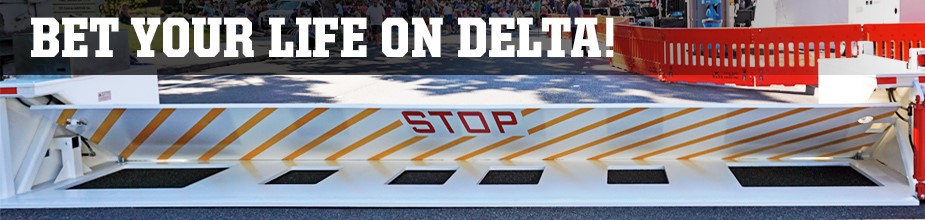
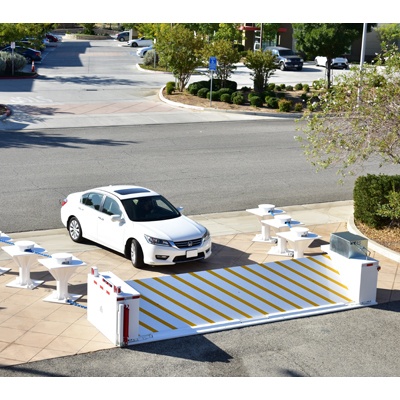
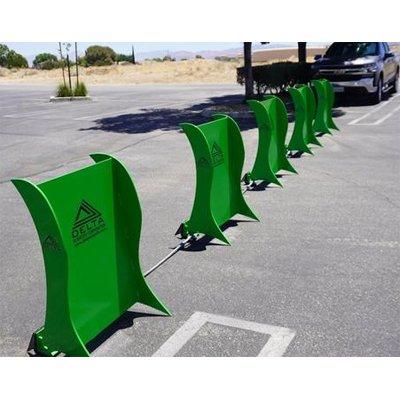
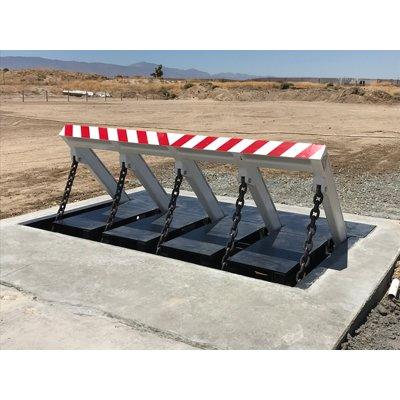
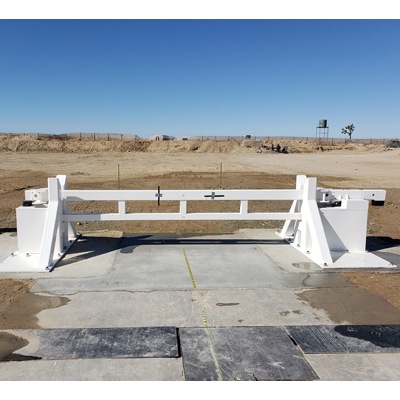
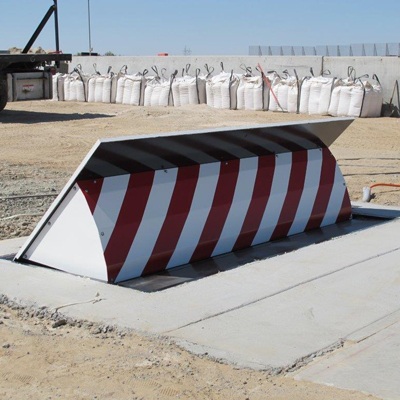
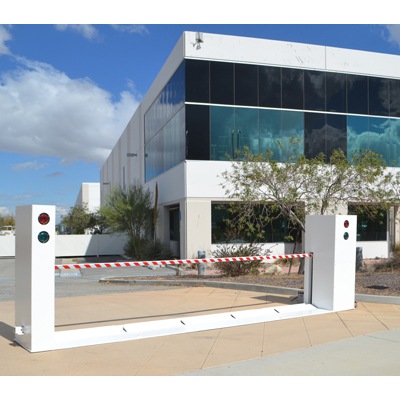
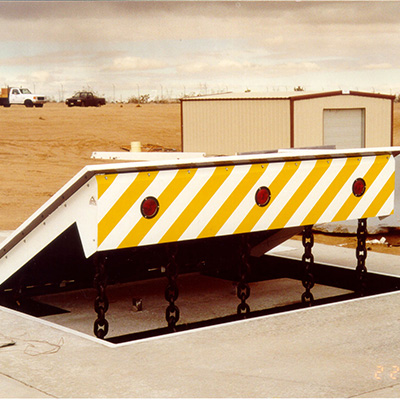
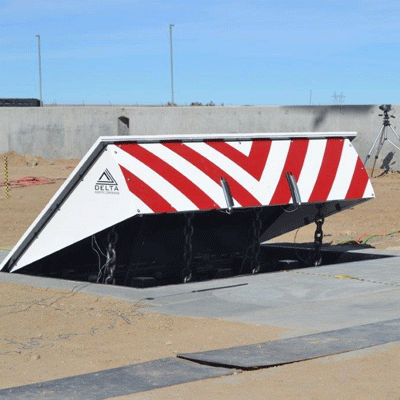
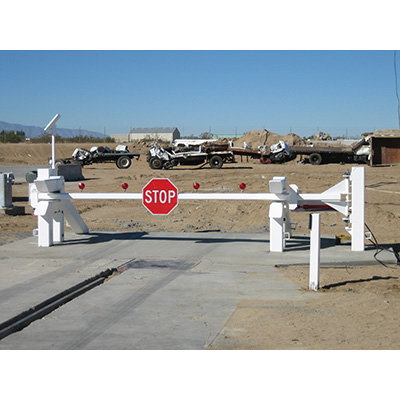
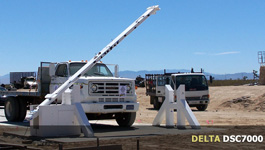
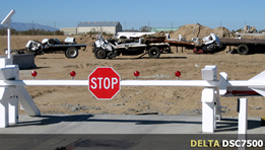
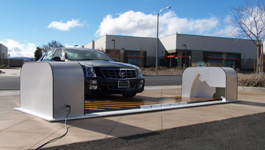
Bollards, commonly seen as simple posts restricting vehicle access in urban settings, serve a critical function in safety and security by absorbing and distributing significant impact forces.
These structures are expertly designed to either stop, redirect, or deflect force from vehicles, thereby safeguarding people and property.
Applications of Bollards in Various Environments
Bollards are integral to maintaining security in areas with high pedestrian traffic
Bollards are integral to maintaining security in areas with high pedestrian traffic, such as city streets, airports, government buildings, and other public or private spaces.
They provide a reliable solution for controlling vehicle access while ensuring unhindered pedestrian movement.
Materials Used in Bollard Construction
Bollards are constructed from different materials, each offering distinct advantages based on the level of impact resistance required:
- Steel: These bollards are favored for their high strength and ability to withstand significant impacts.
- Concrete: Known for their durability, concrete bollards are ideal for high-traffic areas. However, they are less flexible and might crack under certain conditions.
- Plastic/Composite Materials: These are lighter and more flexible, suited for areas where high impact resistance is not critical, such as parking lots.
Key Components of Bollard Design
The engineering of a bollard extends far beyond its outward appearance to ensure robust impact absorption:
- Foundation/Base: This is the most critical element, deeply embedded to withstand severe impacts.
- Body: The visible part designed to handle and distribute impact forces effectively.
- Head/Cap: Protects from environmental factors and enhances visibility and aesthetics.
Effectiveness of Bollards in Stopping Vehicles
Bollards constructed from sturdy materials such as reinforced steel or concrete can effectively halt or deter vehicles, making them reliable for protecting restricted areas. Performance statistics from real-life testing underscore these materials' capability to withstand strong vehicular impacts.
Safety Testing and Assessments
Bollards undergo comprehensive testing to certify their effectiveness in real-world scenarios. These include:
- Crash Tests: Simulating real-world collisions, these tests assess the bollard's capacity to absorb and dissipate kinetic energy.
- Impact Resistance Assessments: Evaluating the bollard's performance under various stress angles to ensure structural integrity.
The Role of Bollards in Security
Bollards contribute significantly to the security of public and private properties. By understanding how they operate, decision-makers can choose the most appropriate solution for their security needs. Delta Scientific offers a variety of high-security bollard solutions, rigorously tested to ensure durability and safety, to meet diverse demands.
When most people think of bollards, they imagine the simple posts placed in urban environments to block vehicles from certain areas. But bollards are more than just visual barriers; they are sophisticated, scientifically designed structures designed to absorb and distribute intense forces. Learn how bollards work to keep people and property safe.
A bollard is designed to stop, deflect, or redirect force, ensuring that any impact with a vehicle is safely absorbed and distributed. The forces bollards must withstand are quite intense. They are designed to handle thousands or even tens of thousands of pounds of pressure.
Bollards are commonly used at:
- City streets
- Airports
- Private properties
- Government buildings
- Public spaces
Bollards are a reliable solution in high-traffic areas where vehicle access needs to be controlled, while still allowing pedestrians to pass freely.
What are bollards usually made of?
Bollards are made from various materials, each designed to handle different levels of impact and provide specific benefits.
- Steel: Steel bollards are widely used due to their high strength and capacity to absorb substantial impacts.
- Concrete: Concrete bollards are known for their mass and durability. They are effective in high-traffic areas but are less flexible than steel, which means they may crack under certain circumstances.
- Plastic/Composite Materials: These bollards are lighter and flexible, often used in areas where high impact resistance is not critical, such as parking lots or pedestrian zones.
Each material has its pros and cons. The type of bollard chosen depends on how much protection is needed and the desired look for the area.
What are the main components of a bollard?
While a bollard might appear to be a simple post, its structure is carefully engineered to absorb impact and resist stress. Here are the key components of a bollard:
- Foundation/Base: The foundation of a bollard is the most crucial aspect of its design. It is typically embedded deep into the ground, ensuring that the bollard can withstand significant impacts without being dislodged.
- Body: The shaft is the primary visible structure of the bollard and is the point of contact for most crashes. It must be designed to handle and distribute the impact force, preventing it from transferring to the surrounding area.
- Head/Cap: The top part of the bollard, often referred to as the head or cap, serves to protect the bollard from the elements, improve its aesthetics, and ensure it is easily visible to pedestrians and drivers.
These components work together to help the bollard withstand strong forces, ensuring it stays durable and effective in protecting important areas.
Will a bollard stop a car?
Bollards are designed to stop or slow down vehicles in high-impact situations. How well a bollard works depends on its material, design, and installation.
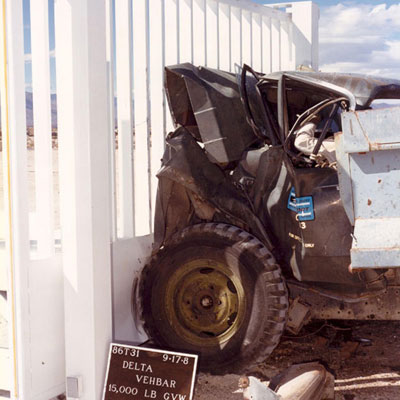
Bollards made of strong steel or reinforced concrete can absorb and spread the force of a moving vehicle and stop it from entering protected areas. Bollard statistics show how well these materials actually perform in real-life tests, proving they can handle strong impacts from cars and provide reliable protection.
How are bollards tested to ensure safety?
Bollards are extensively tested to make sure they work as intended in real-life situations. These tests help engineers see how well bollards can handle different impacts and ensure they are strong enough to protect people and property.
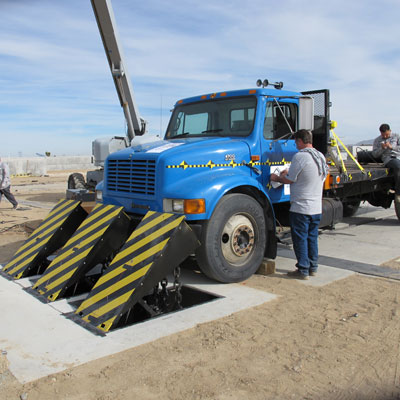
Crash Tests - Bollards undergo rigorous crash tests to evaluate their ability to withstand high-impact collisions. Vehicles of varying weights and speeds are driven directly into the bollard to simulate real-world scenarios, allowing engineers to assess how much kinetic energy the bollard can absorb without failure.
Impact Resistance Assessments - Engineers perform impact resistance assessments to simulate a range of impact conditions, including direct hits and angled impacts, which help engineers understand how the bollard will behave under various stress angles. This process ensures the bollard’s structural integrity and effectiveness, even when subjected to non-perpendicular forces.
How bollards work to protect the property
Bollards are a valuable tool for enhancing the security of properties and public spaces. Whether users are protecting pedestrians, infrastructure, or private property, bollards are an important part of modern security measures. Understanding how bollards work is key to selecting the right solution for users needs.
At Delta Scientific, they offer a wide range of high-security bollard solutions designed to withstand extreme impact forces while maintaining functionality. Their bollards are rigorously tested for durability and safety, ensuring the highest quality for the security needs. Explore the high-security bollards to find the right fit for user needs. Their expert team is here to help users choose the right bollard system for the specific requirements.