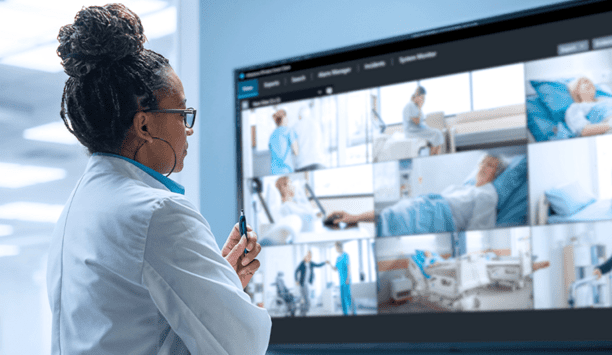
Healthcare articles
The biggest return on investment from an AI-enabled camera might have nothing to do with security. Organizations are increasingly discovering that the same cameras installed to protect people and property can also improve safety, streamline operations, automate routine workflows, and generate valuable business intelligence. Security remains the primary mission, but it is increasingly only the first customer for the intelligence these systems produce. AI-enabled cameras are rapidly becoming dis...

Across many sectors, AI is transitioning from an experimental process to a trusted tool, but how will construction - and architectural ironmongery specifically - balance this technological opportunity with traditional practice? Artificial intelligence was once considered the trend of tomorrow, but it’s now here, and already it’s impacting the design, specification and management of the built environment. Following a period of refined development, the technology is emerging as a valu...

For years, physical security and cybersecurity evolved on parallel tracks. One team managed doors, badges and cameras, while the other handled network access, authentication and logical assets. The systems rarely shared information and, in many organizations, they still do not. That separation is becoming harder to defend now that employees move continuously between physical and logical environments throughout the workday. A single person may badge into a building, access cloud applications, re...

As a digital transformation continues to sweep across the industry, Daniel May of Consort Architectural Hardware examines the growing demand for Building Information Modelling (BIM) and how its use is influencing modern design projects. The future of construction is digital. What was once considered a gradual shift toward greater information management has now become a basic requirement for so many. From early-stage design through to compliance, maintenance and product lifecycle management, dig...

The healthcare infrastructure is ever evolving. Facilities are no longer single entities for one, they are sprawling ecosystems that serve a wide range of users, from medical staff and administrators to vulnerable patients, visitors and maintenance personnel. Safeguarding their safety and security, while providing seamless operation is a complex challenge - one frequently solved by access control. Use of access control Today’s security solutions play a central role in protecting people...

The physical security industry has been in love with the cloud for quite some time. And understandably so. The promise of instant scalability, centralized access, and simplified maintenance is hard to ignore, especially in an era of remote work and distributed facilities. But reality is catching up to the hype. For many, especially those dealing with video surveillance at scale, the cloud is no longer the catch-all solution it once seemed. Rising costs, bandwidth limitations, and latency issue...
For businesses today, loss prevention is no longer just about safeguarding inventory from theft. While retail theft makes frequent headlines in the United States, and is indeed the leading cause of shrinkage, The National Retail Foundation (NRF) has reported that process failures, operational inefficiencies and employee theft also drive significant losses. Legacy security systems In 2022, the shrink loss is estimated to be $120billion in the United States, and that’s for retail...

Technology advances in the security industry are transforming the way modern systems are designed and installed. Customers today are looking for greater scalability and flexibility, lower up-front costs, and operational efficiency. Cloud-based software as a service (SaaS) solutions, AI-enhanced tools, and IoT-enabled sensors and devices are increasingly in demand. The traditional role of the systems integrator is evolving as a result. While security integrators have always worked closely with e...
Access control solutions will continue their evolution in 2025 as organizations assess and adapt to dynamic and increasingly dangerous threats. Trends to watch include the growing adoption of mobile access credentials and digital IDs, and the integration of digital and physical security and other technologies. Other ongoing trends include the integration of AI into access control solutions and the increasing adoption of contactless biometrics for enhanced convenience. New access control...

The artificial intelligence revolution in physical security has arrived, transforming how we protect people, assets, and infrastructure. From smart buildings that automatically adjust access protocols based on real-time threat assessments to healthcare facilities using AI-enhanced video analytics for patient safety, these technologies are reshaping the industry landscape. But with this transformation comes a new era of regulatory oversight that security professionals must navigate carefully.&nb...

As the backbone of community welfare, healthcare facilities cater to crucial public needs from emergency care to specialized medical treatments, and due to its position as a significant facet of the world's critical infrastructure, the healthcare sector faces a multitude of challenges in ensuring patient and visitor security, managing high traffic, and safeguarding sensitive data. Medical sites, such as large hospitals and urgent care clinics, see a wide variety of patients, medical staff, adm...

Rapid technological advancement, artificial intelligence (AI) and machine learning (ML) are revolutionizing traditional on-premises video security systems. These next-level tools are not just enhancing video data capabilities; they're transforming how businesses approach security, operational efficiency, and information analysis. Video analytics have been a part of security systems for many years, but the arrival of deep learning in 2009 marked a turning point. By training neural networks, basi...

Choosing the appropriate fingerprint technology for a given application is dependent on factors including the required level of security and matching accuracy, the desired capabilities and features, and the usability to achieve adoption and productivity goals. A successful evaluation process will help ensure that this mature and proven user authentication method performs as expected. Fingerprint biometric advantages The speed, simplicity, accuracy, and cost-effectiveness of the fingerprint m...
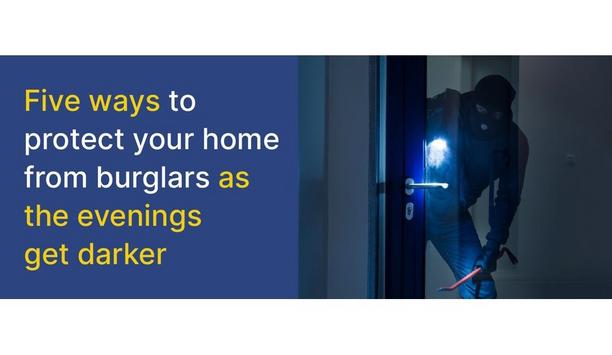
The autumn equinox, which marks the start of autumn, occurs this weekend on Saturday, September 23. With darker evenings ahead, the experts at ADT have shared five ways to maximize your home's security. Author's quote Michele Bennett, General Manager at ADT UK&I comments: “Opportunistic thieves use darkness to their advantage, so it’s no surprise that the number of burglaries committed increases when the darker nights draw in." He adds, "Our 2022 burglary report found that bu...

Daniel May of Consort reviews the integration of access control systems in healthcare settings, outlining the benefits and key considerations decision-makers must make throughout product specifications. From patient safety and traversal to the protection of sensitive data and pharmaceuticals, healthcare environments are faced with several operational challenges. And where security remains at the forefront of decision-making, modern access control systems may often hold the answers. Physi...

Amongst the many negative consequences of the pandemic is a rise in violent and abusive behavior across society. Health workers have experienced it on a regular basis. So too have police officers and public transport workers. Unfortunately, violence and abuse towards shop workers is also endemic in British society. To address this problem which, in truth, has been on the rise since long before the emergence of COVID-19, we need better deterrents. The ability to prosecute these offenses is one...
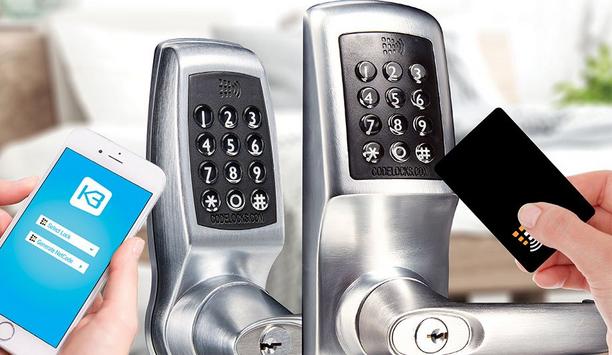
As the vaccine roll-out proceeds, people across the UK are counting the days until we can get back to some kind of ‘new normal’. Just as we’ve seen in education and healthcare, the return to the workplace and other public spaces will be accompanied by enhanced sanitization and social distancing measures. To make the return as swift and safe as possible, those of us involved with managing, building and constructing buildings should consider how we can help facilitate and suppor...
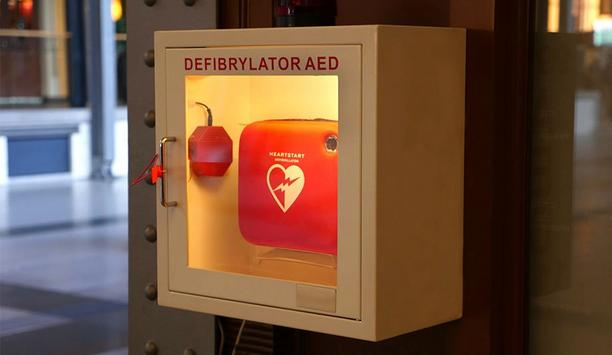
A defibrillator can save the life of a person suffering from cardiac arrest – but it is most effective when used in the first few minutes of the patient collapsing. Studies have shown that a shock given within the first three minutes provides the best chance of survival and even one minute of further delay can substantially lower the chances of recovering. Public Access Defibrillators (PADs) were created to allow untrained members of the public to deliver life-saving treatment in those pr...
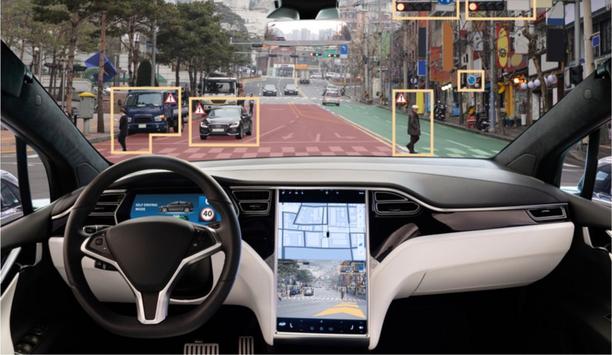
Latest insights from the Economist Intelligence Unit’s Global Barometer show that 41% of execs think 5G is now less important than it was before the pandemic. There are numerous reasons why this could be the case, one being that 4G and home broadband has been proven to be up to the job of supporting home working. There’s also no escaping the headlines that surround 5G and political espionage. They read like a script from House of Cards. Presidents, prime ministers, heads of fo...

COVID-19 has sparked a flurry of criminal activity across the country, with a particular increase in petty crimes perpetrated against UK healthcare facilities. Bike theft, slashed ambulance tyres and stolen oxygen canisters are just some of the misdemeanours which have significantly grown in frequency since the coronavirus lockdown began in March 2020. Given the constant, essential work carried out by health services, it’s clear the utmost must be done to protect its physical assets...

The unprecedented global impact of COVID-19 has taken its toll on all of us, but as cases of the virus thankfully recede, employers are now forced to confront how they can enable a safe return to work for employees. For many employers, this means they will have to carry out a COVID-19 risk assessment, redesign workspaces to maintain social distances, carry out more frequent cleaning, manage the transmission risk and find alternatives to touch-based security devices. Protecting workplace occupan...

You are not alone: operators everywhere are asking themselves what are they going to do? How are they going to get back to business, and fast? How are they going to cost-effectively operate with all the new safety requirements that have arisen as a result of COVID? How are they going to ensure it all gets done for the safety of customers and staff? How are they going to protect their brand from the negative exposure of being identified as a property with a reputation for COVID? The economic imp...

Across the globe, healthcare providers and facilities from care homes to hospitals and private clinics are working around the clock to reduce the risk to their staff and reduce the spread within their facilities. There are increasing reports in the UK that the virus has devastating effects in care homes, with fears that the US will be next in tow. The impacts on healthcare staff have also been stark with absence levels growing. In some health bodies across the UK up to almost 20% of their staff...

Look who’s talking about the top issues in the physical security industry in 2019. Our website’s Expert Panel Roundtable discussions in 2019 reflected some of the most timely and important topics in the industry. The very most-clicked-on Expert Panel Roundtable discussion in 2019 was about the year before – reviewing what caused disruptions in 2018. The second most popular was about 2019, the year ahead. Other hot topics that made the Top-10 list of roundtable discussions incl...

The explosive expansion of IT infrastructure has led to the identity and access management market gaining substantial momentum. As the onslaught of information technology continues, organizations are able to offer users quick and easy access to systems and information from any place, at any time. However the ease of access is inherently associated with the risk of security breach. Organizations have to find a balance between fulfilling user demands and doing so in a manner that is safe enough s...

Growing up, I was surrounded by the military way of life as my father was a Captain in the Marine Corps during the Vietnam War and my grandfather and uncles all served in the military. Even from a young age, I knew I was going to serve our country. My 22-year career in the military includes serving in the United States Air Force, the California Air National Guard and as a reservist assigned to an active-duty Air Force unit. Training and development operations Over the course of my military c...

There’s a lot of hype around the term ‘digital transformation.’ For some, it’s the integration of digital technology into everyday tasks. For others, it’s the incorporation of innovative processes aimed at making business optimization easier. In most cases, digital transformation will fundamentally change how an organization operates and delivers value to its customers. And within the security realm, the age of digital transformation is most certainly upon us. Tech...

The healthcare sector is a crucial part of a functioning society as it provides life-saving care and reassurance to the population. A key part of ensuring the professionals in this industry have the best work environment is the ongoing security of the facilities. Overcoming environmental challenges Hospitals are challenging environments for security integrators. There is little room for mistakes because staff, patients and assets cannot be compromised. Medical centers and their facilities can...

The industry faces numerous challenges in the coming year. Physical and cyber security threats continue to become more complex, and organizations are struggling to manage both physical and digital credentials as well as a rapidly growing number of connected endpoints in the Internet of Things (IoT). We are witnessing the collision of the enterprise with the IoT, and organizations now must establish trust and validate the identity of people as well as ‘things’ in an environment of in...

The past decade has seen unprecedented growth in data creation and management. The products and services that consumers use every day – and the systems businesses, large and small, rely on – all revolve around data. The increasing frequency of high-profile data breaches and hacks should be alarming to anyone, and there’s a danger data security could worsen in the coming years. According to DataAge 2025, a report by IDC and Seagate, by 2025, almost 90% of all data created in t...