Border Security

3DX-RAY Ltd will showcase its complete portfolio of security inspection, EOD and Human Presence Detection Systems at the International Security Expo. The company’s expanding portfolio provides border, law enforcement and security agencies, correctional authorities, critical national infrastructure (CNI) operators with a comprehensive range of technologies designed to address modern security threats across borders, prisons, CNI, government facilities and transportation hubs. Detection of...
ClanTect, as part of the 3DX-RAY Ltd portfolio, has secured a significant contract to supply six ClanTect Human Presence Detection systems to support state border security operations in Eurasia. The award represents the first major contract secured by ClanTect since becoming part of 3DX-Ray and marks another important milestone in the continued international deployment of advanced clandestine detection technology. Intrusive inspection procedures ClanTect HPDS is designed to provide a fast, hi...

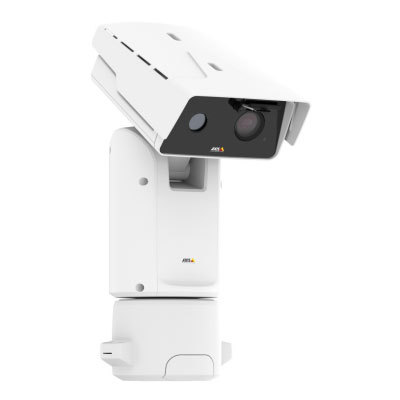
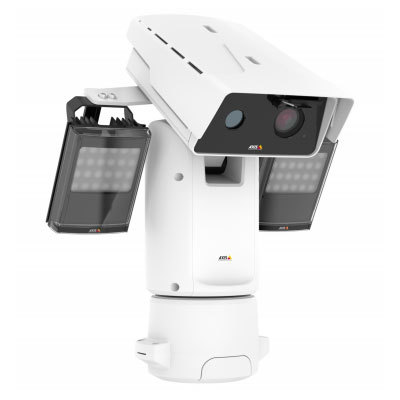
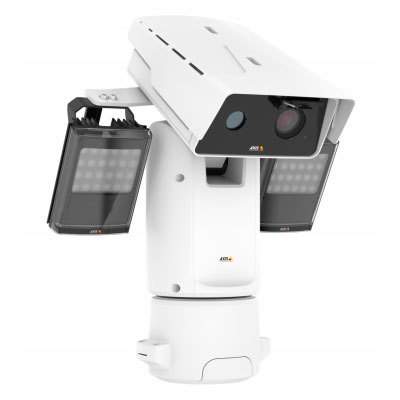
Hanwha Vision has launched its new VGA AI Tele lens Thermal Camera series, introducing a next-generation thermal surveillance solution designed to deliver highly accurate AI-based detection across both land and maritime environments. Combining ultra-sensitive thermal imaging, advanced AI analytics, mission-critical cybersecurity, and rugged durability, the new series is engineered to support critical infrastructure, perimeter protection, coastal monitoring, and border security operations in the...

3DX-Ray has announced the acquisition of ClanTect, a specialist developer of human presence detection technology, marking a significant expansion of the company's security technology portfolio and creating new opportunities across global security and critical infrastructure markets. The acquisition adds a highly complementary detection capability to 3DX-Ray's established range of X-ray screening and security inspection technologies. Together, the technologies provide security operators with add...

Reconeyez, a provider of AI-powered, autonomous security solutions, is pleased to announce the appointment of Mark Williams as Vice President - Sales EMEA, strengthening its leadership team as the company enters a new phase of international expansion, having joined the VOSKER group. Peter Young, CEO of Reconeyez, welcomed Mark, saying: “Mark joins Reconeyez at an incredibly exciting time for the business. Having joined the VOSKER group, we are bringing together two industry-leading techno...

VITEC, a pioneer in IP video streaming solutions, has partnered with the Jordan Design & Development Bureau (JODDB) to successfully integrate low latency video streaming technology to enable secure, real time Intelligence, Surveillance, and Reconnaissance (ISR) operations across remote and rugged border regions. The vehicle-mounted mobile solution, which was integrated and commissioned by Haupshy, sees VITEC technology pair with the Dragon Eye electro optical (EO) system and Al Oqab mobile...
News

Radio frequency (RF) technology specialist Enterprise Control Systems (ECS), part of SPX Communication Technologies, announces the launch of ECS Connect. An intelligent data link network manager, ECS Connect automatically switches between multiple communication protocols, including COFDM, SATCOM, LTE, Cellular, and MESH, ensuring uninterrupted and reliable transmission of video, audio, and data between air, land, and sea. Designed to meet the growing demand for seamless and secure connectivity in complex mission environments, ECS Connect ensures operators always have access to the most reliable and cost-effective communication channel available without the burden of manual management. Communication protocols Different communication protocols have their own advantages and limitations. Dedicated COFDM links (ECS Evenlode) offer exceptional robustness and are often the primary transmission bearer, but are limited to the coverage available within the ground infrastructure. While alternatives like satellite or cellular can be more cost-effective, they can be less reliable in contested or remote environments. ECS Connect solves this by intelligently managing and aggregating multiple networks, automatically switching to the optimal connection based on geography, signal strength, and mission demands. Airborne platforms With airborne platforms increasingly required to operate across diverse scenarios from border surveillance to Intelligence, Surveillance and Reconnaissance (ISR), ECS Connect provides the flexibility and assurance needed to maintain a continuous flow of intelligence data. It effectively acts as a managed service in the air, taking over complex link management and reducing pilot burden and the need for additional onboard operators. Significant step in data link technology “ECS Connect represents a significant step forward in data link technology,” said David Robins, Business Development Director for Data Links at ECS. “We’re enabling customers to move beyond single-solution systems towards a smarter, more adaptive approach to airborne and ground-based communication. ECS Connect is the first step in that journey, delivering the next generation of intelligent, resilient, reliable, any-mission-ready data links.” Growing demand “We’re seeing growing demand for secure, real-time data transfer between air and ground, especially as nations seek to strengthen their situational awareness and border security,” commented Ludovic Seixo, Sales Manager at expert radiocommunication distributor SORRAC. “ECS Connect will deliver for customers because it brings reliability, flexibility, and automation together to maintain critical communications even in the most demanding operational conditions.” Guided by extensive customer feedback and building on ECS’s 30-year heritage of delivering reliable RF technology to defense, security, and public safety organizations, the announcement also marks a shift in ECS’s evolution from a data link hardware provider to a holistic managed connectivity solutions partner.
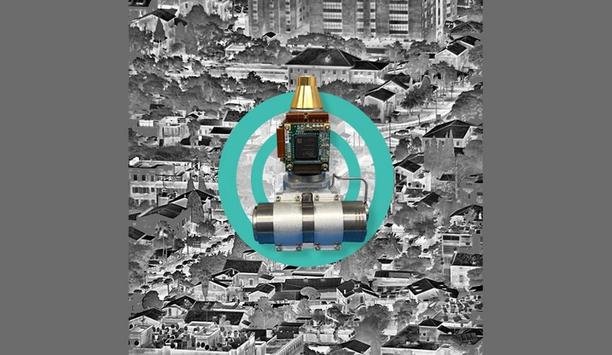
SCD, a global pioeer in defense technology specializing in the development and manufacture of a wide range of cooled and uncooled infrared detectors, announces a follow-on order from a major homeland security integrator for its next-generation HD MWIR (High-Definition Mid-Wave Infrared) detectors featuring extended operational lifetime. Powered by SCD's advanced HOT (High Operating Temperature) technology coupled with robust advanced cooling technology, the new detectors deliver a breakthrough 2.5-fold increase in operational lifetime, thus enabling more than double the interval between required maintenance sessions compared to standard models. This directly addresses the critical need for long-term reliability and minimal maintenance in remote, hard-to-access security sites. Advanced HOT technology Powered by SCD’s advanced HOT (High Operating Temperature) technology and next-generation cooling design, the new BlackBird 1280 detectors deliver a 2.5-fold increase in operational lifetime compared to standard models. This breakthrough dramatically extends maintenance intervals and enhances system reliability – key advantages for remote, mission-critical, and 24/7 surveillance applications. “The demand for high-reliability, 24/7 border, naval and infrastructure security is growing rapidly,” said Shai Fishbein, VP of Business Development & Marketing at SCD. “Our customer is enabling the operation of complex security and long-range reconnaissance networks across remote and hard-to-reach sites or platforms, where maintenance is both challenging and costly.” “The new HD MWIR generation sets a new standard by combining outstanding image quality with unmatched operational longevity. This enables our customers to minimize disruption, extend system uptime, and redefine what’s possible in continuous homeland security and defense operations.” BlackBird 1280 The new long life BlackBird 1280 is designed for seamless integration into both new and legacy systems, providing high-definition IR imaging, long-range detection, and enhanced reliability across a wide spectrum of operational environments, including naval platforms. By pairing cutting-edge matured HOT MWIR sensor with robust cooling, SCD empowers system integrators to deliver next-generation situational awareness and persistent 24/7 surveillance capabilities.

U.S. border security agencies are under pressure to adapt to a new intelligence reality: an environment where data volumes are exploding, threats are increasingly sophisticated, and public expectations demand both security and accountability. According to Zach Beus, national security lead at i2 Group, a Harris Computer company, the solution lies in harnessing artificial intelligence, data integration, and shared analytic standards to shift from reactive to proactive operations. Beus, a former intelligence officer with the National Geospatial-Intelligence Agency who has supported missions in Afghanistan, Latin America and on the U.S.-Mexico border, said the challenge facing border authorities is not simply one of size. “It’s not just that the data is large,” he told BizTechReports in a recent vidcast interview. “It’s that it’s diverse, fast-moving, fractured, and siloed. Agencies have more information than ever before, but they can’t always use it effectively.” Breaking down silos Customs and Border Protection (CBP), Immigration and Customs Enforcement (ICE), and other agencies collect shipping manifests, travel records, sensor feeds, financial intelligence, and even social media data. But much of that information remains trapped in isolated databases, slowing analysis. “We need to start shifting from siloed databases toward platforms that more easily integrate structured, semi-structured and unstructured sources of data,” Beus said. He added that federated search capabilities could help analysts conduct a single query across multiple jurisdictions, dramatically improving efficiency. “When I was an analyst, I’d sometimes have to perform searches 16 times across different systems on the same person,” he said. “That’s not sustainable.” Independent surveys Independent surveys underscore the urgency of breaking down silos. A 2025 Gartner study on government productivity and AI warned that legacy systems and fragmented data remain the biggest obstacles to unlocking the full potential of artificial intelligence in public sector missions — including intelligence and other national security applications. Analysts concluded that integration and governance, not just new tools, are essential for success. Role of AI Beus argued that artificial intelligence can redefine how analysts work. Machine learning and natural language processing (NLP) can automate tasks like entity resolution, link analysis, and pattern detection, allowing humans to concentrate on higher-level assessments. “AI changes the role of an analyst from finding a needle in a haystack to interpreting why that needle matters,” he said. “Instead of just answering who, what, when and where, analysts can now focus on the why — intent, context and long-term implications.” Industry data reflects this shift. The ISC² AI Pulse Survey (2025) found that 70 percent of security professionals using AI-enabled tools reported improved team effectiveness, with most saying the technology freed them from repetitive data sorting and let them focus on higher-value tasks. Establishing standards Still, Beus cautioned against moving too fast without establishing standards. A lack of common protocols for using AI could create legal and operational risks. “At some point, whether you’re a local police department or the CIA, you may be asked in a court of law how you derived information from AI,” he said. “If there’s not a common approach, we might get into some really big problems.” That concern is widely shared. The Cloud Security Alliance’s “State of AI and Security” survey (2024) found that while 63 percent of IT and security pioneers expect AI to significantly enhance threat detection, many stressed the need for transparency and standardization to maintain trust and accountability. Security, civil liberties, and the workforce Indeed, trust will play a key role in encouraging acceptance and adoption of AI in border operations, because the mission itself raises ethical and policy considerations. “The government will need to balance national security and civil liberties,” Beus said. The good news is that growing maturity around how AI applications are used is being accompanied by new oversight measures designed to ensure transparency and accountability. Agencies are beginning to adopt explainability frameworks and audit practices that help demonstrate how algorithms arrive at their findings, reinforcing ethical utilization in sensitive missions. Reallocating scarce resources As those concerns are addressed, agencies can focus on how AI can reduce workloads and reallocate scarce resources. “For instance, it might have taken a hundred analysts to sift through or scan manifest logs, but now it takes 10 analysts,” he explained. “So now we have 90 analysts that can do other things. They can look for long-term intelligence challenges. They can conduct strategic assessments that previously weren’t possible because we didn’t have the human capital to do it. Now we can be much more cutting edge — and from a policy standpoint, that’s a significant change.” Tools for the analyst community i2 Group, which has served defense, law enforcement and intelligence organizations for more than 30 years, is updating its flagship Analyst’s Notebook platform to meet these challenges. New features include: Natural Language Processing: Analysts can drag and drop unstructured documents, and the system automatically extracts entities, links and properties. Automated Insights: Data from spreadsheets can be normalized and visualized instantly, producing dashboards that highlight critical connections. Geospatial Mapping: Movement of phones, vehicles or people can be visualized in near real time, providing predictive insights into trafficking or migration patterns. “Our focus is making the analyst less of a data manager and more of an analyst,” Beus said. “We want to give them tools that simplify visualization, collaboration and sharing — whether that’s through digital files, PowerPoint decks, or wall-sized maps for operational planning.” Partnerships as an imperative Beus stressed that border security has no one-size-fits-all solution. Agencies need ecosystems of partnerships that blend cutting-edge tools with legacy integration expertise. “Their missions are incredibly complex,” he said. “The most effective partnerships are those that combine AI and graph analytics with the ability to connect old and new technologies under real-world constraints.” Intelligence-led methods As border management grows more high-profile and technologically intensive, Beus sees intelligence-led methods as essential. “We’re in a really good position right now to leverage both people and technologies,” he concluded. “We just have to put the right emphasis at the right time to support the analysts on the front lines.”

The Organizing Committee of the Doha International Maritime Defense Exhibition and Conference (DIMDEX 2026) has signed a cooperation agreement with Barzan Holdings, under which the company will serve as the Strategic Partner and Gold Sponsor of the prestigious event for the fourth consecutive edition. Held under the patronage of His Highness Sheikh Tamim bin Hamad Al Thani, Amir of the State of Qatar, Head of State and Supreme Commander of Qatar Armed Forces, and hosted and organized by the Qatar Armed Forces, the ninth edition of DIMDEX will take place from 19 to 22 January 2026 at the Qatar National Convention Center. The event will be held under the theme: “A Global Hub for Defense Innovations: Invest in Possibilities to Shape a Secure Tomorrow.” DIMDEX and Barzan Holdings The enduring partnership between DIMDEX and Barzan Holdings underscores the commitment of national entities to supporting major events hosted by the State of Qatar. It further reflects the notable advancement of the country’s defense industries, while providing Barzan Holdings with a unique platform to present its innovations to global markets and to engage with the wealth of expertise the event attracts. The signing ceremony was held at the Qatar Ministry of Defense in the presence of HE Lt Gen (Pilot) Jassim bin Mohammed Al Mannai, Chief of Staff of Qatar Armed Forces and Mr. Mohammed Ahmad Al-Mulla, Chief Investment Officer at Barzan Holdings. The agreement was officiated by Staff Brigadier (Sea) Abdulbaqi Saleh Al-Ansari, Chairman of the DIMDEX Organizing Committee and Omar Fahad Al-Qadi, Chief Commercial Officer at Barzan Holdings. Qatar’s position across various security HE Lt Gen (Pilot) Jassim bin Mohammed Al Mannai, Chief of Staff of Qatar Armed Forces said: “The Qatari Armed Forces take great pride in organizing and hosting the Doha International Maritime Defense Exhibition and Conference, which serves as a platform that reflects our commitment to excellence in the military field. Our partnerships with national bodies and institutions play a vital role in the success of this event and in enhancing its international impact." "By combining expertise, innovation, and strategic vision, we work together to strengthen Qatar’s position across various security and defense sectors, and to build partnerships that contribute to fostering security and achieving sustainable development.” Longstanding partnership with Barzan Holdings On the occasion, Staff Brigadier (Sea) Abdulbaqi Saleh Al-Ansari, Chairman of the DIMDEX Organizing Committee, stated: “Our longstanding partnership with Barzan Holdings represents a cornerstone in delivering another exceptional edition of DIMDEX. The company’s pivotal role in advancing the defense industry and introducing cutting-edge technologies to the State of Qatar is fully aligned with our aspirations to build a future defined by sustainable security for generations to come." "DIMDEX continues to serve as a premier platform for showcasing these innovations, fostering dialog between government decision makers, industry pioneers and exhibitors, and enabling the establishment of strategic partnerships that shape the future of defense and security regionally and globally.” Innovation and contribute to regional security Eng. Mohammed Bin Bader Al Sadah, Group Chief Executive Officer of Barzan Holdings commented: “As long-time partners of DIMDEX, Barzan Holdings is proud to return as a Strategic Partner and Gold Sponsor for the 2026 edition. Over the years, our collaboration has been central to advancing Qatar’s defense and maritime security goals." "One of our main objectives in this edition is to showcase our capabilities, products and services to the international market, and DIMDEX provides us with a strategic avenue to achieve that." "DIMDEX remains a vital platform for us to connect with industry pioneers, showcase our latest technologies, and explore new partnerships that drive innovation and contribute to regional security. Together, we are shaping a safer and more secure future through collaboration, technology, and shared expertise.” Qatar’s position at the forefront of opportunities The Barzan Holdings pavilion at DIMDEX 2026 is anticipated to be a focal point of interest for visitors, where the company will present its most recent achievements and contributions to the maritime defense sector. As a national pioneer in the defense and security sector, Barzan Holdings serves as a key gateway for defense industry trade in Qatar. The company actively fosters global cooperation and influential partnerships aimed at advancing knowledge-sharing and investment in innovative defense technologies, thereby consolidating Qatar’s position at the forefront of opportunities in the current and future defense markets. Ninth edition of DIMDEX DIMDEX reaffirms the State of Qatar’s commitment to providing a world-class platform to showcase advanced defense innovations, strengthen long-term partnerships, and create new business opportunities. The event further contributes to supporting local economic growth by attracting thousands of participants and visitors in alignment with Qatar National Vision 2030. The ninth edition of DIMDEX, held over four days, will bring together an elite gathering of naval commanders, representatives from military and government entities, a wide spectrum of pioneering national and international defense companies, and key decision-makers from across the international defense industry.

BIRD Aerosystems, a global provider of innovative airborne defense solutions, announced that it has achieved a significant milestone with the certification of a new Supplemental Type Certificate (STC) by the Israeli Civil Aviation Authority (CAAI) for the KING AIR 350C platform. This STC enables comprehensive enhancements tailored to Intelligence, Surveillance, and Reconnaissance (ISR) and special mission operations, dramatically increasing the aircraft’s versatility and mission readiness. Key provisions The certification also incorporates advanced mission provisions such as four separate GNSS antennas Key provisions of the certified configuration include centre fuselage hard points capable of supporting payloads of up to 390kg (860lbs), as well as front fuselage hard points supporting up to 100kg (220lbs). The certification also incorporates advanced mission provisions such as four separate GNSS antennas, an AIS/LOS data link antenna, and dedicated cabin wiring for intercom and crossover panels, enabling seamless power and data integration between onboard sensors and operator workstations. These features allow for the integration of a broad range of ISR payloads such as EO/IR sensors, multi-mode radars, and NATO-standard 30” pylons, transforming the KING AIR 350C into a highly adaptable, multi-role platform. KING AIR 350C STC Tal Haloutz, VP Solutions at BIRD Aerosystems, stated: “The KING AIR 350C STC is another important step in expanding our ASIO portfolio.” “By providing our customers with a flexible, multi-role platform that can be rapidly adapted for ISR and special missions, we are reinforcing our commitment to delivering cutting-edge solutions for every mission and every challenge.” BIRD’s ASIO solution ASIO enables even small crews to cover vast geographic areas with enhanced situational awareness BIRD’s ASIO (Airborne Surveillance, Intelligence and Observation) solution is a field-proven, end-to-end ISR system designed for maritime and ground surveillance, search and rescue, patrol, and border protection missions. Leveraging BIRD’s proprietary MSIS (Mission Management System), ASIO integrates data from a wide range of sensors and communication systems to deliver real-time, accurate intelligence to decision-makers and field operators. Highly customisable and rapidly deployable, ASIO enables even small crews to cover vast geographic areas with enhanced situational awareness and operational efficiency. Latest certification This latest certification adds to BIRD Aerosystems’ growing portfolio of certified airborne platforms and reflects the company’s ability to deliver mission-ready solutions across a wide range of aircraft- light planes, turboprops, and jets- for defense and homeland security agencies worldwide.
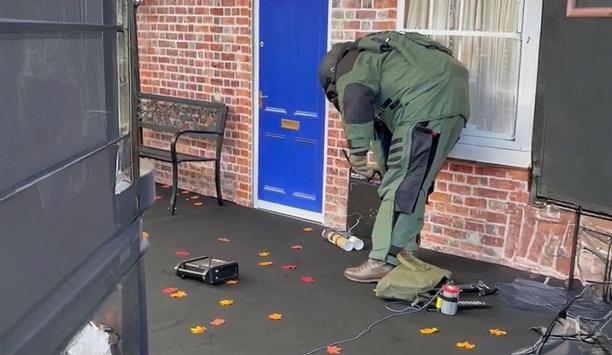
3DX-Ray announces a contract for the sale of further ThreatScan®-AS1 systems to a Middle Eastern Law Enforcement Agency. This sale is a follow-on order to multiple similar systems already in service with the agencies EOD and search teams. The 3DX-RAY ThreatScan®-AS1(ISC) is a robust amorphous silicon portable X-ray inspection system. It comprises as standard a detector panel with an imaging area of 43cm x 35cm, a new high penetration 150kV generator, and a laptop along with batteries, chargers, the user-friendly 3DX-RAY ThreatSpect software, wireless communication and transport case. The AS1(ISC) is simple to use and produces extremely high-quality, sub-millimetre resolution images in real time. User applications and threat scenarios The system is fully integrated, with a primary display, computer, communications and power supplies consolidated into a single, waterproof rugged case. With the addition of a secondary display tablet, ThreatScan®-AS1(SC) offers high flexibility in deployment to meet the wide variety of user applications and threat scenarios. Inspection of suspicious bags and packages ThreatScan®-AS1(ISC) is perfectly suited for the EOD community and the inspection of suspicious bags and packages The ThreatScan®-AS1(ISC) is perfectly suited for the EOD community and the inspection of suspicious bags and packages in environments like mass transit rail and bus stations, shopping centers, airports, and sports venues. This system is engineered for straightforward deployment and operation, delivering optimal imaging capabilities within a single integrated unit for first responders, including police, border officers, military personnel, and both private and government security agencies. General security inspection All ThreatScan® systems can be used to inspect suspect bags and packages in mass transit areas as well as general security inspection by first responders such as Police, Military, and Private and Government Security agencies. 3DX-RAY LTD, CEO, Vincent Deery, said: "This follow-on contract shows that a long-established user has continued faith in our systems but also underscores our commitment to supporting our law enforcement customers with advanced technology that enhances their capabilities in ensuring public safety."

Expert commentary

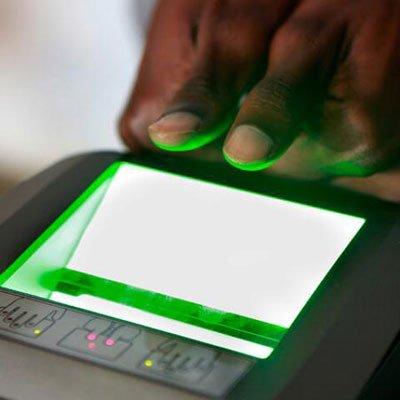
Choosing the appropriate fingerprint technology for a given application is dependent on factors including the required level of security and matching accuracy, the desired capabilities and features, and the usability to achieve adoption and productivity goals. A successful evaluation process will help ensure that this mature and proven user authentication method performs as expected. Fingerprint biometric advantages The speed, simplicity, accuracy, and cost-effectiveness of the fingerprint method have made it among the most widely used for biometric authentication across industry sectors ranging from banking and finance, retail, and healthcare, to government and law enforcement. It performs biometric technology’s “something you are” function while offering unique characteristics that make it particularly valuable for many applications. Unique identifier The fingerprint biometric has the permanency of being reasonably stable and consistent over time Among these characteristics is the pervasiveness and special nature of the fingerprint -- almost everyone has one, and each is a unique identifier. The fingerprint biometric has the permanency of being reasonably stable and consistent over time. It is also easy to acquire, measure, and process. High adoption rate Another key attribute of a fingerprint biometric is its ability to be protected against threats ranging from abuse and misuse to theft, imitation, and substitution. When it is used with recognition techniques the resulting solution performs with a combination of accuracy, speed, scalability, and ease of use. Fingerprint biometric solutions also have the highest adoption rate among biometric authentication solutions according to an industry report published by Payments Journal. Three interrelated components There are three basic components in any fingerprint biometric system as shown in Figure 1: capture (using a sensor that can capture even the most difficult finger types); liveness detection (using the Presentation Attack Detection – or PAD – technique); and matching (including preventing rejection of a legitimate user). Biometric algorithm The sensor captures and pre-processes the fingerprint data. It must be able to successfully capture fingerprint images for a range of skin types and print conditions under diverse temperatures, humidity, light, surface oil, dust, dirt, and other environmental conditions. A biometric algorithm then extracts minutiae data about the fingerprint ridges (endings, bifurcations, islands, etc.) and their orientation and position. PAD technique Implementing a presentation attack detection (PAD) technique at this stage activates the fingerprint biometric system’s second key element: liveness detection. This verifies the fingerprint’s authenticity and that it belongs to a living person. The system’s third element – matching – occurs after the PAD-verified fingerprint dataset has been securely stored as a record, known as a template, inside an enclave with cryptographic protection. Check for liveness The corresponding template of the legitimate user is then retrieved from secure storage When the fingerprint is presented for matching, it is rechecked for liveness. The corresponding template of the legitimate user is then retrieved from secure storage and the process of matching the fingerprint with this template is executed. This must be completed accurately and without rejecting a legitimate user. Types of fingerprint sensing technologies There are four prevailing categories of sensing technologies used with fingerprint readers: optical, capacitive, thin-film transistor (TFT), and multispectral imaging (MSI). Optical and capacitive method Optical is the most mature sensor technology and offers the benefits of a compact size, good capture Optical is the most mature sensor technology, and offers the benefits of a compact size, good capture and matching performance, a small enough size to fit in most desktop environments or shared workstations, and a high level of accuracy at a cost-effective price point across all use cases. The capacitive method, on the other hand, is less prone to fake finger attempts while also offering a thin and compact size for space-limited applications, the power efficiency to support battery-operated devices, and the ability to handle both indoor and outdoor lighting conditions. TFT technology The third technology goes a step further in capture accuracy. TFT technology can accurately recognize the smallest fingerprint features with ultra-high resolution and is used either as a larger-size matrix capacitive proximity detector (capacitive fingerprint sensor) or a larger-area matrix light detector (optical fingerprint sensor). It is ideal for in-the-field mobile identification applications that require a cost-effective, ultra-slim, and lightweight solution with low power consumption. MSI technology MSI technology differs from all three approaches, projecting multiple colors of light into the finger from different angles to collect both surface and subsurface biometrics data. It captures the most difficult fingerprints of diverse demographics, in a wide range of challenging environments. HID has used this patented technology in fingerprint readers that are compliant with ISO 30107-3 PAD Level 2 for advanced anti-spoofing against fraud. The technology also improves matching and offers sophisticated endpoint security that prohibits cyber criminals from gaining unauthorized access to networks by turning fingerprint readers into secure endpoints. Best practices for technology selection Much is expected of the current fingerprint solutions, including delivering a low total cost of ownership Much is expected of the current fingerprint solutions, including delivering a low total cost of ownership. There are three top considerations: security, suitability, and usability. Each is important and the best approach is to strike a balance between all three. Following are the questions to ask during the selection process: Security: What is the regulatory environment? Financial and government services, healthcare, and law enforcement are some examples of highly regulated sectors with elevated security compliance requirements. Are there mandates in place for advanced capturing and biometric authentication specifications? How important is it to ensure anti-spoofing through liveness detection? Will endpoint security be required so that, if the fingerprint device is hacked, no network, system, or data behind the firewall will be impacted? Suitability: Where will the biometric technology be implemented? There will be additional considerations if it is to be embedded in portable, battery-operated devices that require low power consumption. Where will the technology be used? Will it need to fit into small spaces or be used in challenging indoor or outdoor conditions and environments? Will durability be important? Some deployments will face unpredictable weather and difficult lighting conditions for image capture. Will the technology be used for mission-critical border control or a more common – and less demanding -- commercial use? Usability Is it critical that the technology easily and consistently perform capture and matching? Will there be high volumes of fingerprint captures and matches? Is “friction frustration” a concern? If so, the solution must perform matching quickly and accurately to sustain high levels of user productivity. Will the fingerprint device be used by one person exclusively, or multiple people in a shared workstation setting? How diverse is the user population? Some readers are designed to handle all types of fingerprints and diversified demographics. Different applications Fingerprint biometrics is a proven solution to address real-world challenges, each with its requirements The answers to these questions will help determine the best choice of fingerprint technology. Different applications apply fingerprint biometrics to very different use cases but in all cases. It is a proven solution to address real-world challenges, each with its requirements. For instance, in a healthcare clinician’s terminal area or a similar shared environment with limited space, a durable, low-profile capacitive sensor may be the right answer. For an organization in a highly regulated, mission-critical environment like a bank or border control agency, advanced technologies such as MSI readers may be needed to avoid the serious repercussions of a spoofed identity or the rejection of a legitimate one. Requirements for a biometric solution These are just a few of the requirements to consider when choosing a fingerprint solution. In banking and finance, alone, fingerprint biometrics is used for applications ranging from transacting at the ATM to customer onboarding (eKYC), compliance (AML/KYC), and fraud prevention. The retail sector adds even more, including age verification, loss prevention, point of sale (POS) security, self-service checkout, and secure time and attendance. Law enforcement organizations have their unique requirements, using fingerprint biometrics for background checks, criminal booking, crime investigation, inmate management, mobile identification, and more. For government agencies, typical applications include benefits distribution, border security, citizen ID, employ authentication (SSO/MFA), and voter registration. Each application requires a thorough assessment of the best fingerprint technology for the job. The right touch The right solution will deliver the optimal balance of security, suitability, and usability Fingerprint biometric solutions empower a wide range of use cases with the simple touch of a finger. The right solution will deliver the optimal balance of security, suitability, and usability based on an analysis of criteria including specific application requirements, the characteristics and size of the user population, and challenges posed by environmental conditions. Accuracy, efficiency, and security The world faces increasingly dangerous fraud, account takeover, and impersonation threats. As industries and enterprises work to improve and evolve their identity and access strategies to combat these threats, fingerprint biometrics continue to prove their value through solutions that meet the key selection criteria while delivering the highest levels of accuracy, efficiency, and security.

The average business owner or investor has some kind of security precaution in place, especially in the after-hours when there are fewer deterrents to inhibit criminal activity. Security guards, video surveillance systems, motion sensor lights, or even just fake cameras placed around the property are some of the common options people choose. Future of overnight security Smart business owners are starting to realize, however, that some of these traditional security measures are becoming antiquated and no longer cutting. The now and future of overnight security is in remote guarding. Pioneered by companies like Los Angeles-based Elite Interactive Solutions, which was founded back in 2007, remote guarding is revolutionizing the overnight security business. Minimizing criminal activity Remote guarding is fast becoming the most popular choice among commercial end-user property owners Remote guarding utilizes a combination of cutting-edge technology, “digital guards,” highly trained security agents, and local law enforcement if and when necessary to minimize the potential of criminal activity. For those adequately enlightened to its overwhelmingly impressive crime prevention capabilities, remote guarding is fast becoming the most popular choice among commercial end-user property owners to secure and protect their investments. What Is Remote Guarding? Remote guarding is a revolutionary concept and increasing trend in security systems that utilize a combination of methods to effectively analyze potential threats to property. Cameras and/or other monitoring devices running highly advanced algorithmic software are installed in strategic areas or vulnerable places onsite and remotely located security agents are immediately notified of any activity within a designated perimeter of the property. A blend of AI, cybersecurity, and video analytics When properly deployed by an expert provider, the technology stack includes a proprietary blend of video analytics, artificial intelligence, cybersecurity, and more. Done right, “noise” is effectively filtered out, allowing agents to act on legitimate alerts and achieve zero false alarms communicated to first responders. Today, there are a lot of terms and descriptions tossed around about remote guarding, remote video, virtual guarding, etc., but those attributes must be present to represent the true definition of the offering and its many virtues. Realtime situational awareness Many systems have a two-way speaker that allows the security agent to give a verbal warning When specially trained security agents are alerted to trespassers, possible intruders, or other suspicious activity, they analyze the situation in real time and determine the necessary level of action. Many systems have a two-way speaker that allows the security agent to give a verbal warning, known as a voice-down, to the individual(s) that they are being watched. Most perpetrators, often believing the response is emanating directly from security personnel on the property itself rather than from a remote command center, flee immediately. However, if the threat persists, the security agent enlists local law enforcement to get on the scene. Customized remote guarding When properly deployed, remote guarding systems are also customized to specific properties. A team of consultants visits the client’s property to evaluate its vulnerabilities and where to best place cameras and/or other monitoring devices for system efficacy. Traditional Security Shortfalls According to Keith Bushey, a retired commander for the Los Angeles Police Department, there is much frustration between law enforcement officers and potential victims of crime due to the historically unreliable performance of traditional burglar alarm systems and central monitoring stations. He states about 90% of security-related calls are false alarms, a problem that has been well-documented through the years. Onsite challenges When a legitimate emergency does occur, the perpetrators have often already done their damage When a legitimate emergency does occur, the perpetrators have often already done their damage and/or escaped by the time law enforcement arrives. Onsite security guards are not the remedy either as they bring their own set of issues and challenges. Unexpected costs Traditional security systems can also have unexpected costs. The cost is not only in the security guards’ paycheck or the cost of the equipment itself. The cost comes when an actual incident occurs. In worst-case scenarios, the security guard(s) are injured, the business suffers inventory loss, and/or damage is sustained to the property. The medical and other costs for the security guard(s), the loss of inventory, property damage, deployment of law enforcement resources, and possible fallout of legal expenses all add up. Even in the best-case scenario, false alarm expenses incur if law enforcement is dispatched. These, among many others, are some of the primary issues that remote guarding resoundingly answers as a superior alternative. A Bounty of Benefits Remote guarding systems have been proven to cut costs and be more effective than traditional security systems. Even though the monthly monitoring costs of remote guarding are significantly higher than traditional intrusion detection system monitoring, the much higher effectiveness in crime reduction, elimination of false alarms, and augmenting or replacement of manned guards result in a substantially higher return on investment (ROI) to the end user. Easy tracking of threats The security cameras already have their image captured on record, making them easier to track down For example, case studies have demonstrated reduced security costs for clients by 60%, on average. These reductions have come from the costs of security staff, inventory, or property loss, plus saving money on insurance premiums and deductibles. The nature of remote guarding reduces the risk and costs of false alarms, with professional security agents able to determine an actual threat before law enforcement is called. In a rare instance when a perpetrator escapes before law enforcement arrives or can detain the individual(s), the security cameras already have their image captured on record, making them easier to track down and identify. Reduction of false alarms The significant reduction in false alarms is greatly appreciated by law enforcement, as it allows them to focus on real emergencies or crises. Better relationships are also developed between clients and law enforcement, as remote guarding systems are highly reliable in providing accurate and real-time information to officers as they approach the scene. In short, it assists law enforcement in doing their job more effectively, as well as more safely thanks to having eyewitness information before engaging in an active crime scene. Partnership When you combine the decreased cost with the increased efficiency and success rate, it is easy to see why many commercial end-user property owners across the country are making the shift to remote guarding. It’s also an outstanding opportunity for professional security dealers and integrators to partner with a remote guarding services provider to bring a superior solution to their end customers and pick up a recurring monthly revenue stream in the process.

The autumn equinox, which marks the start of autumn, occurs this weekend on Saturday, September 23. With darker evenings ahead, the experts at ADT have shared five ways to maximize your home's security. Author's quote Michele Bennett, General Manager at ADT UK&I comments: “Opportunistic thieves use darkness to their advantage, so it’s no surprise that the number of burglaries committed increases when the darker nights draw in." He adds, "Our 2022 burglary report found that burglaries are most common at night, with 58% of burglaries occurring between 6 p.m. and 6 a.m. Taking steps to optimize your home’s security before the clocks go back this year will provide reassurance that your property is as secure as possible.” Five ways to secure your property: Get a monitored alarm installed: A visible alarm system is a strong deterrent to potential burglars, as criminals are less likely to target a home that is protected. In the event of a break-in, a monitored alarm will alert you, your keyholders and depending on the package you take out, the police, ensuring a swift response to an alarm activation. Light up the dark: Well-lit exteriors make your home less appealing to potential intruders. Install motion-activated lights around any entry points, particularly porches and gardens, which alert you to movement on your property. This will also prevent burglars from operating under the cloak of darkness and increase the chance of a passerby spotting suspicious activity. Trim your garden landscape: Thieves look for escape routes and hiding spots when deciding which homes to break into, making gardens with high, overgrown hedges more likely to be targeted. This is especially true in the darker evenings, so be sure to give your garden a thorough tidy-up to make your property less likely to be targeted. It’s also advisable to ensure any tools are locked away in sheds and garages that could assist a burglar such as ladders, or a garden spade to force entry. Be smart with your lights: Using smart plugs allows you to turn on a few well-appointed lights and radios or televisions from any location from your phone. Used in conjunction with an outdoor camera or video doorbell, you can have lamps plugged into smart plugs come on when motion is detected. Programming lights to come on at different times throughout the night will help to deter burglars by making your property look occupied. Purchase a smart doorbell or outdoor camera: Smart doorbells are an effective way to deter burglars as they provide evidence in the event of a break-in, package theft, or other suspicious activity around your home. They also notify you when someone is at your door reducing the chance of you being caught out by a late evening or early morning robbery. Further encroachment Smart doorbells also act as a deterrent to unscrupulous door-to-door sellers and con artists, as video footage is recorded. In the event of a late-night door knock, you can see and speak to whoever is at your front door, without having to open the door. ADT’s new outdoor camera also has two-way audio and a high-pitch deterrent siren so you can warn off anyone from your property to deter any further encroachment.
Security beat
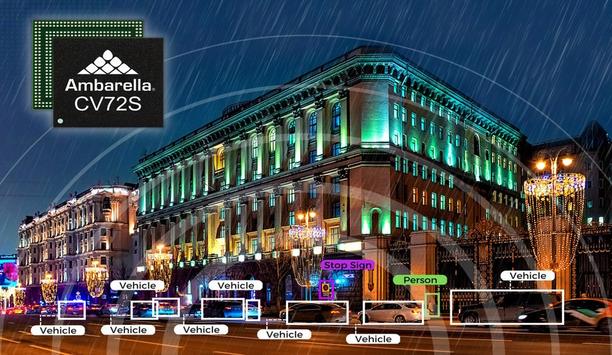
When it comes to security cameras, the end user always wants more—more resolution, more artificial intelligence (AI), and more sensors. However, the cameras themselves do not change much from generation to generation; that is, they have the same power budgets, form factors and price. To achieve “more,” the systems-on-chips (SoCs) inside the video cameras must pack more features and integrate systems that would have been separate components in the past. For an update on the latest capabilities of SoCs inside video cameras, we turned to Jérôme Gigot, Senior Director of Marketing for AIoT at Ambarella, a manufacturer of SOCs. AIoT refers to the artificial intelligence of things, the combination of AI and IoT. Author's quote “The AI performance on today’s cameras matches what was typically done on a server just a generation ago,” says Gigot. “And, doing AI on-camera provides the threefold benefits of being able to run algorithms on a higher-resolution input before the video is encoded and transferred to a server, with a faster response time, and with complete privacy.” Added features of the new SOC Ambarella expects the first cameras with the SoC to emerge on the market during early part of 2024 Ambarella’s latest System on Chip (SOC) is the CV72S, which provides 6× the AI performance of the previous generation and supports the newer transformer neural networks. Even with its extra features, the CV72S maintains the same power envelope as the previous-generation SoCs. The CV72S is now available, sampling is underway by camera manufacturers, and Ambarella expects the first cameras with the SoC to emerge on the market during the early part of 2024. Examples of the added features of the new SOC include image processing, video encoders, AI engines, de-warpers for fisheye lenses, general compute cores, along with functions such as processing multiple imagers on a single SoC, fusion among different types of sensors, and the list goes on. This article will summarize new AI capabilities based on information provided by Ambarella. AI inside the cameras Gigot says AI is by far the most in-demand feature of new security camera SoCs. Customers want to run the latest neural network architectures; run more of them in parallel to achieve more functions (e.g., identifying pedestrians while simultaneously flagging suspicious behavior); run them at higher resolutions in order to pick out objects that are farther away from the camera. And they want to do it all faster. Most AI tasks can be split between object detection, object recognition, segmentation and higher-level “scene understanding” types of functions, he says. The latest AI engines support transformer network architectures (versus currently used convolutional neural networks). With enough AI horsepower, all objects in a scene can be uniquely identified and classified with a set of attributes, tracked across time and space, and fed into higher-level AI algorithms that can detect and flag anomalies. However, everything depends on which scene is within the camera’s field of view. “It might be an easy task for a camera in an office corridor to track a person passing by every couple of minutes; while a ceiling camera in an airport might be looking at thousands of people, all constantly moving in different directions and carrying a wide variety of bags,” Gigot says. Changing the configuration of video systems Low-level AI number crunching would typically be done on camera (at the source of the data) Even with more computing capability inside the camera, central video servers still have their place in the overall AI deployment, as they can more easily aggregate and understand information across multiple cameras. Additionally, low-level AI number crunching would typically be done on camera (at the source of the data). However, the increasing performance capabilities of transformer neural network AI inside the camera will reduce the need for a central video server over time. Even so, a server could still be used for higher-level decisions and to provide a representation of the world; along with a user interface for the user to make sense of all the data. Overall, AI-enabled security cameras with transformer network-based functionality will greatly reduce the use of central servers in security systems. This trend will contribute to a reduction in the greenhouse gases produced by data centers. These server farms consume a lot of energy, due to their power-hungry GPU and CPU chips, and those server processors also need to be cooled using air conditioning that emits additional greenhouse gases. New capabilities of transformer neural networks New kinds of AI architectures are being deployed inside cameras. Newer SoCs can accommodate the latest transformer neural networks (NNs), which now outperform currently used convolutional NNs for many vision tasks. Transformer neural networks require more AI processing power to run, compared to most convolutional NNs. Transformers are great for natural language processing (NLP) as they have mechanisms to “make sense” of a seemingly random arrangement of words. Those same properties, when applied to video, make transformers very efficient at understanding the world in 3D. Transformer NNs require more AI processing power to run, compared to most convolutional NNs For example, imagine a multi-imager camera where an object needs to be tracked from one camera to the next. Transformer networks are also great at focusing their attention on specific parts of the scene—just as some words are more important than others in a sentence, some parts of a scene might be more significant from a security perspective. “I believe that we are currently just scratching the surface of what can be done with transformer networks in video security applications,” says Gigot. The first use cases are mainly for object detection and recognition. However, research in neural networks is focusing on these new transformer architectures and their applications. Expanded use cases for multi-image and fisheye cameras For multi-image cameras, again, the strategy is “less is more.” For example, if you need to build a multi-imager with four 4K sensors, then, in essence, you need to have four cameras in one. That means you need four imaging pipelines, four encoders, four AI engines, and four sets of CPUs to run the higher-level software and streaming. Of course, for cost, size, and power reasons, it would be extremely inefficient to have four SoCs to do all this processing. Therefore, the latest SoCs for security need to integrate four times the performance of the last generation’s single-imager 4K cameras, in order to process four sensors on a single SoC with all the associated AI algorithms. And they need to do this within a reasonable size and power budget. The challenge is very similar for fisheye cameras, where the SoC needs to be able to accept very high-resolution sensors (i.e., 12MP, 16MP, and higher), in order to be able to maintain high resolution after de-warping. Additionally, that same SoC must create all the virtual views needed to make one fisheye camera look like multiple physical cameras, and it has to do all of this while running the AI algorithms on every one of those virtual streams at high resolution. The power of ‘sensor fusion’ Sensor fusion is the ability to process multiple sensor types at the same time and correlate all that information Sensor fusion is the ability to process multiple sensor types at the same time (e.g., visual, radar, thermal, and time of flight) and correlate all that information. Performing sensor fusion provides an understanding of the world that is greater than the information that could be obtained from any one sensor type in isolation. In terms of chip design, this means that SoCs must be able to interface with, and natively process, inputs from multiple sensor types. Additionally, they must have the AI and CPU performance required to do either object-level fusion (i.e., matching the different objects identified through the different sensors), or even deep-level fusion. This deep fusion takes the raw data from each sensor and runs AI on that unprocessed data. The result is machine-level insights that are richer than those provided by systems that must first go through an intermediate object representation. In other words, deep fusion eliminates the information loss that comes from preprocessing each individual sensor’s data before fusing it with the data from other sensors, which is what happens in object-level fusion. Better image quality AI can be trained to dramatically improve the quality of images captured by camera sensors in low-light conditions, as well as high dynamic range (HDR) scenes with widely contrasting dark and light areas. Typical image sensors are very noisy at night, and AI algorithms can be trained to perform excellently at removing this noise to provide a clear color picture—even down to 0.1 lux or below. This is called neural network-based image signal processing, or AISP for short. AI can be trained to perform all these functions with much better results than traditional video methods Achieving high image quality under difficult lighting conditions is always a balance among removing noise, not introducing excessive motion blur, and recovering colors. AI can be trained to perform all these functions with much better results than traditional video processing methods can achieve. A key point for video security is that these types of AI algorithms do not “create” data, they just remove noise and clean up the signal. This process allows AI to provide clearer video, even in challenging lighting conditions. The results are better footage for the humans monitoring video security systems, as well as better input for the AI algorithms analyzing those systems, particularly at night and under high dynamic range conditions. A typical example would be a camera that needs to switch to night mode (black and white) when the environmental light falls below a certain lux level. By applying these specially trained AI algorithms, that same camera would be able to stay in color mode and at full frame rate--even at night. This has many advantages, including the ability to see much farther than a typical external illuminator would normally allow, and reduced power consumption. ‘Straight to cloud’ architecture For the cameras themselves, going to the cloud or to a video management system (VMS) might seem like it doesn’t matter, as this is all just streaming video. However, the reality is more complex; especially for cameras going directly to the cloud. When cameras stream to the cloud, there is usually a mix of local, on-camera storage and streaming, in order to save on bandwidth and cloud storage costs. To accomplish this hybrid approach, multiple video-encoding qualities/resolutions are being produced and sent to different places at the same time; and the camera’s AI algorithms are constantly running to optimize bitrates and orchestrate those different video streams. The ability to support all these different streams, in parallel, and to encode them at the lowest bitrate possible, is usually guided by AI algorithms that are constantly analyzing the video feeds. These are just some of the key components needed to accommodate this “straight to cloud” architecture. Keeping cybersecurity top-of-mind Ambarella’s SoCs always implement the latest security mechanisms, both hardware and software Ambarella’s SoCs always implement the latest security mechanisms, both in hardware and software. They accomplish this through a mix of well-known security features, such as ARM trust zones and encryption algorithms, and also by adding another layer of proprietary mechanisms with things like dynamic random access memory (DRAM) scrambling and key management policies. “We take these measures because cybersecurity is of utmost importance when you design an SoC targeted to go into millions of security cameras across the globe,” says Gigot. ‘Eyes of the world’ – and more brains Cameras are “the eyes of the world,” and visual sensors provide the largest portion of that information, by far, compared to other types of sensors. With AI, most security cameras now have a brain behind those eyes. As such, security cameras have the ability to morph from just a reactive and security-focused apparatus to a global sensing infrastructure that can do everything from regulating the AC in offices based on occupancy, to detecting forest fires before anyone sees them, to following weather and world events. AI is the essential ingredient for the innovation that is bringing all those new applications to life, and hopefully leading to a safer and better world.

The U.S. Department of Homeland Security (DHS) will be participating at ISC West in a big way. Representatives of the federal department will be taking part in more education sessions this year, and the DHS tech-scouting team will be on hand to view the latest technologies on display at the show. Exhibitors – and anyone else at the show – are invited to the “DHS Town Hall” on March 19 (Thursday) at 3:30 p.m. in meeting room Galileo 1001. The aim is for DHS to engage with the technology community and provide guidance as industry innovation moves forward. In the face of growing operational demands and complex threats, the need for homeland security technology solutions continues to rise. The Department of Homeland (DHS) is seeking new ideas and partners to safeguard public trust, save lives, reduce risks, and protect the flow of commerce and goods for the community. They will share information about the department’s problem sets, capability needs and business opportunities for accelerating technology development to ensure they are keeping pace with the speed of innovation and complex threats. Speaking at ISC West DHS seeks to challenge industry partners to develop technology to enhance security operations across multiple end user missions. The DHS Science and Technology Directorate (S&T) and Cybersecurity and Infrastructure Security Agency (CISA) will jointly speak and exhibit at ISC West. Attendees can meet DHS professionals working in cyber security, critical infrastructure, resilience, aviation security, border and port operations, and first responder capabilities. Attendees are invited to visit the DHS exhibit booth #33040 in the Drones and Robotics Zone. The DHS Town Hall on Thursday, titled “Enhancing Security and Doing Business at the Speed of Life,” will be a “call to action” for show participants to help secure the future. DHS seeks to become more agile and to pursue new pathways to do business in a fast-moving world. Through strategic partnerships, DHS is mobilizing the innovation community to safeguard the public trust. Security sessions DHS will also be participating in these sessions at ISC West, March 17-20 at the Sands Expo, Las Vegas, Nev: You Say It’s Going to Change the World? Tues., March 17, 9:45 a.m., Sands 302. Security relies on anticipating what comes next and staying a step ahead. How will 5G increase secure capabilities and reduce threats from bad actors? How will blockchain secure personal and financial identity and when will quantum computing render all encryption obsolete? How is DHS investing in counter-drones? How does AI change the security landscape? The New Federal Security Landscape – Are You Prepared? Wed., March 18, 1 p.m., Sands 302. The federal security landscape is evolving alongside the private sector. What are the new high-risk areas of concern and how are emerging threats (cyber, UAS) changing the way federal facilities are protected? How are these new risks balanced against traditional ones? How is the Interagency Security Committee (ISC) responding? DHS panelists will discuss. CISA Special Guest Speaker at SIA Interopfest. Wed., March 18, 4 p.m., Sands 701. Daryle Hernandez, Chief, Interagency Security Committee, DHS, Infrastructure Security Division, will provide insights to complement the technology interoperability demonstrations. Enhancing Security Through UAS Technology, A DHS Perspective. Thurs., March 19, 11:30 a.m., Venetian Ballroom. What is DHS doing today to prepare for a future of increased visualization and automation? New questions are emerging around capabilities and vulnerabilities. Emerging technologies like AR, Next Gen Sensors, and UAS, provide the Department of Homeland Security (DHS) with tools to become more responsive and adaptive to new threats.

ISC West is being affected only minimally by the COVID-19 coronavirus, which is having an impact on international business travel, specifically to and from China. One consequence of coronavirus travel restrictions is a decision by Reed Exhibitions International not to proceed with a dedicated pavilion for Chinese companies at ISC West, March 17-20. In the main hall, however, some Chinese companies will remain in the show and staff their exhibit booths with U.S. office personnel and resources. Importantly, the ISC West event is moving forward as planned. Several trade show organizers globally have canceled events because of fears of spreading the disease. For example, the Mobile World Congress in Barcelona was canceled at the end of February. “Our clear focus is on the health and safety for our entire ISC community, and empathy and compassion for our Chinese customers relative to personal health and safety, and the very challenging business predicament for these companies,” says Will Wise, Group Vice President, Security & Gaming Portfolio, Reed Exhibitions. Minimal Impact Our clear focus is on the health and safety for our entire ISC community, and empathy and compassion for our Chinese customersThe ISC West team and Reed Exhibitions International colleagues in China have been working diligently to assess the status of all ISC West exhibitors from China, given the travel restriction, says Wise. Among show attendees, Chinese travel restrictions will have a negligible impact. In past years, only a tiny fraction of attendees traveled to Las Vegas from China for the show. Immediate action by the U.S. government as soon as the world became aware of the COVID-19 coronavirus has enabled a controlled business and health and safety dynamic that will allow the show to proceed as planned. The U.S. took quick action to put major travel restrictions in place, including no incoming flights/travel from China. “The status is ever-evolving and we’ll be keeping the expo floor plan updated,” says Wise. The China pavilion In previous years, the China pavilion had hosted 50 or more companies as part of what was formerly known as “Global Expo,” located in the Venetian Ballroom adjacent to the Sands Convention Center. In 2019, the slate of companies in the Venetian Ballroom expanded to include some domestic exhibitors as well as the international companies. Importantly, the ISC West event is moving forward as plannedThis year, Venetian Ballroom exhibits will continue without the participation of Chinese companies. There will be international exhibitors from countries outside China as well as some domestic companies, including the Emerging Technology Zone, where new startups will highlight their latest innovations. The Security Industry Association (SIA) New Product Showcase will also be featured in the Venetian Ballroom, as well as a VIP international lounge. Additionally, a new pavilion highlighting Loss Prevention and Supply Chain companies will be featured, and there will be an educational theater offering free sessions on topics such as drones and robotics. Reed Exhibitions strongly urges exhibitors and visitors to refer to the guidelines and protocols as suggested by the World Health Organization and local /national public health authorities to contain and mitigate against any further spread of the virus. Suggested precautions include frequent hand washing (including alcohol-based hand rubs) and maintaining a three-foot distance between oneself and other people, particularly those who are coughing, sneezing and have a fever.
Case studies
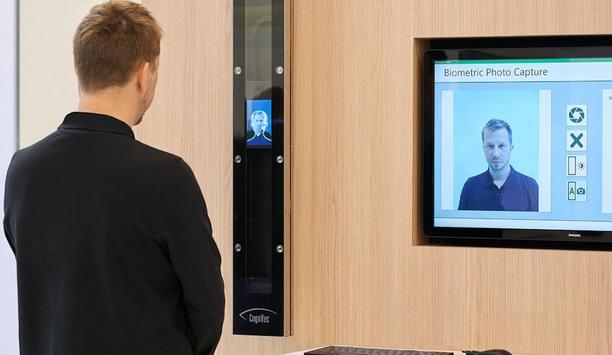
Cognitec Systems Pty Ltd is working with Home Affairs Australia to deliver 250 camera devices for facial image capture, image quality check, and traveler identity verification at all major international airports in Australia. With approximately 41 million international travelers entering and leaving Australia each year, the Department uses facial biometrics to collect and electronically verify the identity of eligible international travelers. Cognitec hardware and software systems Cognitec’s capture device, FaceVACS-Entry, detects the person’s height, automatically adjusts the camera position to capture a frontal pose photo, and uses automated face recognition to verify person identity. Cognitec is also providing integration software, mounting hardware, device installation services, as well as ongoing support and maintenance services for all Cognitec hardware and software systems. Relationship with the Department of Home Affairs “Cognitec is proud to continue a successful relationship with the Department of Home Affairs, and to deliver our technology for quick collection of biometric photos and for accurate traveler verification at the Australian border primary lines,” says Terry Hartmann, Cognitec’s Vice President Asia Pacific, adding “This project contributes to the security and ongoing digitization of the Australian border, ensuring trusted traveler identities.” FaceVACS-Entry is used by governments worldwide for applications that require the acquisition of standards-compliant photos, and the verification of a live image against reference images, such as access control, border control, and entry/exit programs.
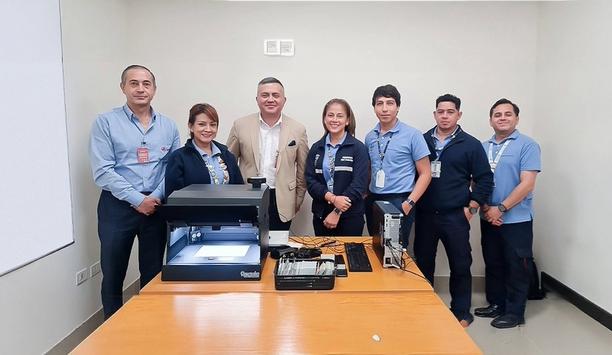
Ecuador’s border control authorities have significantly enhanced their identity verification capabilities by deploying a suite of advanced document examination devices from Regula. The nationwide upgrade, supported by the International Organization for Migration (IOM) and local partner INSETK, brings automation, precision, and speed to the country’s border checkpoints, which collectively process nearly 1.5 million travelers annually. Regula’s advanced forensic devices The project is a major step in Ecuador’s mission to modernize all land, air, and maritime entry points The project is a major step in Ecuador’s mission to modernize all land, air, and maritime entry points, including key international airports in Quito and Guayaquil, as well as northern and southern border crossings. These strategic locations now benefit from Regula’s advanced forensic devices, which enable fast and reliable detection of fraudulent documents—critical in the fight against identity-related crime. Closing the gap with a set of forensic devices Previously, document checks at Ecuador border crossings were largely manual and supported by outdated equipment, often handled by just two officers per site. This made the process slow, error-prone, and vulnerable to sophisticated fraud. To address this, Ecuador’s border checkpoints were equipped with the following Regula solutions: Regula 4308 at Quito International Airport: Ideal for high-traffic airports, this dual-video spectral comparator supports the full spectrum of light sources and optical filters. It also offers high-quality image capture capabilities thanks to its up to 320x optical zoom and up to 140,000 ppi resolution. As a result, border officers can thoroughly inspect all of the ID security features, including printing techniques, holograms, optically variable inks, and more. Regula 4306 at Guayaquil International Airport and major land borders: A space-saving device with an 8 MP high-resolution camera and over 40 LED light sources for analyzing document authenticity, just like its counterpart, the Regula 4308. Regula 4205D at frontline checkpoints: A multi-functional device tailored for primary control zones. It includes 12 light sources, automated cross-checks, and up to 30x on-screen magnification for thorough document authentication. Regula 8333M at mobile checkpoints: Designed for remote or non-standard border control situations, such as processing charter flights or cruise ship passengers, this compact mobile document reader ensures that ID checks remain reliable and consistent outside traditional migration offices. Regula’s Information Reference System Regula’s video spectral comparators are controlled via Regula Forensic Studio (RFS), a cross-platform software solution for advanced document checks. It enables precise measurements, image comparison, report generation, and scripted workflows for faster, consistent inspections. With RFS, officers can also verify MRZs, RFID chips, barcodes, and IPI—all without extra tools. For deeper document examination, border control officers have real-time access to Regula’s Information Reference System (IRS), which provides synchronized reference images and lighting presets for fast, precise comparison of travel documents. Data cross-verification and robust authenticity checks RFS also integrates with Regula Document Reader SDK to automate travel document verification RFS also integrates with Regula Document Reader SDK to automate travel document verification and prevent fraud through data cross-verification and robust authenticity checks. Importantly, Regula’s software is backed by its proprietary identity document template database—the world’s largest—featuring over 15,000 templates from 252 countries and territories, ensuring reliable validation at border checkpoints. Trusted results, faster than ever Since implementing Regula’s solutions, Ecuadorian border control authorities have noticed notable improvements: Document authentication now takes minutes instead of hours. Detection of forged documents has significantly increased. Automation reduces human error and increases operational efficiency. Officers have more time to focus on complex cases and decision-making. Technology upgrade and fraud detection “Apart from the technology upgrade and fraud detection improvement at the border crossings, our collaboration with Regula demonstrated another success." "The project was fulfilled very smoothly. From the beginning, we’ve received full support from Regula’s team—they were always ready to help with any issue, even those caused by users on the ground. It’s definitely a level of service that makes a real difference,” says Diego Calderon, Chief Executive Officer at INSETK. How technology can turn critical inspection tasks “Border security is where precision, speed, and trust must converge. We're proud to support Ecuador in modernizing its checkpoints with tools that meet forensic standards while being easy to use in the field." "This project shows how technology can turn critical inspection tasks from time-consuming to streamlined, without compromising security,” comments Arif Mamedov, CEO at Regula Forensics, Inc.
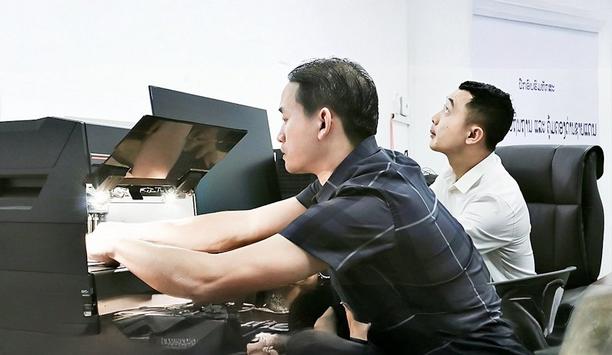
The space-saving yet full-function video spectral comparator Regula 4306 has been deployed at Wattay International Airport in Vientiane, the Lao People’s Democratic Republic, to strengthen the country’s border security. This initiative aims to combat transnational crimes, including human trafficking, smuggling, and irregular migration. Forged identity documents Lao People’s Democratic Republic faces growing challenges in identifying forged identity documents Like many countries, the Lao People’s Democratic Republic faces growing challenges in identifying forged identity documents used by criminals and irregular migrants. Until recently, document verification at border checkpoints relied heavily on manual inspection, which was time-consuming, prone to errors, and less effective against increasingly sophisticated forgery techniques. Adopting a forensic solution In collaboration with International Organization for Migration (IOM), the Lao immigration authorities began modernizing their approach by adopting a forensic solution to strengthen document authentication and border security. In partnership with IOM in the Lao People’s Democratic Republic and the Australian Department of Home Affairs, the Lao immigration authorities deployed the Regula 4306 video spectral comparator at the country’s major airport in Vientiane. This step equipped border officials with advanced forensic tools for in-depth document authentication, and significantly automated the whole process. Array of features in the Regula 4306 With an array of features in the Regula 4306, ID proof at the Lao border earned much precision With a vast array of features in the Regula 4306, ID verification at the Lao border achieved much-needed high precision. For instance, the device’s high-resolution 8 MP camera with 60x optical zoom captures document images at up to 18,900 ppi and enables officials to analyze even the finest details, including printing techniques. Hyperspectral imaging module Additionally, with over 40 types of light sources and 18 light filters, the Regula 4306 allows authorities at the second line of border control to examine the most intricate document security features, such as holograms, watermarks, microprinting, and optically variable elements, ensuring a more reliable fraud detection process. Apart from that, 3D visualization helps analyze a document’s surface relief and intersecting lines, and the hyperspectral imaging module enables forensic experts to detect document alterations, differentiate ink properties, or recover faded text. Regula Forensic Studio cross-platform software Regula 4306 is controlled via Regula Forensic Studio (RFS) cross-platform software Regula 4306 is controlled via Regula Forensic Studio (RFS) cross-platform software. With RFS, an expert can perform a wide range of examinations, conduct precise measurements and comparisons, process images in various modes, and generate comprehensive examination reports without losing a single detail. Its powerful tools and intuitive interface ensure accuracy and reliability, enabling thorough and efficient forensic investigations. Regula’s identity document template database Integrated with Regula Document Reader SDK, RFS enables comprehensive, automated document checks, eliminating the need for additional equipment or software. Regula Document Reader SDK can instantly recognize and validate IDs’ machine-readable zones (MRZs), RFID chips, barcodes, and invisible personal information (IPI), significantly reducing manual workload and minimizing human error. Also, as it is backed up by Regula’s identity document template database (the most comprehensive in the world), this software is able to verify a wide range of IDs from 251 countries and territories, even the rarest ones. Adoption of Regula 4306 Regula experts conducted specialized training sessions for the Lao immigration officials To ensure seamless adoption of Regula 4306 at Wattay International Airport, Regula experts conducted specialized training sessions for the Lao immigration officials. This ensured that they had hands-on experience and were fully equipped to handle advanced document verification. “Integrating Regula’s devices into the Lao border management operations is a vital step toward combating serious crimes such as human trafficking and irregular migration. This technology enables detection of fraudulent documents with higher accuracy, eliminating human errors,” says Shareen Tuladhar, Chief of Mission, IOM in the Lao People’s Democratic Republic. Lao immigration authorities “Border crossings are the frontline of many serious crimes, making border security crucial to the country's overall safety. We are honored to contribute to strengthening Lao border security." "By equipping the Lao immigration authorities with our top-selling video spectral comparator, the Regula 4306, we are providing them with advanced forensic tools to precisely detect even the most sophisticated document forgeries and stop criminals before they can cause harm,” comments Alex Lewanowicz, Director of Hardware Engineering at Regula.
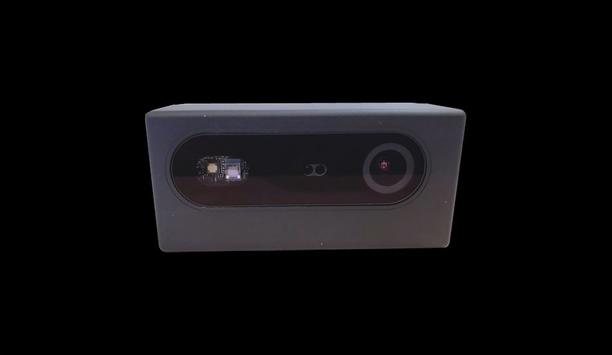
Reliable identity verification is an unwavering requirement at mission-critical checkpoints such as border crossings. Oftentimes, however, this involves slow manual processes that create a ripple effect of inefficiency and security risks. Passengers endure long wait times leading to frustration, fatigue, and dissatisfaction. Indonesia Immigration recognized this strain on travelers moving through its destinations — specifically in one of the region’s busiest locations: the international seaport at Batam Center. Batam Center is one of the most-trafficked border spots between Indonesia, Singapore and Malaysia. Approximately 500,000 people move across Batam’s five seaports each year. The challenge Extremely long wait queues for international departures and arrivals were a severe pain point for the port Extremely long wait queues for international departures and arrivals were a severe pain point for the port. The root cause was the outdated manual process of handling identity verification for the tremendous number of passengers moving through the center. People had to present their documentation papers and wait to be reviewed and verified before crossing the border. Officials sought an intuitive, contactless solution to automate border control, process passengers faster and improve the traveler experience. They also required a system with strong security measures and high performance in challenging lighting to accommodate varying traffic control and conditions. The solution Facial recognition is becoming an increasingly important tool for border security. It is fast, seamless and secure, and offers a contactless approach for identity verification. Working through Indonesia Immigration’s local system integration partner, the HID U.ARE.U™ Camera Identification System was selected as the facial recognition component for the automated border crossing (ABC) gate — or Autogate per Indonesia Immigration — installed throughout the Batam ports. Combining a self-service gate system, document reader and facial recognition camera immediately transforms border control and boosts the passenger experience. HID U.ARE.U™ Camera is an edge-computing device, delivering unsurpassed face detection, authentication & verification This intuitive passenger verification begins when an individual approaches the Autogate and places their passport on the HID ATOM™ document reader to scan the data. Once confirmed, the first gate opens, and the traveler steps forward in front of the HID U.ARE.U™ camera to scan their face. Once the system confirms a match between the passport photo and the passenger’s face, a second gate opens, and the visitor is on their way — all within seconds. HID U.ARE.U™ camera The HID U.ARE.U™ camera stands out as an edge-computing device, delivering unsurpassed face detection, matching, identification and verification directly at the edge. The camera was selected based on its engineering excellence that met the project’s many requirements, including: Combined HID-patented multispectral imaging (MSI) technology with artificial intelligence (AI) to deliver impeccable performance — even in challenging lighting conditions On-device biometric processing — face detection, capture, image quality checks and liveness detection — for the highest level of performance and maximum data protection Industry-renowned presentation attack detection (PAD) with passive liveness detection to prevent fraud attempts in unattended use cases (ISO 30107-3 PAD Level 1 compliance, Level 2 pending) Top NIST ranking in matching speed and accuracy Ethically trained and built AI to reduce matching bias Results People passing through the Batam Center ports engage with top-notch facial recognition technology to quickly, seamlessly and securely authenticate themselves. The Autogate system helps increase efficiency, shorten passenger wait times and enhance the traveler experience. The entire identity verification process is now accomplished in seconds, greatly improving passenger throughput and operational efficiencies. Benefits of HID U.ARE.U™ Camera Identification System. “People moving through borders really appreciate the efficiency provided by this Autogate system with facial recognition,” said Silmy Karim, Director General of Immigration in Indonesia, adding “Wait queues are now drastically decreased and passengers are empowered by the fast and convenient self-service process that has them on their way in a matter of seconds.” Key benefits realized by Indonesia Immigration: Shorter wait times at the checkpoints Improved passenger experience Increased operational efficiency Enhanced border security

In a landmark achievement for air travel technology, Zayed International Airport has successfully processed over one million passengers through Abu Dhabi’s new terminal since its inauguration on 15 November 2023. This marks a significant milestone in the journey towards enhanced travel efficiency and security, showcasing the power of cutting-edge biometric technology. Building on a long-term commitment to advancing airport capabilities, IDEMIA has been at the forefront of innovation in the UAE since 2011. The deployment of a comprehensive border management solution at Abu Dhabi Airport, featuring the world’s first multi-biometric entry/exit system, has significantly bolstered border security while simultaneously enhancing the passenger experience and throughput. The success of this groundbreaking project has led to its extension to the country’s four other international airports. Rollout of cutting-edge biometrics STJ solution uses advanced facial recognition technology to simplify the passenger venture The Single Token Journey (STJ) solution, a highlight of this collaboration, employs advanced facial recognition technology to streamline the passenger experience. By assigning a unique digital identifier to every traveler, the STJ solution eliminates the need for multiple documents, enabling passengers to move from curb to gate, including the border clearance step, in a record time of just 12 minutes. "The initial rollout of cutting-edge biometrics at Zayed International Airport underscores our dedication to enhancing airport experiences through innovation and technology, ensuring efficiency, convenience, and superior service. Once fully implemented, Abu Dhabi will pioneer as the world’s first airport with biometrics integrated at every stage, ensuring travelers enjoy a seamless, safe, and secure journey," Elena Sorlini, MD and CEO, Zayed International Airport. Efficiency of the STJ solution "We are thrilled to witness the transformative impact of our biometric solutions at Zayed International Airport’s new terminal. This milestone is not just a testament to our successful collaboration with Zayed International Airport but also a clear indicator of our commitment to enhancing the travel experience through innovation." "The processing of over one million passengers since November is a significant achievement for us, and it underscores the scalability, security, and efficiency of the STJ solution. Together, we are setting a new global standard for passenger facilitation," Osama Al Makhamreh, Vice President, Sales – Middle East & Africa, IDEMIA Public Security. Zayed International Airport’s commitment This innovative approach not only enhances security but significantly improves the overall passenger experience. The success of the STJ solution at Zayed International Airport marks a pioneering step towards transforming air travel across the Middle East and potentially the world. The initiative aligns with Zayed International Airport’s commitment to adopting cutting-edge technologies that streamline the travel process, reinforcing the UAE’s position as a pioneering hub for technological advancement and superior passenger facilitation.
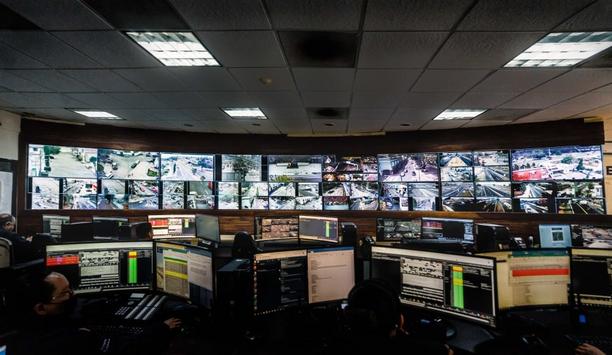
Alarming increases in vehicle thefts, unsolved traffic collisions, and stolen cargo in the Mexican State of Tlaxcala, motivated the Executive Commission of the State Public Security System (CESESP) to expand and upgrade its video security system. To counter the rise in crime, the CESESP sought a flexible, scalable, open-platform video management system (VMS) that could seamlessly incorporate existing cameras as well as over 800 new cameras and edge devices from a range of hardware and software providers. Tlaxcala Located in East-Central Mexico, Tlaxcala is one of 32 states within the Federal Entities of Mexico. With a population of approximately 1,343,000, based on the 2020 census, Tlaxcala is the smallest yet one of the most densely populated states in Mexico. The CESESP of Tlaxcala is tasked with safeguarding residents across the state's 60 municipalities. C4 center C4 center has multiple teams of six security professionals who monitor the system around the clock At the core of all security operations, including the 911 emergency response and 089 confidential tip line, is the CESESP's Control, Command, Communications, and Computing Center (C4). The state’s C4 center has multiple teams of six security professionals who monitor the system around the clock on a large, 24-screen video wall. The C4 also houses the system’s HP and Lenovo servers. Flexibility, scalability, and budget “Flexibility, scalability, and strictly adhering to the budget were top requirements for this critical, state-wide project,” said Maximino Hernández Pulido, Executive Commissioner of the State Public Security System. “We considered a variety of proposals and providers, but we ultimately followed the advice of our integrator, Digital Information Systems, and selected XProtect Corporate from Milestone Systems.” XProtect Corporate The new system includes cameras from Hanwha Vision, Bosch Security and Safety Systems, Hikvision, and Pelco The new system includes cameras from Hanwha Vision, Bosch Security and Safety Systems, Hikvision, and Pelco, all integrated within the system and managed by XProtect Corporate VMS from Milestone Systems. The system is also fully integrated with the BriefCam Video Analytics Platform, delivering video intelligence for system managers to identify, monitor, investigate, and visualize incidents plus video data to make smarter decisions. Efficient and cost-effective integration “Because state officials rely on their video system 24/7, the update needed to be gradual with no downtime. As new cameras were integrated into the Milestone platform, the previous system slowly disappeared,” said Isaac Sánchez Morales, an engineer at Digital Information Systems (SDI), an integrating company. “The XProtect Corporate open platform VMS allowed us to leverage our existing cameras and servers, integrate new equipment and devices, making the process very efficient and cost-effective, and we never had a gap in service.” Data-driven video for fast response times BriefCam video analytics technology The solution detects, identifies, and classifies video metadata to drive more efficient investigations The BriefCam video analytics technology seamlessly integrates into Milestone’s XProtect Smart Client. The solution detects, identifies, and classifies video metadata to drive more efficient investigations and business decisions, such as finding missing persons, investigating vandalism, theft, assaults, accidents, injuries, or acts of violence, as well as extracting and analyzing through heatmaps, dashboards, and visualizations. The analytics have proven beneficial in accelerating investigations, attaining situational awareness, and optimizing operational intelligence for enhanced video search, alerting, and data visualization. Real-time alerts, situational awareness “We installed the BriefCam Insights and Investigator products, and regularly use the platform’s RESPOND and RESEARCH capabilities. One of the advantages of all these XProtect-integrated analytics is that operators do not have to open additional windows or enter new credentials to access them,” said Sánchez. “With this integration of technologies, operators can trigger real-time alerts based on complex object classifications and filter combinations to increase situational awareness meaning authorities can react to events as they unfold.” Proactive policing with LPR With the BriefCam RESPOND solution, object characteristics and license plate recognition tools can be used" Sánchez added, "With the BriefCam RESPOND solution, object characteristics such as vehicle, person, or animal, and license plate recognition tools can be used to trigger rule-based alerts." "These tools can help overcome the challenges of urban video surveillance and drive proactive policing in Tlaxcala." Video technologies reduce state crime rates Following the comprehensive expansion of the security infrastructure, statistics from the Executive Secretariat of the National Public Security Systems revealed Tlaxcala boasted the lowest crime rate nationwide. With the modernized system in place, officials documented a 93% reduction in pilfered freight from transport companies. Similarly, vehicle theft declined by 22.5%. A cost-efficient and flexible way Milestone Interconnect provides a cost-efficient and flexible way to gain central surveillance According to Sánchez and the SDI team, it is expected that each municipality within the territory will soon have its own locally focused VMS. With the use of Milestone Interconnect, all the municipality subsystems will integrate directly with the state-wide platform. Milestone Interconnect provides a cost-efficient and flexible way to gain central surveillance of multiple sites spread across a region. C4 video surveillance operation “The integrated solution delivered through Milestone is a robust, efficient, and secure system that provides all the necessary tools for the C4 video surveillance operation,” added Executive Commissioner Hernández-Pulido. “In addition, the excellent technical and post-sales support from Milestone and SDI has led us to meet the system and performance goals we set for ourselves.”
Round table discussion

Headlines of violence in our schools are a reminder of the need to keep educational institutions safe. In fact, if there is a positive aspect to the constant bombardment of headlines, it is that it keeps our attention perpetually focused on how to improve school security. But what is the role of physical security systems? As the new school year begins, we asked this week’s Expert Panel Roundtable: Are schools safer because of physical security systems? Why or why not?

As physical security technologies become more complex, it is incumbent on the dealer/integrator to have the skills and expertise needed to ensure that a system operates smoothly. The value of integrators increasingly rests on the skill sets they bring to bear when installing a system. If the skills are missing, there is a problem. We asked this week’s Expert Panel Roundtable: What missing skills among security integrators can cause problems for customers?

Driving the smart homes market is the convenience of simple technology solutions. Almost every home now has a “smart speaker” that makes it easier than ever for homeowners to interface and control their technology. But where does security fit into the new landscape of smart home systems? We asked this week’s Expert Panel Roundtable: What’s new in smart homes and residential security systems?
Products