Video compression

With the Panomera® S4 Skyview, Dallmeier introduces an innovative camera solution specifically developed for high-resolution airspace surveillance at airports. The unique sensor alignment enables reliable coverage of areas far above ground level, thus purposefully expanding the application range of modern video security systems. Optimized for airspace surveillance The Panomera® S4 Skyview is based on the patented multifocal sensor technology and provides continuous coverage of large a...

Hikvision announces the launch of Guanlan Encoding, an AI-powered video compression technology that delivers 30%–50% average storage savings without compromising critical footage quality. As resolutions climb, channel counts expand, and retention periods extend, storage has become one of the dominant cost drivers in video security. Guanlan Encoding is built on the H.265 international standard and is powered by Hikvision's Guanlan Large-Scale AI Model. It extends Guanlan from video analyti...
The UK manufacturer of ruggedised HD, radar and thermal PTZ imaging cameras, 360 Vision Technology, has been instrumental in the migration of the expansive analog CCTV network of the New Forest to an economical and future-proofed IP solution – via the use of hybrid cameras and innovative 5G transmission technology. Covering the area’s towns and villages, as well as key parts of the county’s famous rural forest, 360 Vision hybrid technology has been used to ensure a simple upgr...
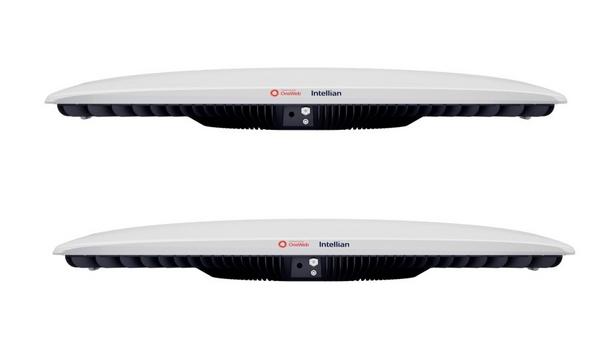
Intellian Technologies Inc., a global provider of resilient multi-constellation, feature-rich satellite user terminals and communications solutions, and OneWeb, the low Earth orbit (LEO) satellite communications company, have announced a new product portfolio of Intellian Flat Panel user terminals for use on OneWeb’s network. Flat Panel Series Intellian’s Flat Panel Series is a suite of both Pro and Compact user terminals that deliver exceptional performance in sle...

Alibaba has released Wan2.2, the industry’s first open-source large video generation models incorporating the MoE (Mixture-of-Experts) architecture, that will significantly elevate the ability of creators and developers to produce cinematic-style videos with a single click. The Wan2.2 series features a text-to-video model, Wan2.2-T2V-A14B, an image-to-video model, Wan2.2-I2V-A14B, and Wan2.2-TI2V-5B, a hybrid model that supports both text-to-video and image-to-video generation tasks with...
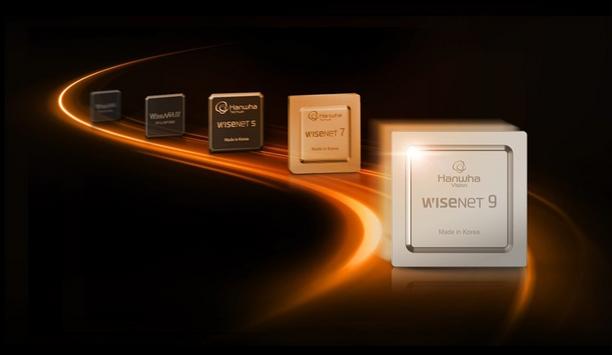
When it comes to security cameras, the System on a Chip (SoC) is where the magic happens. It’s the brainpower packed into a tiny chip, handling everything from image processing to smart analytics. This combines multiple electronic functions into one super-efficient package. Advances in SoC have transformed security cameras, evolving them from bulky, inefficient systems to sleek, efficient devices. While many manufacturers rely on third-party general-purpose SoCs, Hanwha Vision ...
News

The Monitoring Association (TMA) is pleased to announce David Charney, senior vice president video command center, Everon, will deliver the keynote address at the 2025 TMA Virtual Mid-Year Meeting on Tuesday, April 29, 2025, at 10:00 AM/ET. His address, titled, 'Inspiring Leadership in a Changing World,' will speak directly to the evolving landscape of leadership in the monitoring industry. The 2025 TMA Virtual Mid-Year Meeting will take place virtually over three days, Tuesday, April 29th-Thursday, May 1st. New video technologies and AI solutions “The monitoring industry is in a transformative phase as new video technologies and AI solutions have emerged and introduced new heights of efficiency and effectiveness,” stated TMA President Steve Butkovich. “We’re grateful to have David to deliver the opening keynote address at this year’s meeting. He is a dynamic, seasoned, and respected pioneer who has successfully navigated change and inspired transformation. His unique insights are certain to inspire our attendees.” How to cultivate a leadership mindset Charney will examine changes in leadership and how to cultivate a leadership mindset that embraces change In his keynote presentation, Charney will examine changes in leadership and how to cultivate a leadership mindset that embraces change and drives innovation. “No matter who you are, what your purpose and your level of comfort, we are all going through change. Perspective matters,” stated David Charney. “My comments will help monitoring professionals navigate through monitoring industry adaptations taking place now and provide key steps for success along the way.” Prior roles of Charney Charney joined Everon in March 2025 after more than 15 years at Stealth Monitoring, where he served in four successive positions, beginning as President in October 2011 and concluding as Chief Customer Officer. Charney was responsible for 17 offices in three countries and more than 1200 employees in his role as Chief Operating Officer at Stealth. An avid public speaker, he speaks to crowds on topics ranging from thought leadership across technical topics to motivational speeches at University Campuses.
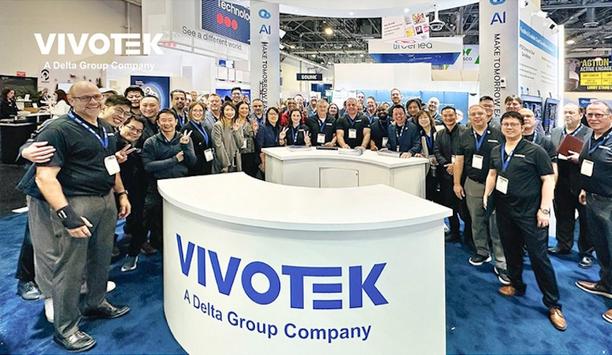
VIVOTEK (3454-TW), the pioneering security solution provider, celebrates its 25th anniversary by reaffirming its commitment to pioneering AI and cloud-based technologies. At ISC West—the largest international security technology expo in the western United States—VIVOTEK introduced the latest innovations in its cloud-based VORTEX platform and premiered a commemorative video marking 25 years of global impact. Smarter security with AI-powered search One of the key highlights at ISC West was the unveiling of AI-Hub, the newest addition to VORTEX One of the key highlights at ISC West was the unveiling of AI-Hub, the newest addition to VORTEX. This centralized platform integrates a suite of AI functions—Deep Search, Event Insight, Re-Search, and Case Vault—into a seamless user interface. Designed to simplify operations and improve response time, the AI-Hub enables users to swiftly identify incidents, track individuals or vehicles, and generate comprehensive event reports. VIVOTEK at user-centric AI innovation At the core of AI-Hub lies its Search by Text function, powered by a cutting-edge Vision-Language Model (VLM). This technology enables users to conduct video searches using natural, everyday language, eliminating the need for complex filtering or manual review. By linking video content with descriptive text input, VIVOTEK has created a more intuitive, accessible way to interact with surveillance data. The feature captured strong interest from both attendees and media during the expo, positioning VIVOTEK at the forefront of user-centric AI innovation. 25 years of innovation: From lab to global impact VIVOTEK premiered a point-of-view video titled, Journey Through the Lens To mark its 25th anniversary, VIVOTEK premiered a point-of-view video titled, Journey Through the Lens, which traces the company’s evolution from a small research team at National Taiwan University to a globally recognized brand in IP surveillance. The film revisits pivotal moments in VIVOTEK’s history, including its instrumental role in the dramatic 2010 Chilean mine rescue, where its technology helped locate and rescue 33 trapped miners. VIVOTEK reaffirms its mission The video also highlights the brand’s ongoing pursuit of innovation through AI and cloud technologies. Looking toward the next 25 years, VIVOTEK reaffirms its mission: to work hand-in-hand with global partners and employees to create a smarter, safer, and more connected world.

The UK’s Security & Policing 2025 expo opened in Hampshire, bringing together government officials, law enforcement agencies and policing-tech vendors to discuss the latest developments in public safety and security. This year the event will focus on counter-terrorism, border security, cyber threats and the use of AI in policing. Tech companies to watch Thales will showcase its AI-driven border security solutions, which are designed to support identity verification processes at international checkpoints. The company has been involved in developing systems used in automated border control and passenger screening. NEC Corporation will present its facial recognition systems, which have been deployed in various public security settings. AI-based video technology Digital Barriers is a provider of AI-based video technology aimed at enhancing real-time decision-making The Japanese company’s technology has been used in airports, transport hubs and by law enforcement agencies for identification and verification purposes. Digital Barriers is a provider of AI-based video technology aimed at enhancing real-time decision-making for law enforcement, public safety and other critical sectors. The company’s secure edge platform and patented video compression tech are used across various industries including city law enforcement, defense, transportation and events, to provide instant insights from real-time video feeds. Facial recognition in UK policing The use of facial recognition technology by UK police continues to expand. A recent transparency report from Essex Police detailed the results of 38 deployments of live facial recognition. Over 383,000 match attempts were made using software from Corsight AI and Digital Barriers, with only one false alert recorded. During these operations, the system generated 61 alerts leading to 11 arrests, including suspects wanted for assault and sexual offenses. AI-driven surveillance tools Police statistics show that these tools help speed up studies and improve public safety The accuracy rate of the technology, according to the report, was 99.9997%. With rising crime rates and growing security concerns, facial recognition and AI-driven surveillance tools are becoming more widely adopted. Police statistics show that these tools help speed up investigations and improve public safety. Corsight AI will also present its advanced facial intelligence platform at Security & Policing 2025, showcasing its capabilities in real-time watchlist alerting and forensic investigations. Future of AI in crime prevention Corsight AI President Rob Watts commented on the growing demand for AI-driven policing solutions: "In many regions, we are witnessing an increase in violent crime and various threats to personal safety. This directly fuels the demand for effective and efficient law enforcement, often including the implementation of facial intelligence tech for real-time watchlist alerting and after-the-fact forensic investigations." "If you're a Western police force needing to reliably identify people in real-world conditions like outdoor darkness and in motion, you have very few options." Security & Policing 2025 will provide a platform to explore these issues further, as law enforcement agencies and tech providers look at the future of AI in crime prevention and public security.

Axis Communications, the industry pioneer in video surveillance, announced the 9th generation of its purpose-built system-on-chip (SoC). The new ARTPEC-9 SoC offers advanced video compression to reduce bandwidth and storage needs, especially beneficial for cloud-based video solutions. With an incredibly low bitrate, the SoC helps deliver high-quality imaging with outstanding forensic detail. latest video analytics Additionally, ARTPEC-9 offers enhanced deep learning capabilities that allow users to leverage the latest video analytics and accelerate the implementation of AI technology. What’s more, Axis Communications is proud to maintain complete control over all aspects of the chip’s development to ensure the highest degree of quality and cybersecurity. Video encoding standard ARTPEC-9 now supports the proven AV1 video encoding standard from the AOM Initially introduced 25 years ago, Axis Communications’ ARTPEC was the first SoC specifically designed for the commercial video surveillance market. In another first for network video, ARTPEC-9 now supports the proven AV1 video encoding standard from the Alliance for Open Media (AOM). Together with Axis Zipstream technology, AV1 makes it easy to review and store high-quality video. Additionally, ARTPEC-9 builds upon the capabilities and features that characterize previous generations of the company’s in-house-designed chip, including support for Advanced Video Coding and compression standards such as H.264, H.265, and MJPEG. Features of the ARTPEC-9 SoC With the ARTPEC-9, H.264 achieves a 20% improvement in efficiency compared to the previous SoC, and by utilizing AV1, bitrate is further reduced by an additional 20%. What’s more, the new SoC triples video analytics performance and boosts graphics speed by 2x. Altogether, ARTPEC-9 empowers pioneering-edge AI applications, greater image quality, more precise scene intelligence and higher streaming throughput. The new and improved features of the ARTPEC-9 SoC ensure that users can leverage the most advanced technologies for both security and business intelligence use cases. AI-powered analytics New and improved features of the ARTPEC-9 SoC ensure that users can leverage the technologies “With its industry-first support for AV1, ARTPEC-9 enables more efficient streaming of high-resolution video - it’s really a win for the industry,” said Johan Paulsson, Chief Technology Officer, Axis Communications. Johan Paulsson adds, “Regarding AV1, the keywords are ‘easy access’ and ‘open’ - qualities which align perfectly with our vision of innovating for a smarter, safer world. Like all of our SoCs, ARTPEC-9 is made expressly for network video - so in addition to advanced compression, our customers benefit from its ability to deliver superior imaging, AI-powered analytics and enhanced cybersecurity. And of course, as always, we’re proud to retain complete control of the SoC production process.” Streamlined video encoding with AV1 AV1 is on open-source, license-free coding format designed specifically for efficient network video transmission. It delivers high-quality video at low bitrates, reducing bandwidth consumption and storage costs. The codec was developed by the Alliance for Open Media (AOM), a nonprofit organization founded in 2015 by Google, Intel, Amazon, Microsoft, Netflix, and Mozilla (among others), to provide open-standard, next-gen video coding technology. AXIS Camera Station Providers of major VMS like Genetec and Milestone will be adding support for AV1 AV1 is ideal for cloud solutions - making streaming applications more robust, scalable and capable of delivering real-time insights. Now the ARTPEC-9 chipset brings these benefits to the surveillance industry, and AV1 is currently supported by AXIS Camera Station. Providers of major video management solutions (VMS) like Genetec and Milestone will be adding support for AV1, with further developments already underway. Next-generation, AI-based analytics By incorporating deep learning capabilities, the previous ARTPEC SoC created opportunities for customers to use advanced, AI-based analytics. ARTPEC-9 takes those capabilities even further by providing faster processing speed and greater accuracy. This means analytics can quickly recognize and differentiate between more objects for even more granular, nuanced, object classification. With this increased performance, users can detect smaller objects, trigger actions earlier and gain more actionable insights for security, safety, and business operations. Enhanced imaging and superior performance The outcome is even analytics results and fast, accurate forensic search capabilities ARTPEC-9 boosts the powerful signature technologies that have long facilitated market-renowned Axis image processing under difficult light conditions, including Axis Lightfinder 2.0 and Axis Forensic Wide Dynamic Range (WDR). These are part of the foundation for Axis Scene Intelligence technology, which increases the performance of analytics applications. The outcome is consistent analytics results and fast, accurate forensic search capabilities with minimal false alarms even under challenging surveillance conditions. ARTPEC-9, along with Axis’ decades of experience with image processing, means security teams will acheive reliable, high-quality results in any situation. Built-in cybersecurity features ARTPEC-9 exemplifies the Axis commitment to cybersecurity with built-in features, including Signed OS, Secure Boot, and Axis Edge Vault for secure software updates, device tamper prevention, and safe storage of cryptographic keys and certificates. Above all, the ARTPEC-9 SoC is designed in house, so Axis maintains a critical level of control throughout design and manufacturing. The company’s resolute focus on cybersecurity is further underscored by its introduction of FIPS-compliant hardware and software modules for Axis devices and its recent SOC 2 compliance for Axis cloud-based solutions. First camera featuring ARTPEC-9 debuts The AXIS Q1728 is a new, enclosure-ready 8 MP device planned to support next-generation AI-analytics The first Axis camera to feature the ARTPEC-9 SoC - the AXIS Q1728 Block Camera - debuted at ISC East, NYC. The AXIS Q1728 is a new, enclosure-ready 8 MP device designed to support next-generation AI-powered analytics. With superior light sensitivity and image quality in 4K and multiple lens options available, the new device leverages the advanced capabilities of the ARTPEC-9 SoC, including powerful analytics applications at the network edge. AXIS Q1728 Block Camera Accordingly, the AXIS Q1728 comes preinstalled with AXIS Object Analytics, AXIS Image Health Analytics, and AXIS Live Privacy Shield to ensure users receive reliable, accurate, and high-quality video and actionable insights without sacrificing privacy or security. The AXIS Q1728 Block Camera with ARTPEC-9 SoC will be on display at ISC East, Axis Booth #707, Javits Center, NYC, November 20-21, 2024, and available beginning Q1 2025.
At ISC East 2024, Hanwha Vision (Booth 607) is redefining the role of surveillance technology as a total business solution. The company is highlighting its full range of AI-powered, cloud-connected surveillance solutions, from hardware devices offering 24/7 protection to software-based business intelligence tools delivering new data-driven business insights. AI in Hanwha Vision’s IP cameras Attendees will see new applications of AI in Hanwha Vision’s IP cameras and new cloud capabilities enabling on-premise and remote surveillance management, giving security professionals the highest level of flexibility for managing their surveillance resources. “We need to continually think differently and adapt to the changing needs of our customers and the industry,” said Tom Cook, Executive Vice President of Sales and Marketing, at Hanwha Vision America. Comprehensive, intelligent technologies “What worked as recently as two years ago won’t work today, and certainly not for tomorrow. Surveillance is no longer viewed only as devices that monitor and protect." "These comprehensive, intelligent technologies are now regarded as 360-degree, total business transformation solutions, and that’s what Hanwha Vision is bringing to ISC East.” Hanwha Vision highlights at ISC East 2024 Hanwha Vision has partnered with NVIDIA to design an entirely new camera, the 4-channel AI Multi-sensor Camera Hanwha Vision has partnered with NVIDIA to design an entirely new camera, the 4-channel AI Multi-sensor Camera with WAVE VMS Powered by the NVIDIA Jetson™ Platform. The new camera’s integration with the NVIDIA Jetson module provides Hanwha AI multi-sensor camera devices with up to an additional 100 Tera Operations Per Second (TOPS), plus immediate access to the NVIDIA AI app ecosystem. Customers can use this processing power to leverage existing and custom-developed applications for the NVIDIA chipset to seamlessly enable new analytics and capabilities unavailable on competitive cameras. AI Multi-sensor camera The new AI Multi-sensor camera (PNM-C32084RQZ-8XE4T-W) is the first Hanwha Vision model to use the power of the NVIDIA Jetson™ platform, delivering an unprecedented combination of reliable serverless recording, on-board storage, and intelligent camera performance through an embedded instance of Wisenet WAVE VMS. The new camera can record up to 16 camera streams to 4TB of onboard storage (2 x 2TB SSD). Newly added Boolean Logic rules give users more precise control over setting up event actions. The camera’s WiseNRII and Preferred Shutter Speed features eliminate noise and motion blur for clear imagery in all conditions, while AI technology monitors people and vehicles with loitering and line-crossing analytics. AI Box (AIB-800) The AI Box supports real-time AI video analytics across up to eight channels, detecting and classifying people The AI Box (AIB-800) further expands the scope of Hanwha Vision’s partnership with NVIDIA, allowing the easy addition of AI functionalities to standard security cameras without built-in AI. The device’s integration with the NVIDIA Jetson Orin module enables the use of the latest edge AI analytics, with additional processing power provided by NVIDIA’s newest system-on-a-chip technology. The AI Box supports real-time AI video analytics across up to eight channels, detecting and classifying people, vehicles faces, and license plates, while distinguishing between monitoring objects and environmental factors like trees, shadows, and animals to reduce false alarms. PTRZ models At ISC East, Hanwha Vision is featuring its diverse range of AI-based security cameras, including dome and Pan-Tilt-Rotate-Zoom (PTRZ) models. One highlight is Hanwha Vision’s 4-channel multi-directional camera (PNM-C16013RVQ), boasting a 360-degree wide-angle view. The most compact 4-channel model available with AI and built-in IR, its versatile design ensures seamless integration in various indoor and outdoor environments. The camera is equipped with WiseStream III, a video compression technology that supports AI analytics while reducing bandwidth and storage requirements. Integrated with IR LEDs, it delivers clear images even in low-light conditions. Cloud-based devices and apps Both DMPro and SightMind enable more intuitive and efficient management of video surveillance systems Hanwha Vision is also showcasing its growing ecosystem of cloud-based devices and apps designed to enable on-premise and remote surveillance capabilities. On display at ISC East are DMPro, which offers device maintenance and health monitoring, and SightMind, which provides AI-powered data analytics with visualized insights. Both DMPro and SightMind enable more intuitive and efficient management of video surveillance systems and support effective data-driven decision-making. OnCloud OnCloud is Hanwha Vision’s new direct-to-cloud video management system providing low-latency access to live and recorded video, searchable clips, event notifications, and more. It’s a fully cloud-based solution for monitoring an organization's locations and assets, whether it’s across a single facility or multiple sites. The Hanwha Vision products and solutions on display at ISC East 2024 clearly illustrate the company’s goal of accelerating its transition to becoming a platform-centric solution provider delivering business-driven innovations.
At GSX 2024, Hanwha Vision (Booth #1701) is highlighting its full range of AI-powered, cloud-connected surveillance solutions, from hardware devices offering 24/7 protection to software-based business intelligence delivering new data-driven business insights. GSX attendees will see new applications of AI in Hanwha Vision’s IP cameras enabling precise detection, robust search, elevated data analysis, and enhanced image quality. Intelligent software solutions With the new OnCloud VMS and the full ecosystem of cloud-based apps, Hanwha is demonstrating how cloud capabilities enable on-premise and remote surveillance management, giving security professionals the highest level of flexibility for managing their surveillance resources. Hanwha is showing how cloud capabilities enable on-premise and remote surveillance management “The convergence of hardware devices and intelligent software solutions is accelerating, creating new requirements for effective security and surveillance,” said Miguel Lazatin, senior director of marketing, Hanwha Vision America. “The data our cameras capture keeps everyone safe, but it’s also an invaluable source of meaningful and actionable insights to drive informed business decisions about staffing, sales, customer service and any number of business-related functions. That’s the new definition of surveillance as a total business solution.” Overview of Hanwha Vision Solutions To navigate constantly changing business landscapes, organizations need new types of security and surveillance capabilities. Hanwha Vision is developing solutions to help organizations protect their operations today and propel them toward future success. An overview of the Hanwha Vision solutions to be featured at GSX booth #1701 include: OnCloud direct-to-cloud VMS OnCloud uses Natural Language Processing to make forensic review faster and more accurate OnCloud is Hanwha Vision’s new direct-to-cloud video management system providing low-latency access to live and recorded video, searchable clips, event notifications, and more. It’s a fully cloud-based solution for monitoring an organization's surveillance resources, whether it’s across a single facility or multiple sites. OnCloud uses Natural Language Processing to make forensic review faster and more accurate. Searching is instant and intuitive and search results can also be filtered by object classification and attributes. OnCloud users can invite integrators to share a dashboard view of customer sites to proactively identify potential issues before they arise. During an investigation, collaborators can securely upload documents, images and video files from their phones or other sources to share complete incident details. AIB-800–8 channel AI Box The AIB-800 eight-channel AI Box converts any camera supporting ONVIF/SUNAPI protocol into an AI-enabled device, avoiding the additional costs of replacing an entire system. The device detects and classifies people, vehicles, faces and license plates and more in real time, greatly enhancing operator efficiency and the accuracy of video analytics. Wisenet AI algorithms can detect people and vehicles as distinct objects separate from their surroundings such as waving trees, shadows, or animals, significantly reducing false alarms and reducing storage and bandwidth. The AIB-800 seamlessly integrates with video management software from Milestone, Genetec, and Wisenet Wave. Operators can search AI events according to various attributes from AI cameras. PNM-C32084RQZ AI PTRZ Powered by Jetson The camera complies with Secure boot standards and uses signed and encrypted firmware Hanwha Vision’s PNM-C32084RQZ 8MP x 4-channel AI PTRZ multi-directional camera delivers AI object classification and detection capabilities unmatched by competitive models. Support for NVIDIA Jetson Orin NX 16GB/8GB and Orin Nano 8GB/4GB modules, plus access to the NVIDIA AI apps ecosystem, produces enhanced imaging quality and camera flexibility. Newly added Boolean Logic rules give users new possibilities when setting up event actions. The camera’s WiseNRII and Preferred Shutter Speed features eliminate noise and motion blur for clear imagery in all conditions, while AI technology monitors humans and vehicles with loitering and line-crossing analytics. The camera complies with Secure boot standards and uses signed and encrypted firmware. PNM-C16013RVQ - 4MP x 4 AI IR Mini Multi-directional Dome Hanwha Vision’s PNM-C16013RVQ four-channel, mini multi-directional dome camera combines a field of view of up to 360° and AI analytics with WiseStream III video compression for bandwidth and storage reduction. The new camera, the most compact 4-channel model available with AI and built-in IR, can seamlessly blend into environments where inconspicuous esthetics and image quality are required. Its multi-directional capabilities enable discreet monitoring with no blind spots and its compact size makes it suitable for both indoor and outdoor installations. AI-based object detection and classification help generate metadata including object type (Person, Face, Vehicle, License Plate), reducing false alarms and enhancing forensic search efficiency. AI analytics monitor for loitering and line-crossing. Four built-in IR LEDs ensure crisp and clear video footage, even in low-light conditions.

Expert commentary

Daniel May of Consort reviews the integration of access control systems in healthcare settings, outlining the benefits and key considerations decision-makers must make throughout product specifications. From patient safety and traversal to the protection of sensitive data and pharmaceuticals, healthcare environments are faced with several operational challenges. And where security remains at the forefront of decision-making, modern access control systems may often hold the answers. Physical security systems Hospitals in particular have developed into multi-faceted spaces that house hundreds to thousands of patients, staff, and visitors at any one time. In England for example, research has found in the three months leading to June 2023, an average of 44,626 people visited major hospital A&E departments each day, with over 16 million attendances typically recorded over the course of a year-not to mention an additional nine million logged at other minor units. For any building, this level of sustained footfall can request severe security difficulties For any building, this level of sustained footfall can invite severe security tests. With that, the need to deploy effective physical security systems in healthcare is clear. And so, as access control continues to become more readily adopted and new products enter the market, decision-makers are reminded to consider the requirements of their building, ensuring they select the solutions most suited to their settings and budget. Security controlled Patient safety will always remain the top priority in healthcare settings, and where matters of health and social care come into question, a diverse set of professional regulatory bodies are tasked with setting and maintaining high standards. When it comes to healthcare premises specifically, patient security and perimeter security often come hand in hand and are amongst the most pressing of challenges that decision-makers must face. To help address operational planning and potential design concerns in the NHS, the Health Building Note (HBN), provides general design guidance for healthcare buildings under HBN 00-01-citing the use of access control measures as a way of maintaining security and protecting the safety of patients, staff, and visitors. Use of access control Hospital buildings control varied levels of access for a number of security purposes Hospital buildings, for example, must control varied levels of access for a number of operational and security purposes. Routine scenarios exist where vulnerable patients are under monitoring and thus refrained from exiting the premises for their own safety, while at the same time, permitted staff must be able to reach their patients and medicines when required. For this, the use of access control is key. Equally, access credentials can also help management teams keep track of those who may be entering or exiting rooms with equipment and pharmaceutical supplies, deterring any unwanted visitors and opportunists in the process. Incorporation of access control systems On a similar note, regulations have set a minimum standard for how personal data should be stored and managed in healthcare environments, giving decision-makers an added responsibility to regulate staff-controlled areas with patient medical records. While instances of personal data breaches are rare, healthcare facilities and professionals are at legal risk should confidential data be found misused or missing. As such, the incorporation of access control systems has become essential in keeping data storage areas secure, with intuitive online systems capable of permitting access to staff with the correct credentials while simultaneously tracking who has requested clearance at digital entry points. HBN guidance Healthcare experts are better fitted to control the sheer volume of people entering and exiting To function effectively, healthcare facilities must always be perceived as safe places by the people who reside within them, and as HBN guidance implies, a unified physical security system can help address key safety and security concerns while enhancing patient and staff experience. Opportunely, access control systems are more accessible and adaptable than ever and combine several technologies such as mechanical locks and automatic doors with electronic access credentials in the form of smartphone apps, badge readers, and biometric scanners. By integrating these systems into the building’s existing infrastructure, healthcare professionals are better equipped to control the sheer volume of people entering and exiting the premises without impairing the general flow of movement and coordination around the facility. Better by design Despite the clear benefits offered to healthcare facilities, there are a number of considerations to be mindful of when choosing an access control solution. Poorly implemented systems can have an adverse effect on security and functionality - quickly costing healthcare organizations time and budget to rectify and replace the inadequate products that don’t meet the building’s requirements. For that reason, decision-makers and design teams are reminded that there is no single solution that fits all healthcare buildings. As such, it’s crucial for decision-makers to understand the systems that are being put in place throughout each of the touchpoints in their facility. Clear collaboration is required during periods of specification, where together, teams can ensure the selected product works on all angles, from meeting fire safety and sustainability standards to aesthetics and scalability. Modern access control products Scalability is a key area that decision-makers must review when selecting access control systemsFrequently overlooked, scalability is a key area that decision-makers must review when selecting access control systems. Such is their diverse nature; healthcare facilities can often change and develop as years go by, and by selecting a system that facilitates growth, such as a cloud-based solution-security and efficiency is long-established. While modern access control products are known for seamless integration, there are some systems that may restrict the ability to use different vendors throughout the remainder of the building’s infrastructure. This, in effect, causes a monopolization of products throughout the estate, which can have an adverse effect on growth by increasing costs and reducing the levels of service associated with the security system already in place. Improve security and safety A scalable and reliable access control system will continue to improve security and safety by adapting to a building’s new requirements-and all while having minimal impact on its operational network. And so, while technology will no doubt continue to influence and transform the access control market, healthcare facilities and their professionals must continue to remain educated on their own systems, ensuring they have the best options in place to keep their patients, staff, and visitors safe and secure for years to come.

Security systems represent a significant investment, yet many organizations still only use a small percentage of their physical security systems’ capabilities. That’s before we even begin to consider the different ways that the likes of video, access control, and ANPR can add additional value beyond security by serving the needs of other business functions. Whether that be to obtain additional insight, streamline compliance, or drive operational efficiencies. Consumption gap When users aren’t tapping into the full power of the solution they bought, they aren’t realizing their full return on investment. This creates a consumption gap. It’s a situation that has the potential to go in one of two very different directions. A misunderstanding of a system, its capabilities and functionality can quickly result in user dissatisfaction Left unchecked a consumption gap can create frustration for system integrators, manufacturers, and end users alike. A misunderstanding of a system, its capabilities and functionality can quickly result in user dissatisfaction. Leading to a greater likelihood that they’ll look to change or focus investment into overlapping and likely competing solutions. Customers’ security goals Addressed appropriately it can help manufacturers, system integrators, and end users to build trusted partnerships in which everybody wins. Understandably, systems integrators are primarily focused on installation—delivering reliable solutions that meet customers’ security goals to ensure their long-term success. However, engagement can go beyond deployment. Closing the consumption gap can be a strategic way to differentiate yourself from competitors. The deeper you understand your customer’s business, the better advice you’re able to offer—and the stronger the partnership you form. Why do consumption gaps exist? For customers, finding the time to learn multiple capabilities of a security system can be time-consuming. Often, taking advantage of new tools and solutions takes a backseat to the urgency of daily tasks. Often, taking advantage of new tools and solutions takes a backseat to the urgency of daily tasks There are many reasons why customers may not be taking full advantage of the features available to them in their security platform. They may feel overwhelmed by a steep learning curve after deployment and might delay diving into the additional system features. Sometimes, there might be a lack of awareness of the technology’s full capabilities, and despite a willingness to learn, there are few options for training. Often, it can simply be they are not aware of the benefits of their system or are too busy with day-to-day and urgent tasks to learn other features. Bridging the consumption gap Systems are built to deal with a wide variety of use cases and broaden market appeal, but the goal isn’t to get everyone to use all the features of every product. You want to guide your customers toward the features and functionality that best meet their needs. This could entail reducing the friction they experience in their day-to-day operations, solving unique issues related to their business, or addressing their most important challenges. Having these conversations with your customers deepens your relationship and can organically open up new revenue streams. Continuous engagement allows you to recommend other relevant products or services that they may find helpful. Customized training plan Customers can learn at their own pace and gradually expand their understanding of their system Furthermore, customers are often not able to implement all features at once. You can help by proposing a plan to gradually evolve systems and processes over time. This could include a customized training plan to get the most value from their investment. Some manufacturers are also now providing learning management tools that system integrators can pass on to their customers. Customers can learn at their own pace and gradually expand their understanding of their system in accordance with their bandwidth. This allows them to get more out of their system. Simplifying deployment With the right software partners, systems integrators can focus on solving customer problems, not reactively troubleshooting issues. Look for manufacturers who offer good support systems for integrators. This includes not only quality technical support but also configuration and training services you can build on. Look for partners that offer tools and consultation services you can use to complement your value-added services, either to spend less time on the basics or for specialized expertise on complex projects. Beyond support and services, one telling sign is the configuration interface and tools that you as an integrator will primarily interact with. Ask yourself whether the manufacturer invests in their back-end tools and their primary user interface. Is there a noticeable difference between these two interfaces in terms of look and feel? Does one feel more dated? Widening consumption gap The harder it is to implement upgrades, the more reticent customers are to make the changes If the end user interface is easy to use but changes on the back end are difficult, the resulting friction can contribute to the widening consumption gap. It can become too time-consuming or difficult to upgrade or make changes to the system. The harder it is to implement upgrades, the more reticent customers are to make the changes. Configuration should be painless. If the system has a solid graphical user interface, you’ll be able to interact with the software in a fluid and intuitive way. When the system is intuitive for both you and your customers, you spend less time on setup and training. You can invest more attention in value-added activities. Conclusion A consumption gap could be a sign that technological innovation is outpacing people's ability to implement them in their day-to-day lives. You can work with your customers to simplify the adoption of the innovations so they can more easily implement them and realize the full value of their investment. By reviewing opportunities to bridge the consumption gap for your customers, you increase the likelihood of growing and renewing your system and service contracts. You also build relationships as a trusted partner. Customers will turn to you when looking to expand their security system and proactively solve new and incipient problems.

Global transportation networks are becoming increasingly interconnected, with digital systems playing a crucial role in ensuring the smooth operation of ports and supply chains. However, this reliance on technology can also create vulnerabilities, as demonstrated by the recent ransomware attack on Nagoya Port. As Japan's busiest shipping hub, the port's operations were brought to a standstill for two days, highlighting the potential for significant disruption to national economies and supply chains. Transportation sector The attack began with the port's legacy computer system, which handles shipping containers, being knocked offline. This forced the port to halt the handling of shipping containers that arrived at the terminal, effectively disrupting the flow of goods. The incident was a stark reminder of the risks associated with the convergence of information technology (IT) and operational technology (OT) in ports and other critical infrastructures. This is not an isolated incident, but part of a broader trend of escalating cyber threats targeting critical infrastructure. The transportation sector must respond by bolstering its defenses, enhancing its cyber resilience, and proactively countering these threats. The safety and efficiency of our transportation infrastructure, and by extension our global economy, depend on it. Rising threat to port security and supply chains XIoT, from sensors on shipping containers to automatic cranes, are vital to trendy port functions OT, once isolated from networked systems, is now increasingly interconnected. This integration has expanded the attack surface for threat actors. A single breach in a port's OT systems can cause significant disruption, halting the movement of containers and impacting the flow of goods. This is not a hypothetical scenario, but a reality that has been demonstrated in recent cyberattacks on major ports. Adding another layer of complexity is the extended Internet of Things (XIoT), an umbrella term for all cyber-physical systems. XIoT devices, from sensors on shipping containers to automated cranes, are now integral to modern port operations. These devices are delivering safer, more efficient automated vehicles, facilitating geo-fencing for improved logistics, and providing vehicle health data for predictive maintenance. XIoT ecosystem However, the XIoT ecosystem also presents new cybersecurity risks. Each connected device is a potential entry point for cybercriminals, and the interconnected nature of these devices means that an attack on one, which can move laterally and can have a ripple effect throughout the system. The threat landscape is evolving, with cybercriminals becoming more sophisticated and their attacks more damaging with a business continuity focus. The growing interconnectivity between OT and XIoT in port operations and supply chains is also presenting these threat actors with a greater attack surface. Many older OT systems were never designed to be connected in this way and are unlikely to be equipped to deal with modern cyber threats. Furthermore, the increasing digitization of ports and supply chains has led to a surge in the volume of data being generated and processed. This data, if not properly secured, can be a goldmine for cybercriminals. The potential for data breaches adds another dimension to the cybersecurity challenges facing the transportation sector. Role of Cyber Resilience in Protecting Service Availability Cyber resilience refers to organization's ability to prepare for, respond to, and recover from threats As the threats to port security and supply chains become increasingly complex, the concept of cyber resilience takes on a new level of importance. Cyber resilience refers to an organization's ability to prepare for, respond to, and recover from cyber threats. It goes beyond traditional cybersecurity measures, focusing not just on preventing attacks, but also on minimizing the impact of attacks that do occur and ensuring a quick recovery. In the context of port operations and supply chains, cyber resilience is crucial. The interconnected nature of these systems means that a cyberattack can have far-reaching effects, disrupting operations not just at the targeted port, but also at other ports and throughout the supply chain. A resilient system is one that can withstand such an attack and quickly restore normal operations. Port operations and supply chains The growing reliance on OT and the XIoT in port operations and supply chains presents unique challenges for cyber resilience. OT systems control physical processes and are often critical to safety and service availability. A breach in an OT system can have immediate and potentially catastrophic physical consequences. Similarly, XIoT devices are often embedded in critical infrastructure and can be difficult to patch or update, making them vulnerable to attacks. Building cyber resilience in these systems requires a multi-faceted approach. It involves implementing robust security measures, such as strong access controls and network segmentation, to prevent attacks. It also involves continuous monitoring and detection to identify and respond to threats as they occur. But perhaps most importantly, it involves planning and preparation for the inevitable breaches that will occur, ensuring that when they do, the impact is minimized, and normal operations can be quickly restored. Building resilience across port security and supply chains In the face of cyber threats, the transport sector must adopt a complete method of cybersecurity In the face of escalating cyber threats, the transportation sector must adopt a comprehensive approach to cybersecurity. This involves not just implementing robust security measures, but also fostering a culture of cybersecurity awareness and compliance throughout the organization. A key component of a comprehensive cybersecurity strategy is strong access controls. This involves ensuring that only authorized individuals have access to sensitive data and systems. It also involves implementing multi-factor authentication and regularly reviewing and updating access permissions. Strong access controls can prevent unauthorized access to systems and data, reducing the risk of both internal and external threats. Network segmentation Network segmentation is another crucial measure. By dividing a network into separate segments, organizations can limit the spread of a cyberattack within their network. This can prevent an attack on one part of the network from affecting the entire system. Network segmentation also makes it easier to monitor and control the flow of data within the network, further enhancing security. Regular vulnerability assessments and patch management are also essential. Vulnerability assessments involve identifying and evaluating potential security weaknesses in the system, while patch management involves regularly updating and patching software to fix these vulnerabilities. These measures can help organizations stay ahead of cybercriminals and reduce the risk of exploitation. EU’s NIS2 Directive EU’s NIS2 Directive came into effect, and member states have until October 2024 to put it into law The transportation sector must also be prepared for greater legislative responsibility in the near future. The EU’s NIS2 Directive recently came into effect, and member states have until October 2024 to put it into law. The Directive aims to increase the overall level of cyber preparedness by mandating capabilities such as Computer Security Incident Response Teams (CSIRTs). Transport is among the sectors labeled as essential by the bill, meaning it will face a high level of scrutiny. Getting to grips with the complexities of XIoT and OT integration will be essential for organizations to achieve compliance and avoid fines. Global transportation infrastructure Finally, organizations must prepare for the inevitable breaches that will occur. This involves developing an incident response plan that outlines the steps to be taken in the event of a breach. It also involves regularly testing and updating this plan to ensure its effectiveness. A well-prepared organization can respond quickly and effectively to a breach, minimizing its impact and ensuring a quick recovery. In conclusion, mastering transportation cybersecurity requires a comprehensive, proactive approach. It involves implementing robust technical measures, fostering a culture of cybersecurity awareness, and preparing for the inevitable breaches that will occur. By taking these steps, organizations can enhance their cyber resilience, protect their critical operations, and ensure the security of our global transportation infrastructure.
Security beat
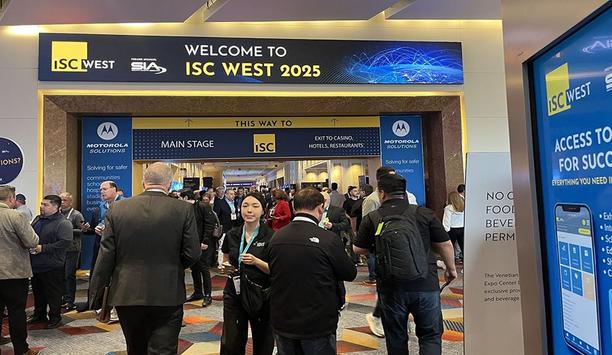
For all the emphasis on cloud systems and centralized servers at ISC West, a lot of innovation in security video systems is happening at the edge. New advancements inside video cameras are boosting capabilities at the edge, from advancements in processing power to artificial intelligence (AI) and machine learning (ML) algorithms that can now be deployed directly on the cameras or edge devices. Advancements in AI algorithms The progress of video systems becoming smarter at the edge is driven by the need for real-time insights, lower latency, bandwidth efficiency, enhanced privacy, and improved reliability. Advancements in edge computing hardware and AI algorithms are enabling a range of intelligent video applications across various industries, including physical security. Smarter functionality at the edge is a benefit of new computer systems-on-chips (SoCs) that are driving new heights of performance for today’s cameras. Axis Communications’ ARTPEC-9 Axis Communications’ new ARTPEC-9 SoC offers advanced video compression to reduce bandwidth Axis Communication’s new ARTPEC-9 system-on-chip (SoC) offers advanced video compression to reduce bandwidth and storage needs. With a low bitrate, the SoC helps deliver high-quality imaging with outstanding forensic detail. ARTPEC-9 also offers enhanced deep learning capabilities to allow users to leverage the latest video analytics and accelerate the implementation of AI technology. Axis maintains control over all aspects of the chip’s development to ensure high quality and cybersecurity. Among the benefits of ARTPEC-9 are better AI and deep learning, better image quality, better cybersecurity, and AV1 license-free video compression (see below). Hanwha Vision’s Wisenet 9 Hanwha Vision has launched Wisenet 9, its most advanced AI-powered System on Chip (SoC). Wisenet 9’s enhanced edge AI capabilities increase performance as the volume and complexity of security threats demand real-time, accurate analysis. By elevating edge-device performance, AI empowers systems to quickly analyze vast amounts of video data and discern crucial patterns and anomalies. A key differentiator driving Wisenet 9 is deployment of two Neural Processing Units (NPUs), which improve performance three-fold compared to Wisenet 7, the previous SoC generation. While one NPU handles image processing, the other focuses on object detection and advanced analytics. This dual NPU concept was introduced to ensure video quality and analytics have independent resources, thus preventing one function from impacting the performance of the other. The latest from Ambarella Ambarella is a supplier of edge AI systems-on-chips to multiple video camera manufacturers Off the ISC West trade show floor in a nearby meeting room, semiconductor company Ambarella demonstrated how it will continue to push the envelope of what is possible with generative AI at the edge. Ambarella is a supplier of edge AI systems-on-chips to multiple video camera manufacturers and recently achieved the milestone of 30 million cumulative units shipped. The demonstrations highlight Ambarella’s ability to enable scalable, high-performance reasoning and vision AI applications across its ultra-efficient, edge-inference CVflow 3.0 AI SoC portfolio. The company’s DeepSeek GenAI models run on three different price/performance levels of its SoC portfolio. In addition to advancements in GenAI processing at the edge, Ambarella integrates image processing, encoding and system-level functions into all its AI SoCs. New standard for video encoding: AV1 AV1 compression is a next-generation video coding technology that offers significant improvements in compression efficiency and video quality, especially at lower bitrates. Its royalty-free nature positions it as a crucial codec for the future of internet video. AV1 compression is a next-generation video coding technology. Axis Communication’s ARTPEC-9 chip now supports the AV1 video encoding standard. By embracing this standard, which is new to the physical security market although it was introduced in 2018, Axis sets the stage for AV1 compression to eventually become the industry standard, replacing H.264 and H.265. Network video transmission AV1 is an open-source, license-free coding format designed mainly for efficient network video transmission AV1 is an open-source, license-free coding format designed specifically for efficient network video transmission. It delivers high-quality video at low bitrates, reducing bandwidth consumption and storage costs. The codec was developed by the Alliance for Open Media (AOM), a nonprofit organization founded in 2015 by Google, Intel, Amazon, Microsoft, Netflix, and Mozilla (among others), to provide open-standard, next-gen video coding technology. AV1 is ideal for cloud solutions—making streaming applications more robust, scalable, and capable of delivering real-time insights. Now the ARTPEC-9 chipset brings these benefits to the surveillance industry, and AV1 is currently supported by AXIS Camera Station. Providers of major video management solutions (VMS) such as Genetec and Milestone will be adding support for AV1, with further developments already underway. More intelligence at the edge Intelligence inside video cameras comes from the processing power and algorithms that enable them to perform tasks beyond simply capturing and recording images. This "intelligence" allows cameras to analyze the video stream in real-time, identify objects, detect events, and make decisions or provide alerts based on what they "see." New and improved SoCs are driving performance improvements at the edge. The increasing power of embedded processors and advancements in AI are continuously expanding the capabilities of intelligent video cameras.

Companies at GSX 2023 emphasized new ways that technologies such as artificial intelligence (AI) and the cloud can address long-standing issues in the security market. Among the exhibitors at the event in Dallas were companies seeking creative ways to apply technology, lower costs, and make the world a safer place. Reflecting on the exhibition, here are some additional takeaways. Expanding AI at the edge i-PRO is a company reflecting the continued expansion of edge AI capability in the security market. Today, more than half of the company’s lineup supports AI at the edge so the customer has a wide choice of form factors when seeking to leverage the feature set. AI processing relay, extended warranty i-PRO is increasing their warranty period from 5 to 7 years, which could be a lifetime warranty in some cases I-PRO also has an “AI processing relay” device that accepts non-AI video streams and applies edge analytics. AI has progressed from a high-end technology to a feature available in a variety of cameras at different price points. i-PRO is also increasing its warranty period from 5 to 7 years, which could be a lifetime warranty in some cases depending on a customer’s refresh schedule and lifecycle management. Active Guard, MonitorCast The company’s video management system (Video Insight) is continuing to build new features including “Active Guard,” an integrated metadata sorter. Their access control platform, MonitorCast, is a Mercury-based solution that is tightly integrated with Video Insight. Their embedded recorders now have PoE built in. “We can move at a faster pace to fill out our product line since leaving Panasonic,” says Adam Lowenstein, Director of Product Management. “We can focus our business on adapting to the market.” Emphasis on retail and other verticals Shoplifting is a timely issue, and retail is a vertical market that got a lot of attention at GSX 2023. “We see a lot of retailers who are primarily interested in protecting employee safety, but also assets,” says Brandon Davito, Verkada’s SVP of Product and Operations. “Shrinkage is a CEO-level priority.” “Retailers are getting more engaged with security posture, instead of letting perpetrators walk,” Davito adds. Intrusion detection Verkada has an intrusion product that will notify a central station if there is an alarm On the alarm side, Verkada has an intrusion product that will notify a central station if there is an alarm, and operators can review videos to confirm the alarm. Other capabilities seeking to discourage trespassers include sirens, strobes, and “talkdown” capabilities. International expansion Verkada continues to expand internationally with 16 offices in all, including Sydney, Tokyo, and London. The core value proposition is to enable customers to manage their onsite infrastructure more simply, including new elements such as PTZ cameras, intercoms, and visitor management. Verkada emphasizes ease of use, including a mobile application to allow access to be managed across the user base. Forging partnerships “We are committed to the channel and industry, and we continue to build relationships and expand our reach,” says Davito. Among the industry relationships is a new partnership with Convergint, which was hinted at during the show and announced later the same day. They are also expanding their partnerships with Schlage, Allegion, and ASSA ABLOY. Working with other verticals They offer new features for K -12 schools, and a new alarm platform is easier to deploy and manage Verkada has also found success across multiple other verticals, notably healthcare, where they integrate with an electronic medical records system. They offer new features for K-12 schools, and a new alarm platform is easier to deploy and manage. They are integrating wireless locks to secure interior doors in schools, looking to secure the perimeter, and installing guest management systems. Transitioning the Mid-Market to the Cloud Salient is squarely focused on the “mid-market,” a large swath of systems somewhere between small businesses and enterprise-level systems. Pure cloud systems are not as attractive to this market, which has a built-out infrastructure of on-premise systems. Adding a camera to an existing system is easier and less expensive than tying it to the cloud. Benefits of cloud It’s a market that may not be ready for pure cloud, but there are benefits to be realized from adding a cloud element to existing systems. “We are continuing to augment our premise-based solutions with added cloud capabilities and flexibility,” says Sanjay Challa, Salient’s Chief Product Officer. The feedback Salient hears from their customers is “I want to own my data.” The hybrid cloud approach offers the right mix of control, flexibility, and unit economics. Cloud add-on capabilities We want to provide the flexibility for customers to go full-cloud as it becomes more economically attractive" Cloud add-on capabilities include bringing more intelligence about system operation to the user via the cloud. Over time, Salient expects to sell more cloud-centric offerings based on feedback from integrators and customers. “We want to provide the flexibility for customers to go full-cloud as it becomes more economically attractive over time,” says Challa. Vaidio AI technology Salient seeks to be a transition pioneer to help customers realize the path to the cloud. Their approach is “crawl, walk, run,” and helping customers make the transition at each stage. Salient has added AI to its product offering, incorporating Vaidio AI technology from IronYun into a powerful suite and broad array of on-premise analytics, which are gaining traction. The seamless approach makes it easy for customers to embrace AI analytics, although Salient remains broadly committed to open systems. Addressing ‘Soft’ Features for Integrators AMAG is in the process of enhancing its product line with the next generation of access control panels. However, “product” is just part of the new developments at AMAG. In addition to “hard” features (such as products), the company is looking to improve its “soft” features, too; that is, how they work with the integrator channel. Integrator channel Rebuilding a process to make your organization more efficient, is relatively easy; it just takes a lot of persistence" “We have the depth of our legacy customer base we can learn from, we just need to close the feedback loop quicker,” says Kyle Gordon, AMAG’s Executive Vice President of Global Sales, Marketing, and commercial Excellence, who acknowledges the value of reinstating face-to-face meetings after COVID. “We are laser-focused on nurturing our integrator channel,” he says. “Developing new features takes time, but rebuilding a process to make your organization more efficient, that’s relatively easy; it just takes a lot of persistence,” says Gordon. More cohesive internal communication is another useful tool, he says. Disrupting the cloud based on price Wasabi is working to make cloud applications less expensive by offering a “disruptive” price on cloud storage, $6.99 per terabyte per month (80% less than hyperscalers). Contending “hyperscalers” like AWS are charging too much for cloud storage, Wasabi is using its own intellectual property and server equipment co-located in data centers around the world. Wasabi sells “hot cloud storage,” which refers to the fact that they only have one tier of storage and data is always accessible. In contrast, a company such as AWS might charge an “egress fee” for access to data stored in a “colder” tier. Cloud storage “We saw that several video surveillance companies had not yet adopted cloud storage, and we saw an opportunity to make it easy to use,” said Drew Schlussel, Wasabi’s Senior Director of Product Marketing. “We just install a little bit of software that allows them to store data in the cloud and bring it back from the cloud.” Performance, protection (cybersecurity), and price Wasabi works with integrators, resellers, and distributors and also integrates with VMS companies Wasabi works with integrators, resellers, and distributors and also integrates with VMS companies such as Genetec and Milestone. Emphasizing performance, protection (cybersecurity), and price, their data centers are certified to SOC 2 and ISO 27001 standards. Faster throughput for weapons detection Xtract One is a young company focusing on weapons detection in a time of accelerated concern about gun issues post-COVID. Founded in Canada and based on technology developed at McMaster University, Xtract One has found a niche in providing weapons detection at stadiums and arenas. These customers already have budgets, and it is easy to shift the money to a newer, faster technology. Madison Square Garden in New York City is among its customers. Cost savings solution Xtract One can increase throughput to 30 to 50 people per entrance per minute (compared to 5 to 6 people per minute when using metal detectors). The solution doesn’t require anyone to empty their pockets and the system alarms on items beyond guns and knives. Using Xtract One allows customers to reduce the number of screening lanes and security staff, providing additional cost savings, all while getting fans through the screening process in half the time. Purpose-built sensors The system uses purpose-built sensors looking for specific characteristics, such as reflective and density properties In addition to stadiums and arenas, Xtract One, formerly Patriot One, is also getting “inbound” interest from schools, hospitals, manufacturers, and other verticals that makeup 50% of their business. “We’re on a rocket ride, mainly because the weapons issues are not going away,” says Peter Evans, CEO and Director at Xtract One. The system uses purpose-built sensors looking for specific characteristics, such as reflective and density properties, all correlated by an AI engine. Providing early warning of violence ZeroEyes is another company focused on weapons detection. Their AI gun detection system works with video images to identify if someone is “brandishing” (carrying) a weapon. In other words, the system does not detect concealed weapons. Identifying someone carrying a weapon provides early warning of a possible violent act. Increased response with AI-enables images Images are identified by AI and sent to a monitoring center where a human confirms the image before contacting first responders. Knowing the location of a shooter enables staff to lock entry points, move people to safety, and direct first responders. The company was founded to leverage existing camera views to stop mass shootings and gun violence by reducing response times.
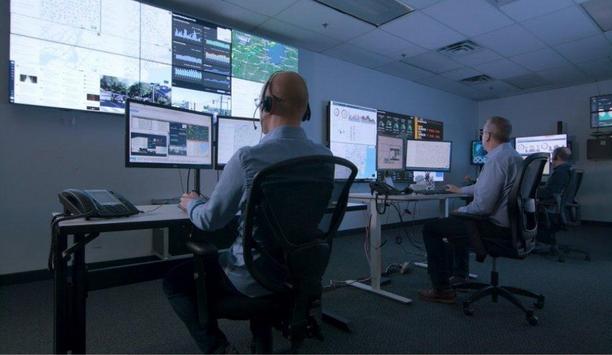
For an enterprise, addressing cyber security requires that stakeholders have immediate access to critical information compiled from multiple sources and presented where and how they need it. Various data sources monitor the cyber security status of a company’s computer systems to provide real-time visibility. Aggregating that data into visual dashboards and presenting it to operators enables any cyber security problems to be flagged quickly and resolved. Software system enhances cyber security Userful Corporation provides a software system that enhances cyber security operations for an enterprise Userful Corporation provides a software system that enhances cyber security operations for an enterprise, enabling stakeholders to envision various cyber security factors, such as application security, network security, cloud security and IoT (Internet of Things) security. The software system empowers operators to respond more efficiently. Working in conjunction with a company’s existing IT infrastructure, Userful software combines datasets from diverse systems into a visual format and delivers the information to a desktop computer, a video wall, or even to a home office. Real-time visibility “It provides a new dynamic to how cyber security issues are resolved,” said Shane Vega, Userful Corporation’s Vice President (VP) of Product Marketing, adding “The individuals who have flagged a cyber security issue may not be the ones to respond. Having real-time visibility provides more value to the overall response.” A typical cyber security operations center resembles a physical security command or emergency management hub – large video walls, individual desktop workstations, and operators that need to share information and respond quickly to any incident. Userful’s software helps in managing operations centers Userful’s software manages how data is presented in an operations center environment, without relying on proprietary hardware, operating outside an end-user customer’s IT infrastructure. Managing operations centers is a core offering for Userful Corporation, including command centers of all types, from traditional network operation centers to emergency network systems to security systems. The ability to use one software system throughout an enterprise is appealing to companies that have historically grappled with proprietary and siloed systems. Solutions that are easy to deploy, manage and scale Cyber security professionals need solutions that are easy to deploy, manage and scale" “We are a platform that can be utilized across the enterprise,” said Shane Vega, adding “Cyber security professionals need solutions that are easy to deploy, manage and scale, so they can manage all the threats every day.” Compiling and displaying information to an operations center has historically involved silos of proprietary audio/video (AV) hardware. Ironically, the hardware approach presents cyber security risks that undermine the very mission of protecting a company’s data and networks. The proprietary systems operate outside the company’s network infrastructure, and IT professionals do not have visibility into the systems. Security Orchestration, Automation and Response (SOAR) Instead of hardware, displaying information on Security Orchestration, Automation and Response (SOAR) can be accomplished using software running on off-the-shelf components, managed by the IT department and featuring all the cyber security protections required, throughout the enterprise’s network infrastructure. SOAR includes threat and vulnerability management, security incident response and security operations automation, enabling companies to collect threat-related data from several sources and automate the responses. Cyber security threats Possible threats might include an influx of packet generation, malware, someone seeking access to the network, or a malicious email. Various tools manage each threat, and each must be visualized. Because the threats are related, a comprehensive dashboard enables operators to create parallels and respond more efficiently. The software-as-a-service system ensures that all software is updated and can operate on the latest hardware In the Userful AV-over-IP scenario, an IT department takes full ownership of the computers and subsystems installed on the network. The software-as-a-service system ensures that all software is updated and can operate on the latest hardware. Companies always have an ecosystem of interconnectivity. Single platform/solution The single platform/solution also extends beyond operations centers to include meeting rooms and digital signage. All images are captured using existing protocols, such as Real Time Streaming Protocol (RTSP), HTTP Live Streaming (HLS), Web Real-Time Communication (WebRTC), and so forth. In contrast, the AV industry is hardware-centric and has been known to circumvent software approaches in order to justify selling more hardware. AV systems typically operate in terms of pixels rather than bytes of information and use proprietary software. Companies always have an ecosystem of interconnectivity Different departments in a company have historically installed their own specific AV systems, based on proprietary hardware, so that each department is siloed from the rest of the organization. Dangers of random hardware on a network Random hardware on a network, beyond the reach of the IT department, can provide access points to the network for hackers and other cyber security threats. Each proprietary hardware system exists outside the existing security protocols of the enterprise and each represents a cyber security vulnerability. Some companies end up with five or six different operations centers that involve three or four manufacturers, all siloed. Software versus hardware Our biggest challenge is to get people to understand what is possible with software versus hardware" “Our biggest challenge is to get people to understand what is possible with software versus hardware,” said Shane Vega, adding “The industry is inundated with hardware, and the risk is the unknown. Customers may not be familiar with a software solution that can accomplish what they have historically depended on hardware for.” Userful Corporation works through channel partners (integrators), who assemble complete systems using Userful software and other components, such as video screens, large-format commercial displays, groups of tiled displays, projectors – any type of display with an input. Corporate policy specifies security at every level Userful’s corporate policy specifies security at every level, including user authentication, encryption, endpoint security, air-gapped servers, information security policies, General Data Protection Regulation (GDPR), and a solution built on industry-leading IT standards. To spread the word about Userful Corporation’s capabilities related to cyber security, the company will be participating in Infosecurity Europe 2022, taking place from June 21 to June 23, 2022 at ExCeL, London, United Kingdom (UK).
Case studies
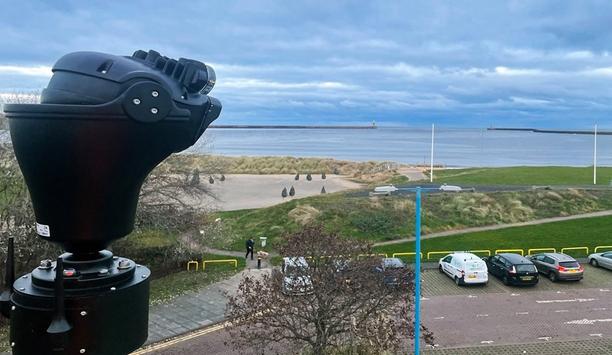
360 Vision Technology, the UK manufacturer of ruggedized HD, radar, and thermal PTZ imaging cameras, has supplied its Invictus TX streaming camera surveillance technology for installation at South Tyneside Council (STC) car parks. Part of a wider STC CCTV surveillance scheme, thirty 360 Vision Invictus TX cameras have been installed by integrated technology solutions provider, North, to provide 24-hour monitoring for car parks located across South Shields. Challenges with existing CCTV Daniel Chappell, Technical Account Manager at North takes up the story, “Historically, South Shields had an existing public safety CCTV system, which was mainly street-focused." "However, this camera network had become unreliable with age, with some cameras being removed. As part of a project to overhaul the system, an opportunity arose for the STC car parks department to allocate a new surveillance solution, to cover its twelve town centre car parks." New solution requirements “After discussing the car parks’ CCTV requirements with long-term client STC, we set about securing a robust solution, with technical support supplied in discussions with the team at 360 Vision. We outlined the technical requirements and video transmission restrictions of the project to 360 Vision’s technical team and were delighted with the enthusiasm and technical understanding of the demanding requirements of this installation." “While cameras were required to replace existing devices, mostly in existing camera tower locations, the choice of video transmission needed to be re-considered, as the legacy fibreoptic cabling had become unreliable and a replacement fiber network would have been prohibitively expensive." TX streaming camera “On consideration of the cabling issue, 360 Vision suggested that we consider their TX streaming camera option, to transmit camera video wirelessly, over 4G mobile networks. This would have the benefit of substantially low-cost video transmission compared to the expense and civil works disruption required to own or lease a new fiber network, totally negating the need for fixed cabling." "Taking up the idea and to secure the best 4G network supplier for each TX camera, exact camera locations were provided and cross-referenced with network operators to provide the best quality of signal at each specific camera location.” Invictus PTZ TX cameras Authorized operatives in the field can view selected Invictus TX camera images using a laptop browser Utilizing 4G unlimited data sim cards and backed-up by on-the-edge built-in camera recording, the new Invictus PTZ TX cameras are securing STC car parks with video streaming, supplying high-quality wireless images to a Veracity Viewscape VMS in the main STC control room. In addition to control room monitoring, authorized operatives in the field can view selected Invictus TX camera images using a laptop browser or mobile phone. Car park safety and security Councillor Jim Foreman, Lead Member for Housing and Community Safety at South Tyneside Council, said, “This investment forms part of wider improvements to our CCTV provision which is a vital tool in helping to keep our residents and visitors safe." “The surveillance flexibility and technology that comes with this new system greatly enhances the safety, security, and management of the car parks." Real-time monitoring "Staff has a reliable video system for monitoring the cameras and supporting them to manage and respond to incidents in real-time more quickly and effectively." "The upgrade demonstrates our commitment to providing safe and secure car parks, many of which hold prestigious Park Mark awards in recognition of good management and maintenance, as well as appropriate levels of lighting, signage, cleanliness, and surveillance.” Camera features Invictus TX cameras installed deliver close-up imaging via their 32x zoom lens and excellent night-time vision Featuring a continuous rotation pan, unobstructed 360-degree view, and 160-degree tilt, the 360 Vision Invictus TX cameras installed deliver close-up imaging via their 32x zoom lens and excellent night-time vision, being equipped with optional on-board white light LED technology. “If a network becomes crowded and the transmission bandwidth reduced, for example, during events such as the Great North Run, the TX camera will automatically optimize its video compression to maintain the best quality of video available,” Daniel explains. Comprehensive coverage “This advanced functionality offers peace of mind for STC car parks that the best quality video will always be received for monitoring, whatever the network conditions. And in the case of a network outage, no essential video will be lost, as back-up recording is stored in the Invictus TX camera head, ready for ‘on-demand’ download and viewing when the network has recovered.” The cameras provide comprehensive coverage of the STC car parks, at a fraction of the cost associated with traditional hard-wired video transmission infrastructure. Ultra-low light technology Adrian Kirk, Business Development Director at 360 Vision Technology commented, “The combined Invictus TX camera and integrated LED white light technology makes it the perfect choice for the demanding coastal environment at STC’s South Shields car parks." "For the ultimate in imaging performance, Invictus’ ultra-low light technology 1/1.9’’ ULL sensors deliver brighter, crisper, and more defined color images, even at night time. We are proud to have delivered a practical Invictus TX-based camera solution as part of the STC CCTV network upgrade.”

Ipsotek, an Eviden Business at Atos Group, has announced that it was appointed to provide its AI video analytics technology at the soon-to-be-opened new Midfield Terminal Building at Abu Dhabi International Airport, in Abu Dhabi, UAE. Delivered in partnership with Atlas Security, deployment of Ipsotek’s AI video analytics solutions is anticipated to improve operations, security, and safety across various areas of the Midfield Terminal Building, which is renowned for its iconic architecture and recently gained international attention as a filming location for Mission: Impossible - Dead Reckoning Part One. Advanced surveillance capabilities Ipsotek's AI video analytics technology is well-equipped to address these circumstances Safety and security are clearly paramount in any airport environment, and Ipsotek's AI video analytics technology is well-equipped to address these concerns. The advanced surveillance capabilities of the solution enable operators to detect and identify potential threats across various zones of the airport. By leveraging intelligent algorithms and machine learning, the system can recognize suspicious behaviors, unauthorized access attempts, or other pre-defined security risks in real-time, allowing for swift response and mitigation. Ipsotek's AI video analytics By leveraging Ipsotek's cutting-edge video analytics solutions, the airport aims to enhance its security measures by effectively detecting abandoned baggage scenarios. Security teams at the airport will be able to quickly identify and respond to any unattended baggage, reducing potential security risks and ensuring a safe environment for passengers and staff. "The deployment of Ipsotek's AI video analytics solutions at the Midfield Terminal Building signifies a significant leap forward for the aviation industry," said Sophiene Marzouk, Ipsotek’s UAE Country Manager. Sophiene Marzouk adds, "We are proud to collaborate with Atlas Security to deliver state-of-the-art technology that enhances operations, security, and safety in one of the world's most iconic airport buildings." Ipsotek's solutions Ipsotek's solutions also play a crucial role in optimizing que management and crowd control “Atlas Security aspires to implement the best technology for security systems in airports and we therefore look to partner with companies bringing innovation in security applications with Artificial Analytics. One company that brings this cutting-edge technology is Ipsotek and Atlas Security is proud to work in the Midfield Terminal Building with Ipsotek,” said Khizer Rehman, Project and Technical Manager at Atlas Security. Ipsotek's solutions will also play a crucial role in optimizing que management and crowd control throughout the airport. By analyzing video feeds, the software can determine que lengths and alert airport staff to potential bottlenecks. New standards for excellence The intelligent system will empower operators to proactively manage queues, allocate resources effectively, and ensure a smooth flow of passengers. As travelers eagerly anticipate the unveiling of the Midfield Terminal Building, the deployment of Ipsotek's AI video analytics solutions is set to improve the airport experience, from safety to security and operations setting new standards for excellence in the aviation industry and turning an impossible mission into a successful deployment.
Robots do monotonous workflows and less pleasant, repetitive tasks with brilliance. Combined with image processing, they become “seeing” and reliable supporters of humans. They are used in quality assurance to check components, help with the assembly and positioning of components, detect errors and deviations in production processes, and thus increase the efficiency of entire production lines. An automobile manufacturer is taking advantage of this to improve the cycle time of its press lines. Together with the latter, VMT Vision Machine Technic Bildverarbeitungssysteme GmbH from Mannheim developed the robot-based 3D measuring system FrameSense for the fully automatic loading and unloading of containers. Pressed parts are thus safely and precisely inserted into or removed from containers. Four Ensenso 3D cameras from IDS Imaging Development Systems GmbH provide the basic data and thus the platform for process automation. Application The actual workflow that FrameSense is designed to automate is part of many manufacturing operations. A component comes out of a machine-here a press- and runs on a conveyor belt to a container. There it is stacked. As soon as the container is full, it is transported to the next production step, e.g., assembly into a vehicle. All these tasks are now to be taken over by a robot with a vision system-a technological challenge Up to now, employees have been responsible for loading the containers. This actually simple subtask is more complex than one might think at first glance. In addition to the actual insertion process, the first step is to determine the appropriate free space for the part. At the same time, any interfering factors, such as interlocks, must be removed and a general check of the “load box” for any defects must be carried out. All these tasks are now to be taken over by a robot with a vision system-a technological challenge. This is because the containers also come from different manufacturers, are of different types, and thus vary in some cases in their dimensions. Positioning of the components For their fully automatic loading and unloading, the position of several relevant features of the containers must be determined for a so-called multi-vector correction of the robot. The basis is a type, shape, and position check of the respective container. This is the only way to ensure process-reliable and collision-free path guidance of the loading robot. All this has to be integrated into the existing production process. Time delays must be eliminated and the positioning of the components must be accurate to the millimeter. 3D point cloud These point clouds of all four sensors are combined for the subsequent evaluation To counter this, VMT uses four 3D cameras per system. The four sensors each record a part of the entire image field. This can consist of two containers, each measuring approximately 1.5 × 2 × 1.5 meters (D × W × H). Two of the cameras focus on one container. This results in data from two perspectives each for a higher information quality of the 3D point cloud. These point clouds of all four sensors are combined for the subsequent evaluation. In the process, registrations of relevant features of the container take place in Regions of Interest (ROIs) of the total point cloud. Interference contours Registration is the exact positioning of a feature using a model in all six degrees of freedom. In other ROIs, interference contours are searched for which could lead to collisions during loading. Finally, the overall picture is compared with a stored reference model. In this way, the containers can be simultaneously checked for their condition and position in a fully automated manner. Even deformed or slanted containers can be processed. All this information is also recorded for use in a quality management system where the condition of all containers can be traced. The calibration as well as the consolidation of the measurement data and their subsequent evaluation are carried out in a separate IPC (industrial computer) with screen visualization, operating elements, and connection to the respective robot control. Image processing solution The entire image processing takes place in the image processing software MSS developed by VMT The main result of the image processing solution is the multi-vector correction. In this way, the robot is adjusted to be able to insert the component at the next possible, suitable deposit position. Secondary results are error messages due to interfering edges or objects in the container that would prevent filling. Damaged containers that are in a generally poor condition can be detected and sorted out with the help of the data. The entire image processing takes place in the image processing software Multi-Sensor Systems (MSS) developed by VMT. FrameSense is designed to be easy to use and can also be converted to other components directly on site. Robust 3D camera system On the camera side, VMT relies on Ensenso 3D cameras-initially on the X36 model. The current expansion stage of FrameSense is equipped with the Ensenso C variant. The reasons for the change are mainly the better projector performance-thanks to a new projection process-as well as a higher recording speed. In addition, the Ensenso C enables a larger measuring volume. This is an important criterion for FrameSense, because the robot can only reach the containers to be filled up to a certain distance. The specifications of the Ensenso C thus correspond exactly to VMT's requirements, as project manager and technology manager Andreas Redekop explains: "High projector performance and resolution together with fast data processing were our main technical criteria when selecting the camera. The installation in a fixed housing was also an advantage.” Ensenso models Housing of a robust 3D camera system meets the requirements of protection class IP65/67 The Ensenso C addresses current challenges in the automation and robotics industry. Compared to other Ensenso models, it provides both 3D and RGB color information. Customers thus benefit from even more meaningful image data. The housing of the robust 3D camera system meets the requirements of protection class IP65/67. It offers a resolution of 5 MP and is available with baselines from current to approx. 455 mm. This means that even large objects can be reliably detected. The camera is quick and easy to use and addresses primarily large-volume applications, e.g., in medical technology, logistics, or factory automation. Outlook By automatically loading and unloading containers and the integrated 3D container inspection, manual workstations can be automated with the help of FrameSense. Against the background of the shortage of skilled workers, the system can thus make an important contribution to process automation in the automotive industry, among others. It meets the prevailing challenges of the industry. Ensenso C provides the crucial basis for data generation and exceeds the requirements of many applications. Lukas Neumann from Product Management sees their added value especially here: “The high projector power and large sensor resolutions are particularly advantageous in the field of intralogistics. Here, high-precision components have to be gripped from a great distance with a large measuring volume.” For other stacking or bin-picking applications in classic logistics, he could imagine a similar camera with high projector power but lower resolution and fast recording. So nothing stands in the way of further developments and automation solutions in conjunction with "seeing" robots.

The Rewley Road Swing Bridge, an integral part of Oxford's industrial history, underwent a remarkable transformation in 2023 from rusting to restoration. Through a collaborative effort between the Oxford Preservation Trust, the Railway Heritage Trust, Historic England, and input on security solutions from Jacksons Fencing, this iconic landmark was meticulously restored and safeguarded for the enjoyment of present and future generations. A journey through time Dating back to 1851, the Rewley Road Swing Bridge played a pivotal role in the movement of goods and people during the 19th century in Oxford. However, changing times lead to its disuse and subsequent state of disrepair. By the 1980s, the bridge stood permanently fixed in an open position. Recognizing the historical and cultural significance of the bridge, the Oxford Preservation Trust embarked on a restoration journey to bring this historical treasure back to life. Jacksons Fencing was specified by the Railway Heritage Trust and Historic England to provide demarcation fencing around the landmark, playing a vital role in ensuring the successful establishment of the bridge as a visitor attraction. Modern security meets historical elegance Fencing's unique vertical bar design not only exudes visual grace but also serves as a robust barrier To ensure the safety of visitors and protect the bridge from potential vandalism, Jacksons Fencing provided a thoughtful protection plan that seamlessly integrated modern security features with the bridge’s historical esthetic. In the pursuit of safeguarding the Rewley Road Swing Bridge, Jacksons Fencing introduced a total of 57 meters of 1.25 m high Barbican Imperial® fencing which seamlessly harmonized security with the bridge's historical charm. The fencing's unique vertical bar design not only exudes visual elegance but also serves as a robust barrier against unauthorized access. This fence choice is ideal for a heritage project as it offers the look of traditional metal railings but with a modern, stronger, and more sustainable tubular design. Barbican Imperial fencing Concealed connectors and the absence of visible bolts or fixings further amplify the fencing's security prowess while maintaining a clean and uncluttered appearance. As an integral part of the protection strategy, a 3.6 m wide double leaf gate was integrated, complete with a pad-lockable slide latch. This innovative latch ensures controlled access, reinforcing security without compromising convenience. The specification of high-quality materials was paramount for this project. The selected Barbican Imperial fencing was meticulously crafted from high-quality hot dip galvanized steel, equipping it with exceptional strength and resistance against the corrosive forces of time. To ensure the bridge's appearance would not wither, a black polyester powder coating was applied. This not only adds a touch of timeless sophistication but also guarantees durability and a long-lasting finish. By embracing modern techniques, the bridge's protective features are seamlessly integrated into its historic context, allowing it to confidently stand the test of time. A safe haven for local wildlife Gaps between the pales of the fencing facilitate the free movement of animals through the site Jacksons Fencing's commitment extended beyond human safety to encompass the thriving local ecosystem. With a profound understanding of the importance of coexistence with nature, the new security solution was intentionally designed to accommodate the movement of local wildlife. Gaps between the pales of the fencing facilitate the free movement of animals through the site ensuring that while security remains uncompromised, the natural ecosystem can flourish undisturbed. Now fully restored, a new life has been breathed into the Rewley Road Swing Bridge. Beyond its full restoration, the bridge now symbolizes a link between the past and the future. Author's quote Peter Jackson, Managing Director, Jacksons Fencing, comments: "We're thrilled to have been part of restoring the Rewley Road Swing Bridge's historic charm while infusing modern security. Our commitment to eco-conscious solutions mirrors the Oxford Preservation Trust's vision for a biodiverse landscape. He adds, "By strategically integrating wildlife-friendly features, we've created a haven for both heritage and nature. The bridge's removal from the Heritage at Risk Register and its recognition with the Railway Heritage Trust Conservation Award in 2022 spotlight our collective dedication to preserving history while embracing security and sustainability."
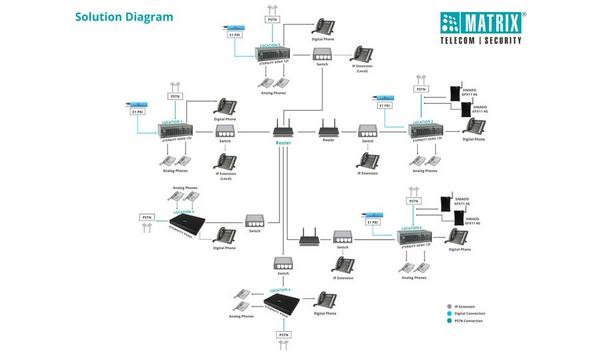
Located in Kerala, India, the Somatheeram Ayurveda Hospital with a Resort Ambiance is the best place for not only visual rejuvenation but also physical and mental rejuvenation. Through Ayurveda, Somatheeram provides a means to shed all worries, anxieties, and illnesses. With the objective of combining Ayurveda and Tourism, the Somatheeram Research Institute & Ayurveda Hospital was founded in the year 1985, thus making it the world’s first-ever Ayurvedic Hospital in a Resort Ambiance. The Somatheeram Group of Companies came into being with the efforts of the Founder Managing Director, and Architect Mr. Baby Mathew. Challenges Multi-location transmission proves to be an expensive affair if devices are not chosen wisely Somatheeram has multiple resorts, located at different locations. Multi-location communication can prove to be an expensive affair if communication devices are not chosen wisely. Their dependence on public service providers for communication added to their woes of communication between their resorts. To elaborate: Feasibility of existing telephony: Existing telephony became impracticable considering the frequent communication between multi-located properties. Managing different protocols: Interface with different telecom networks requires managing different protocols, which can be cumbersome, time, and energy-consuming. Absence of modern phone features: The lack of advanced features like abbreviated dialing, call pick up, and internal call restriction, prevented them from becoming efficient in day-to-day operations. Transition to modern communication with existing infrastructure: Their investment in existing infrastructure needed protection while also a provision had to be made to modernize the communication using existing infrastructure. Solution The solution offered was based on the fundamentals of multi-location communication solutions Matrix analyzed the challenges of communications for Somatheeram and crafted a solution that was the best fit. The solution offered was based on the fundamentals of multi-location communication solutions. This included the Matrix range of IP-PBX (ETERNITY GENX12S) and GSM Gateway (SIMADO GFX11 and SIMADO GFX11 4G) that optimized the feasibility of communication and helped the firm become more efficient. Solution includes: The Hybrid IP-PBX included ETERNITY GENX12SAC, which enabled them up to 240 Analog users with 64 CO Ports. Another Hybrid IP-PBX included ETERNITY PENX, which allowed them access to 100 IP Users, onboard IP User Support, LDAP Client support, support of 4G VoLTE ports, COSEC Door Integration, and much more. The GSM gateway included SIMADO GFX11 and SIMADO GFX11 4G which enabled them to make and receive calls from analog extensions. The capability to integrate with almost all industry-pioneering PBXs enabled them a smooth transition to modern communication while maintaining existing infrastructure. Results The solution so implemented enabled all properties to work as a single communication platform and proved to be beneficial for Somatheeram and its properties in more than one way. The Hybrid IP-PBX enabled them, unified communication facilities like Email to SMS, audio/video calling, unified messaging facilities, and multi-location collaboration features like UC client integration, one-number reach, etc. The Hybrid IP-PBX also enabled, investment optimization through universal network connectivity, easy and centralized phonebook management through LDAP client support, mobility convenience through 4G VoLTE support, and much more. The GSM/4G gateway enabled them, GSM/4G connectivity to existing infrastructure, hotline extension dialing, emergency number dialing even in the absence of a sim card, etc. through secure network bridging.
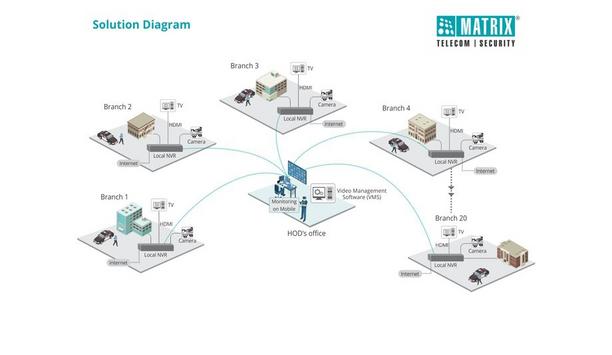
The Public Security Department is the law enforcement agency responsible for maintaining public safety, preventing crime, and upholding the law in the region. Established in 1873, the force has been instrumental in maintaining peace and stability in the area, particularly in counter-insurgency operations. In addition to its core operations, the department conducts community service activities to bridge the gap between the department and the public. The force works closely with other law enforcement agencies to ensure effective coordination and cooperation. Dedicated to upholding the rule of law and protecting the rights of every citizen, it is committed to building a safe and secure environment in the region. Business scenario The lack of centralized monitoring capabilities at the head of the department's office The department is divided into multiple zones, ranges, and districts, with each district housing several branch offices. However, monitoring these dispersed stations posed a challenge. The lack of centralized monitoring capabilities at the head of the department's office and inadequate infrastructure at the department branches could have helped with real-time updates and efficient communication. To address this, the department aimed to enhance surveillance infrastructure, enable streaming access to all stations and establish a centralized monitoring system. These efforts would improve coordination, data management, and security services for the people of the state. Challenges Monitoring challenge: The stations are dispersed across multiple locations Lack of centralized monitoring capabilities at the head of the department’s office Inadequate infrastructure at the stations for local data recording Hindered real-time updates and efficient communication across the network Solution A total of 70 cameras were installed with varying focal lengths and capabilities to cover 20 branches in the jurisdiction. Based on their requirement the experts suggested high-resolution 5MP bullet cameras with audio support to capture clearer images and for playback and investigation. The motorized varifocal lens and PTZ cameras can be maneuvered remotely for better control over the cameras. Motorized varifocal lens and PTZ cameras can be handled remotely for better control To enable the streaming and recording of footage for a longer duration, eight-channel network video recorders (NVRs) with 1 SATA port (each SATA port supports 10TB storage support) were installed across 20 locations. These NVRs were connected to television screens using HDMI cables, enabling the streaming of live footage at local offices. Matrix SATATYA SAMAS For centralized surveillance, all NVRs related to Matrix SATATYA SAMAS use static public IP. The video management system was connected to the desktop for monitoring purposes and provided Matrix SATATYA VISION 24×7 surveillance on the go. The Matrix team also provided training to the officials on how to use the video surveillance infrastructure effectively. They were taught to leverage the system's full potential, including best practices for monitoring, managing, and analyzing data captured by the system. Products Offered SATATYA CIBR50FL40CWP: 15 Nos. 5 MP Project Series IR Bullet Camera with 4 mm Fixed Lens and Audio Support SATATYACIBR50MVL12CWP: 40 Nos. 5 MP Project Series IR Bullet Camera with Motorized Varifocal Lens and Audio Support SATATYA PZCR20ML25CWP: 10 Nos. 2 MP Pan-Tilt-Zoom Camera with 25× Optical Zoom and Audio Support Matrix SATATYA NVR0801X: 20 Nos. Eight-channel NVR with 1SATA Port Support Matrix SATATYA SAMAS Video Management System with 70IP Camera Licenses and three Concurrent User Licences Benefits Matrix's video surveillance solution has empowered the department with real-time updates. The robust infrastructure enables centralized monitoring, enhancing public safety and quick response to incidents. Matrix's expertise and technical capabilities have significantly contributed to maintaining law and order in the region.
Products
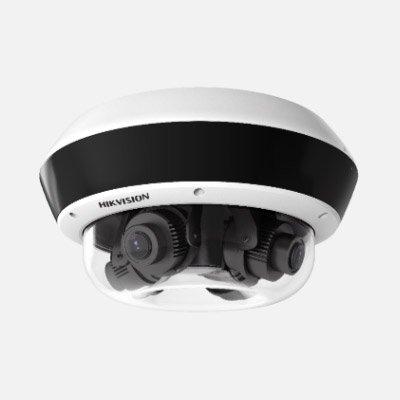

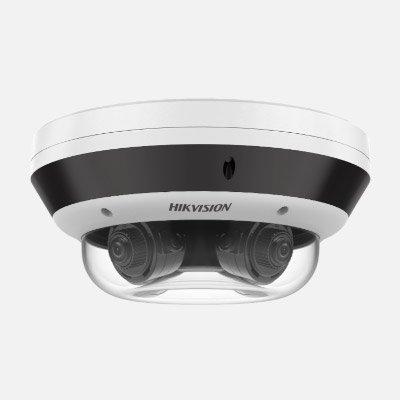

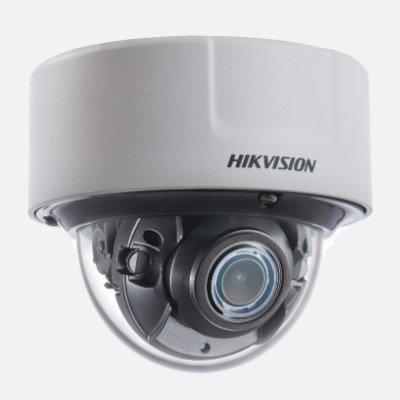
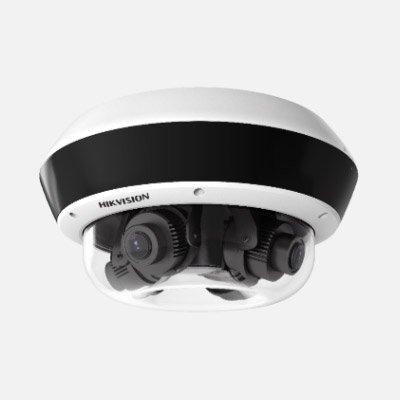

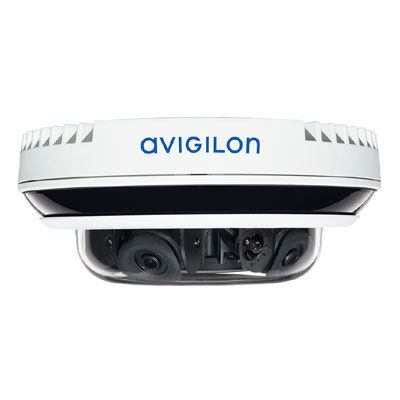
Round table discussion

The Internet of Things (IoT) is driving innovation in the security marketplace, just as it is in almost every other market. IoT devices, also known as ‘edge devices’, provide sensing, processing ability, software, and other technologies to connect and exchange data. The most common edge devices in the world of IP security are video cameras, which are becoming more intelligent and capable of processing the data they collect. We asked this week’s Expert Panel Roundtable: How are edge devices transforming the security marketplace?

When it comes to security and to ensuring the integrity of gaming operations, today’s casino market is risk-averse. Regulations direct the required surveillance of table games and slot machines, while modern casinos are often sprawling complexes that have a variety of other risks to be addressed, too. We asked this week’s Expert Panel Roundtable: What are the challenges of the casino market relating to security and surveillance technology?

Industry standards make it possible for systems and technologies to connect and work together. Standards enable today’s integrated systems. But does adherence to standards stifle innovation? Does the necessity to interface using an industry-wide standard slow down the implementation of newer (and possibly not standards-compliant) capabilities? Or do standards eliminate extraneous variables, empower more integration and encourage greater innovation? We asked this week’s Expert Panel Roundtable: How does the use of standards either stifle or jump-start innovation?
White papers

Is The Cloud Ready?
Download
How to Choose the Right Solution for Video Data to Enhance Security and Operational Intelligence
Download
High Definition Stream Management Part 1: Maximum Scalability And Bandwidth Management
Download
High Definition Stream Management Part 2: The Technical Details
DownloadVideos


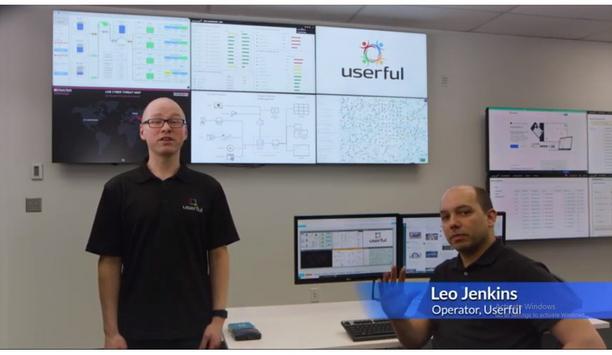
Video compression: Manufacturers & Suppliers
- Hikvision Video compression
- Honeywell Security Video compression
- Dahua Technology Video compression
- Bosch Video compression
- LILIN Video compression
- IDIS Video compression
- Hanwha Vision Video compression
- Axis Communications Video compression
- eneo Video compression
- Messoa Video compression
- Vicon Video compression
- Avigilon Video compression
- IndigoVision Video compression
- Eagle Eye Networks Video compression
- March Networks Video compression
- Paxton Access Video compression
- Grandstream Networks Video compression