Security devices - Round table discussions

At mid-year 2026, the broader economy tells a story of resilience under pressure. Conflict in the Middle East has triggered a shock to the energy supply, driving oil prices up and reigniting global inflation. However, a total downturn has been averted. Exceptional, historic levels of business investment and data center construction are providing a firm floor for growth, offsetting cooler consumer spending and keeping labor markets fundamentally stable. But how are changing economics impacting th...

The Internet of Things (IoT) is having a profound impact on businesses across various industries, including security. In physical security as in other business environments, the IoT is changing how systems operate, interact, and create value. In the process, the IoT is driving efficiency, reducing costs, and opening up new avenues for innovation and growth. We asked our Expert Panel Roundtable: How is the Internet of Things (IoT) transforming how security systems are deployed?

In the past, security installers and integrators were used almost exclusively to install hardware. However, the role is changing and expanding along with the technologies used in the physical security industry. Nowadays, an installer or systems integrator is much more likely to use a strategic, IT-centric, and data-driven approach. To gain additional insights, we asked our Expert Panel Roundtable: How is the role of the security installer/integrator changing?

In many cases, architectural design and layout dictate optimal placement of security devices like cameras, access control readers, and sensors. Poor design can lead to blind spots, reduced coverage, and ineffective surveillance. However, planning that involves all the various stakeholders can maximize both security and design elements. We asked this week’s Expert Panel Roundtable: When are building design and physical security systems complementary? When are they at odds?
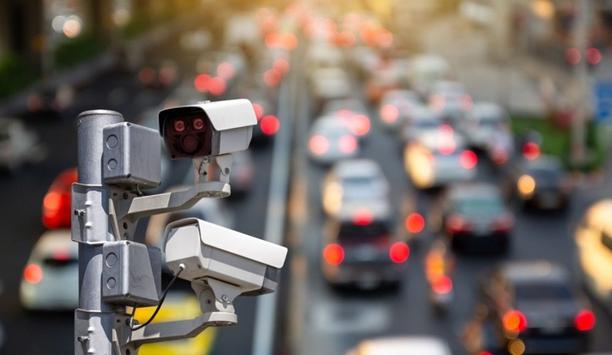
The Internet of Things (IoT) has revolutionized many industries, including physical security. By connecting physical devices to the internet, IoT technology offers significant enhancements to security systems. Benefits include real-time monitoring, remote access, and the utility of new devices such as temperature and humidity sensors. At the same time, IoT devices come with challenges, including greater cybersecurity vulnerability. We asked this week's Expert Panel Roundtable: How is the Interne...

While technology like cameras, alarms, and access control systems are crucial components, they are only as effective as the people who use and manage them and the systems that deploy them. When installing physical security systems, the focus should be on the holistic operation of the system rather than the functioning of individual components. However, in the end, overlooking critical factors can undermine the totality of system performance. We asked this week's Expert Panel Roundtable: Wha...

There is no shortage of threats facing security professionals, including some that are new and emerging. Understanding various new threats allows individuals and organizations to take proactive steps to protect themselves, but the first step is to identify what those threats are. Early detection of threats can minimize the impact of a successful attack, whatever the vulnerability at issue. We asked this week’s Expert Panel Roundtable: What new and emerging threats will physical securi...

Inflation, the rise in prices of goods and services over time, can result from a multitude of factors. It happens when there is more money chasing a limited supply of goods. It happens when the cost of producing and transporting goods increases. It can even happen because expectations of future inflation heighten current demand to avoid higher prices. During and after the COVID pandemic, supply chain disruptions, shifting consumer demand, and government stimulus all contributed to higher inflati...

The design of buildings encompasses many elements, from the practical to the aesthetic. Well-designed buildings should be functional, and they can also be beautiful and inspiring. But can security systems and building design coexist and complement each other? We asked this week’s Expert Panel Roundtable: How does building design impact physical security systems -- and vice versa?

The security industry offers a vast array of technologies and vendors. This can be overwhelming for end users, who depend on security integrators for guidance and service. But how well do security integrators provide end users with what they need? We asked this week’s Expert Panel Roundtable: What are the biggest challenges that end users face when working with integrators?

Technology offers a range of tools to bolster security at public events, including before, during, and after. This year, the 2024 Summer Olympics in Paris will draw the attention of the world, requiring the best protection available for the venues, the athletes, and the attendees. Other happenings such as the FIFA World Cup, the Super Bowl, the Tour de France, and the U.S. NBA Finals are momentous events that challenge security and law enforcement personnel to keep them safe. We asked this...

As the new year dawns, it's a good time for the security industry to look ahead to 2024. We asked this week's Expert Panel Roundtable: What will be the biggest surprise for security in the year ahead?

Every day, the physical security industry succeeds in applying technologies that make the world a safer place. Manufacturers, integrators, and end users are eager to share their success stories, and their successes can inspire others to implement the same technology solutions. But, occasionally, technology does not live up to expectations and, in fact, fails to perform as promised. We asked this week’s Expert Panel Roundtable: How has the physical security industry failed to meet customer...

Physical security is a large market overall, encompassing a range of diverse vertical markets, each with its own set of challenges and opportunities. The success of the security industry overall depends on the ability of companies and technologies to meet the specific needs of each vertical market. Some markets offer more lucrative opportunities than others. We asked this week’s Expert Panel Roundtable: Which vertical markets have the greatest potential for growth for physical security sys...
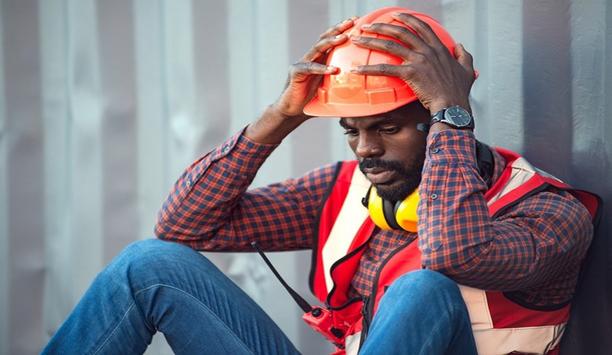
There is safety in numbers, or so the expression goes. Generally speaking, several employees working together tend to be safer than a single employee working alone. Even so, some environments require that workers complete their jobs alone, thus presenting a unique combination of security vulnerabilities. The U.S. Occupational Safety and Health Administration (OSHA) defines a lone worker as “an employee working alone, such as in a confined space or isolated location.” We asked this we...
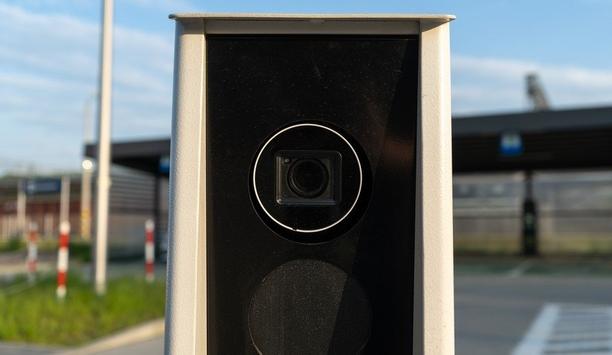
In the United States, they are called license plate recognition (LPR) systems. In Europe, the more common term is automated license number-plate recognition (ANPR). In either case, the systems provide capabilities that can benefit a range of applications from schools to municipalities to parking lots. Newer technologies can even identify vehicle color, type, make, and model. We asked this week’s Expert Panel Roundtable: What's new with license plate recognition (LPR) and/or automated numbe...

Video storage has come a long way since rooms full of VCRs stored video from an entire system of cameras. Video storage equates to data storage, and there are multiple options ranging from hard disk storage to the cloud to storage on each individual camera using SD cards. Increasingly, cloud-based storage is an attractive option to store video footage conveniently and safely. We asked this week’s Expert Panel Roundtable: How is expansion of video storage capabilities impacting the security...

Headlines of violence in our schools are a reminder of the need to keep educational institutions safe. In fact, if there is a positive aspect to the constant bombardment of headlines, it is that it keeps our attention perpetually focused on how to improve school security. But what is the role of physical security systems? As the new school year begins, we asked this week’s Expert Panel Roundtable: Are schools safer because of physical security systems? Why or why not?

As physical security technologies become more complex, it is incumbent on the dealer/integrator to have the skills and expertise needed to ensure that a system operates smoothly. The value of integrators increasingly rests on the skill sets they bring to bear when installing a system. If the skills are missing, there is a problem. We asked this week’s Expert Panel Roundtable: What missing skills among security integrators can cause problems for customers?

Driving the smart homes market is the convenience of simple technology solutions. Almost every home now has a “smart speaker” that makes it easier than ever for homeowners to interface and control their technology. But where does security fit into the new landscape of smart home systems? We asked this week’s Expert Panel Roundtable: What’s new in smart homes and residential security systems?

Historically, the emphasis of security systems has been on reactivity, whether it’s providing video evidence of an incident or data to support a resulting investigation. Reactivity is core to impactful security, but increasingly, systems are also seeking to be more proactive. A proactive system seeks to prevent events from happening in the first place, thus mitigating the harm to an organization, and making the need for a reactive response moot. We asked this week’s Expert Panel Roun...
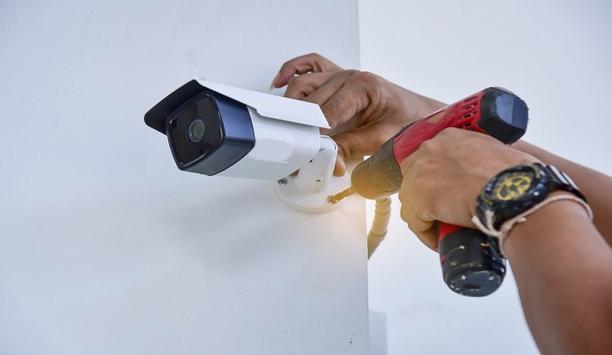
The role of the integrator/installer in the physical security marketplace is shifting as technologies evolve and applications expand. Integrators are being faced with a need to augment their expertise both in a wider range of systems and deeper into the specifics of each increasingly complex technology. At the end of the day, it falls to the integrator/installer to ensure a system performs as promised, however much a consultant or even a manufacturer might be involved in the process. We asked th...

Deployed across a wide range of devices, the Internet of Things (IoT) collects data to help business owners make decisions on a macro scale as well as at a granular level. The IoT is a network of physical devices embedded with sensors, software, and network connectivity that allows them to collect and share data. We called on this week's Expert Panel Roundtable to comment on the intersection of the IoT and physical security. We asked: How is the Internet of Things (IoT) increasing the effectiven...

Analog video cameras are still used in a variety of applications, primarily because yesterday’s robust and flexible technology is still functioning today, although it has been years, or even decades, since the initial installation. In many cases, this past generation of security cameras is still reliable and effective. Embracing an installed base of analog cameras is often the most cost-effective approach when updating or expanding a surveillance system. But what about the future? W...
Time flies in the busy world of security, so it’s no surprise that the midpoint of 2023 comes before know it. Let’s pause after the first half of the year to look ahead at what can expect during the second half (Hint: It’s all about AI). We asked this week’s Expert Panel Roundtable: What will likely be the most important technology development in the security marketplace in the second half of 2023?

Risk is a core concept in the practice of physical security. However, the risk is not always assessed effectively. Ideally, an organization's appetite for risk guides its security strategy and action planning to the minutest detail, including buying decisions for security equipment and systems. We asked this week's Expert Panel Roundtable: How does the concept of risk influence buying decisions in the security market?
A sad irony in the physical security industry has been the lax attention paid historically to the cybersecurity elements of our industry’s systems. However, the picture has improved starkly in recent years as manufacturers have stepped up to meet the cybersecurity challenges and awareness of the issue has become much higher. We asked this week’s Expert Panel Roundtable: What's new in cybersecurity for physical security systems?

Integrators and installers are on the front line of creating most security systems. They are also usually the first point of contact if there is a problem with the system. In general practice, many end users deal with integrators and seldom if ever speak to the manufacturer. Should it be that way? We asked this week’s Expert Panel Roundtable: Why does a manufacturer need a direct relationship with an end user?

Protecting video involves many of the same strategies and protocols as those used to protect any other type of data. In the world of IP cameras and systems, video can be transmitted anywhere in the world to anyone who needs to see it. But what about access by outsiders who are not authorized to view the video? Or what if heaven forbid, the video is accessed by an unauthorized user who later posts it to YouTube? We asked this week’s Expert Panel Roundtable: What safeguards are in place...
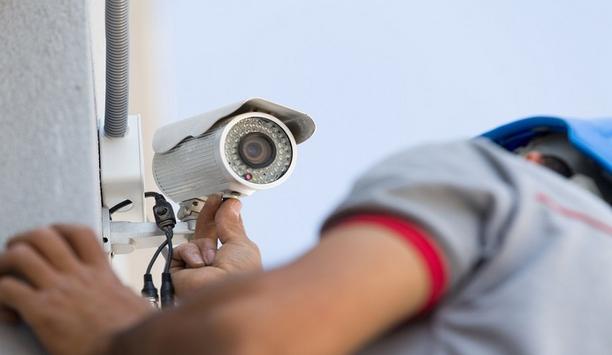
Every security system is unique, of course. Specific to each installation are the problems the customer and the integrator may experience along their journey. However, given the installation of hundreds of physical security systems, there are commonalities that occur. We asked this week’s Expert Panel Roundtable: What are the major pain points when installing a physical security system?









