Fire Safety

Euralarm has announced the program for the first European Fire Detection Forum, bringing together experts from industry, research, standardization and regulation to explore the future of fire detection. The Forum will take place on 2 December 2026 at Koelnmesse in Cologne, as part of VdS-FireSafety Cologne. Under the theme “From reaction to prediction – the next paradigm of electronic fire safety”, the Forum will examine how new risks, technologies and regulations are cha...

Ranger Fire and Security has welcomed D&G Security Systems to the Group, further strengthening its presence and service offering in the Midlands. Founded in 2011 and based in Stourport-on-Severn, Worcestershire, the team at D&G has spent 15 years designing, installing and maintaining systems for domestic, commercial and industrial customers across the public and private sectors. A broader range of fire and security services D&G delivers a range of services to customers, span...

Euralarm and the Confederation of European Security Services (CoESS) have published an updated edition of their Cybersecurity Guidelines for the Security and Fire Safety Industry. The revised publication provides practical guidance for organizations across the sector as cybersecurity becomes an increasingly important operational, technical and regulatory requirement. The growing connectivity of fire safety and security systems brings significant benefits, including remote monitoring and mainten...

Advanced has launched a new Continuing Professional Development (CPD) seminar exploring how connected technology, cloud-based monitoring and intelligent data are transforming the management of fire detection systems. The new CPD, ‘The Evolution of Smart Fire System Management’, has been developed to help building owners, facilities managers, responsible persons and fire safety professionals understand how digital technologies can improve the way fire systems are monitored, maintaine...

Secutech Vietnam 2026 came to a close on 12 September at the Friendship Cultural Palace in Hanoi, with exhibitors and visitors exploring how safety, security, fire protection and smart building technologies can be applied across Vietnam’s buildings, factories and infrastructure projects. Held alongside Fire & Safety Vietnam and SMABuilding, the fair highlighted solutions for facility management, emergency response, automation and connected building operations. The 19th edition spanned...

From AI-powered hazard detection and connected factories to fire prevention, smart buildings, and robot demonstrations, Secutech Vietnam 2026 opens today in Hanoi with a focus on technologies that help protect, manage, and operate urban environments and production facilities more effectively. Taking place from 9 – 12 September 2026 at the Friendship Cultural Palace alongside Fire & Safety Vietnam and SMABuilding, the 19th edition will host 480 exhibiting brands from 16 countries and r...
News

The 19th edition of Secutech Vietnam will take place from 9 – 12 September 2026 at the Friendship Cultural Palace in Hanoi. The fair will bring together 480 exhibiting brands from 14 countries and regions across 13,000sqm of exhibition space. With supports from the Vietnam Fire and Rescue Police Department and the Ministry of Public Safety, Secutech Vietnam continues to promote the adoption of advanced fire safety, emergency response, and security technologies across factories, buildings, public facilities, and infrastructure projects within the country. The exhibition will run alongside Fire & Safety Vietnam and SMABuilding, expanding its scope to include applications in AI, loT, ICT, smart buildings, and industrial automation. Integrated safety solutions The Vietnamese government has pinpointed the digital technology industry as a key driver of productivity, competitiveness, and long-term growth. Under the country’s five-year digital technology industry development plan, Vietnam is aiming to achieve USD 300 billion in digital technology industry revenue and USD 55 billion in annual digital technology export revenue by 2030. The plan also targets the creation of 100,000 digital technology enterprises, training of more than 3 million workers, and the building of modern digital industrial capabilities. These ambitions are expected to accelerate demand for connected infrastructure, intelligent operations, smart building systems, and integrated safety solutions across industrial, commercial and urban projects. Visitors practical insights Commenting on the upcoming fair, Ms Regina Tsai, General Manager of Messe Frankfurt (HK) Ltd – Taiwan Branch, commented: “Vietnam’s digital transformation is entering a new stage of long-term growth, supported by national goals for enterprise development, workforce training, and industrial modernisation. As factories, buildings, and public facilities adopt more digital tools, safety and security planning must advance at the same pace.” “This year, Secutech Vietnam responds with a broader solution-focused format, covering six key themes from critical infrastructure protection and smart factory automation to fire safety, AI operations, smart buildings, and ICT infrastructure. By presenting these cross-sector offerings side by side, the fair will offer visitors practical insights into how different technologies can be implemented together in real-world projects that align with Vietnam’s long-term goals.” Greater operational resilience The 2026 edition will bring together both local and international suppliers with attendance from key decision-makers across government, construction, manufacturing, commercial real estate, industrial parks, system integration, facility management, public safety, and critical sites. Exhibitors from Bulgaria, China, Germany, India, Japan, Korea, Malaysia, Singapore, Spain, Switzerland, Taiwan, the UAE, the US and Vietnam, will present an international breadth of technologies that support safer facilities, smarter performance, and greater operational resilience. Across the show floor, international exhibitors such as Ateis SE, Detnov Security, Matrix Comsec, Potter Global Technologies, Sony Electronics, and Xiamen Leelen Smart Technology will appear alongside Vietnam-based suppliers including Fire Front Vietnam, S-Tec Vina, and TOA Electronics Vietnam, among others. Their displays will span access control, AI surveillance, fire detection, fire suppression, emergency response, public safety, industrial safety, smart buildings, connected infrastructure, and digital enterprise applications. Digital enterprise applications Specialized showcases will add further international and technical depth, with the Japan Pavilion featuring fire safety, inspection, and emergency response technologies; the Korea Pavilion presenting fire protection, rescue, PPE, and smart safety products; and the UL Pavilion focusing on testing, certification, and compliance services. Another key highlight of the fair is its six integrated solution themes, covering: Security & critical infrastructure protection – showcasing technologies for safeguarding airports, factories, industrial parks, utilities, transport hubs, and other high-risk sites through surveillance, access control, intrusion detection, and control room coordination Smart factory & industrial automation – presenting tools that support safer and more efficient production, including factory automation, machine monitoring, robotics, workplace protection, and connected manufacturing Fire safety & emergency management – spanning equipment for detection, alarm, suppression, evacuation, rescue, and incidence response across buildings, factories, warehouses, public spaces, and major projects AI & intelligent operations – including AI-powered systems that allow operators to monitor sites, identify risks, analyze data, and respond faster across security, safety, and facility operations Smart buildings & connected infrastructure – focusing on building technologies that improve safety, comfort and efficiency, including access control, building management, energy monitoring, smart parking, and facility control ICT Infrastructure & digital enterprise – serving as the digital backbone for modern operations, including networks, data platforms, cybersecurity, cloud systems, and enterprise software Together, these themes will give buyers and project owners a strong foundation for comparing safety, security, and smart building technologies across factories, industrial parks, warehouses, commercial buildings, and large-scale developments. This structure will help visitors identify practical solutions that support risk prevention, faster incident handling, operational continuity, and safer site management.

Euralarm has published a new guidance document, Criteria for European Sovereign Cloud, to help manufacturers, service providers, system integrators and end users understand the implications of cloud sovereignty for fire safety and physical security applications. The publication provides a practical framework for assessing when and how European sovereign cloud requirements should be applied, reflecting the growing importance of digital resilience, cybersecurity and regulatory compliance. As cloud technologies become increasingly central to modern fire safety and security systems, they enable advanced services such as remote diagnostics, alarm transmission, predictive maintenance and sophisticated data analysis. At the same time, organizations operating critical infrastructure and public services are placing greater emphasis on ensuring that sensitive data remains protected from unauthorized foreign access while complying with European legislation. Five complementary dimensions Euralarm's new guidance explains that cloud sovereignty extends beyond the physical location of data. It identifies five complementary dimensions that organizations should consider when selecting cloud services: technological sovereignty, operational sovereignty, jurisdictional sovereignty, data residency and legal compliance. Together, these factors determine the extent to which cloud services can operate independently within a European legal and operational framework. Rather than promoting a single technical solution, the guidance advocates a risk-based approach. It encourages organizations to assess the sensitivity of their applications, the criticality of the services provided and the potential consequences of foreign legal or operational influence before determining the appropriate level of sovereignty required. This enables customers to balance security, resilience, compliance and cost while avoiding unnecessarily complex cloud architectures. Providing practical considerations The document also examines issues such as data residency, governance, operational independence, legal jurisdiction and protection against extraterritorial legislation, providing practical considerations for organizations procuring cloud services in increasingly demanding regulatory environments. The guidance concludes that cloud sovereignty should not be viewed as an absolute objective but as a business and risk management decision. While the strongest sovereignty measures can provide greater protection against legal and operational risks, they also introduce additional costs and complexity. Organizations should therefore select the level of sovereignty that is appropriate for their operational needs and compliance obligations.
i-PRO Co., Ltd., a pioneer in professional security and public safety solutions, announces the appointment of Steve Riley as President, EMEA. As i-PRO's EMEA business continues to expand, the company is adapting its regional leadership structure to support ongoing growth, navigate increasing business complexity, and ensure the organization continues to scale effectively across the region. Steve Riley will lead the overall EMEA organization, focusing on regional strategy, organizational development, governance, and business leadership. Jose Riolobos will continue to lead the commercial expansion as Vice President of Sales, EMEA, focusing on customer and partner engagement, and accelerating sales growth across the region. Open-platform technologies The appointment reflects i-PRO's continued investment in EMEA as a strategic region and its commitment to delivering AI-enabled, cybersecure, and open-platform technologies built on the quality, reliability, and innovation for which i-PRO is known. Steve joins i-PRO with more than 25 years of leadership experience across the electronic security, access control, fire safety, and technology sectors. Throughout his career, he has built and transformed international security businesses, leading commercial growth, organizational transformation, product strategy, operations, and business development across EMEA, APAC, and global markets. International security businesses He has held senior leadership positions with Stanley Security, ADT, and other leading technology organizations. Most recently, he served as Global Division Director, PAC GDX at Comelit Group, leading the company's integrated access control and security division. “EMEA is a key growth region for i-PRO, and Steve’s appointment reflects our ambition to build on the strong momentum we have already achieved. With his extensive industry experience and proven track record of leading international security businesses, Steve will further strengthen the operational capabilities of i-PRO EMEA’s business functions. Working alongside Jose and the broader team, Steve will help accelerate the organization’s growth, strengthen our regional capabilities, and support the next phase of business expansion across the region,” said Masato Nakao, CEO of i-PRO.

Euralarm is pleased to announce the launch of the first European Fire Detection Forum, a conference dedicated to the future of fire detection and electronic fire safety in Europe. The event will take place on 2 December 2026 in Cologne, Germany, as part of the renowned VdS-FireSafety Cologne (VdS-BrandSchutzTage). About the European Fire Detection Forum The European Fire Detection Forum is being organized by Euralarm during the VdS-FireSafety Cologne. The integration of the Euralarm event into the VdS-FireSafety Cologne will bring clear incremental value, creating a unique European platform to examine both current developments and the future direction of electronic fire detection. The inaugural edition will be held under the theme: “Fire safety in a changing world and the changing world of fire safety – From reaction to prediction: the next paradigm of electronic fire safety.” Looking at the pipeline of developments and technologies to support earlier detection and reduction of nuisance alarms. New challenges and opportunities As fire risks evolve and digital technologies transform the built environment, fire detection systems are facing new challenges and opportunities. Advances in connectivity, artificial intelligence, sensor fusion, sustainability and predictive maintenance are reshaping the role of fire detection within modern fire safety strategies. At the same time, changing regulations, new building technologies and emerging risks such as lithium-ion battery fires require fresh approaches and closer cooperation across the sector. Presentation panel The European Fire Detection Forum will provide a dedicated platform for manufacturers, installers, system integrators, fire safety professionals, regulators, insurers and policymakers to discuss these developments and explore the future direction of the industry. The program will feature keynote presentations, expert panels and technical sessions covering topics such as: Emerging and future fire detection technologies and solution Artificial intelligence and sensor fusion Reducing false alarms and improving system reliability Sustainability in fire detection Early detection of lithium-ion battery incidents Digitalisation and remote services The future regulatory and standards framework for fire detection in Europe Authority comments Peter Mita, President of Euralarm, said: "Fire safety is entering a period of profound transformation. New technologies are creating opportunities to detect fires earlier, reduce unwanted alarms and improve building safety. At the same time, society faces new risks and increasing expectations regarding sustainability and digitalisation. With the European Fire Detection Forum, Euralarm is creating a platform where industry experts, regulators and end users can discuss these developments and help shape the future of fire safety in Europe." Ingeborg Schlosser, divisional director of VdS, the organizers behind the VdS-FireSafety Cologne, said: “The cooperation with the VdS-FireSafety Cologne reflects a shared commitment to fostering knowledge exchange and supporting innovation throughout the fire safety community. By combining the European perspective of Euralarm with the strong market presence and reputation of VdS, the event aims to become a leading forum for discussing the future of fire detection technologies and their role in protecting people, property and the environment.” Participation benefit A special benefit to the participants of the Euralarm Forum: During the breaks and on 3rd December they will have the possibility to visit the international trade fair with around 200 exhibitors and to connect with visitors and participants of the other VdS-expert conferences.
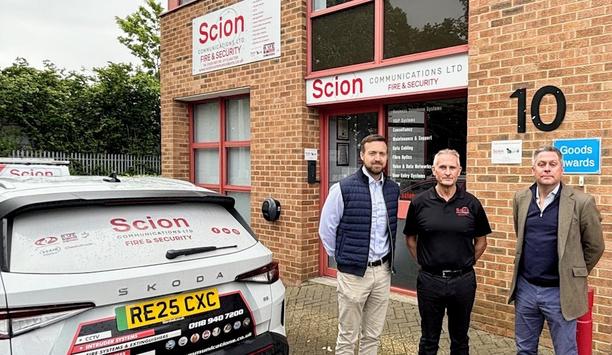
Ranger Fire and Security has announced the acquisition of two high-performing businesses across the UK and Ireland, strengthening its footprint and furthering its mission to become the one-stop shop for all fire and security service needs. Scion Communications Limited is a fire safety and security solutions provider covering the South of England. Its core offering, spans fire alarms, security systems and access control. Scion serves a diverse commercial customer base, including education, and further expands Ranger's presence in the South, building on its earlier acquisitions of Universal, Fidelity and Partnership. Commercial customer base Emerald Fire Technology is a Cork-based fire and gas detection specialist, supplying, commissioning, servicing and repairing equipment for commercial and Government-funded customers across the Munster region. Located near existing Ranger business B-Safe, the acquisition builds out Ranger's coverage in the region and adds gas detection to its product offering. Both businesses' leadership teams are staying in place to drive growth for their respective companies and the wider Ranger Group, preserving their customer-centric focus while creating cross-selling opportunities with other Ranger businesses nearby. High-performing local businesses The acquisitions are the first announced since Inflexion, an European mid-market investment firm, secured a majority investment in Ranger to accelerate its growth and acquisition strategy across the UK and Ireland. The investment will support further acquisitions of high-performing local businesses and the integration of back-office functions across the Group, helping advance Ranger's ambition to build a national fire and security platform. Mark Bridges, CEO of Ranger Fire and Security, said: "The two new acquisitions – the first since our landmark investment from Inflexion – mark the beginning of an exciting new phase for Ranger, and underline how this backing is already accelerating our growth across the UK and Ireland. “Scion and Emerald each bring strong reputations and complementary expertise to the Group, and we're delighted to welcome their teams on board as we continue to build the leading fire and security platform in the UK and Ireland." Customer-centric approach Dean Caplin, Managing Director of Scion Communications, said: “Becoming part of Ranger Fire and Security marks a significant moment for our business and we are looking forward to working with a group of like-minded companies who share our customer-centric approach.” “At Scion Communications we have worked to refine our security and fire expertise to meet the changing demands and requests of our commercial customer base. By combining our industry knowledge and experience with Ranger’s resources, we will be well-positioned to continue to expand our business across the South and beyond.” Seamless customer experience These latest acquisitions bring the total number of businesses in the Ranger Group to 23. The acquisitions form part of Ranger’s ongoing strategy to bring together high-quality “local hero” businesses to create a platform that is truly national in scope and capable of delivering best-in-class fire and security services across the UK and Ireland. With backing from Inflexion and also from Hyperion Equity Partners, which has made a significant reinvestment in the Group, Ranger is on a mission to become the one-stop provider for fire and security services across the UK and Ireland. Through strategic acquisitions and investment in technology and talent, Ranger offers a comprehensive range of services at a regional and national level, all while providing a seamless customer experience.

Flir, a pioneer in thermal imaging, will present its full range of fire safety and first responder solutions at the NFPA Conference & Expo, held June 22 to 24 at the Mandalay Bay Convention Center in Las Vegas. At Booth 471, Flir will present its industrial Early Fire Detection solutions and tactical firefighting gear, including the A‑series thermal monitoring cameras engineered for automated pre‑ignition alerts and the rugged K‑series hand‑held cameras built for low‑visibility fireground operations. Continuous radiometric monitoring Flir’s Early Fire Detection offering combines continuous radiometric monitoring with intelligent alarming to identify abnormal heat patterns long before smoke or flame is visible. Designed for high‑risk environments such as, battery storage, solar fields, manufacturing lines, waste facilities, warehouses, and logistics centres, these systems integrate directly with plant safety controls to trigger automated responses, support 24/7 situational awareness, and help prevent small thermal anomalies from escalating into full‑scale fires. Life safety compliance On Wednesday, June 24, Aaron Lawrence, Director of Sales, Automation at Flir, will lead a keynote session alongside Martin Casillas, Clark County Fire Inspector, and Ryan Sandler, Vice President of Fire & Life Safety at Everon. Together, they will outline how advanced thermal imaging, analytics, and system design are shaping the next generation of life safety compliance. Whether users are safeguarding industrial assets or supporting frontline crews, Flir delivers thermal imaging solutions engineered to detect earlier, respond faster, and perform when conditions are at their worst. Visit Booth 471 at NFPA and see how Flir is shaping the future of fire safety.

Expert commentary

Across many sectors, AI is transitioning from an experimental process to a trusted tool, but how will construction - and architectural ironmongery specifically - balance this technological opportunity with traditional practice? Artificial intelligence was once considered the trend of tomorrow, but it’s now here, and already it’s impacting the design, specification and management of the built environment. Following a period of refined development, the technology is emerging as a valuable tool for architectural professionals, with its growing role signifying far more than a passing industry trend. Passing industry trend According to the Royal Institute of British Architects’ (RIBA) Artificial Intelligence Report 2025, 59% of architectural practices now use AI on at least some projects, an increase from 41% in 2024. Furthermore, a global survey led by the Royal Institution of Chartered Surveyors in 2025 found that 56% of investors planned to increase AI investment, suggesting that the rate of adoption will continue to accelerate over the coming years. However, whilst innovation typically creates opportunity, there are challenges to address These findings represent a cultural shift, one where AI is firmly embedding itself into workflows and influencing the decision making process. However, whilst innovation typically creates opportunity, there are challenges to address. As more professionals equip themselves with an arsenal of AI-driven tools, are we in danger of becoming overly reliant on technology? Or are those reluctant to adapt likely to be left behind? Daniel May, Director at Consort Architectural Hardware, shares insight: Repetitive administration tasks “The development of the built environment has always relied on technical precision. Specifications naturally contain large volumes of product information and technical data, with professionals managing document-heavy tasks in the form of specification writing, door scheduling and BIM coordination in order to meet project requirements and compliance obligations. All of this data must be analyzed and processed accurately - often in line with demanding timescales - and it is here where AI can offer the greatest value.” “Where time was once consumed by repetitive administration tasks and information processing, professionals are now embracing AI as a means of working more efficiently. For architectural ironmongery specifically, where specification accuracy is critical, AI has the potential to support architects and specification professionals as they navigate the product selection process. As a tool, AI can streamline documentation by rapidly processing performance data and certification requirements, whilst also identifying inconsistencies and absent compliance information within schedules.” Complex project requirements “AI systems are helping professionals navigate increasingly complex project requirements quickly, accurately and consistently. As machine learning and autonomous models continue to advance, these tools may further reduce the administrative burden associated with architectural work models whilst improving accuracy and minimizing the risk of human error in the process. With that said, the effectiveness of AI software is very much reliant on the quality of the information it receives.” “With the sector so deeply tied to fire safety, accessibility, security and regulatory standards, the caution around adopting AI as common practice is of course justified. Historically, much of the construction industry has been measured in its adoption of new technology, partly due to the critical nature of compliance and the significant consequences of error. Though, AI feels somewhat different because of its pace and potential, and as such, organizations must be measured in their approach to it, ensuring that professional knowledge remains central to delivering safe, efficient and compliant building projects.” The human element As industry standards and the legislation surrounding the built environment continues to evolve, so too will the methods used to achieve high level design and compliance. Seemingly, AI looks set to have an increasingly prominent role, but it should be viewed as a collaborative partner capable of enhancing professional expertise as opposed to a system that can, or should, do it all. Daniel continues: “At this stage, AI alone simply can’t understand the nuances of individual projects and that has implications for both design and compliance. This is particularly relevant in the post-Grenfell regulatory landscape, where accountability, traceability and evidence-based decision-making have become fundamental to product specification and delivery.” Building greater trust “Although AI can assist with information processing, the technology is not ultimately responsible for the decisions being made. Accountability has rightly become a major focus point in construction, and as AI continues to disrupt practices, the industry must ensure that responsibility remains clearly defined. AI-driven errors could lead to serious penalties in relation to compliance, safety and project delivery, proving human expertise remains critical.” “Moving forward, greater transparency within AI systems will be key. If professionals are able to understand how or why AI recommendations have been generated, they can assess them with confidence, building greater trust in the technology.” Architectural design solutions “When it comes to architectural design, the emotional intelligence, contextual understanding and creative balance offered by a team of professionals far outweighs the speed that AI can offer. Already, AI is being used to support visualization and concept development for multi-layered projects in hospitality, healthcare and commercial environments to name a few, helping teams to explore ideas and communicate concepts at a quicker rate.” “However, can AI effectively develop architectural design solutions based on the bespoke requirements of a project, the operational needs of its users or even the general character of the building? Most would argue that it’s not conceivable, because AI lacks the lived experience and contextual understanding that comes from being present in the project itself.” Architectural ironmongery products “For architectural ironmongery products, professionals must regularly assess how products will function in real environments. Human intuition is impossible to replace and those informed design decisions, made by human professionals, will always be essential. Whilst some question whether AI could one day plan and deliver a project from concept to completion, perhaps the more important question should be whether future generations of professionals could lose the critical design and specification skills that are needed, should the industry become too dependent on AI.” “There is a growing sense of inevitability surrounding AI’s influence on architectural ironmongery and the wider built environment. As the industry continues to embrace this new wave of technological development, it is important to remember that innovation must complement the knowledge, judgement and accountability of the professionals who create safe and functional buildings, not replace it.”

As a digital transformation continues to sweep across the industry, Daniel May of Consort Architectural Hardware examines the growing demand for Building Information Modelling (BIM) and how its use is influencing modern design projects. The future of construction is digital. What was once considered a gradual shift toward greater information management has now become a basic requirement for so many. From early-stage design through to compliance, maintenance and product lifecycle management, digital product data is no longer considered added-value - it is mandatory. Digital information management Since 2016, UK central government clients have required collaborative digital information management on centrally procured projects, commonly known as ‘BIM Level 2’. Today, these requirements are specified through the UK BIM Framework and BS EN ISO 19650 standards, setting a clear expectation that construction partners must provide accurate, structured and accessible digital information across their products. With this in mind, conscious manufacturers throughout the supply chain are enhancing their BIM capabilities, as they look to support architects, specifiers and contractors with detailed product information. Architectural hardware - traditionally overlooked in digital planning - is rapidly entering the spotlight too, with 3D models, certification and performance data now offered across a growing library of products. But how is this movement to enhanced digital resources impacting projects? Optional to operationally clinical Digital Product Passports (DPP), soon to be mainstream and mandated by the EUOnly a decade ago, building specifications relied heavily on paper resources, where professionals were limited to product brochures, PDF catalogues and basic CAD line drawings. Today, the sector is converging around fully integrated digital workflows, with teams relying on platforms such as Revit and NBS as a way of connecting design, specification, compliance and facilities management. Digital Product Passports (DPP), soon to be mainstream and mandated by the EU, will only accelerate this trend. Though, it’s important to recognize this evolution isn’t driven by convenience alone. In fact, BIM product data now plays a central role in meeting: UK Government mandates for digital construction and the ‘Golden Thread of Information’ Fire safety regulations, which increasingly require accurate, up-to-date, verifiable data Sustainability reporting, where Environmental Product Declarations (EPDs) and lifecycle data must be accessible at the design stage Consequently, if a product can’t be conceptualised accurately in a digital model, it risks being excluded from a project’s specifications entirely. BIM in Architectural Hardware For some, door hardware may seem like a minor component in the grand scheme of building design and as a result, it is often overlooked as a small percentage of the project’s value. In reality, its role in safety, performance, accessibility and compliance is critical. In BIM, even a small element like a door closer contains data to verify fire ratings, accessibility, and clashes Fire doorsets for example, are only as effective as the hardware components that secure them. Within BIM, even a single component such as a door closer carries parametric data that can validate fire ratings, confirm accessibility and even identify potential clashes with ceiling details or door frames - helping design teams ensure both functionality and compliance are met early in the coordination process. When it comes to architectural hardware, access to reliable BIM objects enables teams to: Fulfill accurate design – using models with correct Level of Detail (LOD) to ensure they integrate accurately into project drawings Reach faster specification – architects and contractors can drag-and-drop products/objects into designs, saving hours of manual work Assure compliance – with product certifications, fire ratings, testing evidence and sustainability data embedded into product models Reduce on-site errors – accurate digital models also decrease the risk of incorrect products being installed As digital coordination becomes routine, hardware that isn’t modelled is considered a specification risk. Responding to new standards and digital realities Where the tragic events of Grenfell Tower reshaped the regulatory and cultural expectations of the construction industry, the sector now faces an accelerated demand for traceable, verified product information. As new legislations continue to form, such as Martyn’s Law for example, updated guidelines will influence how public spaces are designed and secured, with each new standard placing an integral focus on resilience, traceability and responsibility in the process. These shifts underscore a clear reality that every hardware component, no matter how small, must be backed by verifiable data and performance credentials. Conscious hardware manufacturers play a crucial role then, in supporting building safety and security by providing architects, specifiers and contractors with the confidence to select hardware that meets the standards of today and tomorrow. And so, as we arrive in a data-driven era where compliance, traceability and efficiency are key, BIM objects have evolved from beneficial to indispensable. Whether delivering a residential high-rise, healthcare facility or a commercial development, professionals must be able to call upon trusted suppliers and their digital files as tools that help them design with confidence.

Daniel May of Consort reviews the integration of access control systems in healthcare settings, outlining the benefits and key considerations decision-makers must make throughout product specifications. From patient safety and traversal to the protection of sensitive data and pharmaceuticals, healthcare environments are faced with several operational challenges. And where security remains at the forefront of decision-making, modern access control systems may often hold the answers. Physical security systems Hospitals in particular have developed into multi-faceted spaces that house hundreds to thousands of patients, staff, and visitors at any one time. In England for example, research has found in the three months leading to June 2023, an average of 44,626 people visited major hospital A&E departments each day, with over 16 million attendances typically recorded over the course of a year-not to mention an additional nine million logged at other minor units. For any building, this level of sustained footfall can request severe security difficulties For any building, this level of sustained footfall can invite severe security tests. With that, the need to deploy effective physical security systems in healthcare is clear. And so, as access control continues to become more readily adopted and new products enter the market, decision-makers are reminded to consider the requirements of their building, ensuring they select the solutions most suited to their settings and budget. Security controlled Patient safety will always remain the top priority in healthcare settings, and where matters of health and social care come into question, a diverse set of professional regulatory bodies are tasked with setting and maintaining high standards. When it comes to healthcare premises specifically, patient security and perimeter security often come hand in hand and are amongst the most pressing of challenges that decision-makers must face. To help address operational planning and potential design concerns in the NHS, the Health Building Note (HBN), provides general design guidance for healthcare buildings under HBN 00-01-citing the use of access control measures as a way of maintaining security and protecting the safety of patients, staff, and visitors. Use of access control Hospital buildings control varied levels of access for a number of security purposes Hospital buildings, for example, must control varied levels of access for a number of operational and security purposes. Routine scenarios exist where vulnerable patients are under monitoring and thus refrained from exiting the premises for their own safety, while at the same time, permitted staff must be able to reach their patients and medicines when required. For this, the use of access control is key. Equally, access credentials can also help management teams keep track of those who may be entering or exiting rooms with equipment and pharmaceutical supplies, deterring any unwanted visitors and opportunists in the process. Incorporation of access control systems On a similar note, regulations have set a minimum standard for how personal data should be stored and managed in healthcare environments, giving decision-makers an added responsibility to regulate staff-controlled areas with patient medical records. While instances of personal data breaches are rare, healthcare facilities and professionals are at legal risk should confidential data be found misused or missing. As such, the incorporation of access control systems has become essential in keeping data storage areas secure, with intuitive online systems capable of permitting access to staff with the correct credentials while simultaneously tracking who has requested clearance at digital entry points. HBN guidance Healthcare experts are better fitted to control the sheer volume of people entering and exiting To function effectively, healthcare facilities must always be perceived as safe places by the people who reside within them, and as HBN guidance implies, a unified physical security system can help address key safety and security concerns while enhancing patient and staff experience. Opportunely, access control systems are more accessible and adaptable than ever and combine several technologies such as mechanical locks and automatic doors with electronic access credentials in the form of smartphone apps, badge readers, and biometric scanners. By integrating these systems into the building’s existing infrastructure, healthcare professionals are better equipped to control the sheer volume of people entering and exiting the premises without impairing the general flow of movement and coordination around the facility. Better by design Despite the clear benefits offered to healthcare facilities, there are a number of considerations to be mindful of when choosing an access control solution. Poorly implemented systems can have an adverse effect on security and functionality - quickly costing healthcare organizations time and budget to rectify and replace the inadequate products that don’t meet the building’s requirements. For that reason, decision-makers and design teams are reminded that there is no single solution that fits all healthcare buildings. As such, it’s crucial for decision-makers to understand the systems that are being put in place throughout each of the touchpoints in their facility. Clear collaboration is required during periods of specification, where together, teams can ensure the selected product works on all angles, from meeting fire safety and sustainability standards to aesthetics and scalability. Modern access control products Scalability is a key area that decision-makers must review when selecting access control systemsFrequently overlooked, scalability is a key area that decision-makers must review when selecting access control systems. Such is their diverse nature; healthcare facilities can often change and develop as years go by, and by selecting a system that facilitates growth, such as a cloud-based solution-security and efficiency is long-established. While modern access control products are known for seamless integration, there are some systems that may restrict the ability to use different vendors throughout the remainder of the building’s infrastructure. This, in effect, causes a monopolization of products throughout the estate, which can have an adverse effect on growth by increasing costs and reducing the levels of service associated with the security system already in place. Improve security and safety A scalable and reliable access control system will continue to improve security and safety by adapting to a building’s new requirements-and all while having minimal impact on its operational network. And so, while technology will no doubt continue to influence and transform the access control market, healthcare facilities and their professionals must continue to remain educated on their own systems, ensuring they have the best options in place to keep their patients, staff, and visitors safe and secure for years to come.
Security beat

2025 was another impactful year for mergers and acquisitions (M&As) in the security industry, which is undergoing an enormous transformation as global pioneers prioritise specialized technology to drive future growth. The year 2025 has been defined by massive corporate reorganisations, most notably Honeywell and Resideo spinning off core divisions to unlock shareholder value. Simultaneously, an aggressive wave of mergers and acquisitions is reshaping the landscape, with giants like ASSA ABLOY and Motorola Solutions absorbing innovators in AI-driven surveillance, cloud-native access control, and identity management. From residential security shifts to critical infrastructure enhancements, this article will summarise how these strategic moves signal a decisive industry pivot toward integrated and intelligent security ecosystems. Resideo to spin off ADI business Resideo Technologies, Inc. announced its intention to separate its ADI Global Distribution business from its Products & Solutions (P&S) business via a tax-free spin-off to shareholders. The separation is expected to be completed in the second half of 2026. P&S will continue as Resideo, a building products manufacturer of residential controls The goal is to unlock value, enhance operational performance, and improve strategic flexibility for both entities. After the separation, P&S will continue as Resideo, a building products manufacturer of residential controls and sensing solutions. ADI will become an independent public company and remain a global wholesale distributor of low-voltage products, including security and audio-visual solutions. Honeywell separates into three companies There are big changes pending at Honeywell, another global security industry company. Honeywell announced plans to separate its Automation and Aerospace businesses into two independent, publicly traded companies following a comprehensive portfolio evaluation. Combined with the previously announced spin-off of Advanced Materials, this strategy will create three distinct industry pioneers. The Automation and Aerospace separation is targeted for completion in the second half of 2026 as a tax-free transaction for shareholders. The largest portion of Honeywell’s traditional security business (cameras, access control, and fire safety) sits within the Building Automation segment of the new Honeywell Automation company. This unit includes products from recent major acquisitions, such as LenelS2. SimpliSafe’s new chapter SimpliSafe has agreed to be acquired by private equity firm GTCR from Hellman & Friedman SimpliSafe has agreed to be acquired by private equity firm GTCR from Hellman & Friedman, another private equity firm. As the third largest U.S. residential security provider, SimpliSafe will continue under the leadership of the current CEO, while its founders remain significant investors. GTCR, an experienced security industry investor, intends to support the company’s expansion and continued innovation in AI-powered, DIY home protection. This marks a new chapter in SimpliSafe’s mission to provide professional monitoring without long-term contracts. SimpliSafe is GTCR’s fifth investment in the security alarm industry, including prior investments in residential-focused security companies SecurityLink and Protection1, along with commercial-focused security companies HSM and Everon. Motorola grows technology portfolio Motorola Solutions grew its portfolio through acquisitions in 2025. The industry giant strategically expanded its safety and security ecosystem through the acquisition of four specialized technology firms. The company acquired Blue Eye to integrate AI-driven remote video monitoring and 24/7 security operations into its threat detection workflows. To support frontline workers, Motorola added Theatro’s voice-powered communication platform, which complements existing mobile and video technologies. Motorola further bolster its public safety capabilities with the acquisition of RapidDeploy, a cloud-native Next Generation 911 provider that offers real-time caller mapping and data analytics to accelerate emergency responses. Motorola also agreed to acquire InVisit to enhance its Avigilon Alta suite with cloud-based visitor management, streamlining guest registration and blocklist screening for enterprise security. These acquisitions aim to unify detection, communication, and response across various sectors, including retail, healthcare, and critical infrastructure. Allied sells majority stake in AMAG Allied Universal sold a majority stake in AMAG Technology to Shore Rock Partners In December, Allied Universal sold a majority stake in AMAG Technology to Shore Rock Partners. Shore Rock is a growth investor focused on critical infrastructure, with strategic backing from BellTower Partners. Allied Universal will retain a significant minority share. The sale is intended to allow 54-year-old AMAG, which provides integrated access control, identity, guest, and video management solutions, to operate independently from Allied Universal's services-based model for long-term growth. Shore Rock's plan is to invest in advancing AMAG's product line and customer relationships. With this transaction, David Sullivan, AMAG's President, will become CEO. Everon acquires ADT multifamily segment Commercial security provider Everon announced in September that it had entered into a definitive agreement to acquire the business-to-business (B2B) multifamily segment from ADT. This acquisition is a strategic extension that expands Everon's reach in the valuable multifamily market. It will allow the company to offer a more comprehensive portfolio of tailored solutions, including access control, video surveillance, and self-guided tour capabilities. Everon's CEO states that the deal enables them to help property owners and managers increase net operating income and improve operational efficiency. Dormakaba acquires TANlock and Avant-Garde Dormakaba, a global provider of access solutions, acquired TANlock GmbH in July Dormakaba, a global provider of access solutions, acquired TANlock GmbH in July. TANlock is a German firm specializing in innovative high-security access solutions for data centers and other critical infrastructure. The acquisition strengthens Dormakaba’s presence in the data center market. TANlock's intelligent system provides enhanced server cabinet security using electromechanical rack locks and various authentication modules. This solution is scalable, future-proof, and can be integrated into existing IT infrastructures for both retrofits and new installations. Dormakaba also agreed to acquire Indiana-based Avant-Garde Systems Inc. to strengthen its North American entrance control portfolio. This move bolsters Dormakaba’s presence in high-growth sectors like airports and data centers. Acre acquires REKS for AI Recent M&A activity also reflects the growing importance of artificial intelligence. For example, Acre Security acquired REKS, a purpose-built generative AI solution designed to transform access control, allowing professionals to use natural language queries for instant data insights. Integrated into Acre’s cloud-native ecosystem, this AI-powered platform prioritises data privacy while streamlining operations. Led by a new AI Development Team, Acre plans to expand these capabilities into intrusion detection and visitor management. Two acquisitions for Allegion Global security provider Allegion, through one of its subsidiaries, completed the acquisition of ELATEC Global security provider Allegion, through one of its subsidiaries, completed the acquisition of ELATEC, a manufacturer of security and access technology, specializing in RFID credentials and readers solutions designed in Germany and sold globally. ELATEC’s portfolio of readers leverages their internally developed software stack and ensures compatibility with nearly 100 credential types, making the company a pioneer in interoperability, which aligns well with Allegion’s partner-of-choice strategy. Allegion, also through one of its subsidiaries, acquired Brisant Secure Limited, a security hardware provider in the United Kingdom. Senstar acquires Blickfeld for LiDAR sensors Senstar Technologies Corporation has agreed to acquire Blickfeld, a specialist in 3D LiDAR sensors and software. Expected to close in Q1 2026, the acquisition integrates Blickfeld’s hardware into Senstar’s advanced security ecosystem. This strategic move expands Senstar’s addressable market into volume monitoring and traffic applications while enhancing its AI-powered situational awareness capabilities. Following the transaction, Blickfeld will operate largely independently as a subsidiary. ASSA ABLOY continues acquisition spree Global giant ASSA ABLOY was probably the most active company in the M&A market in 2025 Global giant ASSA ABLOY was probably the most active company in the M&A market in 2025, demonstrating aggressive market growth, strategically reinforcing its core business, and expanding its technological footprint across the global security marketplace. The acquisitions delivered on the company's strategy to strengthen its position in mature markets by integrating complementary products and solutions. A major theme for ASSA ABLOY was the enhancement of the door and perimeter security portfolio, particularly in the Americas. This effort included acquiring US-based Metal Products Inc. (MPI) for custom-made hollow metal doors and frames and International Door Products (IDP) for fire-rated steel door frames, both in the fall. Earlier in the year, ASSA ABLOY gained a stronger presence in Central Canada with the addition of Wallace & Wallace and Wallace Perimeter Security, a manufacturer, distributor, and installer of perimeter fencing, door, and gate solutions. The Entrance Systems Division also saw expansion with the acquisition of Belgium’s Kingspan Door Components, a manufacturer of sectional door panels. Furthermore, Door System, a Danish manufacturer of high-quality fire-rated doors, was signed for acquisition in the spring. Cloud-based platform ASSA ABLOY also made significant moves in electronic and access control solutions. Early 2025 saw two key acquisitions: Uhlmann & Zacher, a German supplier of access control handles and knobs, and InVue, a US-based provider of connected asset protection and access control solutions. Reinforcing this segment, SiteOwl, a pioneering cloud-based platform for physical security lifecycle management, was acquired in the summer. The spring acquisition of Pedestal PRO, a US manufacturer of access control pedestals and mounting solutions, further strengthens the electromechanical offerings in the Americas. ASSA ABLOY bolstered its capabilities in remote care technology with Germany’s TeleAlarm Group in late spring. HID Global expands in 2025 HID Global, a subsidiary of ASSA ABLOY, was also active on the M&A front in 2025 HID Global, a subsidiary of ASSA ABLOY, was also active on the M&A front in 2025, aggressively driving the convergence of physical and digital identity solutions and signaling a clear roadmap for security professionals. HID's move to purchase Vancouver-based IDmelon, announced in the autumn of 2025, targets the critical need for robust logical access control. IDmelon’s proprietary software platform transforms everyday identifiers, including existing physical credentials, smartphones, or biometrics, directly into enterprise-level FIDO (Fast IDentity Online) security keys. This approach streamlines an organization’s transition to phishing-resistant, passwordless multi-factor authentication (MFA) and minimizes the need for disruptive changes by integrating physical and digital access into a single, cohesive solution. Safer patient experience Separate from its focus on digital access, HID also bolstered its Identification Technologies Business Area by acquiring the Calmell Group. Calmell is a long-established manufacturer specializing in smart cards, smart paper, and magnetic tickets for the public transportation sector. This addition is expected to expand HID’s footprint and relevance in global public transportation ecosystems, allowing the Barcelona-headquartered firm to leverage HID’s core expertise in digital credentials to drive future-proof solutions for seamless mobility. Also, HID acquired Intelligent Observation to expand its Healthcare Real-Time Location Systems (RTLS) portfolio. Intelligent Observation provides a platform to reduce hospital-acquired infections (HAIs) by tracking hand hygiene compliance. The system uses wearable Near-Field Magnetic Induction (NFMI) devices and a cloud-based SaaS dashboard. This technology records and reports if healthcare workers sanitize appropriately, providing granular compliance data to administrators to enable a safer patient experience.
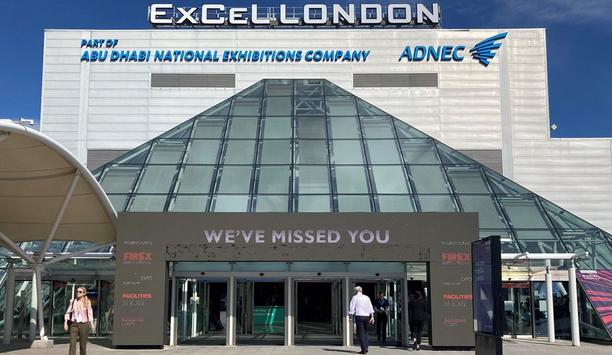
IFSEC International took place over three days at the ExCel in London, presented alongside shows covering fire safety, intelligent buildings, facilities management, and safety and health. While perhaps not on the same scale as pre-pandemic events, the atmosphere was convivial and spirits high, everyone glad to be back amongst their peers in the industry. Predictably, the trending topics were steered by issues in the wider world: sustainability, moving services to a subscription-based model, and new ways of working inspired by COVID-19 safety measures. A place for cutting-edge innovation After a challenging couple of years, companies were keen to meet customers, showcase their products and reveal the latest innovations. Integrated Design Limited displayed their new Glassgate 400 Plus turnstile, a sleek design for the corporate market. Tony Smith, Major Accounts and Marketing Manager, Entrance Control and Turnstile Security, told SourceSecurity.com, “I feel trade shows are a very important part of IDL’s marketing effort. We are more than pleased to display alongside our peers and have customers make direct comparisons with our products and theirs.” Biometric access reader Biometrics, as ever, generated a lot of interest, including the European launch of RealNetworks’ new SAFR SCAN biometric access reader, which combines facial recognition, computer vision, and image capture technologies for a range of applications. “Overall, there was a really good footfall, and we met an excellent mixture of end-customers, system integrators, distributors, and consultants from both Europe and the Middle East who are exactly the types of people we were hoping to demonstrate SAFR SCAN to,” commented Charlie Bennett, Vice President UK & Europe – SAFR, RealNetworks. Access control systems going green HID Global is one company leading the way in the move away from plastics to focus on mobile access The eco-friendly trend and the need to be more sustainable is becoming a real force in the security industry, particularly in access control where there is considerable pressure to ditch the plastic. HID Global is one company leading the way in the move away from plastics to focus on mobile access. Gerald Grattoni, Vice President, Physical Access Control Solutions Regional Business Unit Vice President at HID Global (part of the ASSA ABLOY Group), explained in a press briefing, “Making buildings smarter and more eco-conscious is high on the corporate responsibility agenda of many companies as the sustainability credentials of new buildings are now very important. With digitalized mobile identities there is less plastic waste and lower emissions.” Flexible, remote, and contactless Innovation in smart buildings is also being led by changes to how we work, live, and play, inspired in part by the recent pandemic. New technology is required to meet the needs of the hybrid workspace, as employers adopt more flexible working models and demand for contactless access control increases. Now, the most technologically sophisticated buildings are controlled by an app on a mobile phone, giving ease of access and full control without the need for plastic cards. Remote monitoring Advances in remote monitoring have escalated due to COVID-19, particularly in high demand in the health and education markets. Connecting via industrial standard network protocols allows for remote communication Ian Bridgewater, Director, Technical Sales Manager, TOA Corporation (UK) Ltd, explained further, “Connecting via industrial standard network protocols allows for remote communication. Working with specialist software developers has expanded this, giving greater flexibility to monitor and maintain systems remotely from a central hub.” AI-based autonomous access solution AI also has a role to play in this new high-tech, touchless world and various companies are utilizing this technology. Alcatraz AI found IFSEC the perfect opportunity to exhibit their new Rock autonomous access solution. "We now live in a time in which AI can make precise real-time decisions at the door to authenticate or deny access using your face as a credential,” said Greg Sarrail, Senior Vice President of Sales at Alcatraz AI. “IFSEC 2022 allowed Alcatraz AI to demonstrate the speed and accuracy of autonomous access control. The number of qualified partners and end-users representing a broad international scope in attendance at IFSEC was encouraging.” Meanwhile, the Eagle Eye Networks stand attracted a lot of visitors keen for a demo of their new Eagle Eye Smart Video Search, which allows users to search for people, vehicles, or objects, and immediately find the exact video across all cameras in all sites. "AI and cloud are two trends that Eagle Eye, the media, and the security business community have been talking about for a while. We were excited to showcase Eagle Eye's new AI-powered technologies at IFSEC 2022," added Rishi Lodhia, Eagle Eye Networks Vice President and Manager Director EMEA. "Our stand was buzzing with activity and AI was the main topic of discussion for all three days. All in all, a great show." Investing in a secure future Engineers of Tomorrow gave apprentice finalists the chance to show off their skills in front of thousands of peers and professionals from the security sectors live on the show floor. The winners will go on to the WorldSkills UK (WSUK) LIVE competition – the nation’s premier skills, apprenticeships, and careers event. Although the products on display at IFSEC promised a contactless, digital future, this was a good reminder of the importance of the people who install and maintain these systems and the vital role of engineering apprenticeships in the industry.

Convergint Technologies’ rapid growth has come through a combination of organic growth and acquisitions — they have acquired 35 companies since 2014. Growth has been a focus since day one when the founders started the systems integration company with 10 colleagues in a basement. Today, the diverse company includes more than 5,000 employees globally. As technology has advanced and business practices have evolved, Convergint’s core values and beliefs have guided their path forward. Customer-centric approach Convergint’s culture is a critical aspect of the company, from the executive level to frontline colleagues. “It is essential that the companies we look to acquire and develop partnerships with directly align with our people-first, customer-centric, inclusive culture centered on colleagues and customers,” says Mike Mathes, Executive Vice President, Convergint Technologies. “This approach has allowed us to maintain and grow our number of colleagues across our acquisitions and enables us to continue being our customers’ best service provider.” Integration practices Many practices have to be form-fitted to each individual acquisition A simple but important consideration as Convergint grows through acquisitions is: No two companies are the same. While some integration practices can be standardized across the company, many practices have to be form-fitted to each individual acquisition, says Mathes. “Our objective is not to come in and immediately implement change. We want to build on what has already been successful within the local market and share our learned experiences. There is plenty we can learn from each other and create a much better organization.” Mathes says that Convergint’s view of a successful acquisition is that 1+1=3. “The end result is always much more impactful than what we anticipated,” he says. “Every acquisition brings with it an experienced leadership team, dedicated and skilled colleagues, vertical market and technological expertise. Most acquisitions are in geographies where we do not already operate, so with every acquisition, we increase our capability to serve our customers much better.” Also, the network of Global Convergint Technology Centers (CTCs) helps expand clientele, and the Convergint Development Center (CDC) offers new support capabilities allowing acquisitions to grow at a very high rate. Expanding service Are there more acquisitions to come? Mathes says Convergint is always open to further expanding its footprint across the globe, improving its ability to service customers, deepening their technical expertise, and continuing to expand service offerings across the current and new vertical markets. However, the current focus remains on several key factors: service to colleagues, customers, and communities. “While obviously, acquisitions fuel our growth, the addition of these organizations to Convergint has really improved our ability to service clients on a global basis,” says Mathes. Acquiring ICD Security Solutions in Asia, for example, made Convergint a pioneer in that market for U.S.-based multi-national companies. Meeting customers demand “Convergint does not weigh market conditions when making an acquisition decision,” says Mathes. Rather, they are primarily focused on meeting or exceeding their customer’s needs on a local to a global level. They see acquisitions as a potential way to extend their geographic reach so they can be closer to customers. An acquisition might also expand technological or vertical market expertise. “The end goal is for us to enhance our service capabilities by attracting and retaining talented colleagues and leaders to better service our customers,” says Mathes. Enhancing and expanding services Convergint identifies how to leverage the expertise to further enhance and expand current service options“Economies of scale” have not been a consideration. They have never sought to acquire companies and restructure them in the process, for example. Rather, each company brings forth a unique skillset, is carefully vetted by the executive team and provides purpose in the company's mission and vision for the future.” “Frontline colleagues are Convergint’s most valuable assets,” says Mathes. Rather than restructuring and eliminating skilled, knowledgeable colleagues, Convergint identifies how they can leverage the expertise to further enhance and expand current service options for customers. “Our colleagues and their skill sets are our competitive advantage—they remain an essential element to our success,” says Mathes. Demand for integrator services “We continue to experience a growing demand for innovative solutions across electronic security, fire alarm, and life safety,” says Mathes. “As companies innovate further and rely on technologies such as artificial intelligence, cybersecurity, IoT, and cloud solutions, we expect to see an increased demand for integrator services. Our customers demand a local service provider who is responsive and can meet their needs, which is why Convergint aims to be its customers’ best service provider.” This year, Convergint is celebrating its 20th anniversary. In 2021, they will continue to focus on the same critical components that have dominated since day one taking care of colleagues, customers, and the communities where they operate.
Case studies

After a major refurbishment, Benghazi Children's Hospital in Libya is preparing to deliver a safer, more connected, and more efficient healthcare experience. By adopting Hikvision's AIoT (AI-powered Internet of Things) technologies, the hospital is enhancing patient care, strengthening communication, supporting medical education, and improving operational efficiency throughout the facility. For more than four decades, Benghazi Children's Hospital has served local communities and families. Covering approximately 11,300 m², the hospital supports a wide range of inpatient and outpatient services. Its recent refurbishment—the first in over 40 years—was more than a maintenance project. The hospital set ambitious goals to modernise the environment, aiming for an 80% improvement in patient satisfaction, response times, and interdepartmental communication. Smart healthcare solution To support these objectives, the hospital has been working with the national distributor Al Motaheda to deploy an integrated Hikvision smart healthcare solution spanning patient communication, medical education, and fire protection. When a patient needs help, every second matters. To help caregivers respond quickly and efficiently, Benghazi Children's Hospital has deployed Hikvision's Nurse Call System across its two inpatient departments: the Observation Department and the Gastroenteritis Department. At 11 ward entrances, Doorway Terminals and LED indicators have been installed. Now, when a patient calls, room number and bed information will immediately appear in the corridor, helping nursing staff identify where assistance is needed. Delivering routine announcements A Nurse Station has been located between the two departments. From a single point, staff will be able to receive, prioritise, and respond to requests from all 11 wards, helping improve efficiency while ensuring patients receive timely attention. Beyond the nurse call system, the hospital also wants to strengthen communication between departments. 40 SIP Phones have been installed across examination rooms, operating rooms, labs, and offices, to keep every department connected for day-to-day coordination. 37 Ceiling Speakers will deliver routine announcements, visitor guidance, and emergency notifications. 26 Ceiling Access Points will provide hospital-wide wireless connectivity, supporting staff communications, connected devices, and future digital healthcare applications. Improving patient satisfaction Together, these systems have are creating a more connected healthcare environment where information reaches the right people at the right time. Hospital management expects the solution to play a key role in improving patient satisfaction while significantly reducing response times once the facility becomes fully operational. As a teaching hospital, Benghazi Children's Hospital also places strong emphasis on clinical education. However, limited space inside operating rooms can make it difficult for large groups of students to observe procedures firsthand. To address this challenge, the hospital has deployed a Live Surgery Broadcasting System built around the Hikvision Video Cart. Dedicated training hall This is a mobile unit that can be moved between all four operating rooms as needed. With appropriate patient consent and in accordance with hospital policies, it captures high-quality video and audio that can be transmitted live to a dedicated training hall. This will allow more medical students to observe operations without disrupting clinical activities or overcrowding operating rooms. In addition to live viewing, surgical procedures can – again, with consent – be recorded and stored for future training purposes. This will enable educators to build a growing library of teaching materials while giving more students access to practical clinical learning experiences. Centralized emergency management Fire safety has also been addressed by installing a comprehensive Hikvision fire protection solution. The system enables early fire detection, rapid alert distribution, and centralized emergency management. 203 Smoke Detectors cover every area of the building, from operating rooms to waiting areas to staff rooms. 24 Audible and Visual Alarms, and Manual Call Points have been placed at the ends of corridors and near all exits, where people moving toward evacuation routes will find them. A Fire Alarm Control Panel at the main reception provides centralized monitoring and control. A microphone at the same location will allow staff to broadcast live evacuation instructions to the entire hospital should it be needed. Effective medical education Together, these capabilities help ensure faster response during emergencies while supporting a safer environment for patients, visitors, and staff. Although the hospital has not yet officially opened following its refurbishment, feedback from hospital management and medical staff has been highly positive. As Taha Grgom, Project Manager at the Hospital put it: "The nurse call system will help us respond to patients more quickly, while the live surgery broadcasting system will open new possibilities for medical education. Together, these technologies are helping us build a more connected and efficient hospital." As Benghazi Children's Hospital prepares to welcome its first patients, it stands as a powerful example of how AIoT technologies can support better care, stronger collaboration, safer operations, and more effective medical education. More importantly, it shows what Tech for Good can mean in practice—using technology to make a meaningful difference where it matters most and help every child receive the care they deserve.

Comelit-PAC has partnered with Optic Fire & Security Solutions to deliver an upgrade to the fire alarm system at Rampworx Skatepark, the UK’s largest indoor extreme sports center. Established in 1997, Rampworx is one of the UK’s longest-running skateparks and a major community facility in Merseyside. As a registered charity, it supports more than 1,000 young people every week and reinvests all income back into maintaining and developing its skatepark, programmes and retail operations. Multiple interconnected areas With a large and constantly active indoor environment, Rampworx required a fire alarm system capable of delivering consistent coverage across multiple interconnected areas. These included skate zones, spectator spaces, retail units and staff facilities while allowing daily activity to continue without disruption. Says Rachael Robinson at Rampworx Skatepark: “As a busy charity facility with thousands of weekly visitors, it was important for us to work with a company we could trust to guide us through the entire upgrade process for our fire alarm. Optic Fire Safety & Security Solutions understood the requirements and recommended a Comelit-PAC solution. The new system provides confidence and peace of mind, knowing it has been designed around us and the way we operate.” Live operational environment Optic Fire Safety & Security Solutions worked closely with Rampworx to design and install a tailored system using Comelit-PAC fire safety systems, ensuring the solution reflected both the operational demands and the unique layout of the building site. The installation was delivered within a live operational environment, requiring careful planning and coordination to ensure the skatepark remained open throughout much of the works. Optic Fire Safety & Security Solutions phased the installation to minimize disruption to visitors, staff and ongoing activities. Sase Boardman, Director at Optic Fire Safety & Security Solutions added: “Every area of Rampworx presented different considerations from a fire safety perspective. By working closely with the team and technical specialists at Comelit-PAC, we were able to carefully deliver a fire safety system known for its adaptability, reliability, and scalability to provide consistent protection across a complex, multi-use environment.” Fire detection coverage The completed system provides enhanced fire detection coverage across the entire facility, improving response capability and strengthening life safety provision for users, staff and volunteers. Mandy Bowden, Fire Systems Business Manager UK & ROI: “This project was delivered through close collaboration with Optic Fire Safety & Security Solutions and Responsible Persons on site, taking time to understand the specific requirements of the Rampworx environment. By combining this insight, we were able to specify a bespoke fire safety system, enabling a unified detection and control approach across areas with very different occupancy and risk profiles.”

The University of West London (UWL) is benefitting from enhanced fire safety visibility and streamlined system management thanks to the integration of AdvancedLive across multiple campuses. Over the past three years, the University has undertaken a significant investment program to upgrade its fire protection infrastructure. This included systematically replacing legacy MxPro 4 and Kentec systems with next-generation MxPro 5 panels, ensuring consistency across six campuses in West London and Oxford. Faster incident response Most recently, Ruskin College, now part of the University of West London, underwent a seamless upgrade across its historic Oxford estate, which includes five main buildings such as the Rookery, first constructed in 1913. Despite the complexity of integrating newer extensions like the Callaghan Library, the project was completed without disruption, thanks to the adaptability and flexibility of the MxPro 5 platform. With more than 27 Advanced panels installed across education, office, and residential buildings, the University has now connected three of its main campuses to AdvancedLive, with plans to extend the platform further. Using map-based views, facilities teams and security staff gain a real-time overview of their fire system estate, enabling faster incident response and more efficient day-to-day management. Remote access capability For a large and dispersed organization like UWL, the ability to locate alarms or faults quickly across complex buildings has been transformational. AdvancedLive’s intuitive dashboard and remote access capability allow fire isolations, enablements and weekly testing to be managed digitally, eliminating unnecessary site visits and reducing both costs and carbon footprint. The system configuration reflects the unique requirements of each campus: St Mary’s Road Campus operates 13 panels, with Apollo REACH wireless devices deployed within library pods and coincidence detection programmed across third-party systems. Ruskin College Campus features six panels, each building configured with bespoke cause-and-effect strategies, all reporting to central security points. Paragon House integrates four panels with phased evacuation and delays across its 12-storey tower block. Unified management interface Additional campuses, including Cavendish & Century and Drama Studio London, benefit from tailored programming for linked buildings and theatre operations respectively. In every case, AdvancedLive provides a unified management interface for system status, alarms, faults, and disablements. Jason Bennett, Division Manager at Alarm Communication Limited, who led the installation, said: “From both an admin and engineering perspective, AdvancedLive has been extremely positive. The live system view and detailed log make daily management much simpler, while remote access means the facilities team can react quickly and efficiently to any issue. The installation was straightforward, and Advanced’s support throughout the process was excellent.” Sustainable fire system management Salvy Vittozzi, Sales Manager for UK South East at Advanced, added: “The University of West London is a great example of how AdvancedLive can transform fire system oversight across a complex estate. By combining the proven reliability of the MxPro 5 panels with the real-time visibility of AdvancedLive, the University now benefits from a solution that’s not only robust today but also scalable for the future. It’s fantastic to see how this investment is already saving time, reducing unnecessary travel, and strengthening fire safety management.” Looking ahead, UWL plans to expand AdvancedLive connectivity to the remainder of its estate, ensuring consistent oversight and centralized control across all sites. For universities and multi-site organizations, the combination of MxPro 5 and AdvancedLive provides a powerful foundation for safe, efficient and sustainable fire system management.

Pioneer charity Samaritans has worked in partnership with Comelit-PAC and installer Red Technical Services Ltd to complete an upgrade to the fire safety system at its registered office in Ewell. The organization, focused on suicide prevention through human connection, provides emotional support 24 hours a day, seven days a week. LogiFire wireless system To protect the staff who help make this possible at its central office services, Samaritans has replaced its ageing fire alarm with a new LogiFire solution designed to bring reliability, compliance, and reassurance. The charity required a system that could be installed quickly and efficiently, with minimal disruption to its vital operations. Following a detailed review of requirements, Comelit-PAC recommended the LogiFire wireless system, which combines the latest technology with straightforward operation. Says Anthony Borrow at Samaritans: “The safety of our staff and volunteers is always a priority. We needed a fire system upgrade that would bring us peace of mind while also being practical for our office environment. The process was made straightforward through the support of both Comelit-PAC and Red Technical Services, who worked with us from the outset to understand our needs and ensure a smooth installation.” Features and functions At the center of the installation is a single LogiFire 118 panel configured as a wireless solution. To extend coverage across the office, the system incorporates four translators and wired interfaces linked with four door access points. Sounders, manual call points, and detectors were fitted throughout the building to ensure full compliance with fire safety standards. The system features cloud-based remote connectivity, enabling Samaritans’ facilities team and Comelit-PAC engineers to monitor and manage the fire safety network in real time from any location. Through a secure online platform, authorized users can receive instant alerts, check system status and carry out diagnostics without needing to be on site, ensuring a fast response to any issue. Easy installation Steve Hopkins, General Manager from Red Technical Services Ltd, added: “This project required careful planning to keep the office fully operational for their essential work during installation. The wireless design of the LogiFire panel meant we could phase the work efficiently, avoiding intrusive cabling and keeping downtime to an absolute minimum. Remote cloud access now allows engineers to run system checks, update configurations and respond to alerts immediately, which reduces maintenance costs and improves ongoing resilience.“ Planning the program Delivering the upgrade required close collaboration between all parties. From the design and specification stage, Comelit-PAC worked alongside Red Technical Services Ltd to map out the system requirements and plan the works program. This included site surveys, identifying the best equipment locations, and agreeing on installation phases to reduce disruption to the charity’s operations. Delivering reliable protection Mandy Bowden, Comelit-PAC Fire Systems Business Manager – UK & ROI, concluded: “Our priority was to design a fire safety system that delivers reliable protection and can adapt as Samaritans’ requirements change. Through close partnership, we carried out detailed surveys and planning to ensure the system fits the building and its operations precisely. The combination of wireless technology and secure cloud monitoring provides the flexibility to expand coverage, add new devices, or adjust settings as needed, all offering long-term confidence in the safety of staff and volunteers.”
A bespoke Hochiki Europe fire detection solution has been installed at Willis Aviation Services Limited’s extensive maintenance base at Teesside International Airport, setting a new benchmark for safety across specialist aviation environments. Spanning 45,000 m² of hangars, workshops and office space, Hangars 7 and 8 house multifunctional facilities where engineers work with high-value aircraft and potentially flammable materials, a combination that demands uncompromising fire protection. To meet these demands, Willis Aviation partnered with local life-safety specialist Render Alarms to design and install a fully tailored system built around Hochiki’s advanced intelligent detection technology. Hochiki’s ESP intelligent fire detection system At the heart of the installation is Hochiki’s ESP intelligent fire detection system, offering open-protocol flexibility and future-proof performance aligned with the forthcoming BS 5839-1 2025 standard. Across office environments, adjustable smoke and heat detectors provide highly reliable detection while helping to reduce unwanted alarms, an essential factor in maintaining operational continuity. In busy workshop areas, wall-mounted sounder beacons deliver clear visual alerts in high-noise conditions, ensuring warnings are both seen and heard. For the expansive and structurally complex hangar voids, Hochiki’s FIRElink aspirating detection system was specified, using laser-based technology to monitor large areas efficiently with enhanced sensitivity and reduced maintenance requirements. Installation Render Alarms’ installation team also utilised specialist design software to optimize the aspirating pipe network around the hangar’s structural framework, ensuring complete coverage and compliance. Luke Render, from Render Alarms, and the lead engineer on the project commented “Hochiki's bases are a gamechanger, one base fit all devices. The sensors effortlessly twist-fit onto the bases, which significantly reduced the install and commission time, without compromising quality.” Intelligent fire safety solution The result is a robust, intelligent fire safety solution that protects people, aircraft and infrastructure, while minimizing disruption and supporting long-term operational resilience. As safety standards continue to evolve across aviation and industrial sectors, this project demonstrates how carefully specified, expertly installed detection technology can deliver confidence today and adaptability for tomorrow.

Everon helped a large, multi-site organization in Arkansas protect 15+ locations with integrated fire alarm systems, inspections, and UL-certified 24/7 monitoring. A large, multi-site church in Arkansas needed a trusted fire and life safety partner to provide visibility and reliability across all 15 of its facilities. Everon delivered an integrated fire alarm system with device-level addressability, comprehensive inspections, and UL-certified 24/7 fire monitoring—helping ensure safety, compliance, and peace of mind for thousands of weekly visitors. Previous monitoring company A multi-location church in Arkansas with over 15 locations was struggling to identify a new fire and life safety provider that would provide them with critical insight into their existing systems. The customer had addressable systems – a complex fire detection network where each device has a unique ‘address’ on a central control panel to determine the exact location of an alarm for a quicker response – in all of their facilities and locations, but were unable to view these addresses in one clean interface with their previous monitoring company. Performing fire alarm With thousands of visitors attending services each week, it became clear that the safety of the churchgoers in the event of a fire was at risk without the proper device address data to quickly identify the fire’s location. Everon’s team of fire and life safety experts conducted a comprehensive analysis of the customer’s current system configuration and were able to install and re-program the existing fire systems, while also performing fire alarm and extinguisher inspections. The fully integrated fire alarm system helps ensure that the church facilities are protected and in compliance with local, state, and national fire safety code requirements. Faster emergency response The customer also completed their fire and life safety system by choosing Everon as their UL certified fire monitoring service, with monitoring centers strategically located throughout the United States and owned by Everon, supporting a faster emergency response in the event of an incident 24 hours a day, 7 days a week, 365 days a year. With the customer’s fire safety systems fully integrated, the alarm and extinguisher inspections completed, and now supported by the expertise of Everon’s monitoring teams – the customer was pleased with Everon’s attention to detail that allowed them to return their focus to day-to-day church activities rather than concerning themselves with the management of their fire systems. Everon’s experts earned the trust of the customer, and eventually the customer transitioned all of their life safety services to Everon – now acting as the customer’s One Ideal Partner for their entire fire and life safety program.
Products
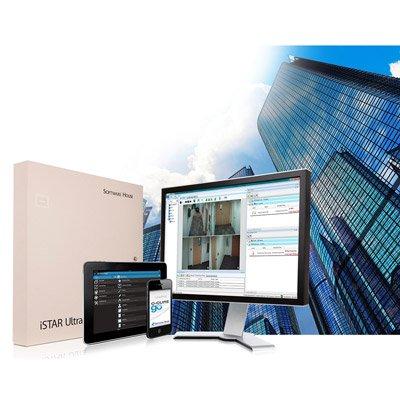
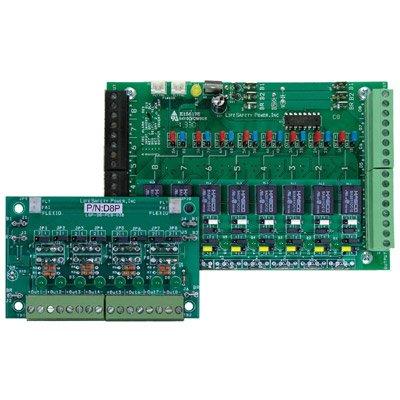

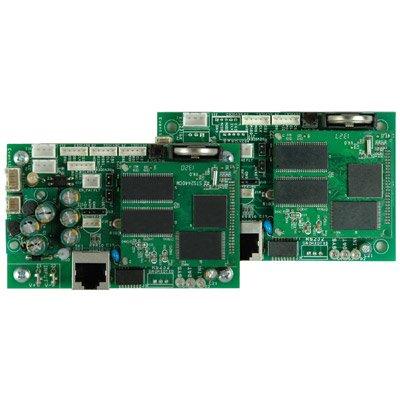


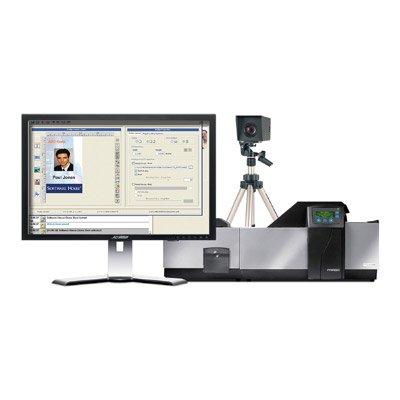
Round table discussion
The role of the integrator/installer in the physical security marketplace is shifting as technologies evolve and applications expand. Integrators are being faced with a need to augment their expertise both in a wider range of systems and deeper into the specifics of each increasingly complex technology. At the end of the day, it falls to the integrator/installer to ensure a system performs as promised, however much a consultant or even a manufacturer might be involved in the process. We asked this week’s Expert Panel Roundtable: How is the role of the security installer/integrator changing?

A multi-factor authentication is a layered approach that requires users to provide two or more verification factors, such as credentials, to gain access to data and applications. If one of the credentials is compromised, the thinking goes, an unauthorized user will still be unable to meet the second authentication requirement and will be denied access to a targeted physical space, computing device, network, or database. Cybersecurity applications have long embraced the idea of MFA, which is also now more common than ever in the physical security space. We asked this week’s Expert Panel Roundtable: How does multi-factor authentication impact the security marketplace?

Here’s a news flash: 2022 will be a pivotal year for the security industry. As we enter the new year, continuing change is a safe prediction for any fast-moving, technology-driven marketplace. Recent history confirms the ability of the security industry to shift and adapt to changing conditions and to provide an ever-expanding menu of technology solutions to make the world a safer place. Given that the new year will bring change, what will that change encompass? More to the point, what should it encompass? We asked this week’s Expert Panel Roundtable: What is the biggest change you would like to see within the security industry in 2022?