Campus security systems
A new partnership co-funded by Atos and Tech First Youth makes Futures Readiness available free of charge to up to 650,000 learners across the West Midlands. Atos, a pioneer in AI-powered digital transformation, announces a new partnership with Futures Readiness, co-funded with Tech First Youth. Futures Readiness is a holistic AI preparedness program designed to help students and staff make sense of rapid technological change. The partnership, delivered in collaboration with BMet’s D...

His Excellency Mr Hiroshi Suzuki toured the fire detection manufacturer's Gillingham headquarters as part of his visit to Medway Hochiki Europe welcomed His Excellency Mr Hiroshi Suzuki, Ambassador of Japan to the United Kingdom, to its Gillingham headquarters on Thursday 24 September 2026. The Ambassador was spending the day in Medway meeting local businesses and celebrating the area's long-standing links with Japan. He was joined by the Mayor of Medway, Naushabah Khan MP and a delegation of M...

Observation Without Limits (O.W.L.), a U.S.-based manufacturer of 2D and 3D radars for ground and low-altitude airspace surveillance applications, is proud to announce it will exhibit at the 2026 Global Security Exchange (GSX), taking place Sept. 14-16 at the Georgia World Congress Center in Atlanta, booth 3550. “During GSX 2026, O.W.L. will focus on the importance of effective, less costly drone and perimeter detection solutions for airports, data centers, utilities, water treatment plan...

Allied Universal®, the world’s pioneer security and facility services provider, announces that Charles Orgbon, Jr. has joined the company as vice president of corporate security. Orgbon will support the company’s sales and growth initiatives leveraging his law enforcement experience, industry expertise and professional relationships to identify opportunities and strengthen client engagement. He joins Allied Universal following a distinguished career with the Federal Bureau of In...

ZeroEyes, creators of the pioneering multi-analytics weapons detection and threat intelligence platform, announces a planned $10 million U.S. investment in AI/ML research and development. This includes a commitment to hiring over 100 veterans in Southeastern Pennsylvania over the next 24 months to fill the roles of Technical Program Managers (AI), MLOps Engineers, and AI Solutions Specialists. The company made the announcement at Senator Dave McCormick’s 2026 Pennsylvania Defense and Inno...
ZeroEyes, creators of the multi-analytics weapons detection and threat intelligence platform, announced today a new partnership with Academic Innovators, a solutions provider solving the programs, governance, and facilities challenges facing American higher education. The alliance enables the two companies to combine complementary strengths to help higher education institutions navigate both long-term transformation and immediate safety challenges through a referral program. Academic Innovators...
News

Amthal has been awarded a planned maintenance contract to cover Barnet and Southgate College across all its three sites, to ensure a reliable, rapid response and coordinated approach for the benefit of staff, students and visitors. Barnet and Southgate College is a large further education provider operating across three main campuses in Barnet, Southgate and Colindale. The college supports a diverse student population across academic, vocational and technical programmes, with sites that include teaching blocks, workshops, specialist learning environments and high footfall communal areas. Core operational requirement Given the scale and movement of people across the estate, maintaining robust life safety and security systems is a core operational requirement. Amthal was selected to cover the college’s intruder alarm, fire alarm, Paxton access control and IP CCTV systems across all three sites. The scope of works includes routine maintenance, system monitoring and ongoing technical support to ensure all systems remain compliant, fully operational and aligned with the college’s safeguarding and estates strategy. Coordinated maintenance planning Pritesh Dattani, Soft Facilities Manager at Barnet and Southgate College said: “Managing life safety and security systems across three busy campuses requires a joined-up approach. We consolidated maintenance under a single provider to ensure consistent performance, improved visibility and reduced fragmentation across systems and sites.” “At this scale, reliability, fast fault response and coordinated maintenance planning are essential to minimize disruption to teaching and campus activity. Having Amthal in place gives us confidence that fire, intruder, access control and CCTV systems are managed within a consistent framework, supporting safeguarding and operational continuity across the college.” Varying access requirements The complexity of the estate is reflected in the scale of the systems in place. The intruder alarm infrastructure spans 800 circuits across 10 monitored panels, providing coverage across multiple buildings and departments with varying access requirements. The fire alarm system comprises 1,569 devices connected through 15 networked panels, designed to ensure early detection and coordinated response across densely occupied learning environments. Access control is managed through 483 Paxton controlled doors, supporting controlled movement across campuses while allowing operational flexibility for staff and students. In addition, 452 IP CCTV cameras provide visual coverage across key internal and external areas, supporting safeguarding, incident review and day to day site management. Maintaining overall system integrity Amthal is now also supporting installation works delivered through the college’s contractors, helping ensure new systems integrate effectively with existing infrastructure and maintain overall system integrity as the estate develops. David Williamson, Business Development Manager at Amthal Fire & Security, added: “This contract reflects the importance of maintaining fully integrated life safety and security systems across a large multi site education environment. Our focus is on ensuring all systems are maintained in a way that supports reliability, compliance and operational continuity across the college estate. By working closely with the college and their contractors we can help ensure both existing infrastructure and new installations continue to operate as a connected and dependable system across all three campuses.”

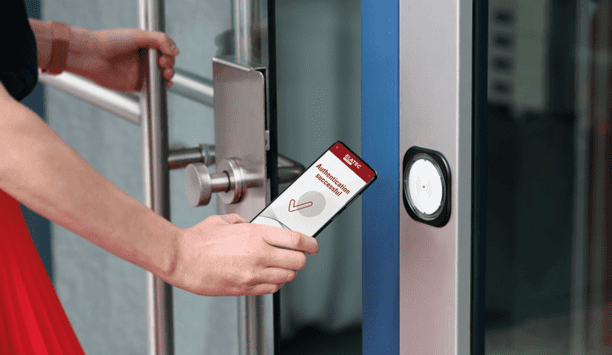
HID and Sharry have taken digital wallet-based student IDs into European higher education for the first time, delivering the capability at H-FARM College and enabling students, faculty and staff to access campus spaces using their smartphones or smartwatches. The deployment marks a significant milestone for European higher education, bringing together Sharry's smart access and workplace experience platform and HID's trusted identity solutions to deliver a seamless, digital-first campus experience. Workplace experience platform Located on the edge of the Venice lagoon in northern Italy, H-FARM College is a unique innovation ecosystem where education, startups and technology coexist on one integrated campus. Now, the institution is pushing the boundaries of how technology enhances everyday campus life. With the recent launch of Wallet-based student IDs, undergraduate and postgraduate students, faculty and staff at H-FARM College can access their campus spaces with just a tap of their phone or smartwatch – from their room to common areas and printer stations. “From the very beginning, we envisioned a campus where credentials would always be within reach, directly on a smartphone. With HID and Sharry, this vision has become a reality through a solution that is simple, secure and reliable. Student enthusiasm was evident right away: within just three minutes of receiving the notification, 70% had already activated their virtual badge - a clear sign of how much this innovation was anticipated,” said Alberto Aldrigo, CTO at H-FARM. Advancing campus technology At the core of the campus’ digital experience is the H-FARM app, available on both the App Store and Google Play. The app enables students, professionals, and visitors to explore the campus map, order and pay for food and stay up to date with events and news. The addition of wallet-based student IDs extends that experience by enabling smartphones and smartwatches to function as secure digital credentials, reflecting H-FARM's commitment to advancing campus technology and the student experience. HID’s trusted identity infrastructure provides the credential issuance layer, enabling secure digital IDs to be provisioned and managed at the campus scale. Sharry connects H-FARM’s identity management with HID’s infrastructure, acting as the middleware layer that ties the two together. With a single tap in the H-FARM app, users can add their credentials to their digital wallets. And, thanks to Sharry’s integration with a Genetec access control system, students can move across campus spaces quickly and securely, all without having to open additional apps or carrying physical badges. Higher education deployments “We are proud to join forces with HID to bring the first digital wallet experience to higher education in Europe,” said Matěj Pokorný, Head of Customer Success at Sharry. “Our collaboration with H-FARM has been nothing short of remarkable. What might have taken months was accomplished in just a few weeks, a testament to the shared vision and agility of everyone involved. H-FARM sets a new benchmark for how campuses can modernise access and identity, without compromising security. And we believe it will become a reference point for higher education deployments across Europe.” Digital wallet experience “H-FARM's deployment is a strong example of what a truly digital campus can be: secure, mobile and frictionless by design. By placing student identity at the heart of the digital wallet experience, this implementation demonstrates how modern identity and access can be delivered seamlessly across the entire campus environment,” said Dominic Bruning, Director of Strategic Alliances for Mobile, EMEA, at HID. This deployment marks a significant step toward fully digital campuses in Europe, enabling identity, access and services converge in a single mobile-first experience. It also expands the long-standing collaboration between HID and Sharry, who have previously delivered several industry firsts, including early wallet-based office access projects in the United States, European Union, and most recently Latin America.

At ISC West 2026, booth #26053, i-PRO Americas Inc., announces the first recipients of its Security Technician Scholarship Program, a workforce initiative designed to help address the growing shortage of trained technicians across the physical security industry. The program awarded scholarships to 19 Las Vegas–area participants, providing each recipient with hands-on technical training valued at approximately $4,000. Applicants were sourced through outreach to technical and vocational programs at the College of Southern Nevada, along with industry referrals. The initiative equips aspiring technicians with the practical skills needed to begin a career in physical security installation and support. Video management software Recipients participated in a blended curriculum that included online coursework followed by a four-day, hands-on training program in Las Vegas, covering the fundamentals of video technology, access control and IP networking. They also received hands-on experience configuring i-PRO cameras, AI analytics and video management software. “The security industry is facing a technician shortage as the workforce retires, and many integrators don’t have the time or resources to train new hires from the ground up,” said Adrian Voorkamp, Director of Learning at i-PRO Americas. “This program was created to help bridge that gap. We’re giving new technicians the foundational skills needed before they even step onto a job site, helping integrators shorten onboarding.” i-PRO also invited recipients to attend ISC West, giving them a first-hand look at the security industry and opportunities to connect with integrators.

AlarMax, a national distributor of security, fire, access control, surveillance, and AV solutions, today announced the appointment of Mark Benedetti as Chief Financial Officer. Benedetti brings more than 20 years of experience in corporate finance, accounting, and strategic operations, with a track record of leading high-performing teams, supporting large-scale growth initiatives, and driving financial discipline across complex organizations. Corporate growth initiatives Most recently, Benedetti served as Vice President of Accounting & Finance at Hines Furlong Line, where he led a 19-person finance organization and played a key role in corporate growth initiatives, including the planning and integration of acquisitions totalling more than $300 million. Throughout his career, Benedetti has partnered with executive leadership and boards of directors to deliver financial insights, manage capital strategies, and implement systems that improve visibility, efficiency, and decision-making across the business. He will partner with President Scott Shelander and the executive leadership team to align financial strategy with AlarMax’s continued national expansion. People-first approach “Mark brings a rare combination of financial rigor, operational insight, and leadership experience,” said Scott Shelander, President of AlarMax. “He understands how to build and scale finance functions that support real growth, and his experience working alongside executive teams and boards will be invaluable as we continue to expand.” Benedetti’s appointment reflects AlarMax’s continued investment in leadership as part of a broader effort to strengthen its foundation for long-term growth. “AlarMax is a company with a strong foundation and a clear vision for the future,” said Benedetti. “I’m excited to join the team at such a pivotal time and to help support continued growth, innovation, and long-term success.” Benedetti is a Certified Public Accountant in the state of Pennsylvania and holds a degree in Business Administration with a concentration in Accounting and Information Systems from Geneva College. With 27 branch locations nationwide and relationships with more than 400 manufacturers, AlarMax continues to expand its reach and capabilities while maintaining its people-first approach.
Securitas North America announced the release of a new Security Connected webcast/podcast episode, Leading Campus Security at Scale, exploring how higher education institutions are rethinking security in response to increasing complexity across campus environments. Education security portfolios Hosted by Ahlilah Longmire, Head of Brand Communications & Public Relations at Securitas North America, the episode features Christopher Connolly, Area Vice President overseeing one of the most complex higher education security portfolios in the United States. The conversation provides a leadership-level perspective on how universities can move beyond compliance-based approaches to build proactive, intelligence-informed security programs grounded in trust, resilience, and human judgment. Adopting integrating strategies As universities navigate evolving risks, including targeted violence, large-scale protests, mental health considerations, and decentralized campus operations, the episode highlights a critical shift in how security is defined and delivered. Rather than relying solely on traditional models such as patrols and access control, institutions are increasingly adopting integrated strategies that combine risk intelligence, specialized training, and cross-functional leadership alignment. Campus security framework “Campus security today is far more complex than it was even a few years ago,” said Christopher Connolly. “The most effective programs are those that move beyond reactive measures and focus on identifying risk early, strengthening communication, and building trust across the entire campus community.” Throughout the discussion, Connolly outlines the key elements of a modern campus security framework, including proactive risk assessment, leadership engagement, and the importance of fostering a culture where students, faculty, and staff feel empowered to report concerns. The episode also explores how tools such as mobile and remote guarding, combined with intelligence-led insights, can act as force multipliers across large, decentralized university environments. Community centered security A central theme of the conversation is the role of people, particularly the importance of specialized officer training in higher education settings. From de-escalation and student interaction to regulatory awareness and crisis response, the episode underscores how human expertise remains essential in delivering effective, community-centered security. Availability Leading Campus Security at Scale is now available on Security Connected across Spotify, Apple Podcasts, YouTube, and securitasinc.com, continuing Securitas North America’s commitment to delivering executive-level insights on how organizations can adapt security strategies to help meet evolving risk landscapes.
ZeroEyes, the creators of the first AI-based gun detection video analytics platform to earn the full US Department of Homeland Security SAFETY Act Designation, announced an expansion of its AI gun detection and intelligent situational awareness platform deployment at New Mexico Junior College (NMJC). Building on three years of successful ZeroEyes operation, NMJC extended its coverage area to increase protection against gun-related violence. Institution details New Mexico Junior College serves approximately 2,400 students and employs 300 faculty and staff as a comprehensive, independent two-year institution in Hobbs, New Mexico. Located in a rural region with nearly 50,000 residents, the college plays a vital role in supporting workforce development, public safety, and community advancement. Celebrating its 60-year anniversary in 2025, NMJC continues to promote success through learning, guided by its core values of access, responsiveness, effectiveness, and excellence. ZeroEyes complements the college’s multilayered security approach, which also includes access control systems, close coordination with local law enforcement, and more. ZeroEyes implementation “Since its implementation, non-lethal, real-time alerts from ZeroEyes for items such as toy guns or training equipment during academy exercises have reassured us of our proactive approach to maintaining a secure, student-centered campus environment,” said Dennis Kelly, Director of Public Safety Programs at New Mexico Junior College. “Public safety is deeply embedded in our student-centered, community-focused mission at New Mexico Junior College, and ZeroEyes helps us achieve that.” About software ZeroEyes' AI gun detection and intelligent situational awareness software layers onto existing digital security cameras. If a gun is identified, images are instantly shared with the ZeroEyes Operations Center (ZOC), the industry's only U.S.-based, fully in-house operation center, which is staffed 24/7/365 by specially trained U.S. military and law enforcement veterans. If these experts determine the threat is valid, they dispatch alerts and actionable intelligence — including visual description, gun type, and last known location — to law enforcement and local security teams as quickly as 3 to 5 seconds from detection. “We are thrilled to expand the deployment with New Mexico Junior College,” said Mike Lahiff, CEO and co-founder of ZeroEyes. “This expansion reinforces our shared commitment to keeping students, faculty, and staff safe while supporting NMJC’s mission of fostering learning, public safety, and workforce readiness.”

Expert commentary

Access control solutions will continue their evolution in 2025 as organizations assess and adapt to dynamic and increasingly dangerous threats. Trends to watch include the growing adoption of mobile access credentials and digital IDs, and the integration of digital and physical security and other technologies. Other ongoing trends include the integration of AI into access control solutions and the increasing adoption of contactless biometrics for enhanced convenience. New access control innovations As these trends gather momentum, they highlight the pivotal role access control systems play in combining security and convenience, every hour of every day. Organizations must strike the ideal balance between a secure environment and satisfying user experience if they are to meet increasingly vocal demands for both. Achieving this balance not only delivers the expected user experience but also delivers multi-layered threat protection while introducing exciting new access control innovations. Digital technologies and open standards Modern access control solutions deliver a faster pace of innovation and dramatically improved capabilities Modern access control solutions deliver a faster pace of innovation and dramatically improved capabilities as compared to what was possible in the past. The primary objective is no longer simply to secure places and assets so they are beyond the reach of the wrong people. Now it also must be as easy as possible for authorized individuals to enter a building or access digital assets. Mobile access credentials and digital IDs are increasingly a preferred solution for achieving this seamless and convenient access experience. Technology convergence is happening at a rapid pace and this convergence makes it possible to integrate digital and physical security with real-time location systems and other technologies. Together, these converged technologies provide multi-layered protection against both cyber and physical threats while also enabling valuable new capabilities. 2024 State of Physical Access Control Report As AI is increasingly incorporated into access-control solutions, we will see even more powerful ways to leverage access control data for analytics use cases. Almost 40% of respondents to our 2024 State of Physical Access Control Report said they were looking to do this. Equally consequential is the rise of fast, frictionless and easy contactless biometrics solutions in a wide range of applications including healthcare, where 32% of respondents to our recent 2024 State of Healthcare Security Report said their facilities have already implemented this technology for authentication. Looking at the broader marketplace, nearly one in four (23%) respondents to our 2024 State of Physical Access Control Report cited biometrics when asked to “name the top three trends shaping the wider access control industry in the near future.” Evolution of access control solutions As access control solutions become increasingly central to secure and convenient daily life, these and other trends will have an ongoing impact on all market sectors from healthcare and banking to the corporate real estate enterprise and business and college campuses. At the same time, those responsible for a facility’s digital and physical assets know that these trends – and security in general – will never be a static proposition. The only constant is change. Threats will never stop evolving, and those tasked with protecting organizations against these threats must never stand still. The evolution of access control solutions that we saw during 2024 will continue through 2025 and beyond, and organizations will need to remain thorough and vigilant as they address today’s ever-expanding attack surfaces and ever-evolving attack schemes.

For K12 education pioneers, embarking on a journey to upgrade security controls can present a myriad of questions about finding the best-fit solutions and overcoming funding hurdles. A majority of public-school districts today are faced with outdated infrastructure and security controls, requiring necessary upgrades. By addressing these concerns head on, schools will ensure a safer environment for both students and staff, mitigating risks posed by unforeseen physical and digital threats. Common K12 security pain points There’s no one-size-fits-all solution in school district security. School districts may have big plans to implement upgraded security systems but to set out on the right foot, pioneers must have a clear vision of their long-term strategy. When embarking on their security journey, education pioneers often wonder where to start and what exact steps are they need to be taking to identify and address weaknesses. Local K12 and government pioneers are promoting and mandating security assessments to uncover safety gaps on campuses and mitigate these risks with advanced technology solutions. Not only do assessments provide detailed, customizable roadmaps for district pioneers, but they also recommend technologies and funding opportunities to help close threat gaps. K12 school districts are mainly vulnerable to cyber-attacks due to the sensitive nature of student records In today’s climate, schools face a growing number of physical and digital security threats. From a cybersecurity standpoint, K12 school districts are particularly vulnerable to cyber-attacks due to the sensitive nature of student records. However, only one-third of these districts have adequate staffing to address threats effectively. In addition, according to a recent survey from Johnson Controls and Forrester Consulting, security decision-makers are having trouble receiving actionable insights. Nearly two-thirds of respondents said that they struggle to receive information from all necessary systems regarding their security threats. To gain more clarity into what school districts need in terms of security tools and threat mitigation, implementing system-wide monitoring and optimization can be invaluable. This approach enhances equipment and operational efficiency, while providing necessary resources and expertise for critical patch updates across all systems, strengthening their overall security posture. Achieving a well-rounded security program In the past few years, AI technology has emerged as a trending solution and is generating considerable attention. While the allure of implementing cutting-edge technologies is undeniable, it’s important to recognize that a robust security program hinges on solid access control. Access control technology provides administrators with the means to oversee and regulate entry into facilities, serving as the foundation for basic physical security. The technology helps administrators and staff control access to multiple areas from web-enabled devices, even during lockdowns which is crucial in emergency situations. School district pioneers should utilize available digital risk assessment tools to uncover threat areas Once basic security controls are in place, school districts must address their next set of security pain points and identify which solutions meet their specific needs. This involves identifying and prioritizing the highest need and most cost-effective investments that will have the greatest impact on enhancing security measures. To accurately determine which security solutions are needed for a specific environment, school district pioneers should utilize available digital risk assessment tools to uncover threat areas and determine levels of priority. By focusing on these priority areas, districts can allocate their resources and efforts where they are needed most, ensuring maximum effectiveness in mitigating risks and vulnerabilities. Securing funding before approaching deadlines A major challenge for school districts surrounding campus security is identifying and securing the necessary funding to implement solutions aligned with their goals. Leveraging available funding sources is critical, especially considering certain programs are approaching their deadline, like the Elementary and Secondary School Emergency Relief (ESSER) fund. Announced during the pandemic, ESSER is a funding program that has allocated nearly $190 billion in aid to U.S. public school districts to fund projects benefitting the well-being of occupants. Notable ESSER funding deadlines to keep in mind as the clock winds down include September 30, 2024 Notable ESSER funding deadlines to keep in mind as the clock winds down include September 30, 2024, when schools must attribute all of their funds to assigned contracts. Following this date, pioneers will need to complete all ESSER spending by January 2025 unless approved for an extension into March 2025. As ESSER wanes, school districts are acutely aware of the fiscal cliff in budgets through 2025. However, many states are ramping up grant funding to close the deficit gap. Administrators should become familiar with these grant opportunities at a local and state level. Get started on security plans The time for school district pioneers to act is now. While the safety and well-being of students and staff are always top priorities, it’s crucial to acknowledge that a lack of insight into necessary security upgrades and available funding options will leave districts behind the curve. Seizing the final months of ESSER funding presents an ideal window to address security pain points and build a safer future for K12 facilities. Looking beyond ESSER, pioneers must proactively seek out and leverage other funding avenues to help ensure the continuity of their security efforts and maintain a proactive stance in safeguarding healthy and safe educational environments.

Educational institutions worldwide increasingly rely on robust wireless networks to enhance academic pursuits, safety measures, and operational efficiency. The campus environment, a complex network of interconnected buildings, and the humans navigating them require innovative technologies to meet these diverse needs. The solution lies in a new wireless protocol that provides an ideal fit for the long-range, low-power connectivity requirements of educational campuses: Wi-Fi-certified HaLow. Wi-Fi HaLow: Wi-Fi HaLow, a new Wi-Fi certification released by the Wi-Fi Alliance in November 2021 and incorporating the IEEE 802.11ah standard, is optimized for the unique requirements of Internet of Things (IoT) applications. Wi-Fi HaLow provides a reliable and robust wireless solution that overcomes the trade-offs Its combination of long-range connectivity, low power consumption, advanced Wi-Fi CERTIFIED WPA3 security features, and the ability to connect more than 8,000 devices from a single access point makes the protocol a game changer for campus environments. Wi-Fi HaLow provides a reliable and robust wireless solution that overcomes the trade-offs between range and speed that limit the effectiveness of conventional Wi-Fi in the 2.4, 5, and 6 GHz frequency bands for campus applications. Robust, secure connections for access control Operating at sub-GHz frequencies, the Wi-Fi HaLow protocol's unparalleled ability to penetrate physical barriers and its advanced security features make it an ideal wireless technology for supporting access control systems throughout campuses. Credential systems for students, badge scanners, cameras, and dormitory door locks can work efficiently and securely in hard-to-reach locations, providing an interconnected and safe environment for the campus community. Enhancing safety through improved connectivity Body-worn cameras used by public safety officers can remain connected to the wireless local-area network The low-power and long-range attributes of Wi-Fi HaLow can play a significant role in strengthening campus safety systems. Body-worn cameras used by public safety officers can remain connected to the wireless local-area network (WLAN) or mobile router in their patrol vehicles even at a long distance, reducing the need to consume cellular data. Wi-Fi HaLow enables the development of robust wireless networks that can reliably support campus-wide, two-way video intercoms, potentially enhancing response times and safety measures. Streamlining outdoor equipment automation Outdoor equipment automation, such as irrigation systems, smart lighting, and robotic lawnmowers, can leverage Wi-Fi HaLow's power efficiency, and long-range and expansive coverage. Automation of these systems with such efficient wireless connectivity can lead to significant energy savings, improved productivity, and reduced operational costs. Delivering superior speed and range 8 MHz capable device using 64 QAM modulation can transmit at speeds of up to 32 megabits per second A Wi-Fi HaLow network shatters the traditional tradeoff of wireless communications between speed and range. A single-stream, 8 MHz capable device using 64 QAM modulation can transmit at speeds of up to 32 megabits per second at sub-GHz frequencies, enabling live streaming on large screens, connecting multiple real-time AI edge cameras, as well as thousands of low-power IoT devices, all connected without compromising on range. Wi-Fi HaLow signals can extend beyond 1 kilometer, up to 10 times farther than traditional forms of Wi-Fi in the 2.4, 5, and 6 GHz frequency bands, and are capable of connecting far-flung devices and systems across campus environments. Setting a new standard for campus connectivity By addressing the connectivity needs of modern campuses, Wi-Fi HaLow paves the way for future campus applications. As we navigate the digital era, Wi-Fi HaLow presents a compelling solution that significantly enhances connectivity, safety, and efficiency. This leap in wireless capabilities isn’t merely incremental; it represents a transformative stride toward a smarter, more connected future. Wide-reaching wireless network Educational institutions can leverage Wi-Fi HaLow to create safer, more efficient, and interconnected campus environments. By providing a robust, reliable, and wide-reaching wireless network, Wi-Fi HaLow enables campuses everywhere to fulfill their diverse connectivity needs without compromise.
Security beat

Companies at GSX 2023 emphasized new ways that technologies such as artificial intelligence (AI) and the cloud can address long-standing issues in the security market. Among the exhibitors at the event in Dallas were companies seeking creative ways to apply technology, lower costs, and make the world a safer place. Reflecting on the exhibition, here are some additional takeaways. Expanding AI at the edge i-PRO is a company reflecting the continued expansion of edge AI capability in the security market. Today, more than half of the company’s lineup supports AI at the edge so the customer has a wide choice of form factors when seeking to leverage the feature set. AI processing relay, extended warranty i-PRO is increasing their warranty period from 5 to 7 years, which could be a lifetime warranty in some cases I-PRO also has an “AI processing relay” device that accepts non-AI video streams and applies edge analytics. AI has progressed from a high-end technology to a feature available in a variety of cameras at different price points. i-PRO is also increasing its warranty period from 5 to 7 years, which could be a lifetime warranty in some cases depending on a customer’s refresh schedule and lifecycle management. Active Guard, MonitorCast The company’s video management system (Video Insight) is continuing to build new features including “Active Guard,” an integrated metadata sorter. Their access control platform, MonitorCast, is a Mercury-based solution that is tightly integrated with Video Insight. Their embedded recorders now have PoE built in. “We can move at a faster pace to fill out our product line since leaving Panasonic,” says Adam Lowenstein, Director of Product Management. “We can focus our business on adapting to the market.” Emphasis on retail and other verticals Shoplifting is a timely issue, and retail is a vertical market that got a lot of attention at GSX 2023. “We see a lot of retailers who are primarily interested in protecting employee safety, but also assets,” says Brandon Davito, Verkada’s SVP of Product and Operations. “Shrinkage is a CEO-level priority.” “Retailers are getting more engaged with security posture, instead of letting perpetrators walk,” Davito adds. Intrusion detection Verkada has an intrusion product that will notify a central station if there is an alarm On the alarm side, Verkada has an intrusion product that will notify a central station if there is an alarm, and operators can review videos to confirm the alarm. Other capabilities seeking to discourage trespassers include sirens, strobes, and “talkdown” capabilities. International expansion Verkada continues to expand internationally with 16 offices in all, including Sydney, Tokyo, and London. The core value proposition is to enable customers to manage their onsite infrastructure more simply, including new elements such as PTZ cameras, intercoms, and visitor management. Verkada emphasizes ease of use, including a mobile application to allow access to be managed across the user base. Forging partnerships “We are committed to the channel and industry, and we continue to build relationships and expand our reach,” says Davito. Among the industry relationships is a new partnership with Convergint, which was hinted at during the show and announced later the same day. They are also expanding their partnerships with Schlage, Allegion, and ASSA ABLOY. Working with other verticals They offer new features for K -12 schools, and a new alarm platform is easier to deploy and manage Verkada has also found success across multiple other verticals, notably healthcare, where they integrate with an electronic medical records system. They offer new features for K-12 schools, and a new alarm platform is easier to deploy and manage. They are integrating wireless locks to secure interior doors in schools, looking to secure the perimeter, and installing guest management systems. Transitioning the Mid-Market to the Cloud Salient is squarely focused on the “mid-market,” a large swath of systems somewhere between small businesses and enterprise-level systems. Pure cloud systems are not as attractive to this market, which has a built-out infrastructure of on-premise systems. Adding a camera to an existing system is easier and less expensive than tying it to the cloud. Benefits of cloud It’s a market that may not be ready for pure cloud, but there are benefits to be realized from adding a cloud element to existing systems. “We are continuing to augment our premise-based solutions with added cloud capabilities and flexibility,” says Sanjay Challa, Salient’s Chief Product Officer. The feedback Salient hears from their customers is “I want to own my data.” The hybrid cloud approach offers the right mix of control, flexibility, and unit economics. Cloud add-on capabilities We want to provide the flexibility for customers to go full-cloud as it becomes more economically attractive" Cloud add-on capabilities include bringing more intelligence about system operation to the user via the cloud. Over time, Salient expects to sell more cloud-centric offerings based on feedback from integrators and customers. “We want to provide the flexibility for customers to go full-cloud as it becomes more economically attractive over time,” says Challa. Vaidio AI technology Salient seeks to be a transition pioneer to help customers realize the path to the cloud. Their approach is “crawl, walk, run,” and helping customers make the transition at each stage. Salient has added AI to its product offering, incorporating Vaidio AI technology from IronYun into a powerful suite and broad array of on-premise analytics, which are gaining traction. The seamless approach makes it easy for customers to embrace AI analytics, although Salient remains broadly committed to open systems. Addressing ‘Soft’ Features for Integrators AMAG is in the process of enhancing its product line with the next generation of access control panels. However, “product” is just part of the new developments at AMAG. In addition to “hard” features (such as products), the company is looking to improve its “soft” features, too; that is, how they work with the integrator channel. Integrator channel Rebuilding a process to make your organization more efficient, is relatively easy; it just takes a lot of persistence" “We have the depth of our legacy customer base we can learn from, we just need to close the feedback loop quicker,” says Kyle Gordon, AMAG’s Executive Vice President of Global Sales, Marketing, and commercial Excellence, who acknowledges the value of reinstating face-to-face meetings after COVID. “We are laser-focused on nurturing our integrator channel,” he says. “Developing new features takes time, but rebuilding a process to make your organization more efficient, that’s relatively easy; it just takes a lot of persistence,” says Gordon. More cohesive internal communication is another useful tool, he says. Disrupting the cloud based on price Wasabi is working to make cloud applications less expensive by offering a “disruptive” price on cloud storage, $6.99 per terabyte per month (80% less than hyperscalers). Contending “hyperscalers” like AWS are charging too much for cloud storage, Wasabi is using its own intellectual property and server equipment co-located in data centers around the world. Wasabi sells “hot cloud storage,” which refers to the fact that they only have one tier of storage and data is always accessible. In contrast, a company such as AWS might charge an “egress fee” for access to data stored in a “colder” tier. Cloud storage “We saw that several video surveillance companies had not yet adopted cloud storage, and we saw an opportunity to make it easy to use,” said Drew Schlussel, Wasabi’s Senior Director of Product Marketing. “We just install a little bit of software that allows them to store data in the cloud and bring it back from the cloud.” Performance, protection (cybersecurity), and price Wasabi works with integrators, resellers, and distributors and also integrates with VMS companies Wasabi works with integrators, resellers, and distributors and also integrates with VMS companies such as Genetec and Milestone. Emphasizing performance, protection (cybersecurity), and price, their data centers are certified to SOC 2 and ISO 27001 standards. Faster throughput for weapons detection Xtract One is a young company focusing on weapons detection in a time of accelerated concern about gun issues post-COVID. Founded in Canada and based on technology developed at McMaster University, Xtract One has found a niche in providing weapons detection at stadiums and arenas. These customers already have budgets, and it is easy to shift the money to a newer, faster technology. Madison Square Garden in New York City is among its customers. Cost savings solution Xtract One can increase throughput to 30 to 50 people per entrance per minute (compared to 5 to 6 people per minute when using metal detectors). The solution doesn’t require anyone to empty their pockets and the system alarms on items beyond guns and knives. Using Xtract One allows customers to reduce the number of screening lanes and security staff, providing additional cost savings, all while getting fans through the screening process in half the time. Purpose-built sensors The system uses purpose-built sensors looking for specific characteristics, such as reflective and density properties In addition to stadiums and arenas, Xtract One, formerly Patriot One, is also getting “inbound” interest from schools, hospitals, manufacturers, and other verticals that makeup 50% of their business. “We’re on a rocket ride, mainly because the weapons issues are not going away,” says Peter Evans, CEO and Director at Xtract One. The system uses purpose-built sensors looking for specific characteristics, such as reflective and density properties, all correlated by an AI engine. Providing early warning of violence ZeroEyes is another company focused on weapons detection. Their AI gun detection system works with video images to identify if someone is “brandishing” (carrying) a weapon. In other words, the system does not detect concealed weapons. Identifying someone carrying a weapon provides early warning of a possible violent act. Increased response with AI-enables images Images are identified by AI and sent to a monitoring center where a human confirms the image before contacting first responders. Knowing the location of a shooter enables staff to lock entry points, move people to safety, and direct first responders. The company was founded to leverage existing camera views to stop mass shootings and gun violence by reducing response times.

Casinos offer several attractive applications for LiDAR, including security and business intelligence. Using laser sensors, the technology can replace the use of surveillance cameras. For casino security, LiDAR can track player movement and provides complete coverage and accuracy that have not been achievable by surveillance cameras. Massive coverage areas can save on costs of sensor deployment versus other technologies. LiDAR and its applications LiDAR is a method for determining ranges by targeting an object with a laser and measuring the time for the reflected light to return to the receiver. LiDAR sensors emit pulsed light waves into a surrounding environment, and the pulses bounce off surrounding objects and return to the sensor. The sensor uses the time it took for each pulse to return to the sensor to calculate the distance it traveled. LiDAR is commonly used in markets such as robotics, terrestrial mapping, autonomous vehicles, and Industrial IoT (Internet of Things). Today, casinos offer a lucrative emerging market for technology. LiDAR tracking enables casino operators to understand the guest path, journey, queue time, count Crowd management LiDAR can contribute to a casino’s guest experience by counting people at doors or in sections of the gaming floor to provide intelligence about crowd size to track occupancy. LiDAR tracking enables casino operators to understand the guest path, journey, queue time, count, and other statistical information by comparing previous time frames to current occupancy levels. This approach allows them to understand digital media advertisement and experience placement. Aid in advertisement “Inside a casino, sensors are deployed like surveillance cameras,” says Gerald Becker, VP of Market Development & Alliances, Quanergy. “But instead of security, they are used to provide anonymous tracking of all people walking through the gaming floor. We can get centimeter-level accuracy of location, direction, and speed of the guests. With this data, we can access the guest journey from the path, dwell count, and several other analytics that provides intelligence to operations and marketing to make better decisions on product placement or advertisement.” Quanergy Quanergy is a U.S.-based company that manufactures its hardware in the USA and develops its 3D perception software in-house. Quanergy has various integrations to third-party technology platforms such as video management systems (VMSs) in security and analytics for operational and business intelligence. Perimeter security Sensors can be mounted to a hotel to monitor for potential objects being thrown off the hotel LiDAR is deployed in both exterior and interior applications. For the exterior of a casino or resort, sensors can be mounted to a hotel to monitor for potential objects being thrown off the hotel, or people in areas where they should not be. For example, they can sense and prevent entrance to rooftops or private areas that are not open to the public. Some clients install sensors throughout the perimeter of private property to safeguard executives and/or a VIP’s place of residence. Flow tracking and queuing capabilities Tracking crowd size can initiate digital signage or other digital experiences throughout the property to route guests to other destinations at the property. It can also help with queue analysis at the reservation/check-in desk or other areas where guests line up to tell operations to open another line to maintain the flow of guests passing. Flow tracking and queuing capabilities help casino operators to understand which games groups of customers frequent and allow for the optimization of customer routing for increased interaction and playtime on the casino floor, quickly impacting the financial performance and return of the casino. No privacy concerns LiDAR provides a point cloud; its millions of little points in a 3D space create the silhouettes of moving or fixed objects The main hurdle right now is market adoption. LiDAR is an emerging technology that is not so widely known for these new use cases, says Becker. “It will take a little bit of time to educate the market on the vast capabilities that can now be realized in 3D beyond traditional IoT sensors that are available now,” he comments. One benefit of LiDAR is that it poses no risk of personally identifiable information (PII) and therefore no privacy concerns. No PII is captured with the technology. Cameras can capture images and transmit them over the network to other applications. However, LiDAR provides a point cloud; its millions of little points in a 3D space create the silhouettes of moving or fixed objects. IoT security strategy There is a lot of interest from surveillance and security to include marketing and operations, says Becker. “LiDAR will become a part of the IoT security strategy for countless casinos soon. It will be common practice to see LiDAR sensors deployed to augment existing security systems and provide more coverage.” Also, the intelligence gained with the accuracy of tracking guests anonymously provides peace of mind to the visitors that they are not being singled out or uniquely tracked but provides valuable data to the casinos that they have not been able to capture before. “This will help them maximize their operations and strategy for years to come,” says Becker.
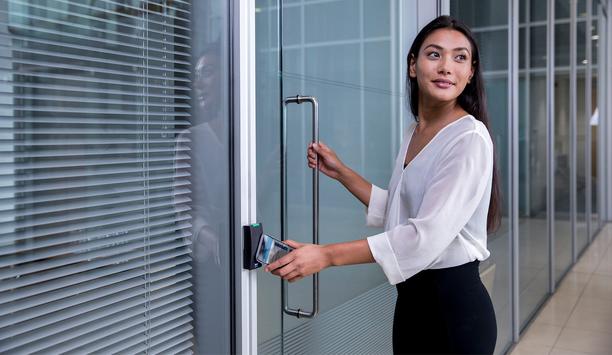
It’s been almost exactly a decade since HID Global launched the world's first university pilot of smartphones carrying secure mobile IDs. A lot has changed in the following 10 years. Today’s technology has matured, advanced, and proliferated across a variety of high-value use cases. To catch up on the latest developments in mobile access, we contacted Luc Merredew, Product Marketing Director, Physical Access Control, at HID Global. Q: What has changed since the first pilot implementation of smartphones used for secure mobile identification? Merredew: One of the biggest milestones several years ago was when mobile access solutions achieved certification to the ISO 27001:2013 Information Security Management System (ISMS) standard. With increasing awareness of cloud-based security threats and resulting high expectations from a solution, today’s system owners, operators, and users insist on companies being able to demonstrate that they have had their services vetted by independent laboratories and/or agencies. When adopting mobile access solutions that maximize convenience and efficiency, and deliver dramatically improved user experiences, it is neither necessary nor acceptable to compromise security in either the physical or digital domains. Q: Do universities continue to be the biggest users? Mobile IDs on devices eliminate person-to-person credentials when accessing secured areas Merredew: The use cases have grown dramatically, spread evenly across all types of organizations in locations ranging from high-rise buildings to multi-campus global enterprises. But yes, universities continue to be big adopters, and they were among those most eager to leverage the technology so they could bring people back to campus in person during the pandemic. In this environment, mobile IDs on smartphones and other devices eliminate person-to-person credential (e.g., badge or ID card) issuance or revocation, as well as the need to physically touch cards, readers, or keypads when accessing secured areas. Q: How were mobile IDs employed by your customers as they brought people back to physical locations after the pandemic shutdown? Merredew: One example is Vanderbilt University, where the challenges of COVID-19 brought renewed attention to the importance of a modern system for identity management and access control that was compatible with Near Field Communication (NFC) and Bluetooth technologies. Members of the campus community could more conveniently access buildings and services with their mobile devices, and the university could efficiently provision and de-provision credentials remotely without person-to-person contact. More recently, Vanderbilt leveraged HID Mobile Access® to deploy campus IDs on iPhone and Apple Watch through Apple Wallet. Q: Is there another example outside the university vertical? Merredew: Another example is the iconic tower Arcos Bosques Torre 1 in Mexico City, where the owners and tenants enjoy the simplicity of using their trusted mobile devices to seamlessly access their spaces. As with the Vanderbilt deployment, the drive for operational efficiency and convenience in the tower was combined with a desire to minimize the need for users to come in physical contact with the system. Having a solution like HID Mobile Access that delivers touchless entry and increased safety and security is important. Q: What have been the biggest mobile access advancements? The mobile credential provides contactless, seamless access to a wide range of devices and services Merredew: One of the most important advancements was simplifying upgrade paths to mobile access. In the Vanderbilt example, our HID Reader Manager was used to upgrade the firmware on the university’s physical access control readers and extend support for NFC-based credentials in Apple Wallet. The university uses the HID Origo™ Mobile Identities API integrated with CS Gold®, a higher education transaction system from CBORD, for credential lifecycle management. Another significant enhancement has been the expanded range of uses cases for the mobile credential, going beyond simply opening doors to include providing contactless, seamless access to a wide range of devices and services such as time-and-attendance terminals, cashless vending machines, printers, computers, workstations, and many other applications. Q: Wearables are also having an impact. Merredew: Contactless mobile experiences are also delivered through wearable wristbands. One example is the Nymi band which, once authenticated, continuously authenticates the identity of the user until it’s removed from the wrist. This delivers zero-trust security principles and access control using convenient fingerprint and heartbeat biometrics to users seeking touchless authentication. Q: What is the impact of the cloud? Merredew: The move to a cloud-based system to issue and manage mobile identity credentials has unified, automated, and simplified identity issuance at a single facility or across any number of distributed office or remote work locations. Q: What should end users look for in a mobile access solution? Look for solutions that use a secure element in the reader as well as cloud certificates, to ensure security and data privacy Merredew: Solutions should support the largest possible number of popular mobile devices – in HID’s case, this includes more than 250. Look for solutions that use a secure element in the reader, and a secure key management process, as well as cloud certificates, to ensure both security and data privacy. Make sure the solution supports Bluetooth Low Energy (BLE), Near Field Communication (NFC), and both iOS and Android operating systems. Solutions that provide Application Programming Interface (API) and Software Development Kit (SDK) support offer direct access to the solution’s access control hardware, speeding deployment while enabling integration partners to continue innovating products that deliver even better user experiences. Q: Wonder what this market will look like in 10 more years. What’s next for mobile access? Merredew: Future innovations are on the horizon with technologies such as Ultra-Wideband (UWB) wireless connectivity, which HID expects will become ubiquitous on mobile devices. It provides unprecedented accuracy and security when measuring the distance or determining the relative position of a target. It is not HID’s expectation that UWB will replace Near Field Communication (NFC) or Bluetooth, but rather supplement Bluetooth and other technologies to provide the assurance, reliability, and granularity of device position that enables truly seamless experiences.
Case studies

Bournemouth and Poole College, the largest provider of further education and apprenticeships in the Dorset area, has installed Hochiki's ESP addressable fire detection range across its four-storey site, protecting a diverse mix of teaching environments including IT suites, kitchens, workshops and engineering bays. The installation was specified and delivered by SFA Fire and Security, working closely with the college to design a system capable of handling the varied fire risks found across further education provision. Subjects such as catering, automotive maintenance, construction and engineering carry a higher risk of nuisance alarms from dust and fumes, while IT and digital media spaces rely heavily on electrical equipment. A tailored approach was needed to protect the site without interrupting learning. Protecting valuable teaching time ESP's common mounting base allowed SFA's installers to work through the site using a single standard base across most devices, reducing the range of parts held on site and helping installation stay on schedule despite the complexity of the building. In kitchens and workshops, LPCB and VdS approved heat sensors were used to distinguish genuine fire risk from cooking activity and dust, reducing false alarms and protecting valuable teaching time. ESP's textual identifier gives staff the exact location of an activated device, supporting fast and accurate evacuation decisions in a large site with high footfall. Wall-mounted VADs, certified to EN 54-23, added audio and visual alerts throughout the college, ensuring alarms reach staff and students regardless of location or impairment. Where cabling access was limited by drop beams, wireless technology was integrated onto the ESP loop, avoiding extensive drilling and preserving the building's original structure. Successful projects together Naomi Fell, Projects Director at SFA Fire and Security, said: "This project presented numerous challenges due to the complexity of each room and storey within the college. Our extensive experience with Hochiki's products, combined with the consistently positive feedback from our end-users, made Hochiki the clear choice for this project. We met the college's stringent deadlines with minimal disruption to teaching and learning." Ryan Baulcomb, Regional Sales Manager at Hochiki, added: "Hochiki and SFA have a strong, long-term partnership, built on years of successful projects together. This installation shows what that partnership can deliver on a genuinely complex site. We're proud that our products continue to give installers and end-users the reliability and support they expect." Bournemouth and Poole College now benefit from a fire detection system tailored to the specific demands of each corridor, room and storey across the site, with the flexibility to adapt as the college continues to grow.

Verkada, a pioneer in physical security and operations, announces that the Miami Dolphins and Hard Rock Stadium adopted its platform to enhance fan safety and security. Hard Rock Stadium's new Verkada deployment unifies video security, access control, guest management, intercoms and alarms into a single, cloud-based platform that enables its team to streamline security operations at the scale and speed that the 65,585-seat venue demands. "As a world-class venue hosting global events year-round, we prioritise solutions that align with the scale and pace of our operations," said Sameer Istafa, Chief Technology Officer for the Miami Dolphins and Hard Rock Stadium. "Verkada's unified platform provides a seamless, connected operating environment that supports our focus on delivering a consistent, elevated experience for our fans at every event." Resource-intensive maintenance costs Verkada's unified platform gives Hard Rock Stadium's team: Faster response during high-pressure moments. Activity-based detection and intelligent alerts provide teams with greater visibility into activity across Hard Rock Stadium, enabling faster, more informed responses when needed. Proactive perimeter coverage. Advanced detection tools enable Hard Rock Stadium to take a proactive approach to monitoring the stadium's exterior and surrounding areas, flagging unusual activity before it escalates. Streamlined access across a large campus. Verkada's cloud-managed access credentials replace physical keys and disconnected badge systems. With all door events logged, Verkada's platform can flag anomalies. Flexibility across a wide range of events. In addition to the Miami Dolphins, Hard Rock Stadium hosts college football games, concerts, and other global events – and each event has a different footprint and different security needs. Verkada enables the Hard Rock Stadium team to tailor protocols event-by-event without new infrastructure. Lower infrastructure costs. Moving onto Verkada's cloud-based platform is expected to save Hard Rock Stadium on time- and resource-intensive maintenance costs, with new features delivered automatically through software updates. Insight into operational efficiency. Visual intelligence from Verkada's platform provides insight into occupancy trends that can enable operations teams to reduce bottlenecks and adjust staffing in real-time. World-class experience "Hard Rock Stadium can swing from hundreds of employees and vendors on a weekday to more than 65,000 fans in a matter of hours," said Filip Kaliszan, co-founder and CEO of Verkada. "Verkada is built to handle this kind of complexity, with one unified platform that keeps pace with an operation that never stays still. We're proud to provide solutions that help keep fans, athletes and entertainers who visit Hard Rock Stadium safe – and to give the team behind these legendary events the tools they need to keep delivering a world-class experience." Video security infrastructure Hard Rock Stadium worked with Castaway Technology and Security (CTS) to support its Verkada deployment and implementation across the campus. CTS used Verkada's Command Connector to bring Hard Rock Stadium's existing video security infrastructure into the new platform during the migration period, ensuring a smooth transition and letting security teams work from Verkada's platform from day one. "Hard Rock Stadium is a marquee venue that demands a security infrastructure to match. Our goal was to help them transition to a more agile and integrated ecosystem. With Verkada, we were able to deliver a truly end-to-end solution that eliminates technical friction, allowing the security team to focus entirely on maintaining a safe, premier experience for every fan," said Craig Bruce, co-founder at CTS.
Evolv Technologies Holdings, Inc., a security technology company pioneering AI-based solutions designed to create safer experiences, announces that Evolv Express®, the company’s people-screening system, has been selected as a security partner in Northwestern University’s new Ryan Field following a rigorous evaluation process. As Ryan Sports Development prepares to open the first NFL-type stadium in college sports, they evaluated available screening solutions before selecting Evolv Express to help deliver an elevated fan security experience. Evolv Express uses advanced sensor technology and AI to detect concealed threats and identify the location of the potential threat while allowing people to move through checkpoints at their natural walking pace. Advanced sensor technology The New Ryan Field, in the final stages of construction, will have a capacity of 35,000 fans when it opens on October 2nd with a nationally televised game. In addition to Northwestern football games, New Ryan Field will also host other athletic and community events throughout the year. The project is designed to set a new standard for the college football experience and boasts several features and innovations fitting its ambitious vision, including the Evolv Express security systems. The multi-year agreement between Evolv and Ryan Sports Development includes a variety of marketing elements and designates Evolv as Northwestern University’s “Official Fan Screening Provider.” Exceptional arrival experience “Our goal for the New Ryan Field is simple: build the best place to watch football in America,” said Pat Ryan Jr., CEO of Ryan Sports Development. “That ambition covers not only the event itself, but also the entire time that a fan is on site. We built a stadium designed to represent the future of college athletics, and so much more, and we rigorously evaluated available screening technologies and selected Evolv Express because it aligned with our goals of delivering a secure, convenient, and exceptional arrival experience.” “When an institution invests in creating what it believes will be the premier college football venue in the country, every decision matters, including the first impression fans receive when they arrive,” said John Kedzierski, President and CEO of Evolv Technology. Ambitious stadium projects “Northwestern had the opportunity to evaluate the industry’s leading screening solutions as part of this landmark project, and we are honored that Evolv Express was selected to help deliver the elevated fan experience Ryan Field is designed to provide. It’s a testament to the strength of our technology that one of the most ambitious stadium projects in college sports chose Evolv to help welcome fans through its gates.” The New Ryan Field at Northwestern is another signature deployment on Evolv’s growing roster of higher education customers, as well as numerous stadiums, arenas, theme parks, schools, hospitals and other public spaces around the world.

Evolv Technologies Holdings, Inc., a security technology company pioneering AI-based solutions designed to create safer experiences, announces that it has agreed to a multi-year renewal of its hardware and software subscription agreement with TD Garden, the 19,000+ seat multipurpose arena in Boston, Massachusetts. TD Garden, home of the NHL’s Boston Bruins and NBA’s Boston Celtics also hosts a full calendar of other sporting events, concerts, and shows annually. Advanced sensor technology The subscription renewal, which extends an original agreement struck in 2024, includes an upgrade of the Evolv Express® concealed weapons screening systems to the company’s Gen2 hardware. Evolv Express uses advanced sensor technology and AI to detect concealed threats and identify the person and location of the potential threat, while allowing people to move through checkpoints at their natural walking pace. The system is designed to screen visitors effectively while helping minimize congestion and disruptions to traffic flow at entry points. Under the new agreement, the Express units, which are deployed at all venue entry points, will be paired with Evolv eXpedite™ bag screening systems. All the new systems are currently deployed and in use at the venue. Minimizing congestion and disruptions The renewal also extends the official partnership between Evolv and the arena, under which Evolv has been designated as the “Official Fan Screening Provider of TD Garden.” “TD Garden operates at an exceptionally high volume, often hosting multiple events in a single day, which makes reliable and efficient systems essential to delivering a strong experience for both guests and staff,” said Tim Townsell, SVP of Business Operations at TD Garden. “We value our continued partnership with Evolv and look forward to further enhancing operations with the Gen2 hardware and new eXpedite systems.” Collegiate sports properties “We’re grateful for TD Garden’s continued trust in Evolv to support entry screening operations at such a busy and high-profile venue,” noted John Baier, Evolv’s Vice President of Sports & Entertainment. “As a company, we take pride in serving one of the landmark venues in our hometown of Boston, so we’re especially pleased to continue our partnership with TD Garden for years to come.” Evolv has official partner status with nearly all of the major professional and collegiate sports properties in the Boston market. In addition to TD Garden, the company is a “Proud Partner” of the Boston Red Sox; the “Official Fan Screening Provider” of the New England Patriots, New England Revolution, and Gillette Stadium; and the “Official Fan Screening Partner” of Boston College Athletics. These official partner designations join more than 50 others held by the company, which in total counts nearly 100 sports teams and venues worldwide as customers.

The University of West London (UWL) is benefitting from enhanced fire safety visibility and streamlined system management thanks to the integration of AdvancedLive across multiple campuses. Over the past three years, the University has undertaken a significant investment program to upgrade its fire protection infrastructure. This included systematically replacing legacy MxPro 4 and Kentec systems with next-generation MxPro 5 panels, ensuring consistency across six campuses in West London and Oxford. Faster incident response Most recently, Ruskin College, now part of the University of West London, underwent a seamless upgrade across its historic Oxford estate, which includes five main buildings such as the Rookery, first constructed in 1913. Despite the complexity of integrating newer extensions like the Callaghan Library, the project was completed without disruption, thanks to the adaptability and flexibility of the MxPro 5 platform. With more than 27 Advanced panels installed across education, office, and residential buildings, the University has now connected three of its main campuses to AdvancedLive, with plans to extend the platform further. Using map-based views, facilities teams and security staff gain a real-time overview of their fire system estate, enabling faster incident response and more efficient day-to-day management. Remote access capability For a large and dispersed organization like UWL, the ability to locate alarms or faults quickly across complex buildings has been transformational. AdvancedLive’s intuitive dashboard and remote access capability allow fire isolations, enablements and weekly testing to be managed digitally, eliminating unnecessary site visits and reducing both costs and carbon footprint. The system configuration reflects the unique requirements of each campus: St Mary’s Road Campus operates 13 panels, with Apollo REACH wireless devices deployed within library pods and coincidence detection programmed across third-party systems. Ruskin College Campus features six panels, each building configured with bespoke cause-and-effect strategies, all reporting to central security points. Paragon House integrates four panels with phased evacuation and delays across its 12-storey tower block. Unified management interface Additional campuses, including Cavendish & Century and Drama Studio London, benefit from tailored programming for linked buildings and theatre operations respectively. In every case, AdvancedLive provides a unified management interface for system status, alarms, faults, and disablements. Jason Bennett, Division Manager at Alarm Communication Limited, who led the installation, said: “From both an admin and engineering perspective, AdvancedLive has been extremely positive. The live system view and detailed log make daily management much simpler, while remote access means the facilities team can react quickly and efficiently to any issue. The installation was straightforward, and Advanced’s support throughout the process was excellent.” Sustainable fire system management Salvy Vittozzi, Sales Manager for UK South East at Advanced, added: “The University of West London is a great example of how AdvancedLive can transform fire system oversight across a complex estate. By combining the proven reliability of the MxPro 5 panels with the real-time visibility of AdvancedLive, the University now benefits from a solution that’s not only robust today but also scalable for the future. It’s fantastic to see how this investment is already saving time, reducing unnecessary travel, and strengthening fire safety management.” Looking ahead, UWL plans to expand AdvancedLive connectivity to the remainder of its estate, ensuring consistent oversight and centralized control across all sites. For universities and multi-site organizations, the combination of MxPro 5 and AdvancedLive provides a powerful foundation for safe, efficient and sustainable fire system management.
ZeroEyes, creators of the multi-analytics weapons detection and threat intelligence platform, announces the deployment of its AI gun detection and intelligent situational awareness solution by Illinois’ Thornton Township High School District 205. The district has added ZeroEyes to its multi-layered safety program to help mitigate the threat of gun-related violence. District 205 serves more than 5,500 students and employs nearly 300 staff across three high schools: Thornridge in Dolton, Thornton in Harvey, and Thornwood in South Holland. The district is committed to empowering minds, inspiring futures, and preparing students for college, career readiness, and lifelong learning. In addition to ZeroEyes, the schools are equipped with metal detectors, on-site security personnel, and security cameras throughout each building. Law enforcement veterans “Keeping our students and staff safe is a responsibility we take seriously every day,” said Dr. Nathaniel Cunningham, Jr., Superintendent of Thornton Township High School District 205. “Adding ZeroEyes strengthens our layered approach to campus safety by helping us quickly detect and verify a visibly brandished weapon and alert the right people so we can act fast.” ZeroEyes' AI gun detection and intelligent situational awareness software layers onto existing digital security cameras. If a gun is identified, images are instantly shared with the ZeroEyes Operations Center (ZOC), the industry's only U.S.-based, fully in-house operation center, which is staffed 24/7/365 by specially trained U.S. military and law enforcement veterans. Dispatch alerts and actionable intelligence If these experts determine the threat is valid, they dispatch alerts and actionable intelligence — including visual description, gun type, and last known location — to law enforcement and school security teams, often in a matter of seconds from the moment a gun is detected. “We’re proud to support District 205 in strengthening their already comprehensive approach to campus safety,” said Mike Lahiff, co-founder and CEO of ZeroEyes. “Every second matters in an active threat situation, and our technology is designed to deliver rapid, actionable intelligence that helps schools and law enforcement respond faster and more effectively.”
Round table discussion
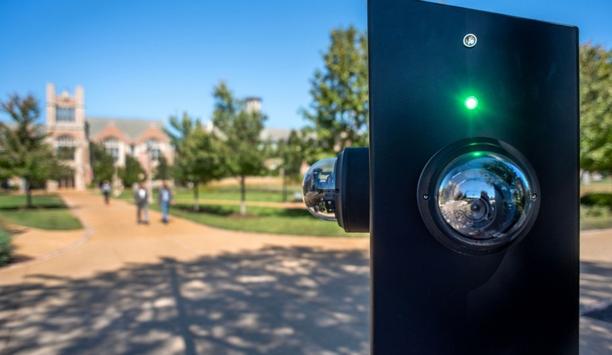
College campuses are meant to be places of learning, growth, and community. Fostering such an environment requires the deployment of policies and technologies that ensure safety and security. Considering the growing role of security technology in the higher education market, we asked this week’s Expert Panel Roundtable: What are the new applications for security technology in the college and university markets?

Physical security is a large market overall, encompassing a range of diverse vertical markets, each with its own set of challenges and opportunities. The success of the security industry overall depends on the ability of companies and technologies to meet the specific needs of each vertical market. Some markets offer more lucrative opportunities than others. We asked this week’s Expert Panel Roundtable: Which vertical markets have the greatest potential for growth for physical security systems?

Headlines of violence in our schools are a reminder of the need to keep educational institutions safe. In fact, if there is a positive aspect to the constant bombardment of headlines, it is that it keeps our attention perpetually focused on how to improve school security. But what is the role of physical security systems? As the new school year begins, we asked this week’s Expert Panel Roundtable: Are schools safer because of physical security systems? Why or why not?
Products



White papers

Read This Before You Sign Off On A Weapons Detection System
Download
How Biometrics Are Reshaping Security In A Connected World
Download
Access management in higher education
Download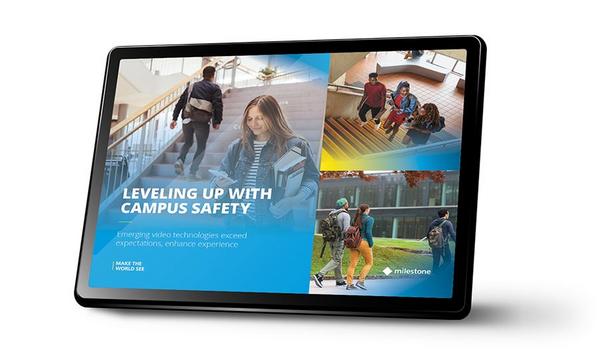
Leveling Up With Campus Safety
Download
Understanding Key Control Systems And Best Practices
Download
Assessing Safety Readiness For Education Campuses
Download
Public-Private Partnerships On Campus: What You Need To Know
Download
Protecting Dormitory Residents and Assets
Download
School Security Moves to the Cloud
Download
Physical Access Control In Higher Education
Download
6 Questions To Ask When Choosing A Security System
Download
5 Reasons To Integrate Mobile Technology Into Your Security Solution
Download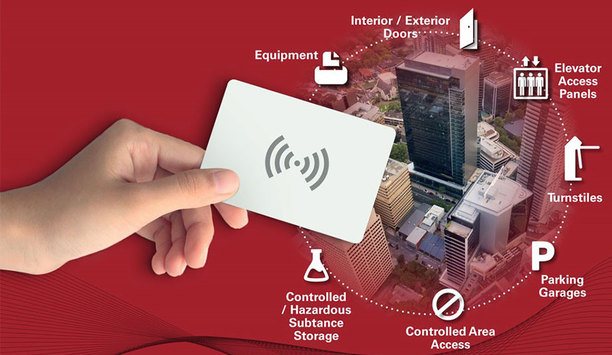
RFID and Smartphone Readers in Physical Access Control
Download
How To Keep Students Safe On Campus
Download
Video Surveillance: Lessons From The Education Market
Download