Biometric Security - Expert commentary

Video surveillance systems are producing more unstructured data than ever before. A dramatic decrease in camera costs in recent years has led many businesses to invest in comprehensive surveillance coverage, with more cameras generating more data. Plus, advances in technology mean that the newest (8K) cameras are generating approximately 800% more data than their predecessors (standard definition). Traditional entry-level solutions like network video recorders (NVRs) simply aren’t built...
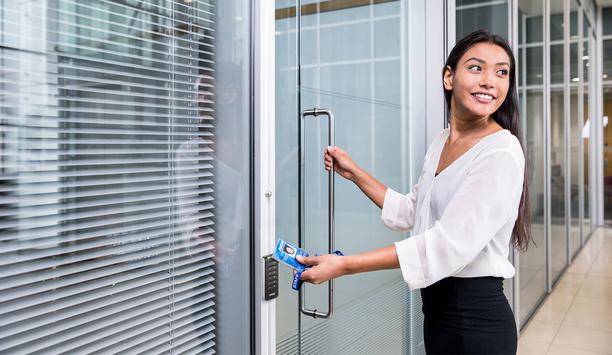
Access control and management of trusted identities are the building blocks of security, safety, and site management policies for many businesses and organizations. The current pandemic has compounded this with the introduction of new policies and regulations, particularly around social distancing and contact tracing. Most organizations will have some form of legacy access control in place, ranging from the most simplistic options, such as locks and keys, to technology-based systems. The issue...
For many businesses and organizations, the term 'authentication' is synonymous with 'password' or 'multi-factor authentication (MFA)’. However, because today's business ecosystem is complex and stretches across distributed workforces with work from home, BYOD policies, and multiple cloud environments, it is very challenging to efficiently recognize and authenticate identities of people, processes, and devices throughout the enterprise using traditional methods. The problem with passwords...

Martyn’s Law (also known as ‘Protect Duty’) could forever change the landscape of event security if changes to legislation are passed. Some would argue it already has. In 2017, just as concertgoers were leaving the Manchester Arena, a terrorist detonated an improvised explosive device in a suicide attack killing 22 and injuring more than 250. The mother of one of the victims, Martyn Hett, has tirelessly campaigned for tighter security and a duty of care to be placed upon venu...
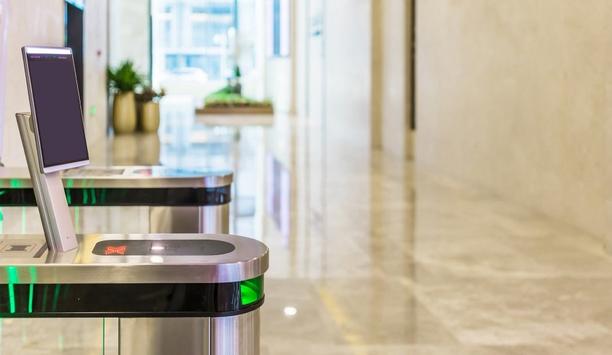
The last year revolutionized the way people work. When offices transitioned to work-from-home and worksites implemented social distancing, the security industry saw an overnight shift in what technologies our customers wanted. Now that businesses are bringing employees back to work in-person, management has broadened their focus to include healthy access in their security plans. Healthy access is a modern security concept that uses the latest technologies to blend employee and visitor health wi...

Following the recent Colonial Pipeline hack in the USA, President Biden issued an Executive Order mandating a move to Zero Trust for all Federal networks. The news is full of hacks and attempted hacks, ransomware demands, and data thefts. So, the question is, why are private systems seemingly so vulnerable and what can be done about it? Why does Zero Trust matter? Zero Trust is not a new term; John Kindervag, an industry analyst at Forrester, popularized the term Zero Trust. It was then c...
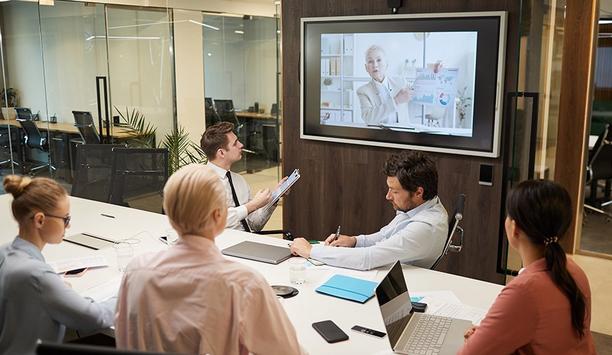
This past year has seen multiple changes to how a business operates, especially the way we work. Lockdowns have triggered a mass shift to remote work and now businesses are setting their sights on hybrid working models as the world opens up again. However, there's a growing issue to contend with this new hybrid workforce model – the ever-growing threat of cyberattacks as new security risks and cyberattacks are by no means slowing down. Cybercrime, which includes everything from theft and...
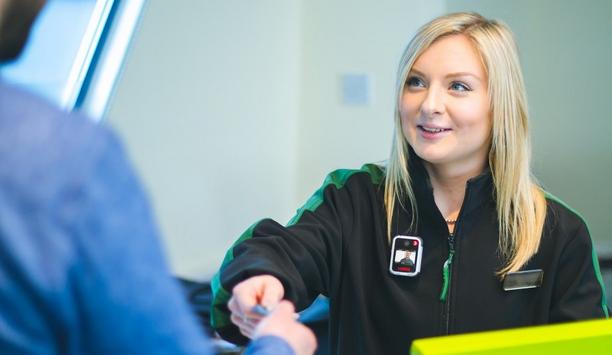
Amongst the many negative consequences of the pandemic is a rise in violent and abusive behavior across society. Health workers have experienced it on a regular basis. So too have police officers and public transport workers. Unfortunately, violence and abuse towards shop workers is also endemic in British society. To address this problem which, in truth, has been on the rise since long before the emergence of COVID-19, we need better deterrents. The ability to prosecute these offenses is one...

Have you ever stopped to consider the volume of new data created daily on social media? It’s staggering. Take Twitter, for instance. Approximately 500 million tweets are published every day, adding up to more than 200 billion posts per year. On Facebook, users upload an additional 350 million photos per day, and on YouTube, nearly 720,000 hours of new video content is added every 24 hours. While this overwhelming volume of information may be of no concern to your average social media user...
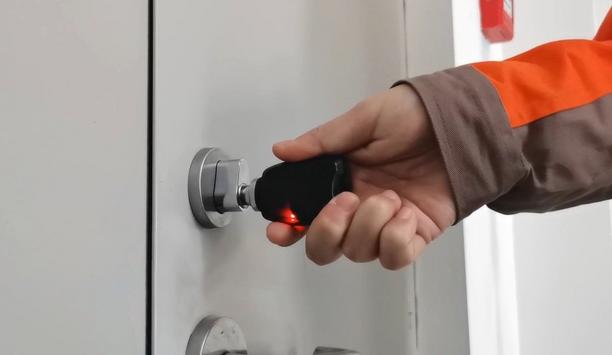
In daily work and life, various locks have always played the role of protecting asset safety. In different usage scenarios, the most appropriate lock must be selected to maximize benefits. In the past applications, the difficulties encountered by managers are as follows. Unlocking authority is difficult to control, unclear access records, emergency unlocking, and troublesome upgrade and installation. Through the following points, how the key-centric access management system solves such problems...
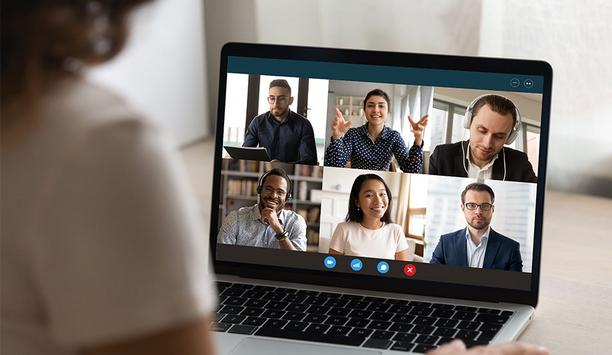
Ask anyone how they are, and you will probably get the default response: “Fine.” Ask again and you will get a more truthful response. This could be anything from how things are going well, through grumbling around sports results, or more serious statements about pressure and mental health. Getting that real response is essential if you are going to make a difference in the future. For those of us involved in security and access management, pressure is almost a default state. Managin...

Perimeter security is by no means a new concept. A phrase used to describe solutions with the primary purpose of limiting access to any area that is prohibited to the public at large, perimeter security has been prevalent for millennia. From Hadrian’s Wall that was built by the Roman Empire in Britain back in AD 122 to the Great Wall of China that winds almost 22,000 kilometers through the Asian country’s eastern regions, it is a concept that remains a fundamental part of global soci...

It is a truism that in the physical security industry your workforce and your reputation are the business’s largest and most important assets. Managing your workforce with empathy to ensure happy, engaged employees can be a balancing act. However, providing flexible working practices that are still profitable for your business is achievable, and something that every security business should be aiming for. SmartTask CEO, Paul Ridden discusses the hidden benefits of an engaged workforce an...
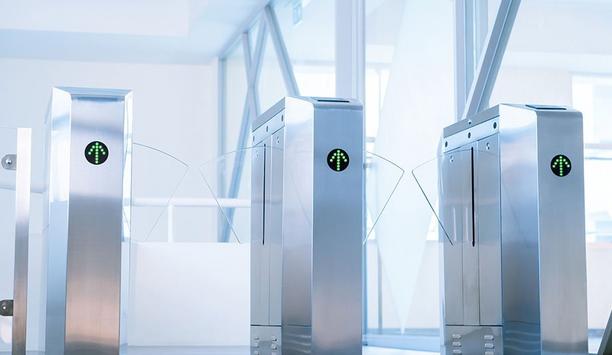
Steven Kenny, Axis Communications, looks at the benefits of physical access control systems within smart environments, and how knowledge gaps and dated methods can inhibit adoption. Physical security is becoming more dynamic and more interconnected, as it evolves. Today’s modern access control solutions are about so much more than simply opening doors, with digitalization bringing multiple business benefits, which would simply not be possible using traditional models. Digital transformat...
Whenever you say the word “security” in today’s world of digitalization and technology, minds immediately jump to online security. Encryption, passwords, and website security are all common areas of concern for today’s security teams – so much so that we often pass over physical security installations entirely. But we shouldn’t, because contrary to popular belief, security doors aren’t just for banks and safes. High-security doors are deployed and used...
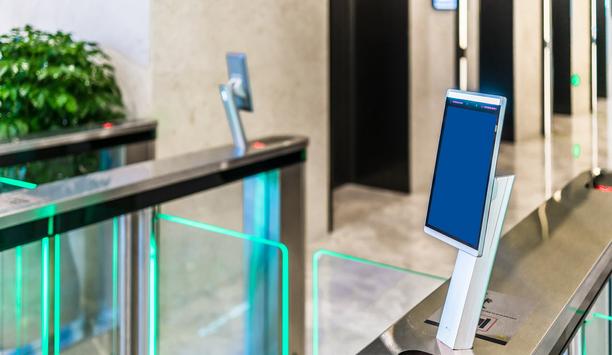
With the continued rolling back of COVID restrictions in the UK, there is a palpable sense of relief. A mixture of mass vaccinations, widespread testing, and track and tracing of the infection is helping to enable a healthy bounce back for businesses – with secure access control taking an important role in facilitating this. However, rather than just being a reaction to the wake of the pandemic, there is every sign that the economy, and consequently the security sector as well, are both r...
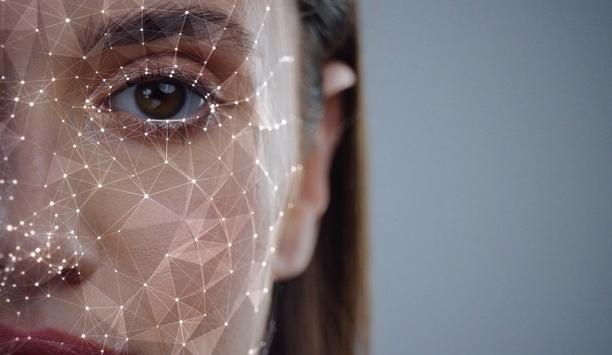
The global biometrics market has been recently developing rapidly, and this trend will continue shortly. If in 2018 its volume was estimated at $23.4 billion, according to the forecast of the analytical company BCC Research, the market size may increase to $71.6 billion with an average annual growth rate of 23.2 % by 2024. Fingerprint scanning, facial recognition, iris, vein, and voice technologies are expected to be implemented at the fastest pace. The analysis is based on the revenue indicato...
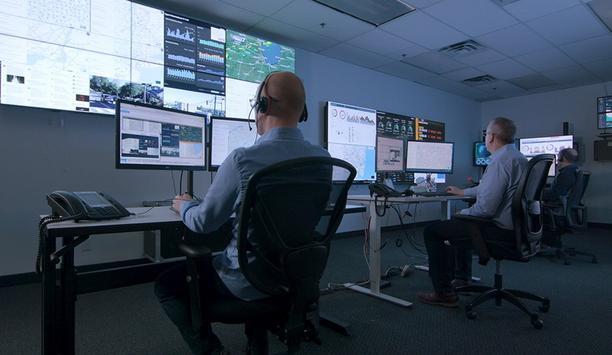
Display solutions play a key role in SOCs in providing the screens needed for individuals and teams to visualize and share the multiple data sources needed in an SOC today. Security Operation Center (SOC) Every SOC has multiple sources and inputs, both physical and virtual, all of which provide numerous data points to operators, in order to provide the highest levels of physical and cyber security, including surveillance camera feeds, access control and alarm systems for physical security, as...

The SolarWinds cyberattack of 2020 was cited by security experts as “one of the potentially largest penetrations of Western governments” since the Cold War. This attack put cybersecurity front and center on people’s minds again. Hacking communication protocol The attack targeted the US government and reportedly compromised the treasury and commerce departments and Homeland Security. What’s interesting about the SolarWinds attack is that it was caused by the exploit...
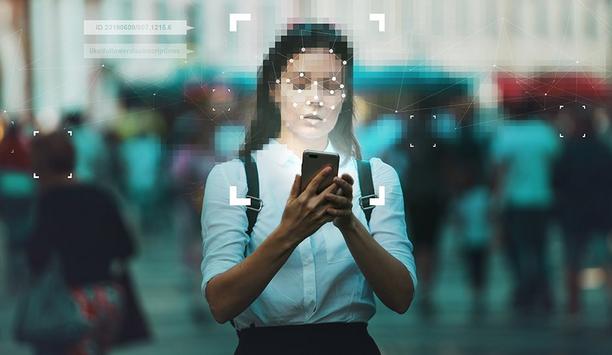
Over the past year, companies have had to deal with the COVID-19 pandemic and how it has affected their operations. From new digital services through to security, the response to more hybrid and remote working showed some of the assumptions that we have made over the years, and it required companies to innovate and fill those gaps. Physical and IT security was no exception to this. In the rush to support home working, many IT security teams realised how much they rely on physical security to he...
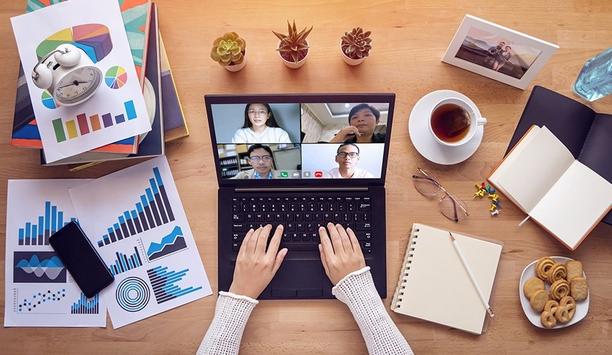
The transition to remote working has been a revelation for many traditional office staff, yet concerns over data security risks are rising. Mark Harper of HSM explains why businesses and their remote workers must remain vigilant when it comes to physical document security in homes. Pre-pandemic, home offices were often that neglected room in people’s homes. But now things are different. After the initial lockdown in 2020, 46.6% of UK workers did some work at home with 86% of those doing s...

Organizations faced a number of unforeseen challenges in nearly every business sector throughout 2020 – and continuing into 2021. Until now, businesses have been on the defensive, reacting to the shifting workforce and economic conditions, however, COVID-19 proved to be a catalyst for some to accelerate their long-term technology and digitalization plans. This is now giving decision-makers the chance to take a proactive approach to mitigate current and post-pandemic risks. These long-ter...
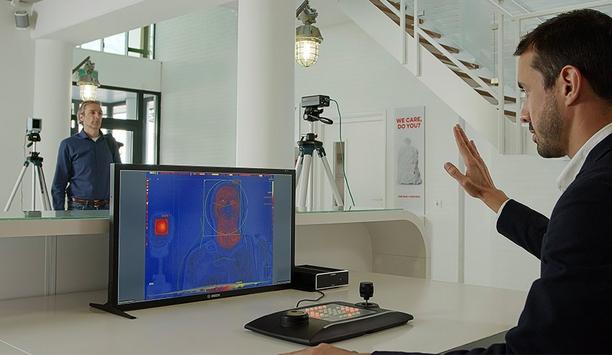
Q: Mr. Seiter, Mr. Ekerot, you both joined Bosch Building Technologies’ business unit Video Systems & Solutions as Senior Vice Presidents in March 2020, when the Coronavirus pandemic was just beginning. How did your business unit get through 2020? Magnus Ekerot: The crisis was also felt at Bosch. At the same time, demand has risen for solutions that keep businesses open and protect people's health. We offer corresponding video solutions that can make a significant contribution to con...

With pupils in the UK set to go back to school on 8 March, there are a number of safety measures schools need to implement to ensure the health and wellness of the staff, students, and school communities. The first lockdown and closure of schools brought on by the coronavirus pandemic fired a “warning shot” for education facilities managers, forcing head-teachers to re-examine school safety standards. Now that a third lockdown is here and schools have been shut down for a sec...

We encounter AI with increasing frequency, both online and in the media. AI has penetrated deep into various aspects of our lives, from TV sets that improve picture quality using AI, or air conditioners with automatic temperature and humidity control, to investment management services that predict return rates. AI technology first appeared in the 1950s and was briefly revived in the 1980s before falling off the radar. In the late 2000s, AI re-emerged and went on to become a key technology and d...

The sound of sirens in the distance is commonplace, nowadays. Whether related to a medical emergency or everyday crimes, such as theft, property crimes, and so on, we’re all accustomed to hearing these sirens by now. It is worth noting that many incidents that police respond to take place at night. According to a recent report by the Sleep Judge, more than half of murders, manslaughter, sexual assaults, robberies, aggravated assaults and motor vehicle thefts happen long after the sun has...
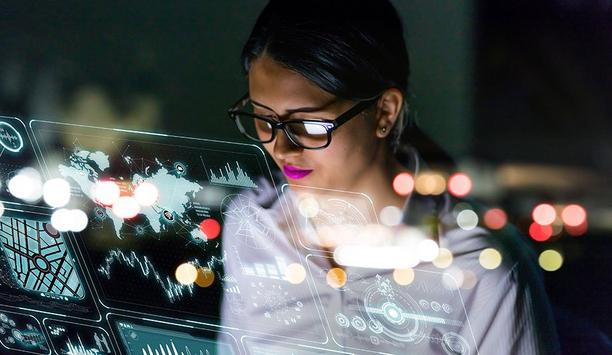
While the application of facial recognition within both public and private spheres continues to draw criticism from those who see it as a threat to civil rights, this technology has become extremely commonplace in the lives of iPhone users. It is so prevalent, in fact, that by 2024 it is predicted that 90% of smartphones will use biometric facial recognition hardware. CCTV surveillance cameras Similarly, CCTV is a well-established security measure that many of us are familiar with, wheth...
Like most industries, the fields of security, access, and safety have been transformed by technology, with AI-driven automation presenting a clear opportunity for players seeking growth and leadership when it comes to innovation. In this respect, these markets know exactly what they want. They require solutions that accurately (without false or negative positives) classify and track people and/or vehicles as well as the precise location and interactions between those objects. They want to have...

Urban populations are expanding rapidly around the globe, with an expected growth of 1.56 billion by 2040. As the number of people living and working in cities continues to grow, the ability to keep everyone safe is an increasing challenge. However, technology companies are developing products and solutions with these futuristic cities in mind, as the reality is closer than you may think. Solutions that can help to watch over public places and share data insights with city workers and officials...
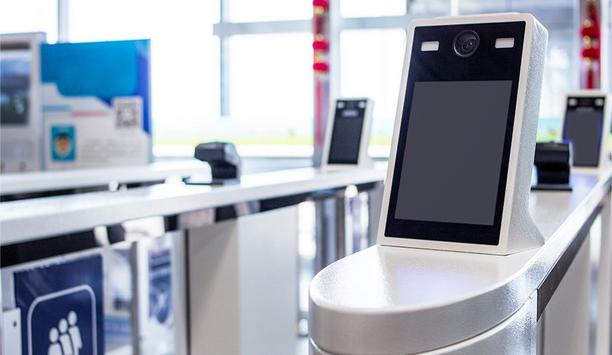
Several major players vigorously employ biometric recognition technologies around the globe. Governments use biometrics to control immigration, security, and create national databases of biometric profiles. Being one of the most striking examples, the Indian Aadhaar includes face photos, iris, and fingerprints of about 1.2 billion people. Financial institutions, on their part, make use of biometrics to protect transactions by confirming a client's identity, as well as develop and provide servi...