Biometric Security - Expert commentary

The world around us is full of technological innovation. Smart locks are commonplace in our homes and control access to buildings, but when it comes to industrial locking and access control for equipment cabinetry, options can seem limited. Equally, there’s not enough accessible information to act as a guide. The development of new technologies and cabinet capabilities feels as though it is being held back. But that doesn’t have to be the case. Common problems are seen across the l...
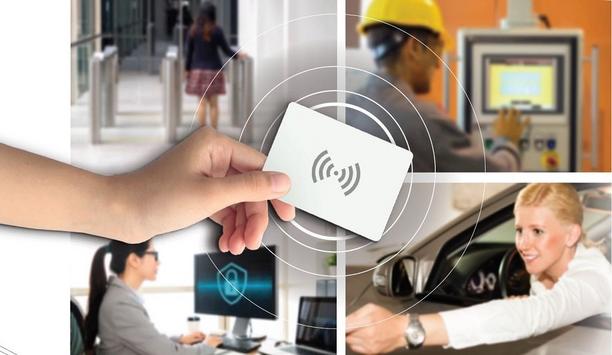
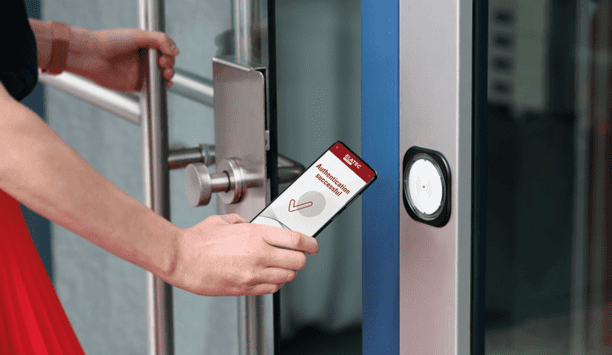
With increasing security and public health concerns, contactless credentials are gaining more and more importance. Contactless credentials can be divided into two main categories: soft credentials that include mobile phone applications that tap into their BLE/NFC hardware and transmit the data, and hard credentials that typically include low frequency (125 kHz) and high frequency (13.56MHz) based passive RFID transponders. With the help of these credentials, organizations can tackle safety conc...

Every day, millions of people worldwide use their personal credentials to prove their identity and access a range of services, from databases in their workplace to the banking app on their smartphone. But while this ensures only authorized people have access to certain systems, the use of this personal data opens users up to cyber risks, primarily in the form of identity theft. On Identity Management Day, Source Security spoke to seven IT and cybersecurity experts to discuss their experiences a...
Most individuals have strong opinions about what is more essential to our civilization: personal privacy or security. After more than a decade of technology enabling greater and greater amounts of Personally Identifiable Information (PII) and data harvesting, now the pendulum is swinging towards a society that places more emphasis on individual rights and privacies. This shift is manifesting in a variety of ways, quickly changing the technology, security and cyber security landscapes, and requi...

Most of the assumptions you’ve made about gunshot detection could be wrong. To those security professionals who stay on top of their homework, this is probably not true, but the ‘you’ in this context is directed to the collective security industry reader that, when looking into indoor gunshot detection products, sees terms like concussive force, percussion, or shockwave and wonders if these are important differentiators – or something the marketing department decided woul...
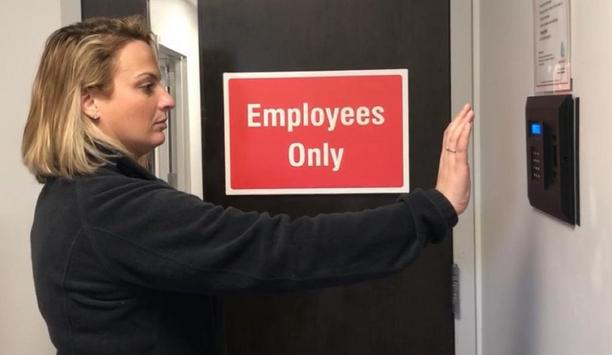
This is an era of digital revolution and with it comes dozens of new security dangers. Every gadget, from our smartphones to our security cameras, need some kind of protection from external hacking. However, how can we assure the safety of our devices, workplaces, etc.? Biometric security is one such security method that has emerged, since it is both efficient and perceived foolproof. It offers an additional layer of security for businesses and personal security systems. Biometric security syste...
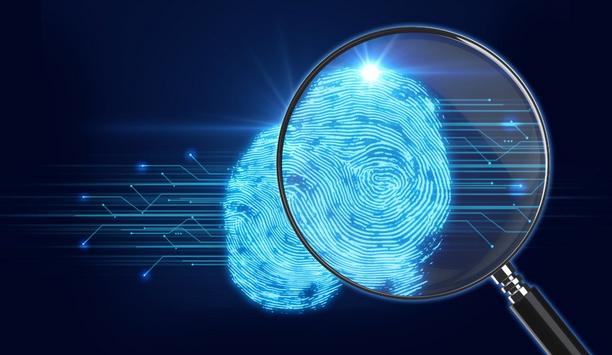
Fingerprint biometrics is hugely relevant in the current landscape. Even amidst other newer developments, fingerprint authentication provides convenience and affordability. There are talks rife about how the coronavirus pandemic has changed the outlook towards fingerprint biometrics. What is currently the most used authentication technology is being speculated to be unsafe, when compared to other touchless biometrics and that its usage in the future would decrease significantly. However, the adv...
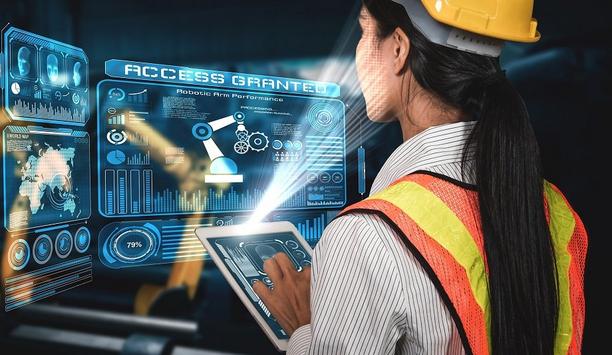
As a result of COVID-19, artificial intelligence (AI) has become table stakes for factories. Google’s 2021 Cloud Manufacturing Report found that 76% of manufacturing executives increased their adoption of disruptive technologies, including AI, during the pandemic. AI-based facial recognition technology AI has long been used in the sector to monitor the pace of work and anticipate machine failures, a trend that is expected to continue this year as factories look to optimize operations. Ho...
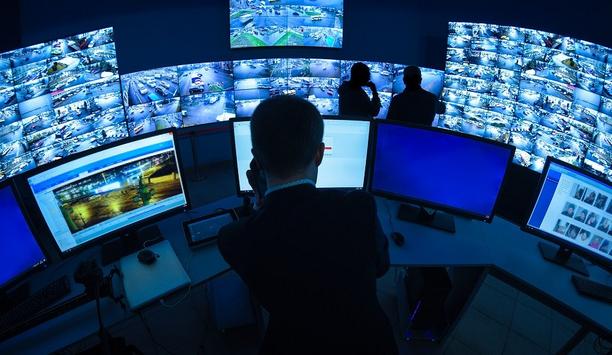
Corporate global security operations centers (GSOCs) bear the responsibility for protecting C-suite executives from physical and reputational harm amid social upheaval, extreme weather events, and escalating cyber threats. That mission, daunting as it is, becomes more difficult when GSOCs lack the data necessary for conducting a comprehensive threat assessment. Threat intelligence Unfortunately, many centers never move past basic threat intelligence which focuses on scenario-driven queries suc...
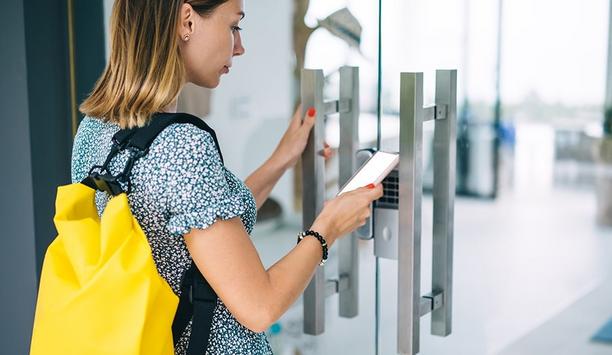
As we enter into 2022, there is still a level of uncertainty in place. It’s unclear what the future holds, as companies around the world still contend with the COVID-19 pandemic. Remote working has been encouraged by most organizations and the move to a hybrid working system has become ‘business as usual’, for the majority of businesses. Some have reduced their office space or done away with their locations altogether. Following best security practices With all this change in...

Cloud-based applications and platforms revolutionize supply chain management, helping stakeholders scale operations from small businesses to complex enterprises. Cloud supply chain solutions are showing significant increases in implementation – so much so the sheer number of organizations with a cloud solution outpace or far outnumbers the ones that don't. But there is one area that has still not made the switch to the cloud, most often the security department. But the advent of using vid...
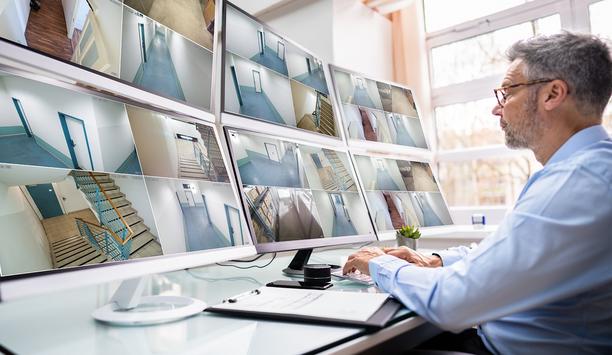
Technology has certainly become an intrinsic part of our day-to-day lives, from the retail industry, to food and beverage outlets, and even within the health and fitness industry. It’s all around us, in varying formats, making processes more efficient. It has refined some of our older approaches, and in the hospitality industry, this is certainly true. Technological advances are leading the way forward for the future of hotels, and with the sector now free from COVID-19 restrictions, venu...
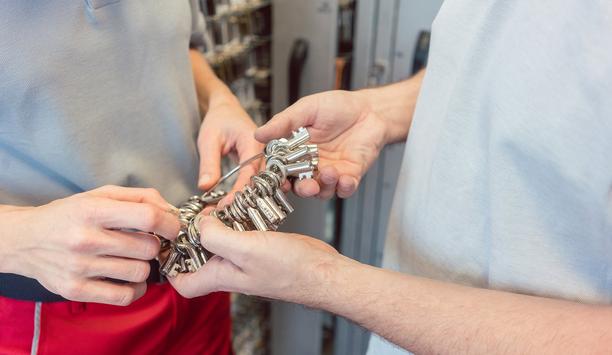
More and more business security practices are going digital. Mechanical keys are still the backbone of most corporate security plans, and it can be very expensive for companies to switch to electronic access control on a large scale. Therefore, enterprises need to choose the most suitable access control system. What is key management? Key management is the process of protecting, tracking, and scheduling mechanical keys. Why is this important? Because the key carries access to sensitive locatio...

Metal theft is nothing new, but the impact of the pandemic has left many in financial uncertainty, couple this with the rising price of metal, and one result is an increase in the level of acquisitive crime. It seems there is no limit to the types of materials stolen. Just recently, lead stolen from church roofs has caught the media’s attention again, but this type of theft reaches to more commonplace materials too, including steel, cast iron, and aluminum, and even items like street sign...

In the field of access control, face recognition has come a long way. Once considered too slow to authenticate people's identities and credentials in high traffic conditions, face recognition technology has evolved to become one of the quickest, most effective access control identity authentication solutions across all industries. Advancements in artificial intelligence and advanced neural network (ANN) technology from industry leaders like Intel have improved the accuracy and efficiency of fa...

While the foundation of autonomous retail has been built up over the past few years, it is only now that retailers are beginning to fully experiment with the technology. There were an estimated 350 stores globally in 2018 offering a fully autonomous checkout process, yet this number is forecast to increase dramatically with 10,000 stores anticipated by 2024. This acceleration in the growth of unmanned retail stores has, in part, been boosted by the COVID-19 pandemic and a demand for a more cont...

Gregor Schlechtriem has worked in the access control market for over 20 years and is now responsible for the Access & Intrusion Business Unit at Bosch Building Technologies. In this interview, the expert talks about key industry trends, the impact of the COVID-19 (Coronavirus) pandemic, technical innovations and his company’s strategy. Mr. Schlechtriem, you have many years of experience in the security technology market. What is your background and what are your responsibilities as Se...

More than a year and a half after the COVID-19 pandemic began, countless workers are still doing their jobs remotely rather than from their offices. While there are many positives to working from home, there can also be some negatives at play like nefarious actors taking advantage of the tools and connections that employees use in work from home environments. Insider threats, a security risk that comes from within the organization, are posing a major security problem for businesses. This is pa...
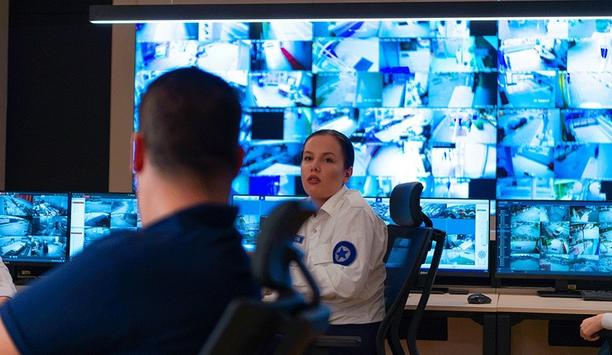
How AI and humans can work together is a longstanding debate. As society progresses technologically, there’s always the worry of robots taking over jobs. Self-checkout tills, automated factory machines, and video analytics are all improving efficiency and productivity, but they can still work in tandem with humans, and in most cases, they need to. Video analytics in particular is one impressively intelligent piece of technology that security guards can utilize. How can video analytics he...
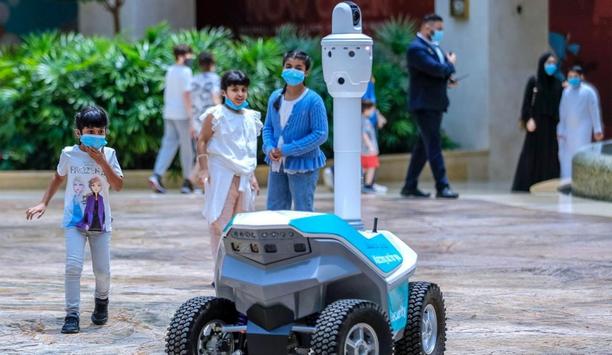
The COVID-19 pandemic is only accelerating the expansion of Automation, Robotics, Machine Learning (ML) and Artificial Intelligence (AI), and changing how people live their daily lives. This expansion leads the way with technologies that are developed to solve problems, improve operations, streamline processes and assist people, to focus on learning new skills, creativity, and imagination. Transformation of the physical security industry One of the latest industries to be permanently transform...

Recently, the European Parliament called for a ban on police use of facial recognition. In the US, too, some cities have restricted police use of facial recognition. The first question that comes to mind is - why ban police from using technology that is allowed to private companies? Point of difference The key difference between the way police use facial recognition and the way commercial facial recognition products work is that: The police get a picture of a suspect from a crime scene and wan...

Intrusion alarm systems are currently facing a growing number of potential error sources in the environment. At the same time, alarm systems must comply with increasingly demanding legal requirements for sensors and motion detectors. As a future-proof solution, detectors equipped with Sensor Data Fusion technology raise the level of security while reducing the risk of cost- and time-intensive false alarms. This article provides a comprehensive overview of Sensor Data Fusion technology. Anti-mas...
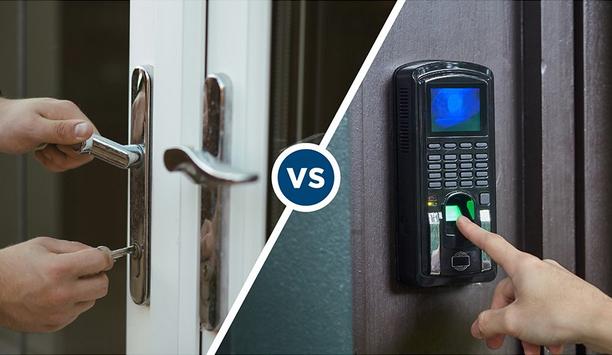
The concept of security has substantially upgraded because of technological advancements. We have seen a shift from mechanical locks to electronic locks and door access control systems which are more relied upon nowadays for watertight security and safety. But, choosing the system that is the best for you requires understanding how both these technologies work. In this article, you will get a clear idea of: How electronic locks are better than traditional locks The difference between access...

From analog to digital, from stand-alone to interlinked, building systems are in a state of transition. Moreover, the rate of change shows no sign of slowing, which can make it difficult to keep up to date with all the latest developments. If asked to pinpoint the single biggest driver of this revolution, one could point out the growing clamor for platform convergence. A security guard in a building doesn’t want to use different systems to check video cameras, fire alarms or if someone ha...

Heras was a premium partner exhibitor at this year’s International Security Expo (ISE) – and it’s fair to say that visitors couldn’t miss the stand, which was at the entrance of the Grand Hall at London’s Olympia. Heras’s Country Marketing Manager (UK) Rebecca Hughes pinpoints five things that the Heras team learned from the show and talking to visitors. 1) Physical still just as important as cyber Cyber(security) was the buzzword of the show – and the...

The ‘new normal’ was all we heard about when it came to the working model shift after the pandemic hit. Businesses worldwide adopted working from home, and then the hybrid model: a balance of remote work and office work. And according to a recent survey by 451 Research, nearly 80% of organizations surveyed said they have implemented or expanded universal work-from-home policies as a result of COVID-19, whilst 67% expect these policies to remain in place either permanently or for th...

As the number of connected devices increases worldwide, the ways that they are being used, designed, and tested have also expanded. The rise of connected devices is demanding engineers to harness the power of the internet of things, which is expected to hit 28 billion by 2025. A comprehensive approach to device design is needed more than ever to address the challenges that this rapid growth will bring. Why engineers should be using IoT technology in product design The demand for devices desig...
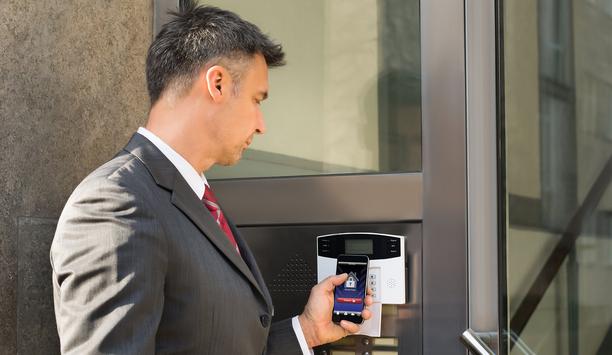
Ensuring employee health and safety remains a key priority for organizations this year, especially as we see COVID-19 cases continue to rise in different areas of the world. As an ongoing challenge, COVID-19 has shifted the priorities of many organizations. In fact, “improving health and safety for employees” is the top strategic goal this year of manufacturing and logistics organizations in the U.S. and U.K., according to research conducted by Forrester on behalf of STANLEY Securit...
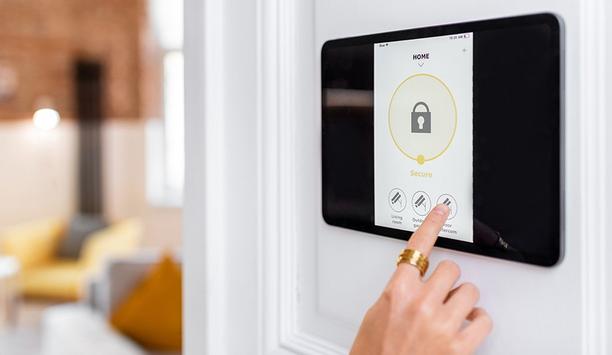
Household adoption of smart home systems currently sits at 12.1% and is set to grow to 21.4% by 2025, expanding the market from US$ 78.3 billion to US$ 135 billion, in the same period. Although closely linked to the growth of connectivity technologies, including 5G, tech-savvy consumers are also recognizing the benefits of next-generation security systems, to protect and secure their domestic lives. Biometric technologies are already commonplace in our smartphones, PCs and payment cards, enhan...

In the past decade, we’ve seen an unfortunate increase in gun-related incidents on school campuses, making security and policy efforts a top priority for educational facilities nationwide. While the causes for this increase are hotly debated in and around the education community, the facts remain that specific steps can be taken to mitigate risks. To tackle this issue, officials from campus stakeholders, law enforcement officials, architects, and security personnel, have met to find solut...