What Is The Biggest Mistake Customers Make When Buying And Installing Security Systems?

- Neglecting to assess specific security needs before purchasing surveillance systems.
- Installing cameras without proper consideration of optimal placement and visibility.
- Ignoring the importance of integrating systems for comprehensive security coverage.
Editor Introduction
Sometimes you see it coming and want to scream out: “Don’t do that.” We all make mistakes, but it’s hard to sit and watch others as they go down the wrong path. It’s especially difficult when the errant party is a customer, and when their wrong move might somehow end up reflecting badly on you as a technology or security systems provider. Much better to anticipate the problem by expecting the possible mistake before it happens. We asked this week’s Expert Panel Round Table: What is the biggest mistake you see your customers make when it comes to buying or installing security or surveillance systems?


In my experience with various camera manufacturers, perhaps the greatest mistake that customers make is not pushing their integrators to find the best possible solutions to meet their specific needs. All too often, customers are sold products that integrators want them to buy, because that’s what they know, that’s what they carry, or that’s what they make the most money from. Customers should make sure that their integrators are selling products that best match their application, and are cost-effective - not just in the short-term, but over the lifecycle of the product. With technology developing at a rapid pace – especially for IP-based products – it becomes imperative for customers to make sure that their integrators are capable and willing to put in the time and effort to find them the best products.

Security and surveillance systems are integral for business operations, no matter the size or scale of a company. When investing in these systems, however, too many businesses fail to take full advantage of the breadth of services available for maximizing tools like remote diagnostic services, for example, which allow customer service teams to regularly and proactively check equipment quality and make repairs remotely, may result in significant cost savings in the long run. Additionally, leveraging a mass notification system for regular, targeted communication across an organization, rather than for emergency situations alone, may provide extended value to the business. The specific tools that are best suited for your business may vary, but no matter the type of system you have, you do yourself a disservice by not exploring their full potential.

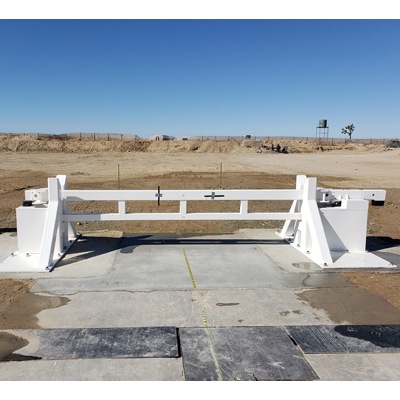
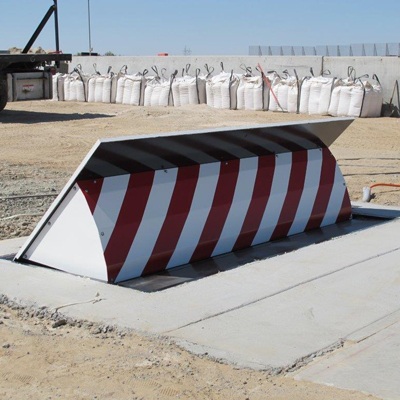
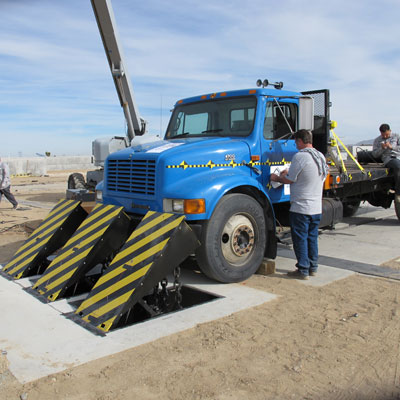
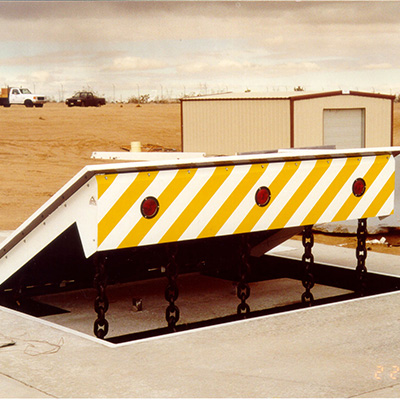
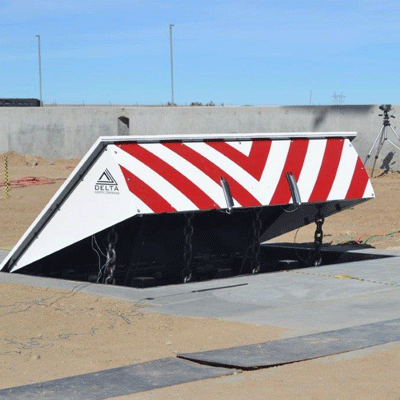
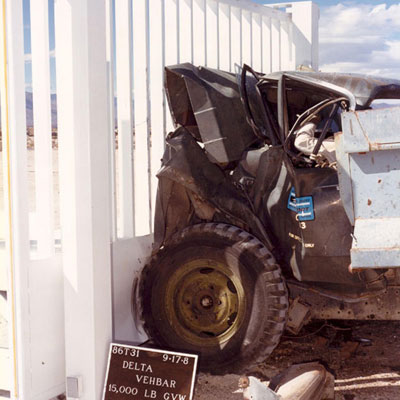
A common planning deficiency occurs when designers choose non-certified barriers or barricades. Certified equipment has been tested and proven to work under extreme conditions, giving planners the confidence they rely on. No area is more critical to the vehicle barrier selection process than testing. Without adequate testing, there is no assurance that the barrier will resist the threat. Testing is normally by an independent testing company or government agency, such as the U.S. Department of State (DOS) and military. Comprehensive reports of test results are issued and are available from the testing agency or manufacturer.

Big mistake: Not accounting for future scalability. With system calculations, you want to prepare not only for now, but make expansion easy for the future. Otherwise you are not taking full advantage of your system’s capabilities. This is especially true for any projects that have government-mandated storage regulations. As time gets increased for that data, having a scalable system allows for easy upgrades rather than totally new systems. Recent known requirements include SB 507, Texas’ special education mandate for extended recording, federal correctional facilities moving to three-year retention, commercial vessels at six months’ retention. Many of these were without notice, and there are more coming. Having a system infrastructure that can handle future needs generally costs less in the long run. All in all, if you visualize what you need today and a year from today, you are more likely to have brought in a solution capable of realizing that vision.

The biggest mistake I see customers make in purchasing and installing security systems is failing to adopt or implement open platforms. This is unbelievably common. The power of the open platform in video and access control truly allows customers to select the best-of-class products for their specific application, allow for emerging technologies to be implemented, and allow customers to leverage their buying power to its fullest. By adopting an open platform strategy, customers avoid proprietary systems and becoming locked in to a specific manufacturer or integrator.

The biggest mistake I observe is when some organizations don’t include other departments in the “security” product selection process. Security and surveillance data can now be easily shared among departments in the corporation. Operations can see if planograms have been put in place, if employees are following corporate guidelines, if people are opening and closing their buildings on schedule. Marketing can use customer traffic data and results of ad campaigns, and monitor effectiveness of store layout changes. Another added benefit is that other departments tend to have larger budgets than security, and they can share in the system investment. The traditional security manager will be seen as progressive, and even more effective, if they get other departments involved in a productive discussion with the integrator and equipment suppliers, who can explain the many non-security benefits of a solution.
Editor Summary
As our Expert Panel Round Table panelists note, there is no shortage of mistakes being made in today’s security marketplace, from buying the wrong product to not anticipating the need for further scalability to limiting the selection process too narrowly. Whether a customer is listening to bad advice or merely not thinking ahead, it behoves all of us to help them correct the error before it’s too late (if we can!). Customers who make mistakes are seldom happy customers in the end, and we as an industry all share a responsibility to promote customer satisfaction.
Delta Scientific Corporation products

Delta Scientific Corporation news

Delta Scientific Corporation, the global pioneer in high-impact vehicle barricade systems, is proud to announce the launch of its newest innovation: the DSC50 “S” Barrier, a lightweight, crash-rated security solution tailored for temporary deployment across high-traffic urban environments. Motivated by recent public safety challenges and a mounting global awareness of vehicular threats, Delta’s engineering team designed the DSC50 “S” Barrier to provide rapid, visua...
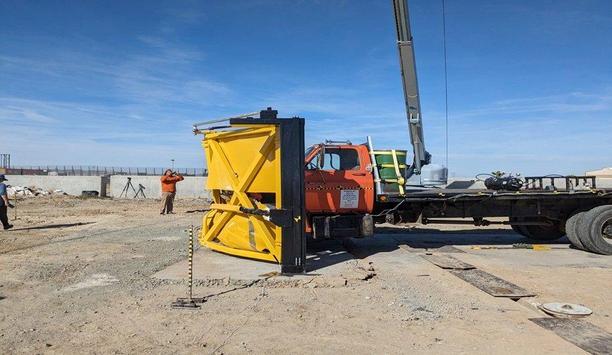
Delta Scientific, the manufacturer of counter-terrorist vehicle control systems used globally, announced their MP100 portable barrier system has successfully achieved an M30/P3 designation. Total penetration was measured at a mere 51 feet, making this an industry pioneer. The MP100 was tested to the new ASTM F2656-23 standard which measures the penetration level from the pioneering edge of the barrier versus the back-side of the barrier of the previous standard. Foldable design The MP100 port...
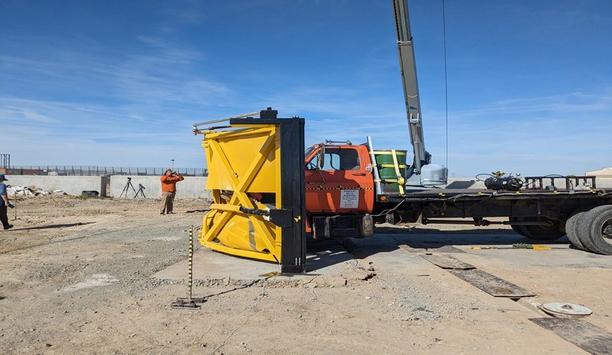
Delta Scientific, the manufacturer of counter-terrorist vehicle control systems used globally, announced their MP100 portable barrier system has successfully achieved a PU30/P3 designation. Total penetration was measured at a mere 29 ft, making this an industry pioneer. The MP100 was tested to the new ASTM F2656-20 standard which measures the penetration level from the leading edge of the barrier versus the back-side of the barrier of the previous standard. MP100 portable barrier system The M...
Delta Scientific Corporation case studies
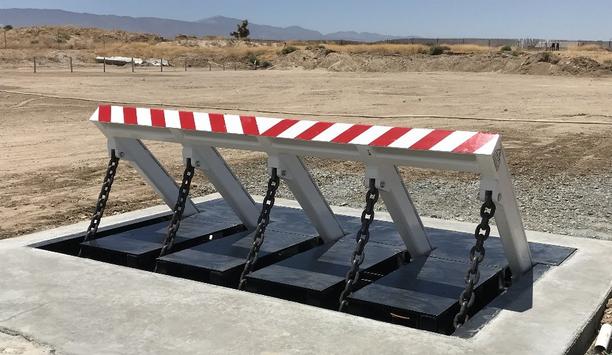
The DSC550 was tested to the new ASTM F2656-20 standard which measures the penetration level from the foremost edge of the barrier versus the back-side of the barrier like the previous standard. This can provide a difference of (1.52 m.) and makes the negative penetration level even more impressive. Design and features The DSC550 Open Frame barrier features a shallow foundation of only 24 inches (61 cm). The open-frame design additionally provides a unique counter-balance design with no spring...
This July, Delta Scientific expanded its partnership with American Family Field, home of the Milwaukee Brewers, delivering new levels of crowd protection for fans and staff alike. After deploying MP5000 portable barriers for perimeter safety, stadium officials turned to Delta again, this time for a flexible solution at tighter access points. The answer: the MP100, Delta Scientific’s newest portable barrier with M30/P3 crash rating, rapid setup, and custom Brewers decals. Whether protec...
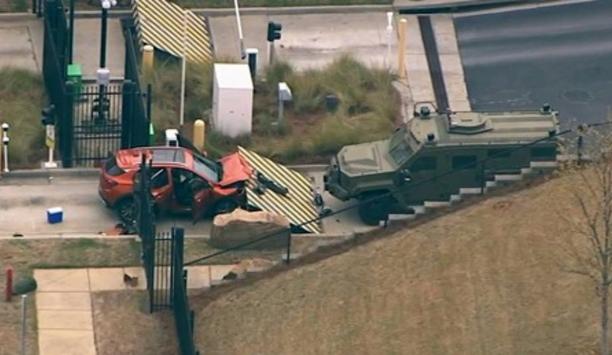
Delta Scientific, the pioneering manufacturer of counter-terrorist vehicle control systems used globally, announced that on Monday, April 1st, a DSC501 High-Security Barricade stopped an unauthorized vehicle from entering an FBI field facility in Atlanta, Georgia. According to officials, the orange Buick Encore tried to follow an FBI employee’s car into the facility before being stopped by the Delta DSC501 barrier. The driver was then apprehended by special agents who were in the immediat...
Delta Scientific Corporation videos


Delta Scientific: 40 Years Protecting the World's Most Important Facilities
Delta Scientific Corporation DSC 207s Embassy Barricade For US State Department
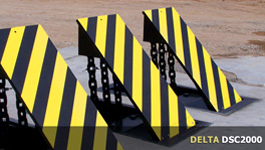
Delta Scientific DSC 2000 Barricade for Hotels and Soft Targets
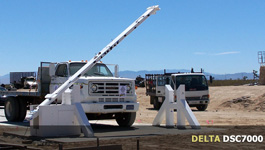
Delta's DSC7000 Barricade System K12 Crash Certified by US Department of State
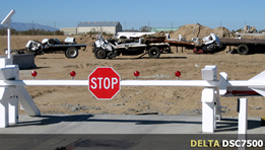
Delta DSC 7500 Beam Barricade certified for K12 Crash Test of Department of State, US

Delta Scientific Corporation- Leading Manufacturer of Electronic Vehicle Detection
DSC501 Barricade System K54 Crash Certified

DSC 288 Slide Gate

DSC 650 Shallow Bollard System

Delta Scientific Portable Barriers-MP5000

Delta Scientific Corporation- DSMP5000 16 Foot Version
MP5000 Portable Barricade by Delta Scientific complies to specification of U.S. Department of state

Delta Scientific Corporation DSC600 Shallow Foundation Fixed Bollard Array -K12 Crash Test
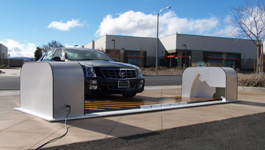
Delta Scientific Corporation DSC-1200 Surface Mounted Barricade
Expert commentary

Security beat