Security management - Expert commentary
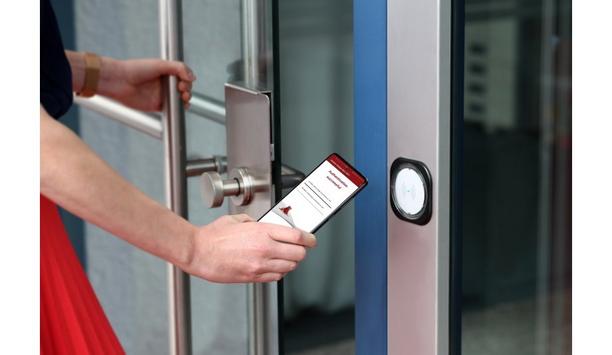
Today, RFID readers can be found in numerous devices requiring user authentication, authorization and access control, from doors to multi-function printers to point of sale terminals to computers and more. RFID is a simple, secure and convenient access control solution for end users and original equipment manufacturers. RFID readers/writers come with a broad range of form factors, capabilities and configurations. Choosing the right RFID reader When choosing a reader to embed into a system or d...
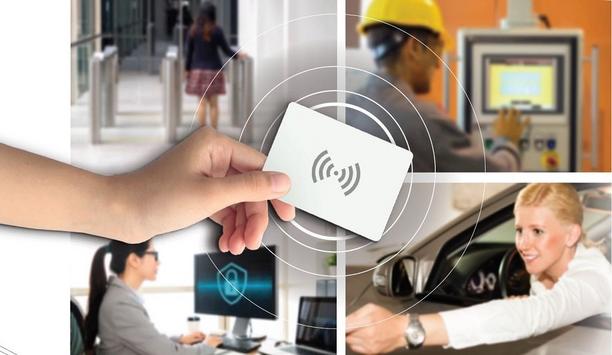
With increasing security and public health concerns, contactless credentials are gaining more and more importance. Contactless credentials can be divided into two main categories: soft credentials that include mobile phone applications that tap into their BLE/NFC hardware and transmit the data, and hard credentials that typically include low frequency (125 kHz) and high frequency (13.56MHz) based passive RFID transponders. With the help of these credentials, organizations can tackle safety conc...

In the era of the ‘Great Resignation’, it may seem counterintuitive to say that people will power business security in 2022. However, a convergence of challenges over the past few years has led to an undeniable trend in the security industry: With more technology comes the need for more people to monitor, analyze and leverage the data that technology produces. Always-on approach to security Since businesses were forced into lockdown two years ago, we’ve seen technology adopti...

Every day, millions of people worldwide use their personal credentials to prove their identity and access a range of services, from databases in their workplace to the banking app on their smartphone. But while this ensures only authorized people have access to certain systems, the use of this personal data opens users up to cyber risks, primarily in the form of identity theft. On Identity Management Day, Source Security spoke to seven IT and cybersecurity experts to discuss their experiences a...
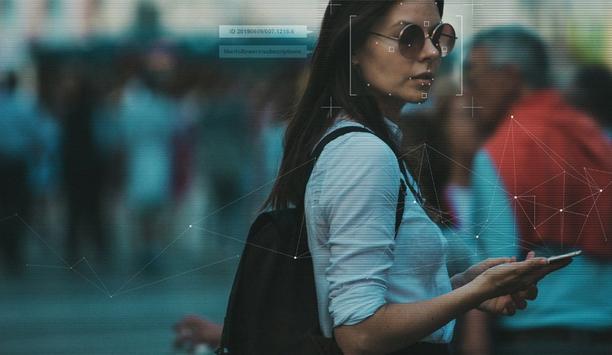
Most individuals have strong opinions about what is more essential to our civilization: personal privacy or security. After more than a decade of technology enabling greater and greater amounts of Personally Identifiable Information (PII) and data harvesting, now the pendulum is swinging towards a society that places more emphasis on individual rights and privacies. This shift is manifesting in a variety of ways, quickly changing the technology, security and cyber security landscapes, and requi...

Software as a Service (SaaS) provides computer equipment, OS, and software customized to the user’s purposes as a service. Access control can work in the same way. If you work in the physical security industry, especially concerning access control, you have probably heard about the term ‘ACaaS’ recently. ACaaS is a combination of ‘access control’ and ‘SaaS’ (Software as a Service). From a semantic point of view, ACaaS means providing cloud-based access c...
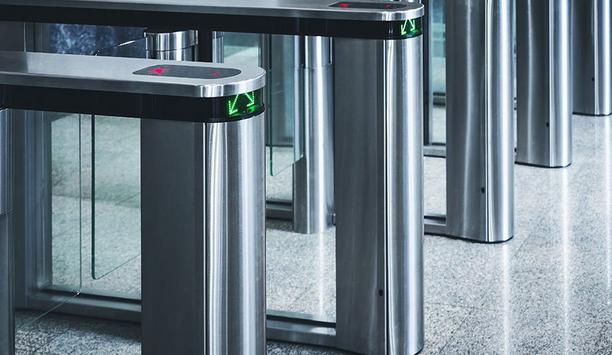
Access control for buildings is nothing new. Early forms of security access for business security systems were introduced in the 1960s, as business owners and managers looked for alternatives to keys, as a result of needing to frequently replace them, when there was a change in personnel. It’s only in recent years that the urgency to implement smarter, more efficient, and convenient forms of access control has increased, in the context of public and private sector digital transformation....

Fingerprint biometrics is hugely relevant in the current landscape. Even amidst other newer developments, fingerprint authentication provides convenience and affordability. There are talks rife about how the coronavirus pandemic has changed the outlook towards fingerprint biometrics. What is currently the most used authentication technology is being speculated to be unsafe, when compared to other touchless biometrics and that its usage in the future would decrease significantly. However, the adv...
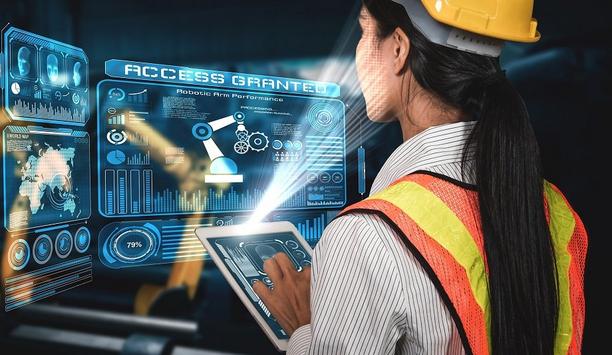
As a result of COVID-19, artificial intelligence (AI) has become table stakes for factories. Google’s 2021 Cloud Manufacturing Report found that 76% of manufacturing executives increased their adoption of disruptive technologies, including AI, during the pandemic. AI-based facial recognition technology AI has long been used in the sector to monitor the pace of work and anticipate machine failures, a trend that is expected to continue this year as factories look to optimize operations. Ho...
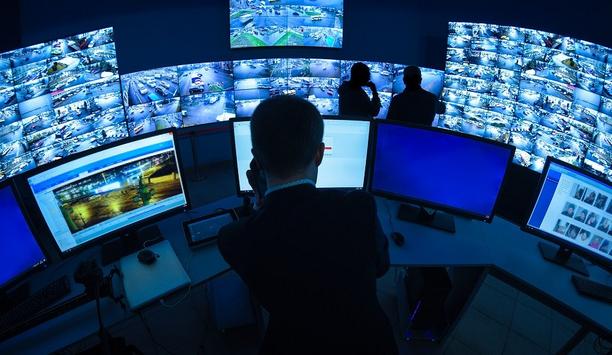
Corporate global security operations centers (GSOCs) bear the responsibility for protecting C-suite executives from physical and reputational harm amid social upheaval, extreme weather events, and escalating cyber threats. That mission, daunting as it is, becomes more difficult when GSOCs lack the data necessary for conducting a comprehensive threat assessment. Threat intelligence Unfortunately, many centers never move past basic threat intelligence which focuses on scenario-driven queries suc...

As we enter into 2022, there is still a level of uncertainty in place. It’s unclear what the future holds, as companies around the world still contend with the COVID-19 pandemic. Remote working has been encouraged by most organizations and the move to a hybrid working system has become ‘business as usual’, for the majority of businesses. Some have reduced their office space or done away with their locations altogether. Following best security practices With all this change in...

There is no denying that the COVID-19 pandemic has radically changed the way we work. In May 2021, 31% of the countries workforce was still working remotely, with 71% of businesses in professional, scientific, and technical industries remote-working. Work patterns shifting Although the conversation often focuses on office workers, the COVID-19 pandemic has impacted the way many other, non-office sectors operate. In the security industry, since the introduction of lockdowns and social distancin...

They say nothing stays the same for long, and this has never been truer than in today’s world of technology and innovation. The 21st century has seen rapid changes and every day brings a new update in one of the many segments of technology. Technology is evolving at such a rapid rate, due to a phenomenon dubbed accelerating change. Each new improvement is now a stepping stone, enabling stronger and better generations of technology, at faster speeds. Accelerating change evolving across all...

Businesses large and small rely on their CCTV systems to deter intruders and provide recorded evidence of security incidents. Overtime, CCTV has evolved to offer real-time intrusion detection and monitoring, and businesses now expect easy, secure and anytime access to cameras, and data. For that, they need connected CCTV systems. These modern installations can benefit from cellular connectivity, helping businesses protect their sites, while also supporting enhanced capabilities for CCTV to deliv...
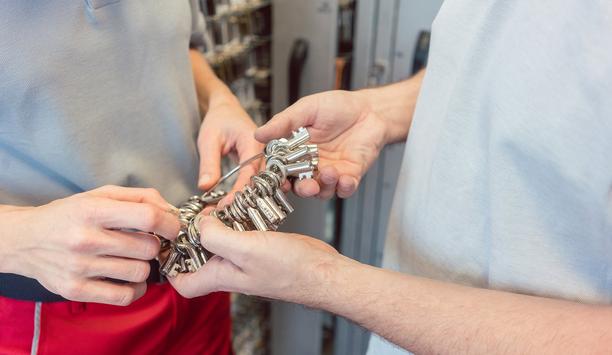
More and more business security practices are going digital. Mechanical keys are still the backbone of most corporate security plans, and it can be very expensive for companies to switch to electronic access control on a large scale. Therefore, enterprises need to choose the most suitable access control system. What is key management? Key management is the process of protecting, tracking, and scheduling mechanical keys. Why is this important? Because the key carries access to sensitive locatio...

In the field of access control, face recognition has come a long way. Once considered too slow to authenticate people's identities and credentials in high traffic conditions, face recognition technology has evolved to become one of the quickest, most effective access control identity authentication solutions across all industries. Advancements in artificial intelligence and advanced neural network (ANN) technology from industry leaders like Intel have improved the accuracy and efficiency of fa...
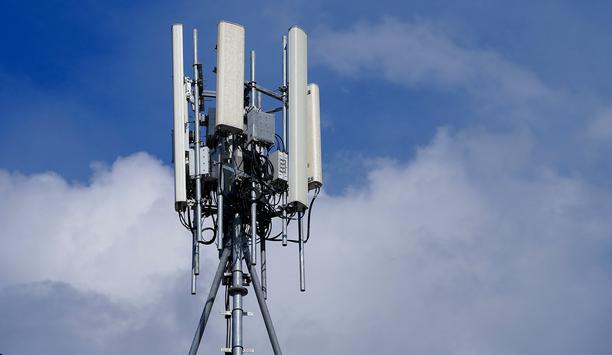
As anti-fraud company Revector marks 20 years of operating, CEO and Founder Andy Gent believes that telecommunications fraud is still not high enough on the corporate agenda for network operators – this should be a significant concern to shareholders. In 2001, Revector was launched to combat specific fraudulent activity against mobile network operators. The company’s management expected the business to have a shelf life of no more than five years – such as the belief tha...

While the foundation of autonomous retail has been built up over the past few years, it is only now that retailers are beginning to fully experiment with the technology. There were an estimated 350 stores globally in 2018 offering a fully autonomous checkout process, yet this number is forecast to increase dramatically with 10,000 stores anticipated by 2024. This acceleration in the growth of unmanned retail stores has, in part, been boosted by the COVID-19 pandemic and a demand for a more cont...

Gregor Schlechtriem has worked in the access control market for over 20 years and is now responsible for the Access & Intrusion Business Unit at Bosch Building Technologies. In this interview, the expert talks about key industry trends, the impact of the COVID-19 (Coronavirus) pandemic, technical innovations and his company’s strategy. Mr. Schlechtriem, you have many years of experience in the security technology market. What is your background and what are your responsibilities as Se...

Recent cyber-attacks have disabled and even shut down physical assets. Robust foundational security and training staff, able to recognize an attack can help mitigate the threat, as ABB’s Rob Putman explains. Edge devices and data analytics As cyber security specialists, we must navigate an ever-changing threat landscape, one that is made even more complex by the increased interconnectivity between Operational Technology (OT) and Information Technology (IT), as companies look to leverage...
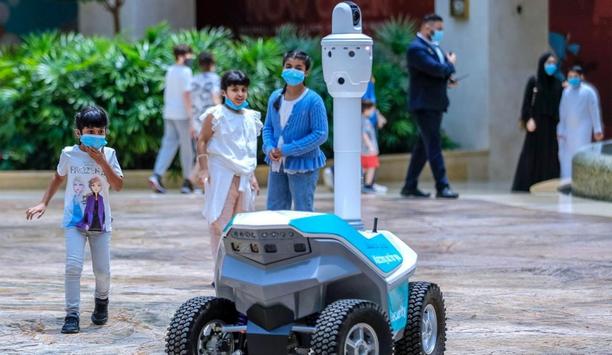
The COVID-19 pandemic is only accelerating the expansion of Automation, Robotics, Machine Learning (ML) and Artificial Intelligence (AI), and changing how people live their daily lives. This expansion leads the way with technologies that are developed to solve problems, improve operations, streamline processes and assist people, to focus on learning new skills, creativity, and imagination. Transformation of the physical security industry One of the latest industries to be permanently transform...

Recently, the European Parliament called for a ban on police use of facial recognition. In the US, too, some cities have restricted police use of facial recognition. The first question that comes to mind is - why ban police from using technology that is allowed to private companies? Point of difference The key difference between the way police use facial recognition and the way commercial facial recognition products work is that: The police get a picture of a suspect from a crime scene and wan...

Schools were never designed and built with social distancing in mind. So it’s perhaps not surprising that as children returned to schools for the autumn term this year, the prospect of outdoor classes and assemblies was mooted in the media and by the Government. Many in the education sector are making the case that, should there be further COVID-19 outbreaks, in the coming months, it would be better to utilize outside space, rather than resort to closing schools. In the COVID-19 era, head...

The past year has elevated consumer awareness about personal safety, from COVID-19 issues to social unrest, making safety top-of-mind and the need for personal safety solutions, even more prevalent. In addition, consumers spent more time at home, as schools closed, events were canceled and remote work increased. This prompted two major shifts that, in my opinion, most significantly opened the need for and raised the popularity of mobile safety solutions. Demand for grocery and food delivery...

Today’s organizations face numerous diverse threats to their people, places and property, sometimes simultaneously. Security leaders now know all too well how a pandemic can cripple a company’s ability to produce goods and services, or force production facilities to shut down, disrupting business continuity. For example, a category three hurricane barreling towards the Gulf of Mexico could disable the supplier’s facilities, disrupt the supply chain and put unexpected pressure o...

Intrusion alarm systems are currently facing a growing number of potential error sources in the environment. At the same time, alarm systems must comply with increasingly demanding legal requirements for sensors and motion detectors. As a future-proof solution, detectors equipped with Sensor Data Fusion technology raise the level of security while reducing the risk of cost- and time-intensive false alarms. This article provides a comprehensive overview of Sensor Data Fusion technology. Anti-mas...

Cyber threats hit the headlines every day; however digital hazards are only part of the security landscape. In fact, for many organizations - physical rather than virtual security will remain the burning priority. Will Liu, Managing Director of TP-Link UK, explores the three key elements that companies must consider when implementing modern-day business surveillance systems. 1) Protecting more than premises Video surveillance systems are undoubtedly more important than ever before for a...

From analog to digital, from stand-alone to interlinked, building systems are in a state of transition. Moreover, the rate of change shows no sign of slowing, which can make it difficult to keep up to date with all the latest developments. If asked to pinpoint the single biggest driver of this revolution, one could point out the growing clamor for platform convergence. A security guard in a building doesn’t want to use different systems to check video cameras, fire alarms or if someone ha...

Today, we live in a technology-obsessed age. Whichever way you look, it’s hard to avoid the increasing number applications, products and solutions that continue to redefine the boundaries of what we previously thought possible. From autonomous vehicles and edge computing to 5G and the Internet of Things, all facets of our lives are continuing to evolve, thanks to an endless stream of differentiated innovations. In this article, we’ll be focusing on the latter of these - the Internet...

Heras was a premium partner exhibitor at this year’s International Security Expo (ISE) – and it’s fair to say that visitors couldn’t miss the stand, which was at the entrance of the Grand Hall at London’s Olympia. Heras’s Country Marketing Manager (UK) Rebecca Hughes pinpoints five things that the Heras team learned from the show and talking to visitors. 1) Physical still just as important as cyber Cyber(security) was the buzzword of the show – and the...