Security monitoring system - Round table discussions

In many cases, architectural design and layout dictate optimal placement of security devices like cameras, access control readers, and sensors. Poor design can lead to blind spots, reduced coverage, and ineffective surveillance. However, planning that involves all the various stakeholders can maximize both security and design elements. We asked this week’s Expert Panel Roundtable: When are building design and physical security systems complementary? When are they at odds?
2025 is likely to see further advancements in artificial intelligence, with potential impacts on various aspects of society, including the security industry. The new year will also require security professionals to adapt to changing market conditions and develop contingency plans for unforeseen events. Industry changes will accelerate and challenge everyone in the security market to keep up. Making specific predictions for the new year can be a struggle, but we asked our Expert Panel Roundtable:...

Technology automates tasks, streamlines processes, and improves efficiency in various fields, including physical security. But the success of today’s latest technologies depends on our ability to use them responsibly and efficiently. Optimising our industry’s use of technology requires that the industry’s workforce have the needed skills to operate the latest equipment. We asked this week’s Expert Panel Roundtable: How does technology innovation in security systems impact...

Port forwarding is a networking technique that allows incoming traffic on a specific port number to be redirected to a particular device or application on a local network. Open ports on the network expose an IP video system to the internet. This makes it a potential target for malicious cyberattacks. In the physical security industry, the elimination of port forwarding is seen as a basic and manageable precaution to shore up cybersecurity. We asked this week's Expert Panel Roundtable: What are t...

The Internet of Things (IoT) has revolutionized many industries, including physical security. By connecting physical devices to the internet, IoT technology offers significant enhancements to security systems. Benefits include real-time monitoring, remote access, and the utility of new devices such as temperature and humidity sensors. At the same time, IoT devices come with challenges, including greater cybersecurity vulnerability. We asked this week's Expert Panel Roundtable: How is the Interne...

While technology like cameras, alarms, and access control systems are crucial components, they are only as effective as the people who use and manage them and the systems that deploy them. When installing physical security systems, the focus should be on the holistic operation of the system rather than the functioning of individual components. However, in the end, overlooking critical factors can undermine the totality of system performance. We asked this week's Expert Panel Roundtable: Wha...

Audio might detect sounds like breaking glass or footsteps before a person even enters the field-of-view of a video camera. Audio also helps to provide context: Someone running in a video image might be suspicious, but the situation is different if they are yelling for help. Furthermore, audio enables operators to talk remotely to people on site, which can deter crime, de-escalate situations, or gather information. And yet, optimizing audio is often an overlooked aspect of physical security syst...
Inflation, the rise in prices of goods and services over time, can result from a multitude of factors. It happens when there is more money chasing a limited supply of goods. It happens when the cost of producing and transporting goods increases. It can even happen because expectations of future inflation heighten current demand to avoid higher prices. During and after the COVID pandemic, supply chain disruptions, shifting consumer demand, and government stimulus all contributed to higher inflati...

Manufacturers make things. That hasn’t changed. Manufacturers today still produce finished goods from raw materials using various tools, equipment, and processes. What is evolving is a greater emphasis among manufacturers on understanding and meeting customer needs. In the security industry and elsewhere, the role of a manufacturer is expanding from a purely production-focused function to one that embraces technology, prioritizes adaptability, expands service offerings, and caters to a mor...
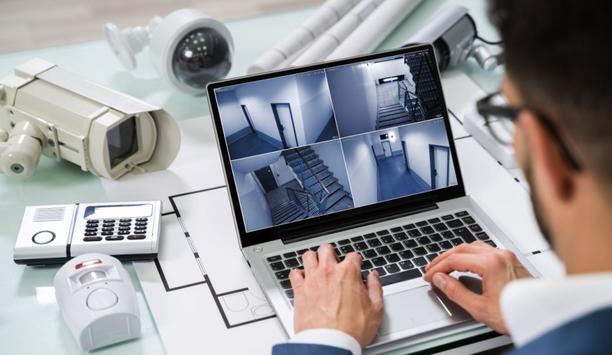
Migrating to the Cloud can be a cultural shift for some organizations, especially when it comes to physical security systems. Challenges such as concerns about data security and compliance, cost management, and a skills gap can make adopting the Cloud seem onerous. But the benefits are there, aren't they? We asked this week's Expert Panel Roundtable: Will the impact of the Cloud on physical security integrators be net-positive or net-negative?

When it comes to protecting the environment, the security industry has historically been perched on the sidelines. For instance, the amount of electricity that physical security systems use is minimal when compared to the total energy usage in a typical building. However, as awareness of environmental issues has surged, and as some of the "low-hanging fruit" has been harvested, attention has come back to opportunities for additional, if small, savings. The lifecycles of security products are als...
The security industry offers a vast array of technologies and vendors. This can be overwhelming for end users, who depend on security integrators for guidance and service. But how well do security integrators provide end users with what they need? We asked this week’s Expert Panel Roundtable: What are the biggest challenges that end users face when working with integrators?

Technology can be a powerful tool, but it can also be misused. Ethical principles help ensure that technology is used in a way that minimizes risks and avoids causing harm to people or society. Issues could include factors such as data privacy and algorithmic bias of certain technologies. As the security industry embraces advanced and evolving technologies, we asked this week’s Expert Panel Roundtable: What are the biggest ethical considerations of using emerging technologies in physical s...

In today's interconnected world, the lines between physical and digital security are blurring. This means that threats can easily exploit vulnerabilities in both realms, potentially causing significant damage. That's why the convergence of cyber- and physical security systems is becoming increasingly important. It has already been a topic of discussion in the security market for more than a decade. To get a reality check, we asked this week’s Expert Panel Roundtable: Has convergence been a...

By all reports we have heard, 2024 is rushing by at a rapid pace. Many of us are just now catching our breaths after the busy holiday season, even though spring is practically here. Having had a healthy taste of 2024 already, our Expert Panel Roundtable is eager to weigh in on what lies ahead for the rest of the year to come. We asked this week’s panel: What large trends are driving growth in the physical security industry in the year ahead?
With the new year well underway, 2023 seems almost like a distant memory. However, a bit of distance might be just the thing to enable us to examine the impact of the year 2023 on the physical security marketplace. We asked this week’s Expert Panel Roundtable: What factors had the biggest impact on the security marketplace in 2023?

Protecting access control data is a core concept when it comes to safeguarding information assets, maintaining trust, and ensuring smooth operations. Guarding access to data also ensures compliance with regulations, prevents accidental misuse, and streamlines workflows. We asked this week’s Expert Panel Roundtable: What safeguards are in place to avoid unauthorized retrieval of access control data?

As the new year dawns, it's a good time for the security industry to look ahead to 2024. We asked this week's Expert Panel Roundtable: What will be the biggest surprise for security in the year ahead?

Machine learning (ML) is a field within Artificial Intelligence (AI) and one of the more common buzzwords in the physical security market. ML focuses on building computer systems that can learn and improve on their own, without being explicitly programmed for every scenario. Machine learning is poised to revolutionize physical security by offering a more proactive, data-driven approach to securing people and assets. We asked this week’s Expert Panel Roundtable: What is Machine Learning (ML...

Video surveillance has been a dominant factor in the casino market since the 1950s when video replaced the use of elevated walkways that allowed casino security personnel to monitor the gaming floor from above. As technology continues to evolve, we can expect to see more innovative uses of video in the casino market. Beyond video, other technologies are also transforming the casino experience. We asked this week’s Expert Panel Roundtable: How are new technologies impacting the casino surve...
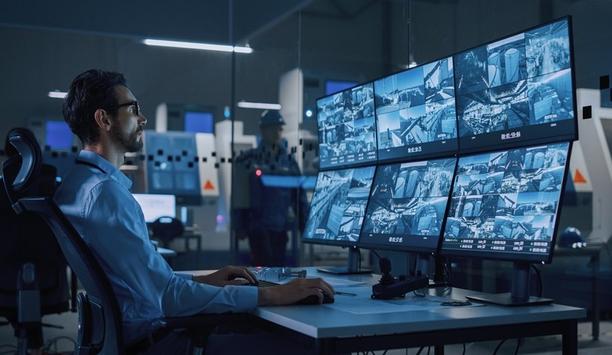
Security systems are often seen as an investment, but usually not one that pays dividends. However, newer technologies are enabling end users to extend their efforts to cost-justify a security system beyond the mirage of “measuring what didn’t happen.” Nowadays, security systems provide quantifiable benefits that yield a return on customers’ investments. We asked this week’s Expert Panel Roundtable: How can security systems maximize return on investment (ROI)?

Physical security is a large market overall, encompassing a range of diverse vertical markets, each with its own set of challenges and opportunities. The success of the security industry overall depends on the ability of companies and technologies to meet the specific needs of each vertical market. Some markets offer more lucrative opportunities than others. We asked this week’s Expert Panel Roundtable: Which vertical markets have the greatest potential for growth for physical security sys...

An organization’s security director manages a staff of security personnel, implements and enforces security policies and procedures, and generally ensures the safety of personnel and visitors to the organization’s premises. Over the years, the role of security director has expanded to include new disciplines such as cybersecurity. More and more, security directors are also taking a “seat at the table” as integral and critical members of a company’s management team....

There is safety in numbers, or so the expression goes. Generally speaking, several employees working together tend to be safer than a single employee working alone. Even so, some environments require that workers complete their jobs alone, thus presenting a unique combination of security vulnerabilities. The U.S. Occupational Safety and Health Administration (OSHA) defines a lone worker as “an employee working alone, such as in a confined space or isolated location.” We asked this we...

Headlines of violence in our schools are a reminder of the need to keep educational institutions safe. In fact, if there is a positive aspect to the constant bombardment of headlines, it is that it keeps our attention perpetually focused on how to improve school security. But what is the role of physical security systems? As the new school year begins, we asked this week’s Expert Panel Roundtable: Are schools safer because of physical security systems? Why or why not?

As physical security technologies become more complex, it is incumbent on the dealer/integrator to have the skills and expertise needed to ensure that a system operates smoothly. The value of integrators increasingly rests on the skill sets they bring to bear when installing a system. If the skills are missing, there is a problem. We asked this week’s Expert Panel Roundtable: What missing skills among security integrators can cause problems for customers?

Driving the smart homes market is the convenience of simple technology solutions. Almost every home now has a “smart speaker” that makes it easier than ever for homeowners to interface and control their technology. But where does security fit into the new landscape of smart home systems? We asked this week’s Expert Panel Roundtable: What’s new in smart homes and residential security systems?

Historically, the emphasis of security systems has been on reactivity, whether it’s providing video evidence of an incident or data to support a resulting investigation. Reactivity is core to impactful security, but increasingly, systems are also seeking to be more proactive. A proactive system seeks to prevent events from happening in the first place, thus mitigating the harm to an organization, and making the need for a reactive response moot. We asked this week’s Expert Panel Roun...
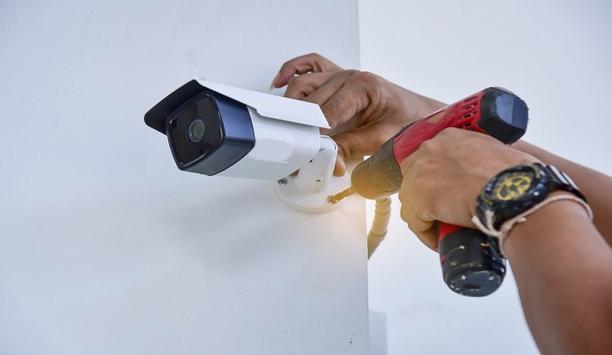
The role of the integrator/installer in the physical security marketplace is shifting as technologies evolve and applications expand. Integrators are being faced with a need to augment their expertise both in a wider range of systems and deeper into the specifics of each increasingly complex technology. At the end of the day, it falls to the integrator/installer to ensure a system performs as promised, however much a consultant or even a manufacturer might be involved in the process. We asked th...

Deployed across a wide range of devices, the Internet of Things (IoT) collects data to help business owners make decisions on a macro scale as well as at a granular level. The IoT is a network of physical devices embedded with sensors, software, and network connectivity that allows them to collect and share data. We called on this week's Expert Panel Roundtable to comment on the intersection of the IoT and physical security. We asked: How is the Internet of Things (IoT) increasing the effectiven...