Remote video monitoring - Round table discussions

The year ahead holds endless promise for the physical security industry, and much of that future will be determined by which technologies the industry embraces. The menu of possibilities is long – from artificial intelligence to the Internet of Things to the cloud and much more – and each technology trend has the potential to transform the market in its own way. We tapped into the collective expertise of our Expert Panel Roundtable to answer this question: What technology trend will...

There is no expectation of privacy in a public space. That’s the premise on which most video surveillance applications are justified. But new concerns about privacy, specifically the General Data Protection Regulation (GDPR) in Europe, are changing expectations. And what if a camera must be positioned where a private area happens to be within its range? Fortunately, there are technology approaches to solving these dilemmas, as our Expert Panelists explain. We asked: What new technologies a...

When is it too late to learn that a video camera isn’t working properly? As any security professional will tell you, it’s too late when you find that the system has failed to capture critical video. And yet, for many years, system administrators “didn’t know what they didn’t know.” And when they found out, it was too late, and the system failed to perform as intended. Fortunately, in today’s technology-driven networked environment, monitoring a system&rs...

The physical security industry is embracing the cloud in a big way. Cloud-based systems – which involve accessing a shared pool of information technology resources via the Internet – are much higher-profile in the video and access control markets, and large and small companies are getting on the cloud bandwagon. We asked this week's Expert Panel Roundtable: What factors are contributing to growth in cloud systems in the security market?
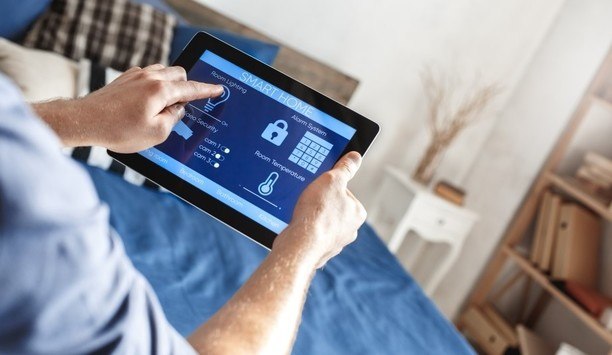
The residential/smart home market is undergoing revolutionary transformation, with a flood of new products and technologies helping to make our homes more connected, easier to manage and, yes, smarter. These massive steps forward provide challenges, and also opportunities, for the security industry, which has played a major role in protecting homes and residents for decades. We asked this week’s Expert Panel Roundtable: How are changes in the residential/smart home market impacting securit...

Cloud computing has been around since the turn of the millennium. Over the years, the concept of storing and accessing programs over the Internet (instead of using an on-premises computer system) has grown in almost every realm of business. Some might say the physical security industry has come late to the party, delayed in some instances by (misguided?) concerns about cybersecurity of cloud systems. The bandwidth needed to transfer video to the cloud has also been a challenge. We asked this wee...
IP network dependability matters in physical security and safety applications, given that a company’s assets and people are at risk. There have been strides in the areas of network dependability, fault-tolerance, reliability, and survivability. However, networks (or affordable ones, at any rate) still cannot ensure near-100 percent uptime, which is why system designers acknowledge and plan for the possibility of a network outage. We asked this week’s Expert Panel Roundtable: How can/...
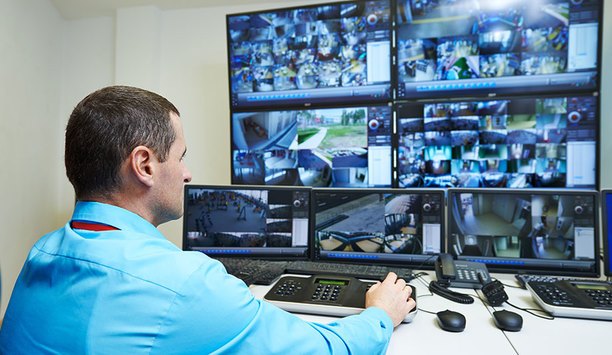
For many years, generally speaking, the use of video surveillance has been seen as an extension of an end user customer’s security system. However, recently, we have also heard about how video can help customers more generally, providing benefits that extend beyond security and encompass better operations and management. Easier economic justification is one important aspect of looking more broadly at the benefits of video surveillance to the enterprise as a whole. Better return on investme...