Public sector security - Round table discussions
Generally speaking, security becomes a topic of conversation among the general public only after something bad has happened. The context in these situations is: What went wrong? Largely absent from awareness by the public at large is how often things go right; that is, how often security systems work as intended to avoid expensive or even deadly consequences. We asked this week’s Expert Panel Roundtable: How can the industry communicate the value of security to the public?
Security is critical in the government sector, as much as any other vertical. Successful systems must promote public safety while also facing onerous requirements when it comes to cybersecurity. From a global perspective, the world seems less safe than ever before, suggesting an even greater role for security technologies. We asked this week’s Expert Panel Roundtable: How can security address the challenges of the government market?
The Metaverse sounds like the plot of the latest summer action movie. In reality, it’s a technology - or, more accurately, a group of technologies - that will likely have a transformational impact on a host of markets. For security, the Metaverse has an extensive list of needs. It also presents some opportunities. We asked this week’s Expert Panel Roundtable: What does the Metaverse mean for security?
The Internet of Things (IoT) is driving innovation in the security marketplace, just as it is in almost every other market. IoT devices, also known as ‘edge devices’, provide sensing, processing ability, software, and other technologies to connect and exchange data. The most common edge devices in the world of IP security are video cameras, which are becoming more intelligent and capable of processing the data they collect. We asked this week’s Expert Panel Roundtable: How are...
It’s safe to say there has been more change in the workplace in the last two years than ever before. Driven by the pandemic, technology has both allowed greater flexibility for employees and enabled continuing prosperity for many companies that otherwise would have had to cease operation. But have security protocols and practices done enough to enable companies to keep pace with the changes? We asked this week’s Expert Panel Roundtable: Have security protocols and practices kept up w...
The advantages of security systems as forensic and investigative tools are well understood and demonstrated in the market. However, the new trend is toward systems that are useful in real-time and that even predict a security event, before it happens. We asked this week’s Expert Panel Roundtable: Which security systems are becoming more proactive than reactive?
Early in the pandemic, before the mechanisms of COVID spread were clearly understood, there was talk about the disease being transmitted through contact with surfaces. Such concerns created a windfall for manufacturers of hand sanitizer, and broadly changed the perceived risks of touching surfaces, perhaps forever. Touching the same surface as hundreds of other people suddenly became less desirable, thus boosting the fortunes of “touchless” access control and security devices. But wi...

Supply chain issues have plagued the economic recovery during and after the COVID-19 pandemic, and the problems show every indication of persisting for months or even years to come. Supply chain challenges have impacted the security marketplace in many ways, reflecting the breadth and variety of products needed to secure people, facilities, and assets. Wondering about the specifics of that impact, we asked this week’s Expert Panel Roundtable: How does disruption of the global supply chain...

Sadly, active shooter incidents have become so common that they no longer grab big headlines or dominate the news cycle. A near-constant cascade of active shooter events persists in the background of our collective consciousness, a familiar drumbeat that is no less tragic because it is continuous. As more active shooter incidents occur, the security marketplace continues to implement solutions to minimize the impact, including gunshot detection. We asked this week's Expert Panel Roundtable: What...
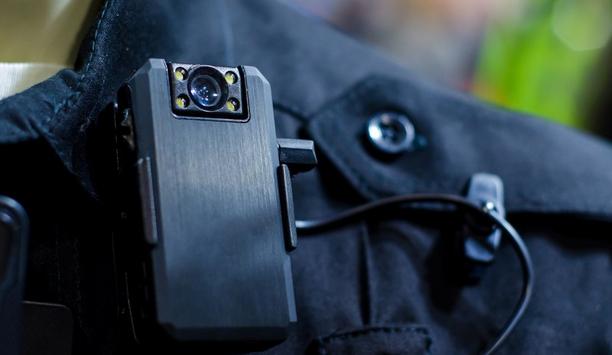
The death of Michael Brown at the hands of police in Ferguson, Missouri, in August 2014, highlighted to the public, the importance of body-worn cameras. There was no bodycam footage of the Ferguson tragedy. Arguably, it would have shed additional light on the shooting. Since then, body cameras have become a tangible legacy of Ferguson, Missouri. Bodycam footage is seen as providing greater accountability and ensuring an impartial record that can support, or debunk, any claims of police miscondu...
“Deep learning” is recently among the more prevalent jargon in the physical security industry, and for good reason. The potential benefits of this subset of artificial intelligence (AI) are vast, and those benefits are only now beginning to be understood and realised. But how can we separate the marketing hype from reality? How can we differentiate between future potential and the current state of the art? To clarify the latest on this new technology, we asked this week’s Exper...

Crime prevention is a basic goal of security, even if a security system merely convinces a criminal to seek out a different target. However, many of today’s security technologies are most useful after the fact, to provide forensic information about a crime that has already taken place. Solving a crime presents a whole new level of challenge. Surely, prevention is the best approach. We asked this week’s Expert Panel Roundtable: How successful is the security industry in crime preventi...

Artificial intelligence (AI) is simultaneously an emerging technology, a common term in popular culture, and a buzzword in the security industry. But these aspects of the term can lead to misunderstanding in the marketplace. AI technology is continuing to emerge, but what is the reality today? How do depictions of AI in popular culture impact how it is understood in the real world of security? As a buzzword, at what point does marketing hype garble our understanding of reality? We asked this wee...
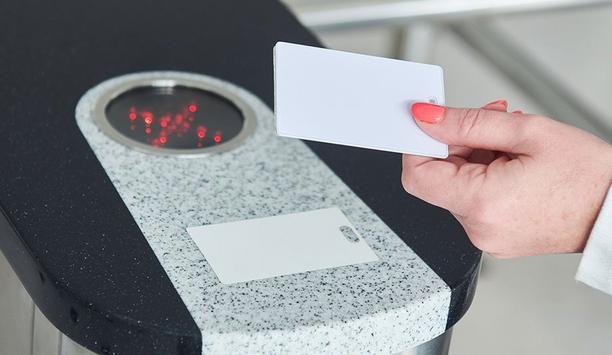
The idea of touchless systems has gained new levels of prominence during the last year, driven by the global COVID-19 pandemic. Contactless systems have been part of the industry’s toolbox for decades, while technologies like facial and iris recognition are finding new uses every day. We asked this week’s Expert Panel Roundtable: Which security markets are embracing touchless, contactless systems and why?
Adoption of General Data Protection Regulation (GDPR) by the European Union in 2016 set a new standard for data privacy. But adherence to GDPR is only one element, among many privacy concerns sweeping the global security community and leaving almost no product category untouched, from access control to video to biometrics. Because privacy concerns are more prevalent than ever, we asked this week’s Expert Panel Roundtable: What is the impact on the physical security market?

Many of us take critical infrastructure for granted in our everyday lives. We turn on a tap, flip a switch, push a button, and water, light, and heat are all readily available. But it is important to remember that computerized systems manage critical infrastructure facilities, making them vulnerable to cyber-attacks. The recent ransomware attack on the Colonial Pipeline is an example of the new types of threats. In addition, any number of physical attacks is also possibilities. We asked this we...
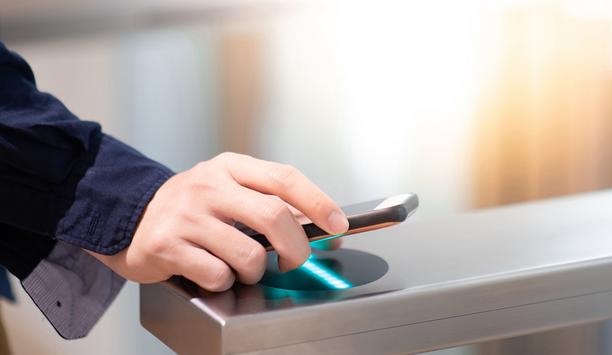
There is a broad appeal to the idea of using a smartphone or wearable device as a credential for physical access control systems. Smartphones already perform a range of tasks that extend beyond making a phone call. Shouldn’t opening the door at a workplace be among them? It’s a simple idea, but there are obstacles for the industry to get there from here. We asked this week’s Expert Panel Roundtable: What are the challenges and benefits of mobile access control solutions?

Contact tracing has been more than a buzzword during the coronavirus pandemic. In some cases, it has been an issue of life and death. Tracking who an infected person has been in contact with is an important tool to minimize disease spread, and technology from the physical security industry claimed a role in contact tracing early on – and continues to provide benefits as companies seek to reopen. We asked this week’s Expert Panel Roundtable: How can the security industry enhance conta...

Security technology has been a vibrant and successful market for decades now, but sometimes the public is not aware of those successes. Awareness in some cases is limited because security technologies work ‘behind the scenes’ to keep everyone safe. In other cases, the industry may be seen in a negative light, based on misinformation about topics such as surveillance and privacy. How can we get the word out about our industry’s successes? We asked this week’s Expert Panel...

We are several weeks into 2021, and it is already shaping up to be an eventful year. The happenings and trends from 2020 will likely carry over into the new year, but in a fast-moving industry such as ours, there will also be additional trends to watch. Looking toward the year ahead, we asked this week’s Expert Panel Roundtable: What will be the biggest security trends in 2021?

What a year 2020 was for the security industry! There were vast challenges that could not have been foreseen at the beginning of the year. It is safe to say that the events of 2020 defied all industry prognosticators. However, is that any reason not to hope our expectations looking ahead to 2021 will be much closer to reality? Can we possibly benefit from looking ahead and trying to plan for the challenges of the year ahead? We asked this week’s Expert Panel Roundtable: What will be the se...
Facial recognition is the latest technology to be targeted because of concerns about privacy. If such concerns cloud the public perception, they can be harmful to technology markets. Whether the concerns are genuine or based on misinformation is often beside the point; the practical damage has already been done. But beyond market demand, what is the impact of privacy concerns on technology innovation? We asked this week’s Expert Panel Roundtable: Are privacy concerns stifling innovation in...

Utilities are an important element of critical infrastructure and, as such, must be protected to ensure that the daily lives of millions of people continue without disruption. Protecting utilities presents a unique range of challenges, whether one considers the electrical grid or telecommunications networks, the local water supply or oil and gas lines. Security technologies contribute to protecting these diverse components, but it’s not an easy job. We asked this week’s Expert Panel...

2019 was a big year for the Expert Panel Roundtable. The range of topics expanded, and we had more participation from more contributors than ever before. In closing out the year of contemplative discussions, we came across some final observations to share. They can serve both as a postscript for 2019 and a teaser for a whole new year of industry conversations in our Expert Panel Roundtable in 2020.

Public spaces provide soft targets and are often the sites of terrorist or active shooter attacks. Public spaces, by definition, require easy accessibility and unrestricted movement. Given that openness, what security technologies can provide real results? We asked this week’s Expert Panel Roundtable: How is technology innovation impacting the security of public spaces?

When security topics become a part of current events, it is usually in a negative light. Security generally only becomes news when it fails, sometimes in a dramatic, high profile and tragic way. However, security failures can also shed light on lessons learned and opportunities to improve. Working toward better security can translate into the purchase of more goods and equipment supplied by our market. For additional insights into the intersection of security and current events, we asked this we...

The concept of how security systems can contribute to the broader business goals of a company is not new. It seems we have been talking about benefits of security systems beyond “just” security for more than a decade. Given the expanding role of technologies in the market, including video and access control, at what point is the term “security” too restrictive to accurately describe what our industry does? We asked the Expert Panel Roundtable for their responses to this p...

Video cameras are everywhere, and hundreds more are installed every day. Our society appears to be reaching a point of perpetual surveillance. It certainly feels as if we are always being watched even though it is not yet the case. But as cameras are becoming more common than ever, we are also entering a new era of privacy concerns and sensitivities, as evidenced by GDPR and other such initiatives. We presented this quandary to this week’s Expert Panel Roundtable: Surveillance cameras can...

Some Expert Panel Roundtable topics are more challenging than others. Occasionally a question will “stump” the panel – i.e., no one will choose to answer it. Other times, only one or two panelists will step forward to answer a question. One comment does not a “panel” make. Taken together, however, these varied comments offer their own range of insights into the evolving physical security market. Let’s look at some of these assorted Expert Panel comments over t...

We in the physical security market tend to watch closely how the buying decision is made. If anything, the buying process has become more complex in recent years. We have seen the impact of security systems extending beyond the core security department, and with greater impact come more stakeholders. “Buying by committee” is more the rule than the exception, and the committee is getting rather large in some situations. We asked this week’s Expert Panel Roundtable: Who should be...