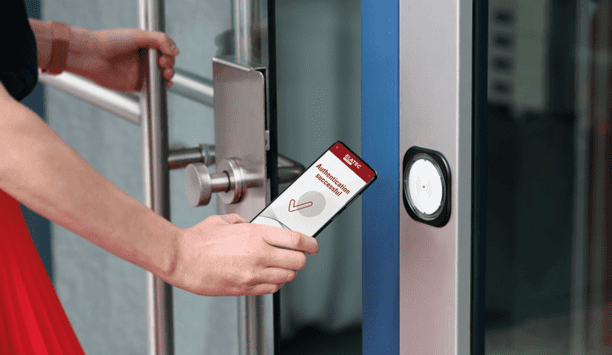
Power Supplies

Safetrust is demonstrating Aliro card and mobile credentials working side by side at Global Security Exchange (GSX) 2026, along with live Access Control Emulation (ACE), the Neural Adapter, and Badgeless Access powered by facial authentication. The company is exhibiting at booth 3545 at the Georgia World Congress Center in Atlanta, GA, September 14 – 16. Safetrust will also present a featured education session during the event: One Credential, Any Reader: How the Aliro Standar...

Altronix, the recognized pioneer in power and data transmission products for the professional security industry, is highlighting its innovative power and data solutions at GSX 2026 in booth 2833. The company is showcasing power, networking and infrastructure technologies that enhance security systems and streamline deployments. Altronix solutions on display at GSX 2026 NEW eFlow™ Pro Series Universal Power Supply Charger supports a wide range of security and access control applic...

AMG Systems, a manufacturer of industrial Ethernet and fiber networking solutions, announces the launch of its AMG577 Series, a new family of industrial-grade Layer 2+ managed Ethernet switches designed to deliver high-performance networking, advanced Power over Ethernet (PoE), and exceptional reliability in demanding industrial environments. Purpose-built for space-constrained industrial 19-inch rack applications, including roadside cabinets, transportation infrastructure, utilities, and criti...

Brivo, the AI innovator and pioneer in cloud-native physical security, announces the Schlage® XE360™ Series with RealSync™ lock is available within the Brivo Security Suite, delivering continuous, 24/7 Wi-Fi connectivity across all commercial doors at up to 70% lower cost per door than traditional hardwired systems. Historically, bringing electronic access control to secondary or interior openings—which account for approximately 75% of doors in a typical facility—has...

Aetina Corporation, a foremost provider of edge AI solutions and accelerator of edge AI infrastructure, announced the launch of MegaEdge AIP-RQ87, a ready-to-deploy 2U edge agentic AI system designed to help enterprises and system integrators (SIs) rapidly implement AI agent, private LLM, RAG application, multimodal AI, and AI-driven intelligent automation. Powered by Intel® Core™ Ultra processors with high-bandwidth PCIe Gen5 x16 architecture, AIP-RQ87 delivers enterprise-grade AI co...

Comelit-PAC has launched a new range of linear beam smoke detectors designed to simplify the protection of large, open spaces, combining easier commissioning with compatibility across both addressable and conventional fire alarm systems. Developed for applications such as warehouses, atriums, industrial facilities, sports halls and other high-ceiling environments, the new detectors use reflective infrared beam technology to monitor for the presence of smoke over distances of up to 120 metres....
News

Modern buildings are placing ever-increasing demands on door communication systems. Property owners, operators, and residents require intelligent solutions that accommodate different user groups, support flexible access methods, and meet high standards for security, connectivity, and integration. With the new D22x series, DoorBird introduces a new generation of IP video door intercoms. Developed based on specific customer requirements, the series combines cutting-edge technology, exceptional flexibility, premium design, and Made in Germany quality. As part of the ASSA ABLOY Group, the global pioneer in access solutions, DoorBird combines innovative IP-based door communication with extensive expertise in modern building security. Challenging lighting conditions The D22x series comprises more than 30 models and is the direct successor to the globally successful D21x Series. New additions to the portfolio include versions with digital nameplates, which can be managed centrally and remotely, offering significant advantages for property managers, housing associations, and operators of larger buildings. All models feature a 5 MP HDR camera with a Sony image sensor and a 180° ultra-wide-angle lens, providing excellent visibility of the entrance area even under challenging lighting conditions. Video transmission is available in HD quality via the local network or through DoorBird Cloud Pro. Outstanding audio performance ensures clear and intelligible communication between visitors and residents, even in demanding environments. Depending on the model, a variety of authentication methods are available, including the app, dual-frequency RFID, Bluetooth, PIN code, QR code, and fingerprint recognition. The security concept is further enhanced by a radar-based 4D motion sensor and an integrated tamper sensor. Comprehensively documented LAN With the D22x series, DoorBird also simplifies installation. Thanks to the integrated power output for electric door openers, many installations no longer require a separate power supply for the door release mechanism. This reduces cabling complexity, saves installation time, and lowers overall system costs. Open interfaces such as SIP, OSDP, RS485, and Wiegand, along with a comprehensively documented LAN and Cloud API, enable integration with more than 100 smart homes, access control, video surveillance, and building management systems. Building management systems The door station supports installations with up to 3,000 residential or office units. In addition to traditional call buttons, digital nameplates and displays with resident directories are available. Accessibility features can be added to every model, including an integrated hearing loop, pictograms, and acoustic door-opening confirmation signals. As an ISO/IEC 27001-certified company, DoorBird incorporates privacy and information security throughout the development process in accordance with the Security by Design principle. The D22x series offers a particularly cost-effective way to modernise existing DoorBird D21x installations. When upgrading, only the main electronic unit needs to be replaced. Existing housings, front panels, and other components can continue to be used, while all existing settings can be retained. This significantly reduces installation effort and contributes to environmental sustainability. Prestigious commercial properties In addition to technology, design plays a central role. More than 50 finishes and color options allow seamless integration into a wide variety of architectural concepts, from private residences to prestigious commercial properties. Using the DoorBird 3D Configurator, customers can customize the D22x series to their individual requirements. Front panel size and shape, engravings, mailboxes, and the integration of reader units from leading manufacturers can all be configured with maximum flexibility. “Modern buildings require solutions that can adapt flexibly while remaining easy to integrate,” says Sascha Keller, Founder and CEO of DoorBird. “With the D22x series, we provide a future-proof platform that combines powerful door communication, flexible access solutions, and sophisticated design Made in Germany.”

At the trade fair Security Essen 2026, WAGNER Deutschland GmbH will present innovative solutions for technical fire protection from September 22 to 25. The focus of the company’s exhibition in Hall 7, Booth 7A13, will be on the latest generation of the proven TITANUS® product family: the TITANUS REX® aspirating smoke detector. Its innovative detector module enables particularly early and reliable detection of fires. In addition, the subsidiary of WAGNER Group GmbH will showcase the company’s comprehensive portfolio for preventive fire protection. The spectrum ranges from fire detection, through active fire prevention and fire extinguishing, to intelligent hazard management and digital services. Intelligent signal processing “Effective fire protection begins with detecting potential hazards as early as possible. With TITANUS REX®, we at WAGNER have consistently refined our proven TITANUS® aspirating smoke detector technology and offer our customers a solution that combines highly sensitive detection with very high immunity to nuisance alarms,” says Markus Kock, Managing Director of WAGNER Deutschland GmbH. At the heart of the new system is W1 technology. It combines highly sensitive fire detection with intelligent signal processing and detects even very small smoke particles as early as the fire initiation phase. Advanced analysis algorithms ensure reliable evaluation of measurement data and precise differentiation between fire smoke and disruptive environmental conditions. This increases detection reliability and reduces nuisance alarms. At the same time, energy-efficient components contribute to lower power consumption and a power supply design tailored to actual needs. Holistic fire protection solutions For 50 years, WAGNER has been developing holistic fire protection solutions for a wide range of applications. The systems are precisely tailored to the requirements of various industries and infrastructures and provide long-term protection for people, property, and operational processes. By detecting and preventing fires at an early stage, they help reduce downtime and increase process reliability. At Security Essen, experts from WAGNER will be available to discuss current challenges and future prospects in preventive fire protection. Visitors will gain insights into the company’s innovative product and system portfolio and can learn about customized solutions for their projects.
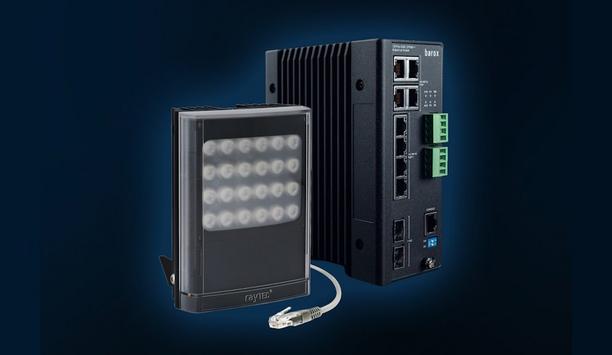
barox Kommunikation AG has partnered with Raytec to confirm compatibility of its range of PoE Ethernet switch and media converter products to power Raytec’s VARIO2 IPPoE LED illuminator products. Raytec is a UK-based manufacturer of LED lighting for security, surveillance and critical infrastructure applications, as well as hazardous area, industrial and transport lighting. Raytec's lighting solutions support CCTV and security systems in over 500,000 locations across more than 70 countries. In response to client and project demand, and to support systems integrators with their specification and set-up of reliable PoE when installing Raytec LED illuminators, barox and Raytec have concluded in-depth ‘proof of concept’ testing. The testing involved Raytec’s VARIO2 IPPoE network range of illuminators which included IR, WL and Hybrid options, and was performed to assess device performance and compatibility with barox’s range of PoE Ethernet switches and media converters. PoE Ethernet switches In the test, the range of barox PoE switches and media converters were assessed for their reliable delivery of power to the VARIO2 IPPoE range of illuminators. In addition, the ability to remotely switch the illuminators On and Off via the barox Smart functionality was also tested. “The device test yielded excellent results, with PoE being supplied to the Raytec illuminators and sustained by the barox switches,” says Rudolf Rohr, barox Co-founder & Managing partner. “The certified barox/Raytec PoE integration enables LED lighting solutions to be configured and installed with complete confidence. barox switches, which cater for the demands of any PoE device, supply their 30, 60 or 90 Watts PoE in compliance with the IEEE802.3af/at/bt standards.” Operation of critical devices The use of barox switches to supply PoE also allows remote on and off powering to the Raytec illuminators and surveillance cameras, potentially removing the need for engineers to go to site in instances where an IP device has just dropped offline. In the case of a power outage, the efficient PoE management features available on barox switches also allow the ability to maintain the operation of critical devices and extend UPS battery life. “On losing mains power supply, CCTV systems can provide temporary back-up power via a UPS battery pack,” Rudolf Rohr continues. “However, if the loss of mains power is prolonged, the local battery power can become depleted and the system blacks out. In this scenario, it would be ideal to prevent the total loss of power and system down-time by remotely switching off certain cameras and/or illuminators. Unlike with simple network PoE injectors, by using barox switches and its efficient PoE management, non-critical cameras or Illuminators can be automatically controlled, to extend battery autonomy.” Cost-effective solution The ability to deliver and support multiple IEEE802.3 PoE standards – up to 90 Watts - on a single edge switch, stands barox apart from multiple Ethernet vendors in the market, enabling end users and systems integrators to support/power cameras, other IP devices and lighting solutions from a single switch. The barox approach simplifies equipment, reduces both points of failure and configuration time on site, whilst also providing the most energy efficient and cost-effective solution. "We're always pleased to work with barox. The compatibility between our illuminators and their PoE switches and converters gives customers real confidence when specifying PoE for the VARIO2 range. This testing in particular confirmed that barox switches deliver reliable, sustained power to our VAR2-IPPOE-i6 and VAR2-POE-i8-1 illuminators, exactly the kind of proven compatibility systems integrators are looking for," Charlotte Lowdon-Smith, Marketing Communications Manager, Raytec. To support the installation of Raytec VARIO2 LED illuminators with barox PoE, configuration information is available from barox on request.

Kindoo, an innovator in turning any electric door into a smartphone-operated smart door, is featuring its battery-operated door handle with built-in access control functionality for secure wireless entry at ALOA booth #103. The solution enables locksmiths to expand their offering and grow recurring monthly revenue (RMR) with a familiar door handle mechanism that is smart and cloud-managed. Designed for commercial and residential applications, the Kindoo battery-powered door handle with integrated access control installs on a standard 161 cylindrical door prep for familiar lockset installation. The solution delivers smartphone-based electronic access management without requiring wiring, external power supplies, an access control panel, or complex IT expertise. Customer expansion opportunities “Locksmiths already have the skills and tools needed to install Kindoo products, making it easy to offer customers modern smartphone-based access control,” said Michael Chaftari, Partner at Kindoo. “What makes the opportunity especially compelling is the ability to generate RMR long after the initial installation.” The Kindoo wireless solution enables users to manage and grant access directly from their smartphones while giving locksmiths and integrators access to RMR and ongoing customer expansion opportunities. Smartphone-managed access control Battery-powered door handle operation No wiring or infrastructure needed Remote user and access management Commercial-grade, vandal-resistant construction Quick installation on existing doors Visit Kindoo at ALOA booth #103 to experience live demonstrations and learn how the company’s reseller program helps locksmiths create new recurring revenue streams. Book a meeting with the Kindoo team at ALOA 2026

MultiDyne Video & Fiber Optic Systems will showcase complementary innovations for audio transport and monitoring at InfoComm, highlighted by the AV industry launch of its VersaFrame VF-9100 fiber transport platform and InfoComm debut of its Crescendo audio monitoring system. Introduced to the broadcast market at NAB Show 2026, the VF-9100 makes its first appearance before the professional AV community at InfoComm with expanded functionality that extends beyond traditional video signal transport. New enhancements include a hardware controller with RESTful API support for advanced third-party integration, a redesigned chassis with improved card guides for easier field servicing, enhanced rack-mount options for flypack deployments, and more powerful internal power supplies. Signal transport platform The new power supplies also add support for new transport modules across audio, serial data, GPIO and genlock/timecode, which expanding the VF-9100’s role into a comprehensive signal transport platform. The VF-9100 transports up to two AES audio pairs or four channels of analog audio over fiber per-VFC card, with support for CWDM multiplexing that allows audio to travel alongside video, data and other signals over a shared fiber infrastructure. The platform's integrated 1GbE & 10GbE connectivity also supports IP audio workflows, including Dante and AES67 transport. "Audio is becoming increasingly important within converged AV and broadcast environments, and our customers need flexible ways to move, monitor and manage those signals across modern infrastructures," said Jesse Foster, Director of Strategic Accounts and Products for MultiDyne. "The VF-9100 extends our proven transport capabilities beyond video, supporting analog, AES and IP-based audio workflows, while Crescendo provides operators with the confidence monitoring tools they need to ensure signal integrity from source to destination." IP-based audio environments At the receiving end of those workflows, MultiDyne's Crescendo platform provides advanced confidence monitoring and analysis across traditional and IP-based audio environments. The flagship C16-AM-12G supports 12G-SDI audio monitoring with optional Dante and SMPTE ST 2110-30 connectivity, allowing operators to simultaneously monitor audio-over-IP workflows alongside conventional signal paths. Designed for broadcast-quality performance in a compact 1RU footprint, Crescendo delivers full dynamic range audio monitoring, SDI video confidence viewing, channel-by-channel monitoring flexibility and seamless integration with Ross Dashboard control environments. Live event production environments Together, the two platforms provide AV professionals with a complete solution that spans signal transport, distribution and confidence monitoring across both traditional and IP-based infrastructures. Visitors to InfoComm 2026 can see the VF-9100 and Crescendo at the MultiDyne booth, where company specialists will demonstrate how the systems work together to support modern AV, broadcast and live event production environments.

WatchGuard Technologies, a global pioneer in unified cybersecurity for MSPs, today announced a new generation of Firebox rackmount appliances designed to help Managed Service Providers (MSPs) and enterprise organizations scale security performance without adding operational complexity. The new Firebox appliances deliver industry-best firewall performance, built-in high-speed connectivity and enterprise-class reliability for large, distributed environments and modern networks. “MSPs and IT teams shouldn’t have to choose between enterprise-grade performance and operational simplicity,” said Andrew Young, Chief Product Officer at WatchGuard Technologies. “With our new high-performance Firebox appliances, we’re enabling partners to confidently support larger, more demanding customer environments while maintaining the streamlined deployment, management, and licensing experience that defines the WatchGuard platform.” High-speed network integrations The new Firebox appliances feature three performance tiers to support evolving MSP and enterprise requirements, including a comprehensive set of high-speed network integrations for native 25G and 100G connectivity. WatchGuard is also the first vendor to incorporate an industry-standard OCP 3.0 expansion bay into a firewall platform, enabling all three models to deliver 100G networking today while future-proofing the architecture for next-generation expansion. The appliances include redundant power supplies and hot-swappable fans as standard to provide the resiliency, uptime and operational continuity required for mission-critical and campus deployments. Larger customer environments “Midmarket and distributed enterprise organizations increasingly require security solutions that provide scalability, performance and efficacy without adding complexity to the operation of the solution,” said Pete Finalle, Research Manager at IDC. “Solutions that can balance operational and security outcomes while reducing overhead are particularly attractive to MSPs seeking versatile solutions that can expand into larger customer environments.” The rapid growth of encrypted traffic and high-speed network modernisation has forced MSPs and IT teams to reconsider their approach to delivering scalable security without sacrificing operational simplicity. The new Firebox appliances provide a clear growth path with predictable security performance, integrated high-speed networking, and simplified management through WatchGuard’s Unified Security Platform®. More complex environments “Our customers expect high performance and reliability, but they also expect simplicity,” said Kris Vastenavondt, Security Engineer and WatchGuard trainer, Infinigate, a WatchGuard Distributor. “The new Firebox appliances give us the ability to support larger and more complex environments while continuing to manage security efficiently across customers.” The new Firebox M4850, M5850, and M6850 appliances are now available through WatchGuard’s global partner network.

Expert commentary

A key characteristic of many successful companies is that good ideas come from everyone, not just specific departments or job titles. What one person sees as obvious may be questioned by someone else who is less familiar with the product or process. This simple interaction can spark a whole new, faster, and better approach. While valuing tradition is important, if someone uses the phrase “that’s how we’ve always done it,” it’s essential to analyze the process to ensure it remains optimal. Business conditions change rapidly, and what was considered a perfect process last week may need adjustments this week. Comprehensive approach to innovation This comprehensive approach to innovation fosters continuous improvement across all aspects of the organization Innovation should permeate every level of an organization, from product development and customer experience to sustainability practices and employee training. This comprehensive approach to innovation fosters continuous improvement across all aspects of the organization, allowing companies to stay agile, competitive, and in tune with their customers' constantly evolving needs. Addressing real-world challenges At the heart of pervasive innovation in the security industry lies the development of smart products and solutions that address real-world challenges. This approach integrates advanced technologies to enhance security while improving user experience. For instance, the integration of mobile credentials, biometrics, real-time wireless locks, intelligent keys, and cloud-connected access control systems exemplifies how technology can streamline operations and provide users with seamless and secure access. Offering user-friendly solutions These advancements reflect a deep understanding of user needs and preferences, offering solutions that are not only secure but also convenient and user-friendly. A notable example is UniKey's Kēvo, the first Bluetooth-enabled touch-to-open smart lock, introduced in 2013. Developed in partnership with Kwikset, this innovative product allowed users to unlock doors simply by tapping the lock with a compatible smartphone. By continuously innovating across various aspects of security products and solutions, companies can ensure that their offerings remain relevant and effective in addressing the evolving challenges of the security landscape. Design-driven features Products designed for quick and straightforward installation reduce labor costs and minimize downtime Innovation extends beyond technology to encompass design-driven features that prioritize user convenience and satisfaction. For instance, ease of installation is a critical factor in the adoption of new door hardware. Products designed for quick and straightforward installation reduce labor costs and minimize downtime, making them more attractive to both installers and end users. For electronic locks, long-lasting battery performance is essential for minimizing maintenance and ensuring reliability. Products with extended battery life reduce the frequency of replacements and enhance user confidence. Incorporating antimicrobial finishes into door hardware addresses growing concerns about hygiene and cleanliness. Taking hygiene a step further, touchless technology in door hardware minimizes physical contact, reducing the potential for cross-contamination and enhancing user convenience. Sustainability initiatives Sustainability initiatives in door hardware have evolved from niche considerations to central pillars of modern product development, not least of which is the growing consumer demand for sustainable products, which is influencing purchasing decisions. According to a Nielsen report, 66% of global consumers are willing to spend more on a product if it comes from a sustainable brand, leading many companies to prioritize the use of recycled and recyclable materials in their products. Beyond material selection, manufacturers are also refining their production processes to minimize environmental impact. Finishing processes are evolving to use non-toxic and low-impact finishing methods, such as powder coating and physical vapor deposition. Energy-efficient door hardware Energy-efficient door hardware plays a significant role in the overall energy conservation of buildings Energy-efficient door hardware plays a significant role in the overall energy conservation of buildings. Properly designed door hardware can help maintain a building’s thermal envelope, reducing heating and cooling demands. For instance, the HID® Signo™ access control reader includes improved power supply technology and energy-saving features that ensure reduced energy consumption when the reader is in a resting state. Environmental Product Declarations To further demonstrate their commitment to sustainability, many manufacturers seek certifications validating their environmental efforts. Environmental Product Declarations (EPD) and Leadership in Energy and Environmental Design (LEED) certifications have become key indicators of a product’s environmental performance. An EPD provides detailed information about the environmental impact of a product throughout its lifecycle, aiding in the transparency that architects and builders require to make informed choices. Similarly, LEED certification emphasises energy savings and broad environmental priorities, including water efficiency, CO₂ emissions reduction, and improved indoor environmental quality. Customer service and training Innovation is also making great strides in the behind-the-scenes efforts of customer service and training. Predictive maintenance technologies are revolutionising how companies manage product performance and customer support. By utilizing data analytics and IoT technologies, companies can offer maintenance alerts, remote diagnostics, and connected support services that anticipate issues and failures before they occur. This shift from reactive to predictive maintenance minimizes service disruptions and enhances customer trust by ensuring products operate at optimal levels. Digital training initiatives Digital training initiatives equip employees and customers with the skills needed to utilize new technologies In parallel, digital training initiatives equip employees and customers with the skills needed to utilize new technologies in a cost-effective and accessible manner. Digital installer certification programs, learning portals, and customer enablement initiatives are all part of a comprehensive strategy to equip stakeholders with the knowledge and skills they need to succeed. By investing in comprehensive training programs, companies foster a culture of adaptability and competence, ensuring that customers can fully leverage technological advancements. This approach not only enhances operational efficiency but also strengthens customer relationships by empowering them with the knowledge to make informed decisions. Incremental improvements While groundbreaking innovations often capture headlines, it’s the steady, incremental improvements that consistently deliver real-world value. Companies can achieve sustained growth and success by focusing on continuous innovation across all facets of the organization. This quiet progress, though less visible, is often more impactful as it builds a solid foundation for long-term achievement. In a world where change is the only constant, fostering a culture of pervasive innovation is the key to sustained relevance and growth.
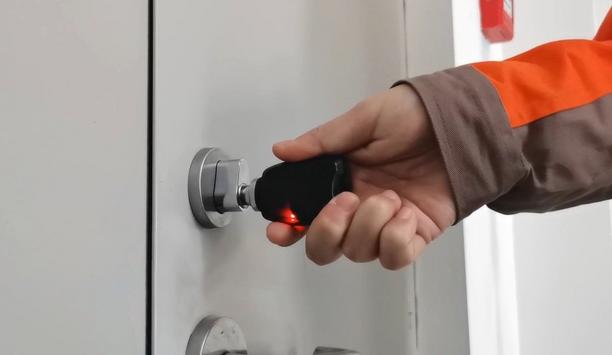
In daily work and life, various locks have always played the role of protecting asset safety. In different usage scenarios, the most appropriate lock must be selected to maximize benefits. In the past applications, the difficulties encountered by managers are as follows. Unlocking authority is difficult to control, unclear access records, emergency unlocking, and troublesome upgrade and installation. Through the following points, how the key-centric access management system solves such problems. Access management system The key-centric access management system, also known as intelligent passive electronic lock system, which is based on three elements: electronic keys, electronic cylinders and management software, can provide powerful and traceable access control. Each smart key is unique and cannot be copied, and in the event of loss or theft, these keys can be quickly disabled. Each smart key is unique and cannot be copied, and in the event of loss or theft, these keys can be disabledIn the process of using traditional mechanical locks, it is not difficult to find that it is quite complex to realize the access control of unlocking. The difficulty is that the keys can be copied at will, the use records are not clear, and the credibility of employees cannot be guaranteed... etc. For managers, this is a safety issue that cannot be ignored. Mechanical lock system And through the key-centric access management system, we can accurately assign access authority for each user, and set different access authority for locks in different areas. For example, we can set the XX user to have access to the archive room (A) from 10:00 on May 1, 2021 to 17:00 on June 1, 2021, within this time range. Outside this time range, there will be no unlock authority. The flexibility of the traditional mechanical lock system is insufficient. There is no clear record to determine who entered the area. It is usually a simple paper record that records the unlocking records of the employees. The authenticity and validity of the system need to be examined. In the key-centric access management system, when an employee unlocks the lock, the unlock record will be synchronized to the management terminal. Remote authorized unlocking With the key-centric access management system, remote authorized unlocking can be realized Through secondary records, managers can easily track employees and supervise employees' visits to each area. In daily work, there are often emergencies that require temporary visits to certain specific areas. If you encounter a situation where the distance is extremely long, and you don’t have the key to that area, you can imagine how bad this is. The process of fetching the keys back and forth is time-consuming and laborious. With the key-centric access management system, remote authorized unlocking can be realized. You can apply for the unlocking authority through the mobile APP, or you can temporarily issue the unlocking authority for the area on the management terminal, which saves time and effort. When faced with the failure of ordinary mechanical locks to meet management needs, some managers can already think of upgrading their management system, that is, the intelligent access control system. Passive electronic locks But before making this decision, the manager will inevitably consider the various costs brought about by the upgrade, including installation costs (cable cost), learning costs, and maintenance costs. Since most of the universal intelligent access control systems on the market require wiring and power supply, the cost of transformation and upgrading is quite high for managers who have such a huge amount of engineering. The key-centric access management system is the ‘gospel’ for managers. Since passive electronic locks and ordinary mechanical locks have the same size, they can be directly retrofitted to existing hardware, and they can be replaced step by step simply and easily. At present, the key-centric access management system is being known and applied by more and more managers and enterprises. Application industries include, such as power utilities, water utilities, public security, telecommunication industry, transportation, etc.
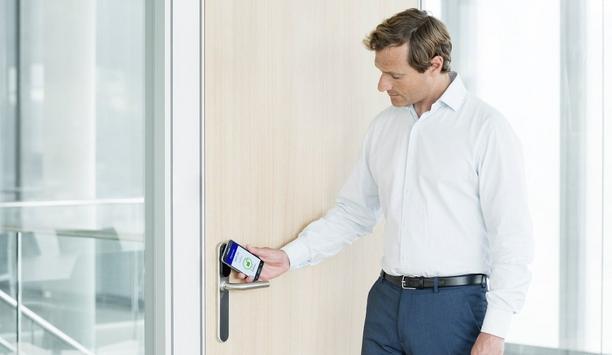
The 2020s will be a wireless decade in access control, says Russell Wagstaff from ASSA ABLOY Opening Solutions EMEA. He examines the trends data, and looks beyond mobile keys to brand new security roles for the smartphone. The benefits of wire-free electronic access control are well rehearsed. They are also more relevant than ever. A wireless solution gives facility managers deeper, more flexible control over who should have access, where and when, because installing, operating and integrating them is easier and less expensive than wiring more doors. Battery powered locks Many procurement teams are now aware of these cost advantages, but perhaps not their scale. Research for an ASSA ABLOY Opening Solutions (AAOS) benchmarking exercise found installation stage to be the largest contributor to cost reduction. Comparing a typical installation of battery-powered Aperio locks versus wired locks at the same scale, the research projected an 80% saving in installers’ labor costs for customers who go cable-free. Battery powered locks all consume much less energy than traditional wired locks Operating costs are also lower for wireless: Battery powered locks all consume much less energy than traditional wired locks, which normally work via magnets connected permanently to electricity. Wireless locks only ‘wake up’ when presented with a credential for which they must make an access decision. AAOS estimated a 70% saving in energy use over a comparable lock’s lifetime. Find out more about wireless access control at ASSA ABLOY's upcoming June webinar Deploying wireless locks In short, every time a business chooses a wireless lock rather than a wired door, they benefit from both installation and operating cost savings. A recent report from IFSEC Global, AAOS and Omdia reveals the extent to which the advantages of wireless are cutting through. Responses to a large survey of security professionals — end-users, installers, integrators and consultants serving large corporations and small- to medium-sized organizations in education, healthcare, industrial, commercial, infrastructure, retail, banking and other sectors — suggest almost four locations in ten (38%) have now deployed wireless locks as a part or the whole of their access solution. The corresponding data point from AAOS’s 2014 Report was 23%. Electronic access control Electronic access control is less dependent than ever on cabling Without doubt, electronic access control is less dependent than ever on cabling: Even after a year when many investments have been deferred or curtailed, the data reveals fast-growing adoption of wireless locks, technologies and systems. Is mobile access control — based on digital credentials or ‘virtual keys’ stored on a smartphone — an ideal security technology for this wire-free future? In fact, the same report finds mobile access is growing fast right now. Among those surveyed, 26% of end-users already offer mobile compatibility; 39% plan to roll out mobile access within two years. Before the mid-2020s, around two-thirds of access systems will employ the smartphone in some way. The smartphone is also convenient for gathering system insights Driving rapid adoption What is driving such rapid adoption? The convenience benefits for everyday users are obvious — witness the mobile boom in banking and payments, travel or event ticketing, transport, food delivery and countless more areas of modern life. Access control is a natural fit. If you have your phone, you are already carrying your keys: What could be easier? IBM forecasts that 1.87 billion people globally will be mobile workers by 2022 Less often discussed are the ways mobile management makes life easier for facility and security managers, too. Among those polled for the new Wireless Access Control Report, almost half (47%) agreed that ‘Mobile was more flexible than physical credentials, and 36% believe that mobile credentials make it easier to upgrade employee access rights at any time.’ IBM forecasts that 1.87 billion people globally will be mobile workers by 2022. Workers in every impacted sector require solutions which can get the job done from anywhere: Access management via smartphone offers this. Site management device The smartphone is also convenient for gathering system insights. For example, one new reporting and analytics tool for CLIQ key-based access control systems uses an app to collect, visualise and evaluate access data. Security system data could contribute to business success. The app’s clear, visual layout helps managers to instantly spot relevant trends, anomalies or patterns. It’s simple to export, to share insights across the business. Reinvented for learning — not just as a ‘key’ or site management device — the phone will help businesses make smarter, data-informed decisions. The smartphone will also play a major role in security — and everything else — for an exciting new generation of smart buildings. These buildings will derive their intelligence from interoperability. Over 90% of the report’s survey respondents highlighted the importance of integration across building functions including access control, CCTV, alarm and visitor management systems. Genuinely seamless integration They offer greater peace of mind than proprietary solutions which ‘lock you in’ for the long term Yet in practise, stumbling blocks remain on the road to deeper, genuinely seamless integration. More than a quarter of those polled felt held back by a lack of solutions developed to open standards. ‘Open standards are key for the momentum behind the shift towards system integration,’ notes the Report. As well as being more flexible, open solutions are better futureproofed. Shared standards ensure investments can be made today with confidence that hardware and firmware may be built on seamlessly in the future. They offer greater peace of mind than proprietary solutions which ‘lock you in’ for the long term. Open solutions and mobile management are critical to achieving the goals which end-users in every vertical are chasing: scalability, flexibility, sustainability, cost-efficiency and convenience.
Security beat

Across the security industry, power supplies are too often an afterthought and the first item in an access control system to be value-engineered. However, when the power supply fails on a high-end access control device, the system becomes a very expensive paperweight. Fortunately, there are now power supply units available that can enhance system reliability by providing remote diagnostics and real-time reporting and analytics. There is also a mistaken perception that all power supplies are the same, says David Corbin, Director of ASSA ABLOY’S Power Management Strategic Business Unit. Access control and security applications Power supplies today are more important than ever for access control and security applications The fact is, a properly designed unit for today’s market must have a wide input range, a myriad of features, interface to network, have adequate transient protection, good surge capability and a demonstrated quality level for mission critical reliability, he says. “Power supplies today are more important than ever for access control and security applications,” says Corbin. “From heavy snowstorms in the Midwest and East Coast to the two million Californians that experienced unprecedented power outages, extreme weather conditions have created chaos for millions over the past few months. These events have resulted in students being locked out of schools, hospitals darkening and electronic keypads or card readers shutting down. With events like these on the rise, and an increased reliance on the technology we use to get in and out of the spaces we occupy, power supplies are critical for keeping systems up and running and people safe and secure.” ASSA ABLOY's LifeSafety Power’s FPO Intelligent Power Supplies and Helix Redundant Power Systems Installing right power supplies ASSA ABLOY has a range of products within the power supplies category, including LifeSafety Power’s FPO Intelligent Power Supplies and Helix Redundant Power Systems. ASSA ABLOY’s acquisition of LifeSafety Power in September expanded the company’s offering of smart integrated access control power solutions for OEMs, integrators and end-users. Other ASSA ABLOY power supply products include Securitron AQ Series Switching Power Supplies, and eco-friendly, linear, plug-in and solar power supplies, as well as Power over Ethernet (PoE). Access control is crucial to security and life safety, says Corbin. And without power, any protective system is useless. When the right power supplies are installed correctly, the system will have built-in backup power that will be triggered during an outage. Dependable power supplies, with regularly replaced and appropriately sized backup batteries, are critical to keeping occupants safe in an emergency event. Other ASSA ABLOY power supply products include Securitron AQ Series Switching Power Supplies Periodic testing of the battery When it comes to extreme weather conditions, the result of a power outage can lead to hazardous situations for employees, patients, residents and students, he says. Buildings that require power to gain access can leave people stranded outside or locked inside. “When access controls are disabled, intruders can easily enter buildings without notice, affording the opportunity for interruptions to power distribution, water supplies and other necessary public utilities,” says Corbin. Preparation for the next big power outage should include the sizing of power supplies to the system requirement with a reasonable safety factor for foreseeable system expansion and a battery set that is sized for operating the system for a period of time greater than the planned requirement, he says. Using a ‘smart’ power supply provides early warning of an impending failure; and consistent, periodic testing of the battery set keeps the system in peak operating condition. Predictive maintenance of access control Predictive analytics and data harvesting can help with predictive maintenance of access control Redundancy ensures that power remains available in the event of a failure, regardless of whether it is a blackout situation or a failure of the power supply itself, says Corbin. “In critical power installations where redundancy is vital, the system must have a properly sized and maintained backup battery,” says Corbin. “Additionally, further redundancy can be achieved via products like our Helix systems that provide for seamless switching between two different power supplies in the event of an electrical failure of one of the power supplies.” Corbin also notes there is a growing want and need for more data and analytics in the access control field. End users increasingly expect access control systems to be able to integrate with building information systems. Predictive analytics and data harvesting can help with predictive maintenance of access control and building systems. For example, intelligent power supplies can identify problems before they happen – such as performing periodic, automated battery tests and then notifying a central monitoring location and/or a facility manager of a battery that needs replacement. Lock operation can also be monitored on a real-time basis for failure or impending failure of a secured door opening, he says.

Facial recognition has seen huge breakthroughs since the U.S. National Institute of Standards and Technology (NIST) first began testing in 2010. Accuracy has seen massive gains, especially from 2013-2018. In the 2018 test, the most accurate algorithm was 20 times more accurate than the 2013 equivalent. Essentially, 95 percent of the matches that failed in 2013 now yield correct results. Compare that to 2010-2013, when the most accurate algorithm reduced its error rate by 30 percent. This reduction in error rates since 2013 is due to wholesale replacement of the old algorithms with new ones based on deep convolutional neural networks — completely revolutionizing the technology. Optimal recognition results SAFR says it delivers optimal recognition results with 99.86 percent accuracy in under 100 milliseconds One entrant in the newly energized market is RealNetworks, whose SAFR for Security is an AI-based facial recognition solution for live video that integrates video management system (VMS) solutions. With 24/7 monitoring, SAFR detects and matches millions of faces accurately in real time, enabling teams to manage a watchlist across any number of video feeds. SAFR says it delivers optimal recognition results with 99.86 percent accuracy in under 100 milliseconds, even in real-world conditions where faces are in motion, at different angles, under poor lighting, or partially obscured. SAFR builds on RealNetworks’ 23-year history in video technologies. Launched in July 2018, SAFR — secure, accurate facial recognition — is enabling new applications for security, convenience, and analytics. Create security responses “We seek to be the world’s most trusted facial recognition platform and are delighted to partner with customers in the security industry and elsewhere to shape a more secure, convenient future worldwide,” says Dan Grimm, Vice President of Computer Vision and General Manager of SAFR at RealNetworks. “Security professionals are asked to keep us safe 24/7, monitoring a burgeoning number of cameras, and we help make them more effective.” SAFR targets facial recognition for live video, identifying camera-unaware faces moving in real-world conditions. In the April 2019 NIST results, SAFR tested as the fastest and most compact solution among algorithms with less than 0.022 False Non-Match Rate — 62 percent faster than the average speed, according to the company. SAFR now provides capabilities such as live video overlays alerting security professionals to events in real time, automatic bookmarks with rich metadata for investigative work, and alerts that can be customized to create security responses. SAFR uses one-sixth the compute power of competing facial recognition solutions Facial recognition algorithms Five years ago, facial recognition algorithms would struggle to match forward-facing people from still images, let alone camera-unaware moving faces from live video with variations in rotation and tilt. SAFR says they have achieved a balance of accuracy and performance for live video. A contributor to this accuracy is consistency across a range of skin tones. The algorithm was trained on a highly diverse global set of over 10 million non-simulated real-world faces. SAFR was optimized for speed and can sample a face multiple times during the same period of time as other algorithms, subsequently increasing its accuracy. SAFR achieves the performance through edge processing. Distributed architecture enables efficient bandwidth consumption, reducing the roundtrip latency of facial recognition speed to under 100 milliseconds. The savings lower total cost of ownership (TCO): SAFR uses one-sixth the compute power of competing facial recognition solutions, equating to $500,000 or so in savings on a 250-camera deployment. Integrated experience SAFR also uses off-the-shelf hardware and is optimized to leverage inexpensive GPUs SAFR also uses off-the-shelf hardware and is optimized to leverage inexpensive GPUs. SAFR can be deployed on premises or in the cloud, and supports Windows, Linux, macOS, iOS, and Android. When SAFR is paired with a VMS, such as Milestone XProtect or Genetec Security Center, the integrated experience includes 24/7 monitoring to detect and match faces in real-time. Features include live video overlays within the VMS to identify strangers, threats, concerns, unrecognized persons, VIPs, employees, or other tagged individuals in live video. Real-time alerts can be customized for when persons of interest appear on a video camera feed. Additionally, automatic bookmarks with rich metadata make for easier investigative review of security footage. Facial recognition technology is increasingly in demand to improve safety across various industry verticals. Better customer experience Large enterprises with high-visitor flows and heightened security — such as transportation hubs, stadiums, universities, and hospitals — need to know in real time when persons of interest or those on watchlists appear on camera. Sports stadiums could apply facial recognition to deny entry to banned patrons, locate lost children, or recognize VIPs to deliver a better customer experience. Hospitals need access control to restricted areas and pharmaceutical storage closets Hospitals need access control to restricted areas and pharmaceutical storage closets. Airports and transit centers value traffic flows, demographic composition, and dwell times to help improve scheduling. SAFR for Security is available worldwide, and the company partners with VMS providers such as Milestone, Genetec, Digifort, and IPConfigure by Paliton Networks. They are actively working to support additional VMS solutions and have sales teams located in major metropolitan cities around the world. Security professionals “The job of the security professional is critical in today’s world,” says Grimm. “SAFR for Security helps mitigate the challenges of the important work security professionals do to keep us all safe.” In designing and developing SAFR, RealNetworks considered diversity and the uniqueness of each person; Grimm says their massive global training data set is a competitive advantage. SAFR is designed with privacy in mind. All facial images and signatures are AES-256 encrypted in transit or at rest. “SAFR is powerful enterprise-grade software that is continuously improving through innovation and many years of expertise,” says Grimm.
Case studies

Gümüşdoğa Aquaculture is a professional fish farming company based along Turkey’s Mediterranean coastline, managing several large-scale offshore cage farming sites. Located approximately five kilometers from shore, these sites are essential to the company’s core fish production activities. Operating in an offshore environment created the need for a dependable system to support feeding management, real-time monitoring, theft prevention, and stable communication between offshore facilities and the onshore control center. To meet these requirements and enhance overall operational efficiency, a comprehensive smart surveillance and monitoring solution developed by Dahua was implemented. Key challenges in offshore fish farm operations The offshore fish farming environment presented several operational challenges, including frequent nighttime theft by unauthorized individuals using small boats, which was difficult to detect due to poor visibility and delayed response capabilities. At the same time, the onshore monitoring center lacked real-time visibility of offshore cages and could not rely on stable backup communication links. These issues were compounded by inconsistent offshore power supply, which made continuous operation of traditional CCTV systems impractical. In addition, the absence of underwater monitoring limited visibility into fish feeding behavior, resulting in inefficient feeding practices, increased feed waste, and higher operating costs. Implementing an intelligent monitoring solution To address these challenges, Dahua developed an integrated surveillance and monitoring solution specifically designed for offshore aquaculture operations. It comprises: Thermal Imaging for Night Security: Thermal imaging PTZ cameras were deployed to enable reliable detection of unauthorized activity at night, significantly improving security and response efficiency. Wireless Data Transmission: Wireless transmission technology greatly ensures stable, long-distance communication between offshore cameras and the onshore monitoring center. Solar-Powered Camera Systems: Solar-powered solutions provide a dependable energy source, enabling uninterrupted 24/7 camera operation in offshore areas with limited power supply. Underwater Monitoring for Feeding Control: Cameras integrated with professional waterproof housings enable real-time underwater observation of fish behavior, allowing operators to stop feeding when fish were no longer actively eating. A sustainable fish farm management The deployment of the smart surveillance system delivered clear and lasting improvements to fish farm operations. Nighttime theft was effectively eliminated, reducing annual financial losses by at least USD 10,000. The onshore monitoring center now benefits from stable, continuous video transmission, ensuring reliable visibility without data loss caused by network disruptions. Solar-powered camera systems enabled uninterrupted 24/7 operation in the offshore environment, while real-time underwater monitoring optimized feeding management, reducing feed costs by more than 30% and significantly improving overall operational efficiency. “This is something we can do entirely thanks to Dahua. It allows us to stay connected with offshore units. Normally, this kind of setup can only be done on land. Achieving this at sea when there’s constant movement is very difficult. We believe we’ve succeeded with Dahua,” says Mert Deveci, Security Camera Maintenance and Management Supervisor at Gümüşdoğa Aquaculture. Takeways By combining intelligent surveillance, wireless communication, solar energy, and underwater monitoring technologies, Gümüşdoğa Aquaculture successfully overcame the challenges of offshore fish farming management. The project not only enhanced security and operational visibility but also delivered significant cost savings and efficiency improvements, setting a strong foundation for sustainable offshore fish farming operations.

Atlanta faces crime challenges in its public parks, just like any major U.S. city. However, unlike most, it has tackled the issue head-on with a large-scale, multi-year investment in new surveillance cameras powered by Hanwha Vision technology. “Our primary focus is always on addressing high-crime areas to better protect citizens using our facilities,” said Anthony Jones, Director of Public Safety, Department of Parks & Recreation (DPR), City of Atlanta. “To achieve this, our internal security team collaborates closely with the Atlanta Police Department.” Public safety concerns DPR oversees all public parks, recreation centers, facilities, trails, and programs across Atlanta. In 2021, the department began prioritising locations for the first phase of security upgrades, in response to growing public safety concerns. DPR worked with NetPlanner Systems, a leading technology integrator, to select 20 sites with the highest frequency of major crimes based on a police department study. “In recreation centers, surveillance typically includes dual-dome or single-dome cameras installed at entry points and gymnasiums, while in outdoor spaces we strategically select locations to maximize coverage,” said Randy Major, Senior Security Engineer at NetPlanner. “We also evaluate when a dual-sensor camera is sufficient or when a PTZ (pan-tilt-zoom) camera is justified, ensuring that any infrastructure investment delivers the most value.” Existing local infrastructure To address various project challenges, NetPlanner introduced creative solutions including the use of solar support and existing local infrastructure. In parks where traditional power sources are unavailable, NetPlanner deployed a unique solar-powered setup that ensures continuous operation of surveillance systems. This approach reflects the City’s commitment to maintaining comprehensive public safety coverage, even in areas with limited infrastructure. The City transitioned to Hanwha Vision cameras after the previous supplier experienced supply chain issues. Hanwha was able to meet key timelines, especially the frequent need for overnighting parts, and has since provided reliable performance, support, and quality. When power supplies were missing from a shipment for a major park, 20 units were overnighted to keep the project on schedule. Incident response times To date, more than 400 Hanwha Vision cameras are installed throughout DPR locations, mainly the PNM-C34404RQPZ, featuring a quad-sensor (4-channel) module in 4K (8 MP) resolution, combined with a 2 MP PTZ (pan-tilt-zoom) unit. The Hanwha Vision cameras integrate with Atlanta PD’s 911 dispatch and Fusus real-time crime center (RTCC) command center platform. The new cameras’ improved video quality and comprehensive coverage allow for precise identification and incident documentation, speeding law enforcement investigations and reducing incident response times. Comprehensive surveillance system “The cameras’ pinpoint accuracy and visual clarity help us to quickly retrieve footage, conduct research, and assist in investigations,” said Jones. “This capability provides residents with peace of mind, knowing that their parks are covered by a comprehensive surveillance system." The new surveillance cameras’ effectiveness was successfully tested following a recent incident at Atlanta’s Coan Park. Incident footage was recorded and turned over to Atlanta PD, leading to timely arrests. Improved public confidence The City will expand its system based on ongoing security assessments by DPR teams and NetPlanner security engineers to determine the best technology to deploy, adding cameras for wider coverage in high-crime areas and exploring the use of more AI-driven features. The Atlanta DPR surveillance upgrade is a blueprint for major metropolitan public safety initiatives, effectively demonstrating the long-term benefits of collaboration between law enforcement and city management. The department is confident its new security capabilities will grow with their needs, delivering higher video quality, effective coverage, and improved public confidence.
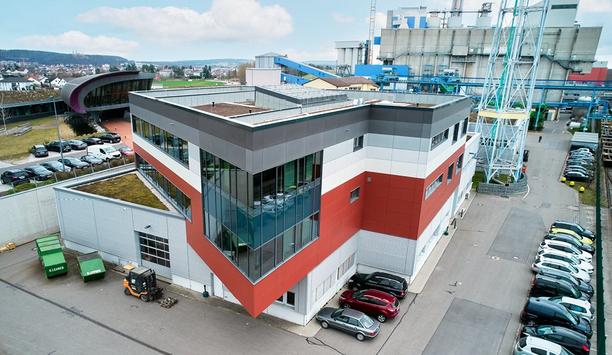
In 1979, nine districts and five cities in Bavaria, Germany, founded a joint association for the disposal of residual waste. They targeted future-oriented, environmentally friendly and economical fulfillment of local statutory obligations. Now with 17 association members, ZMS (Zweckerverband Müllverwertung Schwandorf) disposes waste for around a fifth of Bavaria, almost two million citizens. They also use the energy generated by the waste power plant as efficiently as possible. Different levels of security Devices and other access hardware also need high weather resistance, for deployment outdoors In the past, a mechanical locking system was used on all ZMS properties. The association planned a digital upgrade to boost flexibility over their existing mechanical locking. Their principal site at Schwandorf has areas requiring different levels of security. Devices and other access hardware also need high weather resistance, for deployment outdoors. Managers also considered workflow efficiency. They wanted a way to manage access authorisations more flexibly and align security infrastructure with upcoming IT security laws such as NIS2. Digital Access Solutions from ASSA ABLOY The company chose eCLIQ, part of the suite of Digital Access Solutions from ASSA ABLOY. This innovative, programmable key-based solution now equips not only the power plant and headquarters in Schwandorf, but also buildings across eastern Bavaria, including transfer stations, a waste disposal site, a sorting plant in Bodenwöhr, and a sludge drying plant, as well as all technical and commercial offices, gate control systems and local control points. Because eCLIQ offers a broad range of digital cylinders within its single ecosystem, it suits diverse and complex organizations like ZMS. The benefits of programmable key-based digital access These Wall PDs also make it easy to set limited access time windows for fitters or maintenance contractors The digitally networked eCLIQ system allows access rights and security levels to be defined and assigned flexibly and precisely. A total of 20 Wall Programming Devices (Wall PDs) installed in the head office and branch offices ensure that only authorized employees gain access. These Wall PDs also make it easy to set limited access time windows for fitters or maintenance contractors. If a key is lost, it can be programmed out immediately to prevent misuse. Standard eCLIQ keys “Now we are going with the times and can conveniently enjoy a wide range of advantages,” says Manuel Emerich, Project Manager at ZMS. “As a critical infrastructure company, we can also react very rapidly and flexibly to future requirements.” The solution offers the advantage that a depleted battery does not render a cylinder useless With eCLIQ, each of ZMS’s approximately 1,000 wireless digital cylinders is powered by a battery inside the keyholder’s personalized key. Standard eCLIQ keys have a battery life of 10 years with typical usage. The solution offers the advantage that a depleted battery does not render a cylinder useless. The key is simply fitted with a spare battery, saving time and effort. Future of evolving physical and cyber-security threats Security is a critical concern at municipal and infrastructure sites: every eCLIQ device offers reliable protection against manipulation and intelligent break-in attempts. Keys are robust, with a waterproof casing, and operate reliably in the most challenging environmental conditions. With eCLIQ, ZMS feel ready to face a future of evolving physical and cyber-security threats. “For us, the introduction of digital locking technology and the ability to respond quickly and specifically to security incidents is a decisive step towards a holistic and future-proof system to defend against cyber–physical threats,” adds Manuel Emerich.

The global energy landscape is evolving at an unprecedented pace. With the increased adoption of renewable energy sources and the drive for a more sustainable future, the demand for efficient energy storage has never been greater. Enter Battery Energy Storage Systems (BESS)—the backbone of modern energy infrastructure, ensuring stability, resilience, and efficiency in power distribution. Record-breaking growth in storage In 2024, the US battery storage market saw record-breaking growth, with nearly 9.2 gigawatts (GW) of new capacity installed in late November alone, according to figures from S&P Global. But how is this supercharged leap into more stable power distribution fairing on a fundamental level? Despite an estimated capacity increase in the United States of a staggering 89% in 2024, according to U.S. Energy Information Administration (EIA), there is still more to be done to ensure this rapid rollout of these mainly Lithium-ion battery systems don’t pose a threat to workers, communities and the energy infrastructure. US battery storage market saw record-breaking growth, with nearly 9.2 GW of new capacity The global importance of battery energy storage systems BESS helps to bridge the gap by storing excess energy when supply is high BESS plays a critical role in balancing power supply and demand, especially as more countries transition to renewable energy sources like solar and wind. Typically, renewable energy sources are inherently intermittent—meaning they don’t produce electricity consistently throughout the day, due to a variety of uncontrollable environmental factors. BESS helps to bridge the gap by storing excess energy when supply is high and distributing it when demand peaks. While the idea of shoring up the energy infrastructure to greater withstand periods of intense strain is a laudable (and indeed, logical) one, they must ensure that in the haste to erect new BESS sites, they don’t overlook vital safety concerns. How BESS underpins growing support for the electrification In addition to grid stabilization, BESS is instrumental in enhancing energy reliability. By storing surplus electricity, BESS ensures that power remains available even during blackouts or grid failures. It’s also an important element of reducing carbon emissions, as with stored renewable energy, reliance on fossil fuel-powered plants decreases, leading to a more sustainable energy mix. Let’s not forget how BESS underpins growing support for the electrification of transportation. As electric vehicles (EVs) gain traction, BESS can facilitate fast-charging infrastructure without overloading the grid. Prominence of BESS installations can mean greater risks Renewable energy producers added 10.5 GWh power to the energy network, according to market intelligence In February 2025 alone, renewable energy producers added 10.5 GWh capacity to the global energy network, according to market intelligence firm Rho Motion’s Battery Energy Stationary Storage Monthly Database. But while BESS sites are a useful way to prevent overloading the world’s power supplies—releasing stored energy at peak times when power generators come under greater strain—they come with challenges. One of the greatest concerns is thermal runaway, a dangerous chain reaction in which rising temperatures spread from one battery cell to another. Why advanced thermal imaging solutions are essential Without proper monitoring and early detection of potential failures, thermal runaway incidents can easily snowball into devastating fires. These fires spread rapidly, passing from unit to unit, causing sizable financial losses, environmental damage, and, of course, safety hazards—including releasing toxic substances such as hydrogen fluoride gas. Advanced thermal imaging solutions are becoming essential to keep BESS sites safe That’s why advanced thermal imaging solutions are becoming essential to keep BESS sites safe and operational. Fixed thermal cameras with advanced analytics are the go-to solution, as they can trigger alarms and suppression systems when temperatures pass a set threshold.

Honeywell has been selected as the building automation provider for LG Energy Solution’s cylindrical EV battery manufacturing facility being built in Queen Creek, near Phoenix, Arizona. Set for completion in 2026, this state-of-the-art project represents a critical milestone in LG Energy Solution’s strategy to lead EV battery innovation in North America, and it also supports Honeywell’s alignment of its portfolio to three compelling megatrends, including automation and the energy transition. New standard for operational efficiency Deployment of Honeywell’s building automation technologies at the Queen Creek facility Global battery demand is projected to quadruple by 2030 according to Bain, and the deployment of Honeywell’s building automation technologies at the Queen Creek facility will help set a new standard for operational efficiency in high-tech manufacturing environments. This 1.3-million-square-foot standalone facility will integrate a suite of Honeywell technologies to help optimize performance, enhance safety and support sustainability outcomes. Future of automation “By developing and delivering solutions that blend cutting-edge technology and energy management, we are driving the future of automation," said Billal Hammoud, president and CEO of Honeywell Building Automation. "Honeywell’s collaboration with LG Energy Solution demonstrates how advanced building automation can help empower companies to achieve operational excellence in their facilities while also accelerating the shift to a more secure energy future.” Honeywell’s innovative solutions Honeywell’s innovative solutions will provide the Queen Creek facility with the following: Unified Systems Integration: Honeywell’s Enterprise Buildings Integrator platform will help enable seamless control of building management and safety systems via integration into Honeywell Forge, which provides advanced monitoring and analytics. Honeywell Forge, an IoT platform, enables condition-based maintenance to improve the resiliency of critical systems around the clock, helping to reduce unplanned reactive work and help lower energy costs. Its machine learning capabilities will continuously study a building's energy consumption patterns, which will enable LG Energy Solution to automatically adjust the facility to optimal energy-saving settings. Comprehensive Fire and Safety Solutions: Honeywell’s VESDA smoke detection and advanced self-testing fire alarm system offers automated and continuous air sampling enabling early warning of an impending fire hazard, often even before heavy smoke or flames are detected. VESDA and the networked fire alarm solution will be integrated into the facility’s building management system to allow coordinated and near-instant responses from the HVAC system if smoke is detected. Mission Critical Control and Advanced Cybersecurity: The QronoX Programmable Logic Controller will enable LG Energy Solution to enhance operational performance and resilience by providing advanced cybersecurity for its facility. The Honeywell technology will also help ensure asset security and compliance while reducing downtime for critical systems. Honeywell’s scalable solutions are designed to support the future expansion of the project as well, reinforcing its role as a key collaborator in this transformative industrial sector.
Founded in 2020 by a team of energy professionals in Milan, Sunprime is a fast-growing independent renewable energy producer that develops sustainable photovoltaic plants across Italy. Their focus is mainly commercial and industrial (C&I) segment, ground-mounted systems on industrial land and industrial electricity storage systems. Challenges With global initiatives toward green sustainability and carbon neutrality, the demand for photovoltaic power generation construction is growing rapidly. Sunprime's project pipeline currently consists of several projects, many of which are located in very remote and often unattended areas (e.g., Maleo, Lodi Province), making it vulnerable to thieves that steal valuable cables and panels. Securing the vast area of photovoltaic plants requires a comprehensive surveillance system that can monitor the site at all times. Solution Dahua and Sunprime enabled the project team to come up with an effective design The technical and commercial partnership between Dahua and Sunprime enabled the project team to come up with an effective design, implement cutting-edge technologies and pay great attention to the positioning of the cameras. In order to safeguard one of the client’s solar power plants covering approximately 70,000 m2, more than 1,500 hybrid cameras (thermal cameras + traditional cameras) equipped with AI algorithms were deployed around the area, actively monitoring for potential intrusion 24/7. These state-of-the-art Dahua products can stably operate even under harsh weather conditions, making them ideal for outdoor applications. They are equipped with advanced AI algorithms capable of generating accurate alarms while filtering out false positives, which makes monitoring more efficient and more convenient for the client. Dahua AirShield wireless alarm system In addition, through fiber optics, the video steam from the cameras are sent to the technical rooms in the solar park via Dahua’s industrial switches. The signals are then managed by another row of switches and finally transmitted to high-resolution recorders. The Dahua AirShield wireless alarm system was also installed in each technical room in the park, providing another level of protection for the central equipment. What’s more, all the systems of Sunprime’s solar parks are now centralized through local routers thanks to the Dahua DSS management software installed in the surveillance operations center. Results Dahua has assisted Sunprime from pre-sale stage to the implementation of the products Sunprime’s solar power plant has witnessed how Dahua’s thermal perimeter protection solution can be utilized to safeguard its property and assets located in remote and secluded areas. In addition to early business communication, Dahua has assisted Sunprime from pre-sale stage to the implementation of the products, with plans and designs based on the actual needs of the customer. The high-quality service offered by Dahua has gained praised from the client. Dahua secured new projects “The implementation of this type of systems was made possible thanks to the support of the Dahua projects department, which assisted us from the pre-sale stage up to the implementation of the products,” says Mr. Michele Vianello, Asset Manager at Sunprime. “I take this opportunity to once again thank them for their support throughout the entire project,” he added. After the successful completion of this project on the first site, Dahua has secured new projects for another 80 sites with approximately 20 thermal imaging cameras for each site, generating a total supply of 1,600 thermal imaging cameras.
Products


Round table discussion

Since they were invented, video surveillance cameras have been used mostly for security applications. However, the advent of video analytics and artificial intelligence (AI) has paved the way for use of video data in a variety of other applications, from process control to measuring occupancy to analyzing customer traffic trends. The ‘data’ aspects of ‘video data’ are feeding many new applications that no longer involve operators looking at video images on a screen. We asked this week’s Expert Panel Roundtable: How can video data be leveraged in an enterprise beyond security?
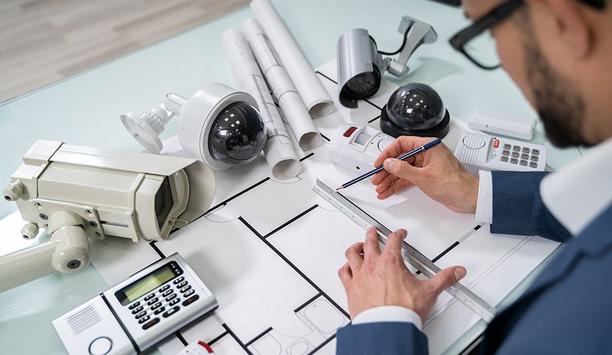
Security systems are vital to any company. Nowadays, however, they can also provide additional benefits to any enterprise beyond protecting people, assets and facilities. Specifically, systems that were previously focused on security can now be leveraged in new ways to benefit the broader enterprise. When this happens, the security department transitions from a ‘cost center’ to a repository of data that can benefit the whole company, and even contribute to the bottom line. We asked this week’s Expert Panel Roundtable: How can ‘security’ systems benefit the larger mission of an enterprise?

The topic of video analytics has been talked and written about for decades, and yet is still one of the cutting-edge themes in the physical security industry. Some say yesterday’s analytics systems tended to overpromise and underdeliver, and there are still some skeptics. However, newer technologies such as artificial intelligence (AI) are reinvigorating the sector and enabling it to finally live up to its promise. We asked this week’s Expert Panel Roundtable: What new technologies and trends will shape video analytics in 2021?
Videos


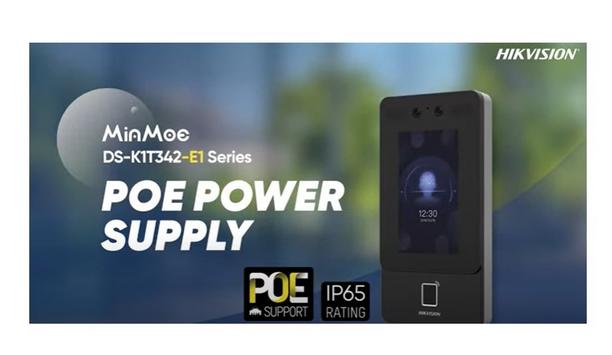
Power Supplies: Manufacturers & Suppliers
- Dahua Technology Power Supplies
- Software House Power Supplies
- Bosch Power Supplies
- Hikvision Power Supplies
- Vanderbilt Power Supplies
- Dantech Power Supplies
- LifeSafety Power Power Supplies
- Alcatel-Lucent Power Supplies
- Hanwha Vision Power Supplies
- Honeywell Security Power Supplies
- Vicon Power Supplies
- LILIN Power Supplies
- NVT Phybridge Power Supplies
- eneo Power Supplies
- Axis Communications Power Supplies
- IFS Power Supplies
- Aiphone Power Supplies
- Altronix Power Supplies
- Videotec Power Supplies
- Uniview (UNV) Power Supplies