Intrusion detection - Round table discussions

Access control, video surveillance, and intrusion detection systems evolved largely independently in the physical security industry. Integrating those systems to the benefit of an enterprise's overall security has traditionally fallen on security integrators working in cooperation with manufacturers. However, today's market has also evolved to include companies that provide "unified platforms,” bringing together various disparate security systems and functions under a single, centralized...

A software platform designed to centralize and manage various physical security systems within an organization used to be called a PSIM (physical security information management) system. Generally speaking, however, the PSIM term has fallen out of favor because the systems were seen as expensive and difficult to manage. The phrase has been replaced by command-and-control, referring to software that combines access control, video surveillance, intrusion detection, and other systems into a unified...

There is no shortage of threats facing security professionals, including some that are new and emerging. Understanding various new threats allows individuals and organizations to take proactive steps to protect themselves, but the first step is to identify what those threats are. Early detection of threats can minimize the impact of a successful attack, whatever the vulnerability at issue. We asked this week’s Expert Panel Roundtable: What new and emerging threats will physical securi...

Technology can be a powerful tool, but it can also be misused. Ethical principles help ensure that technology is used in a way that minimizes risks and avoids causing harm to people or society. Issues could include factors such as data privacy and algorithmic bias of certain technologies. As the security industry embraces advanced and evolving technologies, we asked this week’s Expert Panel Roundtable: What are the biggest ethical considerations of using emerging technologies in physical s...

Protecting access control data is a core concept when it comes to safeguarding information assets, maintaining trust, and ensuring smooth operations. Guarding access to data also ensures compliance with regulations, prevents accidental misuse, and streamlines workflows. We asked this week’s Expert Panel Roundtable: What safeguards are in place to avoid unauthorized retrieval of access control data?

As physical security technologies become more complex, it is incumbent on the dealer/integrator to have the skills and expertise needed to ensure that a system operates smoothly. The value of integrators increasingly rests on the skill sets they bring to bear when installing a system. If the skills are missing, there is a problem. We asked this week’s Expert Panel Roundtable: What missing skills among security integrators can cause problems for customers?

Biometrics is both a mature technology in the physical security world and an innovation perpetually on the cutting edge. Biometric technologies received a boost during the COVID pandemic when “touchless” became a buzzword with particular relevancy to the world of biometrics. Higher security needs, such as “two-factor authentication,” are also driving demand for biometric products. We asked this week’s Expert Panel Roundtable: What are the latest technology trends in...
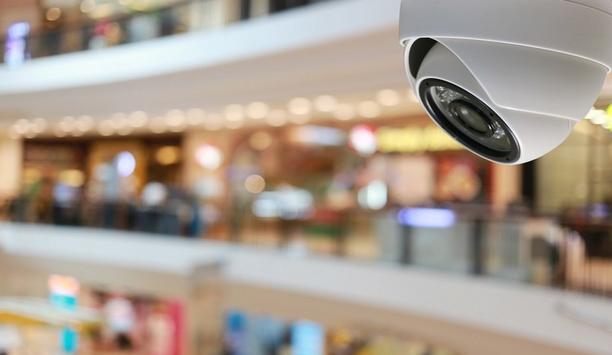
The holiday season is marked by festive spirit and family celebrations, but it is also the busiest time of year for retailers. Busy shoppers willing to spend money are an upside to the holiday shopping season, and many businesses depend on the holiday rush as a critical element to having a successful year. A downside of a busy holiday season is an increase in retail security threats including shoplifting. We asked this week’s Expert Panel Roundtable: How can technology address loss prevent...

The security trade show season is resuming this fall with the GSX show in the United States and Security Essen in Germany, among other upcoming industry events. The return of trade shows is gathering momentum following the COVID lockdowns and cancellations with plenty more shows coming soon. But how useful is attending industry trade shows? We asked this week’s Expert Panel Roundtable: What do you accomplish by attending a security industry show?
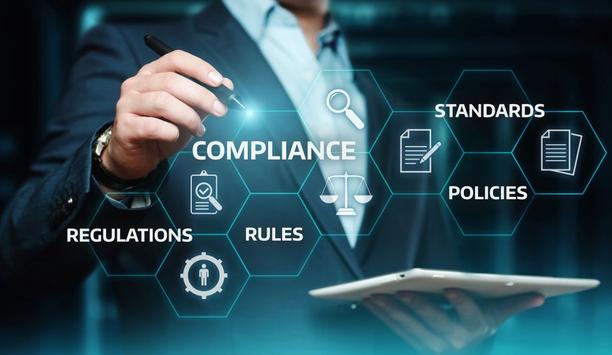
Security is critical in the government sector, as much as any other vertical. Successful systems must promote public safety while also facing onerous requirements when it comes to cybersecurity. From a global perspective, the world seems less safe than ever before, suggesting an even greater role for security technologies. We asked this week’s Expert Panel Roundtable: How can security address the challenges of the government market?
The Internet of Things (IoT) is driving innovation in the security marketplace, just as it is in almost every other market. IoT devices, also known as ‘edge devices’, provide sensing, processing ability, software, and other technologies to connect and exchange data. The most common edge devices in the world of IP security are video cameras, which are becoming more intelligent and capable of processing the data they collect. We asked this week’s Expert Panel Roundtable: How are...

Any marketplace tends to emphasize the newest technologies and products. Confirming the trend is the perpetual rush to buy the latest iPhone. But some legacy products are so good and perform the required functions so well that users may stick with the “tried-and-true.” But does staying with yesterday’s technology suggest a missed opportunity to leverage new product features and benefits? We asked this week’s Expert Panel Roundtable: What is the security market’s app...

The last regularly scheduled spring ISC West trade show was held in 2019. The show returned last year with a rescheduled event in the summer, and attendees were largely pleased with the offerings. However, the ‘real’ ISC West, in the spring in Las Vegas, Nevada, will resume a decades-old tradition in 2022 that has been a major driver of industry market growth and innovation. The show is also an annual reunion of sorts for the security industry, and we are all ready for a reunion! We...

The COVID-19 pandemic has complicated the task of securing hospitals and healthcare facilities by adding new concerns about disease transmission to the long list of other threats healthcare security professionals face. Hospital security must also crack the code to both allow open public access to healthcare facilities while keeping out violence and other security threats. We asked this week’s Expert Panel Roundtable: What are the security challenges of the healthcare industry?

Sadly, active shooter incidents have become so common that they no longer grab big headlines or dominate the news cycle. A near-constant cascade of active shooter events persists in the background of our collective consciousness, a familiar drumbeat that is no less tragic because it is continuous. As more active shooter incidents occur, the security marketplace continues to implement solutions to minimize the impact, including gunshot detection. We asked this week's Expert Panel Roundtable: What...

Cost is a reality to be managed. No matter how powerful or desirable a technology may be to a customer, the sale often comes down to the basic question: Can I afford it? And affordability extends not just to the purchase price, but to the cost of technology over its lifespan. In addition to advances in technology capabilities, the security industry has also achieved inroads to make its offerings more worth the cost. We asked this week’s Expert Panel Roundtable: What is the physical securi...

Crime prevention is a basic goal of security, even if a security system merely convinces a criminal to seek out a different target. However, many of today’s security technologies are most useful after the fact, to provide forensic information about a crime that has already taken place. Solving a crime presents a whole new level of challenge. Surely, prevention is the best approach. We asked this week’s Expert Panel Roundtable: How successful is the security industry in crime preventi...
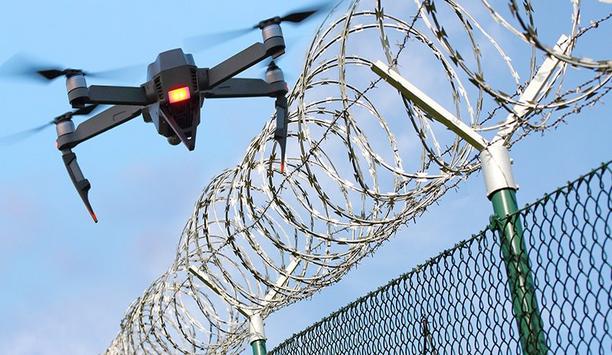
Perimeter security is the first line of defense against intruders entering a business or premises. Traditionally associated with low-tech options such as fencing, the field of perimeter security has expanded in recent years and now encompasses a range of high-tech options. We asked this week’s Expert Panel Roundtable: What are the latest trends in perimeter security technology?

As an industry, we often speak in buzzwords. In addition to being catchy and easy to remember, these new and trendy industry terms can also reflect the state of the security market’s technology. In short, the latest buzzwords provide a kind of shorthand description of where the industry is - and where it’s going. We asked this week’s Expert Panel Roundtable: What new buzzword(s) rose to prominence in the security industry in 2020? (And how do they reflect industry trends?)

Ten years is a long time, but it seems to pass in an instant in the world of security. In terms of technology, 2010 is ages ago. Changes in the market have been transformative during that decade, and we called on our Expert Panel Roundtable to highlight some of those changes. We asked this week’s panelists: What was the biggest change in the security industry in the 2010-2019 decade?
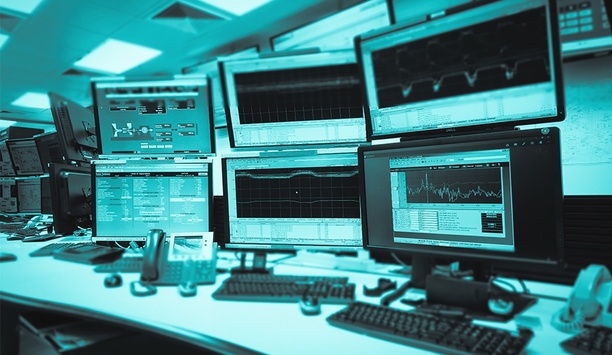
Along with the integration of security and other systems in an enterprise environment comes a need to centralize monitoring and control of the unified network. A control room is at the center of managing integrated systems, providing the focal point to collect information from a variety of sensors, analyze the data, and then respond appropriately. The technologies that drive these functions are changing and evolving, thus increasing the efficiency and efficacy of systems. We asked this week&rsqu...

The high cost of thermal imaging cameras historically made their use more likely in specialized law enforcement and military applications. However, lower pricing of thermal imaging technologies has opened up a new and expanding market for thermal cameras in the mainstream. We asked this week’s Expert Panel Roundtable: What are the new opportunities for thermal cameras in mainstream physical security?

The definition of a standard is “an authoritative principle or rule that usually implies a model or pattern for guidance, by comparison with which the quantity, excellence, correctness, etc., of other things may be determined.” In technology markets, such as physical security, standards are agreed-upon language, specifications or processes that are used across the board by multiple stakeholders to enable easier interconnectivity and smoother operation of systems. We asked this week&r...

Cybersecurity has become the ultimate buzzword in the physical security market. And it also represents one of the industry’s most intractable challenges. Several years ago, the problem with cybersecurity was lack of awareness among physical security practitioners. It’s now safe to say that awareness has increased. Everyone today talks about cybersecurity, but has it helped the larger problem? We asked this week’s Expert Panel Roundtable: Is greater awareness helping to increase...
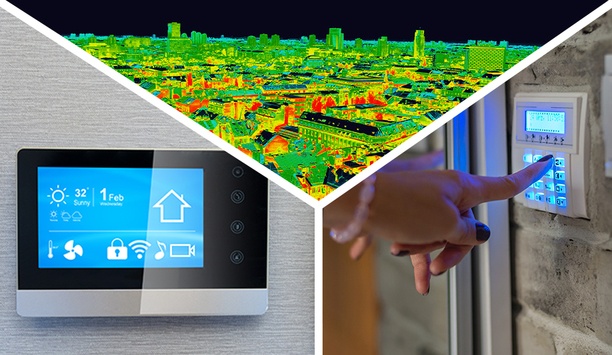
Our Expert Panel is an opinionated group on a wide variety of topics, and we are dedicated to providing a useful and flexible forum to share those opinions. This week, our panelists address a range of opinions about several self-selected topics, culled from the large number of Expert Panelist responses we have collected in the last year. In this Expert Panel Roundtable article, we will share these varied and insightful responses to ensure they are not lost to posterity!

The year ahead holds endless promise for the physical security industry, and much of that future will be determined by which technologies the industry embraces. The menu of possibilities is long – from artificial intelligence to the Internet of Things to the cloud and much more – and each technology trend has the potential to transform the market in its own way. We tapped into the collective expertise of our Expert Panel Roundtable to answer this question: What technology trend will...

The new year 2019 is brimming with possibilities for the physical security industry, but will those possibilities prove to be good news or bad news for our market? Inevitably, it will be a combination of good and bad, but how much good and how bad? We wanted to check the temperature of the industry as it relates to expectations for the new year, so we asked this week’s Expert Panel Roundtable: How optimistic is your outlook for the physical security industry in 2019? Why?

We are living in the age of Big Data, and businesses are inundated with large volumes of data every day. Success depends on capturing, analyzing and ultimately transforming that data into information and intelligence that can be used to improve the business. So, it is with today's physical access control and video systems, too, which also generate unprecedented levels of data. But how can we make the data useful to end users and how can they realize its full value? We asked this week's Expert Pa...

Video systems today offer more capabilities than ever. Consequently, the systems can be used in new ways. For a variety of reasons, however, many customers don’t take full advantage of the capabilities of their video systems and therefore are leaving value on the table. Education and training are tools to alleviate the situation, but the first step is to identify the new ways that video can be used. We asked this week’s Expert Panel Roundtable: How do customers under-utilize their vi...

Companies in fast-moving industries tend to want half or more of their revenue to come from products released in the last three or so years. The logical extension of that philosophy is the demise of product "cash cows" that remain in a company's portfolio for many years. Where better to witness the shortening life cycles of technology products than in the smart phone market, where most of us buy into the hype of the "latest and greatest?" But does acceleration of new product introductions transl...