Facial recognition systems - Expert commentary
Hybrid cloud computing enables organizations to segregate their resources and workloads on-premise, in a private cloud, or in a public cloud. But despite its many benefits, the hybrid environment also creates security concerns. AlgoSec’s co-founder and CTO, Prof. Avishai Wool shares his expert insights on some of these concerns and offers best practices to boost hybrid cloud security. Hybrid cloud computing Hybrid cloud computing combines on-premises infrastructure, private cloud servic...
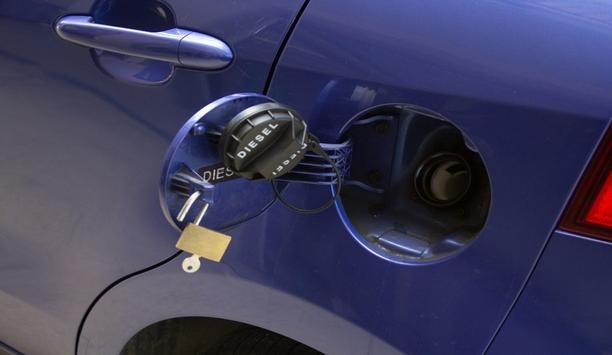
Although inflated fuel prices have somewhat settled since the summer, recent changes in legislation mean construction sites are particularly vulnerable to attempted fuel thefts. Read on to find out what’s changed, and what’s proving effective in mitigating the threat. What are the changes? As of April, this year red diesel can no longer be used in a range of vehicles, including those in construction. That means fuel bowsers are now filled with the same white diesel available to m...
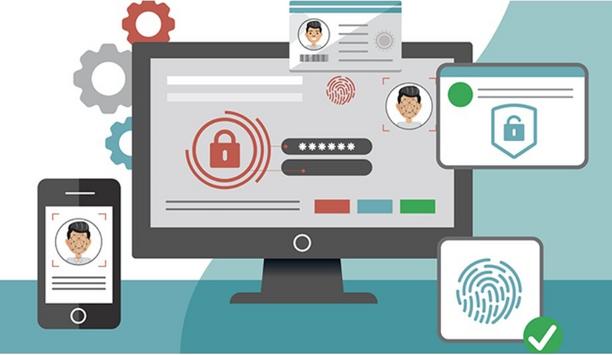
Identity management is an important element of both data security and physical security in an organization. But all ID management solutions are not the same—especially when it comes to security. There are no uniform security standards for the industry, and many off-the-shelf systems fall short when it comes to data protection. To protect people, property, and data, make sure you select a system that maximizes security at every stage. What is identity management? Identity management&mdas...
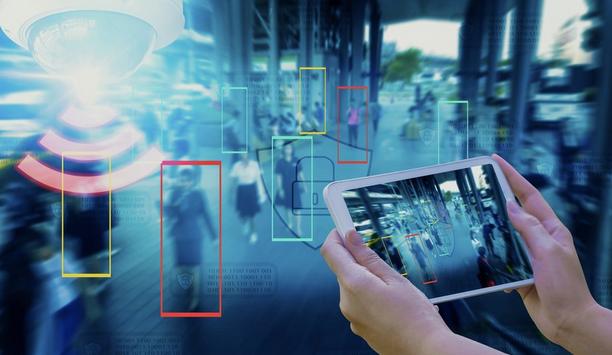
Although video camera technology has been around since the early 1900s, it was not until the 1980s that video started to gain traction for security and surveillance applications. The pictures generated by these initial black and white tube cameras were grainy at best, with early color cameras providing a wonderful new source of visual data for better identification accuracy. But by today’s standards, these cameras produced images that were about as advanced as crayons and coloring books....
One of the biggest security trends in the last two years has been the adoption of cloud-based services, spearheaded mainly by an increasing number of video surveillance-as-a-service (VSaaS) offerings. VSaaS market value According to MarketsandMarkets Research, the global VSaaS market value is expected to reach $6.2 billion by 2026. This growth is propelled by demand for remote access video services, less local hardware to maintain, new internet-enabled devices, and a lower total cost of owners...

In the UK there is a new data reform act working its way through the legislative process. As the law changes, the market changes – so this year will see many companies trying to read the tea leaves and adapt their offerings to take advantage of the emerging changes. The security marketplace is, apparently, constrained by the need for great privacy – it appears to be a zero-sum game – you can have privacy, or you can have security, you can’t have both. In the second half...
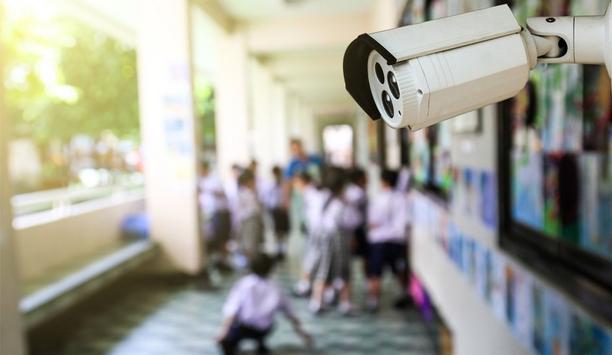
We must leverage existing technologies like social media monitoring, gunshot and weapons detection, and real-time watchlist alerting. We owe it to our children. The recent news of the Dallas elementary school shooting absolutely gutted me. It’s a tragic and incomprehensible loss of life. A question I hear being asked again and again – could technology have made a difference? From my experience, modern technologies can help schools mitigate some of the damage and provide an early w...
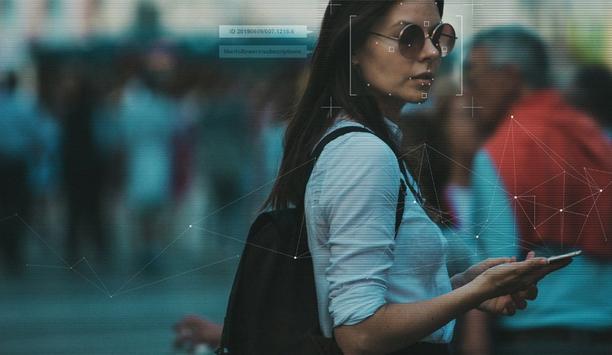
Most individuals have strong opinions about what is more essential to our civilization: personal privacy or security. After more than a decade of technology enabling greater and greater amounts of Personally Identifiable Information (PII) and data harvesting, now the pendulum is swinging towards a society that places more emphasis on individual rights and privacies. This shift is manifesting in a variety of ways, quickly changing the technology, security and cyber security landscapes, and requi...
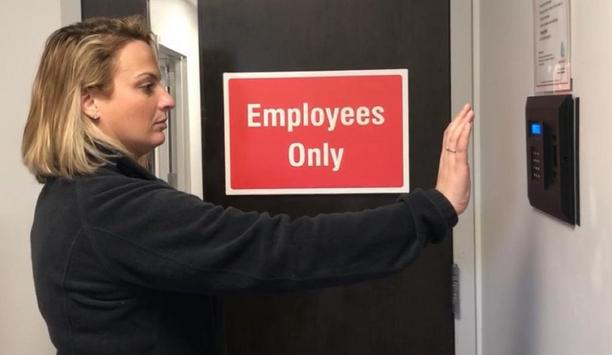
This is an era of digital revolution and with it comes dozens of new security dangers. Every gadget, from our smartphones to our security cameras, need some kind of protection from external hacking. However, how can we assure the safety of our devices, workplaces, etc.? Biometric security is one such security method that has emerged, since it is both efficient and perceived foolproof. It offers an additional layer of security for businesses and personal security systems. Biometric security syste...
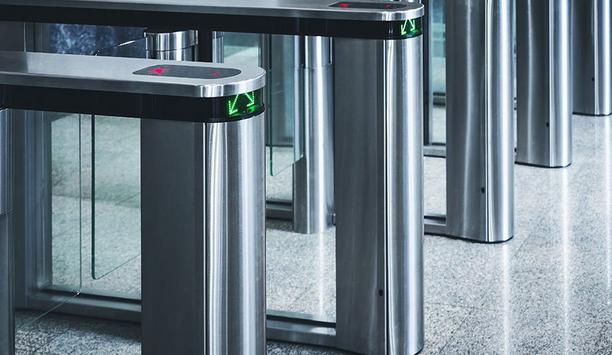
Access control for buildings is nothing new. Early forms of security access for business security systems were introduced in the 1960s, as business owners and managers looked for alternatives to keys, as a result of needing to frequently replace them, when there was a change in personnel. It’s only in recent years that the urgency to implement smarter, more efficient, and convenient forms of access control has increased, in the context of public and private sector digital transformation....
Fingerprint biometrics is hugely relevant in the current landscape. Even amidst other newer developments, fingerprint authentication provides convenience and affordability. There are talks rife about how the coronavirus pandemic has changed the outlook towards fingerprint biometrics. What is currently the most used authentication technology is being speculated to be unsafe, when compared to other touchless biometrics and that its usage in the future would decrease significantly. However, the adv...
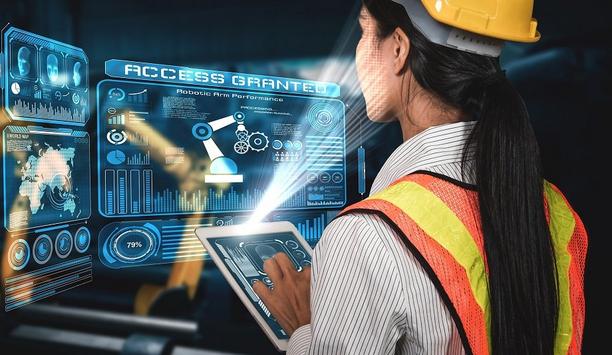
As a result of COVID-19, artificial intelligence (AI) has become table stakes for factories. Google’s 2021 Cloud Manufacturing Report found that 76% of manufacturing executives increased their adoption of disruptive technologies, including AI, during the pandemic. AI-based facial recognition technology AI has long been used in the sector to monitor the pace of work and anticipate machine failures, a trend that is expected to continue this year as factories look to optimize operations. Ho...
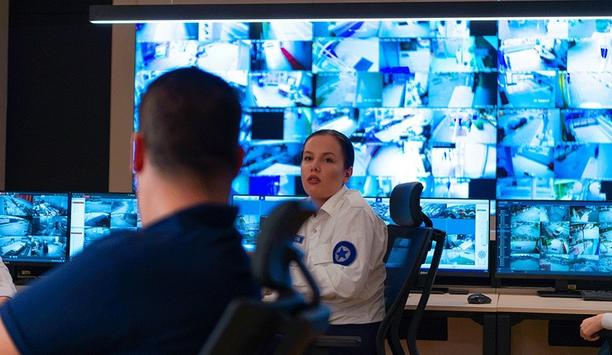
How AI and humans can work together is a longstanding debate. As society progresses technologically, there’s always the worry of robots taking over jobs. Self-checkout tills, automated factory machines, and video analytics are all improving efficiency and productivity, but they can still work in tandem with humans, and in most cases, they need to. Video analytics in particular is one impressively intelligent piece of technology that security guards can utilize. How can video analytics he...
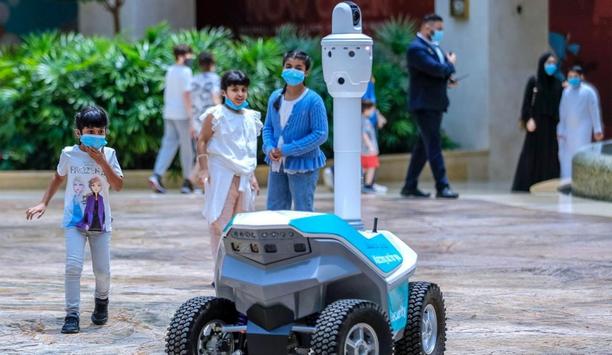
The COVID-19 pandemic is only accelerating the expansion of Automation, Robotics, Machine Learning (ML) and Artificial Intelligence (AI), and changing how people live their daily lives. This expansion leads the way with technologies that are developed to solve problems, improve operations, streamline processes and assist people, to focus on learning new skills, creativity, and imagination. Transformation of the physical security industry One of the latest industries to be permanently transform...
Recently, the European Parliament called for a ban on police use of facial recognition. In the US, too, some cities have restricted police use of facial recognition. The first question that comes to mind is - why ban police from using technology that is allowed to private companies? Point of difference The key difference between the way police use facial recognition and the way commercial facial recognition products work is that: The police get a picture of a suspect from a crime scene and wan...
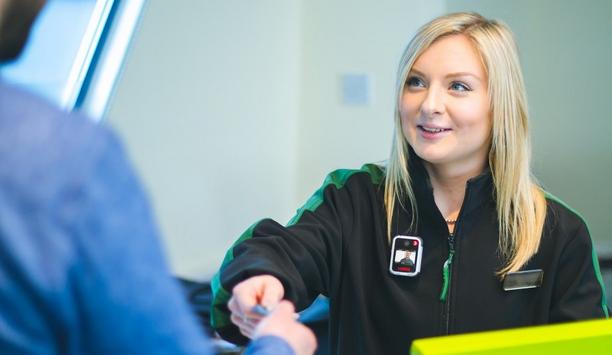
Amongst the many negative consequences of the pandemic is a rise in violent and abusive behavior across society. Health workers have experienced it on a regular basis. So too have police officers and public transport workers. Unfortunately, violence and abuse towards shop workers is also endemic in British society. To address this problem which, in truth, has been on the rise since long before the emergence of COVID-19, we need better deterrents. The ability to prosecute these offenses is one...
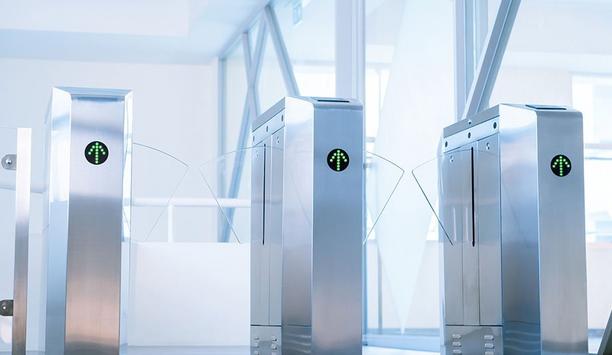
Steven Kenny, Axis Communications, looks at the benefits of physical access control systems within smart environments, and how knowledge gaps and dated methods can inhibit adoption. Physical security is becoming more dynamic and more interconnected, as it evolves. Today’s modern access control solutions are about so much more than simply opening doors, with digitalization bringing multiple business benefits, which would simply not be possible using traditional models. Digital transformat...
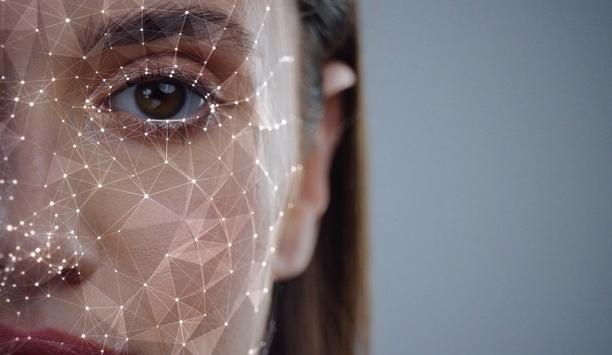
The global biometrics market has been recently developing rapidly, and this trend will continue shortly. If in 2018 its volume was estimated at $23.4 billion, according to the forecast of the analytical company BCC Research, the market size may increase to $71.6 billion with an average annual growth rate of 23.2 % by 2024. Fingerprint scanning, facial recognition, iris, vein, and voice technologies are expected to be implemented at the fastest pace. The analysis is based on the revenue indicato...
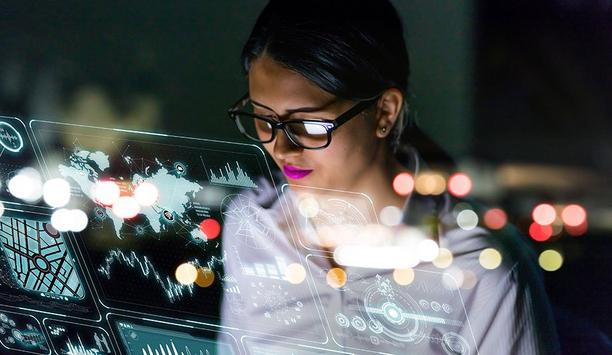
While the application of facial recognition within both public and private spheres continues to draw criticism from those who see it as a threat to civil rights, this technology has become extremely commonplace in the lives of iPhone users. It is so prevalent, in fact, that by 2024 it is predicted that 90% of smartphones will use biometric facial recognition hardware. CCTV surveillance cameras Similarly, CCTV is a well-established security measure that many of us are familiar with, wheth...

Urban populations are expanding rapidly around the globe, with an expected growth of 1.56 billion by 2040. As the number of people living and working in cities continues to grow, the ability to keep everyone safe is an increasing challenge. However, technology companies are developing products and solutions with these futuristic cities in mind, as the reality is closer than you may think. Solutions that can help to watch over public places and share data insights with city workers and officials...
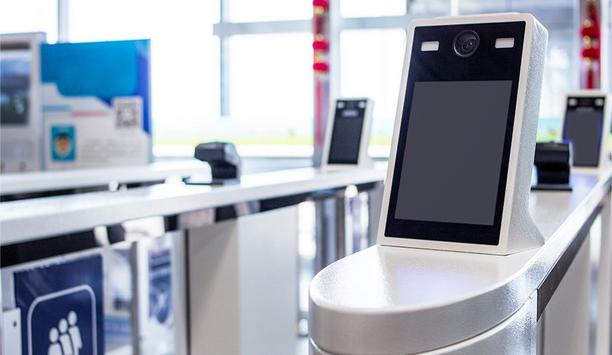
Several major players vigorously employ biometric recognition technologies around the globe. Governments use biometrics to control immigration, security, and create national databases of biometric profiles. Being one of the most striking examples, the Indian Aadhaar includes face photos, iris, and fingerprints of about 1.2 billion people. Financial institutions, on their part, make use of biometrics to protect transactions by confirming a client's identity, as well as develop and provide servi...
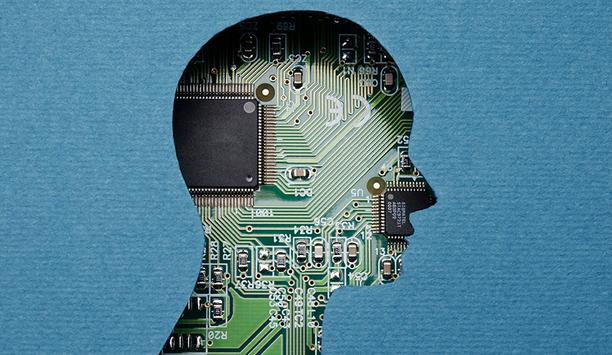
The explosion of artificial intelligence used to enhance business processes, propel innovative products, and further automation has touched essentially every industry to date. The security sector, notable for its maturity and complexity, is not exempt from the AI tidal wave. In fact, quite the opposite, the security sector and more specifically the domain of video surveillance have seen an emergence of AI-powered solutions both hardware and software. The widespread adoption of IP cameras, clou...
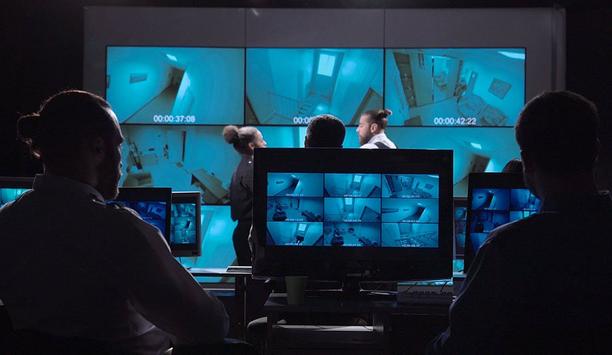
As the multi-billion-dollar market for artificial-intelligence-based video analytics continues to grow, so does the number of video analytics solution providers. In Q3 of 2018, Stockholm-based consulting company Memoori identified 128 active companies in the supply chain for AI video analytics [i]. This list is far from exhaustive, considering how analytics has been gaining interest and becoming mainstream in 2020, with users expecting more accurate alerts based on object detection instead of m...
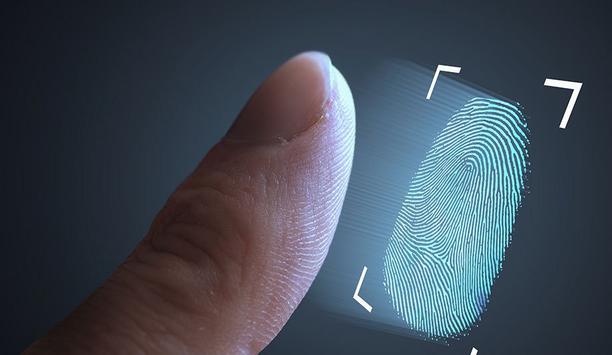
Recently contacted by your credit card company because of a data breach or were you a victim of identity theft? Many of us have either been affected by identity theft or know someone who has been affected. Many consumers are seeking a secure environment that is also user-friendly. Businesses are seeking the same, with absolute certainty, that only valid users can access critical data. How can your company tackle these security and usability requirements while ensuring customer satisfaction...

Fingerprint identification had once been the most widespread biometric technology around the world. However, many argue that this technology has quite a lot of shortcomings. For instance, even expensive fingerprint reading scanners have a hard time identifying dirty or wet fingers, plus, some people's fingerprints are unreadable. Furthermore, being vulnerable to the temperature and precipitation, such scanners consequently cannot be used outdoors. Plus, fingerprint reading scanners do not meet...

Security experts have discussed the demise of the passwords for years. As early as 2004, Bill Gates told the RSA Security Conference that passwords “just don’t meet the challenge for anything you really want to secure.” Change has been slow, but the sudden increase in remote working and the need for enterprises to become touchless as they try to encourage teams back to the office is increasing traction. Here we look at the future of passwordless authentication - using the examp...
Smart cities, airports, stadiums, hospitals and other organizations are now liaising with government bodies and law enforcement to propel a new dawn of collaborative security and communication. The influx of new technology coupled with the ever-changing political and social landscapes has meant security is having to evolve. Artificial Intelligence is now allowing law enforcement, security personnel and organizations to a transformational method of fighting crime, maintaining public security and...

Stadiums around the world are still paralyzed from the effects of COVID-19. Fans and spectators in masses have been absent from stadiums since April and there doesn’t seem to be a concrete plan on how or when they’ll be able to return to near capacity. The NBA recently opted to form a bubble philosophy concept in Disney’s facilities, although it’s been a relative success, it’s also been a $200 million temporary solution. This then begs the question: How long can st...

Across the world, the impact of the current pandemic has majorly disrupted how we function in our everyday lives, as a society, and the ways in which we do our jobs. Throughout, our personal safety and wellbeing, as well as that of our families, neighbours and colleagues, has been paramount - and adapting our day-to-day lives to meet social distancing measures has been a learning curve for us all. As we start to reassemble normal life, precautionary measures will continue to be put in place to...

A total of £1.6 billion worth of goods are reported as ‘lost’ to in-store theft in supermarkets each year, with figures increasing steadily. The presence of self-checkout systems have increased in supermarkets, as well as other industry retailers. By 2021, we’re globally on track to have 468,000 self-checkout machines in operation, nearly double the 240,000 in existence since 2016. While this increase comes with such benefits as reduced wait times for customers and staff...