Electronic access control - Round table discussions

The price of a security system and the value it provides are two different things. For end users, the objective is to minimize price, while maximizing value. A system may both have a higher price and provide greater value, but not always. Because customers want to pay as little as they can, it is necessary to make a case that a system provides the best possible value, whatever the cost. We asked this week’s Expert Panel Roundtable: How can customers go beyond price to maximize the ‘...

Any marketplace tends to emphasize the newest technologies and products. Confirming the trend is the perpetual rush to buy the latest iPhone. But some legacy products are so good and perform the required functions so well that users may stick with the “tried-and-true.” But does staying with yesterday’s technology suggest a missed opportunity to leverage new product features and benefits? We asked this week’s Expert Panel Roundtable: What is the security market’s app...
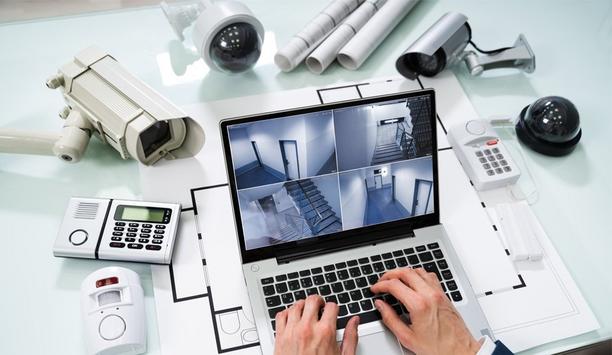
The advantages of security systems as forensic and investigative tools are well understood and demonstrated in the market. However, the new trend is toward systems that are useful in real-time and that even predict a security event, before it happens. We asked this week’s Expert Panel Roundtable: Which security systems are becoming more proactive than reactive?

The last regularly scheduled spring ISC West trade show was held in 2019. The show returned last year with a rescheduled event in the summer, and attendees were largely pleased with the offerings. However, the ‘real’ ISC West, in the spring in Las Vegas, Nevada, will resume a decades-old tradition in 2022 that has been a major driver of industry market growth and innovation. The show is also an annual reunion of sorts for the security industry, and we are all ready for a reunion! We...
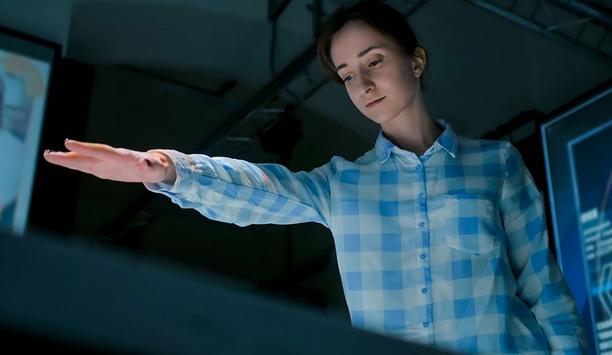
Early in the pandemic, before the mechanisms of COVID spread were clearly understood, there was talk about the disease being transmitted through contact with surfaces. Such concerns created a windfall for manufacturers of hand sanitizer, and broadly changed the perceived risks of touching surfaces, perhaps forever. Touching the same surface as hundreds of other people suddenly became less desirable, thus boosting the fortunes of “touchless” access control and security devices. But wi...

Supply chain issues have plagued the economic recovery during and after the COVID-19 pandemic, and the problems show every indication of persisting for months or even years to come. Supply chain challenges have impacted the security marketplace in many ways, reflecting the breadth and variety of products needed to secure people, facilities, and assets. Wondering about the specifics of that impact, we asked this week’s Expert Panel Roundtable: How does disruption of the global supply chain...

Environmental concerns and ‘green’ initiatives have been gaining steam recently with increasing attention to issues, such as climate change and the drive to ‘net zero’ emissions. Sustainability has not historically been a big concern in the physical security market, but the times are changing. We asked this week’s Expert Panel Roundtable: How can the security industry be more environmentally friendly and contribute to sustainability?

The transportation industry is unique because it plays a role in both the minutiae of everyday life and the overall economy's well-being. Providing uninterrupted and efficient transportation services depends heavily on the safety and security of transportation entities. Due to the vast amount of people frequenting transit stations and the importance of the items on ships and ferries, the transportation sector faces multiple challenges that evolve as the industry advances. We asked this week&rsqu...

Here’s a news flash: 2022 will be a pivotal year for the security industry. As we enter the new year, continuing change is a safe prediction for any fast-moving, technology-driven marketplace. Recent history confirms the ability of the security industry to shift and adapt to changing conditions and to provide an ever-expanding menu of technology solutions to make the world a safer place. Given that the new year will bring change, what will that change encompass? More to the point, what sho...

The COVID-19 pandemic has complicated the task of securing hospitals and healthcare facilities by adding new concerns about disease transmission to the long list of other threats healthcare security professionals face. Hospital security must also crack the code to both allow open public access to healthcare facilities while keeping out violence and other security threats. We asked this week’s Expert Panel Roundtable: What are the security challenges of the healthcare industry?

A new generation of security professional is waiting in the wings. They will be faced with unprecedented challenges, as they seek to transform the security marketplace to the ‘next level’. Technology changes ensure the market will be very different 10 years from now and the fresh labor pool will need to be able to meet the host of new challenges. We asked our Expert Panel Roundtable: What exciting career opportunities in the security industry await the next generation?

Facial recognition is a mature technology that continues to change and evolve. New innovations such as artificial intelligence (AI) are expanding facial recognition capabilities, even as privacy concerns, though often misguided, undermine wider acceptance in the market. We asked this week’s Expert Panel Roundtable: What are the new developments in facial recognition?
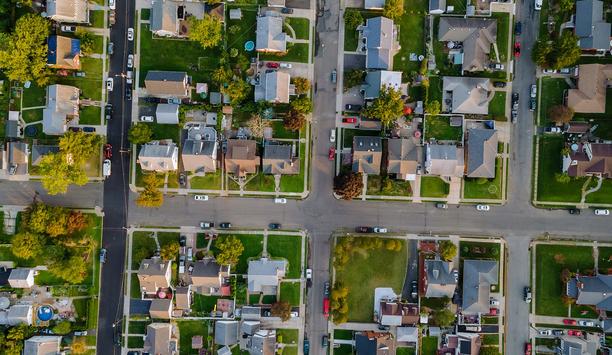
Residential security and smart homes are rapidly changing facets of the larger physical security marketplace, driven by advances in consumer technology and concerns about rising crime rates. During the COVID-19 pandemic, many people spent more time at home and became more aware of the need for greater security. As workplaces opened back up, returning workers turned to technology to help them keep watch over their homes from afar. We asked this week’s Expert Panel Roundtable: What are the...
Since the advent of the physical security industry, access control has been synonymous with physical cards, whether 125 kHz ‘prox’ cards or the newer smart card alternatives. However, other credentials have also come on the scene, including biometrics and even smart phones. Some of these choices have distinct cost and security advantages over physical cards. We asked this week’s Expert Panel Roundtable: How soon will the access control card become extinct and why?

Cost is a reality to be managed. No matter how powerful or desirable a technology may be to a customer, the sale often comes down to the basic question: Can I afford it? And affordability extends not just to the purchase price, but to the cost of technology over its lifespan. In addition to advances in technology capabilities, the security industry has also achieved inroads to make its offerings more worth the cost. We asked this week’s Expert Panel Roundtable: What is the physical securi...

Crime prevention is a basic goal of security, even if a security system merely convinces a criminal to seek out a different target. However, many of today’s security technologies are most useful after the fact, to provide forensic information about a crime that has already taken place. Solving a crime presents a whole new level of challenge. Surely, prevention is the best approach. We asked this week’s Expert Panel Roundtable: How successful is the security industry in crime preventi...
The idea of touchless systems has gained new levels of prominence during the last year, driven by the global COVID-19 pandemic. Contactless systems have been part of the industry’s toolbox for decades, while technologies like facial and iris recognition are finding new uses every day. We asked this week’s Expert Panel Roundtable: Which security markets are embracing touchless, contactless systems and why?
Adoption of General Data Protection Regulation (GDPR) by the European Union in 2016 set a new standard for data privacy. But adherence to GDPR is only one element, among many privacy concerns sweeping the global security community and leaving almost no product category untouched, from access control to video to biometrics. Because privacy concerns are more prevalent than ever, we asked this week’s Expert Panel Roundtable: What is the impact on the physical security market?
Many of us take critical infrastructure for granted in our everyday lives. We turn on a tap, flip a switch, push a button, and water, light, and heat are all readily available. But it is important to remember that computerized systems manage critical infrastructure facilities, making them vulnerable to cyber-attacks. The recent ransomware attack on the Colonial Pipeline is an example of the new types of threats. In addition, any number of physical attacks is also possibilities. We asked this we...
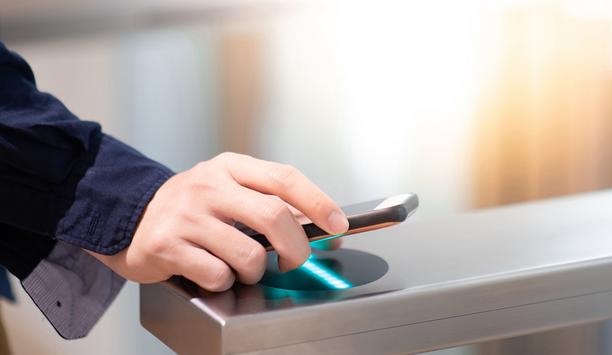
There is a broad appeal to the idea of using a smartphone or wearable device as a credential for physical access control systems. Smartphones already perform a range of tasks that extend beyond making a phone call. Shouldn’t opening the door at a workplace be among them? It’s a simple idea, but there are obstacles for the industry to get there from here. We asked this week’s Expert Panel Roundtable: What are the challenges and benefits of mobile access control solutions?
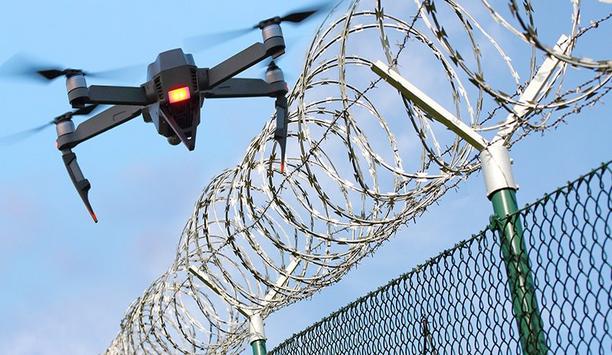
Perimeter security is the first line of defense against intruders entering a business or premises. Traditionally associated with low-tech options such as fencing, the field of perimeter security has expanded in recent years and now encompasses a range of high-tech options. We asked this week’s Expert Panel Roundtable: What are the latest trends in perimeter security technology?

In the past few weeks, the light at the end of the COVID-19 tunnel has brightened, providing new levels of hope that the worst of the pandemic is behind us. Dare we now consider what life will be like after the pandemic is over? Considering the possible impact on our industry, we asked this week’s Expert Panel Roundtable: Which security technologies will be most useful in a post-pandemic world?

When technology performs a required task effectively, there is little reason to upgrade to the ‘next big thing’. In this regard, the physical security market is notoriously slow to change. Much of yesterday’s most robust and dependable equipment is still in place at thousands of customer sites, still performing as well as the day it was installed. However, there comes a point when any technology becomes outdated. We asked this week’s Expert Panel Roundtable: Which securi...

When the United Kingdom voted to leave the European Union, a world of uncertainty unfolded for those doing business in the UK and the EU. The referendum was passed in July 2016. Including subsequent delays, the separation was completed after four years in January 2020, with a transition period ending December 2020. Even with the deadlines past, there are still pockets of uncertainty stemming from the separation. We asked this week’s Expert Panel Roundtable: How has Brexit affected the secu...

We are several weeks into 2021, and it is already shaping up to be an eventful year. The happenings and trends from 2020 will likely carry over into the new year, but in a fast-moving industry such as ours, there will also be additional trends to watch. Looking toward the year ahead, we asked this week’s Expert Panel Roundtable: What will be the biggest security trends in 2021?

School shootings are a high-profile reminder of the need for the highest levels of security at our schools and education facilities. Increasingly, a remedy to boost the security at schools is to use more technology. However, no technology is a panacea, and ongoing violence and other threats at our schools suggest some level of failure. We asked this week’s Expert Panel Roundtable: How have security solutions failed our schools and what is the solution?
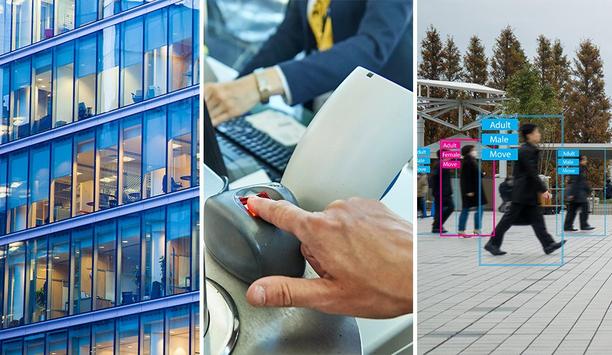
Artificial intelligence (AI) and machine learning have made a big splash in the physical security market, transforming video analytics to a new level of accuracy. In fact, the terms have become common buzzwords throughout the industry. However, the potential for AI and machine learning to impact the physical security industry goes far beyond their ability to improve video analytics. We asked this week’s Expert Panel Roundtable: Beyond better video analytics, how can artificial intelligence...
The new year is several weeks old, so it is safe to say that many of our New Year resolutions have fallen by the wayside. Despite the limited success of our personal resolutions, the new year is a great time to take stock, look ahead, and plan to make 2020 the best year yet. Thinking about our industry as a whole, we asked this week’s Expert Panel Roundtable: What should be the security industry’s “New Year’s resolution?”

Securing large campus environments can be particularly demanding and requires a range of technology solutions. In effect, a campus may represent a dozen or more individual facilities to be secured, in addition to protecting the overall environment. Seeking more insight into the number and variety of needs of securing a campus, we asked this week’s Expert Panel Roundtable: What are the security challenges of protecting large campus environments?

Fire and security systems are two elements of the same mission: To keep buildings and their occupants safe. However, the two systems often operate independently and may not be integrated. Should there be more integration and what are the pitfalls? We asked this week’s Expert Panel Roundtable: What are the challenges and opportunities of integrating security and fire systems?