Artificial intelligence (AI) - Round table discussions

Here’s a news flash: 2022 will be a pivotal year for the security industry. As we enter the new year, continuing change is a safe prediction for any fast-moving, technology-driven marketplace. Recent history confirms the ability of the security industry to shift and adapt to changing conditions and to provide an ever-expanding menu of technology solutions to make the world a safer place. Given that the new year will bring change, what will that change encompass? More to the point, what sho...

The COVID-19 pandemic has complicated the task of securing hospitals and healthcare facilities by adding new concerns about disease transmission to the long list of other threats healthcare security professionals face. Hospital security must also crack the code to both allow open public access to healthcare facilities while keeping out violence and other security threats. We asked this week’s Expert Panel Roundtable: What are the security challenges of the healthcare industry?

Sadly, active shooter incidents have become so common that they no longer grab big headlines or dominate the news cycle. A near-constant cascade of active shooter events persists in the background of our collective consciousness, a familiar drumbeat that is no less tragic because it is continuous. As more active shooter incidents occur, the security marketplace continues to implement solutions to minimize the impact, including gunshot detection. We asked this week's Expert Panel Roundtable: What...
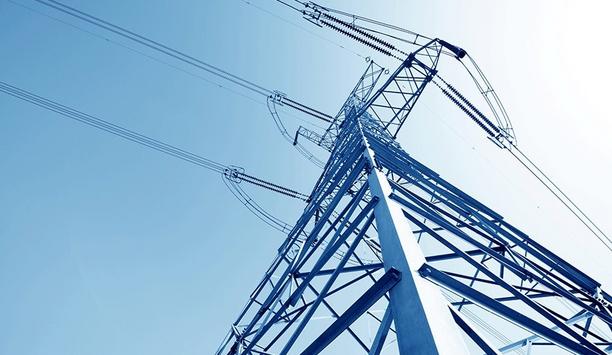
Many of the threats facing the energy and utility sector are related to cybersecurity, as recent incidents have confirmed. Another problem is that operating systems for utilities tend to be outdated, which presents extra challenges in a connected world. There are also physical security demands, not to mention regulatory and social issues. We asked this week’s Expert Panel Roundtable: What are the security trends in energy and utilities?

Air travel is returning to pre-pandemic levels. COVID and its aftermath have added new compliance and operational concerns for airport security, and social and political volatility around the world emphasises the need for constant vigilance. A range of new technologies are enhancing airport security, not to mention providing new tools to simplify processes throughout the airport. We asked our Expert Panel Roundtable: Which technologies are transforming airport security?

A new generation of security professional is waiting in the wings. They will be faced with unprecedented challenges, as they seek to transform the security marketplace to the ‘next level’. Technology changes ensure the market will be very different 10 years from now and the fresh labor pool will need to be able to meet the host of new challenges. We asked our Expert Panel Roundtable: What exciting career opportunities in the security industry await the next generation?

Assembling security solutions has long been considered the role of the integrator, whose role is to pick and choose the best technology tools and then to assemble the complete system. However, more manufacturers are offering pre-integrated end-to-end solutions that include multiple elements from the same manufacturer, designed to work seamlessly together. At the end of the day, end users want to know: Whose role is it to provide security ‘solutions’ – the manufacturer or the in...
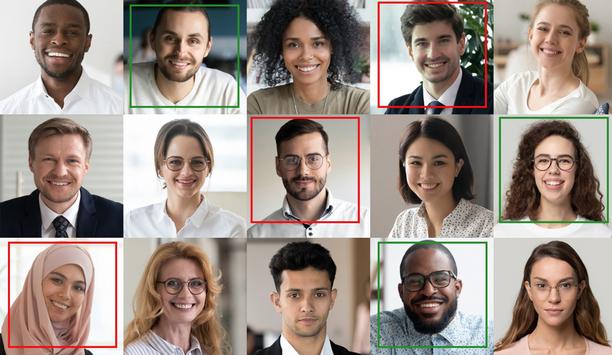
Facial recognition is a mature technology that continues to change and evolve. New innovations such as artificial intelligence (AI) are expanding facial recognition capabilities, even as privacy concerns, though often misguided, undermine wider acceptance in the market. We asked this week’s Expert Panel Roundtable: What are the new developments in facial recognition?
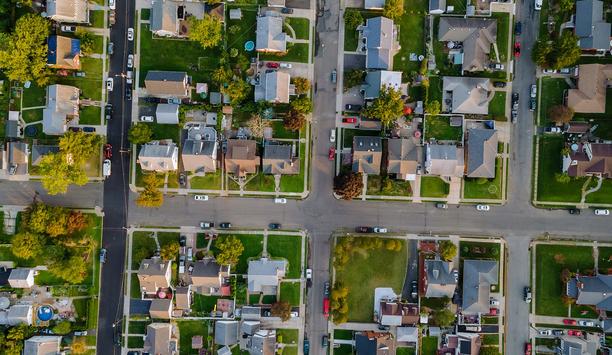
Residential security and smart homes are rapidly changing facets of the larger physical security marketplace, driven by advances in consumer technology and concerns about rising crime rates. During the COVID-19 pandemic, many people spent more time at home and became more aware of the need for greater security. As workplaces opened back up, returning workers turned to technology to help them keep watch over their homes from afar. We asked this week’s Expert Panel Roundtable: What are the...

Cost is a reality to be managed. No matter how powerful or desirable a technology may be to a customer, the sale often comes down to the basic question: Can I afford it? And affordability extends not just to the purchase price, but to the cost of technology over its lifespan. In addition to advances in technology capabilities, the security industry has also achieved inroads to make its offerings more worth the cost. We asked this week’s Expert Panel Roundtable: What is the physical securi...
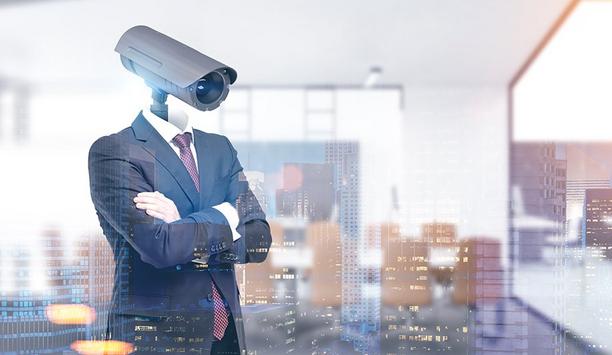
“Deep learning” is recently among the more prevalent jargon in the physical security industry, and for good reason. The potential benefits of this subset of artificial intelligence (AI) are vast, and those benefits are only now beginning to be understood and realised. But how can we separate the marketing hype from reality? How can we differentiate between future potential and the current state of the art? To clarify the latest on this new technology, we asked this week’s Exper...

Artificial intelligence (AI) is simultaneously an emerging technology, a common term in popular culture, and a buzzword in the security industry. But these aspects of the term can lead to misunderstanding in the marketplace. AI technology is continuing to emerge, but what is the reality today? How do depictions of AI in popular culture impact how it is understood in the real world of security? As a buzzword, at what point does marketing hype garble our understanding of reality? We asked this wee...
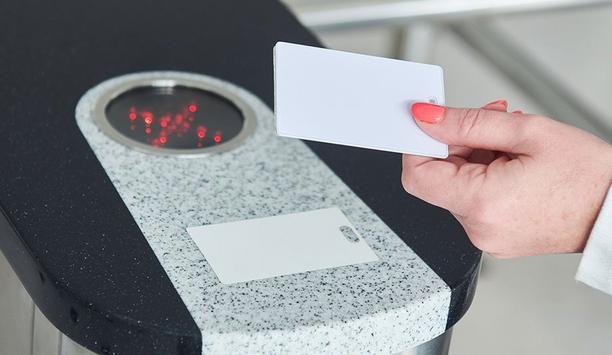
The idea of touchless systems has gained new levels of prominence during the last year, driven by the global COVID-19 pandemic. Contactless systems have been part of the industry’s toolbox for decades, while technologies like facial and iris recognition are finding new uses every day. We asked this week’s Expert Panel Roundtable: Which security markets are embracing touchless, contactless systems and why?

Adoption of General Data Protection Regulation (GDPR) by the European Union in 2016 set a new standard for data privacy. But adherence to GDPR is only one element, among many privacy concerns sweeping the global security community and leaving almost no product category untouched, from access control to video to biometrics. Because privacy concerns are more prevalent than ever, we asked this week’s Expert Panel Roundtable: What is the impact on the physical security market?

Many of us take critical infrastructure for granted in our everyday lives. We turn on a tap, flip a switch, push a button, and water, light, and heat are all readily available. But it is important to remember that computerized systems manage critical infrastructure facilities, making them vulnerable to cyber-attacks. The recent ransomware attack on the Colonial Pipeline is an example of the new types of threats. In addition, any number of physical attacks is also possibilities. We asked this we...
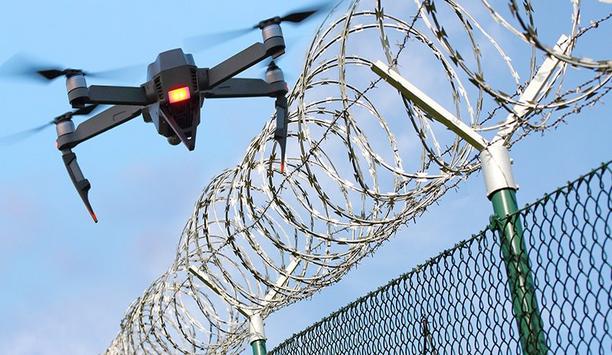
Perimeter security is the first line of defense against intruders entering a business or premises. Traditionally associated with low-tech options such as fencing, the field of perimeter security has expanded in recent years and now encompasses a range of high-tech options. We asked this week’s Expert Panel Roundtable: What are the latest trends in perimeter security technology?

In the past few weeks, the light at the end of the COVID-19 tunnel has brightened, providing new levels of hope that the worst of the pandemic is behind us. Dare we now consider what life will be like after the pandemic is over? Considering the possible impact on our industry, we asked this week’s Expert Panel Roundtable: Which security technologies will be most useful in a post-pandemic world?

Security systems are vital to any company. Nowadays, however, they can also provide additional benefits to any enterprise beyond protecting people, assets and facilities. Specifically, systems that were previously focused on security can now be leveraged in new ways to benefit the broader enterprise. When this happens, the security department transitions from a ‘cost center’ to a repository of data that can benefit the whole company, and even contribute to the bottom line. We asked t...

The topic of video analytics has been talked and written about for decades, and yet is still one of the cutting-edge themes in the physical security industry. Some say yesterday’s analytics systems tended to overpromise and underdeliver, and there are still some skeptics. However, newer technologies such as artificial intelligence (AI) are reinvigorating the sector and enabling it to finally live up to its promise. We asked this week’s Expert Panel Roundtable: What new technologies a...

Contact tracing has been more than a buzzword during the coronavirus pandemic. In some cases, it has been an issue of life and death. Tracking who an infected person has been in contact with is an important tool to minimize disease spread, and technology from the physical security industry claimed a role in contact tracing early on – and continues to provide benefits as companies seek to reopen. We asked this week’s Expert Panel Roundtable: How can the security industry enhance conta...

When technology performs a required task effectively, there is little reason to upgrade to the ‘next big thing’. In this regard, the physical security market is notoriously slow to change. Much of yesterday’s most robust and dependable equipment is still in place at thousands of customer sites, still performing as well as the day it was installed. However, there comes a point when any technology becomes outdated. We asked this week’s Expert Panel Roundtable: Which securi...

Security technology has been a vibrant and successful market for decades now, but sometimes the public is not aware of those successes. Awareness in some cases is limited because security technologies work ‘behind the scenes’ to keep everyone safe. In other cases, the industry may be seen in a negative light, based on misinformation about topics such as surveillance and privacy. How can we get the word out about our industry’s successes? We asked this week’s Expert Panel...

Small and medium-sized businesses (SMBs) make huge contributions to the economy overall. Considered individually, they may not be as large as companies in the enterprise market, but they have big requirements when it comes to security. SMBs also present unique challenges to security manufacturers and integrators seeking to serve their needs. We asked this week’s Expert Panel Roundtable: What are the security challenges of protecting small- and medium-sized businesses (SMBs)?

Our Expert Panel Roundtable is an opinionated group. However, for a variety of reasons, we are sometimes guilty of not publishing their musings in a timely manner. At the end of 2020, we came across several interesting comments among those that were previously unpublished. Following is a catch-all collection of those responses, addressing some of the most current and important issues in the security marketplace in 2021.

The “Roaring Twenties” was a decade of economic growth and widespread prosperity, driven by recovery from devastation, a construction boom, and welcoming of new technologies such as automobiles and electricity. As we look ahead to the big picture of the 2020s, 100 years later, are there parallels that suggest a successful decade ahead? Might recovery from the devastation of COVID-19 help to drive even higher levels of economic growth and technical innovation? We asked this week&rsquo...

We are several weeks into 2021, and it is already shaping up to be an eventful year. The happenings and trends from 2020 will likely carry over into the new year, but in a fast-moving industry such as ours, there will also be additional trends to watch. Looking toward the year ahead, we asked this week’s Expert Panel Roundtable: What will be the biggest security trends in 2021?

As an industry, we often speak in buzzwords. In addition to being catchy and easy to remember, these new and trendy industry terms can also reflect the state of the security market’s technology. In short, the latest buzzwords provide a kind of shorthand description of where the industry is - and where it’s going. We asked this week’s Expert Panel Roundtable: What new buzzword(s) rose to prominence in the security industry in 2020? (And how do they reflect industry trends?)
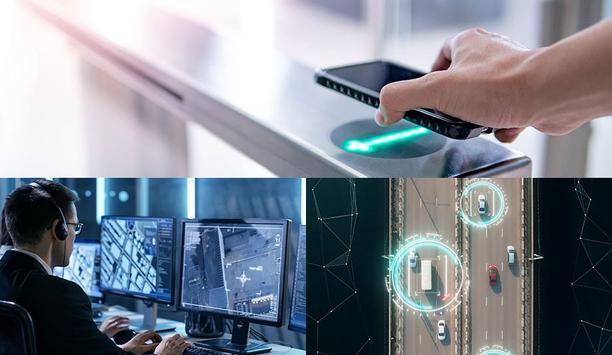
Artificial intelligence is more than just the latest buzzword in the security marketplace. In some cases, smarter computer technologies like AI and machine learning (ML) are helping to transform how security operates. AI is also expanding the industry’s use cases, sometimes even beyond the historic province of the security realm. It turns out that AI is also a timely tool in the middle of a global pandemic. We asked this week’s Expert Panel Roundtable: How is artificial intelligence...

Facial recognition is the latest technology to be targeted because of concerns about privacy. If such concerns cloud the public perception, they can be harmful to technology markets. Whether the concerns are genuine or based on misinformation is often beside the point; the practical damage has already been done. But beyond market demand, what is the impact of privacy concerns on technology innovation? We asked this week’s Expert Panel Roundtable: Are privacy concerns stifling innovation in...
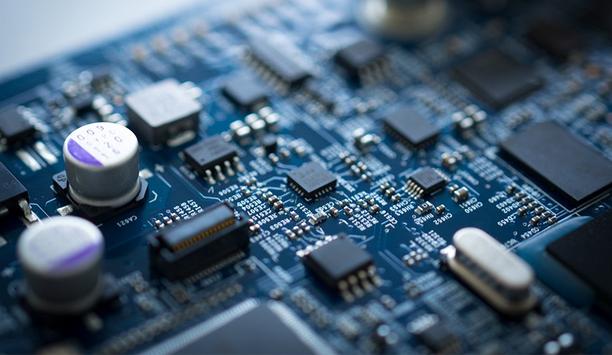
New software developments have dominated technology innovation in the physical security industry for years, making more things possible to the benefit of integrators and end users. However, hardware is another important piece of the puzzle. No matter how great your software, the system doesn’t perform unless the hardware works too. In our enthusiasm over software developments, let’s not overlook the latest in the hardware world. We asked this week’s Expert Panel Roundtable: How...