GEM PH-500 Indoor Electromagnetic Lock with Handle
Technical Specification
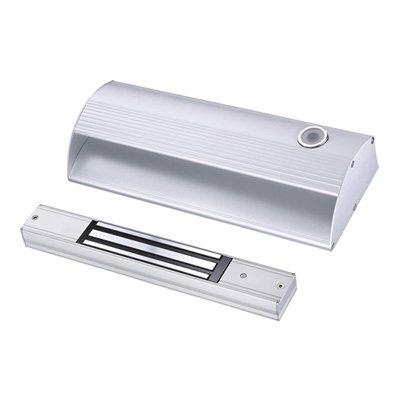

- Make: GEM
- Model code: PH-500
- Series: Indoor PH Series with Handle
- Lock Type: Electromagnetic Locks
- Monitoring Status: Unmonitored
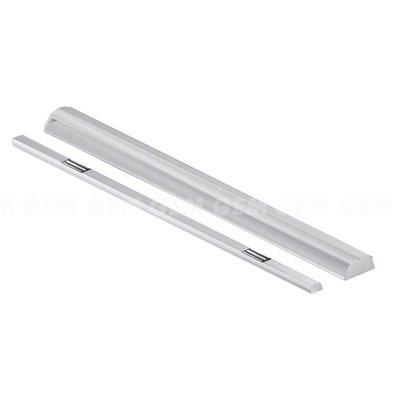
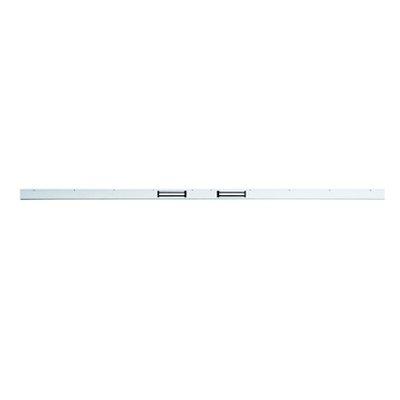
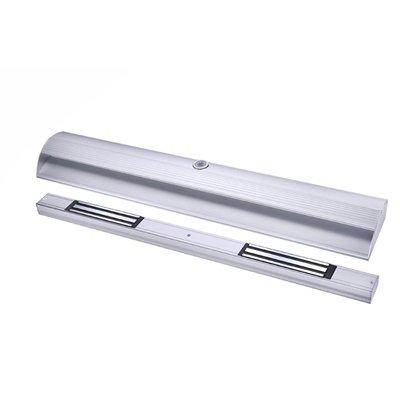
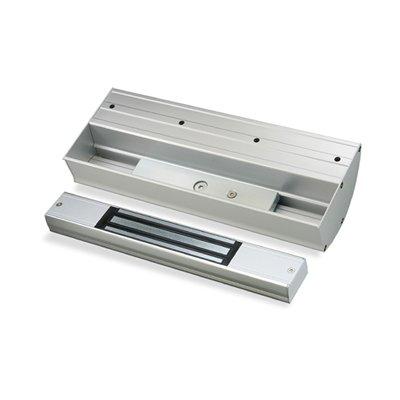
Stylish hidden magnet design─safe and secure Aluminum anodized casing (US28) Dual voltage 12 or 24VDC field selectable No residual magnetism For inswing doors
Read more| Make | GEM |
|---|---|
| Manufacturer | Gianni Industries, Inc. |
| Category | Access Control>Electronic lock systems |
| Model code | PH-500 |
| Series | Indoor PH Series with Handle |
| Lock Type | Electromagnetic Locks |
| Monitoring Status | Unmonitored |
| Holding Force kN | 600 lbs |
| Magnet Type | Single magnet |
| Electrical Specifications | Voltage: 12 / 24 V DC |
Product description
Introducing the GEM PH-500 Electromagnetic Lock, a sleek and efficient solution tailored for inswing metal doors. This model seamlessly integrates advanced technology with a stylish design, featuring a hidden magnet within a door handle-enclosed armature plate. Ideal for securing entrances, the PH-500 is equipped with a holding force of 600 lbs, ensuring robust security.
Engineered for versatility, the PH-500 supports dual voltage operation (12/24VDC), allowing easy integration into various security systems. It features a built-in bond sensor and a door status sensor, providing real-time security updates. The field-adjustable relock time delay and the handy exit button enhance its user-friendly design.
Key Features
- Anodized aluminum casing (US28), offering enhanced durability.
- Bi-color LED indicator for clear lock status: green for unlocked and red for locked.
- No residual magnetism, ensuring reliable performance over time.
Ideal Use Cases
The GEM PH-500 is perfect for indoor environments requiring secure access control on metal inswing doors. Its robust construction and stealthy design make it an excellent choice for office buildings, institutional facilities, and other professional settings prioritizing security and elegance.
More GEM Electronic lock systems




See comparison of GEM PH-500 with similar GEM Electronic lock systems


Compare GEM PH-500 with Electronic lock systems from other manufacturers




You might be interested in these products

Related Whitepapers

The Critical Role of Access Control in K-12 School Security

Three Essential Reasons To Upgrade Your Access Control Technology In 2022

Securing Unmanned Infrastructure at the Network Edge