Check out our special report on Artificial Intelligence

How Does The Wider Economic Climate Impact Security?
24 Feb 2023


- Economic uncertainty affects demand for security products and services.
- Inflation challenges impact the security market's growth potential.
- Global instability influences security solutions' market dynamics.
Editor Introduction
The economic outlook for the year ahead is uncertain at best. Multiple lingering issues are in play, such as inflation, supply chain challenges, global instability, and a changing workforce. But to what extent does a shaky economy equate to a slowdown in the security market? We asked this week’s Expert Panel Roundtable: How does the wider economic climate impact the market for security products and services?


The wider economic climate can have a direct impact on our market when it undermines confidence in new construction or causes organizations to pause expansions or updates due to economic uncertainties. Inflation is a good example of a factor that can pause projects that would otherwise go forward in more favorable conditions. Of course, there’s rarely a universal impact as various vertical markets find funding from different sources for security products and services which may or may not be immune to larger economic forces. Government and public sector are examples of markets that tend to spend based on need and fund allocation versus the private sector which is more prone to react based on economic indicators. As security infrastructure moves beyond being seen as a sunk cost into more of a crucial cross-department data-gathering role, projects will likely become more immune to being shelved in times of uncertainty.

The good thing about security, as it relates to the economy, is that security products and services are considered must-haves as opposed to nice-to-haves. Perhaps this is even more so during an economic downturn, when individuals are more inclined to commit crimes, such as theft or fraud, as a way to get by. The need for security solutions remains strong during times of economic hardship. But the security industry is not 100% recession proof. Even though the absence of security is not an option, projects are often scaled down or postponed as end users wrestle with the impact of the economy on their own industries. We are also seeing secondary economic effects that limit the ability to install solutions efficiently, such as a slower supply chain and shrinking labor pool. This highlights the need for solutions that both improve efficiency (automated, all-in-one, etc.) and provide hard ROI (business intelligence, reallocation of labor, etc.).

Over the past decade and a half, we have had to deal with quite a few economic shocks, starting with the financial crisis in 2008, Brexit in 2016, and now a global slowdown due to the aftereffects of the Covid pandemic and the war in Ukraine, which is impacting energy costs and already constrained supply chains. With each wave, the security industry continues to innovate and deliver better returns on security spend by end users. Naturally 2023 will be no different. We need to plan and mitigate risk to our businesses and to our customer’s operations with even more vigor and continue to show our relevance in creating a safer and more secure environment for the next upturn. Equally, as the old saying goes: ‘Necessity is the mother of invention,’ and these challenges facilitate rapid innovations in areas such as fully integrated systems, which offer meaningful savings for customers.

Security solutions address mission-critical needs for businesses across the globe. Take the retail industry. Right now, retailers are grappling with rising organized retail crime that is impacting already thinning retailer profits. Compound the crime spike with staffing shortages and safety risks to their employees — it’s a perfect storm. This is driving heightened demand for more enhanced and integrated security solutions that can provide retailers with greater agility to manage security systems remotely across multiple locations and in real-time.

Many consider security to be a recession-proof industry, but the wider economic climate certainly influences the appetite for new security products and services. In times of economic distress, businesses will become more conservative with their spending, impacting their security budgets – along with every other departments’ budgets – which may lead to outdated security technology across the enterprise. But with cyberattacks and other crime on the rise, organizations simply cannot afford to neglect their security systems. Additionally, if solutions providers can clearly demonstrate how their offerings add value to a business, then organizations will be more open to implementing new, innovative technologies – even when budgets are tighter than ever. No matter the economic climate, security solutions providers should continue to operate in the best interests of their customers.
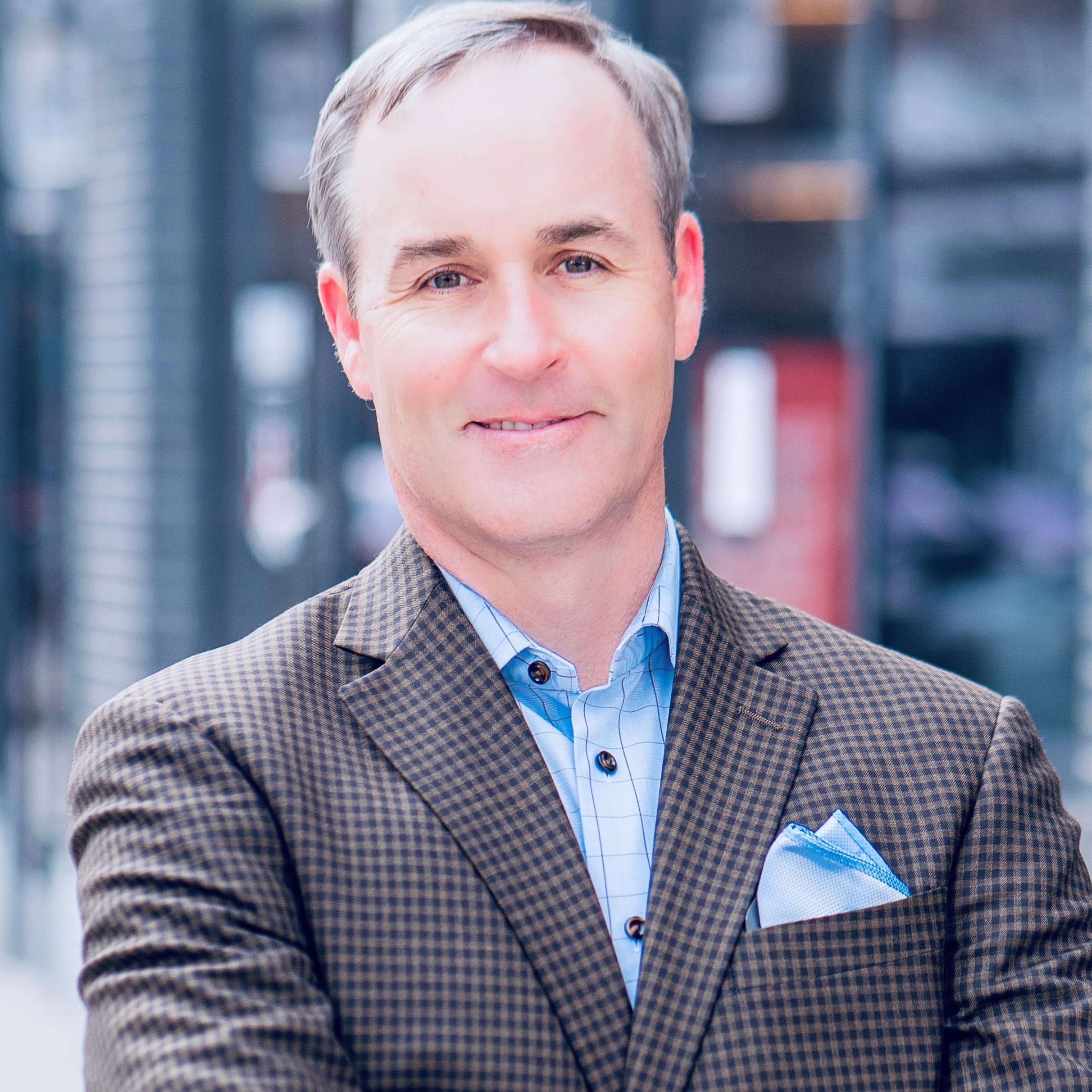
The economic climate has a direct impact on security products and services, particularly in the retail and restaurant industries. So much of the business is predicated on franchise expansion. In recessionary environments, new store expansion slows and remodel budgets are cut, meaning less dollars for security solutions. When the economy overheats, a new set of challenges arise. This was the case in 2022 when rapid acceleration of demand, combined with supply constraints, caused unhealthy levels of inflation. Security integrators saw their costs go up while finding it difficult to acquire the equipment they needed to fulfill projects. Labor became particularly challenging. It was a bumpy ride, but security companies with diversification in their equipment supply chains, a loyal workforce and long-term customer partnerships fared the best. Anyone can perform in a Goldilocks economy. It takes real strategic planning to weather the inevitable economic storm.

As far as Gallagher is concerned, it’s business as usual. Our strength is the trust in our brand values, company culture, and the ability to deliver when others can’t. We haven’t seen a downturn in our business. Based on the vertical strengths we work in, our goals for the next financial year are firmly focused on growth and delivering great solutions where our competition is still struggling with supply chain issues. Nothing has changed since the COVID-19 pandemic and even now with challenging economic times, there are plenty of opportunities for companies like Gallagher who are continuing to invest in protecting what matters most – protecting brand, growth investment, and most importantly, their staff and colleagues through challenging times.
Editor Summary
If times get tough, companies will be more careful when allocating expenditures, including extra money for security. However, the need for security continues in challenging economic times; some say the demand increases because a slower economy increases the likelihood of crimes such as shoplifting. In whatever economic climate, the struggle continues to demonstrate a return-on-investment for security expenditures. As security technologies expand their usefulness in the larger enterprise – providing more business intelligence, for example – the spending rationale becomes clearer and more convincing.
Verkada Inc. products



Verkada Inc. white papers


Verkada Inc. case studies
ZeroEyes, the creators of the first AI-based gun detection video analytics platform to earn the full U.S. Department of Homeland Security SAFETY Act Designation, announced that its proactive AI gun detection and intelligent situational awareness software has been deployed by Kanawha County Schools (KCS) to help protect students, staff, and visitors from gun-related threats. With the help of IT services and solutions provider Advantage Technology, KCS is the first district in West Virginia to de...
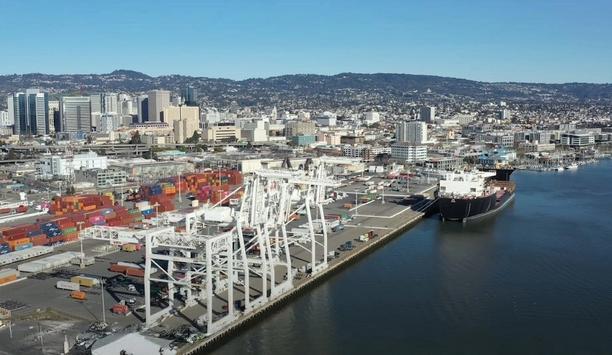
Based in Northern California, LYNX Logistics is a third-party logistics (3PL) company specializing in high-value assets. The company partners with the Transported Asset Protection Association (TAPA), aligning with TAPA’s global coalition of manufacturers, shippers, and carriers to protect every corner of their 96,000-square-foot mixed-use facilities, which encompass 8,500 rack and bulk pallet locations. Strategically headquartered near the Port of Oakland and Silicon Valley, it plans to e...

The Salvation Army's mission is to meet human needs wherever and whenever necessary. Their presence spans 13 Western states, plus Guam, the Marshall Islands, and Micronesia. This commitment to service is supported by local programs that are tailored to each community’s specific needs, and technology plays a crucial role in ensuring that these operations run smoothly. Addressing security challenges As part of their long-term goal to modernize security and streamline operations, the Salva...
Verkada Inc. virtual events
Verkada Inc. videos
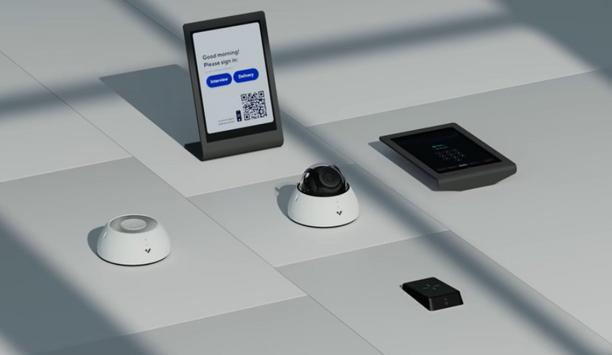

This Is Verkada: Protect People, Assets And Privacy At Scale
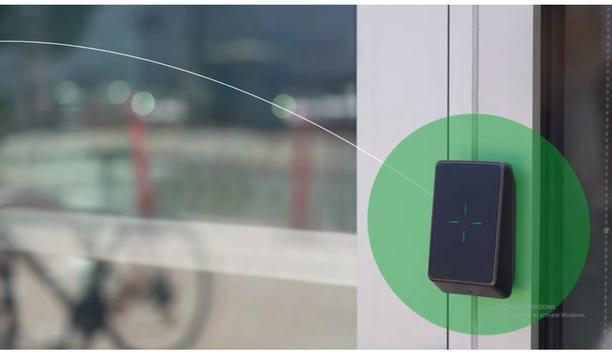
Bluetooth Touchless Entry With Verkada Access Control
Expert commentary

Security beat