Check Out Our Special Report On Casino Security
What Are The Security Challenges Of The Hospitality Market?
10 Jul 2018

- Hospitality businesses require diverse security technologies for varied service types and sizes.
- Ensuring customer safety is a primary security challenge in the hospitality industry.
- Security protocols in hotels, restaurants, and venues need continuous adaptation to emerging threats.
Editor Introduction
Hospitality businesses work to provide a safe and pleasant customer experience for their guests. Hotels offer a “home away from home” for millions of guests every day around the world. These are businesses of many sizes and types, providing services ranging from luxury accommodations to simple lodging for business travelers to family vacation experiences. Hospitality businesses also include restaurants, bars, movie theaters and other venues. Security needs are varied and require technologies that span a wide spectrum. We asked this week’s Expert Panel Roundtable: What are the security challenges of the hospitality market?


From protecting private business information to ensuring the safety of guests and staff, the hospitality market faces different security challenges all while being tasked with providing an exceptional visitor experience. Facility owners and managers must consider implementing integrated security solutions to better safeguard their buildings and patrons, and to ensure guests’ visits are uninterrupted. For example, hotels can install access control as a tool for owners to protect their earnings and guest information, while also leveraging the technology to restrict or allow admittance to specific locations. Video surveillance can also be connected to the access control system to provide 24/7 monitoring. By integrating systems, hotels can provide advanced security without disrupting guests and staff can perform their routine duties without impeding safety measures.

Hospitality businesses must present a welcoming environment to a stream of guests who come and go freely, while maintaining employee satisfaction and business profitability. To achieve these goals, it is vitally important that surveillance cameras and other security systems operate continuously and securely from cyber-threats. That way, if something is stolen, a guest slips and falls, or there is other suspicious activity, surveillance video will be available to review the incident. In addition, security systems that always work like they should can improve employee retention, which is directly correlated to perception of safety. Like many other industries that rely on data to keep business operations going, ransomware and cyber-breaches that use camera devices and other security equipment as attack surfaces can deeply harm hospitality organizations. For these and other reasons, automated verification solutions that minimize downtime of physical security systems and improve cyber-security can directly address hospitality’s key security challenges.

Whether it’s hotels, restaurants and nightclubs, tourism and cruises, stadiums or amusement parks, these types of businesses need to offer open and inviting spaces but also have the challenges of addressing safety, access and security in controllable but minimally intrusive ways. In recent years these challenges have been compounded by the threat and outbreak of willful acts intended to create fear or harm, and to generate press for the perpetrators. Consequently, more attention to the design of security solutions is required to mitigate these evolving and dynamic risks. Planning for new technology like AI and predictive analytics can also make a difference in better securing these types of environments. Cybersecurity threats are also changing the corporate landscape in hospitality: global organizations are realizing that standardizing their security technology on a unified yet scalable platform architecture provides management in local regions and at headquarters with a consistent approach.

Perhaps the greatest challenge in the hospitality industry deals with the basic need to keep guests and personnel safe and secure while maintaining cost-effective operations. Robust Video Management Systems (VMS) provide a powerful tool that addresses core security issues while also contributing valuable business information. For example, surveillance can be tied with POS systems to monitor transactions and RFID tracking solutions to track equipment such as housekeeping carts or laptops. Facial recognition and license plate recognition analytics can automatically alert personnel of wanted individuals on-site, as well as priority guests who warrant special attention. And mobile apps can provide personnel with real-time access to cameras and accommodate live video feeds from cell phones to help manage scheduled events and evolving situations that may be potentially threatening. The expanded value proposition provided by advanced VMS-driven solutions presents a strong case for investment in these highly versatile and powerful systems.

Hospitality covers a broad range of services, from hotels and restaurants to bars, cinemas, music venues and sports stadiums. Whilst these venues can vary in the services they offer, many of the challenges they face are similar. Take a bar for example – security needs to ensure customers/visitors are not committing unlawful acts (such as theft or attacks on other customers/staff) but also to monitor staff behavior, too (such as taking cash from tills/the safe or helping themselves to produce and stock). Effective door security systems and teams are very important, especially when alcohol is being served. This ensures problem individuals are either prevented from entering or removed if required. In hotels, access control is often the most crucial security provision – from the front door, to lifts and room doors – ensuring only paying guests can enter and stay, but also preventing thefts of belongings, hotel properly or vandalism.

The primary challenge the hospitality industry faces is the fine balance between the delivery of exceptional customer service and maintaining a safe and secure environment. The industry sees a range of threats, including theft, terrorism and natural disasters, and more modern risks, such as those related to cybersecurity, liability and compliance. Stringent yet creative security strategies must be integrated into business operations to address these concerns while also ensuring guest satisfaction. Intelligent video solutions are one method to achieve this goal; for example, video analytics can provide people counting and heat mapping to mitigate long lines, while facial recognition can be valuable for both recognizing top customers as well as tracking a person of interest in the event of an incident.

Organizations in the hospitality sector have, unfortunately, become soft targets for senseless tragedies, elevating the need for a comprehensive and thorough security solution. The inherent challenge lies in efficiently securing every door and passageway of a building. At large hotels, for example, staff entrances can often be perceived as an easy option for gaining unauthorized entrance. This creates the need for closely monitored and strict access parameters. Card readers that allow personnel to verify identity are crucial in these environments, along with an access control system that can lock down the building at the push of a button in the case of an intruder or security emergency. Integrating these access control solutions with video surveillance enhances a hotel's situational awareness and footage gained, combined with time-stamped access, can help pinpoint anomalies and be used in ongoing investigations.
Editor Summary
Terrorism threats may seem a remote possibility for some hospitality owners and operators. However, it could happen anywhere. Beyond that scary possibility is a range of other day-to-day concerns for hospitality businesses, as enumerated by our Expert Panelists. Achieving safety without compromising the guest experience, allowing easy access to amenities while keeping the bad guys out, and protecting business assets and even cash are among the hospitality concerns that require the best technology approaches the security and video surveillance marketplace has to offer.
Johnson Controls, Inc. products

Johnson Controls, Inc. news
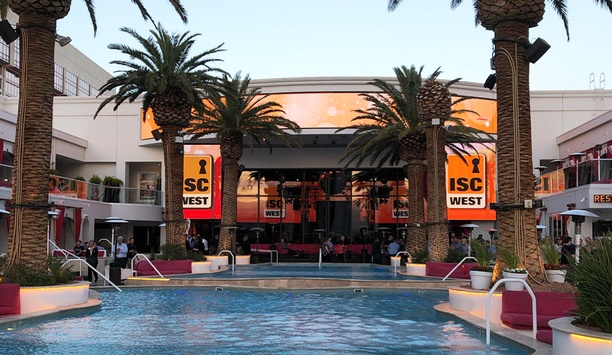
There are many new technologies at ISC West this year. There are also some tried-and-true solutions on display. More mature products have the benefit of being fully vetted and battle-tested, which may make them a more comfortable choice for security customers. I had a couple of discussions on Day 2 of the show about the advantages, and possible drawbacks, of new products. “To a security director, when you say ‘new,’ he translates that into ‘risk,’” says Bill...
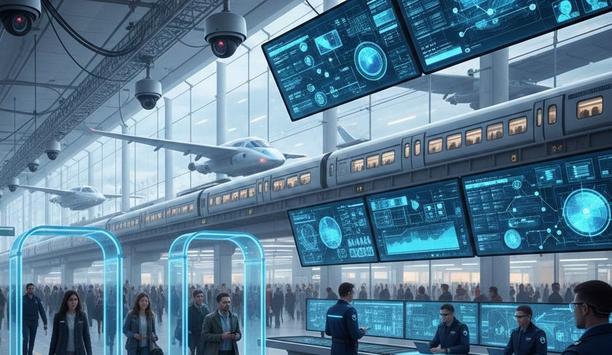
Transportation systems need robust physical security to protect human life, to ensure economic stability, and to maintain national security. Because transportation involves moving large numbers of people and critical goods across vast, often interconnected infrastructure, it presents a highly attractive target for various threats. More threats equate to a greater need for security. We asked our Expert Panel Roundtable: What are the emerging applications of physical security in the transportation...
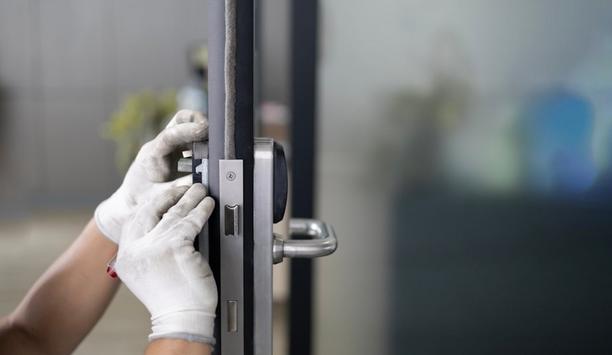
Installing physical security systems requires integrating diverse technologies (e.g., cameras, access control, alarms) that often use different protocols and must be adapted to a building's unique physical layout and legacy infrastructure. Specialized technical expertise is required for seamless networking and proper configuration. Hopefully, no important factors are overlooked in the installation process. We asked our Expert Panel Roundtable: What is the most overlooked factor when inst...
Johnson Controls, Inc. case studies

Keeping beachgoers, swimmers and surfers safe is all in a day’s work for the team at South Maroubra Surf Live Saving Club, and every second counts when an incident unfolds on the water. One of the most topical issues and threats to those enjoying Australia’s world-renowned beaches is sharks, so for the surf club it made sense to look to smart, new technology to keep those who enjoy the sand and surf safe. Security technology to lifesavers "Since the club wa...

SwiftConnect, a pioneering provider of connected access enablement, is powering easy, secure, and private access using an iPhone and Apple Watch with the Johnson Controls Software House C•CURE 9000 access control system. The SwiftConnect AccessCloud platform integration with the Software House C•CURE 9000 access control system makes it possible for Software House C•CURE 9000 customers to take advantage of the employee badge in Apple Wallet for physical access. Deployments of emp...

It may sound like a small change, but installing security cameras on a property can significantly impact occupant and visitor behavior by enabling more accountability. This is notable for environments such as K-12 schools where occupants are younger and more impulsive. Lack of visibility A public school system on the East Coast faced frequent incidents of bullying, vandalism, and theft among students as well as the harassment of faculty and staff and was struggling to keep its occupants accou...
Johnson Controls, Inc. white papers

Johnson Controls, Inc. videos

Frictionless Access Control: 5 Minutes With Rick Focke Tyco Software House
Video Surveillance Solutions: 5 Minutes With Ryan Hulse from JCI
Roger Williams University, Rhode Island, Secured with Johnson Controls P2000 Security Management System
An Overview Of The Johnson Controls P2000 Security Management System

Johnson Controls Company Profile
Johnson Controls Corporate Profile

Expert commentary
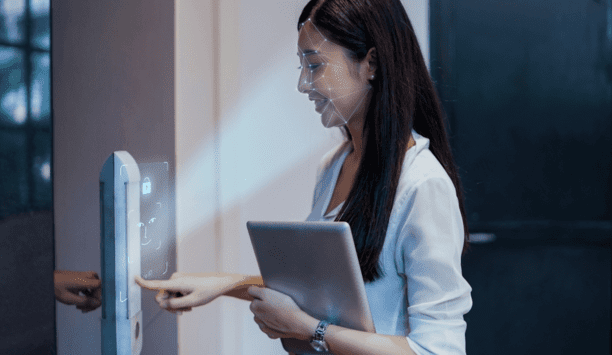
Security beat

Johnson Controls, Inc.
507 E Michigan Street
Milwaukee, WI 53202