
How Is The Internet Of Things (IoT) Impacting Physical Security?
9 Oct 2024
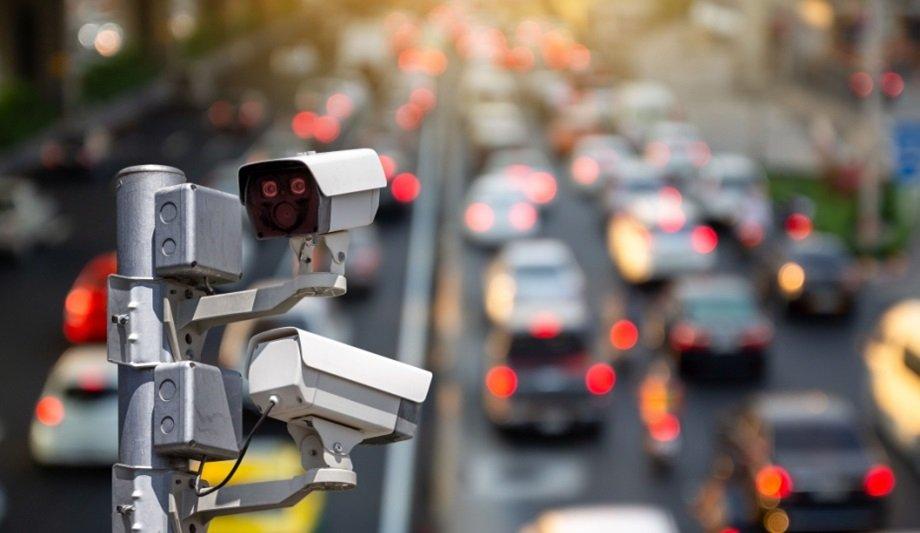

- IoT enhances physical security systems with real-time monitoring and remote access capabilities.
- IoT introduces cybersecurity challenges due to increased connectivity of physical security devices.
- New IoT devices like temperature sensors improve security system functionality.
Editor Introduction
The Internet of Things (IoT) has revolutionized many industries, including physical security. By connecting physical devices to the internet, IoT technology offers significant enhancements to security systems. Benefits include real-time monitoring, remote access, and the utility of new devices such as temperature and humidity sensors. At the same time, IoT devices come with challenges, including greater cybersecurity vulnerability. We asked this week's Expert Panel Roundtable: How is the Internet of Things (IoT) impacting the physical security marketplace?


IoT has become intrinsic to the physical security industry. The ability to have IoT-enabled, real-time communication between detection systems, access points, sensors, and cameras offers revolutionary solutions to enable physical security systems to intelligently respond to known, expected, and unknown scenarios. One impact of IoT is the growing assurance of secure residential package delivery, turning the intrusion system into an effective home valet. IoT-enabled systems can determine the availability of a safe place, such as a garage, and then identify and grant temporary access for a courier, before immediately arming alarm systems once the courier has left. Similar processes could be trained for a dog walker or tradesperson. In the future, external services will be able to communicate directly with a recipient’s IoT-enabled system to create an even smoother and secure process. Another example to consider is the benefit for dealers. IoT advancements enable reduced cost of service and faster, more successful installation of security systems. The service level of this security dealer is augmented by the use of IoT technology which makes the security system inherently more intelligent.

The Internet of Things (IoT) is revolutionizing the physical security industry, primarily through advanced network cameras used as smart sensors and leveraging 5G technology connectivity. Today's cameras used in IoT solutions go beyond mere surveillance and have thus become integral parts of broader business operations by collecting and analyzing data to deliver actionable insights for smarter decision-making. 5G networks are further accelerating IoT adoption in enterprise settings by enabling the real-time transmission of high-resolution video, low latency, supporting a higher density of devices, and providing connectivity across large areas in challenging network environments. This technology enhances physical security through real-time anomaly detection, automated quality control, predictive maintenance, improved worker safety monitoring, and enhanced premises security. The combination of IoT and 5G is creating more intelligent, automated, and interconnected security systems, significantly improving efficiency, safety, and response times to potential security threats while also driving the business forward across the enterprise.

The Internet of Things (IoT) is changing the landscape of physical security by enhancing surveillance, access control, and environmental monitoring. Each IoT device transmits the data it collects automatically back to a service, which typically resides in the cloud. Customers can understand events in their deployment in near real-time without human interaction. These solutions can help understand if a space is occupied, the environmental conditions of a space, or when anomalies occur. Depending on the sensor these can be less expensive to deploy and operate than a camera, which requires a person to monitor. Challenges, such as cybersecurity, privacy, and interoperability, should be addressed when deploying an IoT network. Lack of interoperability or integrations can lead to an increased workload on operators monitoring the deployment.

The Internet of Things (IoT) is not a new phenomenon but has been on a steadily escalating growth path over the last 20-plus years. The ability to connect a range of "edge" devices directly to a centralized application is very similar to how most physical security systems are architected, but IoT deals with the challenges of connecting via the public internet right from the start. As a result, IoT has set well-established patterns for how to handle firmware updates directly to edge devices as well as best practices for cybersecurity controls. We can leverage these same patterns and practices in the physical security industry. Companies working in the IoT space also quickly understood the power of data and how to gain insights and provide additional value from them. This is another important lesson for the physical security industry.

IoT products introduced a completely new type of technology into the physical security and cybersecurity industry, bringing many new types of risks, and creating countless new types of digital pathways into each organisation’s digital ecosystem that was on a scale even greater than mobile phones and laptops back when they started being used. IoT has created the ability to have anything that you wear, hold, carry, or hide in a very small area to constantly collect the sounds, images, videos, and data within the digital ecosystems, wherever they happen to be, and many of them are mobile. This creates more types of moving digital pathways and attack surfaces than ever before. Due to this, the use of IoT has had a significant role in spurring the implementation of zero-trust technologies, to protect not only the networks, applications, and associated data, but also the physical safety and health of humans within the physical areas where IoT products are used, along with preventing damage to material assets.

The Internet of Things (IoT) is revolutionizing the physical security industry, but it also introduces significant cybersecurity challenges. As more devices—such as cameras, access control systems, and environmental sensors—become interconnected, the attack surface expands, creating new vulnerabilities. Each IoT device represents a potential entry point for cyber attackers, making robust cybersecurity measures critical. Often, these devices communicate using insecure protocols without modern encryption. Effective security requires strong encryption, continuous monitoring, regular firmware updates, and network segmentation to isolate devices from broader IT infrastructure. Integrating IoT into physical security also demands comprehensive risk assessments and threat modeling to identify potential weaknesses. Additionally, artificial intelligence and machine learning can be leveraged to detect anomalies in IoT traffic, helping prevent breaches before they occur. As the industry continues to evolve, ensuring that IoT devices are secure by design is paramount to safeguarding physical and digital assets against increasingly sophisticated threats.

Over the last several years, the IoT has vastly improved the way integrators approach security system design. From a bird’s-eye view, integrating smart technologies—such as alarms, access control systems, and environmental sensors—enables more accurate automated responses to events, reducing false alarms and aiding responders. The IoT has allowed greater access to cloud storage and cloud-managed services, laying the groundwork for AI applications to analyze both video and audio to detect unusual behavior, identify specific objects or individuals, and recognize faces or license plates, delivering security teams detailed, actionable information using a centralized platform or “single pane of glass.” Over the long term, the IoT also enables proactive maintenance of surveillance equipment, alerting administrators to potential issues before they cause failures, and reducing system downtime.

A recent Statista report projects that by 2030, there will be 30 billion IoT devices in use—three times as many as in 2020. By investing in open architecture, and unified platforms, organisations can consolidate data from these various sources to provide actionable insights. Security teams may start by unifying systems, such as access control systems (ACS), video management systems (VMS), and intrusion detection. Expanding these integrations further to include building management, point-of-sale systems, or automatic license plate recognition (ALPR) enhances visibility. As more devices become interconnected, a unified approach gives teams a more comprehensive view of the data they are receiving, enabling faster responses to threats and potential incidents. The unified data also drives smarter decision-making and operational efficiencies across the entire enterprise.

One of the biggest ways IoT technologies affect the security industry is by revolutionizing how interconnected systems share information in real-time. Communications and networking solutions can work in concert with interconnected IoT solutions to enhance the flow of information by making insights from access control, sensors, and cameras more accessible, allowing for real-time data exchange across security and business operations. By integrating with IoT devices that collect environmental information, security professionals can ensure more efficient and effective responses to physical and cyber security threats while enhancing situational awareness and operational efficiency through improved communication.

The Internet of Things, broadly speaking, refers to the collection of Internet-connected electronic devices. By being internet-connected, one can view them and control them remotely. Because very many devices can be connected within one location or deployment, lessons can be learned in terms of how to manage this large number of devices. This management includes how to monitor that they are all live and functioning and in terms of keeping all those devices cybersecure. Physical security is increasingly adopting more technology and includes many more devices and therefore it also must grapple with these same management concerns.

IoT is fundamentally reshaping how Security Operations Centers (SOCs) manage security and surveillance. Not long ago, SOC operators were primarily responsible for interpreting live video, managing basic alarms, and conducting investigations. Now, with the rapid introduction of IoT technologies, their roles have expanded significantly. Operators are tasked with overseeing an ever-growing range of systems—from flood and temperature sensors to advanced tech like gunshot detection. This shift requires them to adapt quickly to a diverse set of alarms while constantly learning new standard operating procedures. I used to think operator fatigue was mainly due to hours spent monitoring video feeds, but now their jobs have grown even more demanding with the added responsibilities that IoT brings. The evolving role of SOCs means operators need to be more situationally adaptable than ever before. From what I hear from customers, SOCs are becoming the catch-all for many organizations, taking on a broader set of tasks as IoT continues to drive deeper integration into everyday operations.

Hardware devices like access control systems, cameras, and location detectors are often connected to create an expansive security network powered by the Internet of Things (IoT). This can increase physical security risk because there are more opportunities for data to be leaked (either unintentionally or intentionally by a bad actor), requiring physical security teams to be more proactive and effective in addressing threats to an organization. Security teams can quickly turn real-time data from hardware devices into intelligence that is actionable for informed decision-making. That said, IoT data will only help a corporate security program when it doesn’t live in a silo. By increasing data sharing and collaboration, security teams can improve processes, have better situational awareness, and can better mitigate organizational risk.

The Internet of Things (IoT) is significantly transforming the physical security industry by introducing smarter, more connected security solutions. IoT enables devices such as cameras, sensors, and alarms to communicate with each other and central management systems over the internet. This connectivity allows for real-time data collection and analysis, leading to more responsive and adaptive security measures. For example, smart cameras equipped with IoT can analyze video feeds using artificial intelligence to detect unusual activities and automatically alert security personnel or law enforcement. Additionally, IoT facilitates remote monitoring and control, enabling security managers to oversee multiple locations from a single dashboard, enhancing operational efficiency and reducing the need for onsite personnel. IoT integration also supports predictive maintenance of security equipment, predicting failures before they occur and ensuring continuous protection. Overall, IoT is making physical security systems more intelligent, efficient, and proactive, significantly enhancing protection capabilities.
Editor Summary
Embracing the Internet of Things (IoT) can expand the capabilities of physical security systems, but there are concurrent challenges to address, including cybersecurity risks. The impact of the IoT will continue to transform the physical security market in the coming years as the burgeoning wave of IoT devices prove their value in protecting people, places, and things. More than a buzzword, IoT stands among the megatrends poised to reshape the physical security marketplace for the better.
Anviz Global Inc. products






Anviz Global Inc. news

A time attendance system can help to keep a close eye on an employee’s working hours, prevent time theft by accurately tracking and recording employees’ time and attendance. A biometric time attendance system allows employees to clock in quickly and easier compare to the standard system and eliminate “buddy punching” in advance to the traditional time card system. A complete biometric time attendance system includes both hardware and software. Include the electronic div...
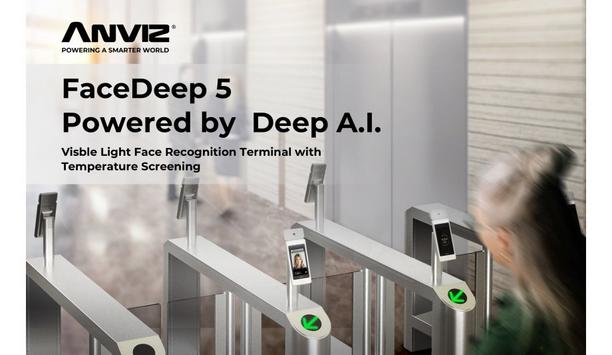
Understanding access control technology has surpassed its core application as a security tool and is helping protect individuals from infection, Anviz announced the release of a strategic addition to its product line, Go Touchless - FaceDeep 5 and FaceDeep 5 IRT. Safely return to work and school during the post pandemic period leaves people with a question -with what health and safety precautions. Deep learning algorithm The dual camera for live face detection and mask, temperature alert are...

Access control, video surveillance, and intrusion detection systems evolved largely independently in the physical security industry. Integrating those systems to the benefit of an enterprise's overall security has traditionally fallen on security integrators working in cooperation with manufacturers. However, today's market has also evolved to include companies that provide "unified platforms,” bringing together various disparate security systems and functions under a single, centralized...
Anviz Global Inc. white papers






Anviz Global Inc. case studies

When they talk about digitalization, there is one topic that keeps coming up: Smart Office. Intelligent IoT solutions that makes the users’ everyday lives safer, more comfortable, and more efficient. Systems to centrally manage employees' access with no keys and physical cards - face recognition, manage employee time tracking, and secure office printing with the embedded face recognition reader, are now seen as state-of-the-art. Dürr, founded in 1896, is a mechanical and plant engine...
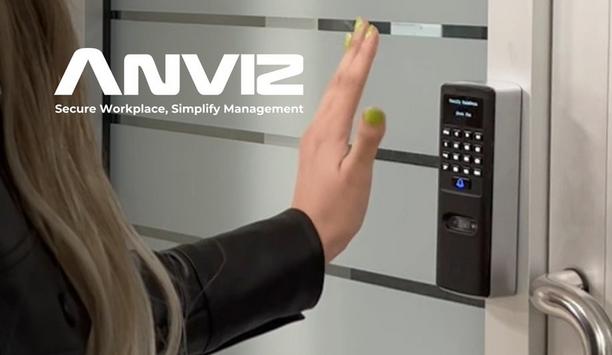
With the market constantly demanding security changes, Anviz has taken a bold step forward with the launch of the M7 Palm—a groundbreaking smart biometric access control terminal that harnesses the power of palm vein recognition technology. As the need for intelligence and security in building spaces continues to evolve, the demand for more compatible yet user-friendly access control solutions has never been stronger. The M7 Palm represents our answer to this challenge, offering a u...

The Middle East has recently expanded its real estate market as the region's economy grows and urbanization accelerates. This trend has led to an increasing demand for smart security, and the pace of digital intelligence change is gradually increasing. The security industry in the Middle East is rapidly growing, driven by the government's strong emphasis on national security and terrorism prevention. Centralized systems management Significant attention and investment have been directed towar...
Anviz Global Inc. videos


CrossChex Mobile App Guide for Access Control - M3 PRO
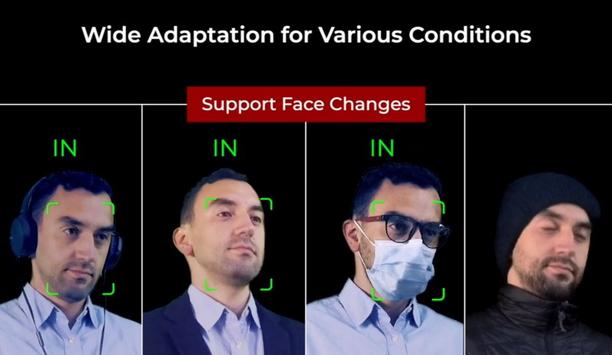
Anviz Releases FaceDeep 5 And FaceDeep 5 IRT With Touchless Face Recognition Terminal With Temperature Detection Features

Anviz P7- PoE Touch Fingerprint And RFID Access Control Device
Expert commentary



Anviz Global Inc.
32920 Alvarado-Niles Rd Ste 220, Union City, CA 94587
Toll-free: +1-855-ANVIZ4U (855-268-4948)
Email: [email protected]
Anviz Singapore
16 Collyer Quay #12-01
Income@Raffles Singapore 049318
Email: [email protected]