CIVINTEC EYM-280(LED) Single Door Magnetic Lock (LED)
Technical Specification
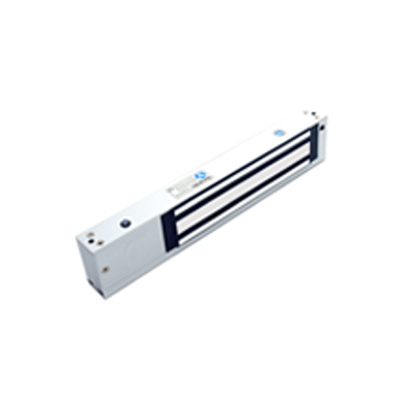

- Make: CIVINTEC
- Model code: EYM-280(LED)
- Lock Type: Electromagnetic Locks
- Holding Force kN: 280 kg (600 Lbs)
- Material: Aluminum
EYM-280(LED) single door electric lock is for glass door, wooden door, fireproof door, sliding door and metal door. Inbuilt dry contacts lock status signal output ( NO, NC, COM). Within the open door or frameless glass door, narrow box has form a complete set of accessories (EYABK - 280L/ EYBK – 280ZL), such as special against the residual magnetic design, make safer access control automation. Advantage Anti-residual magnetism designed High strength material, anodized aluminum housing Design without mechanical failure Increase the electromagnetic force, dual insulative housing
Read more| Make | CIVINTEC |
|---|---|
| Manufacturer | CIVINTEC Global Co., Limited |
| Category | Access Control>Electronic lock systems |
| Model code | EYM-280(LED) |
| Lock Type | Electromagnetic Locks |
| Holding Force kN | 280 kg (600 Lbs) |
| Material | Aluminum |
| Environmental Specifications |
Operating Temperature oC: -10 ~ +55 C (14 ~ 131 F) Operating Humidity %: 0 ~ 90 |
| Electrical Specifications | Voltage: 12 ~ 24 V DC |
| Physical Specifications |
Dimensions mm: 250 x 49 x 25 Weight g: 2,100 |
| Additional info |
EYM-280(LED) single door electric lock is for glass door, wooden door, fireproof door, sliding door and metal door. Inbuilt dry contacts lock status signal output ( NO, NC, COM). Within the open door or frameless glass door, narrow box has form a complete set of accessories (EYABK - 280L/ EYBK – 280ZL), such as special against the residual magnetic design, make safer access control automation. Advantage
|
Compare CIVINTEC EYM-280(LED) with Electronic lock systems from other manufacturers




You might be interested in these products



Related Whitepapers

The Critical Role of Access Control in K-12 School Security

Three Essential Reasons To Upgrade Your Access Control Technology In 2022

Securing Unmanned Infrastructure at the Network Edge