Kwikset - Experts & Thought Leaders






Latest Kwikset news & announcements
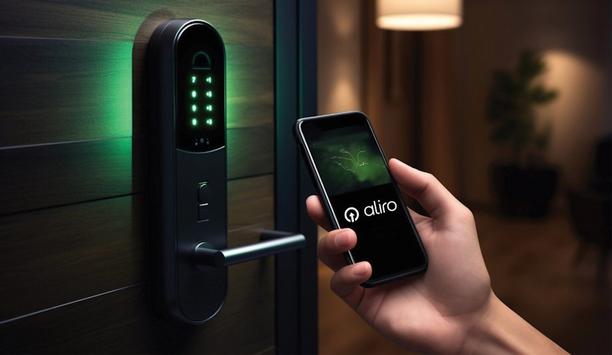
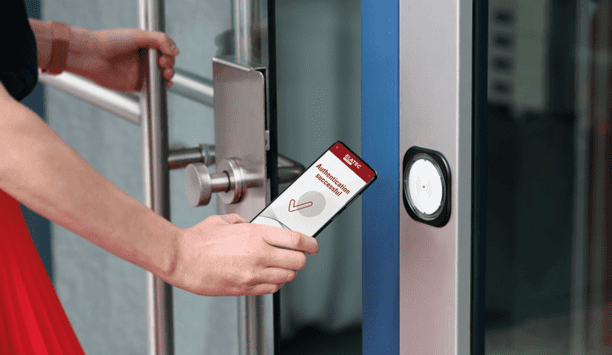
The Connectivity Standards Alliance (Alliance) announced the release of the Aliro 1.0 specification, a new communication protocol and credential standard designed to revolutionise how users interact with access points in every aspect of their lives. While the convenience of unlocking a smart home lock often captures public attention, Aliro is built for broader impact, aiming to streamline interoperability across varied access control use cases, including corporate offices, universities, hospitality venues, and single and multi-family residential homes. Driving adoption through major wallet integration A key differentiator for Aliro is the confirmed commitment from the world’s pioneer mobile wallet ecosystems. By aligning with Apple, Google, and Samsung, Aliro offers a standardized digital credential experience leveraging the smartphones and wearables people use every day. This strategic collaboration expands adoption pathways, empowering users to move easily between homes, workplaces, and public spaces using the secure digital wallets native to their operating systems. “Aliro is solving the fragmentation that has held back digital key adoption, replacing it with a single interoperability standard built through Alliance Member collaboration. By connecting the access control industry directly to leading mobile wallet ecosystems, it delivers a secure, frictionless experience that goes well beyond the front door. Lower integration complexity means faster innovation and shorter time to market. This is how the future of access control gets built,” said Tobin Richardson, President and CEO, Connectivity Standards Alliance. A unified standard for secured, seamless access The Aliro 1.0 specification establishes a robust framework utilising asymmetric cryptography to ensure secured and trusted interactions between user devices and readers, while respecting user privacy. This standardized protocol is designed for broad application across the entire access control ecosystem, providing a reliable experience in corporate offices, universities, hospitality venues, single and multi-family homes, and even areas without network coverage, such as underground parking garages and elevators. To meet diverse installation requirements, the specification supports a variety of transport technologies, including Near Field Communication (NFC) for tap-to-access, Bluetooth Low Energy (Bluetooth LE) for user-initiated long-range communication, and Bluetooth LE plus Ultra-Wideband (UWB) for a seamless, secured hands-free authentication method. To ensure global reliability, Aliro includes a comprehensive certification program and supporting test suites managed through Authorized Test Labs. This initiative unifies a global collective of over 220 Member companies - from lock manufacturers to silicon vendors and mobile platform leaders - working together to pave the way for a better, more secure mobile access experience. Through close collaboration, Member companies, including Apple, ASSA ABLOY, Google LLC, Infineon Technologies AG, Last Lock, Inc., Samsung Electronics, and STMicroelectronics pooled technologies, expertise, and innovations to enable the Aliro 1.0 specification, with Apple, Allegion, Aqara, Google LLC, HID, Kastle, Kwikset, Last Lock, Inc., Nordic Semiconductor, Nuki Home Solutions, NXP® Semiconductors, Qorvo, Samsung Electronics, STMicroelectronics, expected to be the first to achieve Aliro 1.0 certification. Empowering the value chain Aliro provides tangible benefits across the entire industry value chain by lowering implementation barriers and reducing overall complexity for stakeholders. For manufacturers, the standard acts as a universal arbiter for interoperability certification, significantly reducing research and development costs while simplifying the integration process with new partners. Integrators benefit from this streamlined approach through easier setup and more efficient troubleshooting across devices from multiple hardware providers. Ultimately, Aliro provides system owners with simplified maintenance and the flexibility to mix and match vendor-independent hardware and software across a wide variety of user devices. The path forward The release of Aliro 1.0 is the foundation of a living standard, not a one-time effort. This coalition is already looking toward future phases to integrate upcoming market and ecosystem requirements, such as expanded use cases like secure key sharing, while maintaining backward compatibility to ensure that current implementations are not compromised as the technology matures. By building this infrastructure to evolve alongside the market it serves, we are ensuring that Aliro remains the enduring, interoperable layer for universal digital credentials. As the specification enters the certification and commercialisation phases, this collective effort stands ready to deliver the scalability required for long-term global success.
Kwikset, a trusted pioneer in smart security solutions, and DoorBird, a pioneer in IP video door communication, are proud to announce the integration of Kwikset’s Halo™ smart locks with the DoorBird app. This collaboration brings together two industry innovators to deliver a more convenient and secure home access experience. Kwikset Halo locks With this integration, residents can now remotely unlock their Kwikset Halo locks from within the DoorBird app during a live video call with a visitor — all with a simple tap of a button. Residents can remotely unlock their Kwikset Halo locks from within the DoorBird app This seamless experience not only saves time but also adds a new level of control, eliminating the need to switch between apps or interrupt the conversation. It also allows homeowners to manage access without switching between apps. Best of all, it works natively, with no hub required, by leveraging the existing home Wi-Fi network. DoorBird’s advanced video intercom systems “This is a great example of the synergy within the ASSA ABLOY Group,” said Jeff Sandoval, Director, Electronics Marketing at Kwikset. “By combining our expertise in smart residential security with DoorBird’s advanced video intercom systems, we’re creating a smarter, safer, and more connected home.” Robust authentication protocols Residents can easily activate the feature through the DoorBird app by linking their Kwikset Halo account Security and privacy are prioritized, featuring encrypted communication and robust authentication protocols, while also delivering a highly responsive, low-latency experience. Unlike other solutions that may introduce delays, it’s optimized for instant interactions, ensuring smooth and efficient performance. Residents can easily activate the feature through the DoorBird app by linking their Kwikset Halo account. Deeply and deliver integrated solutions “Being part of the ASSA ABLOY Group enables us to collaborate more deeply and deliver integrated solutions that truly benefit our customers,” said DoorBird Founder & CEO Sascha Keller. “This partnership is a step forward in redefining how people interact with their front doors.” Both Kwikset and DoorBird will be showcasing the solution live at CEDIA Expo 2025 (booth #1329), offering attendees a firsthand look at the combined technologies. Visitors can explore the joint exhibit to see the integration in action and speak with product experts from both brands.
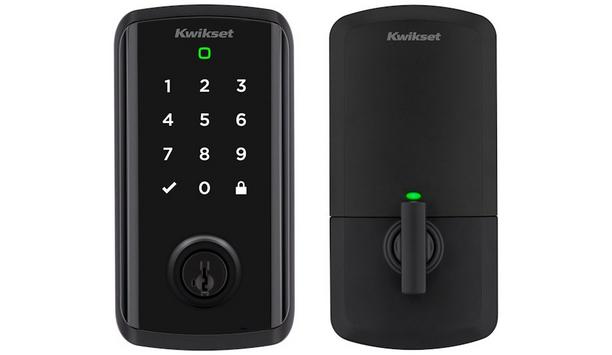
Kwikset®, a trusted pioneer in residential security and a registered trademark of ASSA ABLOY Americas Residential Inc., an ASSA ABLOY Group Company, announced the upcoming launch of Halo Select, a smart door lock designed to provide a convenient and versatile security solution for the home. Halo Select stands out by offering both Wi-Fi and Matter built-in for homeowners seeking flexible, reliable, and integrated smart home security. Choose the connection method that suits their best, and easily switch if the smart home needs to evolve. Integrates geofence technology With the Kwikset app and built-in Wi-Fi (no hub required), Halo Select empowers them to control their front door from anywhere - lock, unlock, and even grant access to guests, all without traditional keys. Homeowners can share access with family or trusted guests through unique codes or in-app, with real-time notifications ensuring they stay informed about who’s coming and going. The lock also integrates geofence technology to intelligently unlock as you approach your home. Smart security automation Halo Select integrates seamlessly with all compatible smart home platforms and devices By incorporating Matter over Thread, Halo Select integrates seamlessly with all compatible smart home platforms and devices, so they can simplify their life with smart security automations. With Kwikset’s in-app compatibility check and guided setup, the transition to Matter is also simple and stress-free. “Halo Select represents the next step towards Kwikset’s mission to provide homeowners with unmatched security and seamless control over their home security,” said Jeff Sandoval, Director of Marketing for Electronics at Kwikset. Trusted security and technology Sandoval added: “By offering both Wi-Fi and Matter connectivity, Halo Select fills a critical gap in the market, providing a versatile, integrated solution that simplifies smart home integration. We’re excited to bring this innovation to market and continue delivering trusted and reliable products that reflect the evolving needs of today’s connected homes.” Halo Select redefines smart lock excellence by combining thoughtful design with trusted security and technology. Its bright, user-friendly touchscreen features dedicated keypad indicators, ensuring user interactions are seamless and intuitive. Halo Select features Halo Select features Kwikset’s quiet and powerful motor for a swift locking and unlocking experience The lock’s subtle and easy-to-install door status sensor confirms the door is properly closed and has not been left ajar, while instant notifications alert users to any potential security issues such as invalid code attempts or lock tampering. Halo Select features Kwikset’s new quiet and powerful motor for a swift locking and unlocking experience. Plus, Halo Select is third-party tested to meet the highest BHMA Grade AAA standards and UL 20-minute fire rating for added peace of mind. Halo Select's DIY installation Halo Select's DIY installation is simple, requiring only a screwdriver, while the interactive in-app guide streamlines the process and provides clear hardware installation steps. No hardwiring required, the lock is powered by four alkaline AA batteries or a rechargeable lithium-ion battery pack (sold separately) for better sustainability and convenience. With more than 75 years of experience, Kwikset makes life easier and remains a trusted name in home security. Kwikset will also launch an NFC tap-to-unlock variant, Halo Select+, in early 2025, providing even more flexibility for homeowners. Kwikset’s Halo Select will retail for USD 279, is shipping to retailers starting next week, and is expected to be in-stock both online and in stores by mid-November.
Insights & Opinions from thought leaders at Kwikset

A key characteristic of many successful companies is that good ideas come from everyone, not just specific departments or job titles. What one person sees as obvious may be questioned by someone else who is less familiar with the product or process. This simple interaction can spark a whole new, faster, and better approach. While valuing tradition is important, if someone uses the phrase “that’s how we’ve always done it,” it’s essential to analyze the process to ensure it remains optimal. Business conditions change rapidly, and what was considered a perfect process last week may need adjustments this week. Comprehensive approach to innovation This comprehensive approach to innovation fosters continuous improvement across all aspects of the organization Innovation should permeate every level of an organization, from product development and customer experience to sustainability practices and employee training. This comprehensive approach to innovation fosters continuous improvement across all aspects of the organization, allowing companies to stay agile, competitive, and in tune with their customers' constantly evolving needs. Addressing real-world challenges At the heart of pervasive innovation in the security industry lies the development of smart products and solutions that address real-world challenges. This approach integrates advanced technologies to enhance security while improving user experience. For instance, the integration of mobile credentials, biometrics, real-time wireless locks, intelligent keys, and cloud-connected access control systems exemplifies how technology can streamline operations and provide users with seamless and secure access. Offering user-friendly solutions These advancements reflect a deep understanding of user needs and preferences, offering solutions that are not only secure but also convenient and user-friendly. A notable example is UniKey's Kēvo, the first Bluetooth-enabled touch-to-open smart lock, introduced in 2013. Developed in partnership with Kwikset, this innovative product allowed users to unlock doors simply by tapping the lock with a compatible smartphone. By continuously innovating across various aspects of security products and solutions, companies can ensure that their offerings remain relevant and effective in addressing the evolving challenges of the security landscape. Design-driven features Products designed for quick and straightforward installation reduce labor costs and minimize downtime Innovation extends beyond technology to encompass design-driven features that prioritize user convenience and satisfaction. For instance, ease of installation is a critical factor in the adoption of new door hardware. Products designed for quick and straightforward installation reduce labor costs and minimize downtime, making them more attractive to both installers and end users. For electronic locks, long-lasting battery performance is essential for minimizing maintenance and ensuring reliability. Products with extended battery life reduce the frequency of replacements and enhance user confidence. Incorporating antimicrobial finishes into door hardware addresses growing concerns about hygiene and cleanliness. Taking hygiene a step further, touchless technology in door hardware minimizes physical contact, reducing the potential for cross-contamination and enhancing user convenience. Sustainability initiatives Sustainability initiatives in door hardware have evolved from niche considerations to central pillars of modern product development, not least of which is the growing consumer demand for sustainable products, which is influencing purchasing decisions. According to a Nielsen report, 66% of global consumers are willing to spend more on a product if it comes from a sustainable brand, leading many companies to prioritize the use of recycled and recyclable materials in their products. Beyond material selection, manufacturers are also refining their production processes to minimize environmental impact. Finishing processes are evolving to use non-toxic and low-impact finishing methods, such as powder coating and physical vapor deposition. Energy-efficient door hardware Energy-efficient door hardware plays a significant role in the overall energy conservation of buildings Energy-efficient door hardware plays a significant role in the overall energy conservation of buildings. Properly designed door hardware can help maintain a building’s thermal envelope, reducing heating and cooling demands. For instance, the HID® Signo™ access control reader includes improved power supply technology and energy-saving features that ensure reduced energy consumption when the reader is in a resting state. Environmental Product Declarations To further demonstrate their commitment to sustainability, many manufacturers seek certifications validating their environmental efforts. Environmental Product Declarations (EPD) and Leadership in Energy and Environmental Design (LEED) certifications have become key indicators of a product’s environmental performance. An EPD provides detailed information about the environmental impact of a product throughout its lifecycle, aiding in the transparency that architects and builders require to make informed choices. Similarly, LEED certification emphasises energy savings and broad environmental priorities, including water efficiency, CO₂ emissions reduction, and improved indoor environmental quality. Customer service and training Innovation is also making great strides in the behind-the-scenes efforts of customer service and training. Predictive maintenance technologies are revolutionising how companies manage product performance and customer support. By utilizing data analytics and IoT technologies, companies can offer maintenance alerts, remote diagnostics, and connected support services that anticipate issues and failures before they occur. This shift from reactive to predictive maintenance minimizes service disruptions and enhances customer trust by ensuring products operate at optimal levels. Digital training initiatives Digital training initiatives equip employees and customers with the skills needed to utilize new technologies In parallel, digital training initiatives equip employees and customers with the skills needed to utilize new technologies in a cost-effective and accessible manner. Digital installer certification programs, learning portals, and customer enablement initiatives are all part of a comprehensive strategy to equip stakeholders with the knowledge and skills they need to succeed. By investing in comprehensive training programs, companies foster a culture of adaptability and competence, ensuring that customers can fully leverage technological advancements. This approach not only enhances operational efficiency but also strengthens customer relationships by empowering them with the knowledge to make informed decisions. Incremental improvements While groundbreaking innovations often capture headlines, it’s the steady, incremental improvements that consistently deliver real-world value. Companies can achieve sustained growth and success by focusing on continuous innovation across all facets of the organization. This quiet progress, though less visible, is often more impactful as it builds a solid foundation for long-term achievement. In a world where change is the only constant, fostering a culture of pervasive innovation is the key to sustained relevance and growth.

Security’s intersection with consumer electronics is on view at CES 2020, the world’s largest technology event, Jan. 7-10 in Las Vegas. The giant show features more than 170,000 attendees, 4,500 exhibitors and 1,100 industry thought-leaders featured on the CES stage. A range of technologies will be on display, from artificial intelligence (AI) to 5G, vehicle technology to AR/VR (augmented and virtual reality), robotics to home automation. Security plays a prominent role, too.The impact of this event for the smart home could be about delivering home analytics and enhancing privacy" Smart home market on the forefront The smart home market is a major focus. “For the smart home market at CES this year, we expect to see numerous announcements regarding home awareness,” says Blake Kozak, Senior Principal Analyst at IHS Markit. “This will include brands offering up additional analytics for consumer security cameras with a focus on edge-based solutions.” “The impact of this [event] for the smart home could be about delivering home analytics and enhancing privacy through cloudless architectures and new electronic door lock approaches,” he adds. An example of cloud analytics is the Resideo Home app, introduced in December, which will make whole-home monitoring possible for four critical networks of the home – water, air, energy and security. Resideo promises a “simplified and integrated smart home experience.” Video is also prominent at the show. “For cameras, we can expect to see more cameras focused on the outdoor space and possibly new form factors for video doorbells,” says Kozak. Familiar security industry brands exhibiting at CES 2020 include ADT, Ring, August Home and Yale (both part of ASSA ABLOY), Bosch and Alarm.com. Focus on Cybersecurity In 2020, companies will continue to focus on solutions for protecting consumer data" Cybersecurity is an aspect of many of the devices on display at CES. “Device security and data privacy play a key role in the adoption of connected devices,” says Elizabeth Parks, President, Parks Associates. “Consumer security concerns for smart home products will continue to be a barrier to adoption in the U.S. and Europe, and these concerns can actually intensify with device adoption-71% of U.S. smart home households are concerned about cybersecurity. In 2020, companies will continue to focus on solutions for protecting consumer data. One big area of interest is protection on the network router, providing whole home solutions, which are very appealing to consumers.” “At CES we will see the traditional players introducing new DIY (do-it-yourself) products, as well as new players announcing new product features, services, and partnerships,” Parks adds. Smart access control Smart locks will be among the security products at CES 2020. For example, PassiveBolt, a lock company, will show the Shepherd Lock, a touch-enabled smart lock with enhanced security through sensors and AI. The add-on lock converts existing locksets into touch-activated devices. Another lock manufacturer is Kwikset, whose door locks and door hardware include Wi-Fi-enabled smart locks, Bluetooth-enabled smart locks, keyless and keyway-less locks and connected home technology. Video doorbells, including industry-innovator Ring, have been a hit in the consumer market. At CES, Ring will expand the mission to make neighborhoods safer by creating a “Ring of Security” around homes and communities with a suite of home security products and services. The “Neighbors by Ring” app enables affordable, complete, proactive home and neighborhood security. Homeguard offers a range of affordable CCTV solutions for home and small business DIY CCTV demonstrations DIY security systems are another market. Homeguard is a leading DIY consumer brand offering a range of affordable CCTV solutions for home and small business, including wired and wireless CCTV kits, smart cameras, home alarm systems and wire-free HD CCTV kits. Swann Communications is also at the forefront of surveillance and monitoring with new products developments including wire-free HD cameras and doorbells, professional CCTV video surveillance systems, and 1080p full HD systems with “True Detect” heat and motion sensing. AVTECH, and subsidiary YesGo Tech, will demonstrate a compact Wi-Fi home security set, a series of special cameras with face recognition, thermal detection and license plate recognition, customized central management software and a university ID tag that is compatible with access control, OEM and ODM opportunities. Security and automation solutions D-Link’s home networking, security and automation solutions will help consumers connect, view, share, entertain, work and play. SECO-LARM, manufacturer of a Room Occupancy Monitor that shows whether a room is in use, has a line of keypads and proximity readers with built-in Bluetooth for convenient access. Another smart home security solutions provider, Climax Technology, integrates wireless security, home automation, energy management, home emergency monitoring and live visual monitoring. Personal safety mobile application Manufacturers are positioning outdoor cameras as deterrents to theft before a burglary happens" WaryMe designs and develops a personal safety mobile application to improve a user’s security in public places, schools, transports and companies by addressing major risks such as terrorism attacks, intrusion, fire and even industrial accidents. An all-in-one mobile application integrates alerting, crisis management and mass notification features. “Market players are looking to expand beyond established smart home devices like smart thermostats and networked cameras to products like smart water leak detectors, smart pet feeders, and smart air purifiers,” says Elizabeth Parks. “Manufacturers are positioning outdoor cameras as deterrents to theft before a burglary happens. This trend is part of a broader security marketing effort to extend the perimeter of home security beyond traditional home access points.” “Familiarity with smart home devices lags behind familiarity with smart entertainment products; it even lags that of smart speakers, which are quite new in the market,” adds Parks. “In 2020, we will see players working to advance the visibility and marketing around device integration, and specifically focus on use case scenarios around safety, security, and convenience, which have always been the primary drivers of adoption of these types of products.”
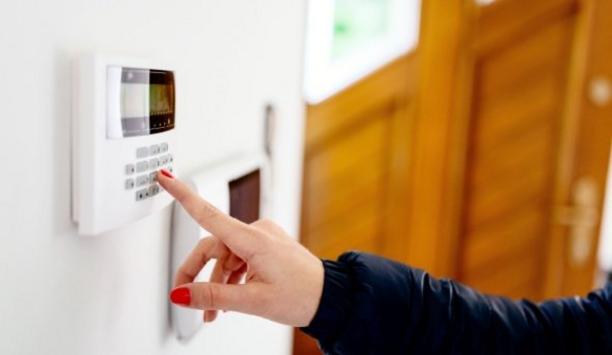
There’s no question that the popularity of Do-It-Yourself (DIY) security and home automation products is on the rise. The reasons for the growth in DIY sales are numerous, including increased awareness of home automation products, fast set-up, limited (if any) installation costs, and interoperability with other smart security products. In fact, with the parallel rise of smart home hubs like Alexa and Google Home, many people are opting to attempt the set-up of smart home devices without any professional assistance. According to a 2018 Residential Security Market Report prepared by Parks Associates and Security Sales & Integration magazine, “More than 60% of installing dealers now report that DIY systems are biting into demand for their services.” But the rise in DIY is not entirely bad news for security and home automation installers and dealers. There are a number of ways to view this glass as half-full. Let’s look at a few of them. Increase In Revenue For Dealers With their lower cost and perceived ease of installation, DIY products have broken down barriers for additional purchaseThere are reasons for dealers and installers to be cheerful about the rise of DIY. For one thing, according to that same Residential Security Market Report from Parks Associates, residential security dealers are doing quite well. The report states, “In 2017, revenues were up an average 7.72% for security dealers.” What about installations? The report goes on to say, “For 2017, the average number of installs per dealer was 22 per month, compared to 17 per month in 2016.” So, revenues are up for security dealers, and at least part of the reason can be attributed to the fact that DIY products can raise overall awareness of and spur interest in other home automation and security products. With their lower cost and perceived ease of installation, DIY products have actually broken down barriers for the additional purchase, and installation, of complete, professionally installed systems. Wireless, Connected Smart Locks For example, the sale of wireless, connected smart locks (viewed by some consumers as DIY) can lead to opportunities for further home automation product sales and professional installations. Connected smart locks can actually act as an extension of a smart hub or controller. They can be used to wirelessly communicate with and control all the devices that make up a home automation system, including lighting, entertainment, thermostats, air, alarms, shades and more. With their lower cost and perceived ease of installation, DIY products have actually broken down barriers for new security installations And they can do all this from a prime, convenient location – the front door, as well as other points of entry like the side or back doors. Plus, smart lock conversion kits like Kwikset Convert let homeowners easily bring home automation capabilities to their door without altering the aesthetics of the entry. Connected smart locks can allow homeowners to set up their home with custom scenarios, right before they step inside. For example, residents can program their lock so that every time they unlock the door, a foyer light goes on, temperatures begin to rise to a set level – even connected coffee makers can begin to make a cup. Portfolio Of Home Automation Products One of the best ways to mitigate the ‘threat’ of DIY sales is for dealers and installers to become more versatileSmart locks are just one example of the potential of DIY products to spark a homeowner’s interest in a wide range of other home automation devices, many of which would benefit from professional installation. One of the best ways to mitigate the ‘threat’ of DIY sales is for dealers and installers to become more versatile and offer a complete portfolio of home automation products. The larger the home automation offering, the more devices there are to sell and install, the larger the installation required, the greater the need for professional installation. Many homeowners who feel like they have a certain level of handiness will start by trying to do it themselves with a DIY product. But things don’t always go as planned, especially if they are attempting to set up a robust home automation system. First off, just because a product is DIY doesn’t mean that the old products that are being replaced are going to easily make way for the new. A DIY thermostat or smart lock might require that the old equipment (and possibly wires) get tugged out of the wall. Messy holes might need to be filled. Advantages Of Professional Installation Even after the old system has been removed, homeowners planning on setting up a connected system may soon realize they don’t have the electrical skills or technological know-how to install and connect all devices, get a system programmed correctly, and get everything up and running smoothly. Professional installers have learned from experience; there’s very little that they haven’t seen before. With their years of experience, installers know the best way to automate a home and how to create a custom smart home experience Do-it-yourselfers might be able to solve problems by searching the internet and finding videos. But, then again, they might not. After going the DIY route once, many full-home automation system enthusiasts are beginning to realize that the best way to get things done right the first time is to leave the installation and set-up to a professional. Professional installers can and should bring an extra level of experience and guidance to the process. Their services should go beyond tech installation and also include interface design. With their years of experience, installers know the best way to automate a home – how to create a custom smart home experience that doesn’t make the user feel less than smart. Selling Additional Home Automation Products If a problem arises due to installation error, the DIYer does not have any recourse to correct these mistakesResidential security dealers who offer professional installation should be willing to embrace the DIYer who has attempted to do a self-install but has not been able to complete the process successfully. With an open mind to this scenario, they can save the day for the DIYer, as well as create an opportunity to sell additional home automation equipment that the DIYer may not have known to be available. The disparity between DIY and professional installation also brings to light the fact that there are no ‘satisfaction guarantees’ and no ‘installation/labor warranty’ available when a home automation system is installed by a DIYer. If a problem arises with either the equipment connectivity due to installation error, or if a piece of equipment is installed incorrectly, the DIYer does not have any recourse to correct these mistakes. This may not be as critical if a DIYer installs a minor piece of equipment, but with something as critical as securing and protecting their home with a home automation and security system, most people want full peace of mind that everything has been installed correctly. Reduces Connection Instability According to a 2017 study by the analyst firm, IHS Markit, “The quality of the equipment is usually higher in professionally installed systems, and professional configuration and setup greatly reduces the potential for connection instability…” This is an issue that DIYers may come to realize over time. On the other hand, one issue DIYers may recognize right away, especially if they are attempting to connect multiple devices, is that the connectivity may be inconsistent. Professionally installed devices operating on a wireless protocol might deliver better, consistent, longer-range connectivity IHS Markit explains that, “DIY systems rely on open protocols and Wi-Fi connectivity that can sometimes be unreliable, creating connection issues. Some of the sensors can become unrecognizable to the system, requiring intervention from the user. In contrast, professional wireless systems rely on UL- or EN-certified equipment to operate on the basis of proprietary frequency, enabling them to work with the control panel much more seamlessly.” In other words, professionally installed devices operating on a wireless protocol, even an open-source protocol like Z-Wave, might deliver better, consistent, longer-range connectivity, and fewer headaches. Not Everyone Is A DIY Customer There are customers who want someone to install the devices correctly and help them learn how to use and maintain themThere’s no doubt that there’s a segment of the security and home automation market that loves to spend their free time doing their own home improvement. They are watching videos, reading how-to books and manuals, and enjoying every minute. There’s also a segment of the market whose top goal is to save money up front. For these customers, there’s no getting around the joy of saving money with the lower cost of many DIY products. But there are also a great number of prospective customers out there for whom DIY is of absolutely no interest. These consumers do not want to be their own IT department. They want expert help: they want someone to install the devices correctly and help them learn how to use and maintain them. The IHS Markit study points out what many home automation dealers already know: that the elder and aging-in-place markets are an ideal destination for the security and convenience of home automation products. The study says, “Many senior citizens are not tech savvy enough to install a DIY system by themselves, so they tend to rely on professionally installed systems that are usually maintained by a family member.” Along with the senior citizens market, there are many other market segments out there that still desire worry-free professional installation. Installers should offer a range of products that includes some DIY products, and some leave-it-to-a-pro products Producing Complete And Custom Solutions Perhaps the best way for dealers and installers to stave off that feeling of doom that they might have about DIY is to tackle the problem head on and be creative. Offer a range of products that includes some DIY products, and some leave-it-to-a-pro products – consider the DIY product a great entry point for a more comprehensive system. Play up the peace of mind that comes with professional installations and support that pitch with flexible monitoring contracts and service plans. Share what you do and why; relay your passion for producing complete and custom solutions and communicate how you add value to any and every sale. No one, not even the most tech-savvy consumer, wants to install their own products if the end result is that the product doesn’t work the way it should. That’s where the pros can, should and will always come into play.