Connectivity Standards Alliance - Experts & Thought Leaders


Latest Connectivity Standards Alliance news & announcements

Safetrust today introduced the Safetrust Aliro 1.0 Migration Credential, a physical credential designed to help enterprises move from proprietary access technologies to the open Aliro standard without replacing their existing reader infrastructure. Enterprises can issue, manage, and update the credential themselves, while one organization-controlled identity can operate across Aliro-compatible readers from multiple vendors. Organization-controlled digital trust Traditional credentials often rely on proprietary keys controlled by an access control vendor. Aliro credentials instead use digital certificates the organization issues and controls. As with the certificates that secure websites and enterprise IT systems, the organization determines which identities are trusted, where they can be used, and how certificates are issued, updated, and revoked. Organizations can also authorize external partners, including landlords, parking operators, and workplace service providers, to trust the same credential. One badge can therefore provide access to corporate offices, shared buildings, parking facilities, and other approved environments without requiring a separate credential from each provider. For large enterprises, this provides direct control over credential security, less dependence on any single hardware vendor, and alignment across physical access, enterprise PKI, identity and access management, and Zero Trust strategy. The credential implements the Connectivity Standards Alliance's Aliro 1.0 specification and works with Aliro-compatible hardware from multiple vendors. Aliro was developed through collaboration among more than 220 CSA member companies, including Apple, Google, Samsung, and Safetrust. A new model for enterprise identity "Aliro represents the first time customers and vendors outside the government sector have come together around a common standard for organizational identity," said Jason Hart, CEO and co-founder of Safetrust. "For enterprise security leaders, this creates a path to stronger security and greater vendor choice without requiring a disruptive replacement of their existing access infrastructure." Passport model for access As an open, multi-vendor standard, Aliro is becoming the enterprise equivalent of a passport: the issuer establishes a trusted identity, while independent organizations decide whether and where to accept it. Moving beyond proprietary credentials For decades, physical access customers have migrated from one proprietary credential technology to the next, often replacing readers, credentials, and key infrastructure with each generation. While the cryptography improved, the underlying model often did not: the credential vendor continued to control the technology and the critical trust infrastructure. When that vendor-controlled trust infrastructure was compromised, the security of the credentials customers relied upon was compromised with it, restarting the migration cycle all over again. Open migration path Aliro changes that model. Instead of asking customers to migrate to Safetrust's next proprietary credential, Safetrust is providing a migration path to an industry standard that any compliant vendor can implement. The organization, not Safetrust, generates and controls its keys and establishes its trust relationships, bringing physical access in line with the certificate-based security practices already familiar to enterprise IT. Supporting legacy infrastructure The Safetrust Aliro credential simplifies migration by consolidating multiple legacy credentials onto a single card. Safetrust has independently developed emulation technology that enables interoperability with installed legacy reader ecosystems, including readers configured for HID® Seos® Standard and Elite credentials, LEAF credentials, vendor-specific credentials used with MIFARE® DESFire® data models, and more than 30 low-frequency proximity technologies. Safetrust independently developed these legacy-compatible applications, and they are not HID or other third-party credentials. This allows one physical credential to work with existing legacy readers without modifying the installed infrastructure, while also supporting migration to Aliro. Phased migration without disruption Organizations can therefore migrate to Aliro at their own pace without disrupting day-to-day operations. Existing readers can remain in service while Aliro-capable infrastructure is introduced progressively, starting with the highest-risk areas such as data centers, schools, production and warehouse environments, and other sensitive or unsupervised openings. As reader infrastructure is upgraded, the same credential transitions from legacy compatibility to Aliro's certificate-based trust model without requiring users to change cards again. The credential works with the infrastructure an organization has today and moves to a stronger trust model as Aliro-capable infrastructure is deployed. Expanding credential capabilities The migration credential is designed to become more capable over time. Beyond physical access, organizations can enable additional applications and services on the same credential, extending their investment without issuing another badge. Extending beyond physical access The same physical credential can also extend beyond the door. An optional full FIDO2 application enables the Safetrust Aliro credential to operate as an NFC FIDO2 authenticator for compatible workstations, applications, services, and mobile devices. NFC tap-to-enroll is also supported, allowing organizations to consolidate physical access and strong digital authentication onto a single employee credential and potentially reduce the need for separate FIDO2 security tokens. Future-proof credential management As security requirements and standards evolve, administrators update credentials in the field by tapping the card on a desktop reader or NFC-enabled phone. Specification updates, digital certificate changes, and support for additional legacy credentials apply without replacing the physical badge, extending its useful life and simplifying credential management. Tap-To-Authenticate workflows Safetrust's patented Tap to Authenticate technology extends the physical credential into digital workflows. By tapping the card to an NFC-enabled phone or computer, an organization can authenticate the credential and initiate an approved browser-based workflow, including identity verification, support services, emergency assistance, credential self-service, or mobile credential provisioning. For mobile wallet provisioning, organizations control which users are eligible and what identity verification is required before issuing an authorized credential to Apple Wallet, Google Wallet, Samsung Wallet, or Safetrust Wallet. Flexible deployment The credentials are available in multiple form factors and can be ordered preprogrammed, programmed onsite, or provisioned with an NFC-enabled mobile device. They are available today through Safetrust distribution partners and will be available online through retail channels in Q4 2026. Demonstrating Aliro At GSX 2026 Safetrust will demonstrate its Aliro physical credential alongside mobile credentials working across a range of vendors at the Global Security Exchange (GSX), September 14–16, 2026, at the Georgia World Congress Center in Atlanta. Visit Safetrust at Booth 3545 and attend One Credential, Any Reader: How the Aliro Standard Ends Vendor Lock-In on Tuesday, September 15, from 2:45–3:45 p.m. ET in Room B308/B309. Safetrust will also host the webinar Aliro: The Card on Wednesday, September 9, at 11 a.m.
The Connectivity Standards Alliance (Alliance) officially welcomed attendees to Unify, its premier public event created to accelerate the adoption of open standards across the Internet of Things (IoT). Taking place in Austin, Texas, Unify brings together the companies, innovators, and Alliance Members from around the world to explore the future of secure, interoperable connectivity. As Alliance technologies continue to define the future of open standards and connected experiences, Unify puts them to work, accelerating the next era of the IoT across homes, buildings, energy, and emerging smart environments. At a time of rapid transformation, the event creates a dedicated space to combine the technologies, partnerships, and shared vision shaping the future in connected living. Redefining connected technologies A powerhouse lineup of visionaries, analysts, and market experts will take the stage to define what lies ahead for the IoT. Kevin Ashton, the technologist who coined the term “Internet of Things,” opens with a fireside chat with Alliance President and CEO Tobin Richardson on how far the idea has come and where it goes next. A slate of influential analysts follows, delivering critical insight into the market forces redefining connected technologies. Jennifer Kent, Ph.D. of Parks Associates, will reveal what consumers and businesses are demanding from the next wave of innovation. Bill Curtis of Moor Insights & Strategy maps how emerging markets reshape the global landscape. Jennifer Pattison Tuohy of The Verge will press ecosystem leaders in a moderated discussion on the future of open standards. Consumer Reports’ Stacey Higginbotham leads a hard look at product and cybersecurity, while colleague Dan Wroclawski brings the leaders of Bluetooth, Wi-Fi, Thread, and the Alliance onto one stage—the people driving how connectivity works. Jitesh Ubrani from International Data Corporation (IDC) will present data and lead a conversation on global smart home trends. Tech Insights’ Jack Narcotta moderates a panel on what industry certification actually guarantees, and demystifies the moving parts. Radu Marculescu, who holds the Laura Jennings Turner Chair in Engineering and is Professor of Electrical and Computer Engineering at the University of Texas at Austin, closes the event with a fireside chat about what decision-makers should do over the next 12 months and how to read the shift underway. Open standards wave “The Alliance and its membership are at the forefront of the open standards wave, accelerating innovation in connected things,” said Tobin Richardson, Alliance President and CEO. “We built Unify to help forge the next chapter, giving decision-makers the clarity to move fast enough to be the foundation everything else gets built on.” “What makes Unify so significant is not only the technologies on display, but the collective effort required to bring them to life,” said Musa Unmehopa, Alliance Board Chair and Head of Wireless Standards & Regulations at Signify. “The Alliance and its Members are proving that open standards can unlock new markets, drive deployment, and create more trusted experiences for consumers worldwide.” IoT value chain The Alliance is proud to welcome ADT and Telink as two pivotal additions to its leadership in open standards, joining a distinguished group of executives on its Board of Directors and building out an already industry-pioneer cadre of technology innovators. With more than 900 global Members across the entire IoT value chain, the Alliance reflects the growing demand for interoperable, scalable, and secure technologies, from silicon providers and platform companies to retailers and regulators. “As a leader in security for more than 150 years, ADT understands what it means to protect the places people care about most. We believe the future of security is built on open standards, which are essential to realising the full potential of the IoT. Joining the Connectivity Standards Alliance Board of Directors lets us bring our security expertise to help shape the next generation of interoperable, scalable technologies that consumers and businesses can trust,” said Gilles Drieu, Chief Technology Officer, ADT. Delivering innovative solutions “Telink has been deeply engaged in [Alliance] technology and related industries since the company’s start, continually striving to deliver innovative solutions that make connected living seamless and accessible. Upgrading our membership and joining the board is both an honor and a major milestone for us; it underscores our unwavering commitment to advancing open standards that foster collaboration across the industry.” “By contributing to the development of global interoperable standards, we aim to empower device makers, developers, and consumers alike with technologies that are reliable, secure, and future ready. This step reflects our vision of a truly connected world where smart devices work together effortlessly, creating meaningful value for households and businesses everywhere”, said Wenjun Sheng, CEO of Telink. Global interoperable standards Unify is where the Alliance is launching the latest advancements in its technology portfolio – moving open standards and the industry forward on interoperability, security, and large-scale IoT deployment. This year’s event marks the latest releases of Matter and Product Security. Building on the momentum of previous Matter releases, Matter 1.6 continues to expand the foundation for more intelligent, interoperable, and context-aware connected environments. This focused feature release enhances how devices interact across ecosystems, improves their ability to adapt to user preferences, and provides a deeper understanding of device status, offering greater visibility into the information consumers need to confidently manage their smart home experience. Smart home experience Additionally, in response to the growing complexity of global IoT cybersecurity requirements, the release of Product Security 1.1 is the latest evolution of its Product Security Certification Program. Designed to help manufacturers navigate increasingly fragmented regulatory landscapes, version 1.1 expands the program beyond individual devices to support complete IoT systems, including apps, gateways, and remote processes, while introducing new levels of security assurance through independent testing pathways. Looking ahead, the Alliance is expanding its influence into new domains with its recent launch of Aliro, the new industry-standard communication protocol designed to create a secure and consistent experience for mobile credentials, allowing smartphones and wearables to act as universal keys for doors and openings. Beyond mobile credentials, Aliro lays the foundation for a new era of connected access, streamlining entry across commercial and industrial spaces. Automate energy delivery The Alliance continues expanding its impact in the Smart Energy sector, advancing technologies designed to optimize and automate energy delivery while supporting sustainability and decarbonisation initiatives. Through ongoing enhancements to Matter and Zigbee, and a liaison agreement with OpenADR Alliance, advancement continues toward a more connected and intelligent energy ecosystem. Commercial and industrial IoT is where the Alliance’s influence is expanding fastest, with open standards enabling intelligent building automation and large-scale deployments across previously disconnected environments. As Matter adoption continues, it remains the foundation for this growth, simplifying development for manufacturers while increasing compatibility for consumers. Real-world market progress As AI and the IoT increasingly converge, Unify shows how open standards turn that convergence into real-time intelligence, predictive insights, and more autonomous operation in connected systems. By convening the organizations shaping connectivity across the global value chain, the Alliance is helping transform open standards into tangible, real-world market progress. From consumer devices to commercial infrastructure, the collaboration and innovation featured throughout Unify will accelerate a more secure, scalable, and interoperable future for all.
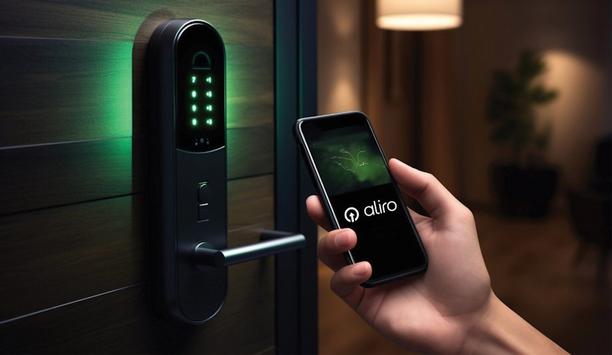
The Connectivity Standards Alliance (Alliance) announced the release of the Aliro 1.0 specification, a new communication protocol and credential standard designed to revolutionise how users interact with access points in every aspect of their lives. While the convenience of unlocking a smart home lock often captures public attention, Aliro is built for broader impact, aiming to streamline interoperability across varied access control use cases, including corporate offices, universities, hospitality venues, and single and multi-family residential homes. Driving adoption through major wallet integration A key differentiator for Aliro is the confirmed commitment from the world’s pioneer mobile wallet ecosystems. By aligning with Apple, Google, and Samsung, Aliro offers a standardized digital credential experience leveraging the smartphones and wearables people use every day. This strategic collaboration expands adoption pathways, empowering users to move easily between homes, workplaces, and public spaces using the secure digital wallets native to their operating systems. “Aliro is solving the fragmentation that has held back digital key adoption, replacing it with a single interoperability standard built through Alliance Member collaboration. By connecting the access control industry directly to leading mobile wallet ecosystems, it delivers a secure, frictionless experience that goes well beyond the front door. Lower integration complexity means faster innovation and shorter time to market. This is how the future of access control gets built,” said Tobin Richardson, President and CEO, Connectivity Standards Alliance. A unified standard for secured, seamless access The Aliro 1.0 specification establishes a robust framework utilising asymmetric cryptography to ensure secured and trusted interactions between user devices and readers, while respecting user privacy. This standardized protocol is designed for broad application across the entire access control ecosystem, providing a reliable experience in corporate offices, universities, hospitality venues, single and multi-family homes, and even areas without network coverage, such as underground parking garages and elevators. To meet diverse installation requirements, the specification supports a variety of transport technologies, including Near Field Communication (NFC) for tap-to-access, Bluetooth Low Energy (Bluetooth LE) for user-initiated long-range communication, and Bluetooth LE plus Ultra-Wideband (UWB) for a seamless, secured hands-free authentication method. To ensure global reliability, Aliro includes a comprehensive certification program and supporting test suites managed through Authorized Test Labs. This initiative unifies a global collective of over 220 Member companies - from lock manufacturers to silicon vendors and mobile platform leaders - working together to pave the way for a better, more secure mobile access experience. Through close collaboration, Member companies, including Apple, ASSA ABLOY, Google LLC, Infineon Technologies AG, Last Lock, Inc., Samsung Electronics, and STMicroelectronics pooled technologies, expertise, and innovations to enable the Aliro 1.0 specification, with Apple, Allegion, Aqara, Google LLC, HID, Kastle, Kwikset, Last Lock, Inc., Nordic Semiconductor, Nuki Home Solutions, NXP® Semiconductors, Qorvo, Samsung Electronics, STMicroelectronics, expected to be the first to achieve Aliro 1.0 certification. Empowering the value chain Aliro provides tangible benefits across the entire industry value chain by lowering implementation barriers and reducing overall complexity for stakeholders. For manufacturers, the standard acts as a universal arbiter for interoperability certification, significantly reducing research and development costs while simplifying the integration process with new partners. Integrators benefit from this streamlined approach through easier setup and more efficient troubleshooting across devices from multiple hardware providers. Ultimately, Aliro provides system owners with simplified maintenance and the flexibility to mix and match vendor-independent hardware and software across a wide variety of user devices. The path forward The release of Aliro 1.0 is the foundation of a living standard, not a one-time effort. This coalition is already looking toward future phases to integrate upcoming market and ecosystem requirements, such as expanded use cases like secure key sharing, while maintaining backward compatibility to ensure that current implementations are not compromised as the technology matures. By building this infrastructure to evolve alongside the market it serves, we are ensuring that Aliro remains the enduring, interoperable layer for universal digital credentials. As the specification enters the certification and commercialisation phases, this collective effort stands ready to deliver the scalability required for long-term global success.
Insights & Opinions from thought leaders at Connectivity Standards Alliance
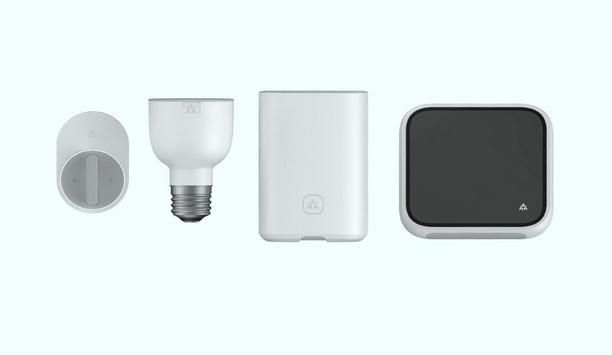
Matter is a new open-source interoperability standard that will simplify the connectivity of smart home systems, including security. The growing popularity of the Matter 1.0 standard was evident at the large Consumer Electronics Show (CES) in January in Las Vegas, where the standard was heavily promoted by companies including Google, Amazon, and Samsung. A flood of Matter-connected products is on the horizon for ship dates in the second half of 2023. Evolve, and manage IoT standards Creating the standard is the Connectivity Standards Alliance (CSA), formerly the Zigbee Alliance, which changed its name in May 2021. With 300 companies as members, CSA seeks to create, evolve, and manage Internet of Things (IoT) technology standards through a well-established, collaborative process. CSA promotes the benefits of global, open standards, and the value of the IoT to customers and consumers, and seeks to break down the barriers to broad access and adoption of IoT technologies and solutions. Matter The new brand name Matter was launched in May 2021 to designate the standard formerly known as Project CHIP (Connected Home over IP), developed by CSA member companies including Apple, Google, Samsung, and Amazon. There are currently 800 devices and apps certified to the new smart home standard, including various smart home equipment (except video cameras, which will be included in a major release in the fall of 2023). Matter version 1.0 was initial launch in October 2022. Matter 1.0 release Twice a year moving forward, Matter plans a minor release each spring and a major release each fall As part of the Matter 1.0 release, authorized test labs are open for product certification, the test harnesses and tools are available, and the open-source reference design software development kit (SDK) is complete, thus enabling new products to be brought to market. Twice a year moving forward, Matter plans updated releases, a minor release each spring and a major release each fall. Smart home interoperability Currently, a variety of CSA working groups are addressing various aspects of interoperability in the smart home, including issues such as data privacy, security, energy management, and health and wellness, says Christopher LaPré, CSA’s Head of Technology. “Implementing elements requires that the standards alliance be able to multitask on several tracks,” says LaPré. Some development is centering around connectivity and the need for a “hub” to which multiple systems can communicate and incorporate an “identity” to regulate the availability of information to various systems. The standards will enable both do-it-yourself (DIY) systems and devices deployed by professional installers. Addressing privacy requirements The new development will be guided by what installers need to succeed in the home automation" Ecosystems depend on the availability of some type of “identity” to meet privacy requirements. Rules must be implemented across the ecosystem that deploys a “trust system” to ensure privacy. Solving the challenge involves getting all the major players to the table at the technical level to meet the bar from the business and technology perspective. “Integrators and retailers will play a role as Matter continues to evolve,” says LaPré. “New development will be guided by what installers need to succeed in the home automation market.” Matter-certified devices There is still work to be done to expand the 800 certified devices to function throughout the Matter ecosystem and to add new devices over time. One goal is to simplify an integrator’s solution using fewer hubs (and possibly a single hub) to provide a wide variety of services. The timeline of adding new Matter-certified devices may be delayed by the availability of equipment in the global supply chain, says LaPré. Flexibility Multi-admin provides for the simultaneous operation of devices in multiple smart home systems A multi-admin feature of Matter enables more flexibility for multiple ecosystems. A core feature of Matter, multi-admin provides for the simultaneous operation of devices in multiple smart home systems. Accordingly, family or household members could operate the device with the digital assistant or smartphone app of their choice. A bridging protocol helps to tie existing systems together. Amazon, Apple, Comcast, Google, SmartThings, and the Connectivity Standards Alliance came together in 2019 to develop and promote this new standard, joined by fellow Alliance board member companies IKEA, Legrand, NXP Semiconductors, Resideo, Schneider Electric, Signify, Silicon Labs, Somfy and Wulian. Smart device communication Currently, member organizations span all sizes, across a range of business categories. More than 1,700 Member individuals participate in bringing the Matter specification, reference implementations, testing tools, and certification programs to life. Matter's underlying network technologies are Wi-Fi and Thread. Wi-Fi enables Matter devices to interact over a high-bandwidth local network and allows smart home devices to communicate with the cloud. Thread provides a mesh network within the home. Both the Wi-Fi Alliance and Thread Group partnered with the Connectivity Standards Alliance to help realize the vision of Matter.