Check Out Our Special Report On Cybersecurity

How Is IoT Transforming How Security Systems Are Deployed?
2 Jul 2025


- IoT devices transform security systems into interconnected, context-aware platforms enhancing efficiency and integration.
- Security systems now offer real-time monitoring, AI-driven intelligence, and centralised data analysis.
- Adopting IoT enhances operational efficiency but raises cybersecurity risks demanding robust protection measures.
Editor Introduction
The Internet of Things (IoT) is having a profound impact on businesses across various industries, including security. In physical security as in other business environments, the IoT is changing how systems operate, interact, and create value. In the process, the IoT is driving efficiency, reducing costs, and opening up new avenues for innovation and growth. We asked our Expert Panel Roundtable: How is the Internet of Things (IoT) transforming how security systems are deployed?


Internet of Things (IoT) devices are turning traditional physical security systems into more connected, context-aware platforms. Open, unified platforms are key, enabling organizations to integrate diverse IoT components into their video and access control systems, adding context to security events. For example, when an alarm is triggered, the system can automatically tag video footage, send alerts, or lock doors based on the organization’s standard operating procedures (SOPs). Security teams can also use IoT infrastructure to monitor building operations, such as temperature spikes in equipment rooms, all through a single system. IoT devices help teams respond faster and more accurately to potential issues and threats. However, as more systems connect and share data, the risk of cyber threats grows. It is critical to choose a platform that is secure by design to protect data, devices, and operations.

The Internet of Things is reshaping video security systems from static surveillance tools into dynamic smart sensors that drive both security and business intelligence. Yesterday’s cameras simply recorded footage for later review. Now, they are smart IoT sensors packed with AI that can detect objects, recognize behaviors, and flag unusual activity in real time. That means security teams can respond faster and more accurately without having to watch endless video feeds. But the value goes way beyond security. These systems now provide a goldmine of operational and business intelligence. Companies can track foot traffic, analyze customer behavior, manage staffing, and streamline operations, all through the same cameras already in place. Video management systems have evolved as well, becoming centralized hubs that aggregate and analyze data across the IoT ecosystem. The result is a data-gathering network of devices that not only safeguards assets but also fuels smarter decision-making, driving efficiency and enhancing customer experience.

In the age of IoT, efficient lifecycle management is a key consideration when security systems are deployed today. Devices like network cameras, speakers, intercoms, access control solutions, and more must all be regularly monitored and updated to ensure the latest capabilities and robust cybersecurity protection. Additionally, as enhanced interconnectivity enables the seamless integration of new devices into existing security ecosystems, integrators must have a solid understanding of all devices within a network – including comprehensive history and documentation – to ensure that any potential issues or threats can be dealt with quickly to minimize system disruption. Solutions exist today that can bring all device information into a single dashboard, making monitoring, updating, and information-gathering easier than ever. With that said, effective IoT security systems ultimately rely on strong collaboration among system integrators, operators, and security teams to ensure resilient, future-ready operations.

There is no doubt that IoT technology is making security systems smarter and more connected than ever. Rather than managing disparate systems of video security cameras, sensors, or alarms, all the tools that an organization leverages to protect and operate its spaces can be integrated into a single, unified platform. Here is where things are getting really interesting: Because information and data from IoT devices can be easily integrated, organizations can now have a real-time, comprehensive view of their spaces. This unlocks value well beyond security and safety. For instance, retailers are leveraging computer vision features to understand occupancy trends that ultimately help inform smart staffing decisions and also pairing video security footage with transactions at point-of-sale devices to quickly identify chargebacks. These are the kinds of integrations that help businesses operate more efficiently – and it is made possible by IoT technology. This creates a huge opportunity for systems integrators.

The Internet of Things (IoT), now increasingly powered by embedded artificial intelligence (AI), is fundamentally reshaping how security systems are designed, deployed, and managed. Traditional systems once relied on fixed infrastructure and manual oversight. Today, smart IoT devices — ranging from AI-enabled cameras and motion detectors to connected locks and environmental sensors — enable real-time monitoring, dynamic response, and adaptive threat detection. AI plays a central role by analyzing massive volumes of sensor data locally and instantly, reducing false alarms and identifying subtle anomalies that human operators or simple logic systems would miss. The IoT’s decentralized architecture also supports more flexible and scalable security deployments. Wireless, battery-powered devices can be quickly added or repositioned, making them ideal for both urban environments and remote locations. AI embedded at the edge enables decisions to be made on-device, even without a persistent cloud connection, thereby enhancing resilience and privacy. Moreover, integration across IoT ecosystems means security can now be part of a broader automation context.

Over the last decade, the IoT has upended the way we think about physical security. By enabling seamless device integration, real-time monitoring, and smarter analytics, the IoT has allowed integrators and end users to tailor their system designs to evolving risks and environments. During the site survey and system design phases, the interoperability inherent in IoT has enabled integrators to address the unique needs of specific deployments more effectively. Throughout a system’s lifecycle management, the IoT has also revolutionized the way end users interact with their systems. Across the board, however, leveraging an intelligent site survey and system design solution to visualize complex security infrastructures and facilitate stakeholder collaboration empowers security professionals to deploy more adaptive, scalable, and efficient systems.

IoT technologies offer transformative benefits such as enhanced monitoring, predictive maintenance, and integrated emergency response — automatically detecting intrusions, activating lighting, recording incidents, and alerting security personnel with real-time video overlaid on floor plans, etc. However, to fully realize the benefits of these advantages, significant IT security and privacy risks must be addressed. For example, most IoT video security systems have lacked proper security and privacy protections over the past 35 years since they have been used. Even when IoT products include security and/or privacy features, the manufacturers often fail to provide users with adequate instructions or training to use them effectively. The challenge for manufacturers and users alike is to harness the full potential of IoT safety systems products while providing and using strong privacy protections and cybersecurity measures to reduce the increasing risks introduced by these smart, interconnected technologies.

IoT is reshaping security system deployment by enabling distributed, interconnected architectures that extend far beyond traditional perimeter-based approaches. Modern security systems now leverage networks of smart sensors, cameras, and devices that provide real-time data collection and analysis across entire ecosystems rather than isolated checkpoints. This transformation allows for predictive threat detection through machine learning algorithms that process data from multiple IoT endpoints simultaneously. However, this expanded attack surface introduces new vulnerabilities requiring zero-trust security models and robust device authentication protocols. The shift toward cloud-based IoT security platforms also enables centralized management of distributed assets, allowing organizations to deploy scalable security solutions that adapt dynamically to emerging threats while maintaining visibility across complex, geographically dispersed environments.

The Internet of Things is reshaping how security systems are deployed by shifting the model from static, isolated devices to smart, interconnected ecosystems. Cloud-based IP cameras now allow real-time remote access and intelligent analytics, giving teams faster threat validation and automated responses. Cameras doubling as alarm sensors is a game-changer, especially with improvements in human detection that reduce false positives and wasted time. Mobile-enabled door controllers simplify secure access and guest management, while unified platforms are becoming essential as more third-party sensors enter the market. The core transformation is data: More devices mean more data points, and with proper integration, this leads to sharper situational awareness and faster decision-making. The surge in IoT devices signals a need to rethink physical security altogether. It is not enough for teams to respond after an incident. They need to act in real time, with coordinated systems that adapt and respond proactively.

The Internet of Things (IoT) is transforming how security systems are deployed by simplifying device configuration and placement. Areas that were once deemed too costly due to hardware or time constraints can now be secured more affordably. With widespread internet connectivity, modifying and scaling existing setups is easier, unlocking greater long-term value. IoT also generates new data streams. When paired with automation, this data provides businesses with deeper insights into their assets, enabling better planning and faster responses to threats. However, not all IoT devices are created equal. A word of warning – the growing concern of “insecurity by design” highlights how some manufacturers prioritize speed to market over robust security. With this in mind, make sure you choose a platform that can provide the level of security you need for your business. Ultimately, adopting IoT is more than a tech upgrade. It is a strategic move that supports operational efficiency, adaptability, and resilience in a rapidly evolving environment.

IoT innovation is reshaping expectations across every industry, and for the security industry, the focus must be on seamless integration and interconnectivity to provide more intelligent and proactive protection while elevating the user experience. Beyond the clear impacts of centralized monitoring, rapid threat detection and automated responses, IoT is revolutionizing another aspect of security system deployment: compliance. The industry is being impacted by real-time regulatory shifts across data protection, health and safety, and access control. As IoT-enabled systems have the dynamism to efficiently collect, store and transmit audit-ready data to ensure consistent compliance, engineers must be proactive about creating systems that both comply with regulations and anticipate what might come next. IoT also enables real-time alerts and analytics to help organizations swiftly respond to emergencies while allowing systems to stay up to date as regulations evolve without the need for costly overhaul.
Editor Summary
The IoT is making physical security better by enabling more connected and interdependent systems, smarter systems that can leverage artificial intelligence (AI), and systems that provide value in real time, not just after the fact. However, deployment of IoT devices also comes with cybersecurity risks that must be managed. As our Expert Panelists point out, the IoT is not just a technology improvement; rather, it represents a strategic transformation of how systems are created, how they operate, and the benefits they afford.
Johnson Controls, Inc. products


Johnson Controls, Inc. news

There are many new technologies at ISC West this year. There are also some tried-and-true solutions on display. More mature products have the benefit of being fully vetted and battle-tested, which may make them a more comfortable choice for security customers. I had a couple of discussions on Day 2 of the show about the advantages, and possible drawbacks, of new products. “To a security director, when you say ‘new,’ he translates that into ‘risk,’” says Bill...
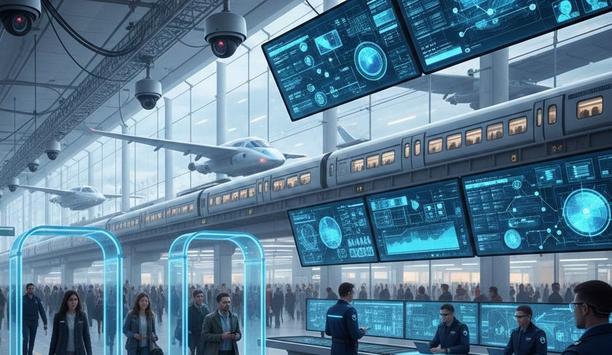
Transportation systems need robust physical security to protect human life, to ensure economic stability, and to maintain national security. Because transportation involves moving large numbers of people and critical goods across vast, often interconnected infrastructure, it presents a highly attractive target for various threats. More threats equate to a greater need for security. We asked our Expert Panel Roundtable: What are the emerging applications of physical security in the transportation...

Installing physical security systems requires integrating diverse technologies (e.g., cameras, access control, alarms) that often use different protocols and must be adapted to a building's unique physical layout and legacy infrastructure. Specialized technical expertise is required for seamless networking and proper configuration. Hopefully, no important factors are overlooked in the installation process. We asked our Expert Panel Roundtable: What is the most overlooked factor when inst...
Johnson Controls, Inc. case studies

Keeping beachgoers, swimmers and surfers safe is all in a day’s work for the team at South Maroubra Surf Live Saving Club, and every second counts when an incident unfolds on the water. One of the most topical issues and threats to those enjoying Australia’s world-renowned beaches is sharks, so for the surf club it made sense to look to smart, new technology to keep those who enjoy the sand and surf safe. Security technology to lifesavers "Since the club wa...

SwiftConnect, a pioneering provider of connected access enablement, is powering easy, secure, and private access using an iPhone and Apple Watch with the Johnson Controls Software House C•CURE 9000 access control system. The SwiftConnect AccessCloud platform integration with the Software House C•CURE 9000 access control system makes it possible for Software House C•CURE 9000 customers to take advantage of the employee badge in Apple Wallet for physical access. Deployments of emp...

It may sound like a small change, but installing security cameras on a property can significantly impact occupant and visitor behavior by enabling more accountability. This is notable for environments such as K-12 schools where occupants are younger and more impulsive. Lack of visibility A public school system on the East Coast faced frequent incidents of bullying, vandalism, and theft among students as well as the harassment of faculty and staff and was struggling to keep its occupants accou...
Johnson Controls, Inc. white papers
Johnson Controls, Inc. videos


Frictionless Access Control: 5 Minutes With Rick Focke Tyco Software House

Video Surveillance Solutions: 5 Minutes With Ryan Hulse from JCI

Roger Williams University, Rhode Island, Secured with Johnson Controls P2000 Security Management System

An Overview Of The Johnson Controls P2000 Security Management System

Johnson Controls Company Profile

Johnson Controls Corporate Profile

Expert commentary
Security beat

Johnson Controls, Inc.
507 E Michigan Street
Milwaukee, WI 53202