Ensuring Building Design And Physical Security Systems Align
24 Apr 2025


- Architectural design affects security device placement, impacting camera coverage and access control.
- Collaboration between stakeholders enhances synchronisation of building design and physical security.
- Poor design leads to surveillance blind spots and ineffective security measures.
Editor Introduction
In many cases, architectural design and layout dictate optimal placement of security devices like cameras, access control readers, and sensors. Poor design can lead to blind spots, reduced coverage, and ineffective surveillance. However, planning that involves all the various stakeholders can maximize both security and design elements. We asked this week’s Expert Panel Roundtable: When are building design and physical security systems complementary? When are they at odds?


Mobile and physical access credentials have become much more complementary with building design than at odds with it. Integrated together, they improve a building’s flow and overall user experience – two of the designer’s top imperatives in the quest to give clients the same easy access to places and services as they experience elsewhere in their lives. The combination of mobile access with smart building technologies provides one of the most powerful ways to accomplish this. In fact, building design tends to suffer without tight integration between mobile access solutions and a building’s many physical and digital amenities, from cafeteria services to the parking garage, elevators, and a variety of digital assets and applications. Making everything work together requires scalable and interoperable access solutions, an early example being corporate apps and/or mobile wallets that have been integrated with open-architecture physical access control solutions (PACS).

When it comes to building design, security technology is unique—it’s typically a relatively small part of the overall budget, yet its impact lasts for years. That’s why the best-designed buildings integrate security early into the planning process with future-proofing solutions and strong stakeholder collaboration guiding the process. Integrating security from the start isn’t just about efficiency—it leads to safer, more thoughtfully designed spaces. Early planning allows security measures like cameras, access control, and intrusion detection systems to be seamlessly embedded into the architecture, enhancing safety without disrupting the aesthetic. On the other hand, when security systems are treated as an afterthought or designed in isolation, challenges arise. Retrofitting solutions—or failing to account for future needs and technology advances—can lead to rework, project delays, and cost overruns. Collaboration between customers, consultants, manufacturers, and integrators is essential throughout the design process.

Securing a building involves more than installing security technology—it requires a comprehensive approach, and building design plays a critical role. However, security is sometimes considered too late in the process, making it harder to incorporate effective measures. Early collaboration between architects, security experts, and end users ensures security aligns with the building’s function, aesthetics, security needs, and long-term goals. Applying Crime Prevention Through Environmental Design (CPTED) principles—such as strategic lighting, landscaping, and sightlines—enhances natural surveillance, controls access, and improves user flow while maintaining architectural appeal. This approach acknowledges how design influences behavior, fostering safety and deterring crime. Security isn’t just about technology—it must continuously adapt to how a building is used, the needs of its occupants, and emerging risks to maintain long-term protection. Organizations can work with consultants and designers to implement solutions that meet both design expectations and the security needs of their facilities.

Design vs. systems may be at odds when the designer does not include a security professional in the review of the design prior to finalization. A few simplistic examples of issues that can be mitigated when security is in the forefront instead of an afterthought:
- When aesthetics or impressive entrances do not consider how to achieve security with blocked views or no physical access controls. Instead, consider design principles like Crime Prevention through Environmental Design (CPTED)
- Extensive glazing on the ground floor in an area that has a high crime rate.
- Landscaping choices or placement that hinder natural and electronic surveillance.
Conversely, we gain complementary status when the physical security needs have been addressed during the initial design phase to control movement throughout the facility, device mounting, and door hardware that help to ensure a secure facility. Collaboration with security is key to avoiding the question of when they are complementary and when they are at odds.

From an integrator’s perspective, the building designs that complement security system designs are those that allow devices like physical security technology to operate at its best. It might be an open concept design that presents as few obstacles and obstructions as possible (e.g., unnecessary poles or walls), or it could be a layout that factors physical security best practices like controlled points of entry and ample lighting into its design. While complementary building designs do exist, integrators are more often tasked with finding creative ways to maximize a security system’s performance despite existing physical limitations. The fact is that cameras cannot see around corners or through walls. The same goes for motion detectors, Wi-Fi access points, fire alarms, and many other sensors. As such, it’s vital that integrators use site survey and system design tools that visualize the precise area of coverage for mission-critical devices, factoring in where coverage would be limited by existing obstructions.

Building design and physical security systems can work seamlessly together when security and risk are considered right at the outset during the design stage of the building and surrounding environment. A considered approach to design can factor in anti-terrorism products that can also preserve the appearance of the surrounding environment while providing safety by, for example, appearing as a row of planters. Other solutions like retractable bollards in parking areas can improve hostile vehicle mitigation (HVM) without visual impact to the aesthetics of the environment around a building, whilst the placement and spacing of bollards could factor in pedestrian movement. When it comes to public buildings and large-scale venues, HVM can be built into the design by considering, for instance, vehicle access points and the way traffic flows around the building. Often in hostile situations, vehicles require space to ”run up” to pick up speed. By reducing this space, the risk of hostile vehicle attacks is greatly reduced.

One key component is to ensure that the actions triggered by the physical security systems do not put humans and other living things at risk. Take for example a hotel that implements lowering steel doors for any type of emergency, including fire alarms, whereby employees are unable to open the doors until the emergency is resolved. This would be at odds with the safety of the occupants for fire, and similar types of physical threat situations. However, If the steel doors used in such emergencies are supported by implemented policies, procedures and other applicable hardware and software components to ensure all humans and other living things were evacuated before the steel doors were deployed in a situation like a potential fire, and more employees were given the capabilities to open the steel doors when necessary, the building designs and physical systems, as well as procedures, would be significantly more complementary.

Decision makers should always aim for a high level of synergy between building design and physical security. However, all too often, conflicts can surface when aesthetic and security requirements clash or when budgetary constraints limit the seamless integration of systems. When these barriers arise, both design intent and the effectiveness of physical security systems can become compromised, impacting the success of the built environment. It's crucial to adopt a secure-by-design strategy then, and for that, advanced planning is key. Physical security systems are more likely to harmonize with a building’s design when there is early collaboration between the client, architect and security systems provider, for example, as opposed to being an afterthought. With a proactive approach, all parties can begin and remain on the same page throughout development, allowing a project to accommodate the necessary structural and architectural adaptions whilst ensuring compliance is met with Life Safety Codes.

Building design and physical security systems can work in harmony when architectural features and layouts are intentionally planned to accommodate advanced security technologies, such as strategically placed access points for controlled entry, vehicular entrances designed for Automatic Number Plate Recognition (ANPR), and pathways that naturally guide traffic through monitored zones. However, challenges arise when retrofitting security solutions into older structures, especially those with unique architectural or historical significance. Listed buildings, for instance, may have strict preservation requirements that limit changes to their structure, making it difficult to install traditional wired systems or modify entrances. In these instances, the use of flexible and adaptive security systems in these situations can circumvent the need for difficult and extensive modifications. At TDSi, for example, we have developed wireless locking integrations which have proven to be particularly effective for environments where wiring isn't feasible or where legacy components must be preserved.

As demand for delivering robust protection while streamlining costs and reducing complexity grows, the synergy between building design and physical security systems becomes more crucial - especially when interoperability is a priority. A well-designed security infrastructure should empower integrators to seamlessly merge new or improved solutions, like intelligent IoT technologies and AI-supported cameras, into any existing system in the future without being impeded by the building's structure. When interoperability is treated as a "nice-to-have" rather than a necessity, building design can hinder security efforts. In such cases, end users and installers may face higher costs and increased vulnerabilities as outdated, siloed systems struggle to adapt to evolving threats.
Editor Summary
A well-designed building can enhance the effectiveness of security technology by providing the necessary infrastructure, maximizing natural security principles, and allowing for seamless integration. Conversely, security requirements can influence design choices, ensuring that safety and security are prioritized without compromising functionality or aesthetics. Collaboration of all stakeholders can achieve the right balance.
Johnson Controls, Inc. products

Johnson Controls, Inc. news
There are many new technologies at ISC West this year. There are also some tried-and-true solutions on display. More mature products have the benefit of being fully vetted and battle-tested, which may make them a more comfortable choice for security customers. I had a couple of discussions on Day 2 of the show about the advantages, and possible drawbacks, of new products. “To a security director, when you say ‘new,’ he translates that into ‘risk,’” says Bill...

Johnson Controls, a global pioneer in thermal management, mission-critical building systems, energy efficiency and decarbonisation, announces new AI capabilities in its OpenBlue digital ecosystem to help building owners reduce energy use, automate building operations and cut operating costs. The expanded platform includes: Energy & Comfort Intelligence, an AI-enabled capability that helps optimize how air flows through buildings; an agentic AI assistant; and a new AI-native architecture whe...
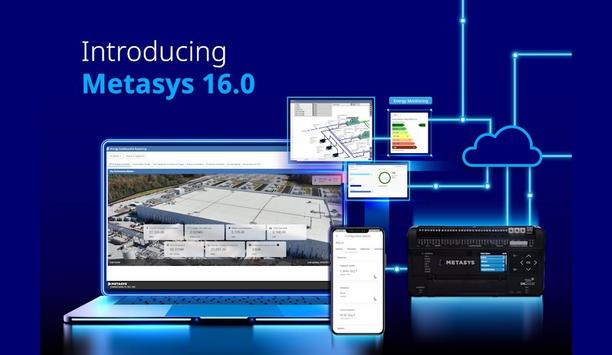
Johnson Controls, a global pioneer in thermal management, mission-critical building systems, energy efficiency and decarbonization, introduces Metasys 16.0, the latest version of its flagship building automation system with new capabilities designed to help customers reduce downtime risk, strengthen cybersecurity and bring systems online faster across complex environments at a time when building performance is becoming essential to business outcomes. “The environments our customers operat...
Johnson Controls, Inc. case studies

Keeping beachgoers, swimmers and surfers safe is all in a day’s work for the team at South Maroubra Surf Live Saving Club, and every second counts when an incident unfolds on the water. One of the most topical issues and threats to those enjoying Australia’s world-renowned beaches is sharks, so for the surf club it made sense to look to smart, new technology to keep those who enjoy the sand and surf safe. Security technology to lifesavers "Since the club wa...

SwiftConnect, a pioneering provider of connected access enablement, is powering easy, secure, and private access using an iPhone and Apple Watch with the Johnson Controls Software House C•CURE 9000 access control system. The SwiftConnect AccessCloud platform integration with the Software House C•CURE 9000 access control system makes it possible for Software House C•CURE 9000 customers to take advantage of the employee badge in Apple Wallet for physical access. Deployments of emp...

It may sound like a small change, but installing security cameras on a property can significantly impact occupant and visitor behavior by enabling more accountability. This is notable for environments such as K-12 schools where occupants are younger and more impulsive. Lack of visibility A public school system on the East Coast faced frequent incidents of bullying, vandalism, and theft among students as well as the harassment of faculty and staff and was struggling to keep its occupants accou...
Johnson Controls, Inc. white papers

Johnson Controls, Inc. videos


Frictionless Access Control: 5 Minutes With Rick Focke Tyco Software House
Video Surveillance Solutions: 5 Minutes With Ryan Hulse from JCI

Roger Williams University, Rhode Island, Secured with Johnson Controls P2000 Security Management System

An Overview Of The Johnson Controls P2000 Security Management System

Johnson Controls Company Profile

Johnson Controls Corporate Profile

Expert commentary



Johnson Controls, Inc.
507 E Michigan Street
Milwaukee, WI 53202



