Prison surveillance

3DX-RAY Ltd will showcase its complete portfolio of security inspection, EOD and Human Presence Detection Systems at the International Security Expo. The company’s expanding portfolio provides border, law enforcement and security agencies, correctional authorities, critical national infrastructure (CNI) operators with a comprehensive range of technologies designed to address modern security threats across borders, prisons, CNI, government facilities and transportation hubs. Detection of...

Cellebrite DI Ltd., a pioneer in AI-powered Digital Investigative and Intelligence solutions for the public and private sectors, today announced that Cellebrite Genesis is expanding to more global markets and is now generally available for enterprise organizations. The expansion builds on a successful early access program and strong momentum following Genesis' June 2026 public safety launch. Genesis has seen meaningful user growth worldwide and continues to expand internationally, with availabi...

3DX-Ray has announced the acquisition of ClanTect, a specialist developer of human presence detection technology, marking a significant expansion of the company's security technology portfolio and creating new opportunities across global security and critical infrastructure markets. The acquisition adds a highly complementary detection capability to 3DX-Ray's established range of X-ray screening and security inspection technologies. Together, the technologies provide security operators with add...

A prison is, by definition, a secure place. Those who supervise correctional facilities deal in levels of secure access – from the door on an individual cell to the door open to the facility’s external secure perimeter. According to a report featured on Security Management Online, a prison has certain probabilities for a number of security breaches, each with its own degree of consequence. Maintaining secure accesses The safety of the inmates, the facility’s staff and the su...
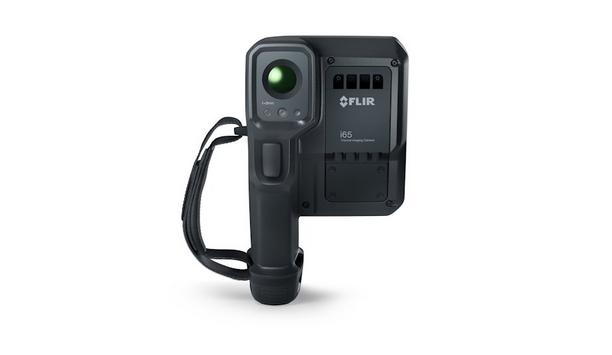
Flir, a Teledyne Technologies company, introduced the iXX-Series of next-generation app-enabled thermal cameras that are set to transform inspection tasks across a multitude of asset condition monitoring, building inspection, and other applications. Built on Flir’s new ACE platform, the iXX combines the power of apps with a high-performance thermography inspection tool, enabling scalable, intuitive, and connected condition monitoring. Flir radiometric images The new Flir iXX solves thes...

dormakaba Access Solutions Ltd. has signed an agreement on 3 April 2025 to form a joint venture with Guangdong Kinlong Precision Products Co., Ltd. A subsidiary of Guangdong Kinlong Hardware Products Co., Ltd. Kinlong is the pioneer Chinese construction and architectural hardware company. Through this joint venture, dormakaba enhances its go-to-market in the strongly growing hospitality vertical. Market expansion With the joint venture, dormakaba and Kinlong combine their strengths to enhance...
News

Konica Minolta has announced the sale of its entire 65% stake in MOBOTIX AG, along with all associated shareholder loans, to CERTINA Software Investments AG, a 100% subsidiary of the Munich-based family equity investor CERTINA Group. The CERTINA Software Division of CERTINA Group specializes in the development and expansion of technology-driven businesses worldwide. CERTINA expands portfolio KONICA MINOLTA's medium plan to divest non-focus business and concentrate on core business areas globallyKONICA MINOLTA's medium plan to divest non-focus business and concentrate on core business areas globally. CERTINA acquires the stock-listed MOBOTIX AG shares from KONICA MINOLTA and strengthens its software division. Acquisition of an established software and hardware manufacturer of high-end video and surveillance systems Strategic step to further expand the existing CERTINA Software Division and strengthen joint development activities Increased sales The purchase price has not been disclosed, including to the company. Closing is expected to occur in May 2025, and will be subject to mandatory antitrust clearance. The divestment is part of KONICA MINOLTA's medium plan to divest non-focus business and concentrate on core business areas globally, as outlined in their recent statement. KONICA MINOLTA’s Imaging-IoT Solutions business will continue to provide highly value-added video solution services centered on security and safety. KONICA MINOLTA will keep sourcing from MOBOTIX also in the future. A new chapter for MOBOTIX AG The CERTINA Software Division of CERTINA Group specializes in the development and expansion of technology-driven businesses worldwide. With a strong track record in strategic investments and business transformation, CERTINA brings deep industry expertise and financial backing to support MOBOTIX’s next phase of growth. By leveraging synergies within its broader portfolio, CERTINA aims to enhance MOBOTIX’s market position and drive continued innovation in security and video solutions. MOBOTIX joins CERTINA Tobias Eiblmeier, Head of Mergers & Acquisitions CERTINA Group: “The acquisition of MOBOTIX is a strategic step to further strengthen our software investments and underlines our long-term growth ambitions in our Group.” "We are excited to bring MOBOTIX into our portfolio, as we firmly believe our strategic expertise and commitment to innovation provide the best home for its future. By leveraging synergies with our existing technology investments, we are committed to supporting MOBOTIX’s next phase of growth and market pioneership," said Giovanni Santamaria, Managing Partner of CERTINA´s Software division. Revitalizing MOBOTIX vision “We look forward to working with CERTINA as a strong partner on our side. The combination of our unique hardware designs with innovative software solutions on the edge based on our MOBOTIX DNA will bring exciting opportunities to grow together while utilizing the synergies from all portfolio companies”, stated Christian Cabirol, CTO of MOBOTIX AG. Klaus Kiener, CFO of MOBOTIX AG, adds: “This transaction will also revitalize the MOBOTIX equity story for our 35% minority shareholders”. Transition and governance changes CERTINA intends to be represented on the supervisory board of MOBOTIX AGIt is expected that all current members of the supervisory board of MOBOTIX AG will resign in the course of the closing of the transaction. CERTINA intends to be appropriately represented on the supervisory board of MOBOTIX AG. Additionally, key pioneership updates include: Klaus Kiener (CFO) and Christian Cabirol (CTO) have extended their contracts until March 2027, ensuring continuity in financial and technological pioneership. Thomas Lausten (CEO) will leave MOBOTIX in mutual understanding at the end of his current contract in June 2025, working closely with the new pioneership team to ensure a smooth transition until then. Next steps for growth “It has been a pleasure to work with our many colleagues, partners and customers around the world during the past 8 years and it is now a good time to change pioneership with a new investor. CERTINA will bring significant value to our company with their experience in technology companies and I look forward to work with Giovanni Santamaria, Tobias Eiblmeier and their teams during the transition next months”, says Thomas Lausten.

A man has been jailed for almost three years after he used a fake Security Industry Authority (SIA) license to work at The Royal Wolverhampton NHS Trust and commit theft. £1425 cash theft Daniel Carter, who has a criminal history of fraud and deception, used his position as a security supervisor to steal £1425 cash from the hospital. The SIA worked closely with Leicestershire Police to investigate Carter, who had never held an SIA license, despite being employed as a security supervisor. The investigation found he lied to his employer in order to work at the Trust from November 2022 until January 2023, when the theft took place. Investigation findings In 2018, he was sentenced to more than a year in prison for fraud and theft for stealing bank details He pleaded guilty to 11 indictments, including 3 counts of theft by an employee and 8 counts of fraud and false representation. He was sentenced to 33 months' imprisonment on 28 October at Leicestershire Crown Court. In 2018, he was sentenced to more than a year in prison for fraud and theft for stealing bank details of customers while working as a security guard. Fraud and deception Jenny Hart, Criminal Investigations Manager at the SIA said, “Mr. Carter is a career criminal with a long history of fraud and deception. He used a fake SIA license to deceive his employers and in doing so put the public he was there to protect in danger." “His deceitful actions not only undermined the trust placed in him as a security professional, but he used his position to target a hospital for his financial gain. His calculated dishonesty and theft will not be tolerated, and this case underscores our commitment to protecting the public by ensuring that only licensed, vetted professionals serve in trusted roles and bringing those seeking to break the rules to justice.” Licensed security operatives Licensed security operatives undergo robust training requirements to help them protect the public. Untrained and unvetted security operatives with fake or cloned licenses put the public at risk. Anyone suspected of breaking the law should be reported. The SIA encourages security providers and buyers to check the SIA licenses of security operatives to ensure they are genuine.
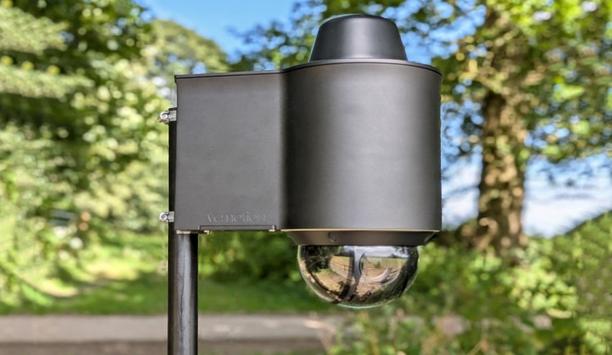
Vemotion Interactive, the UK manufacturer of low-latency, high-performance, plug-and-play live video streaming solutions, has launched a new version of their popular Polecam rapid deployment camera. Polecam Development of the innovative and ultra-reliable original rapid deployment CCTV camera, the new Polecam delivers high-quality live video, even over low bandwidths, to provide a robust, integrated wireless video surveillance solution that also features a fast ‘plug and play’ set-up. With the new Polecam, Vemotion’s technical advantage in delivering robust wireless video transmission and encoding for high-quality real-time streaming, regardless of network conditions, has created the ultimate ‘ready-to-go’ deployable camera solution. Instant CCTV surveillance Polecam provides real-time HD video without the need for hard-wired infrastructure Easily integrated into existing CCTV systems via its 4G or 5G network transmission, Polecam provides real-time HD video without the need for hard-wired infrastructure, saving on engineering costs and time. With its high-specification integrated camera, PC, mobile network modem, and antennae, the new Polecam can be deployed anywhere instant CCTV surveillance is required, to provide high-quality video surveillance coverage of crime hotspots, events, areas of antisocial behavior, infrastructure, highways, or to protect property such as construction sites. HD camera and full 360-degree PTZ Featuring an onboard HD camera with 23x Optical Zoom, and full 360-degree PTZ with continuous rotation, the new Polecam transmits 2 x full HD video streams, with the power to view two scenes of view at the same time. This, for instance, could enable system operators to monitor a specific area of interest within a camera scene, at the same time as viewing a wider situational overview. Alternatively, a live scene can be viewed at the same time as rewinding, pausing, or viewing a previously recorded scene from the same Polecam. Maximum flexibility Polecam’s onboard recording ensures high-quality evidential video is available for download when the network recovers With its on-board storage, video from the new Polecam can be transmitted via any mobile network/SIM card. This enables not only instant deployment and easy setup but also maximum flexibility in the choice of SIM cost and signal strength in the area where the camera is to be deployed. This enables operators to select a SIM and network carrier that offers the best data speeds and most stable connection, and in the event of a network outage, Polecam’s onboard recording ensures high-quality evidential video is available for download when the network recovers. Large-offset pole mount Helping to reduce panning blind spots, Polecam’s large-offset pole mount is designed to locate the camera further away from the pole, and its robust aluminum housing defeats any ‘wobble’ associated with other less sturdy rapidly deployable units. “A powerful surveillance tool that features live streaming, recording and replay of any incident, to show system operators exactly what has happened, the new Polecam can make a dramatic difference to on the ground management, security or police teams, supporting them to deliver successful outcomes,” says Steve Haworth, CEO at Vemotion. Live and recorded video “As incidents rarely happen where it’s convenient, we’ve designed the new Polecam to perform faultlessly and deliver its high-definition, evidential quality live and recorded video wherever it's required and whatever the deployment conditions may be." "We believe it to be the ideal solution to easily extend the reach of camera surveillance beyond that of hard-wired CCTV networks.”
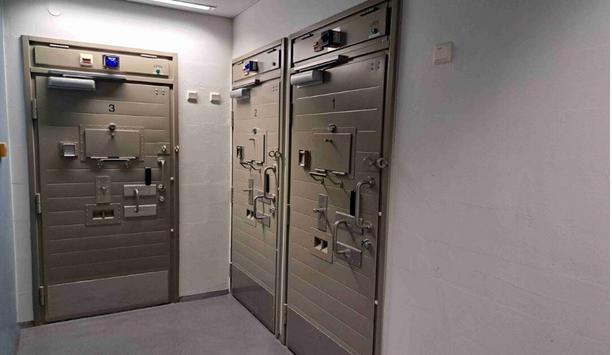
Finland’s correctional sites have been secured for 30 years by thousands of access control readers – all made by Idesco. In an ongoing practice over the years, older reader versions have been replaced by new ones during renovations, such that all the newest prisons now use the latest encryption technologies. Idesco readers Correctional sites are a very special, highly demarcated access control environment. That is because, at every moment, the movement of personnel and prisoners must be monitored to preserve security and safety. Therefore, cell doors as well as entrances to common spaces employ readers controlling access. Furthermore, access privileges are personalized to ensure their access only to those areas for which they are authorized. Such meticulous detailing of access is what ensures safety for both inmates and prison staff. Additionally, since hosting systems can retain access histories, Idesco readers fill a vital role enabling Finnish correctional sites to audit access histories whenever needed. Idesco readers’ most valued features Idesco readers don’t even need vandal cover protection since their robust construction One could imagine the prisons’ readers sustain ongoing physical attacks against them, but Idesco readers have remained intact and functioning whenever that occurred. Idesco readers don’t even need vandal cover protection since their robust construction withstands occasional kicking or striking, which specialist Ari Pakarinen confirms is rare. That’s why Ari Pakarinen and fellow specialist Juha Mäki-Tikkala, from Finland’s Prison and Probation Service, feel reliability and long-life span are Idesco readers’ most valued features. They note that the less they must call to repair readers, the lower their costs will be, and the fewer outsiders will need to visit the prison for repairs. Indeed, Ari Pakarinen knows of correction sites in which the same Idesco readers have been constantly serving for as long as 25 years. Idesco’s solid product support “Idesco readers are very reliable. There are no faults in them,” says Ari Pakarinen. End-users are very familiar with Idesco readers and they are readily available from several suppliers, who are equally familiar with them. “They’re not just common in Finland but elsewhere, too,” notes Ari Pakarinen. “We appreciate Idesco’s solid product support as well; they keep customers very well-informed about their products and use,” he adds. Cost-effectiveness, long life span and reliability have kept Finland’s Prison and Probation Service and thousands of their users satisfied with Idesco readers for 30 years. “From the beginning, Idesco has been a reliable product supplier to us,” Ari and Juha agree. “The quality-price ratio has been excellent.”
Matrix, a prominent provider of Telecom and Security solutions, eagerly anticipates showcasing its range of security and telecom products at IREE 2023. This event is scheduled from 12th to 14th October 2023 and is dedicated to innovative security solutions. The venue is Booth No. 2.120, Pragati Maidan, New Delhi, India. Matrix is the first company to offer RDSO 6.0-compliant cameras for Indian Railways. Matrix cameras are certified by STQC, Delhi lab for following the OWASP ASVS 4.0 mandated by RDSO for cyber security. EN50155 compliant Matrix Cameras are designed to ensure that the data gathered by the cameras is secured against cyber threats both at the time of transmission and storage. Matrix will unveil its cutting-edge IP Video Surveillance solutions at this exhibition, encompassing enterprise-grade VMS, NVRs, and IP cameras with resolutions reaching up to 8 MP. Their latest camera in the range is ruggedized cameras that are EN50155 compliant. The cameras are anti-vibrant and shock-resistant making them ideal for roadways and railways. The comprehensive solution focuses on addressing three key client concerns: managing bandwidth and storage expenses, simplifying centralized video surveillance complexities, and offering proactive security measures. Matrix PTZ series 2MP cameras The IREE 2023 event in New Delhi, will feature a display of the Matrix Ruggedized Cameras In a recent addition to its diverse range of IP cameras for comprehensive security, Matrix introduces the ruggedized camera. Matrix ruggedized IP cameras cater to transportation's dynamic needs with high-quality video, low-light sensitivity, and versatile features for rail and roadway monitoring. It can capture images of vehicles moving in Zap Speed. The IREE 2023 event in New Delhi, will feature a display of the Matrix Ruggedized Cameras. Matrix also features PTZ cameras, enabling full 360-degree security coverage by enabling pan-tilt-zoom functions in multiple directions for extensive area monitoring. The Matrix PTZ series 2MP cameras with 25x/33x and 5MP Cameras with 42x optical zoom options enhance image clarity and surveillance efficiency. Project Series 5MP Cameras Furthermore, Matrix will also introduce its existing line of Project Series Cameras, specifically designed for large-scale organizations and project-based scenarios. The Project Series 5MP Cameras come with UL Certification, a globally recognized safety standard, and NEMA Certification, ensuring resilience against environmental threats. These cameras offer high-resolution imagery for enhanced clarity and protection. Advanced surveillance systems demand robust video recording solutions with ample storage capacity and redundancy to ensure continuous 24/7 surveillance with minimal downtime. Matrix addresses this need with its new ENVR line, capable of supporting up to 256 channels and boasting a storage capacity of up to 144 TB. Attendees of the event will have the opportunity to experience this innovation firsthand. SATATYA SAMAS range of solutions Matrix showcases the COSEC PANEL200P-a site controller ruling key operations for buildings To enhance proactive video surveillance capabilities, visitors can explore the SATATYA SAMAS range of solutions by Matrix, featuring features like tripwire, intrusion detection, motion detection, no-motion detection, and more. Within the realm of access control, Matrix will showcase the COSEC PANEL200P-a site controller overseeing access operations for entire buildings. This versatile controller functions in two distinct architectures: acting as a bridge between controllers and servers in network architecture, and operating autonomously without a server in Standalone Architecture. Its user interface can efficiently manage 255 COSEC door controllers and accommodate up to 25,000 users. COSEC ARC DC200P door controller Furthermore, Matrix will introduce the COSEC ARC DC200P door controller, an innovative IP-based access control terminal with several advantages over traditional models. Leveraging Power over Ethernet (PoE) eliminates the need for complex wiring and local power sources. Its compact design, offering both din rail and wall mount options, makes it suitable for even space-constrained environments. Matrix will raise the COSEC ARC DC200P door controller, an inventive IP-based access controlMatrix's display will also feature the robust biometric door controller-VEGA FAX, boasting multiple connectivity options including Wi-Fi, PoE, and ethernet. The company will also present the COSEC ARGO FACE, a sophisticated face-based door controller renowned for its precise, swift, and reliable recognition capabilities, powered by cutting-edge AI-driven deep learning technology. Author's quote Kaushal Kadakia, Marketing Head, states, “IREE will provide an excellent opportunity for exhibitors to demonstrate our innovative security products for various industrial verticals. With a large crowd set to attend, we expect to meet some key decision-makers to advance our creative solutions. We look forward to understanding their organizational needs and showing them how our solutions will help them improve their security experience.” Matrix cordially invites to visit IREE 2023 from 12th to 14th October 2023 at Booth No. 2.120, Pragati Maidan, New Delhi, and get a hands-on experience with its enterprise-grade security solutions.
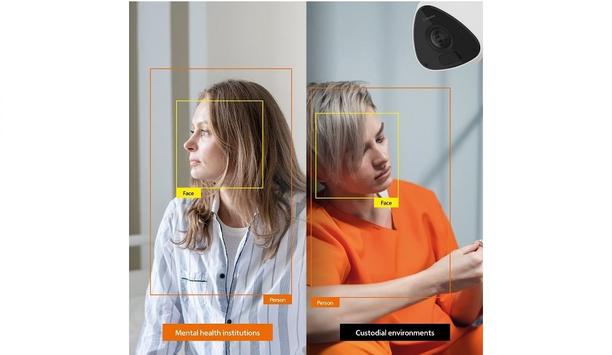
Hanwha Vision, the global vision solution provider, has launched the TNV-C7013RC corner mount camera with AI, for fewer false alarms and more efficient forensic search. False alarm reduction Designed specifically for correctional facilities and mental health settings with an anti-ligature casing, the camera is one of the latest in Hanwha Vision’s expansion of AI cameras. Enabling operators to monitor settings 24/7, the addition of AI improves accuracy and reduces false alarms, only alerting operators to events that do require their attention and action. Object detection AI allows for greater efficiency when searching video playback for an event or object/person of interest by distinguishing objects from their surroundings. Objects are detected and classified in real-time. The camera can additionally detect clothing color if needed, for instance, the color of inmates’ overalls. Virtual area and line crossing Newly added Boolean logic rules can make event triggers more effective by grouping them To improve safety and control access, the TNV-C7013RC can also establish virtual areas that trigger events when an object is detected within the defined area. A similar alert can be shared for line crossing. As well as alerting operators to potential trespassing, this feature can also detect loitering and intrusion. Newly added Boolean logic rules can make event triggers more effective by grouping them to issue an alert when a specific set of (up to 3) events are detected; for example, an object (person) is identified and enters a specific area, but alarms are not sounded until they cross a line within the area. Improved image quality With WiseNRII and Prefer Shutter control, the TNV-C7013RC decreases noise and blur around detected objects. By re-adjusting the Prefer Shutter value to an optimal level, the motion blur of fast-moving objects can be reduced. Simultaneously, extreme WDR uses multi-frame scene analysis technology to provide clear images even in environments with strong backlight conditions. The TNV-C7013RC is equipped with the Wisenet7 SoC that further improves image quality during the day and night. It delivers forensic-level image quality and enhanced low-light performance at 4K and 6MP@30fps and 2MP@120fps. Enhanced design The camera also has a 128o x 100o FoV to cover all areas of a square room Alongside the new AI features, the TNV-C7013RC has a host of enhancements that improve the camera’s daily operations and ability to fit into the background of environments. These include 940nm IR that is invisible to human eyes, minimizing unnecessary distress to patients and inmates. The camera also has a 128o x 100o FoV to cover all areas of a square room. Industry-pioneering cybersecurity The TNV-C7013RC comes with end-to-end cybersecurity that securely stores key information and pre-empts hacking risks with unauthorized access blocking. It is also FIPS 140-2 level 2 certified. Uri Guterman, Head of Product & Marketing at Hanwha Vision explains, “The TNV-C7013RC, with its AI features, provides operators with a more efficient and proactive way of securing and monitoring facilities, with fewer false alarms which can be distracting for operators, potentially making them less efficient. This enables security teams to protect vulnerable people 24/7 in mental health and other facilities with AI issuing alerts that require immediate attention.”

Expert commentary

Open platform video technology software is more than just a product; it's a tool that helps customers achieve their desired business outcomes. Safety, round-the-clock security, and increased operational efficiencies are now the norm due to video technology. Responsible Technology Despite humanity’s impressive technological advances, we also recognize the immense responsibility that comes with technological innovation. It's not enough to focus solely on the positive impact video technology can make, we must also be vigilant in identifying and addressing any potential negative consequences it can have on society and its citizens. This is the role of Responsible Technology. Data privacy We want to use all the good things that technology innovation brings, whether it be video, AI, ML, facial recognition, etc. We want to use all the good things that technology innovation brings, whether it be video, Artificial Intelligence, machine learning, facial recognition, etc. to serve people in societies in a responsible way. That means making sure that we regulate technology in a way that respects human rights and data privacy. Addressing the challenges The challenge is, that rather often technology leaders and policymakers either have conflicting interests or collaborate too late. To be responsible, business leaders must support their societies and policymakers in making regulations in the interest of the common good. At Milestone Systems, we are actively looking at how we develop our software responsibly, how our partners responsibly sell our software, and very importantly, how our customers use our software with a responsible mindset. Ensuring good corporate governance As a long-time partner within the security industry, we’re celebrating our 25th Anniversary this year, we are supporting the regulation of video technology for the good of society. However, it of course needs to strike the fine line between the right legislation and not hindering innovation. UNGP The UNGP is the most authoritative and widely adopted set of principles for responsible business At Milestone Systems, we want to play an active role in this and that is why we have pledged our support to the UN's Guiding Principles on Business and Human Rights (UNGP). The UNGP is the most authoritative and widely adopted set of principles for responsible business. The principles call on governments and companies to identify, prevent, mitigate, and remedy actual and potential human rights abuses. Since its launch in 2011, the UNGPs have received wide support from states, civil society organizations, and the private sector, making them the key global foundation for business and human rights. Protect, respect, and remedy Through this commitment, we are taking steps to ensure good corporate governance and ethical standards in the development of our technology. We're generating mechanisms to prevent misuse and we are building educational practices internally. Based on the UNGP’s three pillars: protect, respect, and remedy, we are developing a set of Responsible Technology Principles and procedures for the development, selling, and use of our products. Need for video technology regulation In addition, we are currently evaluating all the various technology areas in which our video software can be used, such as with third-party integrations that utilize e.g., facial recognition. We are mapping out the advantages and disadvantages for societies. One key area of concern is how local authorities are mapping and storing data about us as individuals. This is the reason why we're inviting more legislation to regulate video technology rather than less. Engaging With policymakers We are meeting ministers and trade organizations as we believe this needs to be a joint effort where all parties are heard We are proactively reaching out to and connecting with policymakers and other relevant stakeholders to discuss our approach to and take on Responsible Technology and encouraging the political landscape to work with us around regulation and legislation. We are meeting ministers and trade organizations as we believe this needs to be a joint effort where all parties are heard and where we can openly weigh the advantages and the challenges of technology, whether it is video, facial recognition, machine learning, Artificial Intelligence, or other technologies. Striking a balance Implementing Responsible Technology is a journey, not a destination. To give it the focus needed, we have created a dedicated team to implement this initiative at Milestone Systems. At the same time, we are reaching out to the political landscape to discuss how we balance regulation without hindering innovation. Video technology used ethically We are a global company with worldwide operations, and we are having dialogues about how video technology is being used and how we can have meaningful talks about what regulation and legislation should look like. However, we don’t necessarily want to limit access to the technology itself. Facial recognition We encourage the policymakers to engage with us in the industry so that together we can strike the fine line Facial recognition is a great example of this. The EU is considering making live facial recognition illegal. That would be a huge inhibitor of proactive terrorism prevention. For example, if a well-known terrorist is walking down the street and is being mapped out against Interpol’s most wanted list, the authorities should be able to react. However, if a person walking down the street but is not mapped out or does not have any priors then the city should not be allowed to store the data of that individual’s whereabouts at that point in time. This potential legislation is concerning to me as a citizen of Europe. Instead, we encourage the policymakers to engage with us in the industry so that together we can strike the fine line for the better good of all of us. Maintaining high ethical standards We have a firm understanding and expectation that ethical standards are a huge driver in the security business. Citizens are not in favor of technology companies abusing data about them and monetizing from things that they have not opted in to do. Soon, I think we will see many more companies and governments leaning toward suppliers that do have a responsible mindset and high ethical standards for partnerships. Ethical practices Our journey toward Responsible Technology is an ongoing process, and we must remain steadfast in our commitment to ethical practices and the protection of human rights. We recognize that the rapidly changing technological landscape continually presents new challenges and opportunities. For this reason, we continuously look into how we can improve, for example, our end-user license agreements to avoid potential human rights abuses. An industry responsibility Security companies must prioritize careful planning and preparation, including developing policies and procedures For Responsible Technology to truly become a reality, compliance with international human rights laws and data privacy regulations is critical. Security companies must prioritize careful planning and preparation, including developing policies and procedures that govern the ethical use of video surveillance systems. The secure and ethical community In today's technology environment where deep integrations, machine learning, and artificial intelligence are becoming the norm, Responsible Technology is more relevant than ever. The security industry has a unique opportunity to set an example for other sectors by promoting a secure and ethical development community that prioritizes Responsible Technology, trustworthy data collection, and the protection of human rights. We must all rise to this challenge and embrace our role as ethical leaders for the greater good of both people and societies.

The security industry is going increasingly digital these days, with more small- and medium-sized businesses joining their global brethren by moving their data to the cloud, leveraging the benefits of artificial intelligence, and embracing more open solutions. Innovation is expected to continue at a rapid pace, thanks in part to the residual effects of the pandemic which has driven changes that might have otherwise taken five years or a decade or more to get into customers’ hands on a global scale. Let’s take a look at the trends that will dominate ISC West 2023. Improved analytics Analytics is about expedience, and in the surveillance world, it makes it possible to identify and search for the “who did it?” clip you need. For analytics, along with the cloud, it comes back to the core themes of being able to do more with technology Analytics also provides more actionable intelligence than a simple surveillance camera may provide, from identifying high-traffic areas during select times of the day and alerting staff to pay greater attention to these areas, to business intelligence that can enable a company to staff a store with more employees. For analytics, along with the cloud, it comes back to the core themes of being able to do more with technology and relying less on humans. Leveraging the cloud The cloud story is very related: it provides the ability to perform video-related tasks from anywhere on any device. In addition, the cloud makes it easier to share videos with other stakeholders and collaborate on investigations. By storing video on the cloud, end users reduce their total cost of ownership because they no longer have to invest in onsite storage solutions, while gaining greater storage capabilities and thereby future-proofing their solutions. Deployment patterns Because the cloud requires a less total cost of ownership and can be intuitive, it is driving interest in solutions Another interesting trend that we’ll be hearing more about this year is the overall deployment patterns of video surveillance systems. This is part of the cloud trend, but the broader trend is the amount of effort it takes to deploy, monitor and maintain the video surveillance system. Because the cloud requires less total cost of ownership and cloud access can be intuitive, it is driving interest for solutions that can be hosted in the cloud. Interoperability vs. proprietary Related to the debate of open vs. closed solutions is how much the surveillance market prefers a turnkey solution compared to a more custom best-of-breed and tailored solution. Smaller and mid-market companies will be more interested in the turnkey solutions provided by a single vendor, while enterprise-level companies traditionally gravitate toward investing in customized solutions that are more likely to address their unique security challenges. One other related trend to keep an eye on is the role of the integrator as part of the rise of cloud and Video Surveillance as a Service (VSaaS) offerings.
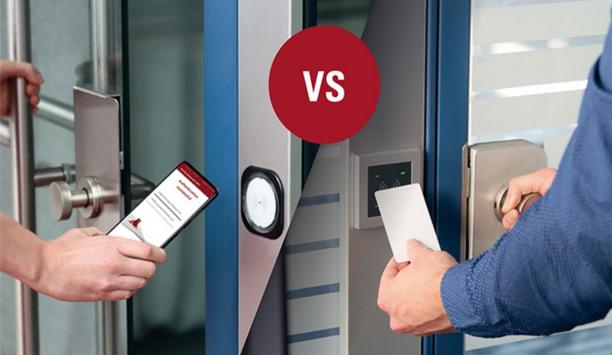
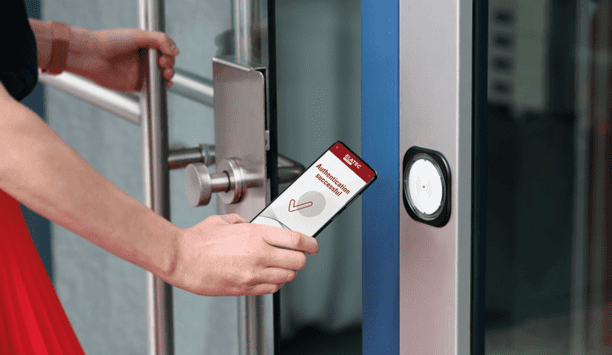
The smartphone is an integral part of our daily routines. The communication and entertainment device of yesteryear has become a serious player with which we increasingly handle sensitive processes, such as payment transactions. BLE or NFC authentication At the supermarket checkout, more and more customers are pulling out their smartphones instead of their wallets. Apple Pay, Google Pay, or specific banking apps make it possible: to hold the smartphone in front of the reader of the checkout system, and the transaction is completed without contact. In technological terms, either Bluetooth® Low Energy (BLE) or Near Field Communication (NFC) is used to complete the authentication and authorize the payment process. Benefits of smartphone authentication Issuing cards, taking them back, blocking and replacing lost cards all is no longer necessary Smartphone authorizations are also becoming increasingly popular for access solutions. The advantages are obvious. Users do not need an additional medium to gain access to the building or data. For the IT department, the switch is just as convenient. Issuing cards, taking them back, and blocking and replacing lost cards are no longer necessary, saving time and money. Card systems However, card systems are still irreplaceable in some cases. For example, in manufacturing environments where smartphones are often prohibited. Country-specific regulations also play a role: not everywhere is the professional use of private cell phones permitted. In Germany, for example, data protection is an obstacle; on the other hand, not every employee automatically has a company cell phone. Card or smartphone? The question "card or smartphone?" is not necessarily a matter of choice. There is much to be said for hybrid use, especially since the card and smartphone share numerous strengths: both are suitable for building access and for secure data access, and both can be used for applications such as secure printing and for time and attendance systems, to name just a few examples. This is also the reason that a hybrid system using both media is an excellent solution for many companies. Technological transition The transition from card to smartphone often raises concerns in companies at the beginning As with any technological transition, the transition from card to smartphone often raises concerns in companies at the beginning. After all, seamless security must be maintained at all times, and productivity should not suffer due to technological innovations for example, because users suddenly have difficulty accessing the data and programs they need for their daily work. In addition, deployment scenarios are very individual from industry to industry and organization to organization, and a wealth of questions must be clarified in advance. Flexible universal readers ELATEC is at the user's side as an experienced partner and with the appropriate systems, including software. With its universal readers, for example, users remain flexible and can handle cards and smartphones in parallel operation. This "soft migration" is often the best way: take a relaxed approach and see how mobile access authorizations are accepted in an organization and how they work for user-specific purposes.
Security beat
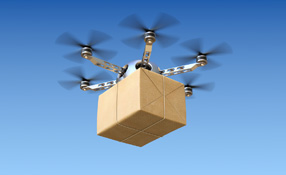
If you had a super power, would you use it for good or evil? The question might typically be the subject of vigorous debate among third graders, but it’s also a question that comes up when you consider technology. Sometimes the benefits of technology are almost like super powers. As much as we seek to apply the powers of technology to security, there is also a criminal element that stands ready to use them with evil intent. Such is the case with drones. We have previously mentioned the possibilities of using drones for security applications. Now comes news that the criminal element has already been applying the technology of unmanned aerial vehicles (UAVs) to smuggle contraband into prisons. A drone crashed outside a prison in Bishopville, S.C. recently after failing to carry contraband over the 12-foot razor wire fence surrounding Lee Correctional Institution. The drone was being used to smuggle marijuana, tobacco and cell phones, all contraband inside the prison system. A cell phone sells for about $2,500 inside a prison, for example, and prison officials say cell phones are a security risk. Case in point: A cell phone was used to order a “hit” on a prison official in South Carolina in 2010. Capt. Robert Johnson, who was shot six times, survived the attack and has since retired. Drones were used in a similar smuggling scheme at a state prison in Calhoun, Ga., in my home state. Four people were arrested and charged with using remote-control helicopters to carry contraband over prison walls. As drones become more sophisticated, and if they were to become widely available as commercial products, such security risks would escalate, presenting new challenges of perimeter security at prisons. Such threats could also extend to other possible targets such as utility and chemical plants, critical infrastructure facilities, transportation hubs, etc. Historically, security devices and sensors for perimeter applications have tended to be ground-based and/or mounted on fences and walls. The need to protect the airspace around a prison or chemical plant is a fairly new consideration. Systems to deal with such threats could include technologies like radar and thermal cameras. Addressing false alarms would also be a priority. Sensors would need to be tied to a dependable alarm system to alert overworked guards and/or security personnel only in the event of an actual threat. Wonder what technologies could prevent an “air attack” by drones?
Case studies
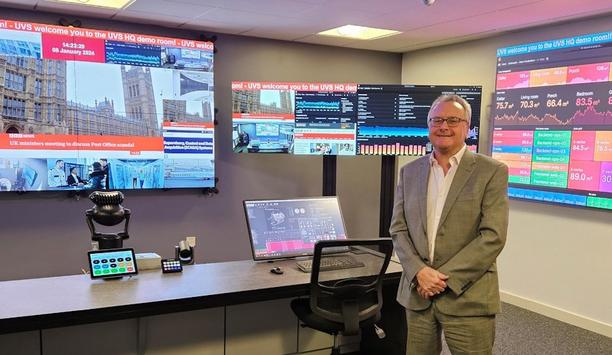
One of the UK’s major jails is enhancing surveillance with the help of video wall experts Ultimate Visual Solutions (UVS), who specialize in control room installations at prisons and other high-security establishments. The prison, which can’t be named for security reasons, has been operating a 10-screen LCD video wall and video wall controller, installed by UVS, 24/7 since 2009, including regular upgrades to ensure it benefited from the latest technology. high-security prison UVS has now been recruited to install its very latest Lucidity video wall controller technology for the system, which will become an emergency backup control room at the high-security prison. A completely new control center has now been built at the site, and UVS has been selected to provide the very latest in video wall technology for this application, with a 10 55-inch narrow bezel screen LCD video wall and Lucidity WBC110 controller. Several security management systems Lucidity controllers merged with many security management systems that are in use at these sites During the past 15 years, UVS has also supplied video wall controller technology and LCD video walls for five other high-security prisons in the UK. Due to UVS’s extensive work in the high-security prison sector, its Lucidity controllers have also been integrated with several security management systems that are in use at these sites. UVS Managing Director Steve Murphy said: “We are very proud to have once again been selected to provide the very latest in video wall technology at a site where it is essential that control rooms have reliable 24/7 operation." Long-term technical support Murphy added: “The level of support provided by UVS, from system design, to implementation, to long-term technical support, has been highlighted by our partners as one of the key factors in our selection, alongside proven reliable operation in these highly-critical 24/7 applications.” UVS, based in the Burnley First – Burnley Business Center, is led by four senior colleagues who, between them, have more than 85 years’ combined Audio Visual, Control Room and Visual Solutions experience.
The office of the Additional Director General of Police (ADG) and Inspector General (IG) of Prisons oversees the management and security of all prisons in the Indian state. This includes ensuring the safety of prison facilities, implementing rehabilitation programs for inmates, and managing prison staff. Creating a fair environment The ADG and IG focus on improving prison conditions and ensuring legal standards are met. Their goal is to create a secure and fair environment, balancing safety with efforts to reform and rehabilitate prisoners for their eventual return to society. Scenario The need for a robust solution became clear after issues like hidden illegal items and unmonitored inmate movements The absence of a security video surveillance system created critical security blind spots, making it difficult to monitor key areas effectively. The need for a robust solution became clear after issues like hidden illegal items and unmonitored inmate movements posed significant risks to prison security. New security video surveillance system To comply with government regulations, the new security video surveillance system had to adhere to stringent standards established by the Bureau of Indian Standards (BIS). This included specific sections detailing the specifications for camera performance and image quality and covering safety guidelines for IT equipment. The system required STQC certification to meet high security and data privacy standards, crucial for government installations. OWASP ASVS 4.0 L2 standards Additionally, it needed to comply with OWASP ASVS 4.0 L2 standards to ensure robust cybersecurity, safeguarding against common vulnerabilities. High-resolution cameras were essential for clear image capture, and tamper-proof storage was required to securely retain footage for 30 to 90 days. The system also had to align with the National Cyber Security Policy to protect sensitive data from cyber threats. Compliance with these standards was vital for maintaining security and operational integrity within the prison. Challenges Due to the absence of a security video surveillance system, the Prison Department faced numerous challenges such as: Struggled to monitor blind spots in the prison yard where fights and disputes frequently occurred. Detecting the smuggling of drugs and mobile phones during visitations was nearly impossible with manual checks alone. Staff couldn’t always be present to monitor isolated areas like back rooms, corridors, and staircases, leading to security gaps. Identifying the individuals involved in riots or brawls was difficult due to the lack of visual evidence. Inmate escape attempts often went unnoticed until too late, especially during night shifts. Ensuring round-the-clock monitoring of high-risk zones like solitary confinement was a constant challenge. Coordinating emergency responses, such as medical help during violent outbreaks, was delayed without instant visual updates. Matrix solution Matrix security video surveillance systems comprising Matrix Network Cameras and NVRs were installed across four prisons statewide, providing robust security for over 10,000 inmates. Matrix PTZ Cameras were deployed in larger spaces like the prison yard, where they could pan, tilt, and zoom to follow suspicious activities or fights, providing dynamic coverage and ensuring swift responses to incidents. Mini Dome Cameras were placed inside cells and common areas to provide constant, wide-angle surveillance, keeping tabs on inmate behavior and reducing the chances of fights or smuggling illegal items. These cameras were also installed in cafeterias and recreation areas to monitor inmate interactions. Mini Bullet Cameras were installed in corridors and cellblock hallways to keep a close eye on inmate movement, ensuring no blind spots in these high-traffic zones. They were also installed in less-visited areas like storage rooms and staff offices to prevent unauthorized access and maintain control. Project Bullet Cameras were mounted along the prison yard and perimeter walls, providing long-range surveillance to prevent escape attempts and monitor outdoor activity. They were also installed at entry and exit points to keep tabs on everyone going in and out, securing access to the facility. 24x7 real-time monitoring All Matrix Network Cameras were centrally monitored with Matrix 64 Channel NVRs All Matrix Network Cameras were centrally monitored with Matrix 64 Channel NVRs. This setup enabled 24x7 real-time monitoring, recording, and playback of video from different areas of the prison, ensuring complete coverage and prompt incident response. Similarly, the prison departments in three other cities of the state were also secured with Matrix Network Cameras and NVRs. Products offered Matrix MIDR20FL36CWS P2 (800+): 2MP IR Mini Dome Camera with 3.6 mm Fixed Lens Matrix MIBR20FL36CWS P2 (600+): 2MP IR Mini Bullet Camera with 3.6 mm Fixed Lens Matrix CIBR20FL36CWS P2 (800+): 2MP IR Project Bullet Camera with 3.6 mm Fixed Lens Matrix PZCR20ML25CWP P2 (70+): 2MP IR PTZ Camera with 25x Optical Zoom Matrix NVR6408X P2 (40+): 64 Channel NVR with 8 SATA Ports Solution diagram Benefits They ensured round-the-clock surveillance of high-risk zones, such as solitary confinement and cell blocks The installation of the Matrix security video surveillance system effectively eliminated critical security blind spots in the prison yard, reducing the risk of fights and disturbances. They ensured round-the-clock surveillance of high-risk zones, such as solitary confinement and cell blocks, preventing inmate escapes and unauthorized movements. Centralized monitoring Matrix security video surveillance systems enabled accurate monitoring during visitations, significantly enhancing the detection of smuggling attempts for drugs and mobile phones. Centralized monitoring via the 64-Channel NVR allowed for quick identification and response to disturbances, ensuring timely intervention during riots or medical emergencies. Regulation safety and data privacy High-resolution camera footage provided reliable documentation of inmate interactions and incidents, supporting investigations and enhancing overall prison security management. Matrix security video surveillance system meets BIS and STQC standards, ensuring compliance with government regulations for safety and data privacy. It also complies with OWASP ASVS 4.0 L2 standards, enhancing data security and protecting against cyber threats.

Retailers across the nation are feeling the strain and profit loss attributed to a rise in external theft hitting their stores. From flash mobs and pushouts, to smash and grabs and other forms of shoplifting, the problem continues to grow. According to the 2023 National Retail Federation Retail Security Survey, over 67% of respondents said they were seeing more violence and aggression from organized retail crime perpetrators compared with a year ago. Shoplifting no longer fits its traditional mold as a nonviolent crime perpetrated mostly by petty thieves and smalltime criminals. Nearly two-thirds of the retailers surveyed by the National Retail Federation said that violence associated with store thefts has risen, led by organized gangs that resell the goods they steal. Other contributing factors Other contributing factors for the increase in theft include: Expansion of places and platforms in which to sell stolen merchandise Online marketplaces make it easy to sell stolen merchandise with low risk of getting caught In some states, thieves are facing fewer consequences due to a higher threshold set for a theft to constitute a felony Opportunities for criminals Decriminalization of low-level offenses in some states has created opportunities for criminals to manipulate the system. For example, Proposition 47, a California ballot initiative passed in 2014, sought to alleviate prison overcrowding by reducing the penalties for some crimes. The measure raised the threshold for felony theft from $500 to $950. In fact, as many as 38 other states have similar laws in place to make shoplifting a minor crime if under the higher threshold. The consequences for the rise in theft are far-reaching for retailers, consumers and communities at large. In many areas of the country, some retailers are choosing to close up shop altogether rather than continue falling victim to incidents of theft and organized retail crime. The loss of even one retail location, particularly in densely populated city centers, means inconvenience to the consumer, loss of jobs for the employees, reduced sales tax base for the city, and a blight on the community reputation. Equally as impactful is the cost of theft on the retailer. According to consultancy firm Strategic Resource Group, the firm surveyed a number of retailers across America who say shoplifting is now 2% to 3% of their total sales. That’s up from 0.7 to 1% pre-pandemic. So, What Can Retailers Do About It? Solutions When it comes down to it, thieves target stores that offer the least resistance and chance of getting caught, focusing on where they have the greatest possibility of a successful heist. Unsecured or unprotected entrances and exits send a clear message to would-be criminals and shoplifters that the location may be a prime market for theft. There are several solutions that can help retailers secure the front of their store and help deter shoplifting and aggressive theft. Pedestrian Actuating Security Gates Although new to many U.S. retailers, these systems have a proven track record in Canada and Europe. Security gate systems’ designs are customizable to adapt to any style retail location, helping reduce theft by encouraging customer movement in predefined directions, preventing unwanted traffic paths from store to return counters, and reducing the risk of shopping cart walkouts with unpaid or stolen merchandise. All security gates are ADA-compliant devices that are both manual and automated, and are connected to fire alarm panels for automated control to avoid egress obstructions in case of emergencies. Security gates can also be integrated into video surveillance systems and with electronic article surveillance (EAS) solutions. Security gates promote subtle but impactful shopper behavior modifications like: Help encourage customer movement in predefined directions like entrance flow to the return desk or service counters Help manage occupancy compliance by controlling entry/exit traffic and help provide a safer environment for customers and associates Reduce unwanted traffic paths and fraudulent returns by separating the returns desk from the rest of the store Reducing shopping card walkouts with unpaid or stolen merchandise Electronic Article Surveillance (EAS) Electronic article surveillance (EAS) systems have a long history of helping retailers curtail theft in their locations while maintaining an open-sell environment. Over the years, the technology has evolved to include network capabilities, remote tuning, diagnostics and expanded sensor portfolios to cover a wide range of products. EAS systems can be integrated with video cameras, so that when an incident occurs, EAS system alarms trigger the cameras to start recording the event for visual documentation. Additionally, just the presence of EAS tags and pedestals can act as a deterrent for opportunistic theft. The main components of any EAS system include: Detection devices located at the entrances and exits of the store; these come in a variety of formats including pedestals, concealed floor systems or overhead antennas Hard tags for the protection of soft goods and detaching devices for the removal of tags Specialty tags for hard-to-protect items, such as ink tags, lanyard tags, bottle tags, shoe tags and tags to protect boxed items Disposable labels for hard good items, and devices to deactivate labels Electronic Article Surveillance Video Surveillance Video surveillance systems have been a staple for retail loss prevention professionals for decades. The first systems were based on analog, closed-circuit television technology often delivering poor quality, grainy images for use mainly as an investigative tool. The technology has since advanced and changed dramatically, now offering high-resolution, digital solutions based on IP networks. The digital solutions available today offer many benefits over the analog systems of prior decades. Intelligent, cloud-based video surveillance is simple to deploy and manage, and typically requires little to no specialized IT support, which is particularly helpful in retail environments without IT experts on-premises at individual locations. Analytics software built into many newer security cameras and other devices can detect and document areas of loss, helping retailers to better understand and pinpoint each source of loss so it can be addressed. Video Analytics and Artificial Intelligence (AI) Stores are increasingly leveraging the power of video analytics to gather comprehensive business intelligence data about activity and traffic in their stores. As stated previously, many retail stores already have video surveillance cameras, which they use to monitor their property or investigate incidents using video footage post-event. To complement those camera networks, video analytics systems use the valuable data that is recorded by those cameras. Video footage is processed and analyzed to identify and classify objects—such as people, vehicles, and other items—then indexes them to enable easy and quick video search and quantifiable, actionable analysis. Operations and security managers Store layout is also an important factor in ensuring a safe, pleasant, and efficient customer experience. Preventing crowding not only contributes to a much more comfortable retail experience, but also diminishes the risk of crowds amassing in advance of a smash and grab theft event or flash mob. Video that is aggregated over time can help retailers uncover where and why crowds form and make intelligent decisions to prevent future crowding. Crowds—especially long queues—are detrimental to the customer experience and, sometimes, compromise safety. It is important for operations and security managers to be aware of when, where, and how often crowds and queues form, so they can make staffing decisions based on crowding hotspots and traffic peaks and develop contingency plans for crowding in real time. Integrated with POS systems Video analytics systems can be configured to trigger alerts based on proximity and people counting filters. For instance, when pre-defined count and proximity thresholds are violated, operators can be notified that an unsafe amount of people are occupying a certain area and investigate the quantity and density of the crowd formation. Additionally, video systems can be mounted over Point-of-Sale (POS) stations and self-checkouts and integrated with POS systems in order to capture and document theft events like mis-scans, “left in cart,” sweetheart detection and product-switches. These checkout intelligence solutions leverage video, analytics and system integration for another line of defense against loss for retailers. Public View Monitors (PVMs) PVM solutions are an outgrowth of the conventional use of public view monitors. PVMs fundamentally consist of an integrated camera and display monitor that typically showcases the live camera view and occasionally displays other messages. These systems were initially placed at store entrances, so that shoppers could see themselves as they entered the store, instinctively look up at the PVM, and retailers could obtain a recorded image of most shoppers’ faces. This could then be used to correlate with evidence of any crimes committed in the store, while simultaneously acting as a theft deterrent. In addition to entrances, retailers are ramping up their strategy to include adding PVMs near high-value items. The message to a would-be thief is simple: We have a camera on you, are likely recording and possibly actively viewing you in real time. With PVMs placed around the store, focused on high-value merchandise and product locations, retailers can satisfy a number of security objectives, including the ability to: Alert store personnel when the product is taken or approached Obtain tagged recorded video of events around the product for evidence Heighten awareness to the potential thief that they are being recorded and surveilled Other Considerations Some retailers have also focused on reinforcing existing practices and policies to help combat this growing offense to include: A variation on the customer service angle may include having sales associates walk the perimeter aisles of the store to greet and make eye contact with each customer. When done correctly, patrons are greeted almost constantly. If an associate feels a situation warrants further attention, they can then summon the manager on duty for a more direct engagement with the customer. Some retailers also deploy extra associates to the front-end of the store for stocking, folding, merchandising and other tasks, thereby discouraging potential grab and run theft. Increase the use of convex mirrors in each corner of the store, add signage on all PVMs, and install dummy camera dome covers throughout the store so that would-be thieves can’t easily identify where cameras are. Retailers may also consider attaching poles on shopping carts to help prevent pushouts. Training sales associates to recognize the formation of organized retail crime, such as flash mobs or potential cart pushouts. While still classified as shoplifting, certain behavioral factors may identify a move toward more aggressive tactics. Along with training associates to recognize these factors, educating them on how to respond in a safe manner is equally important. Station a guard at the entrance of the store that stands at a podium. At the podium, the guard can view all the sales floor cameras in real time and also act as a greeter to both help improve customer service and act as a deterrent. Treat every opportunity as a customer service opportunity. Greet shoppers—and potential ORC shoplifters—as they enter the stores. Offer assistance with their shopping, make eye contact and make sure they know you’re aware of their presence. Some retailers even offer a personal shopper experience, which greatly deters would-be shoplifters. Conclusion Shoplifting has been around as long as shopping itself. What changes over the years is the methods deployed by the thieves and the magnitude of the issue for retailers’ bottom lines. As reported by a number of industry associations, security suppliers and retailers, the COVID-19 pandemic has played a significant role in increasing the frequency of more violent types of crimes. While no one solution or even combination of solutions will completely eradicate shoplifting from our society, taking an active role in layering technology and updating policies and procedures can help retailers stem the flow of activity and risk. Active prevention methods such as signage, visible camera technologies and public view monitors, along with solutions designed to modify consumer behavior, can have an impact on deterring crime across the retail industry. Shoplifting, organized retail crime and social media-driven theft impacts everyone—from the consumer to the retailer and the communities where they operate—so a coordinated effort between retailers, their security partners and law enforcement is an essential first step.

Adelante Healthcare currently operates seven healthcare centers in Phoenix, Arizona, and offers a wide array of services to patients of all socio-economic levels. The lock and key system wasn’t at all adequate for securing the seven different facilities. The facilities and all the patient and healthcare data needed to be protected in a highly secure manner. With so many employees, there was no way to track who had keys and how many copies were out there difficult to keep track of who had the keys. The choice It’s very easy to manage and we can focus our time on providing quality care to our patients" “The Brivo system makes my job easier and frees me up for other things. With Brivo, it’s easy to find out what we need; the system doesn’t lie," Larry Kadin, Facilities and Purchasing Manager, Adelante Healthcare. "It’s very easy to manage and we can focus our time on providing quality care to our patients.” The change Adelante has issued access cards to over 200 staff and the cleaning crews at their seven facilities. Without lots of keys floating around, the healthcare provider no longer has security breaches. One person is administering multiple sites from a single web interface. Access can be programmed easily and quickly, it’s done remotely and in a manner of just minutes. The team has better records and easy access to data that can be provided to other departments. The new system has had significant positive effects on staff productivity and effectiveness. “I’ve not seen anything that comes close to what Brivo provides. The Brivo system is a joy to work with. It saves us so much time compared to other systems we were looking at, ” Larry Kadin.

Quanergy Solutions, Inc., a pioneering provider of 3D LiDAR (Light Detection and Ranging) security solutions, was chosen by a large municipality in California USA, in order to bolster pedestrian safety in the city's underground railways where fatality risks and costly liability issues were of growing concern. Traditional video surveillance The California city’s management had been grappling with a substantial number of missed alarms within its underground railroad system due to the intricate terrain and challenging lighting conditions. The absence of alarms when individuals trespassed onto train tracks posed a significant liability issue, endangering lives and increasing operating expenses. Traditional video surveillance systems had further proven ineffective in these environments due to inconsistent lighting and various obstructions that made it difficult to maintain a consistent field of view. Quanergy’s comprehensive solution Quanergy hyper-accurate detection and tracking of individuals in the city’s railroad system By deploying Q-track, a seamlessly integrated solution that combines long-range 3D LiDAR sensors with advanced perception software, Quanergy enables hyper-accurate detection and tracking of individuals in the city’s underground railroad system, most importantly those individuals who find their way onto dangerous railroad tracks. Quanergy’s comprehensive solution also effectively eliminates alarm fatigue by significantly reducing false alarms. This enables operators to focus on real threats and receive actionable insights with hyper-accuracy, ensuring that no urgent alarms are missed, averting possible injuries or even fatalities. Quanergy LiDAR security solutions Thanks to Quanergy's solution, the city now reports that they have 100% accurate detection when pedestrians are on train tracks. Quanergy LiDAR security solutions are currently deployed at hundreds of critical infrastructure sites around the world, addressing a wide spectrum of mission-critical applications including perimeter intrusion detection, server rack and cabinet security, mobile security towers, mantrap/vestibule access controls, rooftop security, and more.

Courts have been shifting to virtual court proceedings using video teleconferencing for a variety of reasons including cost and safety. The COVID pandemic forced more courts to adapt. Without being able to meet safely in person, the pandemic caused a rapid adoption of remote courtroom proceedings. The key challenge is how to deliver multiple video streams easily and reliably to all parties. Court Video Conferencing Services (CVCS), a specialist in courtroom AV solutions, solved this challenge with RGB Spectrum’s QuadView® UHDx multi-image processor, a high-performance multi-image video processor that displays up to four video sources at a time on a single monitor. QuadView processor CVCS recently installed the QuadView processor in courtrooms for the Ventura County, California Hall of Justice which handles family law, small claims, and criminal cases. The Hall’s arraignments, trials, and other legal proceedings are now conducted with all remote or a combination of in-person and remote participants. A QuadView UHDx processor receives video feeds from four Vaddio PTZ cameras in the courtroom, one each on the judge, witness stand, and defense and prosecuting council tables, plus input from a special document camera focusing on documents and other physical evidence. In the future, the processor may also be used to accept and distribute computer-generated content. Multi-window image QuadView UHDx system accommodates teleconferencing applications, including Zoom, Teams, and others The QuadView UHDx combines up to four of these sources at a time and outputs a consolidated multi-window image into a Zoom video teleconferencing gateway device. The windows can be arranged in various customizable display layouts as needs dictate. The Zoom application then distributes this multi-window image to remote court participants. The QuadView UHDx system accommodates all conventional video teleconferencing applications, including Zoom, Teams, Bluejeans, and others. Benefits of QuadView UHDx In criminal cases, the system transmits bi-directionally from the courtroom to the jail, so everyone in the courtroom and jail can communicate together. In other situations, depending upon the context and the Judge’s personal preferences, the video camera presets are arranged to view the courtroom podium and audience/gallery. Robert Godinez, President of CVCS, explained, “The QuadView UHDx offers many benefits for our courtroom solution. It offers the convenience of already devised preset display configurations and easy setup for each procedural scenario." Reliable and cost-effective "In practice, the QuadView UHDx is the most reliable system. Other multiviewers have failed in the past and require excessively long reboot times. It also is more cost-effective for our legal customers. They realize cost savings by speeding up hearings, reducing waiting times, eliminating travel, and removing the need for security and other staff." "Personnel and transportation costs and time are further reduced by obviating the need to transport participants from the jail to the courthouse. This also provides improved security by reducing the need to transfer detainees from the detention facility to court for hearings, arraignments, and other types of proceedings.” New virtual remote court concept QuadView-based virtual courtroom solution offers judges, attorneys, and litigants a better court experience" In the new virtual remote courtroom, the QuadView UHDx multiviewer combines up to four video or computer sources and outputs a single, consolidated multi-window image into a Zoom video teleconferencing system. The Zoom application then distributes this multi-window image to remote court participants. Godinez continued, “The new virtual remote court concept has now firmly established itself, forever shifting the landscape of justice and legal proceedings. Our QuadView-based virtual courtroom solution offers judges, attorneys, and litigants a better court experience by providing greater access to legal proceedings while reducing the time and expense of getting to court – resulting in increased efficiency, case resolution, and quality of justice.” Superior image quality The QuadView UHDx provides superior image quality with up to full 3840 x 2160p60 4K input and output. There are six input ports: 4x HDMI 2.0 and 2x DisplayPort 1.2. It offers 16 pre-set and 16 customizable display layouts. The processor provides the versatility to mix and match input resolutions, scale any video input up to 4K resolution and route any input to any window. Built-in audio switching allows the selection of audio from any source even those not currently displayed. Control methods include the front panel, a web interface, and third-party control devices. Results Godinez concluded, “The customer response has been terrific. They love it. It is now the preferred method to conduct legal proceedings." "Other QuadView UHDx California courtroom installations include the Santa Barbara, Santa Cruz, Los Angeles County, Hollywood, and Fresno Superior Courts.”
Round table discussion

As physical security technologies become more complex, it is incumbent on the dealer/integrator to have the skills and expertise needed to ensure that a system operates smoothly. The value of integrators increasingly rests on the skill sets they bring to bear when installing a system. If the skills are missing, there is a problem. We asked this week’s Expert Panel Roundtable: What missing skills among security integrators can cause problems for customers?
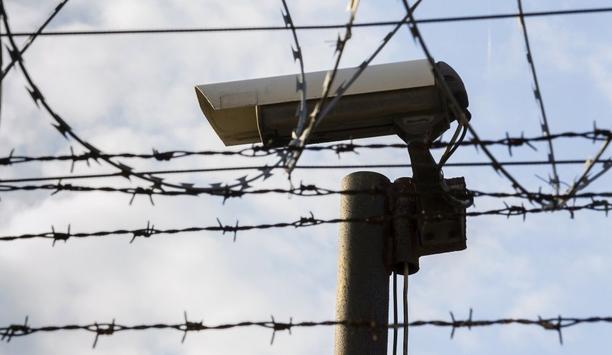
Keeping prisoners safely housed is among the biggest challenges the security industry faces. Correctional applications of security technology are often more extreme and require a specialized mix of technologies. We asked our Expert Panel Roundtable: What are the video security and surveillance needs in prisons, and how well do technologies meet those needs? Are there any ethical qualms about selling to prisons?