Infrared Surveillance

At CES 2026 in Las Vegas, demonstrations of Flir’s next-generation iXX-Series app-enabled thermal cameras will outline how users can transform electrical and mechanical inspections across manufacturing, industrial, commercial, datacenter, and utility environments. In combination with Flir Assetlink browser-based software, iXX users can leverage asset-centric structured data to expedite workflows and decision-making. Get ready to think about thermal inspection in a whole new way....
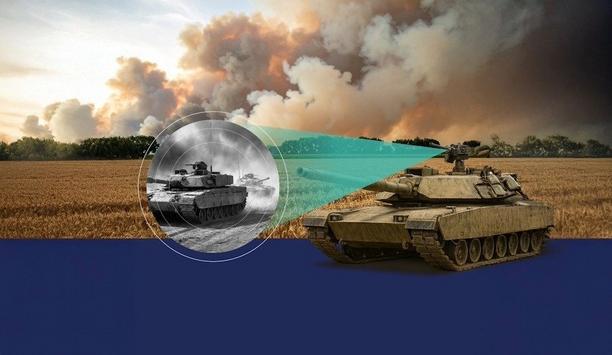
SCD, a pioneer in defense technology specializing in the development and manufacture of cooled and uncooled infrared detectors, has been awarded a strategic contract for hundreds of HD MWIR (Mid-Wave Infrared) detectors from a long-standing customer in Asia. The detectors will be integrated into advanced Remote Weapon Systems (RWS) deployed across multiple global sites. EOIR systems for ground platforms This milestone order is the outcome of a joint development with a long-standing customer...
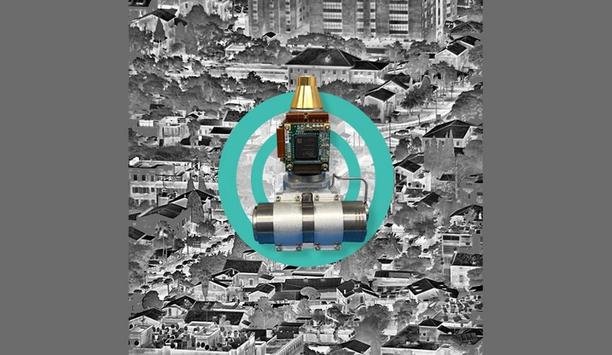
SCD, a global pioeer in defense technology specializing in the development and manufacture of a wide range of cooled and uncooled infrared detectors, announces a follow-on order from a major homeland security integrator for its next-generation HD MWIR (High-Definition Mid-Wave Infrared) detectors featuring extended operational lifetime. Powered by SCD's advanced HOT (High Operating Temperature) technology coupled with robust advanced cooling technology, the new detectors deliver a breakth...

Teledyne FLIR OEM, a Teledyne Technologies Incorporated company (NYSE: TDY) and the global pioneer in enabling thermal imaging innovation, announced its latest Thermal by FLIR collaboration with SYPAQ Systems, one of Australia's pioneering sovereign drone manufacturers. The new CorvoX small unmanned aerial system (SUAS), featuring the NDAA-compliant and ITAR-free Boson® thermal infrared (IR) camera, is under contract to be delivered to the Australian Army in December 2025 under the Australi...
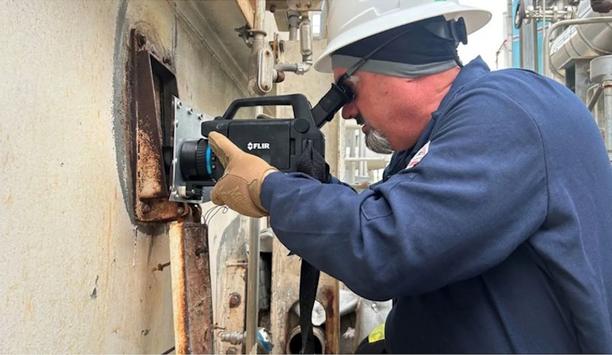
Infrared thermography has become an indispensable tool in the petrochemical and refining industries, and Jason Czajkowski, IRT Thermography Manager at PROtect, is leading the charge in applying the latest technologies to improve safety, efficiency, and asset integrity. A Level III #13966 certified Master Thermographer and CWI, Czajkowski and his team at PROtect are early adopters of FLIR’s newest furnace inspection tool: the FLIR G609. This article outlines why PROtect transitioned from t...

MKS Inc., a global provider of enabling technologies that transform the world, has announced at ADEX Seoul the Ophir SupIR 16-80mm f/1.2 lens, the industry's first compact, continuous zoom lens designed specifically for SXGA (1280 × 1024 pixels) uncooled LWIR detectors with 10-12 µm pixels. By unlocking the full resolution of next-generation LWIR sensors, the SupIR lens enables system integrators to deliver high-performance thermal imagery with reliable detection ranges in a form th...
News
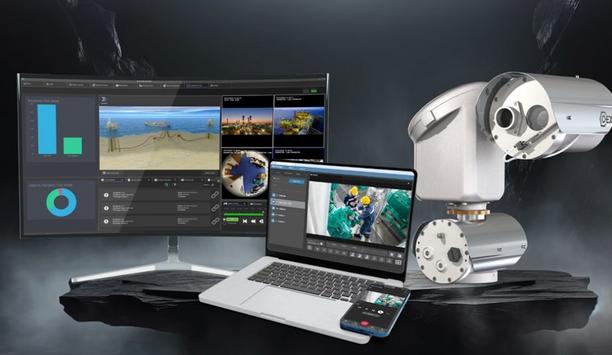
Synectics will showcase the latest advances in AI-enabled surveillance for oil, gas, and transitional energy projects at this year’s ADIPEC and celebrate the 40th anniversary of its COEX camera range. Visitors to stand 15548, Hall 15 – The Chevron Hall, will see how COEX hazardous and safe area camera stations, together with Synectics’ Synergy software, are helping operators cut costs, improve safety, and extend asset life across traditional facilities and new energy developments. Edge-based intelligence and flexibility An important focus for Synectics has been the acceleration of edge analytics within COEX cameras. Building on proven functionality, such as intrusion detection and object tracking, the latest models now incorporate capabilities such as PPE monitoring – traditionally the preserve of control room software. Darren Alder, Head of Oil & Gas at Synectics, comments: “COEX cameras deliver powerful edge-based analytics through advanced in-camera processing. By handling data directly at the source, they significantly reduce server, network, and infrastructure demands while ensuring efficient, precise, and scalable AI-driven performance. Whether deployed with Synergy or integrated with other video management systems, customers gain the real-time intelligence they need to make faster, better-informed decisions.” Cost-efficient camera and capability upgrades Synectics has also added integrated infrared (IR) illumination to its COEX camera range. “This makes a big difference to cost and complexity,” notes Darren. “It’s a straightforward way to improve performance where IR is a real benefit to security and process monitoring, while reducing maintenance overheads.” Cost efficiency is especially important for brownfield sites, oil and gas operators, and vessel ship management companies. To support operators, Synectics has published a practical guide on planning surveillance upgrades the right way – maximizing existing infrastructure while preparing for future requirements. Instead of focusing on wholesale replacement, the guide highlights how operators can extend asset life, strengthen monitoring capabilities, and ensure investments remain resilient. Supporting the energy transition Synectics remains a trusted partner in the oil and gas sector, delivering solutions for offshore platforms and rigs, FPSOs, and gas processing plants. Alongside major contracts in LNG, FLNG, and refining, Synectics is increasingly active in security and surveillance projects that support the energy transition – from carbon capture plants to offshore wind and wider renewables. Ross Chapman, International Business Development Manager, comments: “Operators are looking for solutions that make their facilities secure, safer and more efficient today while also aligning with the future shape of the energy sector. Whether it’s traditional hydrocarbons or renewables, COEX cameras and Synergy software meet these requirements.” At ADIPEC 2025, Synectics will demonstrate how four decades of engineering expertise, combined with the latest edge analytics and integration, continue defining surveillance for mission-critical energy infrastructure.
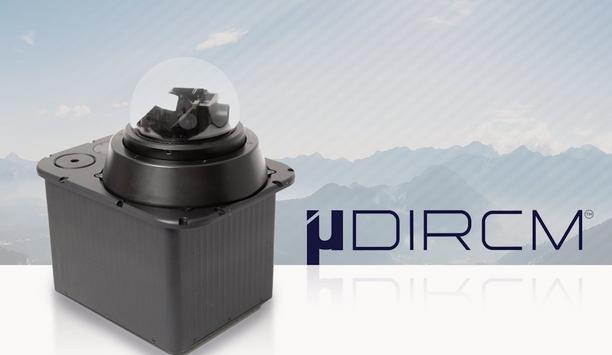
BIRD Aerosystems, a global provider of innovative airborne defense solutions, announces the official launch of its latest development – the µDIRCM : the most compact, lightweight, and cost-effective DIRCM solution available today, developed based on BIRD’s fully operationally proven SPREOS DIRCM technologies. Tailored to meet the growing demand for lightweight defense systems, the µDIRCM enables unique and comprehensive airborne missile defense even for small platforms, UAV’s and light helicopters such as the Airbus H145. Due to its size, weight, and cost, the dual µDIRCM unit’s turret configuration is perfectly optimized for wingtip integration on combat helicopters such as the AH64 Apache, ensuring full hemispheric protection. Autonomous single-LRU solution The µDIRCM is a fully autonomous single-LRU solution weighing less than 7kg The µDIRCM is a fully autonomous single-LRU solution weighing less than 7kg, offering unmatched protection against Man-Portable Air Defense Systems (MANPADS) and other modern threats. Its advanced infrared tracker, combined with high-power all solid-state laser emitters, delivers high-precision jamming, while its dual-band IR confirmation mechanism ensures near zero system false alarms – a key characteristic of BIRD’s DIRCM family. Designed for seamless integration with any missile warning system (MWS), the µDIRCM provides maximal coverage, all while meeting the highest military and civil aviation standards. New standard of protection Matan Perry, CMO & VP Sales at BIRD Aerosystems, stated: “The µDIRCM’s compact size, low weight and cost-effectiveness set a new standard of protection for small helicopters and UAS, which until now could not accommodate traditional DIRCM solutions.” “We are witnessing increasing demand for self-protection system in these segments. Together with BIRD’s mature SPREOS DIRCM, the µDIRCM completes BIRDs portfolio, enabling comprehensive protection solutions ranging from small size platform up to large VVIP aircrafts.” Ronen Factor, Co-CEO and Founder of BIRD Aerosystems, stated: "The launch of the µDIRCM is a major milestone for BIRD. We’ve harnessed our combat proven DIRCM technology and experience to develop the world’s smallest and most effective self-protection system, representing the most advanced DIRCM technology available today." "We are proud to share that the µDIRCM™ has already been selected by global customers and will become operational during 2026."

SCD, a pioneer in defense technology specializing in the development and manufacture of a wide range of cooled and uncooled infrared detectors, announces it has secured $50 million repeat orders from pioneering North American customers for its high-definition SWIR (Short-Wave Infrared) and HD MWIR (Mid-Wave Infrared) detectors. The multi-year contracts include integration of the Cardinal 1280 SWIR detector and HD MWIR detectors into a variety of long-range surveillance applications over the next two years, reflecting the customers’ continued trust in SCD’s field-proven technology and products and further strengthening the company’s position as a pioneering provider of infrared sensors for defense and homeland security. Integrating SCD's sensors Operators using systems integrating SCD’s sensors will benefit from enhanced mission effectiveness Operators using systems integrating SCD’s sensors will benefit from enhanced mission effectiveness, improved situational awareness, and the ability to detect, recognize, and identify targets at extended ranges, even in challenging atmospheric conditions such as smoke, dust, fog, or rain. These operational advantages are enabled by the Cardinal 1280 SWIR detector, which features a very high sensitivity in the SWIR wavelength. The detector’s unique Asynchronous Laser Pulse Detection (ALPD) built-in capability allows users to visualize laser spots with unmatched accuracy, even when the laser is not synchronized with the camera’s frame rate and in poor visibility conditions. This capability is essential for precise target designation and operational flexibility in complex, multi-domain battlefields. HD MWIR detectors’ advanced technical features For long-range surveillance missions, requiring superior thermal image quality and long-range detection and recognition, SCD’s HD MWIR detectors deliver best-in-class performance. The HD MWIR detectors’ advanced technical features and rugged design ensure seamless integration and reliable operation across a wide array of platforms, enabling enhanced mission profiles and operational demands. Evolving needs of modern defense requirements These contracts show SCD’s ability to deliver advanced, scalable infrared solutions tailored to the evolving needs These contracts demonstrate SCD’s ability to deliver advanced, scalable infrared solutions tailored to the evolving needs of modern defense requirements operating in multi-domain environments. “With these contracts, by selecting both our Cardinal 1280 with its high sensitivity and unique ALPD, and our HD MWIR detectors, the customers can provide the most advanced long-range surveillance systems to the end user, with high confidence in performance, quality and mission success. They gain the ability to have a successful and safer mission, operating in standoff mode by identifying, recognizing, and tracking targets at greater distances and in harsher conditions,” said Kobi Zaushnizer, CEO at SCD. Integrated with embedded smart functionalities Zaushnizer added: “These capabilities are essential for next-generation, defense requirements, where more pixels on target, integrated with embedded smart functionalities such as laser spot tracking enable mission-critical performance." "The contract underscores our commitment to technological excellence, reliability, and customer trust, and highlights the proven, operational value our detectors deliver in real-world global defense requirements."
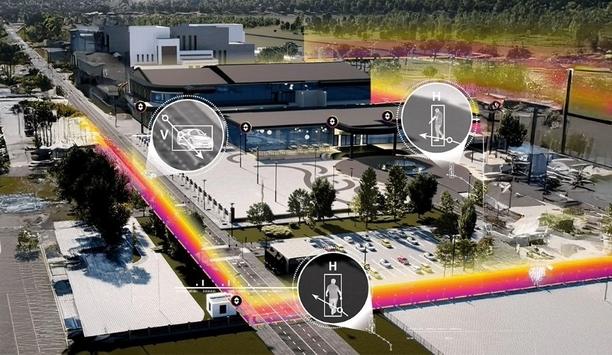
The need for the security response to be accurate, fast, and adaptive has never been more important. A single security breach has the power to impact beyond that immediate ‘moment in time’. It can spiral into potential financial, operational, and reputational damage, taking years to recover from. Not to mention that regulatory and compliance violations can be costly, and legal action and liability claims can be debilitating. The impact to reputational damage and loss of trust caused by negative media and public scrutiny can ruin competitive advantage. Sophisticated intrusion threats The rise in sophisticated intrusion threats is also running alongside a shift in the way operations are handled The rise in sophisticated intrusion threats is also running alongside a shift in the way operations are handled. The introduction to 'always-on' facilities and flexible workforces means traditional security models are no longer sufficient for these new environments. Advanced situational awareness is the ability to rapidly perceive, process, and respond in dynamic environments. It is achieved by creating a proactive security framework that brings together heightened observation, pattern recognition, and predictive thinking to not only react to threats but actively prevent them. Multi-layered security This ability to not just see but to know more about threats in real time, respond with precision, and continuously adapt to emerging risks is crucial for maintaining safety, business continuity, and operational stability. The combination of security technologies strengthens each stage of the security journey Multi-layered security is how FLIR does that. By creating several barriers for potential intruders, it becomes more difficult for them to breach the facility. The combination of security technologies strengthens each stage of the security journey from initial detection through to identification and tracking, stopping threats before they can cause harm. Intelligent imaging FLIR’s multi-layered security solutions integrate intelligent imaging and sensing solutions, along with tools that continuously enhance action and response. The products are designed to provide accurate detections through all hours of the day and, critically, in low light and night. Greater site coverage Increased deterrence and risk mitigation Increased detection accuracy Faster response to incidents Reduced false alarms and increased response dispatch confidence Reduced total cost of ownership Enhanced regulatory compliance and reputational resilience Critical technologies For more than 45 years, FLIR has been at the forefront of the critical technologies that support the protection of people and assets. Their commitment and investment in research and development have delivered some of the key game-changing technological advances in the field. These include the development of thermal solutions for commercial applications and the NEXUS protocol, which enables edge-to-edge communication for fast and accurate tracking. They see beyond products and systems to solutions and behavior. By combining thermal, visible, and ground-based radar imaging with their pioneering video analytics, FLIR’s multi-layered solutions provide users with the strategic building blocks to detect, identify, track, and act over a long range and in any weather condition. Integrated security systems FLIR knows a business is unique, which is why the FLIR multi-layered approach is not ‘one size fits all’ Advances in technology, automation, and integrated security systems have broadened their use, making this level of comprehensive protection more accessible than ever, not just in deployment but importantly, in cost. This means the affordability of strategic security is no longer a question. FLIR knows a business is unique, which is why the FLIR multi-layered approach is not ‘one size fits all’. Users can have the confidence of accurate detection and communication that are specifically designed to be scalable, flexible, and adaptable. Working with FLIR means every organization can implement a strategy that aligns with its own specific risks, operations, and infrastructure. multi-layered security FLIR is launching a series of articles and expert insights designed to help organizations move beyond the limitations of conventional measures to integrate advanced multi-layered security into a forward-thinking security strategy. FLIR will drill down into each stage of the security solution implementation journey, with in-depth analysis of how FLIR’s integration of advancements in thermal, visible, and ground-based radar solutions is transforming detection, identification, tracking, and response. Explore how a strategic, layered approach enhances protection, mitigates risks, and ensures business continuity. Deep dive into FLIR’s next general video analytics and the digital layer of security. Discover how advances such as FLIR vAI (AI-based alarm verification) are offering significant improvements in performance over traditional AI analytics. That’s the FLIR advantage: the combination of their expertise, innovation, and technologies to deliver strategic advantage. It is the power of integrated, tailored security layers that enables users to achieve a more resilient and proactive defense against evolving threats
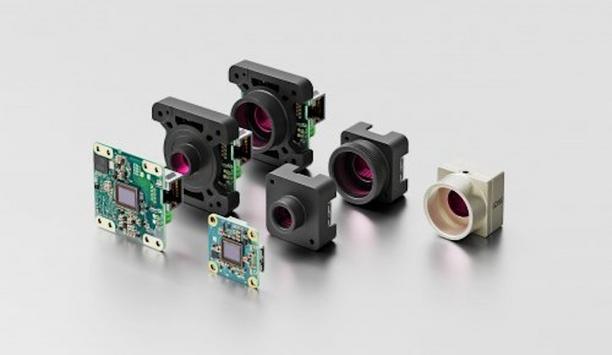
Small camera housings and powerful sensors are not mutually exclusive: IDS Imaging Development Systems GmbH integrates the Sony IMX900 sensor into selected models of the compact USB3 uEye XCP, XLS, and GigE uEye LE series. IDS is thus expanding its portfolio with cost-efficient industrial cameras that deliver pin-sharp images even in confined installation situations. Applications with infrared lighting IMX900 offers an unique cross of high resolution, compact pixel size and excellent image quality As part of the Sony Pregius S series, the IMX900 offers an outstanding combination of high resolution, compact pixel size, and excellent image quality. The 2.25 µm miniature pixels of the compact global shutter sensor with a resolution of 3.2 MP (2048 x 1536 pixels) deliver brilliant results, even with fast-moving objects - ideal for demanding automation and inspection tasks. Another highlight of the sensor is its exceptional sensitivity in the near-infrared range at 850 nm. This makes it the first choice for applications with infrared lighting, for example, in product inspection, in driverless transport systems, or in autonomous mobile robots. Design of the new industrial cameras At the same time, the increased light sensitivity in the red spectral range ensures that even fine details such as barcodes are reliably recognized - even in difficult lighting conditions. IDS is also focusing on efficiency in the design of the new industrial cameras: Thanks to their compact size, they are particularly suitable for applications with limited space, but the highest demands on image quality. Integrating the IMX900 Increased light sensitivity in the red spectral range ensures that even fine details such as barcodes "By integrating the IMX900, we have created a perfect combination of compact design, high-performance sensor technology and an attractive price structure," explains Marcus Rembold, Product Owner 2D Cameras at IDS. "This opens up new possibilities for our customers to realize high-quality image processing solutions even where space or budget were previously limiting factors." Option of flexible lens selection The option of flexible lens selection, with support for C-mount and space-saving, cost-efficient S-mount lenses, provides additional customization options. IDS thus demonstrates how the highest image quality can be achieved even with compact camera models.

Teledyne FLIR OEM, part of Teledyne Technologies Incorporated and the global pioneer in enabling thermal imaging innovation, announces the strategic evolution of the Teledyne FLIR OEM brand. The brand update is highlighted by the launch of a dedicated website, streamlining original equipment manufacturer (OEM) access to technical resources and development support. It is designed to illustrate the four pillars of the Teledyne FLIR OEM approach: unmatched production reliability, innovative integrated solutions, flexible development collaboration, and more than 30 years of certified quality excellence. Supporting the unique advantages of Teledyne FLIR This update better supports the unique advantages that make Teledyne FLIR OEM the trusted and world’s largest-volume supplier of National Defense Authorization Act (NDAA) - compliant and International Traffic in Arms Regulation (ITAR)-free infrared imaging for OEMs. “We are a U.S.-based Other Transaction Authority (OTA)-friendly non-traditional defense contractor, uniquely positioned to support high-speed, high-volume development programs," said Paul Clayton, president and general manager, Teledyne FLIR OEM. "We're not just another supplier—we continuously work to be the lowest-risk choice for intelligent infrared imaging design and manufacturing. Our proven capabilities directly contribute to our customers' mission success." Production reliability Teledyne FLIR OEM delivers thousands of infrared sensors, modules, and cameras daily Teledyne FLIR OEM delivers thousands of infrared sensors, modules, and cameras daily across defense, professional, automotive, and uncrewed applications. By offering scalable, high-volume production, the company ensures not only product quality but also the predictability and consistency that mission-critical OEM applications demand. Integrated solutions Through vertical integration, Teledyne FLIR OEM combines thermal imaging hardware and zoom lenses with embedded Prism software, providing artificial intelligence (AI) and smart infrared imaging at the edge for emerging autonomous operations. This end-to-end control of design and manufacturing enables the delivery of industry-leading performance, reliability, and value, giving OEM customers a decisive competitive edge. Development collaboration & quality excellence The updated brand identity also reflects the Teledyne FLIR OEM commitment to supporting integrators The updated brand identity also reflects the Teledyne FLIR OEM commitment to supporting integrators with a more cohesive and accessible experience. From streamlined collaboration to faster time-to-market, the brand evolution reinforces the company’s role as a flexible, agile development partner for OEMs building next-generation systems. Backed by more than three decades of certified quality manufacturing, the formalization of the Teledyne FLIR OEM brand provides the foundation of reliability that OEM integrators and developers need for long-term product success and customer satisfaction. OEM partners can explore the enhanced experience and access dedicated development support resources at the new website.

Expert commentary
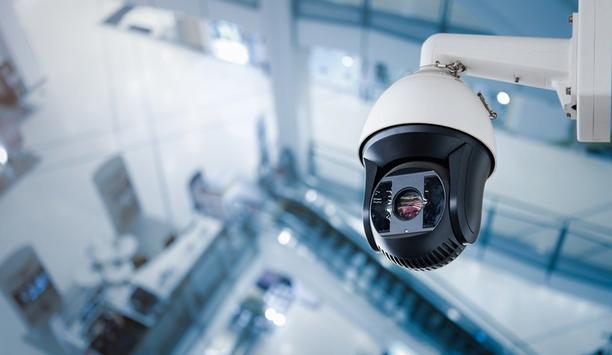
With the rise of organized retail crime (ORC) making headlines, retailers are grappling with the dual challenge of safeguarding both their staff and store assets, while addressing the economic pressures that impact profitability and consumer demand. RFID technology The key lies in identifying effective solutions to counter the current surge in ORC, enabling retailers to secure their vulnerable staff and protect inventory for paying customers. Technology plays a crucial role in supporting brands on this mission, with RFID technology continuing to be a valuable solution. It aids retailers in gaining better control over retail crime, leveraging inventory data. The ongoing surge in retail crime Inflation has elevated the challenges around affording items, prompting criminals to target the retail sector Seen as a global issue, the British Retail Consortium recently reported that incidents of theft have increased by 27% across 10 of the largest cities in the UK, with some cities reporting up to a 68% increase. In the US, retailer Target reported an inventory loss of $500 million for 2023, amounting to a 100-basis point hit to gross margins in 2023. The current surge in theft is not attributed to a singular cause. Inflation has elevated the challenges around affording items, prompting criminals to target the retail sector. Lack of preventive measures A significant contributing factor is the lack of sufficient preventive measures by law enforcement, which in some cases has led to a rise in more severe incidents. However, the implementation of technologies like RFID allows retailers to efficiently build cases against criminals, putting them in a stronger position when it comes to reporting thefts. Not all retail crimes are orchestrated by large entities or executed through sophisticated methods. Some stores have seen a reduction in staff numbers and, as a result, there are fewer people on the shop floor, making it easier for shoplifters to carry out their activities unnoticed. The true impact of retail crime Over 70% of retailers believed the threat of ORC had increased over the past five years, according to a recent survey The impact of retail crime on businesses extends beyond financial and economic consequences; it has also led to a surge in violence against retail staff, an ongoing trend elevated by the pandemic. Over 70% of retailers believed the threat of ORC had increased over the past five years, according to a recent survey conducted by the National Retail Federation. This escalation in violence not only results in immediate repercussions but also contributes to long-term mental health issues for staff, fostering an atmosphere of insecurity that has compelled some retailers to close their physical stores. Policy implementation Given the challenge of staff retention across various businesses, addressing retail crime becomes an even more urgent matter. Additionally, retailers are wary of their employees facing potential danger and the prospect of legal action. Consequently, many have implemented policies prohibiting employees from actively intervening when confronted with shoplifters. Privacy concerns with facial recognition Retail crime also affects customers, as businesses seek to offset losses by raising prices Retail crime also affects customers, as businesses seek to offset losses by raising prices, further burdening financially strained consumers. The presence of visible security systems not only makes stores more hostile but also diminishes the overall customer experience. While facial recognition technology is considered a potential solution, privacy concerns have emerged in its various applications. Today’s problems, yesterday’s solutions Retailers are resorting to historic measures such as steel cables, physical monitoring, or plastic screens to resolve customer issues. However, the reality is that these solutions are unfit for solving the problem, causing friction for both customers and staff. Digital solutions The newer approach involves equipping retail staff with body cams and providing new training The newer approach involves equipping retail staff with body cams and providing new training to deter shoplifters. Some stores are even offering the police discounted food and beverages to encourage their presence. The responsibility lies with management teams to seek effective solutions. In an era dominated by data and technology, retailers must shift their focus from traditional security methods to digital solutions that align with the challenges of today’s society and modern retail environments. Shrinkage When discussing theft or organized retail crime, retailers commonly use the term "shrinkage," referring to not only theft but the broader issue of lost inventory. Additional drivers of shrinkage include damage, fraud, and internal theft. A significant problem arises as losses are often based on guesswork and estimates rather than concrete numbers. Retailers may lack a comprehensive understanding of their inventories, further increasing the issue of shrinkage. Combating shrinkage Utilizing RFID technology notably helps in boosting inventory accuracy Some retailers still struggle with limited knowledge of the whereabouts of items, a challenge heightened by the issue of shrinkage. Utilizing RFID technology notably helps in boosting inventory accuracy. This enhancement enables retailers to obtain a clearer understanding of their inventory and the precise locations of items. Comprehensive strategy Changes in the in-store experience have highlighted the relevance of RFID, especially as self-service checkouts encounter double the shrinkage levels compared to traditional checkout stores. To combat retail theft effectively, a comprehensive strategy should involve the integration of labels, deactivation, electronic article surveillance, and data analytics. This combination works synergistically to reduce shrinkage and enhance product availability. Retail data analytics platforms RFID data can swiftly alert nearby stores, providing an opportunity for staff to monitor shop floors Linking hardware to an underlying data analytics platform empowers retailers to make more informed decisions. Retail data analytics platforms delve into alarms, deactivations, and visitor metrics, providing a deeper understanding of theft patterns. RFID technology drives efficiency by pinpointing frequently stolen items, allowing for the identification of theft patterns. In instances of flash mobs in major metropolitan areas, RFID data can swiftly alert nearby stores, providing an opportunity for staff to monitor shop floors and incoming customers. Real-time optimization The crucial question remains whether both shoppers and retailers are prepared to shoulder the responsibility for these additional precautions. Nevertheless, these changes leverage data more effectively, optimizing loss prevention strategies almost in real-time rather than relying on biannual inventory counts, therefore transitioning from static to dynamic loss prevention. Holistic approach Striking a balance between security measures and providing a seamless shopping experience is key In a retail environment, not all items require protection, and prioritizing the safeguarding of the most frequently stolen and valuable items can significantly impact shrinkage. A holistic approach to retail theft is imperative, considering the entire journey of an item through the retail environment. Striking a balance between security measures and providing a seamless shopping experience is key. Protection without hindrance As stores move towards being checkout-free, retail criminals (or ORC gangs) will be presented with lucrative opportunities to steal, so retailers need to be one step ahead by introducing unobtrusive and effective technology solutions. For example, case building can be improved with item-level data. RFID data offers a more precise means of assessing the value of stolen items compared to relying solely on CCTV. It provides detailed insights into the specific items removed from the store and the timing of these incidents. This proves beneficial in tracking repeat offenders. Increased visibility with a proactive approach The modern retail environment continues to evolve and criminals are never far behind. RFID technology plays a crucial role in minimizing shrinkage by enhancing inventory visibility. Moreover, it leverages the power of data to stay ahead, enabling better predictions of retail crime and the formulation of prevention strategies. This proactive approach allows for the implementation of more tailored solutions to alter outcomes positively.

Open platform video technology software is more than just a product; it's a tool that helps customers achieve their desired business outcomes. Safety, round-the-clock security, and increased operational efficiencies are now the norm due to video technology. Responsible Technology Despite humanity’s impressive technological advances, we also recognize the immense responsibility that comes with technological innovation. It's not enough to focus solely on the positive impact video technology can make, we must also be vigilant in identifying and addressing any potential negative consequences it can have on society and its citizens. This is the role of Responsible Technology. Data privacy We want to use all the good things that technology innovation brings, whether it be video, AI, ML, facial recognition, etc. We want to use all the good things that technology innovation brings, whether it be video, Artificial Intelligence, machine learning, facial recognition, etc. to serve people in societies in a responsible way. That means making sure that we regulate technology in a way that respects human rights and data privacy. Addressing the challenges The challenge is, that rather often technology leaders and policymakers either have conflicting interests or collaborate too late. To be responsible, business leaders must support their societies and policymakers in making regulations in the interest of the common good. At Milestone Systems, we are actively looking at how we develop our software responsibly, how our partners responsibly sell our software, and very importantly, how our customers use our software with a responsible mindset. Ensuring good corporate governance As a long-time partner within the security industry, we’re celebrating our 25th Anniversary this year, we are supporting the regulation of video technology for the good of society. However, it of course needs to strike the fine line between the right legislation and not hindering innovation. UNGP The UNGP is the most authoritative and widely adopted set of principles for responsible business At Milestone Systems, we want to play an active role in this and that is why we have pledged our support to the UN's Guiding Principles on Business and Human Rights (UNGP). The UNGP is the most authoritative and widely adopted set of principles for responsible business. The principles call on governments and companies to identify, prevent, mitigate, and remedy actual and potential human rights abuses. Since its launch in 2011, the UNGPs have received wide support from states, civil society organizations, and the private sector, making them the key global foundation for business and human rights. Protect, respect, and remedy Through this commitment, we are taking steps to ensure good corporate governance and ethical standards in the development of our technology. We're generating mechanisms to prevent misuse and we are building educational practices internally. Based on the UNGP’s three pillars: protect, respect, and remedy, we are developing a set of Responsible Technology Principles and procedures for the development, selling, and use of our products. Need for video technology regulation In addition, we are currently evaluating all the various technology areas in which our video software can be used, such as with third-party integrations that utilize e.g., facial recognition. We are mapping out the advantages and disadvantages for societies. One key area of concern is how local authorities are mapping and storing data about us as individuals. This is the reason why we're inviting more legislation to regulate video technology rather than less. Engaging With policymakers We are meeting ministers and trade organizations as we believe this needs to be a joint effort where all parties are heard We are proactively reaching out to and connecting with policymakers and other relevant stakeholders to discuss our approach to and take on Responsible Technology and encouraging the political landscape to work with us around regulation and legislation. We are meeting ministers and trade organizations as we believe this needs to be a joint effort where all parties are heard and where we can openly weigh the advantages and the challenges of technology, whether it is video, facial recognition, machine learning, Artificial Intelligence, or other technologies. Striking a balance Implementing Responsible Technology is a journey, not a destination. To give it the focus needed, we have created a dedicated team to implement this initiative at Milestone Systems. At the same time, we are reaching out to the political landscape to discuss how we balance regulation without hindering innovation. Video technology used ethically We are a global company with worldwide operations, and we are having dialogues about how video technology is being used and how we can have meaningful talks about what regulation and legislation should look like. However, we don’t necessarily want to limit access to the technology itself. Facial recognition We encourage the policymakers to engage with us in the industry so that together we can strike the fine line Facial recognition is a great example of this. The EU is considering making live facial recognition illegal. That would be a huge inhibitor of proactive terrorism prevention. For example, if a well-known terrorist is walking down the street and is being mapped out against Interpol’s most wanted list, the authorities should be able to react. However, if a person walking down the street but is not mapped out or does not have any priors then the city should not be allowed to store the data of that individual’s whereabouts at that point in time. This potential legislation is concerning to me as a citizen of Europe. Instead, we encourage the policymakers to engage with us in the industry so that together we can strike the fine line for the better good of all of us. Maintaining high ethical standards We have a firm understanding and expectation that ethical standards are a huge driver in the security business. Citizens are not in favor of technology companies abusing data about them and monetizing from things that they have not opted in to do. Soon, I think we will see many more companies and governments leaning toward suppliers that do have a responsible mindset and high ethical standards for partnerships. Ethical practices Our journey toward Responsible Technology is an ongoing process, and we must remain steadfast in our commitment to ethical practices and the protection of human rights. We recognize that the rapidly changing technological landscape continually presents new challenges and opportunities. For this reason, we continuously look into how we can improve, for example, our end-user license agreements to avoid potential human rights abuses. An industry responsibility Security companies must prioritize careful planning and preparation, including developing policies and procedures For Responsible Technology to truly become a reality, compliance with international human rights laws and data privacy regulations is critical. Security companies must prioritize careful planning and preparation, including developing policies and procedures that govern the ethical use of video surveillance systems. The secure and ethical community In today's technology environment where deep integrations, machine learning, and artificial intelligence are becoming the norm, Responsible Technology is more relevant than ever. The security industry has a unique opportunity to set an example for other sectors by promoting a secure and ethical development community that prioritizes Responsible Technology, trustworthy data collection, and the protection of human rights. We must all rise to this challenge and embrace our role as ethical leaders for the greater good of both people and societies.
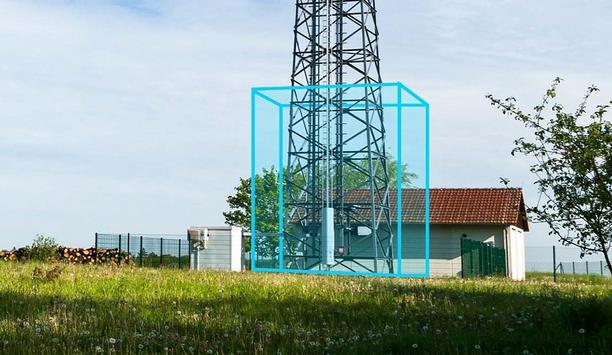
Inadequate security measures on your essential infrastructure can have severe consequences. Consequences Consider the rail industry: If a vandal cuts the cables on a vital mechanism that controls train signals, train safety is jeopardized. To avoid train collisions or derailments and thus significant damage to property and potential loss of life, the operating company must shut down the service until the infrastructure is repaired and the network is up and running again. The disruption affects the rail ecosystem itself, but also the people using the trains, the transportation of cargo, and more. The financial cost of repairing the damage, restoring signal functionality, and compensating for delays can be substantial. For another example, consider electrical substations: A fire or targeted attack can damage the system and lead to devastating power outages. Traditional surveillance limitations Traditional video surveillance has its limits when it comes to protecting transformer stations Traditional video surveillance has its limits when it comes to protecting transformer stations. The facilities are often located in rural areas, where straying animals or flying leaves trigger false alarms. 3D Surveillance solutions overcome these challenges by volumetrically securing the area and immediately detecting intruders only raising the alarm in the event of a human intruder and even identifying drone attacks. Protecting critical infrastructure with 3D surveillance Critical infrastructure must be monitored. It remains at risk if operators do not have systems for monitoring entire areas rather than just the periphery if security personnel has limited information in case of an intrusion and if security response protocols are not automated. 3D Surveillance solutions 3D Surveillance is an important tool for protecting critical infrastructure and ensuring the safety of those who rely on it. Integrating LiDAR technology, 3D Surveillance solutions provide a comprehensive view of the area being monitored with real-time monitoring and response, protecting critical infrastructure from damage and providing a more comprehensive security system. Advanced analytics and artificial intelligence Security personnel can identify and verify threats more easily and track the movements of individuals or vehicles, as well as respond to incidents as they happen. 3D Surveillance systems can be equipped with advanced analytics and artificial intelligence (AI) capabilities to detect patterns and anomalies that may indicate a potential threat. This can help to prevent potential attacks or accidents before they occur, as well as enable more accurate responses to incidents. Talent challenge Turning to autonomy by implementing sensor- and software-based solutions requires fewer if any, in-person patrols 3D Surveillance can also help tackle the talent challenge in the industry: Recruiting security professionals involves extensive background checks, and jobs in the industry are notorious for their low salaries, which results in high staff turnover. Turning to autonomy by implementing sensor- and software-based solutions requires fewer if any, in-person patrols and ensure reliable infrastructure protection. Additional security measures In many countries, more stringent legislation now mandates the implementation of additional security measures to safeguard critical infrastructure, particularly at a country's points of entry, such as airports and harbors. Protecting the perimeter is no longer enough. For instance, airport management must ensure that critical areas, including the space around aircraft and near unauthorized access points, are secure. While multi-layered screening of individuals at the perimeter is a valuable security measure, it must be complemented by smooth and efficient surveillance of the entire area, which can only be achieved through advanced technology. Different adoption rates 3D Surveillance technology is only beginning to gain traction in most locations, and adoption rates differ significantly from one region to another. For instance, Scandinavia and Eastern Europe have embraced 3D Surveillance to a greater extent than Western Europe. Regions with lower adoption rates will likely catch up as they seek to reinforce the security of their critical infrastructure, especially given the conflict in Eastern Europe. Vandalism and damage protection 3D Surveillance enhances the security of critical infrastructure, reduces the risk of downtime and loss of revenue 3D Surveillance offers reliable protection against vandalism and damage - major concerns for companies that rely on critical infrastructure. LiDAR-based, software-enhanced 3D Surveillance solutions provide real-time insights and enable automatic processing of the information so that operators can autonomously and quickly detect and respond to potential threats. These solutions are scalable and customizable, allowing companies to adapt their security measures to their unique needs and changing environments. 3D Surveillance enhances the security of critical infrastructure, reduces the risk of downtime and loss of revenue, and ensures compliance with regulatory requirements. Asset management and maintenance planning Beyond its security benefits, 3D Surveillance can help with tasks such as asset management and maintenance planning. It can help identify potential problems or maintenance needs before they become more serious issues by providing a real-time view of the monitored infrastructure. This can help to reduce downtime and keep critical infrastructure running smoothly. Real-time management The same technology can also perform volume monitoring tasks and thus facilitate the management of valuable resources such as bulk material, grain, wood chips, or chemicals. By scanning the stock 24/7 and automatically calculating stock volume updating records in real-time, this technology supports lean production systems and automated processing.
Security beat

The COVID-19 global pandemic will have a profound and lasting impact on the physical security industry. It will boost adoption of new technologies to address new types of threats. It will map out a path for new involvement of physical security technologies in areas of public health. It will raise new notions of privacy and turn previous thinking about privacy on its head. And the aftermath of the pandemic will give rise to all these changes in a breathtakingly accelerated timeframe. In the wake of the pandemic, change will come faster than ever, and the industry will be more challenged than ever to keep pace. Security and the futureIn the wake of the pandemic, change will come faster than ever, and the industry will be more challenged than ever to keep pace These were some of the thoughts I heard recently in a panel discussion titled “Crisis and the Everyday,” which was part of Genetec’s Connect’DX virtual trade show, April 20-21. The virtual conversation – emphasising both in form and content the current topsy-turvy state of the world – included interesting insights on the current pandemic and its near- and long-term impact on the industry. “In the middle of this pandemic, there is an opportunity to help security reinvent itself,” said Brad Brekke, Principal, The Brekke Group, one of the panelists. “Amid the business disruption, we should ask ‘what’s the new playbook?’ It’s an opportunity for security to look at ourselves now and look at a business plan of what the future might look like. We need to align with the business model of the corporation and define our role more around business and not so much around security. “How do you support the business and, more broadly, societies and communities?” The new normal for security The “new normal” for security will include addressing biological risks alongside our traditional emphasis on physical risk and digital risk. “Some industry sectors are being challenged in a way I have not seen in my lifetime,” said Brekke. “But they are learning fast.” “We should take a look at where we have been and where we are going,” said Brekke, whose firm develops comprehensive strategies to align security organizations with corporate missions. “This is a point in time that has never existed, and a time to take a fresh look at what security is to the corporation and greater community. It’s more a mindset than a specific set of tasks. “We just need to take a fresh look from a mix of perspectives.” “Crisis and the Everyday" was part of Genetec’s Connect’DX virtual trade show Infrared cameras and access control technologies New technologies to address the pandemic are enabling some nations around the world to track how people come and go and who they are exposed to. Technologies like infrared cameras are being used to detect body temperatures, and access control helps to monitor occupancy and social distancing. But what will such use of these technologies mean in the long term? Technologies like infrared cameras are being used to detect body temperatures, and access control helps to monitor occupancy and social distancing “We will see whether people will become more comfortable with this technology,” said Ken Lochiatto, President and CEO, Convergint Technologies, a service-based security integration company. “Tools are in hand, and coming soon, that will allow us to be more proactive, to step in and measure the health of colleagues, for example,” said Lochiatto. “There are a lot of questions that will have to be addressed, and a lot of discussion will have to happen. Coronavirus will knock down the barriers (to the use of newer technology) in the short term, but where will it settle two years from now?” Manufacturer philanthropy Security product manufacturers are expanding their scope beyond law enforcement and emergency management and stepping forward to help with the public good. “Technology in the security space is moving faster than the political establishment is thinking about,” adds Lockiatto. “We have to manage it as an industry so the government will not step in. We need to manage the discussion.” An accelerated timeline will raise the stakes even further. “All the questions that would have taken longer to answer will be answered in the next 6-8 months. For the security industry, it will drive even greater need for products,” said Lochiatto. “The biggest question is ‘Where does this all go?’” said Brekke. “What is the new normal? What is the future, and how do we prepare our companies for it? What does technology look like in the future? There isn’t just one particular set of questions, just a constant stream of ‘What’s next?’” Public health versus individual liberty The current environment of disruption will shift the playbook and rebalance the tradeoff between privacy and protection, especially as it pertains to sharing medical information. “There will be a new balance between public health and safety as a whole versus individual liberties,” said Brekke. “Technology providers need to be at the table talking about the solutions. We should all be engaged in government affairs to balance the discussion and add our own perspectives. As a society and country, we have to come to a different perspective on this.” The current environment of disruption will shift the playbook and rebalance the tradeoff between privacy and protection “There are not enough ethics and guard rails,” said Jonathan Ballon, Vice President and General Manager, Intel Corp. “The majority of people are not afraid enough. They should be afraid; we need more regulation. We need to establish an ethical code of conduct for use of technology in these situations. We need to eliminate bias, respect individuals, and ensure people are being treated fairly. “In the next several years, there will be a lot of experimentation in the quest to get to a future state we can see and almost grasp. There will be black eyes and bruises on the path to getting there.” From smart security to more intelligent technology After the pandemic, the innovation climate will befit new technology adoption. “Platforms are only limited by our imaginations, and it creates an extraordinary opportunity and drives a lot of economic value,” said Ballon. “Long-term, the future is extremely bright. Companies should ensure that they are resilient and take advantage of another period of technology adoption, which we see coming out of every economic downturn.” After the pandemic, the innovation climate will befit new technology adoption Another evolution in the market is a transition from “smart” systems to more “intelligent” ones. Intelligence includes the ability to “learn” using tools such as deep learning and artificial intelligence. “Systems are going from smart to intelligent to autonomous, including systems that can operate within the constraints we have established,” said Ballon. Pierre Racz, president and CEO of Genetec, offered some words of caution about the growth of artificial intelligence in his keynote presentation, “AI Hype Self Defense.” Racz sought to provide guidance on the limits of the technology and urged the online audience to be skeptical of technology that “works best when you need it least.” “Science and technology are morally neutral,” he said. “How we use them is not.” Intelligent automation over artificial intelligence Specifically, Racz contends that artificial intelligence “doesn’t exist” and provides the “reasoning power of an earthworm”. AI systems don’t know anything that isn’t included in their input data – for better and for worse. Racz contends that artificial intelligence “doesn’t exist” and provides the “reasoning power of an earthworm” “A properly designed system can be useful [only] if you engineer around the false positives, false negatives and the unanticipated training set biases,” said Racz. For example, because AI is based on probabilities, it doesn’t perform as well when identifying improbable things. In lieu of “artificial intelligence,” Racz recommends the term “intelligent automation” (IA), which describes using a machine (computer) for heavy computational lifting and keeping a human in the loop to provide intuition and creativity. “Do not misinterpret crafty guessing for intelligence or thinking,” Racz warns. “AI doesn’t exist, but real stupidity exists. And we must design our systems taking into account the legitimate fears of the public we serve.”

The excitement of ISC West 2019 continued until the very end – almost. Exhilarated by the first two busy days of the show, attendees and exhibitors seemed to welcome a slower third day. There were no complaints about booth traffic, and still plenty of thoughtful conversations taking place, everyone determined to maximize the value of face time with customers until the last second. Building An IoT Ecosystem In SAST At a show lacking in high-profile new technology announcements, the biggest news is perhaps the possible long-term impact of first-time exhibitor Security and Safety Things (SAST), a Bosch startup. SAST is building a new Internet of Things (IoT) ecosystem for the security and safety industry, including an app store, an open and secure camera operating system, a software developer environment, and a portal for integrators. SOCs (system-on-chips inside cameras) are becoming much more capable" Their 1,800-square-foot booth was big for a first-time exhibitor, and the American football theme was well received, as was the substance of the company’s effort to drive innovation in a highly fragmented industry. Seeing actual cameras and apps on display at the ISC West booth is “more real than PowerPoint,” says Hartmut Schaper, CEO of Security and Safety Things (SAST). “For us, seeing is believing,” says Schaper. “It was important for us to show cameras and apps for the first time. People are surprised at how far down the road we are.” “This dynamic will change in the industry,” says Schaper. “SOCs (system-on-chips inside cameras) are becoming much more capable. Soon there will be more processing power on the edge. People will find a way to use the extra processing power.” “Seeing is believing” at the SAST booth at ISC West 2019, where CEO Hartmut Schaper showed several manufacturers’ cameras whose functionality can be expanded using Android apps Developing More Apps Several large manufacturers are already involved in the initiative, but there are some holdouts. “We are having ongoing talks with everyone to convince them to join,” Schaper says. “Some of the bigger ones will come around. We are not a camera manufacturer, and not a threat. We are owned by Bosch but are managed completely separately. There will be more and more apps developed, and momentum will increase.” “A year from now we will have successful customers we can talk about, and more camera manufacturers on board,” he says. “This year we are taxiing on the runway, but next year we will have cleared the tarmac and be climbing.” If the approach succeeds, their first appearance at ISC West will be remembered as historic. Future Of Surveillance Cameras Off the show floor, in a nearby meeting room, chip maker Ambarella demonstrated technologies that will be driving the future of video surveillance cameras, including more intelligence at the edge. “People have been using more traditional video analytics approaches, though most of them have been disappointing,” says Chris Day, Ambarella VP of Marketing and Business Development. “What is ground-breaking now is the use of neural networks and real artificial intelligence, which has increased capabilities 100x. "You will see camera products coming out over the next year that are massively better than before. It’s not just incrementally getting better. Cameras will be coming out later this year with analytics that are absolutely amazing based on [the new chips.]” Larry Anderson, editor-in-chief of SecurityInformed.com, talks about Ambarella HDR and Low Light Solutions with Jerome Gigot, Senior Director of Marketing for Ambarella. (Source: Ambarella) New Systems-on-Chips Ambarella has introduced four new systems-on-chips (SoCs) in the last year, with emphasis on computer vision (video analytics). The newest is the S6LM Camera SoC with 4K imaging technology, unveiled at ISC West. The S6LM includes Ambarella's latest high dynamic range (HDR) and low-light processing technology, highly efficient 4K H.264 and H.265 encoding, multi-streaming, on-chip 360-degree de-warping, cyber-security features, and a quad-core CPU. People shouldn’t forget what a good camera is, and there doesn’t have to be a tradeoff" “With so much focus on AI and computer vision, I’m concerned the industry has taken focus away from low light imaging, wide dynamic range and image quality,” says Day. “You have to see the details in an image. People shouldn’t forget what a good camera is, and there doesn’t have to be a tradeoff, it’s all included in one chip.” From Products To Systems With a new general manager on board (Daniel Gundlach, formerly of Bosch), FLIR Systems Security Division is continuing its transition from a product company to a solutions provider, removing internal silos to clear the path. FLIR offers a strong end-to-end portfolio for Smart Cities applications, including the TruWITNESS line of body worn cameras and newly acquired Aeryon drones. FLIR’s historical strength as the top thermal imaging provider continues, but today they are much more than a thermal imaging company, offering visible day/night cameras, infrared pan-tilt-zoom cameras, video management systems and other technologies to provide a broader platform. FLIR's Saros security cameras combine multiple security technologies, including thermal sensors, high-resolution visible imaging, IR and visible LED illuminators, onboard analytics and two-way audio and digital input/outputs. Products In Critical Infrastructure Applications In addition to Safe Cities, FLIR installs a range of products in critical infrastructure applications, such as oil and gas and electric utilities. Ports also tend to combine traditional security with an emphasis on perimeter protection, a FLIR strength. Existing perimeter protection applications can open opportunities for the broader platform. For example, installing a complete system in an airport that already uses FLIR’s thermal technology represents “low-hanging fruit” for the company, says Fredrik Wallberg, FLIR Director of Marketing – Security and Intelligent Transportation Systems. Ambarella demonstrates its latest imaging technology for video security during ISC West 2019 (Source: Ambarella) Integrated Solutions Bosch's Focus At the Bosch booth, there was an emphasis on integrated solutions and the customer experience. A mock retail store setup demonstrated systems such as overhead cameras for people counting and alarm communication to provide an alert if a refrigerator door is left ajar. A wireless panic button generates a silent alarm, communicates with a 2-way radio, and triggers a camera to focus on the area. An AVIOTEK IP camera alarms if there is a fire, based on observing actual flames rather than smoke. A new Bosch fixed dome camera series offers wireless remote commissioning capabilities that reduce installation and set-up time by up to 75 percent. Set-up only takes three steps: install the mounting bracket, connect the cables, and attach the camera module. Commissioning can be done wirelessly or remotely with no need for ladders or lifts. Dahua Marks Five Years In The States An IR illuminator is attached to each lens module to ensure there is always illumination in the field of view Time flies in the security industry, and it has already been five years since the Dahua brand entered the U.S. market. Today the company offers products through ADI and some 20 distributors, and has more than 30 technical consultants and technical support employees and 50 or 60 sales people in the field (including independent rep firms). “We are growing,” says Tim Shen, Director of Marketing at Dahua Technology USA. “It’s exciting for the company.” At ISC West, Dahua introduced a line of Multi-Flex panoramic cameras with lens modules that can be repositioned along an internal track for 180-, 270- or 360-degree views, providing flexibility for integrators. An IR illuminator is attached to each lens module to ensure there is always illumination in the field of view. Cost savings come from ease of installation (one camera instead of four) and only one VMS license (instead of four). AI And Night Color Cameras Dahua is also emphasising its Night Color cameras that remain in full color mode regardless of how dark it gets. There is no IR illumination or IR cut filter – the camera stays in color mode and displays any visible image in colour with as little as 1 lux of illumination. The 2 megapixel version is on display at ISC West, and a 4 megapixel version will come in the fall. A year ago at ISC West, Dahua emphasised its initiatives in artificial intelligence (AI) in order to position the company as a technology leader. This year, the message was more general – ‘Power Through Technology.’ The range of Dahua technologies includes AI, Night Color, Starlight low-light imaging, fifth-generation HDCVI, and e-POE (Enhanced Power over Ethernet). Dahua USA's Director of Marketing says "the market itself likes AI", and expects more AI applications to follow (Source: Dahua USA's LinkedIn) “When we present AI to customers, they are happy, but when it comes to the budget they don’t have it,” says Shen. “The market itself likes AI, and it’s very much a buzzword. But we still need a proof of concept that it can do something good for end users. We need time to develop broader applications. The ‘smart retail’ market and education are good places to start.” he says. “AI is for project business,” adds Jennifer Hackenburg, Dahua’s Senior Product Marketing Manager. “Projects that are looking at AI haven’t come to fruition yet; they are still in the pipeline. It’s not for your everyday business. They are implementing it, but not as fast.” Access Control Beyond Doors Access control should extend beyond doors. That’s the message I heard at the ASSA ABLOY booth, which displayed a variety of physical locks and intelligent access systems. An example is traffic cabinets, those metal boxes in public locations that could potentially be accessed to invade an internal network. ASSA ABLOY emphasises the need to secure the variety of enclosures, cabinets, drawers and small spaces ASSA ABLOY emphasizes the need to secure the variety of enclosures, cabinets, drawers and small spaces throughout an enterprise. The company’s ‘security continuum’ message draws attention to the need for the right level of security for the right opening, using existing infrastructure as well as new electronic technologies. “Customers face a combination of non-traditional access control and questions on how they can secure things that are not doors,” says David Corbin, ASSA ABLOY Director of Access Control Accessories. The security message is resonating beyond the traditional security department to involve other stakeholders in an enterprise, including IT directors. There is new awareness of vulnerabilities that have been there forever, such as traffic cabinets that can be opened with a key purchased on eBay.

Security is among the defining topics at the Consumer Electronics Show (CES) 2019 this week in Las Vegas. More than 4,500 exhibiting companies are participating, including some 1,200 startups, highlighting the next wave of innovation in consumer electronics – and security. Twenty-four product categories at CES feature solutions to transform how consumers live, work and play. Technologies being highlighted include 5G connectivity, artificial intelligence (AI), augmented and virtual reality, smart homes, smart cities, and machine intelligence. Video is an important element at CES. This year, the focus is on intelligent video. For example, Eyecloud.ai, Santa Clara, Calif., is displaying a home security camera with on-device face recognition that uses AI. Powered by a 12-core Intel Movidius VPU (video processing unit), the camera combines AI-on-the-edge with easy setup and wirefree operation for up to six months per battery charge. On-Device Artificial Intelligence On-device AI is the next big trend in smart home surveillance, and deep neural networks will drive the future of do-it-yourself home automation SimCam, an Intel partner, demonstrates how the Intel Movidius VPU can turn a security camera into ‘the ultimate vision-based sensor’. On-device AI is the next big trend in smart home surveillance, and deep neural networks will drive the future of do-it-yourself home automation. A variety of other residential video systems are also on display at CES. For example, Swann Security is displaying 4K wired security systems featuring Google integration, a wireless smart security camera with True Detect heat-based PIR (photo infrared) motion detection, a video doorbell and chime with two-way talk, and indoor and outdoor wi-fi cameras with Alexa integrations. Intelligent Automotive Solutions Camera system-on-chip (SoC) company Ambarella is introducing the new CV25 camera SoC at CES. It combines advanced image processing, high-resolution video encoding and CVflow computer vision (video analytics) processing in a single, extremely low-power design. The CVflow architecture provides Deep Neural Network (DNN) processing required for a new generation of affordable and intelligent home monitoring, professional surveillance and aftermarket automotive solutions. CV25 offers half the performance of Ambarella’s previously released CV22 chip, but the new chip’s lower cost will bring intelligent cameras to a price point desirable for home systems. All Ambarella’s chips have hardware-based cybersecurity. A suite of advanced cybersecurity features protects against hacking, including secure boot, TrustZone, and I/O virtualization. Based on 10nm ultra-low power processing technology, the CV25 chip is optimized for wirefree cameras applications that require long battery life and small form factors. Camera system-on-chip (SoC) company Ambarella is introducing the new CV25 camera SoC at CES Virtual Security Guards Elsewhere, the Deep Sentinel home security system applies video and AI to predict residential break-ins ‘before they happen’. The Pleasanton, Calif.-based tech startup uses ‘AI-infused security cameras’ to keep an eye on your home. Three wireless 1080p full HD cameras provide night vision and PIR motion sensing, connected by a smart hub. Using proprietary artificial intelligence, the cameras act as virtual guards, watching activity around a house and providing alerts to situations that may lead to burglaries, break-ins, package thefts and other dangers. My Safe Patrol is an AI-driven platform that analyses data aggregated from security personnel, citizen alert systems and IoT smart devices, and responds with geolocated alerts in real-time. My Safe Patrol effectively supports the security/safety ecosystem of a building, a campus, a city or a district through a dynamic dashboard that helps command and control operations manage and deploy security plans. AI-Integrated Devices Showcased solutions include Smart Living integration of video surveillance applications to enable real-time two-way audio and video streaming simultaneously MicroVision, Redmond, Wash., showcases an interactive display engine for AI-connected devices, providing an integrated solution for projected display and interactivity through multi-point touch and air gestures. MicroVision’s new consumer 3D LiDAR engine provides high-fidelity spatial awareness to smart home hubs, for input to smart devices such as lighting, security, entertainment, and thermostats. The Internet of Things (IoT) is another big topic at CES, and ThroughTek Co., Ltd., Taiwan, demonstrates IoT developments to transmit voice, video and data over both wide- and narrow-band channels in smart home applications. Showcased solutions include Smart Living integration of video surveillance applications combined with voice assistant to companion robots, wireless doorbells, and battery cameras to enable real-time two-way audio and video streaming simultaneously. Advanced Capacitive Touchscreen Decayeux Group, a European manufacturer of mailboxes and high security doors, is displaying MyColisBox, a secure and connected parcel box delivery system designed to provide online shoppers a secure pickup point accessible by a PIN code sent via SMS message to a smartphone. Walter is the new mobile app for MyColisBox. Kwikset, a division of Spectrum Brands, showcases its smart lock portfolio – including three new smart locks – in the CES Smart Home Marketplace. Kwikset is showing the SmartCode 888, Kwikset Convert, Obsidian, and new designs of the SmartCode 914 and SmartCode 916, as well as a new wi-fi lock. Baldwin, Kwikset’s ‘luxury lock’ sister company, is offering a preview of its new TouchScreen Collection, launching this summer, available in five styles and featuring Advanced Capacitive Touchscreen technology. The Internet of Things (IoT) is another big topic at CES, with many companies demonstrating IoT developments Cyber Security Standards Privacy is increasingly a concern in the consumer space, and Private Discuss, from PIMAN Security, is a premium, secure, white label communication solution. Their active AI-powered defense architecture provides encrypted audio and video calls, messaging and file sharing. It renders a confidential, secure messaging platform that adheres to the highest standards of cybersecurity. FLIR provides virtual reality demonstrations at their CES booth, allowing attendees to put on a virtual fire helmet and try out a FLIR camera in a real-world residential fire response scenario. Participants may also use a FLIR optical gas imaging camera virtually to stop fugitive emissions in a natural gas refinery. Booth visitors may also take “thermal selfies” to post on social media.
Case studies

Furnaces play a critical role in refining and petrochemical operations, providing the high temperatures required for essential processes. When they fail, the consequences can be severe both in terms of safety and operational losses. A single day of unplanned downtime can result in losses exceeding $1 million. This is why companies like PROtect, under the leadership of Jason Czajkowski, are leveraging modern infrared (IR) technologies to conduct smarter, safer, and more cost-effective furnace inspections. Evolution of IR furnace cameras IR technology in furnace inspections has evolved significantly over the past three decades. Early tools like the Agema 550 and Inframetrics 390 laid the groundwork for remote temperature diagnostics in extreme environments. These early cameras were bulky and required extensive setup, but opened the door to non-contact thermal inspections. Real-time thermal imaging FLIR’s GF309 became the workhorse of the industry, offering real-time thermal imaging through flames Later, FLIR’s GF309 became the workhorse of the industry, offering real-time thermal imaging through flames with improved ergonomics. However, the GF309’s 320 × 240 resolution limited its ability to detect fine anomalies, especially at a distance. Czajkowski recognized the need for greater clarity and transitioned PROtect to the FLIR G609, which features a 640 × 480 detector. This allows PROtect technicians to detect smaller anomalies such as hot spots, coke buildup, or insulation breakdowns earlier and from safer distances. Introducing the FLIR G609: A smarter tool for a safer job The G609 represents the latest in FLIR’s IR camera evolution. It is built specifically for high-temperature applications and comes equipped with a re-engineered heat shield, factory-calibrated furnace lens, and a modern touchscreen interface. PROtect’s field teams report that the camera’s intuitive controls and robust design make it a reliable tool in even the harshest conditions. With its increased resolution, the G609 can accurately measure temperatures on narrow furnace tubes deep within radiant sections something older models struggled with. "It’s not just clearer images," Czajkowski explains, "It’s better decisions, faster." Complete solutions: Pairing the G609 with software With the Route Creator tool, inspections are no longer reactive they’re pre-planned and executed with precision What truly transforms the inspection process is the integration of FLIR’s Thermal Studio Pro software. With the Route Creator tool, inspections are no longer reactive they’re pre-planned and executed with precision. Technicians follow a defined route with inspection points loaded into the camera, eliminating guesswork and ensuring consistency. Manual sorting and documentation After inspections, images are automatically organized by inspection point, and reports are generated in minutes using professional templates. This saves countless hours of manual sorting and documentation, freeing up inspectors to focus on analysis and decision-making. According to Czajkowski, "This combination of camera and software creates a seamless workflow from planning to reporting." Real-world results: Safer plants, better uptime Early detection of a developing hot spot let a refinery to schedule a repair during planned downtime By adopting the G609 and an integrated software approach, PROtect has helped clients detect issues like burner misalignment and developing coking conditions early, preventing costly shutdowns. In one instance, early detection of a developing hot spot allowed a refinery to schedule a repair during planned downtime avoiding an emergency outage and saving hundreds of thousands in potential losses. Conclusion Infrared furnace inspections have matured from a specialty technique to an essential maintenance strategy. With modern tools like the FLIR G609 and expert leadership from professionals like Jason Czajkowski, PROtect is setting new standards for asset reliability. IR inspections now provide not only sharper thermal images but also faster workflows, greater safety, and measurable ROI. As Czajkowski affirms, "We’re not just taking pictures we’re delivering solutions that protect assets, budgets, and people."
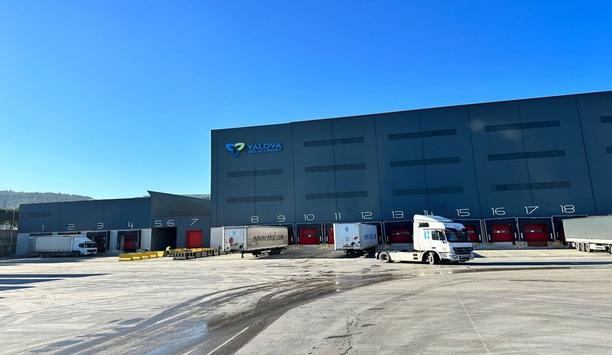
Yalova Terminal is a roll-on roll-off (“ro-ro”) port, meaning it is designed to carry wheeled cargo. It is Turkey’s 63rd border gate and began operations in 2017. It covers 80,000 square meters with a 500-trailer capacity and 16,000 square meters of storage, which includes an ADR warehouse for the storage of hazardous goods. On-site there are X-ray facilities, a laboratory for customs, offices, and break rooms for drivers. All of these facilities require continuous monitoring to protect staff, drivers, and the stock contained within the trailers at the port. Monitoring 24/7 The Yalova Ro-Ro Terminal team was looking for a way to intelligently monitor activities at the port and quickly search footage for investigations if needed. Because of the size of the port, an efficient way to store and deliver video footage back to the control room and server rooms was also sought. AI-enabled cameras reduce false alarms Cameras provide the on-site Yalova Ro-Ro Terminal security team with alerts only to events that require their attention The team turned to installer Arte Teknoloji and Hanwha Vision to provide a robust and AI-enabled video surveillance solution comprising 48 PNO-A9081R cameras, 17 XNO-C7083Rcameras, and 7 XNP-6400RW cameras. With AI analytics carried out on the device, the cameras provide the on-site Yalova Ro-Ro Terminal security team with alerts only to events that require their attention. This frees them up to focus on other responsibilities, while the cameras constantly scan for relevant objects or possible incidents that require human input. Potential false alarms from video noise, waving trees, moving clouds, and animals are ignored by the cameras, helping to reduce operator fatigue and frustration. Effective perimeter protection In particular, the XNP-6400RW PTZ Plus camera provides a feature-rich PTZ camera that is designed for perimeter protection. With AI-based object auto-tracking, operators can efficiently monitor the movement of objects while remaining hands-free to control other cameras. This analytics feature is supported by leading AI algorithms unique to Hanwha Vision. The camera captures evidence-grade images of objects up to a distance of 200 meters in all lighting conditions, with the help of adaptive IR technology which adjusts the angle of the camera’s IR LEDs to match the level of zoom. Object detection and classification for accurate responses Object classification based on attributes can also support quick forensic searches for future investigations The PNO-A9081R is a 4K bullet AI camera that can detect people, faces, vehicles, license plates, plus their attributes. This allows operators to understand who, and what vehicles, are entering and exiting the site, particularly around the perimeter or rolling on and off ships docked at the port. They can quickly respond to possible intrusion or unusual behavior, reducing the risk of stock, equipment, or vehicle theft. Object classification based on attributes can also support quick forensic searches for future investigations. BestShot feature The cameras also detect loitering, audio such as shouting or screaming, tampering with the camera itself, and shock detection. The BestShot feature automatically chooses the best images of an object, helping with bandwidth and storage efficiency as well as delivering high-quality, detailed images back to the control room. Robust video system Having the best security, that’s intuitive to use and easy to install, was essential" Eyup Tetik, Corporate Sales Manager at ENTPA ELEKTRONİK A.Ş. explains, “It was important to the Yılport Ro-Ro team that they had a robust video system that improved situational awareness and response times, especially after the devastating earthquake in Kahramanmaraş." "As a busy international Ro-Ro Port with millions of dollars of stock and equipment, having the best security, that’s intuitive to use and easy to install, was essential.” Steering ahead The installation is part of the new port area and the security team looks forward to reaping the benefits of the efficiency gains, greater awareness, more detailed investigations, and faster response times as a result of the AI-powered video system.
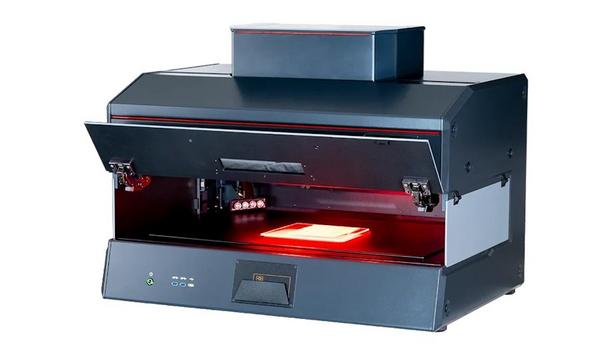
The University of New Haven offers a range of National Security and Public Service programs, some of which were the first of their kind when launched decades ago. Having such a sturdy academic background, the university searched for the proper equipment to let the students practice and polish their knowledge. After thorough market research, the choice was made in favor of Regula 4308S, which is already being used in educational forensic research. Features of Regula 4308S Regula 4308S enables truly advanced examination of any crime evidence, from all kinds of documents, to fingerprints, blood stains, and more. The highest optical magnification (320x) and camera resolution (14 MP), over 40 light sources, and more than 20 light filters, as well as 3D visualization capabilities and the ability to examine large objects, make Regula 4308S a powerful tool for forensic research. Device has modules for reading MRZs, RFID chips, hidden images (IPI), and 1D and 2D barcodes For the purpose of identity document examination, the device has modules for reading MRZs, RFID chips, hidden images (IPI), and 1D and 2D barcodes. Plus, Regula 4308S has a unique motorized oblique lighting system, which makes it possible to change the light source's angle of incidence, and thus gives a wide range of opportunities for examining the microrelief of a document in the visible and infrared spectrum range. Author's quote “Regula’s device provides us with wide capabilities for forensic research, so our students can be easily trained on the basics they need to use. We also liked the good balance between the device’s functionality and its price. So far, I must say that our experience of using Regula 4308S is very positive,” says Dr. Josep De Alcaraz-Fossoul, Assistant Professor of Forensic Science at the University of New Haven. “With fraud being so sophisticated these days, it’s really crucial to equip forensic experts with not only powerful tools, but what is probably more important, fundamental knowledge. We are honored that the University of New Haven decided to rely on the capabilities of our device in their educational programs,” comments Arif A. Mamedov, President and CEO at Regula Forensics, Inc.
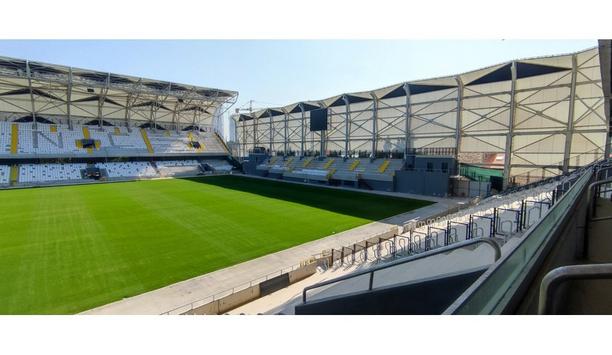
Like most stadiums worldwide, the Alsancak Mustafa Denizli Stadium suffers from vandalism and riots by individual fans. To be able to better identify and track perpetrators and thus reduce financial and non-material damage, the operator opted for a video security solution from the German manufacturer Dallmeier. The Alsancak Mustafa DenizIi Stadium in Izmir–named after former Turkish football player and current football coach Mustafa Denizli–is a multipurpose stadium that mainly hosts football matches. With over 15,000 seats, it is one of the medium-sized stadiums in Türkiye. Originally built in 1929, it was demolished in 2015 and reopened after reconstruction in November 2021. Up to 15% fewer spectators due to riots Outcomes have been painful, ranging from classic fines to the closure of an entire block of viewers In Türkiye, stadiums are usually owned by the Ministry of Sport, which then grants the rights of use to an operator. In the case of the Alsancak stadium, the operator is “Altay Izmir”, an Izmir-based football club that currently plays in Türkiye’s top professional league. The club, like so many other football stadiums, has had its fair share of repeated incidents and threats to spectators and players. These have included verbal abuse and even the throwing of objects onto the pitch. In addition to the intangible damage to the image, the consequences have been painful, ranging from traditional fines to the closure of an entire block of spectators–a loss of 1,000 to 2,000 spectators per home game, and that on a regular basis. How is image quality defined to recognize perpetrators? Under these conditions, the operators were looking for a solution that would allow them to reliably detect and track potential offenders. The tender specified a minimum resolution density of 144 pixels per meter (px/m), which is also required by law. This means that there must be at least 144 pixels in the camera image to represent every meter of “reality” in the stands. This value is between the “recognition” (125 px/m) and “identification” (250 px/m) qualities specified in the IEC EN 62676-4 standard for video surveillance systems. Only ten cameras to monitor the stands The Ministry of Sports decided to invite various manufacturers to a comparative test To find the most suitable solution for the Alsancak Stadium, the Ministry of Sports decided to invite various manufacturers to a comparative test. After receiving the proofs of concept (PoCs) of several companies, the owner chose a solution from the German manufacturer Dallmeier Electronic. In addition to around 140 single-sensor cameras for corridors, outdoor areas, and entrances, only ten “Panomera®” multifocal sensor systems are required for the particularly critical grandstand surveillance. 39% more resolution than required The low number of camera systems required for grandstand surveillance is due to the patented multifocal sensor technology: Panomera® cameras combine the images from up to seven detail sensors and one overview sensor in a single camera system. This provides the user with a high-resolution overview of the entire area to be monitored, which acts as a single image of a vast environment. Within this overall picture, system operators can now open any number of detail views at the same time, while the overall scene is always available in high resolution–even during recording, which is essential for possible prosecution. This provides an optimal overview of the situation and ensures that all events can be followed in real-time, in high resolution and in detail. Thanks to this technology, a minimum of 200 px/m is now available throughout the Alsancak stadium instead of the required 144 px/m – 39 percent more than originally required. No surprises: Remote “FAT” and training from Dallmeier Türkiye Due to the COVID-19 pandemic, the stadium's technicians were unable to travel to Dallmeier's headquarters in Regensburg, Germany, to commission the system and attend classroom training. For this reason, the so-called Dallmeier Factory Acceptance Test (FAT) took place online. The entire system was set up, configured, and remotely accepted in the FAT center in Regensburg. The training of the technicians and operators was carried out by Dallmeier Türkiye experts on-site The training of the technicians and operators was carried out by Dallmeier Türkiye experts on site. Serkan Atalar, CEO of RESA Construction Electromechanical Inc. Co, the installer company that implemented the project, is very pleased: “Dallmeier's sincere and collaborative approach, as well as the high-tech products and after sale support they offered were very impressive. We thank Dallmeier Türkiye for the great cooperation.” Author's quote “The customer is very satisfied with the Panomera® systems. The benefits are equivalent to combining a powerful megapixel camera with any number of high-resolution 'virtual' PTZ cameras. At the same time, the systems reduce the total cost of ownership for infrastructure, cables, masts, screens, workstations, etc.,” Serkan Atalar summarizes. “Alsancak Stadium only needs three system operators with one monitor each. They also have two workstations for the police and management. The solution always gives them 100% control of the security situation in the stadium, allowing them to react immediately and reliably track down perpetrators. And all this at a low total cost of ownership and with minimal manpower thanks to the unique multifocal sensor technology.”

Quanergy Solutions, Inc., a pioneering provider of 3D LiDAR (Light Detection and Ranging) security solutions, was chosen by a large municipality in California USA, in order to bolster pedestrian safety in the city's underground railways where fatality risks and costly liability issues were of growing concern. Traditional video surveillance The California city’s management had been grappling with a substantial number of missed alarms within its underground railroad system due to the intricate terrain and challenging lighting conditions. The absence of alarms when individuals trespassed onto train tracks posed a significant liability issue, endangering lives and increasing operating expenses. Traditional video surveillance systems had further proven ineffective in these environments due to inconsistent lighting and various obstructions that made it difficult to maintain a consistent field of view. Quanergy’s comprehensive solution Quanergy hyper-accurate detection and tracking of individuals in the city’s railroad system By deploying Q-track, a seamlessly integrated solution that combines long-range 3D LiDAR sensors with advanced perception software, Quanergy enables hyper-accurate detection and tracking of individuals in the city’s underground railroad system, most importantly those individuals who find their way onto dangerous railroad tracks. Quanergy’s comprehensive solution also effectively eliminates alarm fatigue by significantly reducing false alarms. This enables operators to focus on real threats and receive actionable insights with hyper-accuracy, ensuring that no urgent alarms are missed, averting possible injuries or even fatalities. Quanergy LiDAR security solutions Thanks to Quanergy's solution, the city now reports that they have 100% accurate detection when pedestrians are on train tracks. Quanergy LiDAR security solutions are currently deployed at hundreds of critical infrastructure sites around the world, addressing a wide spectrum of mission-critical applications including perimeter intrusion detection, server rack and cabinet security, mobile security towers, mantrap/vestibule access controls, rooftop security, and more.
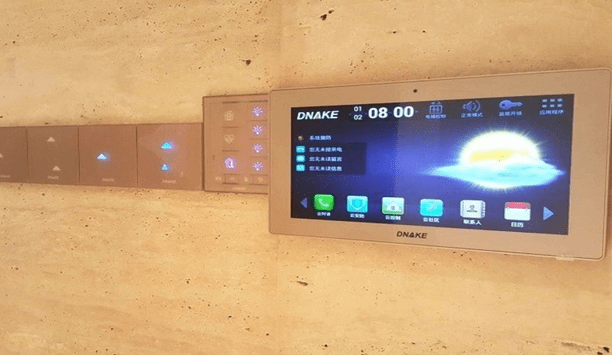
Projected to be the tallest tower in South Asia upon completion in 2025, “The One” residences towers in Colombo, Sri Lanka will comprise 92 floors (reaching 376 m in height), and offer residential, business, and leisure facilities. DNAKE signed a cooperation agreement with “The One" in September 2013 and brought ZigBee smart home system to the model houses of “The One.” The products on display are included. Smart buildings DNAKE IP video intercom products enable more efficient and convenient two-way audio and video communication for entry control. Smart control The switch panels for “The One” project cover light panel (1-gang/2-gang/3-gang), dimmer panel (1-gang/2-gang), scenario panel (4-gang) and curtain panel (2-gang), etc. Smart security Smart door locks, infrared curtain sensors, smoke detectors, and human sensors guard the user all the time. Smart appliance With an infrared transponder installed, the user can realize control of infrared appliances, such as an air conditioner or TV. This cooperation with Sri Lanka is also a key step to DNAKE’s international intellectualization process. In the future, DNAKE will continue to work closely with Sri Lanka to provide long-term support for intelligent services and serve Sri Lanka and neighboring countries efficiently. By using its own technology and resource advantages, DNAKE hopes to bring more high-tech products, such as smart communities and AI, to more countries and regions, maximize service capabilities, and promote the popularisation of "smart communities."
Round table discussion

As physical security technologies become more complex, it is incumbent on the dealer/integrator to have the skills and expertise needed to ensure that a system operates smoothly. The value of integrators increasingly rests on the skill sets they bring to bear when installing a system. If the skills are missing, there is a problem. We asked this week’s Expert Panel Roundtable: What missing skills among security integrators can cause problems for customers?
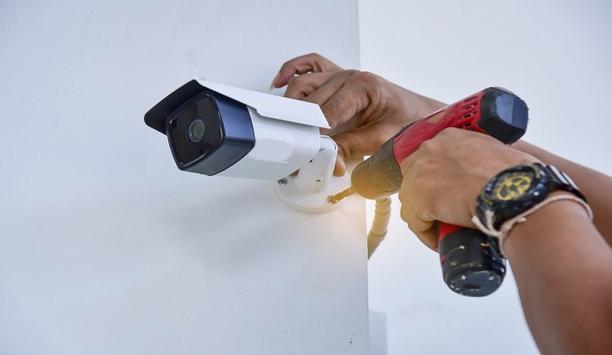
The role of the integrator/installer in the physical security marketplace is shifting as technologies evolve and applications expand. Integrators are being faced with a need to augment their expertise both in a wider range of systems and deeper into the specifics of each increasingly complex technology. At the end of the day, it falls to the integrator/installer to ensure a system performs as promised, however much a consultant or even a manufacturer might be involved in the process. We asked this week’s Expert Panel Roundtable: How is the role of the security installer/integrator changing?

The new year comes with new opportunities for the security industry, but what technologies will dominate our discussions in 2020? Topics such as artificial intelligence (AI) and HCI (hyperconverged infrastructure) became familiar in conversations during 2019, and they are likely to dominate our thoughts again in the new year. But other buzzwords are also gaining steam, such as “blockchain” and “frictionless access control.” Connectivity and the cloud will also be timely technology topics as the industry evolves. We asked this week’s Expert Panel Roundtable: What technology buzz will dominate the security industry in 2020?
Products
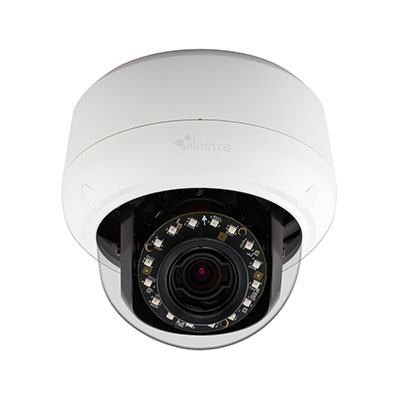
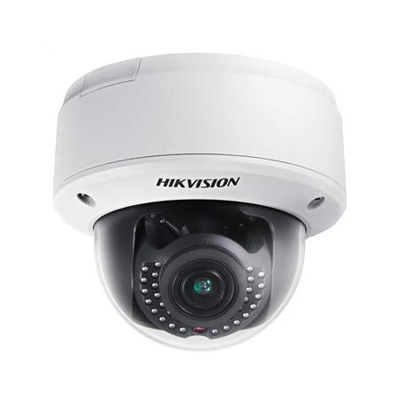
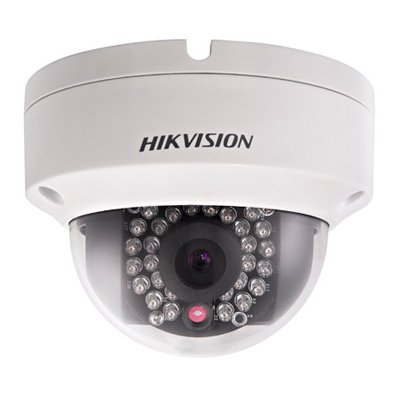
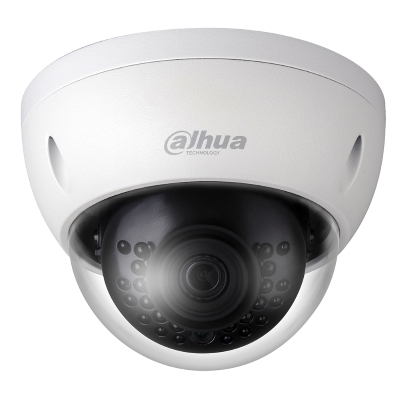
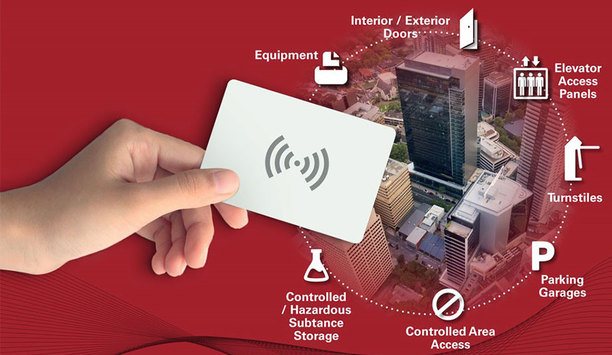
Videos

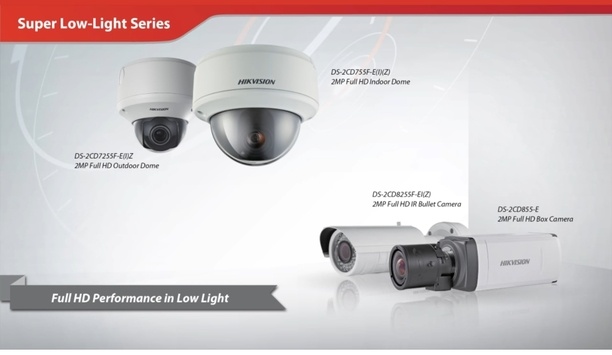

Infrared Surveillance: Manufacturers & Suppliers
- Hikvision Infrared Surveillance
- Dahua Technology Infrared Surveillance
- LILIN Infrared Surveillance
- Raytec Infrared Surveillance
- eneo Infrared Surveillance
- Hanwha Vision Infrared Surveillance
- AV Costar Infrared Surveillance
- Messoa Infrared Surveillance
- Anviz Infrared Surveillance
- Bosch Infrared Surveillance
- DALI Infrared Surveillance