Cargo security

As millions of people jet off for their summer holidays or make their way home, airports are under increased scrutiny. For many, their eagerly awaited trip begins and ends in the airport. Meeting passenger expectations with a seamless and secure journey from check-in to boarding is critical at a time when passenger numbers are rising, with almost 1.1 billion air passengers traveling through EU airports in 2025, an increase of 4.8% year-on-year. Increased complexity ahead But there are headwin...

ASIS International, the world’s largest association for security management professionals, opened its 2026 Global Security Exchange (GSX) conference at the Georgia World Congress Center in Atlanta. The event continues through 16 September and features more than 200 education sessions and over 500 exhibitors from more than 150 nations. The conference opened with two days of pre-conference programming on Saturday and Sunday, including ASIS Volunteers’ Day and the ASIS Awards of...
OSI Systems, Inc. announces that its Security division received an order for approximately $50 million from a North American customer to provide ongoing maintenance service for its installed base of Rapiscan® inspection systems that are utilized for screening baggage, cargo and vehicles. As part of the award, the Company is also expected to provide continued support for its CertScan® Platform. OSI Systems’ President and CEO, Ajay Mehra, commented, "We are pleased to extend our lon...

IDScan.net, a provider of identity verification and ID scanning technology, announces a new integration partnership with Babaco, a long standing pioneer in supply chain asset and cargo security. Through the integration, Babaco has embedded IDScan.net’s DIVE identity verification technology directly into its proprietary transportation and shipment management platform, Babaco Fulfillment, to help combat cargo theft. Cargo security solutions For more than 90 years, Babaco has provided carg...

IDScan.net, a provider of identity verification and fraud prevention solutions, announces that it has joined the Southwest Transportation Security Council, the Northeast Cargo Security Council, and the Midwest Cargo Security Council. This strategic move reinforces the company’s commitment to combating identity fraud and enhancing security across the logistics and freight industries. By becoming a member of these regional security councils, IDScan.net will collaborate with industry leaders...

As supply chain disruptions continue to wreak havoc on global economies, port security and landside operations are increasingly burdened with dynamic security challenges, operational risks, and tightening regulations. Efficient, rapid door-to-door cargo transport is critical as the volume of goods transported by global container fleets has nearly doubled in recent years and large increases in maritime traffic have led to cargo pileups at ports that have reached crisis levels during the pandemic...
News
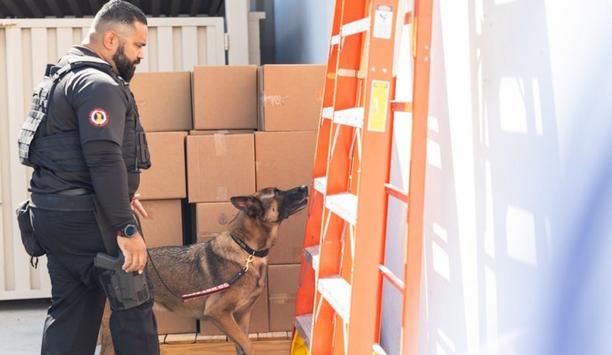
Allied Universal®, a security and facility services provider, today announced it has been issued a patent covering methods used in its K9-Comply® platform, developed by its Enhanced Protection Services business unit. The proprietary compliance and documentation platform is designed to meet and exceed Transportation Security Administration (TSA) 3PK9 program requirements for air cargo canine screening processes. K-9 Comply uses a mobile workflow to record canine inspections and associate it with key inspection data such as shipment identifiers and screening events, resulting in an audit-ready evidence package. Potential adverse actions “This patent represents an important step forward in how regulated security operations are managed in critical environments,” said Glen Kucera, President of Allied Universal Enhanced Protection Services. “By integrating processes required in this important regulated industry into one platform, we’ve created a powerful tool that has successfully supported clients through more than 500 TSA audits. This achievement underscores the platform’s effectiveness in maintaining full regulatory compliance and protecting clients from potential adverse actions.” Allied Universal’s compliance team worked closely with industry stakeholders to ensure K9-Comply remains aligned with evolving canine air cargo screening (and other TSA) regulations. The solution was launched in 2020 and currently supports clients daily across more than 160 locations nationwide. The technology is managed entirely by Allied Universal canine handlers and operations personnel and focuses on reducing administrative burdens for air cargo clients. Clients have reported improvements to operational efficiency, and the seamless cargo transfer processes supported through K9 Comply enhances all regulatory TSA Compliance efforts. Major industry advancement “Innovation is key to our growth and this patent reflects our dedication to advancements in the air cargo screening industry,” said Steve Jones, Allied Universal global chairman and CEO. “As technology continues to reshape the security landscape, we remain committed to developing solutions that enable our clients to operate with confidence in an increasingly complex world with solutions that help meet the highest canine air cargo security standards.” K9-Comply represents a major industry advancement in regulated canine air cargo screening operations, offering a cloud-based, fully integrated system that centralises and distributes all documentation required under the Certified Cargo Screening Program-K9 (CCSP-K9) process. The platform facilitates all required cargo screening tracking, document creation, and document transfer processes to ensure full TSA compliance for AUS and our clients. Explosives detection technology K9-Comply expands the company’s patent portfolio in explosives detection technology. Its first platform using patented explosive detection technology, SmartTech®, was launched in the early 2000s and connects on-site screening with real-time support. Upon identifying a suspicious X-ray image, an on-site screener sends the image to our Emergency Operations Centre via the SmartTech solution, where specialized bomb technicians analyze the image, issuing an alert or non-detect. In 2018 the company was awarded a patent for Alarm Resolution capabilities, combining SmartTech with explosive detection canine screening. A trained canine detection team conducts an initial sweep and if a potential threat is detected, X-ray screening and SmartTech are deployed to confirm and evaluate the presence of a true explosive threat.

LVT (LiveView Technologies, Inc.), the pioneer of rapidly deployable security solutions, today unveiled GuardGate, an advanced portable barrier solution that regulates access to restricted commercial areas. GuardGate augments guards at distribution centers, drop lots, storage yards, and any location to deter bad actors, address liability and compliance requirements, and provide objective evidence to accelerate investigations. GuardGate is a drop-and-go solution that allows customers to: Deploy in hours, not months. Perform remote visual validation via video and audio using the included intercom, and remote arm opening and closing. Schedule the gate to open and close automatically. Access a complete log of every opening and closing. Reducing investigation times “LVT’s solutions provide full coverage of diverse environments with capabilities proven to deter crime,” said Matt Kelley, SVP of Business and Market Development at LVT. “GuardGate extends these capabilities to not only stop unauthorized vehicles but to streamline site logistics, allowing LVT to extend beyond safety and security. By providing clear visibility at checkpoints, teams can understand traffic patterns and significantly reduce investigation times, transforming security data into actionable operational insights.” Dedicated security infrastructure North American cargo theft totalled an estimated $725 million in 2025. Organizations commonly rely on security guards to monitor key checkpoints; however, 24/7 human coverage can cost over $100,000 annually for a single unarmed, unspecialized guard and over $400,000 for a single armed, specialized guard. These costs are in addition to the construction cost for a guard shack and the necessary power and sanitation infrastructure, which could leave sites exposed for months during construction. “Organizations no longer have to sacrifice personnel safety and cargo security to preserve operational cost efficiency. Diverse, remote sites that previously could not justify a dedicated security infrastructure can now employ advanced deterrence and video recording capabilities at a fraction of the cost,” said Steve Lindsey, LVT co-founder and chief strategist. Customisable surveillance cameras During beta testing, a retail customer reduced its guard spend by over 30% at busier distribution facilities while virtually eliminating theft at smaller delivery locations using GuardGate. The solution provides a reliable physical deterrent coupled with customisable surveillance cameras and powerful agentic AI that prevents unauthorized access, alerts security personnel, and automatically begins compiling records for a swift investigation. The solution also supports insurance compliance needs that may require a controlled access point or physical presence at storage locations. This news follows a string of recent milestones for LVT, including the launch of LPR powered by Insight, a strategic shift toward Intelligent Site Management, and LVT’s top ranking as the Innovative Leader in the 2025 Frost Radar™ for Mobile Surveillance.
ISS (Intelligent Security Systems), a foremost global provider of video intelligence and data awareness solutions, today announced a significant technology deployment for Arteris Litoral Sul, a major highway operator in Brazil. The project utilizes the SecurOS® platform to enhance safety and operational efficiency on the BR-101 highway, a critical logistics route connecting the cities of Itapema and Balneário Camboriú in the state of Santa Catarina. Implementing ISS technology Arteris Litoral Sul, the private concessionaire responsible for managing this high-traffic segment, sought a solution to modernize its infrastructure, specifically regarding the transport of hazardous materials. To meet strict regulatory requirements and ensure the safety of commuters, the operator implemented ISS technology to automate the monitoring of dangerous cargo and accelerate incident response times. The deployment features the SecurOS® Auto Hazardous Cargo module, which uses advanced license plate recognition and placard decoding to identify vehicles carrying dangerous goods in real time. This system operates effectively even at high speeds or in adverse weather conditions, allowing the operator to track movement patterns and generate automated alerts. Additionally, the project includes Automatic Incident Detection (AID) capabilities, which continuously analyze camera feeds to identify stopped vehicles, wrong-way drivers, debris, congestion, and more. Road safety and reduce environmental impact "The implementation of the Auto Hazardous Cargo module of the SecurOS® platform reflects the Arteris Group’s commitment to its users, to road safety, and to reducing environmental impact by using technology as a fundamental operational pillar," said Sérgio Viana, Automation Manager at Arteris. "The deployment of ISS algorithms provides the operations team with a comprehensive view of highway traffic, without the need for continuous human monitoring, allowing operators to focus on management and decision-making." System functions By automating detection processes, the system instantly transmits precise location data and incident classifications to the Arteris Operational Control and Security Center. This rapid data transfer drastically reduces the time between an incident occurring and emergency teams responding, directly improving the safety of the roadway ecosystem. "Early detection of this type is especially critical in roadway environments, where incidents involving hazardous cargo can have severe consequences," said Aluisio Figueiredo, CEO of ISS. "At ISS, technology is always at the service of protecting life and sustainability. With the implementation of our solution, strategic points on the BR-101 now operate with a high level of automation, intelligence, and reliability." "Our commitment goes beyond providing cutting-edge technology; we work closely with our customers to truly understand their unique challenges," added Daniel Feitosa, Head Director Brazil & Portugal at ISS. "By offering local support and integrating engineering expertise from project inception through deployment, we ensure our solutions are precisely aligned with operational needs and deliver meaningful results."
OSI Systems, Inc. announced that its Security division’s Itemiser® 4DX and new Itemiser 5X trace detection systems have achieved ECAC/EU G1 approval, meeting the highest European standards for aviation security. This approval reflects compliance with the European Civil Aviation Conference (ECAC) and European Commission requirements for trace detection systems, supporting enhanced security for airline passengers. Meeting global secrity standards “Achieving ECAC approval and EU G1 certification demonstrates our commitment to delivering innovative solutions that meet rigorous global security standards and help our customers protect people and assets worldwide,” commented Ajay Mehra, President and Chief Executive Officer of OSI Systems. Security solutions The Itemiser 4DX and the Itemiser 5X systems are widely used by aviation security authorities around the world with thousands of systems deployed. In addition to airport passenger and cargo screening, the Company’s trace detection solutions can be utilized for prisons, customs and border operations, law enforcement, event security, and critical infrastructure applications.
OSI Systems, Inc. announced that its Security division has been awarded a contract to deliver multiple screening technologies for an upcoming major sporting event being held this winter in Europe. These systems will be utilized to screen people, baggage, and cargo, supporting a safe and seamless experience for athletes, officials, and fans from around the world. Protecting a celebrated event “We are honored to help protect one of the world’s most celebrated sporting events,” said Ajay Mehra, President and CEO of OSI Systems. “Our leading security solutions are designed to meet the unique challenges of large-scale venues, combining advanced technology with flexibility to safeguard people and infrastructure while preserving the spirit of global competition.”
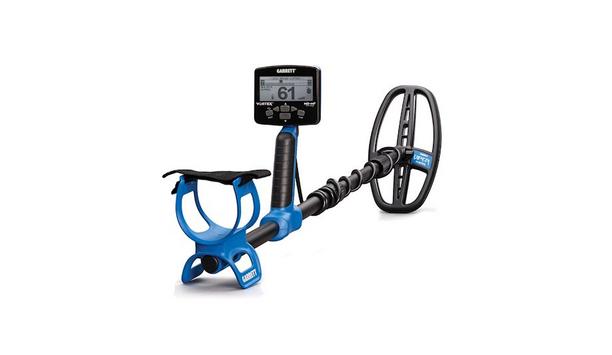
Texas-based Garrett Metal Detectors announced today that its new Vortex™ CSI for law enforcement professionals is available for sale and shipment worldwide. The Vortex CSI was developed from the Vortex™ series of ground search metal detectors. As such, it is lightweight, durable, waterproof to 16 feet, and powered by Garrett's MD-MF multifrequency technology. Compensation of soil interference More than that, it carries a host of features carefully designed to make it a highly efficient crime scene investigation tool: Simple controls with one-handed button operation Specialized Bullets and Steel Casings Modes for detection of key CSI targets and discrimination of irrelevant metallic trash USB-C rechargeable battery with 15-hour life for all-day use Display backlight for use in low-lighting conditions Wired/wireless headphone operation for operator focus and distraction-free detection in busy environments Auto Ground Balance for easy compensation of soil interference Critical metallic evidence "Garrett has been serving crime scene investigators since before we had a Security division," said Steve Novakovich, CEO of Garrett Metal Detectors. "For decades, we were the only manufacturer to provide detectors specifically for this market: the CSI 250™ and the CSI Pro™. Now, we're revitalising our commitment to CSI excellence with the Vortex CSI. This product has all-new software, designed to deliver the performance this market demands with the simplicity it requires. In combination with our recently released PRO-Pointer™ AT Blackline Edition, this product will empower officers and technicians worldwide to identify and recover critical metallic evidence." Effective security operations The Vortex CSI and PRO-Pointer AT Blackline Edition were developed at Garrett's Garland, Texas, facility with appropriate patent protections and trademark protections. The Vortex CSI is available as part of Garrett's new Vortex CSI Field Kit or as a standalone unit. Garrett encourages customers to insist on buying genuine products from reputable companies to ensure quality, product performance, and effective security operations.

Expert commentary

In the old days, hopping onto the platform from a not-yet-stopped train was a commonplace stunt for daily commuters in a hurry. It was a thrilling, but dangerous part of railway travel. Today, rail travel is generally much safer, but thrill and fame seekers are finding new, creative ways to use the railway to court notoriety online. Earlier this month, a young man filmed himself laying on the tracks and allowing a train to pass over him. In another instance, two people were seen misusing a level crossing to get an 'Instagram worthy' picture. Meanwhile, the media has recently reported stories from Austria to Australia of people (and in some cases children) being seriously hurt or killed while attempting to train surf. Safety and security of the railway Safety and security have always been a top priority for railways and supporting agencies For rail companies, such incidents cause great distress and bring often unjust headlines that question the level of safety and security of the railway. Then, of course, there is the impact on the timetable when incidents cause significant delays. The ramifications of just one incident can be significant, as illustrated by a case in February when a track trespasser caused 16 trains to be canceled and a further 54 to be partially canceled at the cost of approximately 600,000 euros. Despite the negative stories, safety and security have always been a top priority for railways and supporting agencies. The British Transport Police, for example, traces its origin back to 1830 when the force was established following the death of a member of Parliament, who was struck by a passing train after alighting onto the track of the newly opened Liverpool and Manchester Railway. Modern surveillance Today, trains, platforms, yards, level crossings and sections of track are monitored by some of the very latest technology hardware and software, from high-definition cameras with built-in advanced video analytics capabilities to PSIM (physical security information management) systems that can be used to orchestrate a response to anything from a trespasser on the line to a major derailment. Even with all these systems, the sheer scale of rail networks means it is simply not possible to always have eyes everywhere. True of video analytics If a driver spots someone or something on the line and immediately applies the emergency brake What’s more, while the technology continues to make huge leaps forward, affordability and usability can limit their effectiveness. This has been especially true of video analytics and object detection, where distinguishing between a human trespasser or an animal can be challenging, especially in low light (a particular issue with passenger and freight trains running round the clock). With trains moving at a high speed, early detection is everything. If a driver spots someone or something on the line and immediately applies the emergency brake, it could take the train as much as one mile to come to a stop. LiDAR to the rescue So, what can be done to improve response times for drivers and other stakeholders? One recommendation is to focus on key sections of the rail network that provide easier access for trespassers, such as stations, platforms, tunnels, bridges and level crossings, where more than a quarter of all significant accidents occur on EU railways. This is already standard operating procedure for most rail companies. However, a growing number are going beyond the 'standard' safety and security measures, with the introduction of high-tech solutions such as 3D LiDAR (Light Detection and Ranging) sensors. This technology is already familiar to the rail industry. It has been used for some time in applications ranging from surveying environments in preparation for building high-speed rail networks to mapping railway tracks and surrounding infrastructure for ongoing maintenance works. Management of virtual perimeters LiDAR enables the creation and management of virtual perimeters and/or safe zones In the context of safety and security on the railway, LiDAR enables the creation and management of virtual perimeters and/or safe zones with pinpoint accuracy. A good example would be at level crossings where a high volume of vehicle and pedestrian traffic crosses the track when the barrier is raised, but it must be clear for rolling stock to pass safely. LiDAR sensors can be programmed to automatically switch on minutes before a train is scheduled to pass through the crossing and turned off after it has cleared the area. During this time, any movement detected with this ‘live zone’ would create an alert in the control room. Further layer of protection The addition of cameras would provide a real-time feed of the situation, enabling the control room operator to act. That could involve sending a message via a public address system to clear the area, alerting the approaching train driver to take appropriate action, and alerting emergency services and maintenance teams if there is a vehicle, animal or other blockage on the track. The investment many rail operators have made in PSIM and CAD (computer-aided dispatch) can add a further layer of protection. These systems provide the operator not only with guidance regarding the next best action but also automatically triggered responses to orchestrate the entire incident management process. Protecting critical infrastructure All of these pieces of rail infrastructure and the joint network stand to benefit from the use of LiDAR Level crossings are a good example of environments where it is not viable to have round-the-clock live surveillance, but monitoring is essential at key times. It is a similar case for stations late at night, bridges and depots, all of which are susceptible to acts of trespass, vandalism (particularly graffiti) and theft. All of these pieces of rail infrastructure and the collective network stand to benefit from the use of LiDAR, as incidents are prevented or their impact mitigated in terms of the effect on the timetable, negative publicity, fines and the costs of investigations. Latest Report on Railway Safety and Interoperability The latest Report on Railway Safety and Interoperability in the EU stated that “European railways remain among the safest in the world, with major accidents becoming rare and significant accidents decreasing in the last two decades.” This good news is heightened by the fact that more people than ever in Europe are choosing to let the ‘train take the strain’, with passenger numbers reaching record levels. However, while passengers may no longer be swinging open train doors and jumping from moving carriages just to get to work a few seconds earlier, the risks on the railways have evolved. With more rolling stock traveling at higher speeds on lines old and new, there is a need to revisit the traditional methods of safeguarding areas on the network, to deter, detect and protect against those seeking fame, infamy or gain.

The average business owner or investor has some kind of security precaution in place, especially in the after-hours when there are fewer deterrents to inhibit criminal activity. Security guards, video surveillance systems, motion sensor lights, or even just fake cameras placed around the property are some of the common options people choose. Future of overnight security Smart business owners are starting to realize, however, that some of these traditional security measures are becoming antiquated and no longer cutting. The now and future of overnight security is in remote guarding. Pioneered by companies like Los Angeles-based Elite Interactive Solutions, which was founded back in 2007, remote guarding is revolutionizing the overnight security business. Minimizing criminal activity Remote guarding is fast becoming the most popular choice among commercial end-user property owners Remote guarding utilizes a combination of cutting-edge technology, “digital guards,” highly trained security agents, and local law enforcement if and when necessary to minimize the potential of criminal activity. For those adequately enlightened to its overwhelmingly impressive crime prevention capabilities, remote guarding is fast becoming the most popular choice among commercial end-user property owners to secure and protect their investments. What Is Remote Guarding? Remote guarding is a revolutionary concept and increasing trend in security systems that utilize a combination of methods to effectively analyze potential threats to property. Cameras and/or other monitoring devices running highly advanced algorithmic software are installed in strategic areas or vulnerable places onsite and remotely located security agents are immediately notified of any activity within a designated perimeter of the property. A blend of AI, cybersecurity, and video analytics When properly deployed by an expert provider, the technology stack includes a proprietary blend of video analytics, artificial intelligence, cybersecurity, and more. Done right, “noise” is effectively filtered out, allowing agents to act on legitimate alerts and achieve zero false alarms communicated to first responders. Today, there are a lot of terms and descriptions tossed around about remote guarding, remote video, virtual guarding, etc., but those attributes must be present to represent the true definition of the offering and its many virtues. Realtime situational awareness Many systems have a two-way speaker that allows the security agent to give a verbal warning When specially trained security agents are alerted to trespassers, possible intruders, or other suspicious activity, they analyze the situation in real time and determine the necessary level of action. Many systems have a two-way speaker that allows the security agent to give a verbal warning, known as a voice-down, to the individual(s) that they are being watched. Most perpetrators, often believing the response is emanating directly from security personnel on the property itself rather than from a remote command center, flee immediately. However, if the threat persists, the security agent enlists local law enforcement to get on the scene. Customized remote guarding When properly deployed, remote guarding systems are also customized to specific properties. A team of consultants visits the client’s property to evaluate its vulnerabilities and where to best place cameras and/or other monitoring devices for system efficacy. Traditional Security Shortfalls According to Keith Bushey, a retired commander for the Los Angeles Police Department, there is much frustration between law enforcement officers and potential victims of crime due to the historically unreliable performance of traditional burglar alarm systems and central monitoring stations. He states about 90% of security-related calls are false alarms, a problem that has been well-documented through the years. Onsite challenges When a legitimate emergency does occur, the perpetrators have often already done their damage When a legitimate emergency does occur, the perpetrators have often already done their damage and/or escaped by the time law enforcement arrives. Onsite security guards are not the remedy either as they bring their own set of issues and challenges. Unexpected costs Traditional security systems can also have unexpected costs. The cost is not only in the security guards’ paycheck or the cost of the equipment itself. The cost comes when an actual incident occurs. In worst-case scenarios, the security guard(s) are injured, the business suffers inventory loss, and/or damage is sustained to the property. The medical and other costs for the security guard(s), the loss of inventory, property damage, deployment of law enforcement resources, and possible fallout of legal expenses all add up. Even in the best-case scenario, false alarm expenses incur if law enforcement is dispatched. These, among many others, are some of the primary issues that remote guarding resoundingly answers as a superior alternative. A Bounty of Benefits Remote guarding systems have been proven to cut costs and be more effective than traditional security systems. Even though the monthly monitoring costs of remote guarding are significantly higher than traditional intrusion detection system monitoring, the much higher effectiveness in crime reduction, elimination of false alarms, and augmenting or replacement of manned guards result in a substantially higher return on investment (ROI) to the end user. Easy tracking of threats The security cameras already have their image captured on record, making them easier to track down For example, case studies have demonstrated reduced security costs for clients by 60%, on average. These reductions have come from the costs of security staff, inventory, or property loss, plus saving money on insurance premiums and deductibles. The nature of remote guarding reduces the risk and costs of false alarms, with professional security agents able to determine an actual threat before law enforcement is called. In a rare instance when a perpetrator escapes before law enforcement arrives or can detain the individual(s), the security cameras already have their image captured on record, making them easier to track down and identify. Reduction of false alarms The significant reduction in false alarms is greatly appreciated by law enforcement, as it allows them to focus on real emergencies or crises. Better relationships are also developed between clients and law enforcement, as remote guarding systems are highly reliable in providing accurate and real-time information to officers as they approach the scene. In short, it assists law enforcement in doing their job more effectively, as well as more safely thanks to having eyewitness information before engaging in an active crime scene. Partnership When you combine the decreased cost with the increased efficiency and success rate, it is easy to see why many commercial end-user property owners across the country are making the shift to remote guarding. It’s also an outstanding opportunity for professional security dealers and integrators to partner with a remote guarding services provider to bring a superior solution to their end customers and pick up a recurring monthly revenue stream in the process.

It’s no secret that the data security sector is constantly changing. It has an annual CGR of about 12.3%. Future trends in data security Much of this has to do with the rise of cybercrime in recent years, with reports showing that cyberattacks happen as often as every 39 seconds. To combat the growing rate of cybercrime, data security has been on the rise. As we journey further into this era, it becomes evident that a spectrum of significant trends is molding the future of data security. This exploration delves into a selection of these trends, unraveling their importance and the potential implications they carry 1. AI security tools will increase Artificial Intelligence is also being used in the development of smart attacks and malware The introduction of Artificial Intelligence in the data security industry brought significant changes, especially in cybersecurity. AI has been the golden standard for face detection, natural language processing, automated threat detection, and automated security systems. Additionally, Artificial Intelligence is also being used in the development of smart attacks and malware, bypassing even the latest security protocols in data control. And as time progresses, AI security tools will flourish and dominate the scene. Let’s take a more in-depth look at three of the top AI security tools. Targeted attack analysis tool Manufacturers utilize targeted attack analysis tools to uncover targeted and stealthy attacks. Artificial Intelligence can be applied to the program’s capabilities, processes, and knowledge. For instance, Symantec launched this tool to combat the Dragon 2.0 attack in 2022. The phishing attack reprimanded multiple energy companies while trying to gain access to their operational networks. Targeted Attack Analysis Tools can analyze incidents and look for similarities from previous situations. They also help detect suspicious activities and collect all the necessary data to determine whether a specific action is malicious. Intercept X tool Results from the Intercept X Tool feature high accuracy and a low false positive rate Sophos, a British security hardware and software company, launched the Intercept X Tool. It engages a neural network that records and analyses data like a human brain. Sophos’ Intercept X Tool can extract features from a single file and perform a deep analysis. It detects malicious activities within 20 milliseconds. Plus, it’s also trained to work on bi-directional sharing and real-world feedback of threat intelligence. Results from the Intercept X Tool feature high accuracy and a low false positive rate. IBM Watson Technology IBM’s QRadar Advisor uses IBM Watson Technology, a unique AI tool for fighting cyber attacks. Artificial Intelligence can auto-investigate activities and indicators for potential exploitation or compromise. With cognitive reasoning, IBM Watson Technology can present critical insights to accelerate the response cycle. Security analysts can utilize this technology to search for threat incidents, reducing the risk of letting them fly under the radar. 2. Blockchain as a security solution It guarantees no points of failure or hackable entrances that can expose datasets inside the system Blockchain is a type of distributed ledger technology (DLT) that aims to establish trust within an untrusting ecosystem. Today it’s one of the most robust cybersecurity technologies in the industry. Blockchain utilizes a decentralized ledger system, but your team members can still gain access to transparent information in the cloud. Members can also record, pass along, and view necessary transactional data in the blockchain. The entire blockchain process maintains data integrity within the system while establishing trust among team members. It guarantees no points of failure or hackable entrances that can expose datasets inside the system. Cybersecurity, biometrics Cybersecurity primarily benefits from these features because blockchain can create a secure and robust wall between data and hackers. On top of that, blockchain ledgers can include biometrics like fingerprints and retina scans. These prevent hackers from accessing any private data. Because blockchain is decentralized, it also limits hackable data. Together with the technology’s record-keeping system, each node is provided insight into data manipulation exposing real-time cybercrime attempts. 3. Increased and widened access control Without access control, expect your company to be open to security issues, including theft, data loss, and breach of data Access control is critical in data security. More than a valuable security tool, business leaders can use access control to regulate people accessing any given resource. A company with an IT security setting can control who has the liberty to edit certain files. One of the primary goals of access control is to minimize threats or attacks to organizations and businesses to keep people and data secure. Without access control, expect your company to be open to security issues, including theft, data loss, and breach of data protection laws. Benefits The benefits of increased and widened access control include: Identifying who can access and control your data at specific time intervals. Protecting data from overwriting, accidental deletion, and malicious intent. User permissions that can be readily changed. Compliance and regulation with data privacy laws. Central management of access to data through a reporting portal or a dashboard. Multi-factor authentication Access control comes in various types and systems, so it’s critical to know the features of what you’re looking for. The most common type is multi-factor authentication or MFA. It involves multiple steps before logging in, requiring the user to enter other relevant information besides the password. Some other examples of information include biometrics, answering a security question, or entering a code sent to the user’s email address. Two-factor authentication, role-based access control Two-factor authentication further prevents unauthorized entries that can result in unnecessary data possession Two-factor authentication further prevents unauthorized entries that can result in unnecessary data possession. Another type of access control is role-based access control. In this setup, only one individual can set up access guidelines and grant permissions to specific team members within an organization. 4. Greater use of the zero-trust security model The zero-trust security model is a framework that requires every user within and outside the organization to undergo authentication, authorization, and validation. These are all essential to ensure proper security configuration before access is granted to the company’s applications and data. A zero-trust model assumes that anyone can cause data breaches and that a traditional network edge is not taken into effect. Moreover, it addresses the following modern-day challenges: Hybrid cloud environments. Security of remote workers. Ransomware threats. This framework utilizes the combination of multiple advanced technologies, including: A risk-based multi-factor authentication. Endpoint security. Identity protection. Cloud workload technology. The zero-trust model uses all these innovative tools for system identification, user verification, access consideration, and system security maintenance. Constant validation and monitoring Enforcing strict policies and compliance with data privacy laws are also essential Additionally, it also considers data encryption, email security, and asset verification before establishing connections with applications. The architecture of a zero-trust framework requires constant validation and monitoring of the users and the devices they are using. Enforcing strict policies and compliance with data privacy laws are also essential. More importantly, the zero trust architecture requires all organizations to be aware of all their available services and accounts to gain complete control of data handling and manipulation. 5. Increased privacy regulations Privacy regulations and policies guide organizations in proper data control, handling, and security. These policies guide organizations in proper data control, handling, and security. As a responsible business owner, you must comply with these regulations to avoid legal issues. With cybersecurity attacks becoming common, expect increased and stricter privacy regulations to be released in the next few years. While current policies are still taken into effect, various modifications and adjustments will occur to compete with the rising numbers of data breaches, thefts, data loss, and more. California Privacy Rights Act (CPRA) Currently, the California Privacy Rights Act (CPRA) is the most comprehensive legislation on state data privacy. It only started to take effect on January 1, 2023. The CPRA introduces the following principles: Broad individual consumer rights. Significant duties of people who need to collect sensitive and personal information. Additional definitions of data privacy and security. An individual’s duties include releasing information about data collection to concerned data subjects and proper access, correction, and deletion of information. Final thoughts 2023 is a big year for data security. Trends such as increased adoption of zero-trust policies, a greater reliance on AI security tools, and the implementation of blockchain as a security solution are all things we expect to see shortly. Staying up-to-date with these trends is important for keeping your business current and ensuring that you’re adhering to new and changing regulations. Doing so can give you an edge over the competition and keep you out of legal hot water.
Security beat

With the year 2025 stretched out before us, there are many techniques one could use to predict what will happen in the new year. You might analyze historical data and analyze future trends. Or you could try statistical or economic modeling. Or you could develop multiple scenarios based on various assumptions to explore potential outcomes. Or you could just check your email. At this time of year, my email is full of industry folks looking to predict what the future holds in 2025. Ranging from artificial intelligence (AI) to privacy, the retail market to drones, here is a sampling of forecasts for 2025 provided by various players in the security market, courtesy of my email messages. What’s Ahead for AI? From Faisal Pandit, VP & GM, Global Security Products, Johnson Controls (JCI): “The future of security operations includes customizable, scalable solutions where users can control if, when, and how they use AI to improve efficiency depending on the size and function of their organization.” Says Kevin Woodworth, Vice President, Global Product Management, Intrusion, JCI: “Next year will see a growing focus from product developers on designing systems that streamline setup and configuration through increased AI integration. This reflects a broader trend of leveraging AI to simplify use and enhance adaptability as solutions evolve, rather simply employing it because it’s popular.” From Peter Evans, CEO of Xtract One Technologies: “AI algorithms will significantly advance in distinguishing between harmless, everyday items and potential threats. With this, we will see false alerts become even more rare.” Says JP Castellanos, Director of Threat Intelligence, Binary Defense: “Machine learning (ML)-powered anomaly detection will move beyond proof-of-concept to become mission-critical, enabling teams to uncover unknown threats and behavioral anomalies in real time – well before they escalate.” Evans of Xtract: “As AI becomes more advanced in threat detection, it will lead to more sophisticated protection of individual privacy. We can expect to see more AI techniques utilized for threat identification that do not capture personal data and are privacy-first.” Predictions on interoperability and compliance Woodworth of JCI: “New products added to singular systems must be interoperable. In 2025, organizations will need to embrace interoperability. AI will progress past reactive measures to achieve predictive capabilities.” Pandit of JCI: “With organizations increasing their focus on the regulatory environment, there will be an uptick in specialized certification programs to meet these needs. New security roles will emerge that will be focused on tracking and applying relevant regulatory changes.” Expanding capabilities for video cameras Woodworth of JCI: “Beyond capturing images, cameras will be able to detect potential threats and also mitigate them instantly, issuing vocal warnings, controlling access, or escalating issues without human intervention.” Looking ahead to retail developments Hansel Oh, Director of Product Marketing at Brivo: “Centralized, cloud-based security platforms will enhance credential management and monitor logistical operations to enable retailers to battle cargo theft.” Stephen Burd, Vice President, Essence Security: “With an increase in police response times, sophisticated crime, and smash and grabs, 2025 will see a huge demand for security solutions that go beyond simply notifying the police and will look to actively intervene and prevent damage or loss from occurring.” The role of drones and training Mary-Lou Smulders, CMO, Dedrone by Axon: “Drones will transition from being viewed as supplementary tools to becoming essential components of public safety operations. As departments recognize their effectiveness in various scenarios, the perception of drones will shift, and they will be integrated into core operational frameworks alongside traditional assets like patrol cars while replacing helicopters as a cost-effective and versatile alternative.” Erik Hohengasser, Electrical Technical Lead at NFPA: “As the skilled trades evolve, there will be an increasing demand for specialized and technical training. Predictive analytics, virtual simulations and hands-on experiential learning will become especially valuable due to allowing employees to gain real-world expertise in safe and controlled environments.”

Many employers faced a need to ramp up hiring of drivers to meet a higher demand for product deliveries and transportation logistics during the COVID-19 pandemic. To meet the demand for drivers, employers had to make quick hiring decisions while also ensuring products were still being delivered in a timely fashion. Safe work environment Businesses have a duty of care to provide a safe working environment for their employees and contractors. It is therefore important to limit exposing drivers to risk, to put in place proper safety and security protocols, and to clearly outline them in company policies. Whether an employee or contractor, these drivers represent the brand they work for. If they do not adhere to company-mandated safety and security rules, because the business did not make them aware or they intentionally did not comply by acting with malice, this can put the drivers, other employees, customers and the company at risk financially, legally and with regard to their reputation. Adherence to safety protocols Operating in haste typically results in forced errors and mistakes within the business" “This need to hire drivers quickly resulted in many businesses lowering their standards and accepting certain risks to meet the increased demand. Operating in haste typically results in forced errors and mistakes within the business, potentially leading to harmful events and a damaged brand reputation,” stated Thomas Kopecky, Chief Strategy Officer and Co-Founder, Ontic Technologies (Ontic), a unified protective intelligence software platform. In the conversation presented below, Kopecky outlines the safety and compliance requirements needed to manage the risks while meeting the demand for drivers. Q: What risks do employers face as they ramp up hiring to meet higher demand for drivers? Thomas Kopecky: There have been instances in which a transportation contractor with multiple violations has simply established the business under a new name but continues to operate dangerously. Hastily hiring such a firm without proper enhanced vetting increases the risk from a safety, as well as a business continuity standpoint. Having to terminate a contract and replace a contractor midway can also have significant financial repercussions. In addition to problems created by executing too quickly, employers are now required both to mitigate their own general liability risks and to manage the perceived risk they may create due to the pandemic. For example, if a delivery driver tests positive for COVID-19, there is the potential they have also exposed customers. Employers must consider contactless delivery or other methods and protocols to mitigate this presumed risk of the pandemic. Q: What are the elements of safety and compliance involved in onboarding new drivers? Thomas Kopecky: When onboarding new drivers, corporations must think about more than clean background checks and adequate infrastructure. Whether employees or contractors, organizations must focus on what other risks the drivers bring with them. As part of this review, an open source scrub should be conducted at the outset to discover the driver’s online activity. Through this exercise, a whole host of questions can be addressed including, for example, whether their morals and values align with those of the company. Are they involved with fringe or radical interest groups? Do their actions conflict with the culture of the organization, and could they have a negative impact? These are all questions that employers should be considering when hiring new drivers or contracting a new company. Q: What tools are available to help companies vet their driver fleets and how can these tools make a difference? Employers should also consider State Business Records for potential red flags Thomas Kopecky: To vet their driver fleets, corporations can use several tools and resources that will strengthen the organization’s overall security. Ideally this is a software platform that brings all this information into one place so vetting, real-time data and concerning activities are not siloed but can be connected in order to assess potential risks and threats. Logically, businesses should consider reviewing Department of Transportation Records, which allow organizations to check whether drivers are licensed and appropriately insured. Employers should also consider State Business Records for potential red flags, such as whether an organization is delinquent or no longer functioning in a given state. Finally, it’s beneficial to review civil records as these can highlight any active or past cases associated with an organization. This includes fraud, bankruptcy, poor business practises, and more. Q: What should be the standard methodology to investigate and collect data on new driver programs? Thomas Kopecky: Corporate culture and company policies impact the level of vetting required (determined by company policy), which varies from business to business. Quite often, most valuable investigative content is associated with an actual fleet company owner and not a recently created business entity so it behooves corporations to research this information first. Then verify the information provided is correct, and whether any other conflicting information exists. As previously noted, employers should review civil and criminal records at the state level and cases at the federal level, as it is often the fleet company or owner involved in litigation that could reflect negatively on a brand. Media coverage and consumer complaints are another critical source for negative mentions that may not always appear in public records. You should also ask if the Department of Transportation (DOT) regulates this contract or driver; and if they were once a provider and are now re-applying, is it under a new name? If the answer is yes to either question, it will be necessary to check DOT records for adequate licensing or insurance coverage to ensure providers applying under a new name aren’t trying to circumvent the vetting process. Q: What are the privacy concerns, and how can potential employers ensure they do not violate issues of privacy as they vet drivers (and/or other employees)? Businesses must conduct their operations in a fair, lawful, and transparent manner Thomas Kopecky: Businesses must conduct their operations in a fair, lawful, and transparent manner. Employers often dictate their own guidelines and requirements from company to company. Companies must ensure they follow the law and handle data used for vetting driver fleets in a manner compliant with General Data Protection Regulation (GDPR), Health Information Portability and Accountability Act (HIPAA), and the Fair Credit Reporting Act (FCRA). When utilizing software platforms, those that aggregate public record data in real-time and efficiently to provide actionable insights will be key for protecting corporate driver fleets and businesses overall. Q: How is addressing these issues different in the case of a contracted service versus a company employee? Thomas Kopecky: Addressing these issues will vary from company to company, but it will be important for clients' legal counsel to help interpret the law in the respective state they operate in and make this final determination. This will help shape policy and the employer’s compliance requirements in the area of operation. In some jurisdictions, contractors are vetted and treated like employees who are protected by FCRA. In contrast, there are more broad interpretations of what level of vetting and continuous monitoring can take place on contractors versus employees in other jurisdictions. Q: What is at risk if companies fail to address these issues? Thomas Kopecky: If companies fail to address security issues with managing their driver fleets, they risk major liability, business continuity and brand reputation. Every employee and contractor is in essence an ambassador of the brand, and in many instances, they are the only customer-facing representative for the enterprise. Imagine you are a contractor driving for a major delivery service. If you were to get into an accident and tragically kill someone driving their branded truck, the repercussions of that accident would harm the brand as opposed to the small contracting company by which you are employed. This can have a disastrous impact on the enterprise, both from a reputation and financial standpoint. When proactive steps are not taken to evaluate fleet companies or their owners, this can be viewed as negligence. Consider another example: A brand hires a driver company that has committed fraud while operating under another company’s name. What is the brand’s cost to conduct an initial onboarding assessment of this company versus the cost of investigating an issue, terminating the contract, and dealing with any potential litigation that might follow? The latter is clearly the financial burden. Corporations must proactively address risk associated with their driver fleets to mitigate risk before it occurs. Q: What is the biggest misconception (in the industry and/or the public at large) about employee vetting requirements? Enhanced vetting today often includes looking into a contractor’s background or its company Thomas Kopecky: We have passed the days where everything is all about criminal background checks and instant alerts when a driver receives a DUI. We are entering a world where business continuity and resiliency are necessary. Companies are so reliant on contracted services or seasonal employee pools that if that roster of operators were found to be unsuitable, the business itself would not meet the demands of its customers. Before the digital age, people only understood the driver vetting process to be based around a search of felony convictions. Enhanced vetting today often includes looking into a contractor’s background or its company from a different vantage point. Employers must begin to think about litigation history, negative media coverage and vocal social platforms, history of poor business practices or fraud, and more. These are factors that need to be considered for a business to mitigate risk and maintain continuity of service in an era where timeliness and instant gratification are highly valued.
Case studies

Paderborn/Lippstadt Airport plays a central infrastructural role in the East Westphalia-Lippe region of Germany. In order to meet the growing requirements of the German Aviation Security Act (LuftSiG), the airport comprehensively modernised its existing video surveillance system. The objective was to ensure efficient monitoring of critical areas such as the apron, access roads, car parks, and terminal entrances – with minimal resource use. Together with systems integrator Horn Sicherheitstechnik, Dallmeier developed a solution that allows gradual migration to IP-based components such as the multifocal sensor system Panomera®, without the need to immediately replace existing analog technology. The solution complies with all applicable security and data protection requirements and is designed for future scalability. Secure airport operations Roughly six million people live within the catchment area of Paderborn/Lippstadt Airport. As a regional transportation hub, the airport provides vital connectivity to both tourist and business destinations. Scheduled and charter flights as well as business, private, and cargo traffic are all part of daily operations. This makes the airport not only an important infrastructure facility but also a regional employer and mobility partner. Smooth operations and full compliance with legal obligations – such as the Aviation Security Act (§5 and §8), the General Data Protection Regulation (GDPR), and the NIS-2 Directive – form the foundation for secure airport operations. Increasing regulatory requirements The decision to upgrade and extend the video security infrastructure was driven by increasing regulatory requirements and technological advancement. The focus was on reliable video coverage of the approximately 65,000 square metre apron area, as well as other critical zones such as access roads, car parks, terminal entrances and the so-called aviation security boundaries – the transition point for passengers from landside to airside. Analog systems were not replaced in one step; instead, a step-by-step migration to IP technology was planned and implemented – in a manner that was flexible and adapted to the airport’s existing infrastructure and operational needs. Modern IP cameras The implementation was carried out by experienced systems integrator Horn Sicherheitstechnik in collaboration with Dallmeier electronic. At the heart of the project is a hybrid system architecture that combines existing analog components with modern IP cameras. Video recording is handled by Dallmeier recording appliances such as the DMS 2400 and IPS 10000, which enable simultaneous operation of both analog and IP technologies. To monitor sensitive zones, various camera models are used – including Domera®, fisheye, and bullet cameras, as well as Panomera® systems from the W4 and S8 series. Panomera® enables wide-area coverage with a minimum number of cameras while still delivering high-resolution detail – a major advantage for large apron areas where both overview and detailed monitoring are essential. Video management is handled via SeMSy® Compact in combination with the SeMSy® Event Manager. Additionally, door and alarm contacts were integrated using Moxa devices to enable functional synergies and alarm forwarding – particularly at the aviation security boundaries. Aviation security boundaries With the new system, the airport fully meets the requirements of §5 and §8 of the German Aviation Security Act – for example, in monitoring aviation security boundaries, access roads and other sensitive operational areas. The hybrid system architecture allows targeted expansion of the existing infrastructure. One key benefit: Thanks to Panomera®, the number of cameras required was significantly reduced – without sacrificing field of view or image quality. This results in savings not only in installation and operational costs but also in ongoing maintenance. The modular system design supports step-by-step migration and offers long-term flexibility. “With the Dallmeier solution, we were able to seamlessly modernise our existing infrastructure while efficiently meeting new security requirements. We were particularly impressed by the flexibility to integrate both analog and IP systems,” explains Paul Sawatzki, Head of IT & Technology at Paderborn/Lippstadt Airport. AI-driven technologies The Dallmeier solution meets all requirements set forth by the GDPR and the NIS-2 Directive – especially in terms of data protection, IT security, and system availability. As an ISO-certified company – including certification to ISO/IEC 27001 for information security management systems – Dallmeier delivers the highest standards in the handling of sensitive data. These certifications provide a reliable foundation for deploying the technology in critical infrastructure environments. Additionally, Dallmeier’s in-house development and production in Germany (“Made in Germany”) ensures transparency and legal certainty for operators. Another key advantage of the new system is its future-proof design. Beyond surveillance alone, AI-based analytics for process optimization and cost savings are increasingly in focus. The airport plans to deploy AI-driven technologies such as the Dallmeier “Attribute Finder”, which can be seamlessly integrated into the existing infrastructure. High integration capability The project at Paderborn/Lippstadt Airport demonstrates how intelligent planning and cutting-edge technology can bridge the gap between legacy infrastructure, system modernisation, and long-term readiness. The “Made in Germany” solution delivers durability, efficiency, and high integration capability – representing a successful deployment of modern video technology in a critical infrastructure environment. Horn Sicherheitstechnik also draws a positive conclusion: “Thanks to close coordination with all project stakeholders and the use of Dallmeier’s PlanD camera planning tool, we always had full control over the project. The tool gave us complete planning reliability right from the design phase,” says Michael Horn, Managing Director of Horn Sicherheitstechnik. Video information technology In 1984, Dieter Dallmeier founded what is now Dallmeier electronic – not in the proverbial garage, but in a garden shed in Regensburg, Germany. Today, the company, which can justifiably call itself a hidden champion for video information technology "Made in Germany", has several hundred employees worldwide, more than 250 of them at the company headquarters in the center of Regensburg alone. Dallmeier's camera, recording, software, and analysis solutions optimize security and processes for B2B end customers in a wide range of industries in over 60 countries. The focus is on users from the casino, smart city, airports, logistics, stadiums, and industrial sectors. But also, banks, critical infrastructure facilities as well as medium-sized companies from all sectors. Image storage system With pioneering innovations, Dallmeier has succeeded time and again in placing itself at the forefront of technology: From the world's first digital image storage system with motion analysis in 1992, the patented "multifocal sensor technology" Panomera® with its "Mountera®" mounting system, to the latest Domera® camera family, which allows up to 300 camera variants with only 18 components. These and many other innovations provide real, tangible customer benefits. And with a low Total Cost of Ownership (TCO) and a high Return on Investment (ROI) they can easily compete with systems produced and supplied from low-wage countries. With "Made in Germany", they also guarantee their customers the highest standards in data protection, cybersecurity, and ethical responsibility. With high quality and short supply chains, they also ensure – almost incidentally – sustainability and environmental protection. From their prestigious headquarters in the center of Regensburg, Dallmeier not only carries out its own research and development but also the complete manufacturing process – from component to product to solution.

Darwin International Airport (DIA) in Australia’s Northern Territory is the region’s largest airport and the 10th busiest airport in Australia. Serving in excess of two million passengers every year, DIA also shares its runways with the Royal Australian Air Force’s RAAF Base Darwin. A $60 million expansion approved for DIA will double the amount of passengers and planes it can handle and will help reinforce DIA’s reputation as an international transit point between Europe, Asia and Australia. The airport terminal currently services both international and domestic flights with separate cargo handling facilities. Mechanical master key system Security operations at the airport have also been under review, including management and control of facility keys. It was found that the manually-managed mechanical master key system in use at the airport had several security risks associated with it, such as lost keys and the lack of oversight as to who was accessing doors and gates and when such access was occurring. To meet the needs of DIA, an automated, more secure system was installed featuring a Morse Watchmans KeyWatcher® key control system and a new access control security system with electronic locks and programmable keys. Key management system The deployment of the new access control and key management system involved replacing all conventional door lock cylinders with a Cyberlock access control system; installing USB-connected key authorisers; implementing back of house management control software and servers; and integrating the Morse Watchmans KeyWatcher key cabinet with the Cyberlock system. An additional undertaking was required to enable wireless capability for the access control system at remote locations on the airport property. Morse Watchmans KeyPro software and KeyWatcher’s email notifications are utilised to send alarms and transaction data to the access control system. Illuminated key slots In total, more than 180 new electronic keys became part of the system. When not in use or permanently allocated, they are secured in the KeyWatcher cabinet. The automated key cabinet allows access only to pre-authorized users and all key access activity is automatically recorded for tracking purposes. Designed for convenience as well as security, the electronic key control system makes it easy for users to access or return keys with illuminated key slots and return anywhere features. The KeyWatcher system offers the airport an increased level of security and control by preventing unauthorized key access and reducing lost or misplaced keys. In this way, employees or temporary users such as contractors who have reason to be on the premises and are preapproved in the system can access a key from the cabinet without having to sign in or require the presence of security or management personnel. Added level of security Once a key is removed from the cabinet, in order to activate it the user must update the access control rights for the key at a USB-connected authoriser. When the key is returned, it must first be presented to the key authoriser to extract the audit trail showing which locks the key had touched prior to replacing it in the key cabinet. The KeyWatcher automatically records the access history of each key, including user, date and time of key access/return. Reports can be generated as needed and the cabinet’s built-in RS-232 communication ports allow ease of use for direct connectivity to printers or other devices, or networked connectivity via Ethernet. By controlling access to the keys and knowing when they were accessed and by whom, DIA has enhanced their investment in the access control system with an added level of security.
ISS (Intelligent Security Systems), a foremost global provider of video intelligence and data awareness solutions, announced that its SecurOS® Hazardous Cargo module was recently deployed to monitor cargo shipments and enhance operational safety across the Tamoios Highway (SP-099) in southeast Brazil, which features some of the longest road tunnels in the country. Challenge The Tamoios Highway (SP-099) is a critical route stretching approximately 50 miles (80 km) and linking São Paulo’s industrial hub of São José dos Campos with the north coast at Caraguatatuba. The highway’s elevation rises from sea level to nearly 2,000 feet (600 meters), traversing complex mountainous terrain that demands robust engineering and advanced safety measures. The route features more than 8 miles (13 km) of tunnels, including Brazil’s longest tunnel at 3.5 miles. Managing these extensive, challenging features introduces significant operational complexities, especially in monitoring the transport of hazardous materials. To mitigate risks, structure critical emergency plans, and improve response protocols, the Tamoios Concessionaire, which oversees management of the highway, partnered with ISS to implement an automated solution. Solution Powered by proprietary neural networking algorithms, SecurOS® Hazardous Cargo, an optional module within ISS’ SecurOS® Auto LPR software, can decode international ADR standards and read hazardous cargo plates at speeds up to 93 mph (150 km/h). The system subsequently updates vehicle positions in real time as they move through the tunnel complex. This georeferenced tracking allows the concessionaire’s Operational Control Center to know exactly what hazardous materials are circulating and precisely where they are located. Beyond real-time identification, the solution generates comprehensive reports containing key metadata—including vehicle images, license plate details, the specific hazardous product detected, timestamps, and travel direction. All this information is tied together within our SecurOS® Enterprise video management software, ensuring that any irregularity or potential threat is automatically flagged. This enables the operations team to initiate rapid, targeted responses that are tailored to the exact type of cargo involved. "Our system acts as a vigilant eye within the tunnel, instantly identifying a vehicle's hazardous cargo plate and interpreting its data," said Aluisio Figueiredo, CEO of ISS. "In the event of an emergency, this gives operators immediate clarity on the specific materials present, allowing for a faster, more informed response." Aluisio Figueiredo, CEO. Result The system has already proven its value in the field. During a recent incident where a tow truck caught fire inside a tunnel, our software enabled the control center to immediately halt traffic and safely guide the driver to shelter. Moving forward, the Tamoios Concessionaire plans to expand the hazardous cargo identification technology to cover other strategic points of the highway system. As part of this next phase, they are also exploring innovative uses of our software to detect and prevent the leakage of chemicals and other dangerous goods into creeks, streams, and sensitive environmental areas along the route, further enhancing both roadway safety and environmental protection. In addition to the Tamoios Highway, ISS recently partnered with Arteris Litoral Sul, another major highway operator in southern Brazil, to deploy our technology on the BR-101 – a critical logistics corridor connecting the cities of Itapema and Balneário Camboriú in the state of Santa Catarina. This deployment leverages hazardous cargo identification along with automatic incident detection to improve operational safety and efficiency on one of Brazil’s busiest highways.

Atlanta faces crime challenges in its public parks, just like any major U.S. city. However, unlike most, it has tackled the issue head-on with a large-scale, multi-year investment in new surveillance cameras powered by Hanwha Vision technology. “Our primary focus is always on addressing high-crime areas to better protect citizens using our facilities,” said Anthony Jones, Director of Public Safety, Department of Parks & Recreation (DPR), City of Atlanta. “To achieve this, our internal security team collaborates closely with the Atlanta Police Department.” Public safety concerns DPR oversees all public parks, recreation centers, facilities, trails, and programs across Atlanta. In 2021, the department began prioritising locations for the first phase of security upgrades, in response to growing public safety concerns. DPR worked with NetPlanner Systems, a leading technology integrator, to select 20 sites with the highest frequency of major crimes based on a police department study. “In recreation centers, surveillance typically includes dual-dome or single-dome cameras installed at entry points and gymnasiums, while in outdoor spaces we strategically select locations to maximize coverage,” said Randy Major, Senior Security Engineer at NetPlanner. “We also evaluate when a dual-sensor camera is sufficient or when a PTZ (pan-tilt-zoom) camera is justified, ensuring that any infrastructure investment delivers the most value.” Existing local infrastructure To address various project challenges, NetPlanner introduced creative solutions including the use of solar support and existing local infrastructure. In parks where traditional power sources are unavailable, NetPlanner deployed a unique solar-powered setup that ensures continuous operation of surveillance systems. This approach reflects the City’s commitment to maintaining comprehensive public safety coverage, even in areas with limited infrastructure. The City transitioned to Hanwha Vision cameras after the previous supplier experienced supply chain issues. Hanwha was able to meet key timelines, especially the frequent need for overnighting parts, and has since provided reliable performance, support, and quality. When power supplies were missing from a shipment for a major park, 20 units were overnighted to keep the project on schedule. Incident response times To date, more than 400 Hanwha Vision cameras are installed throughout DPR locations, mainly the PNM-C34404RQPZ, featuring a quad-sensor (4-channel) module in 4K (8 MP) resolution, combined with a 2 MP PTZ (pan-tilt-zoom) unit. The Hanwha Vision cameras integrate with Atlanta PD’s 911 dispatch and Fusus real-time crime center (RTCC) command center platform. The new cameras’ improved video quality and comprehensive coverage allow for precise identification and incident documentation, speeding law enforcement investigations and reducing incident response times. Comprehensive surveillance system “The cameras’ pinpoint accuracy and visual clarity help us to quickly retrieve footage, conduct research, and assist in investigations,” said Jones. “This capability provides residents with peace of mind, knowing that their parks are covered by a comprehensive surveillance system." The new surveillance cameras’ effectiveness was successfully tested following a recent incident at Atlanta’s Coan Park. Incident footage was recorded and turned over to Atlanta PD, leading to timely arrests. Improved public confidence The City will expand its system based on ongoing security assessments by DPR teams and NetPlanner security engineers to determine the best technology to deploy, adding cameras for wider coverage in high-crime areas and exploring the use of more AI-driven features. The Atlanta DPR surveillance upgrade is a blueprint for major metropolitan public safety initiatives, effectively demonstrating the long-term benefits of collaboration between law enforcement and city management. The department is confident its new security capabilities will grow with their needs, delivering higher video quality, effective coverage, and improved public confidence.

Richard Thorp has been fascinated with aviation since childhood. A self-described “aviation geek,” Thorp is now the Chief Technology Officer at Swissport International AG, where he leads IT infrastructure strategy for the world’s largest ground-handling company, ensuring seamless operations across 276 airports in 45 countries, handling approximately 247 million airline passengers per year, as of the end of 2024. “If we were an airline, we’d actually be the biggest airline in the world in terms of a number of passengers we support and handle,” he says. Security challenges Swissport’s goal is to make a tangible impact on people’s lives by enabling smooth air travel Swissport’s goal is to make a tangible impact on people’s lives by enabling smooth air travel. “If the things we do get people to their destinations safely and on time, then magically, we become more successful and profitable as an organization,” he says. But casting that spell had been challenging for Swissport. Three years ago, legacy IT leadership at Swissport had overcome network challenges with Cato, but more work was needed to address their security challenges, particularly in securing endpoints. Thorp and Swissport CISO, Giles Ashton-Roberts, joined Swissport in the middle of the Cato deployment. Having deep experience with a legacy zero trust provider, they were skeptical that Cato could meet Swissport’s requirements. Cato platform Over the next 10 months of meetings, investigation, and testing Thorp and Ashton-Roberts challenged Cato, ultimately changing their perspective. “IT is no longer seen as a blocker; it just works,” says Thorp. “I relax a bit more with the Cato platform around. It’s given us holistic way of protecting ourselves today, and a secure foundation for everything we want to do in the future.” The challenges of a global, always-on operation Swissport’s network helps millions of passengers, cargo shipments, and lounges worldwide Swissport’s network supports millions of passengers, cargo shipments, and lounges worldwide. Three years ago, scale was an enormous challenge—ensuring reliable connectivity for operations spanning locations and time zones. The company relied on a mix of MPLS and regional SD-WAN solutions across its now 320+ sites and airport locations. But bandwidth limitations and performance variability impacted many applications, including cloud-based, mission-critical applications. As a result of that complicated network, expanding to new locations was resource-intensive, requiring manual setup and multiple vendor dependencies. Differences between networking tools made troubleshooting inconsistent and time-consuming. The IT team in turn had to maintain expertise in multiple networking technologies, increasing operational overhead. What security inspection existed For unencrypted traffic Visibility was an enormous challenge. With multiple network platforms in place, Swissport’s IT team lacked a centralized view of network performance and security threats. “In the past, working with multiple systems meant inconsistency,” says Thorp. “Different platforms required different configurations, which complicated troubleshooting and made security enforcement a challenge.” Swissport relied on a patchwork of security appliances, including firewalls and web gateways. Remote users are connected through different VPN servers deployed across different regions. The complex appliance stack required manual maintenance and lacked centralized visibility and control. Security patching was manual and error-prone and implementing consistent security policies was practically impossible, weakening Swissport’s security posture. What security inspection existed was relegated to unencrypted traffic due to the well-founded concern that inspecting encrypted traffic could break the application experience that in this case were airline partners’ systems. Finally, the lack of consistent, advanced threat detection worldwide limited Swissport’s ability to detect and stop threats. Visibility differentiates the Cato SASE cloud platform Thorp and the IT team had initially leaned away towards deploying that architecture Recognizing these inefficiencies, Swissport’s legacy IT team initiated the Cato relationship, connecting many of the now 320+ sites and instances in AWS and Azure to the Cato SASE Cloud Platform. When Thorp and the new IT leadership joined Swissport, about two-thirds of the connections had been deployed. Having been familiar with a legacy cybersecurity provider, Thorp and the IT team had initially leaned away towards deploying that architecture. Hearing about the value of Cato they decided to have a closer look. “What really drew me to Cato is the visibility the platform provides. It’s incredibly easy to pinpoint connectivity issues, analyze traffic patterns, and secure our network from a single interface,” says Thorp. Cato uniquely stores the metadata of all enterprise traffic crossing the Cato SASE Cloud Platform — whether to the Internet or another location — from all endpoints — in the office and outside of it — in a single data store. This incredible resource provides Cato customers with deep, end-to-end insight into their complete network. Much improved security and a better network With a platform that is resilient, secure, and easy to manage, Swissport has been able to take a more proactive approach to security, streamline IT processes, and ensure a seamless digital experience for employees across the globe. Advanced threat prevention now operates globally and protects against malware and ransomware even in encrypted traffic. “Cato’s TLS Inspection gives us the ability to inspect encrypted traffic while avoiding unintended service disruptions,” says Ashton-Roberts. “It’s been a major improvement to our security posture.” Fine-grained access control through the always-on Cato Client connects remote users to Cato, granting access only to permitted resources. The Cato Client fully implements zero trust principles and operates outside and inside the office under one common policy set. “With Cato, every device—whether in a Swissport office or in an airport lounge—operates under the same set of security policies. That level of consistency wasn’t possible before,” says Ashton-Roberts. Deploying new network sites Cato not only delivers optimized network version worldwide but also makes deploying new networks Access is across the Cato Global Private Backbone built into the Cato SASE Cloud Platform, delivering an exceptional, secure user experience anywhere in the world. Cato not only delivers optimized network performance worldwide but also makes deploying new network sites effortless. “Connecting new airlines or contracts now takes just a few clicks,” says Thorp. Thorp’s team has also dramatically reduced network resolution times. “We recently identified and solved a performance issue in a South African location that would have taken us days before Cato,” says Thorp. “Within 15 minutes, our team identified excessive database traffic, blocked the device, and restored normal operations.” Transforming IT by transforming the infrastructure The transformative impact of the Cato SASE Cloud Platform on the IT team has been profound. Previously, managing multiple networking platforms required maintaining expertise in diverse technologies, creating an operational burden. The IT staff was constantly troubleshooting connectivity issues, manually configuring security appliances, and dealing with inconsistent policies across different locations. The shift to Cato not only simplified management but also allowed the IT team to focus on higher-value strategic initiatives. “Before Cato, we had to maintain different skill sets for different platforms, which spread the team thin. Now, we have one standardized system that allows us to be much more efficient,” Thorp says. Newfound network visibility Swissport has been able to optimize resource allocation and improve overall productivity By consolidating security and networking into a single platform, Swissport has been able to optimize resource allocation and improve overall productivity. The newfound network visibility has also brought a shift from reactive to a proactive IT strategy that has helped the company ensure consistent service delivery across its global operations. “For me, Cato future proofs Swissport’s IT infrastructure,” says Thorp. “The platform constantly evolves, adapts to new technologies, and provides the visibility and security we need to support our business today and tomorrow.” Partnership With Cato Proved Unique The success of Swissport’s IT transformation was built on more than just technology—it was about forming a strong, collaborative relationship with Cato Networks. From the start, Cato worked closely with Swissport to understand its unique challenges and deliver tailored solutions that addressed its global security and networking needs. “We worked directly with Cato’s product team to enhance capabilities—not just for us, but for all customers,” says Thorp. The success of Swissport’s IT transformation was built on more than just technology Features requested by Swissport were implemented on schedule, unlike other vendors who provided only lip service. Thorp says, “Many vendors say they listen, but Cato actually delivers on what they promise.” This close partnership has given Swissport confidence that its evolving needs will continue to be met as Cato refines its platform. “With Cato, we’re not just another customer; we’re part of a continuous innovation cycle that ensures our IT infrastructure remains future-ready,” says Thorp. “It’s rare to find a vendor so responsive and committed to delivering what they promise.” Looking ahead to the future Swissport IT requirements continue to evolve with Cato remaining a key pillar. “With Cato in place, we know that our network is not the limiting factor in our growth,” Thorp explains. The ongoing partnership between Swissport and Cato ensures that as technology continues to evolve, Swissport’s IT infrastructure remains secure, scalable, and adaptable to the demands of a fast-paced aviation industry. On a personal level, Cato has given Thorp peace of mind. “I relax a bit more with the Cato platform around. It’s given us a holistic way of protecting ourselves today and a secure foundation for everything we want to do in the future. Swissport’s IT leadership now can focus on innovation rather than crisis management.”
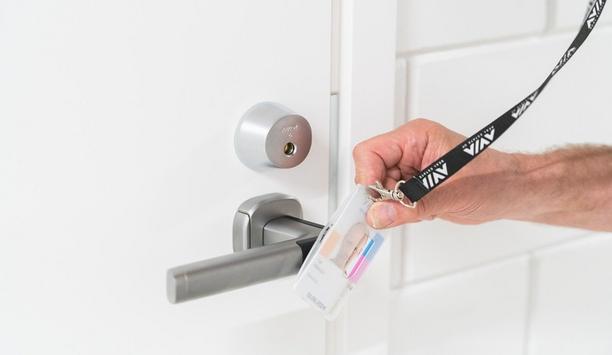
Managing access to and around Helsinki Airport is a complex task. Around 15,000 people work there daily pre-pandemic passenger numbers hovered around 60,000 to 70,000. Challenges faced Only authorized people should have access to many areas at an airport. The management of movement — by passengers, staff, and contractors— is critical to Finavia’s mission to deliver an efficient service. They sought new access solutions to help. Finavia staff and customer safety is paramount. In addition, every new access control device must: Facilitate the move to keyless security at the airport, which aims to enhance user convenience. Offer compatibility so Finavia can secure all types of openings, from doors and cabinets to fences and cargo. Integrate seamlessly with the existing access control system and software used at Helsinki Airport. Meet essential requirements for securing such a sensitive site: safety, functionality, durability and usability. Solution With Aperio H100 battery-powered handles, all types of airport doors are connected Partnering with ASSA ABLOY gave Finavia a vast choice of solutions to meet its complex security needs. With Aperio H100 battery-powered handles, all types of airport doors are connected to their access control system. This Aperio solution with inbuilt RFID capability was easy to install without the cabling that traditional devices require. “We see in real-time who will open the lock and when, and we can modify and grant access rights, remotely,” explains Kari Mäkinen. Programmable, secure ID cards Authorized building users come and go with programmable, secure ID cards. It’s much more convenient than a mechanical key, “The access cards of both Finavia personnel and staff of other companies are easily programmed with necessary access rights,” he adds. “When employees change, their access is disabled. Or if the card gets lost, it can be completely removed from the system. With mechanical keys, that process is much harder.” Durability, security of supply, and usability Multiple compatible ASSA ABLOY solutions are deployed alongside wireless Aperio and CLIQ door devices. Keyless, mobile-operated padlocks secure fencing and cargo. An antimicrobial coating on door handles helps to prevent germ spread and reassures staff. The availability of all these solutions from a single manufacturer helped Finavia to create a unified, integrated system at Helsinki Airport. “Safety, functionality, durability, security of supply, and usability were the reasons we chose the ASSA ABLOY solution,” said Kari Mäkinen, Senior Access Control Specialist at Helsinki Airport.
Round table discussion

Headlines of violence in our schools are a reminder of the need to keep educational institutions safe. In fact, if there is a positive aspect to the constant bombardment of headlines, it is that it keeps our attention perpetually focused on how to improve school security. But what is the role of physical security systems? As the new school year begins, we asked this week’s Expert Panel Roundtable: Are schools safer because of physical security systems? Why or why not?

As physical security technologies become more complex, it is incumbent on the dealer/integrator to have the skills and expertise needed to ensure that a system operates smoothly. The value of integrators increasingly rests on the skill sets they bring to bear when installing a system. If the skills are missing, there is a problem. We asked this week’s Expert Panel Roundtable: What missing skills among security integrators can cause problems for customers?

Driving the smart homes market is the convenience of simple technology solutions. Almost every home now has a “smart speaker” that makes it easier than ever for homeowners to interface and control their technology. But where does security fit into the new landscape of smart home systems? We asked this week’s Expert Panel Roundtable: What’s new in smart homes and residential security systems?