As digital transformation evolves and security concerns intensify, identity verification methods are experiencing significant changes.
Traditional reliance on passwords and keycards is diminishing, with biometric systems emerging as the preferred choice in Access Control Technologies.
MarketsandMarkets anticipates that the biometric system market, worth $47.2 billion in 2024, will expand to $84.5 billion by 2029. This projected growth highlights the increasing shift towards secure, non-transferable verification methods, impacting everything from critical infrastructure security to routine transactions.
From Manual Checks to Smart Automation
Intelligent access control systems have revolutionized this by integrating electronic locks
Initially, access control systems depended on manual checks, such as security guards verifying badges.
While effective in limited or smaller scenarios, these methods are less suitable for complex, large-scale environments of today.
Intelligent access control systems have revolutionized this by integrating electronic locks, sophisticated controllers, and centralized software for automatic decision-making. This allows real-time rule-based access with a comprehensive log of all entries and exits.
Core Technology Components
In a smart access control system, speed and security are achieved through a network of interconnected components:
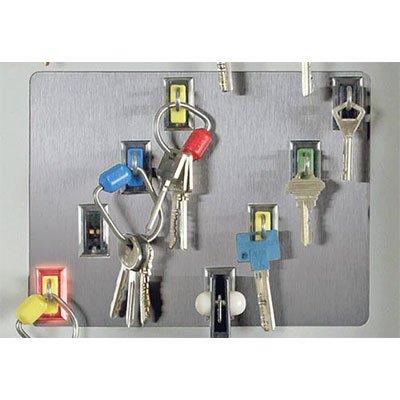
- Electronic Locks: Powered by electrical currents, these locks are integral, functioning with authentication methods like smart cards, PINs, fingerprints, or facial recognition.
- Keypads & Readers: Keypads provide secure PIN-based access, useful in multi-factor authentication. Card readers utilize RFID or NFC for swift, contactless data exchange, while biometric readers ensure high accuracy by using fingerprints or facial features for identification.
Ensuring Seamless Communication
Seamless communication forms the backbone of smart access control systems. Technologies such as:
- IoT (Internet of Things): Connects all physical components—locks, readers, and control units—via IP networks, facilitating centralized oversight and remote management.
- Cloud Integration: Increasingly, systems are managed through cloud platforms, providing ease in remote configuration across large or multiple sites.
- Mobile Access: Bluetooth Low Energy (BLE) transforms smartphones into secure, digital keys, replacing traditional physical cards.
Emerging Trends
Significant trends shaping the security landscape include:
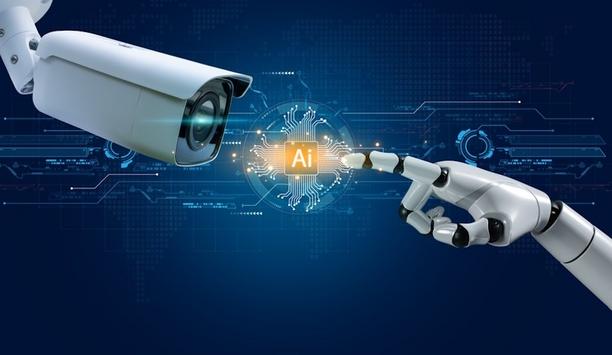
- AI-Powered Facial Recognition: Offering over 99% accuracy, algorithms enhance entry speed and reliability, even in poor lighting.
- Cloud and Edge Computing: Moving data processing to the edge reduces latency and ensures system resilience during network outages.
- Mobile-First Credentials: Physical cards are being supplanted by secure digital IDs stored on devices like smartphones.
- Cybersecurity Convergence: The integration of smart access control with broader IT security policies ensures unified governance of both physical and IT access.
Benefits for Businesses
Implementing a smart access control system presents several advantages beyond heightened security:
- Lower Operating Costs: Investment in upgraded systems often becomes self-sustaining within three years through efficiency improvements and cost avoidance, such as eliminating card replacements.
- Remote & Instant Scalability: Cloud solutions lower maintenance and upgrade expenses with automatic updates managed by providers, unlike traditional systems requiring on-site interventions.
- Superior Accuracy: Adoption of advanced authentication like biometrics often leads to a notable reduction in data breach expenses.
- Unified Business Analytics: Systems provide detailed access logs that can be integrated with tools for insights on workforce management, space utilization, and compliance tracking.
Modern Protection Strategies
As boundaries between the digital and physical realms blur, smart access control systems have become integral to modern security strategies. By leveraging AI, IoT, and cloud technologies, these systems offer resilience and convenience, allowing precise control over access at all times.
In an era defined by digital transformation and escalating security concerns, the methods we use to confirm identity are undergoing a profound evolution.
The days of relying solely on easily transferable passwords and keycards are fading, giving way to advanced, non-transferable verification, particularly within Access Control Systems.
This accelerating shift is not just a technological trend, but a massive market movement: According to MarketsandMarkets 2024, the global biometric system market, valued at $47.2 billion in 2024, is projected to grow to $84.5 billion by 2029, underscoring the accelerating reliance on these advanced non-transferable methods.
This explosive growth signals a crucial time for businesses and consumers alike to understand what this means for everything from securing critical infrastructure to daily transactions.
From manual checks to intelligent automation
The original form of access control systems relied entirely on manual verification—a security guard checking a badge or ID. While this method still works for small spaces, it simply doesn't scale to the complexity of modern, large-scale environments.
Smart Access control systems flip this script. It integrates electronic locks, intelligent controllers, and centralized software to automate decision-making. This means access is granted based on real-time rules, and a detailed, immediate log of every entry and exit is automatically created.
Core technology
A smart access control system is a network of interconnected components designed for speed and security:
- Electronic Locks: Operated by electrical current, these are the foundation, linking directly to the system's authentication methods (e.g., a smart card, PIN, Fingerprint, or Face).
Keypads & Readers:
- Keypads offer a reliable PIN-based entry method, often used as part of a multi-factor authentication setup.
- Card Readers use RFID or NFC for quick, contactless data exchange with credentials.
- Biometric Readers utilize unique physical traits like fingerprints or facial features. This ensures identification is non-transferable and provides the highest accuracy for access and attendance tracking.
Seamless communication
Seamless communication is the engine of smart access control systems. These technologies ensure every component talks to the control center:
- IoT (Internet of Things): This is what connects every physical element—locks, readers, and control units—via IP networks, enabling centralized monitoring and remote control.
- Cloud Integration: Today, systems are increasingly managed through cloud platforms, drastically simplifying remote configuration and management for large or multiple sites.
- Mobile Access: Bluetooth Low Energy (BLE) is rapidly becoming the standard, allowing employees to use their smartphones as secure, digital keys instead of carrying physical cards.
Key trends
The current year is marked by a massive acceleration in Intelligence and Integration across the security landscape:
- AI-Powered Facial Recognition: Algorithms have reached over 99% accuracy, dramatically improving the speed and reliability of entry, even in challenging conditions like poor lighting.
- Cloud and Edge Computing: Data processing is moving closer to the devices (the "edge"). This reduces network delay (latency) and ensures the system maintains continuity and functionality even during a temporary network outage.
- Mobile-First Credentials: Physical cards are quickly being phased out as organizations adopt secure digital IDs stored on employees' and visitors' smartphones.
- Cybersecurity Convergence: The wall between physical and IT security is collapsing. Smart access control systems are now required to integrate seamlessly with an organization's broader IT security policies, ensuring both physical data and facility access fall under unified governance.
Business advantages
Implementing a smart access control system delivers concrete business advantages beyond just better security:
- Lower Operating Costs: While upfront costs exist, upgrading an access control system can be a financially sound investment. Some analyses suggest that an access control upgrade in commercial properties can become self-sustaining within three years through efficiency gains and cost avoidance (like eliminating the need for physical card replacement).
- Remote & Instant Scalability: Cloud-based solutions inherently reduce maintenance and upgrade costs, as software updates are automatic and instantaneous, managed by the provider, unlike traditional systems which require manual, on-site server maintenance and replacement.
- Superior Accuracy: Organizations using advanced authentication methods like biometrics often report a reduction in data breach costs. Studies have indicated that organizations using biometrics reduce breach costs by an average of hundreds of thousands of dollars compared to those relying on traditional passwords.
- Unified Business Analytics: Smart access control systems provide detailed, time-stamped audit trails and access logs. This data can be integrated with other platforms (like HR or occupancy management tools) to provide valuable insights for real-time workforce management, optimizing space utilization, and tracking compliance (e.g., ensuring only trained employees access hazardous areas).
Modern protection
As the line between the physical and digital world disappears, smart access control systems are becoming the essential foundation of modern protection strategies.
By harnessing the power of AI, IoT, and cloud computing, these systems provide both resilience and unparalleled convenience, ensuring every organization maintains precise control over who accesses what, where, and when.