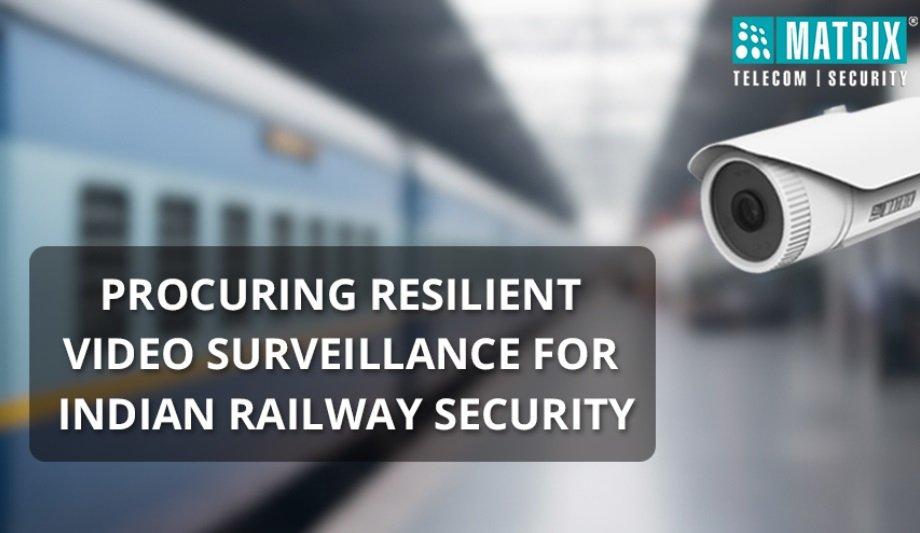
Ensuring the longevity and reliability of video surveillance systems in India’s sprawling railway network is a multifaceted challenge. Successful procurement in this sector transcends merely acquiring equipment; it is about guaranteeing compliance, accountability, and enduring performance.
A common scenario illustrates this complexity: surveillance cameras installed before the monsoon often fail within months due to environmental stresses, leading to security breaches.
This necessitates multiple departmental reviews, from S&T for specifications to finance for approvals, while audits scrutinize every missing certificate and justification gap. Therefore, adherence to regulatory and technical standards is paramount.
Regulatory Compliance Imperatives
Regulatory compliance remains a cornerstone of audit-proof surveillance projects within Indian Railways
Regulatory compliance remains a cornerstone of audit-proof surveillance projects within Indian Railways. The system's effectiveness can be jeopardized by expired or mismatched certifications, potentially halting tenders.
Strict adherence to STQC Essential Requirements (ER) certification and the Research Designs and Standards Organisation (RDSO) technical specifications is mandatory.
Vendors often fall short by overlooking details such as certification scope and validity, delaying tenders. Understanding how STQC ER compliance influences procurement is crucial for avoiding pitfalls and ensuring smooth audits.
Cybersecurity Considerations
Every IP camera and Video Management System (VMS) in the network symbolizes a potential digital access point. Field data confirms that neglect in cybersecurity often leaves systems vulnerable to unauthorized access or footage manipulation.
Implementing secure boot, signed firmware, HTTPS streaming, and AES encryption is essential to withstand threats. Integrating robust cybersecurity measures at the specification stage protects both passengers and infrastructure, reinforcing overall security.
Beyond Low-Cost Bidding
While the Lowest Bidder (L1) rule is commonplace in railway procurement, it often complicates decision-making, revealing hidden costs such as maintenance shortfalls and premature system failures.
Life-Cycle Costing (LCC) provides a comprehensive assessment of value, considering expenses over 5–7 years, factoring in Annual Maintenance Contracts (AMC), system downtimes, and equipment longevity.
Mean Time Between Failures (MTBF) serves as a significant reliability indicator; for example, Matrix NVRs and network cameras boast an MTBF exceeding 100,000 hours, ensuring fewer interruptions and stable maintenance planning.
Importance of Service Agreements
A common procurement issue is vendors disappearing post-installation, leading to service gaps. Comprehensive tender documents, with explicitly defined AMC coverage, response timelines, and local support availability, help mitigate this. Projects with well-defined service clauses typically experience fewer escalations and audit challenges.
Selection of Surveillance Equipment
Cameras for railway coaches and trackside installations must endure mechanical stress
The challenging railway environment, marked by dust, humidity, vibrations, and voltage fluctuations, demands resilient systems. Equipment selection significantly impacts project success.
Cameras for railway coaches and trackside installations must endure mechanical stress, while dome network cameras are suitable for indoor areas like ticket counters where vandal resistance is key.
Bullet cameras are ideal for open platforms, and PTZ cameras excel in large spaces, providing extensive coverage. Adherence to standards like EN50155 and EN45545-2 is critical for reliability.
Strategic Documentation
Procurement success heavily relies on precise documentation, such as tender-ready documents and certification packs, to minimize delays caused by mismatches or outdated specifications. Accurate documentation streamlines the transition when department transfers occur, sustaining project momentum.
Future-Ready Procurement
The shift towards initiatives like Make in India and Atmanirbhar Bharat emphasizes the need for procurement strategies aligned with trusted sourcing and long-term serviceability. Systems supporting firmware upgrades, open protocols, and local service networks meet these priorities and maintain compatibility.
Ultimately, the long-term value of procurement decisions becomes apparent when systems endure audits, daily operations, and environmental stresses. Projects fortified by comprehensive documentation, clear specifications, and lifecycle evaluations prove resilient, maintaining safety, uptime, and network credibility over time.
Those who’ve worked on railway security projects know that procuring a video surveillance system is not just about buying equipment — it’s about ensuring accountability, compliance, and system longevity.
Take a common case: cameras installed before monsoon begin failing within months due to ingress and temperature stress. A security lapse follows, and multiple departments are drawn into scrutiny — S&T for specifications, procurement for documentation, and finance for approvals. Audit trails every missing certificate and every gap in justification.
This isn’t an isolated occurrence. Across India’s 68,000+ km railway network, serving billions of passengers, video surveillance has become a backbone of railway security. A single misstep in specification, certification, or documentation can ripple across operations and audit reports alike.
Regulatory compliance
Over time, one pattern stands out — regulatory compliance forms the foundation of every audit-proof surveillance project. Even a single expired or mismatched certificate can put an otherwise sound tender on hold.
Why STQC and RDSO Certifications Are Non-Negotiable
For any video surveillance system deployed in Indian Railways, both STQC Essential Requirements (ER) certification and RDSO technical specification alignment are mandatory.
This isn’t just a procedural step — many tenders face delays because vendors or integrators overlook nuances in certification scope, validity periods, or how the standards apply to cameras and VMS software.
A clear understanding of how STQC ER compliance for network cameras shapes procurement can help officers avoid these pitfalls and safeguard their files from future audit flags.
Why Cyber-Secure Video Surveillance Is Non-Negotiable for Railway Security
Each IP camera and Video Management System (VMS) deployed in the railway network is a potential digital access point. Field experience shows that when cybersecurity is overlooked, vulnerabilities quickly surface — from unauthorized access to footage manipulation.
Procuring systems with secure boot, signed firmware, HTTPS streaming, and AES encryption ensures resilience against such threats. Integrating cybersecurity at the specification stage protects both passengers and infrastructure.
Moving beyond the lowest bid
Those familiar with railway procurement know how often the Lowest Bidder (L1) rule complicates decision-making. A low price may look attractive, but hidden costs emerge quickly — maintenance gaps, frequent failures, and emergency replacements.
The case for life-cycle costing
Life-Cycle Costing (LCC) offers a more complete picture of value by assessing total cost over 5–7 years. It factors in Annual Maintenance Contract (AMC) expenses, system downtime, and equipment longevity.
One of the strongest indicators of long-term reliability is Mean Time Between Failures (MTBF). High-MTBF systems significantly reduce unexpected maintenance events and emergency procurements.
For instance, Matrix NVRs and network cameras have an MTBF (Mean Time Between Failure) of over 100,000 hours, translating into fewer breakdowns, longer operational life, and more predictable maintenance planning. This directly impacts lifecycle costing calculations by lowering unplanned expenditure.
Annual Maintenance Contract (AMC) and service gaps
Procurement records show a recurring issue: vendors disappearing after installation. To prevent this, tender documents must explicitly define Annual Maintenance Contract (AMC) coverage, response timelines, and local support availability. Projects with well-defined service clauses tend to face fewer escalations and audit objections later.
Choosing a video surveillance system
Railway environments are unforgiving — from dust and humidity to continuous vibration and voltage fluctuations. Experience on the ground reinforces that system resilience is just as critical as image quality.
Choosing the right camera for each site makes all the difference:
- Railway coaches and trackside installations are subjected to persistent vibration, shocks, and thermal fluctuations. Cameras deployed in these areas must be built to withstand mechanical stress over long periods, ensuring stable operation during journeys and high-speed movement. Ruggedized designs and compliance with relevant railway-grade standards, such as EN50155 and EN45545-2, are crucial for reducing mid-life failures and avoiding frequent service interruptions.
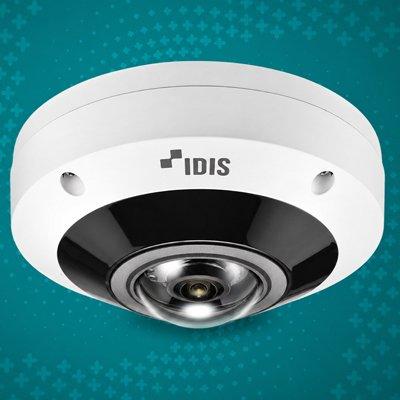
- Dome network cameras excel in indoor or semi-covered areas like ticket counters and halls, where vandal resistance and compact design matter.
- Bullet network cameras are built for open platforms and perimeters, with weatherproof housings to withstand temperature and dust extremes.
- PTZ network cameras are ideal for large, open spaces — station concourses or yards — offering wide coverage and high-speed pan-tilt control. Compliance with protection standards like NEMA 4X ensures optimal performance even in vibration-heavy or coastal environments.
Deployments that follow this site-specific approach report fewer mid-life failures and reduced maintenance cycles — both critical for long-term project stability.
Strong documentation and foresight
Procurement success also depends on paperwork precision. Field officers often cite GeM mismatches — outdated specifications or wrong categories — as causes of project delay.
Maintaining tender-ready documentation — pre-vetted BoQs, certification packs, and mapped technical sheets — significantly shortens clarification rounds. It also helps new officers take charge seamlessly, especially in departments where transfers are frequent.
Preparing for tomorrow’s requirements
With initiatives like Make in India and Atmanirbhar Bharat, procurement policies are evolving toward trusted sourcing and long-term serviceability. Choosing systems that support firmware upgrades, open protocols, and local service networks aligns with these priorities while preventing future compatibility issues.
The real measure of procurement
Procurement decisions reveal their true value not at tender closure but years later — when systems face audits, weather, and daily operational stress. Projects backed by sound documentation, clear specifications, and lifecycle-based evaluations consistently stand stronger.
In the context of railway security, such foresight doesn’t just pass audits — it sustains safety, uptime, and credibility across the network.