The retail sector faces persistent challenges with theft and other crimes, requiring innovative solutions to safeguard assets and enhance customer and staff safety.
From intimate boutique shops to vast department stores, it's paramount for retailers to balance customer satisfaction with robust security measures. Recent advancements in retail security technology are significantly transforming how these businesses protect their environments.
Addressing the Scale of Retail Crime
Retail crimes extend beyond mere shoplifting, encompassing issues such as employee theft, break-ins, and cyber-attacks targeting retail databases.
In the UK, the repercussions are severe both financially and psychologically, impacting staff morale and customer trust. By deploying comprehensive retail security systems, businesses can ensure not only asset protection but also create a secure atmosphere for employees and customers alike. These systems serve as effective deterrents, reducing opportunistic theft.
Digital Advancements in Retail Security
However, innovative digital security technologies are alleviating these concerns
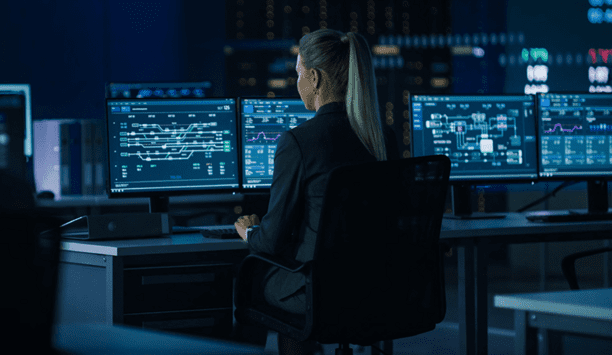
The integration of digital technology into retail security systems is reshaping their efficiency and accessibility. Modern security systems offer features like real-time monitoring, instantaneous alerts, and comprehensive data analytics.
The British Retail Consortium highlights that crimes against retailers entail both direct financial burdens and indirect costs such as diminished staff morale and customer confidence. However, innovative digital security technologies are alleviating these concerns.
Key Components of Retail Security Systems
A well-rounded retail security strategy involves a combination of physical and digital components. Key elements include:
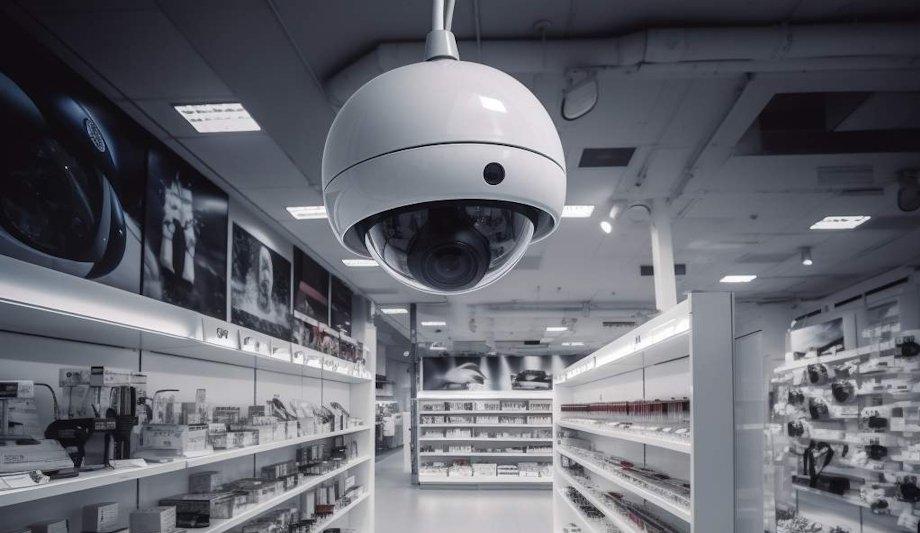
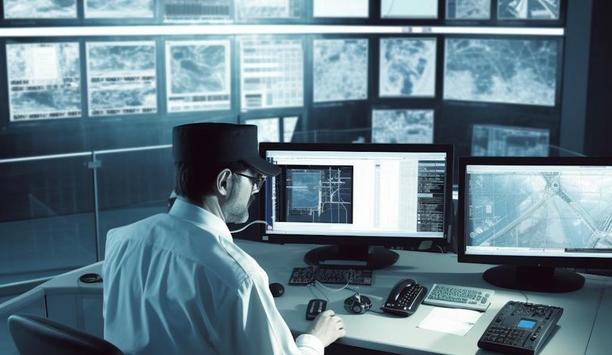
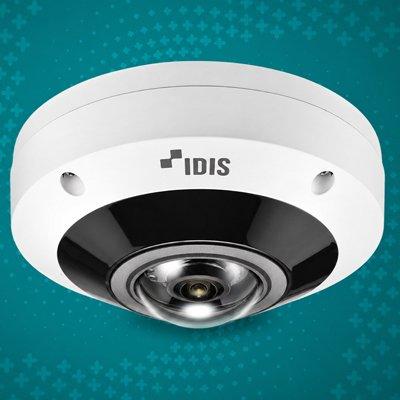
- CCTV Surveillance: Contemporary surveillance systems provide higher resolution, improved low-light performance, and cloud-based remote monitoring capabilities.
- Electronic Article Surveillance (EAS): Commonly used in items like clothing, EAS systems trigger alarms when items pass through exit points undetected.
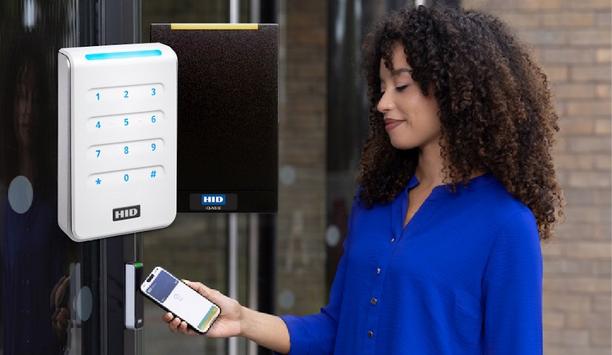
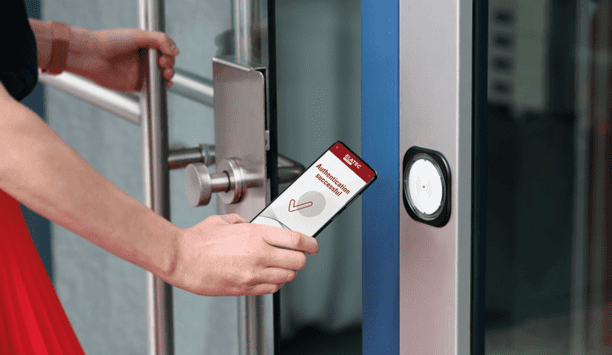
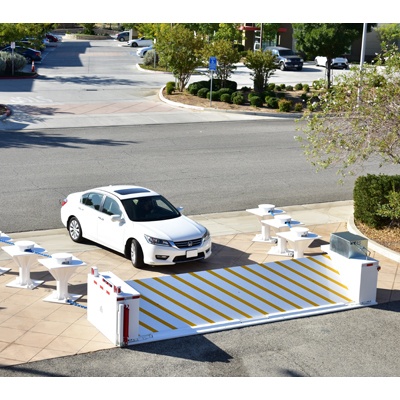
- Access Control Systems: Particularly beneficial for large stores, these systems restrict area access to authorized personnel only.
- Point of Sale (POS) Monitoring: Integrating POS systems with video surveillance can help track transactions, mitigating internal theft and fraud.
- Cybersecurity Protocols: With increasing digital transactions, securing customer data from breaches is crucial for any retail operation.
Importance of Employee Training
While technology is an integral part of retail security, employee involvement is equally essential
While technology is an integral part of retail security, employee involvement is equally essential.
Staff on the frontline are adept at observing behavior and noticing potential threats before they become critical. Training employees in conflict resolution and emergency response promotes a safe environment for everyone in the store.
Collaboration with Law Enforcement
Building strong relationships with local law enforcement can enhance the effectiveness of security operations. Sharing of surveillance footage and joint training activities are beneficial forms of collaboration, increasing deterrent capabilities and overall security measures.
Retail security demands a comprehensive approach that includes technological solutions, human judgment, ongoing learning, and collaboration. By maintaining a proactive security stance, retailers can safeguard their staff, customer base, and assets, fostering a trustworthy and safe shopping environment.
The retail industry is perennially on the frontline of crime, particularly theft. From small high-street boutiques to sprawling department stores, retailers face the dual challenge of ensuring customer satisfaction while protecting their stock and assets.
The safety of staff and shoppers is of paramount importance, but so too is the security of goods.
This is where advancements in security solutions, tailored explicitly for retailers, are revolutionizing the industry.
Scale of the issue
Retail crime isn’t just about the occasional shoplifter. It encompasses a wide range of activities, including employee theft, burglary, and even cyber-related crimes that target retail databases.
Retailers in the UK face a constant battle; the financial implications are staggering, and the psychological impact on staff and loyal customers can be deeply unsettling.
By implementing retail security systems, businesses can ensure not only the physical safety of their stock but also create an environment where staff and shoppers feel secure. Effective systems act as a deterrent, reducing the very temptation of theft.
Digital innovations in retail security
Many of today’s retail security solutions are powered by digital technology
The integration of technology into retail security is not a new phenomenon. Still, recent advancements are making these systems more efficient and accessible.
Many of today’s retail security solutions are powered by digital technology, allowing for real-time monitoring, instant alerts, and deep analytics.
According to the British Retail Consortium, crimes against the retail sector have a direct financial cost, but they also have indirect costs such as decreased staff morale and reduced customer confidence. With digital advancements in security systems, these challenges can be mitigated.
Key elements of retail security systems
Retail security is a multi-faceted domain, requiring a blend of physical and digital measures to ensure maximum protection. Here are some critical elements that retailers should consider:
- CCTV surveillance: While surveillance cameras have been in use for decades, modern systems offer higher resolution, better low-light performance, and integration with cloud platforms for remote monitoring.
- Electronic article surveillance (EAS): These are the tags and alarms users often see attached to clothing and other retail items. When a tagged item passes through a detection system at a store exit without being deactivated, an alarm sounds.
- Access control systems: Especially useful for larger retail establishments or those with storerooms containing high-value items. These systems ensure that only authorized personnel can access specific areas.
- Point of sale (POS) monitoring: Integrating POS systems with CCTV can help monitor and record transactions, which is especially crucial for preventing employee theft or fraud.
- Cybersecurity measures: With the increasing digitization of retail operations, it’s essential to ensure the security of customer data. A comprehensive security system should include robust cybersecurity protocols to prevent data breaches.
Employee training
While technology is a crucial component of retail security, human insight remains invaluable. Employees are on the shop floor daily, interacting with customers, observing behaviors, and spotting potential threats.
They can often recognize suspicious behavior before any tech gadget. Training staff to respond correctly to these situations is critical. It’s not just about apprehending thieves; it’s about conflict resolution, ensuring the safety of everyone in the store, and handling situations discreetly.
Collaboration with Law Enforcement
Retailers should also foster strong relationships with local law enforcement. This collaboration can range from sharing CCTV footage of suspicious activity to hosting joint training sessions. Such collaborations enhance the effectiveness of security systems and amplify the deterrent factor.
The world of retail security, like many other sectors, is constantly evolving. Staying updated with the latest threats and the most effective countermeasures is crucial. This involves regular audits, seeking feedback from staff, and continuous investment in technology and training.
Theft prevention in the retail sector is not just about installing cameras and setting alarms. It’s a holistic approach that integrates technology with human insight, continuous learning, and collaboration. By taking a proactive approach, retailers can ensure the safety of their staff, customers, and assets, fostering an environment of trust and security.